


Review Summary
Expert Rating
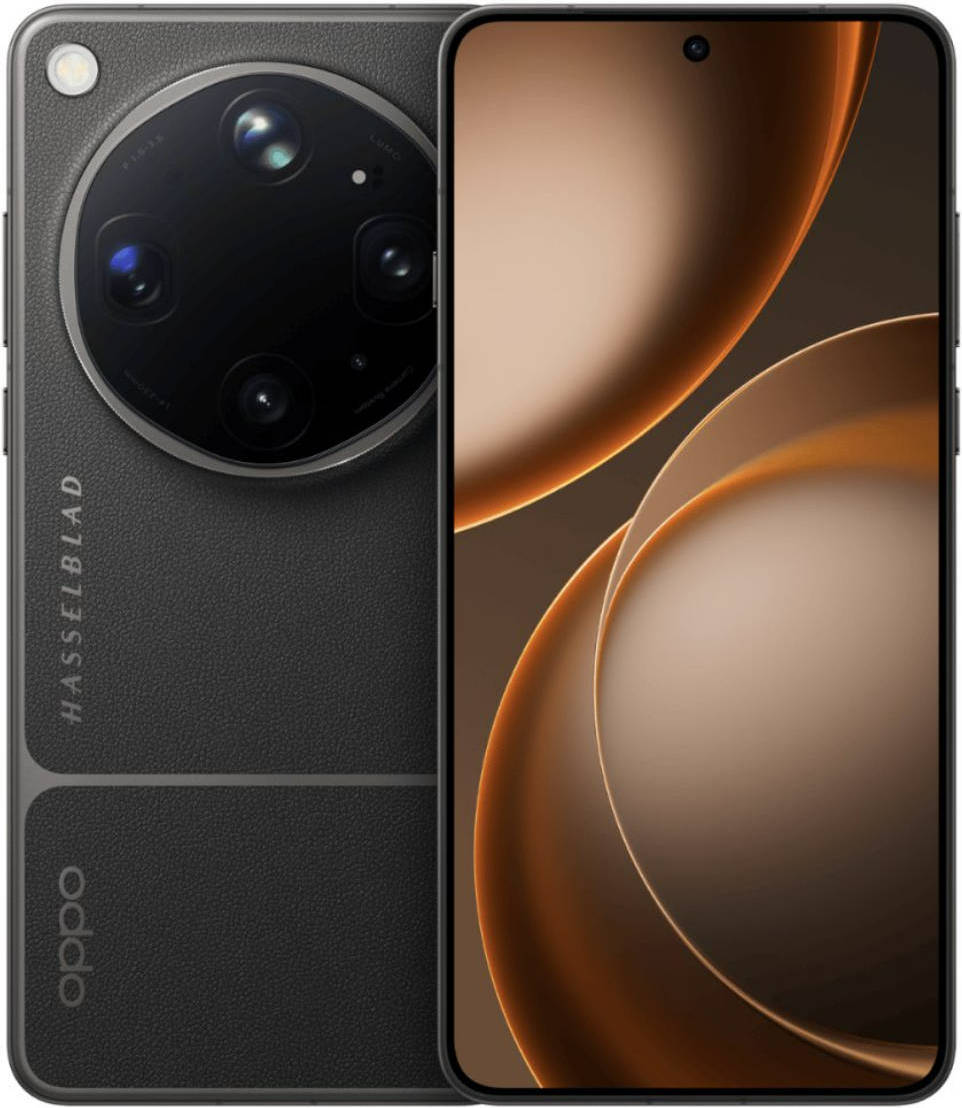
The OPPO Find X9 Ultra is OPPO’s answer to the Vivo X300 Ultra (review). But where Vivo decided to launch the X300 Ultra with an additional teleconverter kit, OPPO chose not to bring any additional lens, as they believe the native cameras on the Find X9 Ultra can do the job just fine. I’ve been using the Find X9 Ultra as my primary phone for over a week now, and I completely agree with OPPO and then some. The Find X9 Ultra is an exceptional camera phone that also nails practically everything else that makes up a smartphone.
Table of Contents
Verdict
OPPO made an expectedly stellar camera smartphone that’s worth every rupee of its rather high price tag. But what truly justifies the phone’s Rs 1,70,000 price tag is that it nails almost every other aspect, including a buttery-smooth ColorOS 16 software, an impressive LTPO AMOLED display, blazing fast performance, and a battery life that one-ups the Vivo X300 Ultra.
Cameras: The camera system that needs no kit
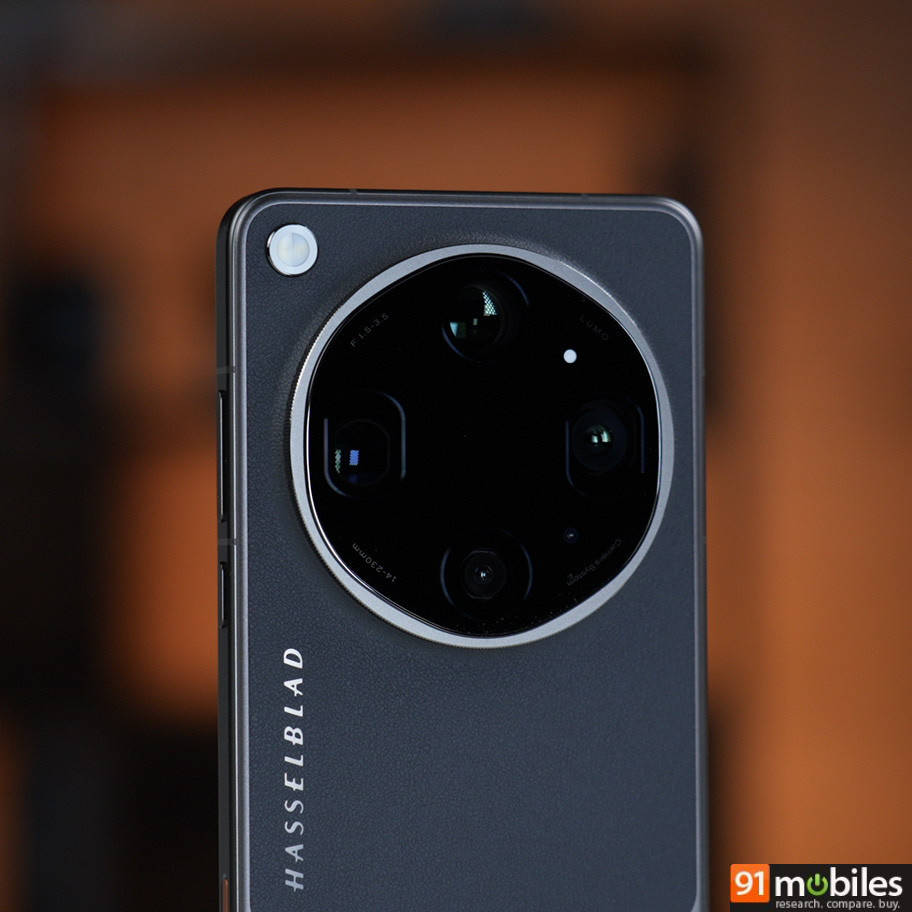
This is what you’re here for, so let’s talk about it. The Find X9 Ultra has a penta-camera system on the rear, which is the most ambitious camera setup on any smartphone right now. The centrepiece is a 200MP Sony LYTIA 901 primary camera with a 1/1.12-inch sensor and an f/1.5 aperture, paired with OPPO’s LUMO Image Engine. Alongside it sits a 200MP 3x ultra-sensing telephoto with a 1/1.28-inch sensor, a 50MP ultrawide with autofocus, and the headline addition: a 50MP 10x optical zoom telephoto. That last one is why OPPO decided not to launch a teleconverter kit.


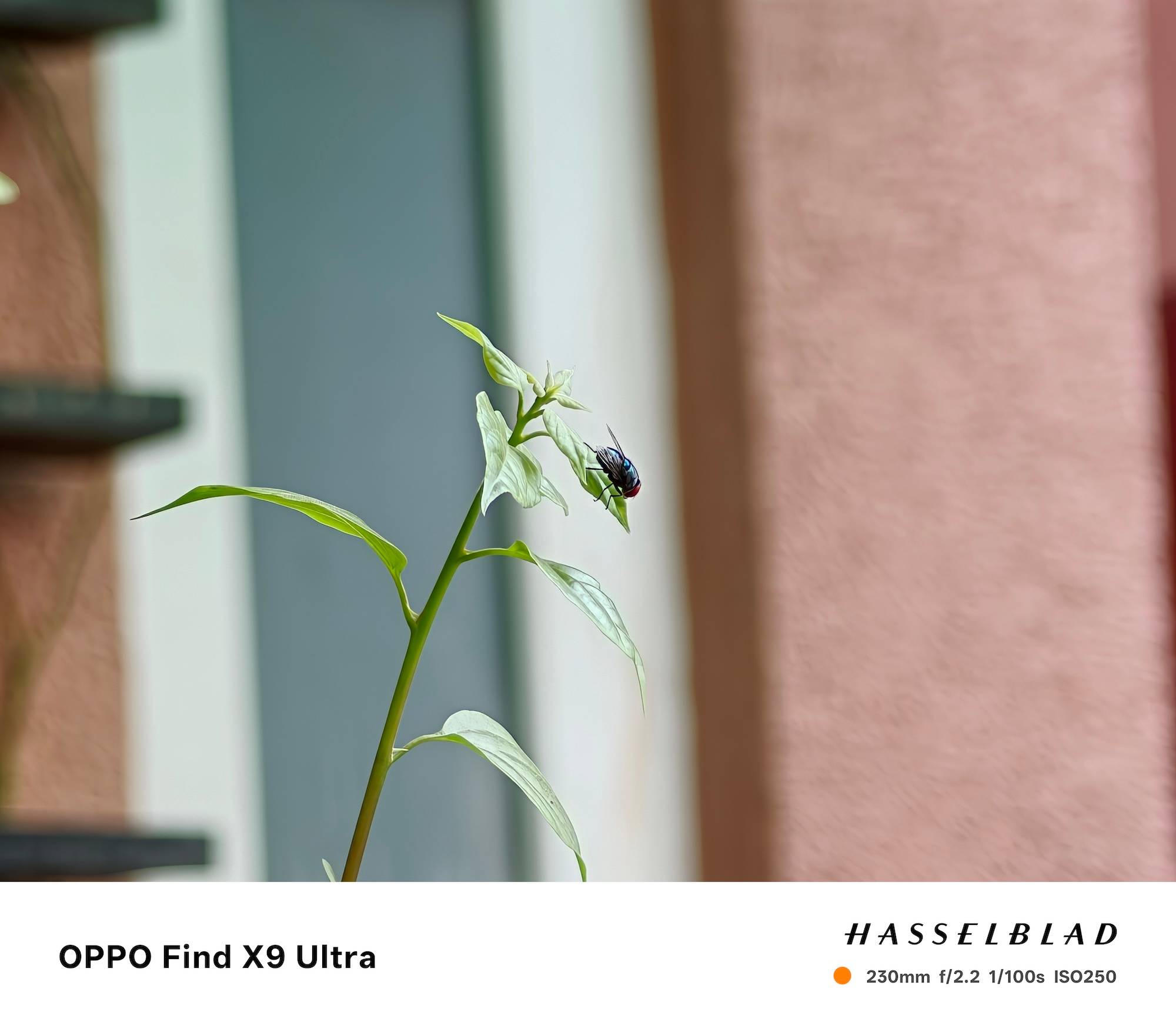
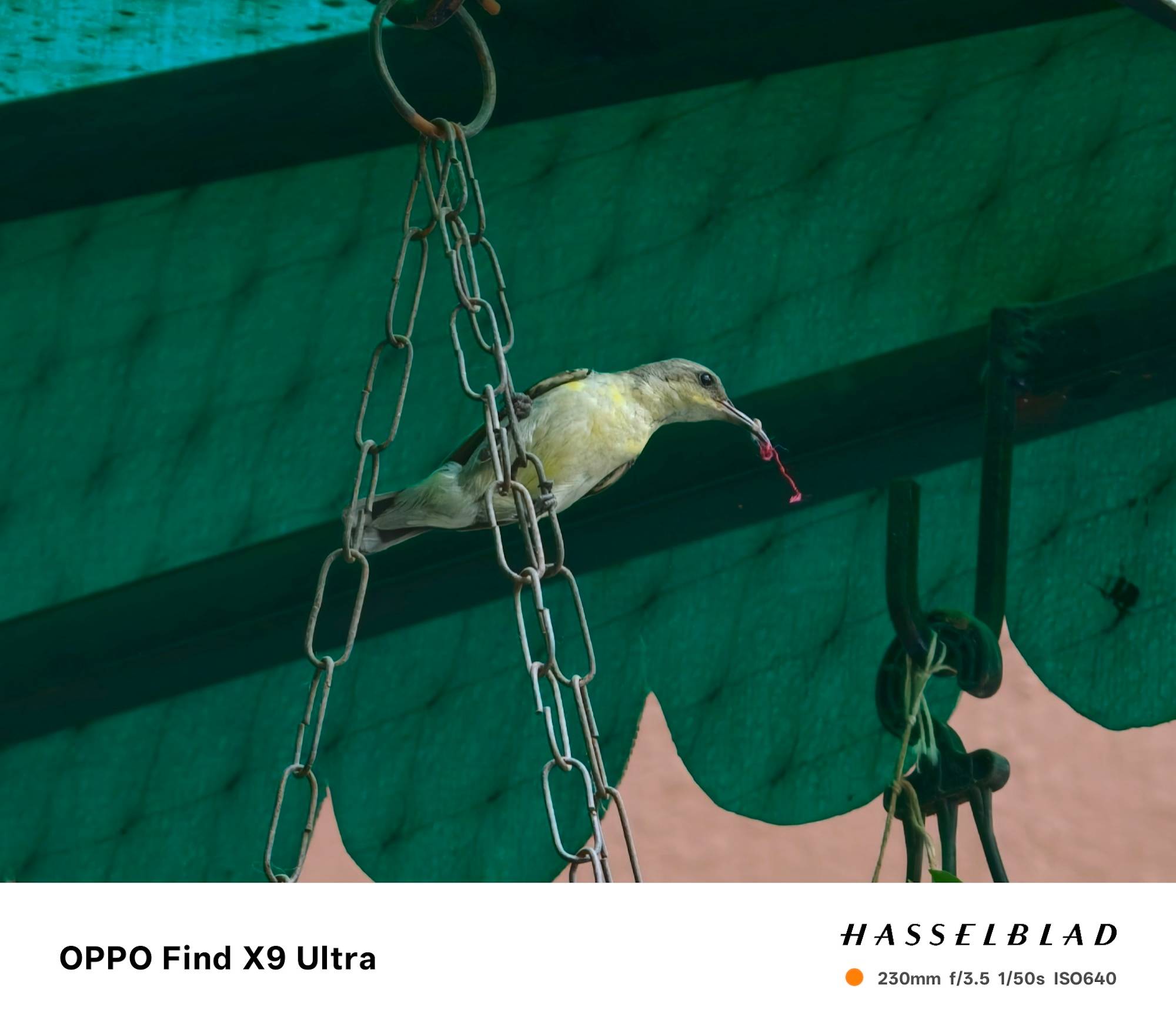
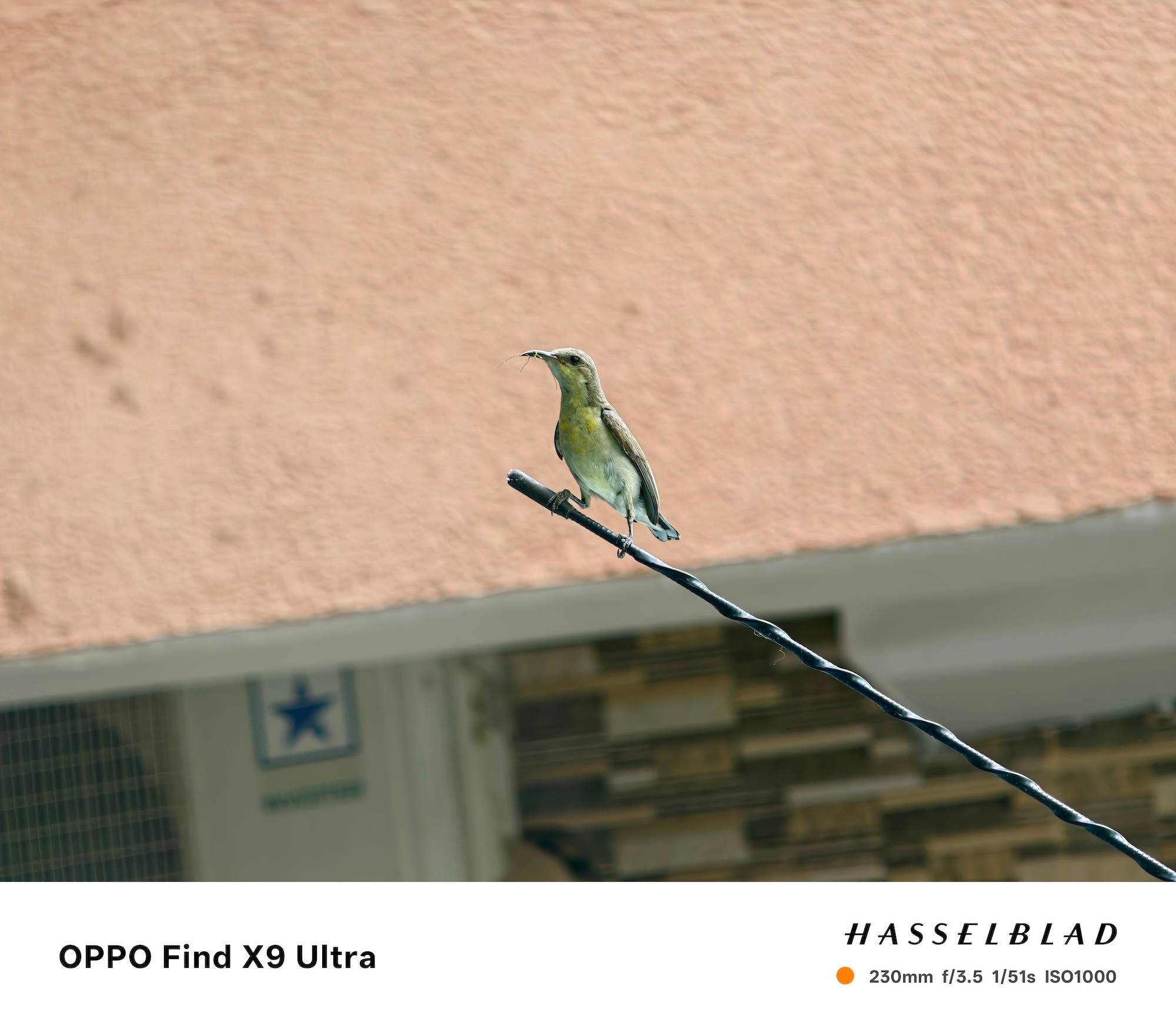
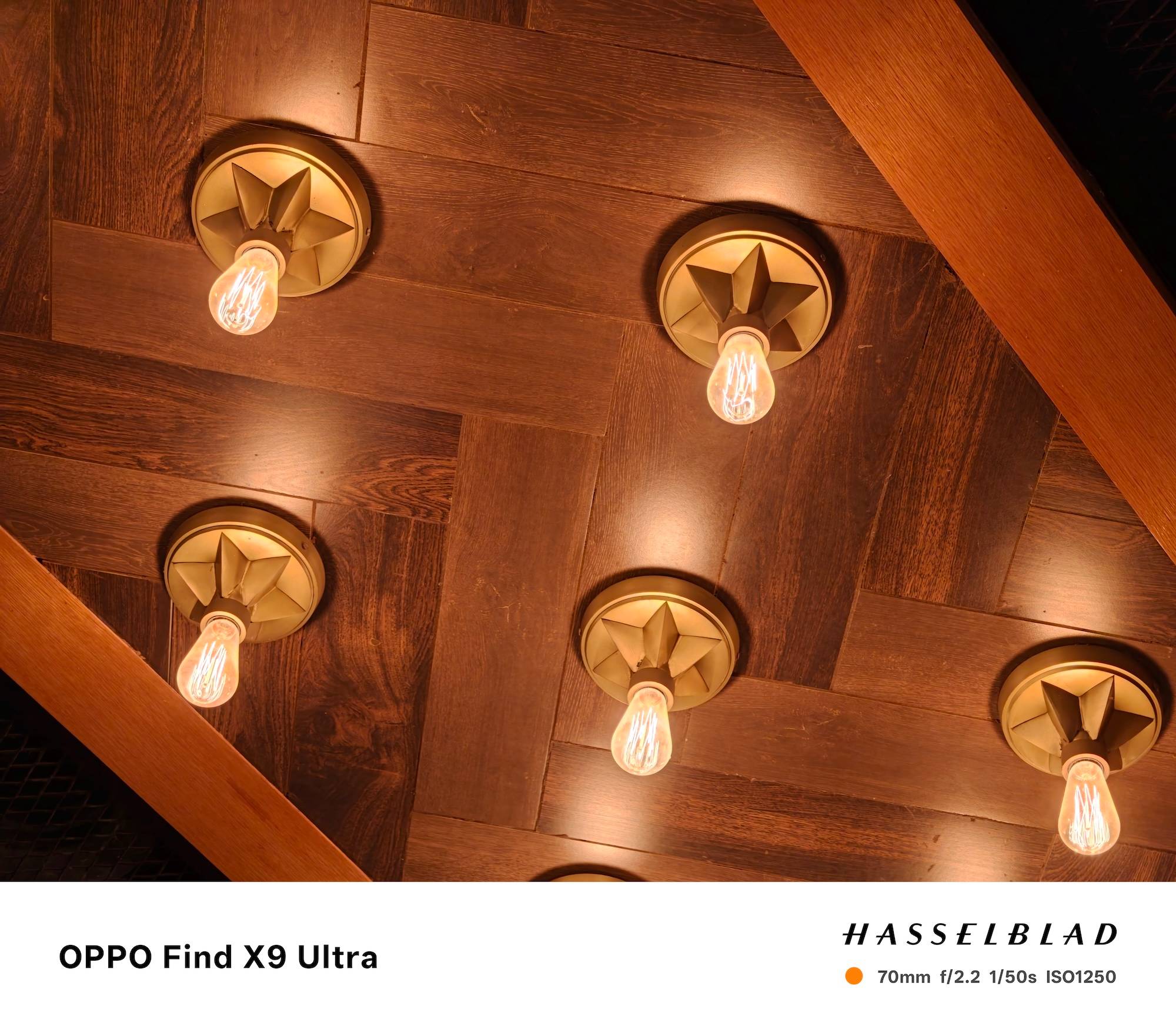
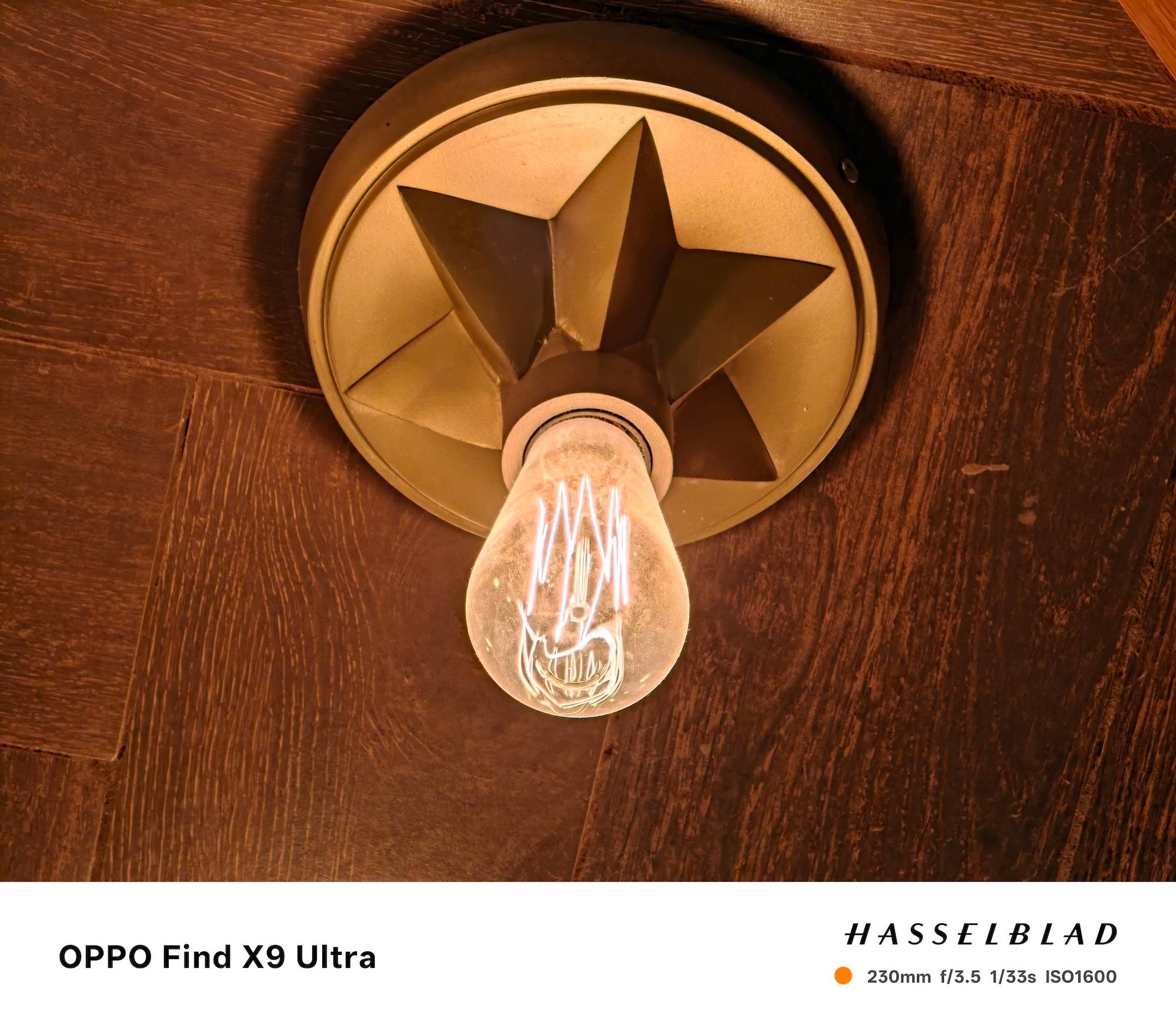
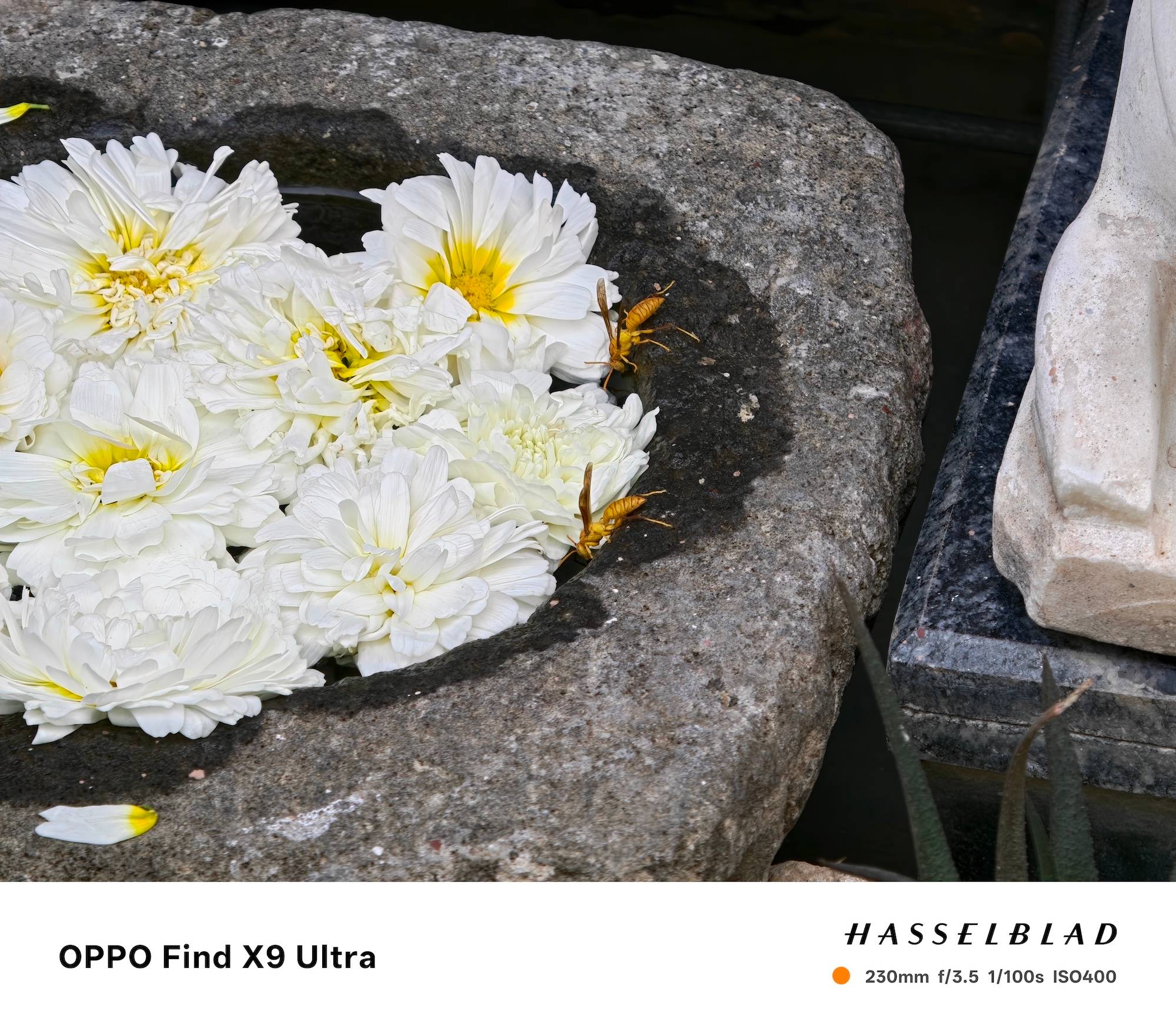



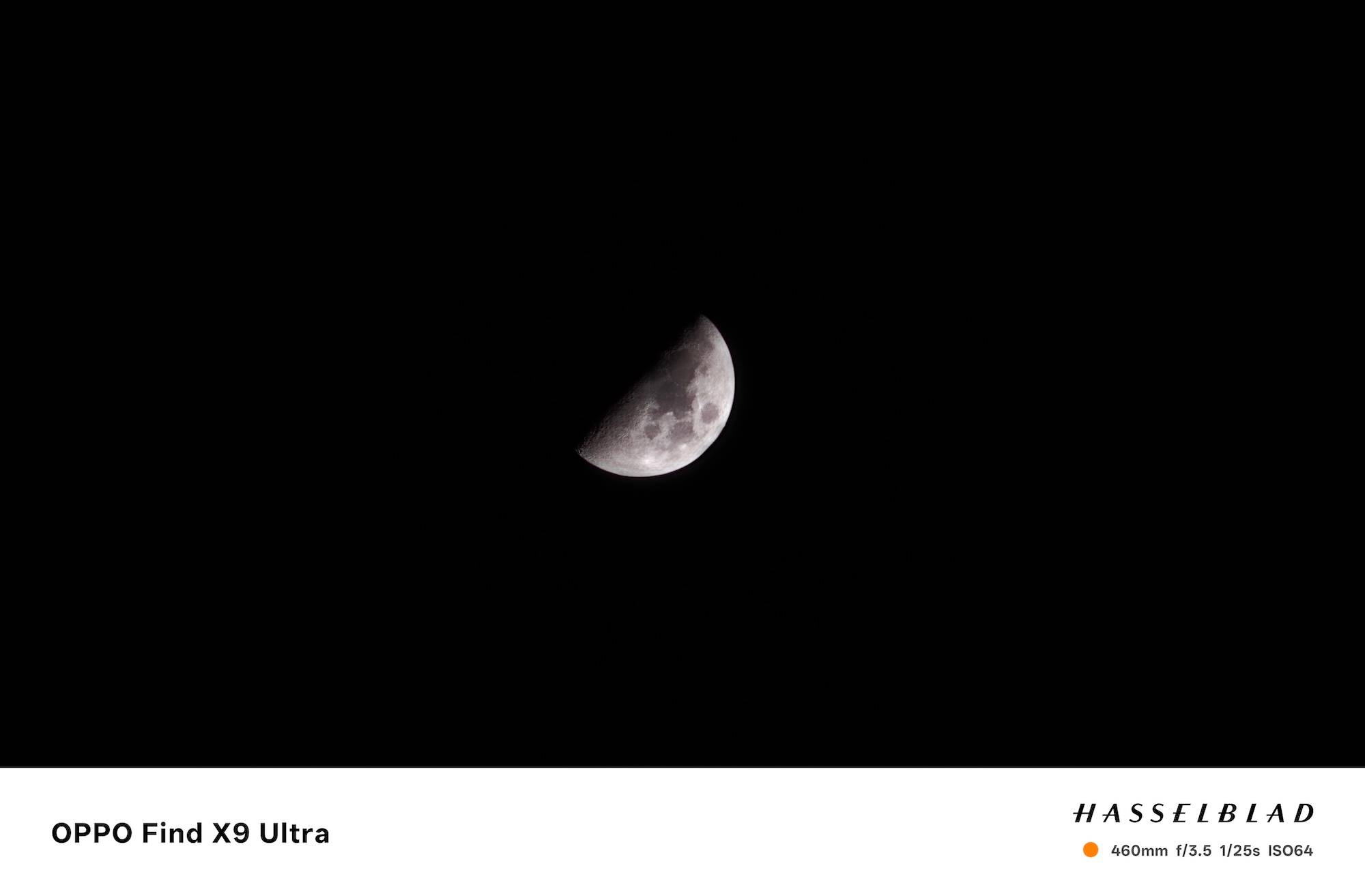



The camera system is excellent across all lighting conditions. The primary camera delivers attractive colours, wide dynamic range, and impressive detail retention. Hasselblad’s colour science leans towards contrasty and saturated shots, compared to the X300 Ultra’s more true-to-life colour tuning. The 3x telephoto is equally strong, with OPPO claiming it captures significantly more light than competing telephoto sensors of the same focal length.
I found this to be true when comparing telephoto portrait shots between the Find X9 Ultra (3x 70mm) and X300 Ultra (3.5x 85mm). In the image below, you can see that the Find X9 Ultra’s portrait looks noticeably brighter. Both phones deliver excellent facial detail and background blur, but the Find X9 Ultra performed marginally better in edge detection, especially around the hair.


The ultrawide with autofocus is a feature that sounds minor until you need it for close-focus shots of food or architecture, where the fixed-focus ultrawide on most phones simply cannot lock on. The 50MP sensor with the larger 1/1.95-inch chip handles low light better than most ultrawide cameras I have tested.
In the daylight ultrawide shot below between the Find X9 Ultra and X300 Ultra, you can see the difference in colour tuning, with the OPPO phone leaning towards brighter, punchier colours and the Vivo phone opting for a more muted, natural look. But the bright dELHI summer sun is accurately represented on the Find X9 Ultra. The Find X9 Ultra also offers better sharpness in the bushes and the signs at the back when zooming in.


One thing to note is that the Find X9 Ultra captures high-resolution images by default, so photos are typically around 26MP or 28MP rather than 12MP, resulting in crisper photos but larger file sizes. You can change it to Standard if you prefer to save storage space.
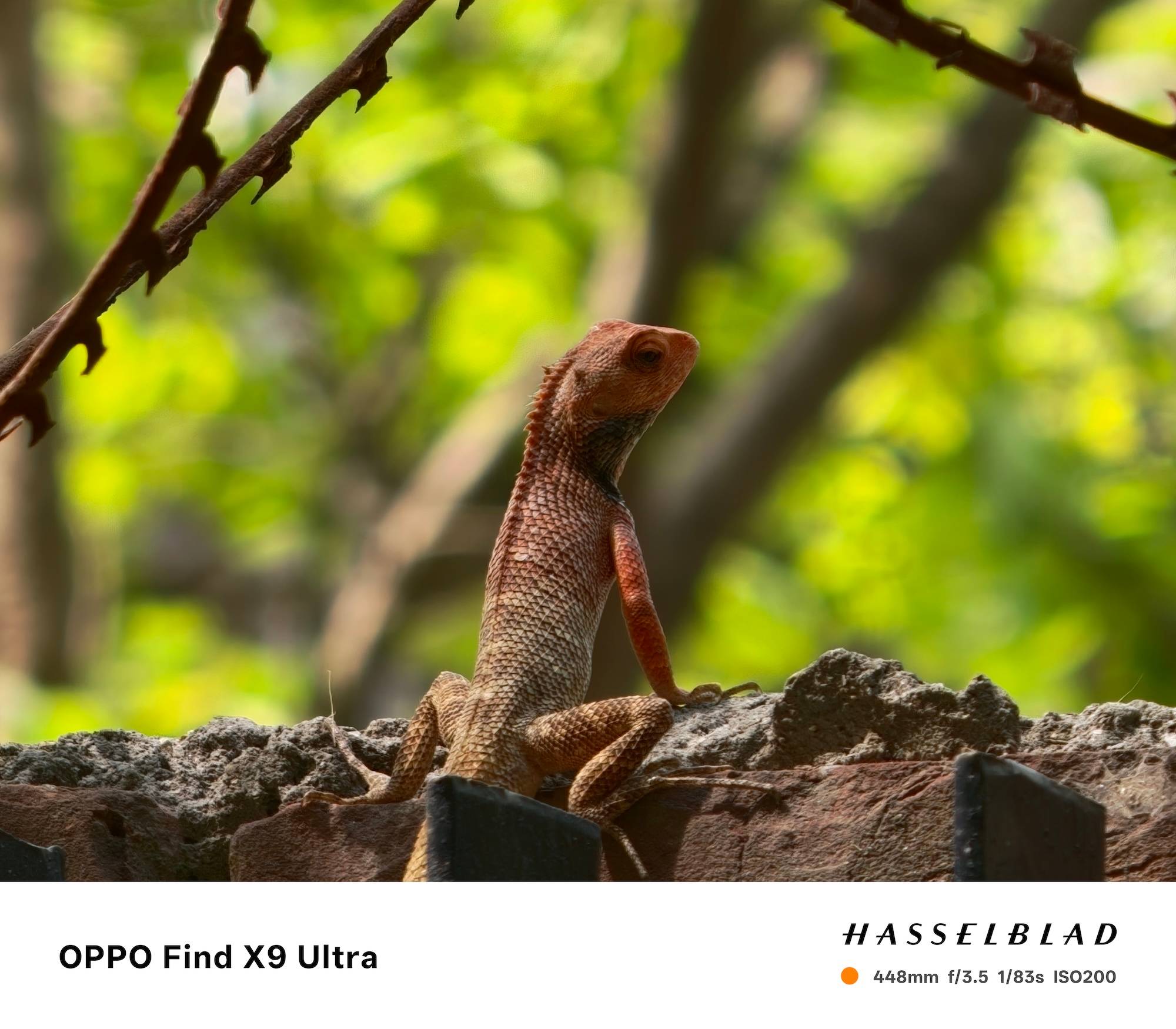
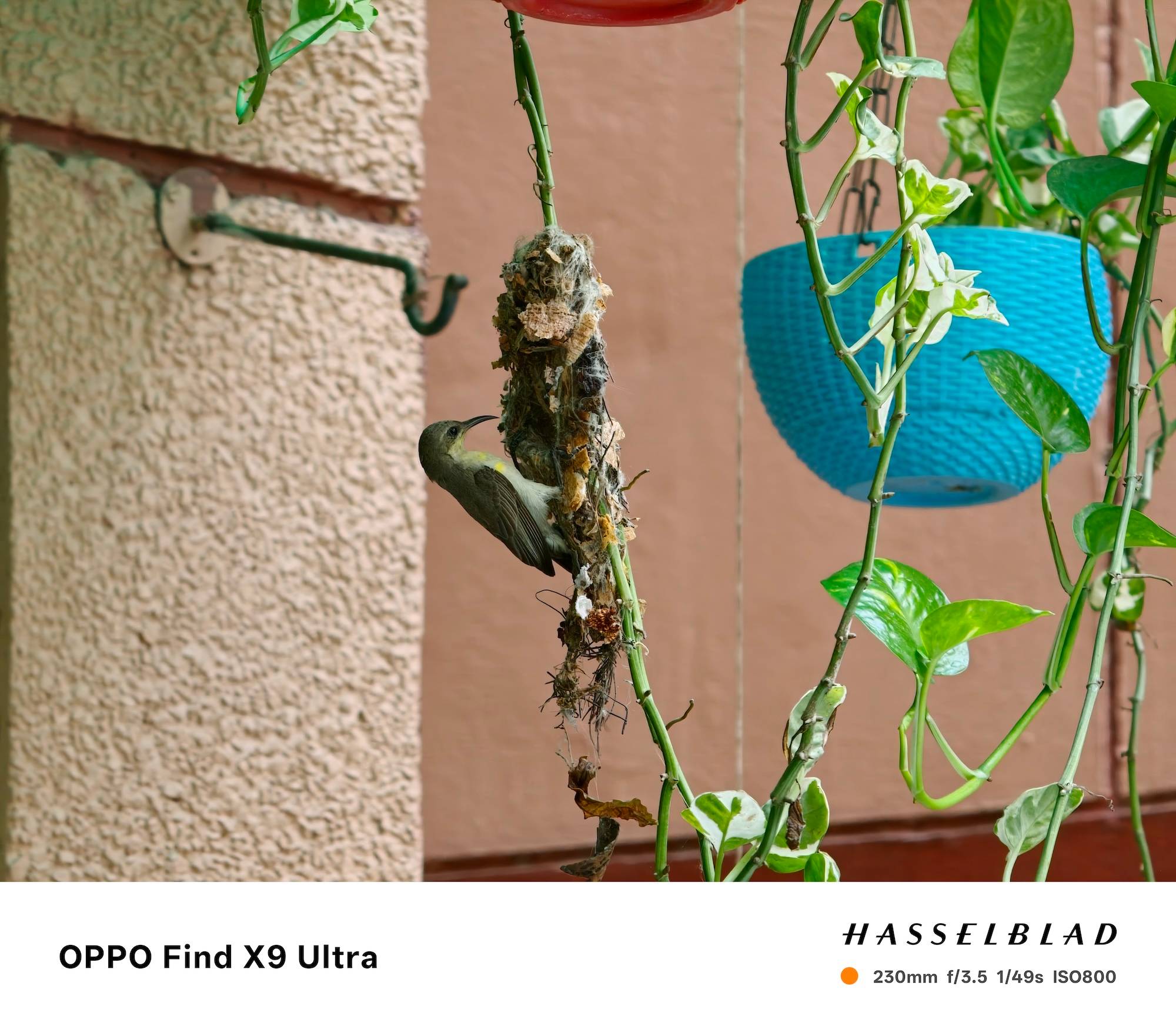
The 10x lens is the real story. It is best used in daylight and is really handy for quickly capturing faraway subjects. I used it a lot to capture shots of birds and other creatures I could spot around my house in 230mm and 460mm (tapping the 10x button twice). In low light, there is some noise as expected at this focal length, but nowhere near as much as I expected. The 50MP sensor gives you room to crop without the image falling apart.
Compared to what you can achieve with the Vivo X300 Ultra at similar focal lengths natively, that is, without the telephoto extender kit attached, the X9 Ultra holds its own. In the shot below, taken after sunset, both the X300 Ultra and Find X9 Ultra deliver similar results in 10x.


So, which is the better camera phone, the OPPO Find X9 Ultra or the Vivo X300 Ultra?
Let’s get one thing out of the way: both the Find X9 Ultra and X300 Ultra are exceptional camera phones. They are the best of the best in 2026, and you won’t go wrong picking either. The choice between the two boils down to the colour tuning.
Both phones share the same 200MP Sony LYTIA 901 primary sensor, so the hardware starting point is identical. Where they diverge is in how they process what that sensor captures. OPPO adds slightly more saturation and contrast, which means shots pop straight out of the camera without any manual tweaking. Vivo, backed by ZEISS, pulls in the opposite direction: colours are natural and true-to-life, and the processing prioritises accuracy over impact. Neither approach is wrong. It comes down to whether you prefer photos that look ready to post or photos that look like what you actually saw.
The simplest way to put it: if you want the best all-in-one camera phone that works brilliantly without any accessories or planning, the Find X9 Ultra is the answer. If you are a serious photographer willing to invest in the full kit and shoot with intention, the X300 Ultra is in a category of its own.
If you want the best all-in-one camera phone that works brilliantly without any accessories or planning, the Find X9 Ultra is the answer.
On video, the X9 Ultra supports 4K 60fps Dolby Vision across all lenses, including the front camera, and pushes to 4K 120fps Dolby Vision on the main and 3x telephoto. It also introduces 8K 30fps recording on both those cameras, which produces an extraordinary amount of detail for post-production work. Switching between lenses during recording is seamless.
Design: Built to look like a camera it wants to be
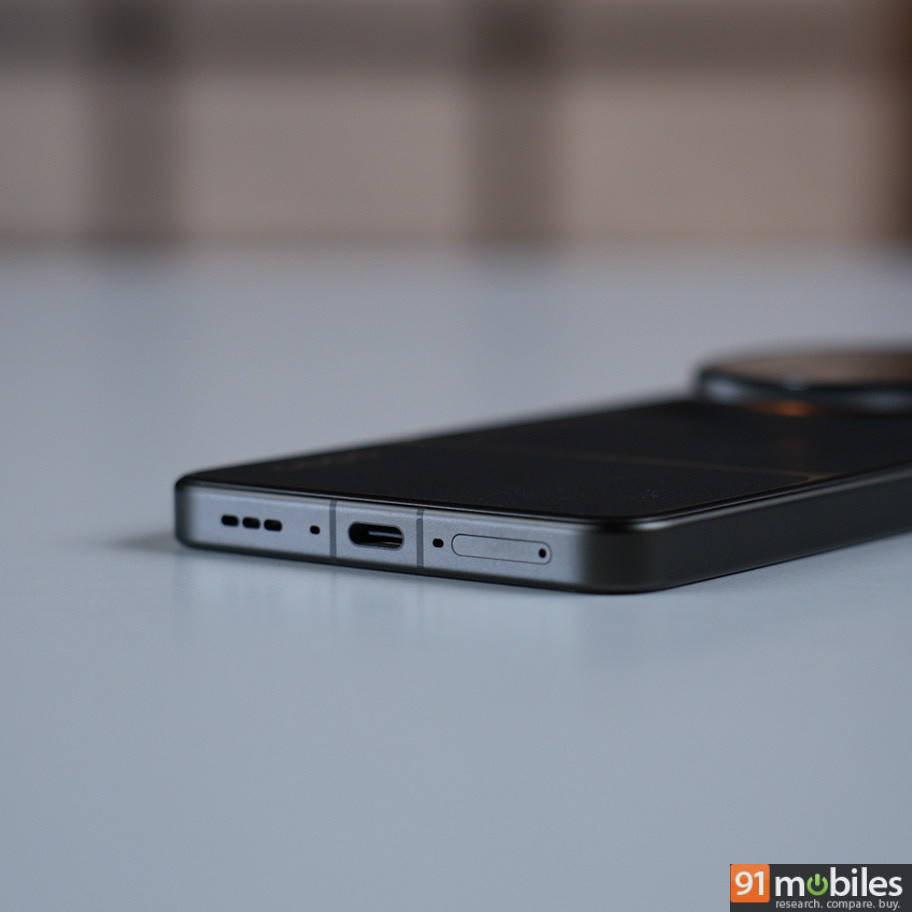
The Find X9 Ultra is unmistakably a camera phone from the moment you take it out of the box, and OPPO makes no attempt to hide that. The rear is dominated by a large circular Hasselblad camera module with a knurled ring around it, a detail inspired by professional camera lenses. The Tundra Umber variant we received features a vegan-leather finish on the back that feels warm and premium to the touch. The Canyon Orange variant uses aircraft-grade fibre instead, which gives it a striking, highly recognisable look. Both have the signature Hasselblad orange circle on the module, along with a Quick Button on the right side finished in matching orange.
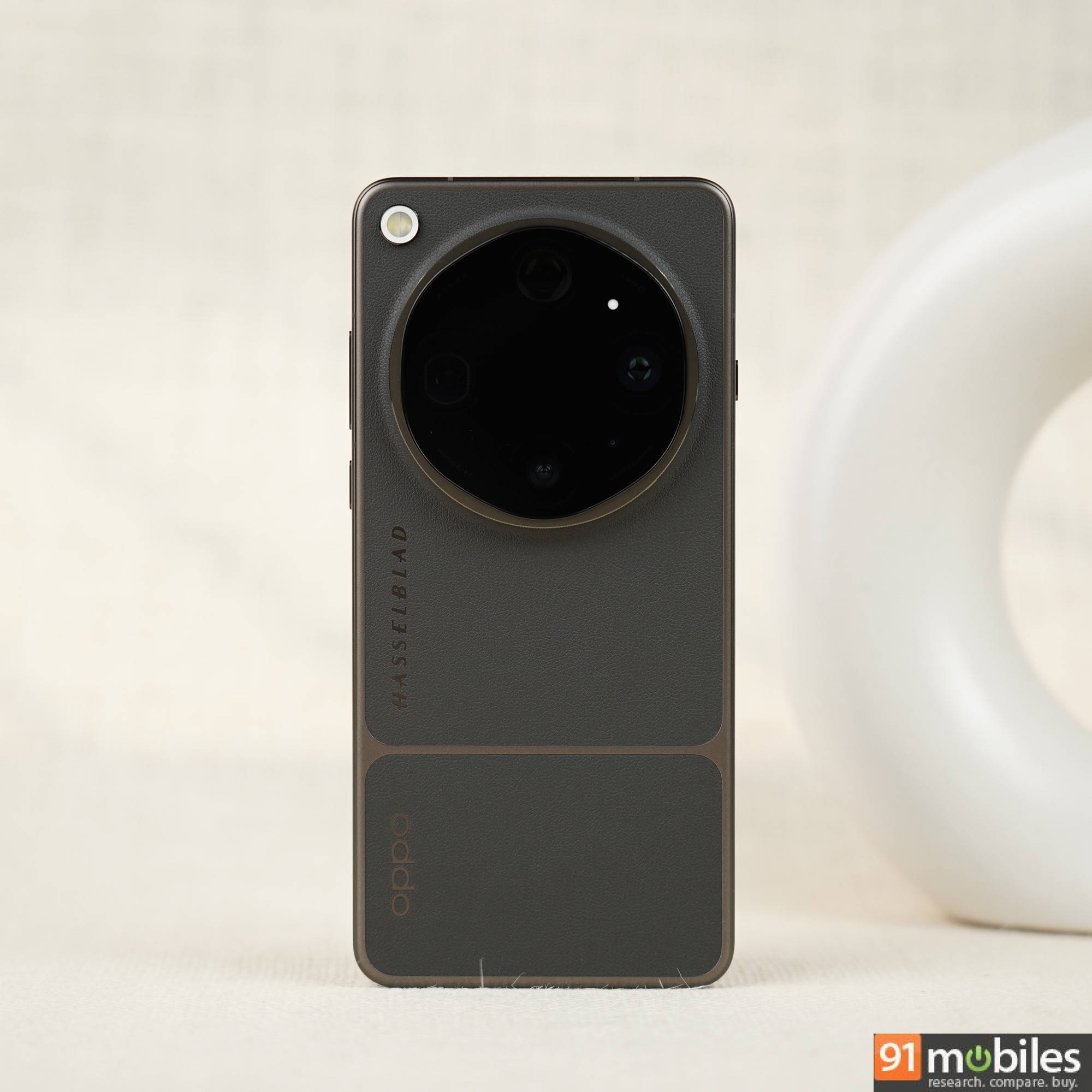

The 3D ultrasonic fingerprint sensor is fast and accurate, and the Splash Touch feature means it continues to work with wet fingers, which matters for a phone positioned around outdoor photography. Build quality feels exceptional throughout, with no flex, no creaking, and nothing that feels unfinished for a phone at this price.
OPPO has also retained Snap Key from the Find X9 Pro, a dedicated shortcut button on the left edge that can be mapped to perform actions such as switching between sound and vibration, launching the camera, and capturing on-screen content for Mind Space. I missed this button on the Vivo X300 Ultra, and I’m happy to see it here.
Display: Sharp, bright and nothing to fault
The Find X9 Ultra’s 6.82-inch LTPO AMOLED display is as good as any screen currently available on an ultra-premium smartphone. The 3168×1440 resolution at 510ppi is sharp enough that individual pixels are never a concern at any normal viewing distance. The LTPO panel drops to 1Hz when the screen is static and pushes to 120Hz during regular use, with up to 144Hz available in supported games. The 1.4mm symmetrical bezels give the screen an expansive, premium look.

The display is protected by Corning Gorilla Glass Victus 2. The OPPO Display P3 Pro chip handles the display processing and contributes to both the motion quality and the power efficiency of the panel. In practice, the display is great for watching HDR content, editing photos, or just reading.
Performance: As fast as expected, and then some
The Find X9 Ultra runs the Snapdragon 8 Elite Gen 5, the same chip powering the Vivo X300 Ultra, the Samsung Galaxy S26 Ultra, and the Xiaomi 17 Ultra. OPPO pairs it with 12GB of LPDDR5X RAM and 512GB of UFS 4.1 storage. In daily use, the performance is exactly what you would expect from this chip: fast, responsive, and without any hiccups, regardless of what you throw at it.
Impressively, the Find X9 Ultra was the first flagship phone to cross the 4 million mark on AnTuTu in our testing lab. The Vivo X300 Ultra and Galaxy S26 Ultra were marginally behind at around 3.9 million, but it’s a feat worth mentioning. Of course, you’re unlikely to see any noticeable real-world difference, as all these flagships deliver blistering fast performance.




Apps open instantly, multitasking is smooth, and gaming runs without noticeable frame drops or heating on the Find X9 Ultra. In fact, it ran a few degrees cooler than most other flagships we tested this year, which suggests OPPO has optimised the Snapdragon 8 Elite Gen 5 chipset well, both in performance and thermal efficiency. The X-axis haptic motor is as satisfying as ever, providing clean, precise feedback that enhances the device’s overall premium feel.
Software: Smooth and polished, with one caveat
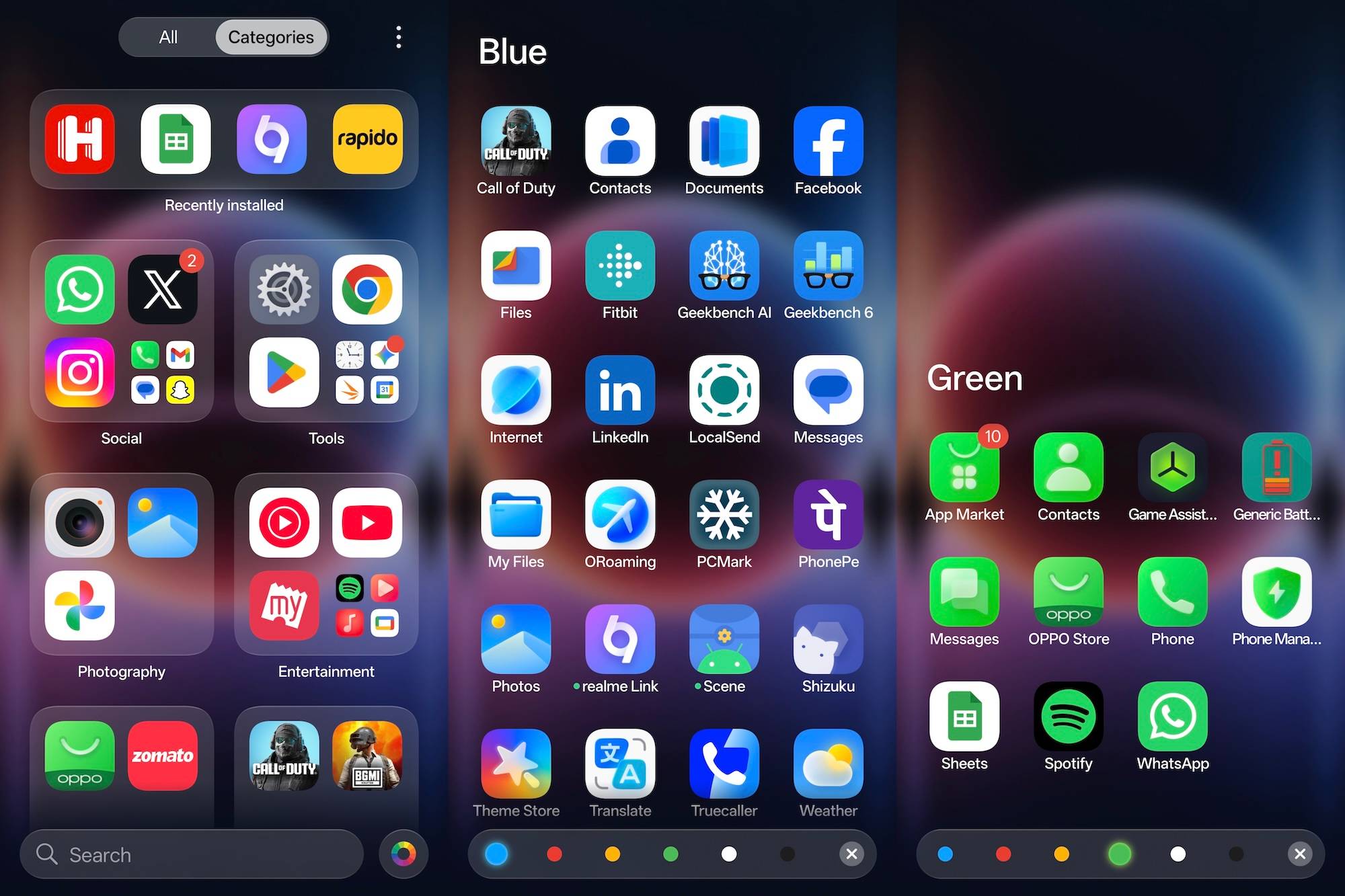
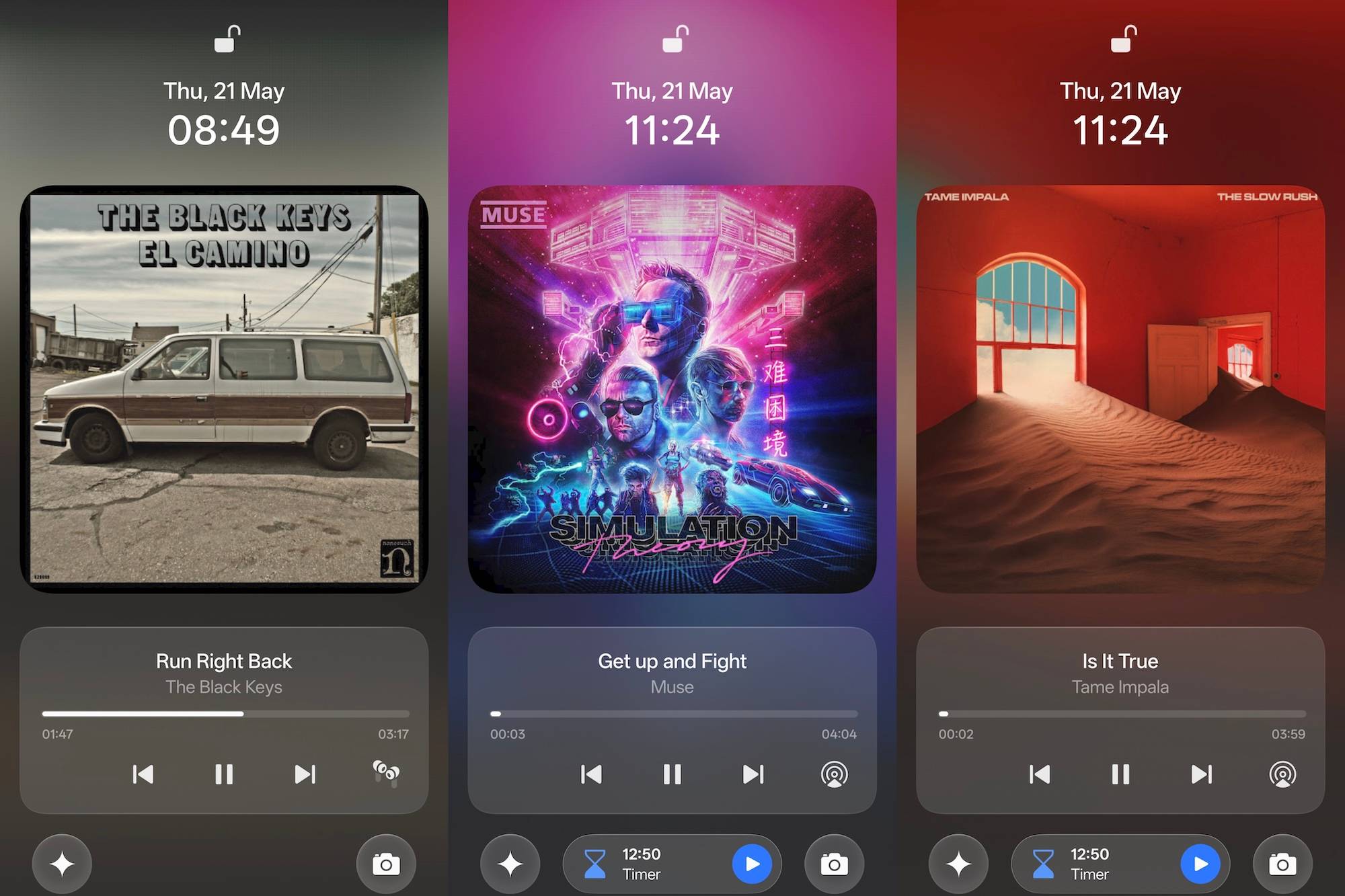
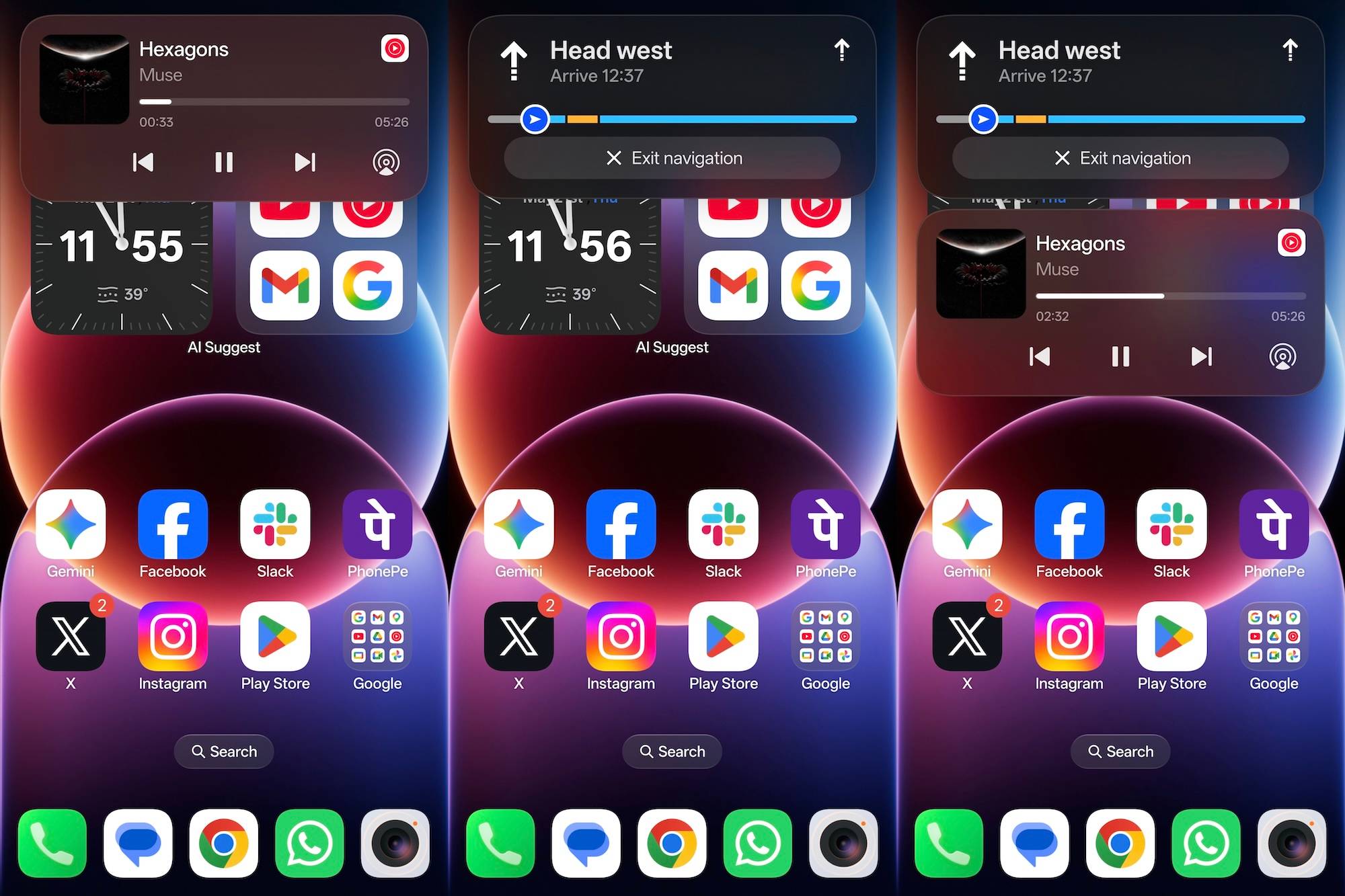
The Find X9 Ultra ships with ColorOS 16 based on Android 16, and it is the smoothest version of ColorOS I have used. The Seamless Animation engine makes every interaction feel fluid, from opening apps to switching between them. Compared to OriginOS 6 on the Vivo X300 Ultra, which is feature-rich but occasionally rough around the edges, ColorOS 16 feels more polished in the areas that matter most during daily use. One specific thing I preferred was the way the Find X9 Ultra handles lockscreen notifications, which are easier to read and interact with than what OriginOS currently offers.
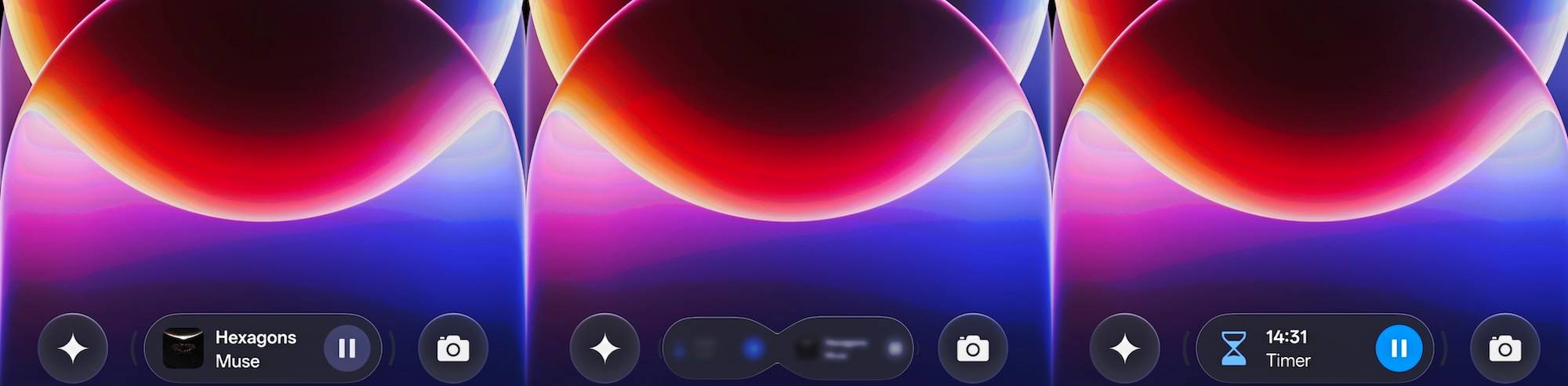
Last week, OPPO started rolling out ColorOS 16.1 globally, which brings a host of visual changes. While our review unit didn’t get 16.1 per se, it received the 16.07.207 update, which added those new features, the May security patch, and some camera-specific fixes. Some of the new features include Live Space, a pill-shaped UI element at the bottom of the lockscreen similar to the Now Bar on Samsung phones. It can display real-time activities such as music playback, timer, or live food delivery, and you can fluidly switch between them with a liquid glass-like animation.
Battery and charging: No battery anxiety whatsoever
The Find X9 Ultra packs a 7,050mAh silicon-carbon battery, larger than the Vivo X300 Ultra’s 6,600mAh cell, and the difference shows in real-world use. On moderate usage of around three to four hours of screen-on time, I consistently got between 1.5 and 2 days on a single charge, which is better endurance than the X300 Ultra delivered under similar conditions. For a flagship with a large high-resolution display and a multi-camera system that one is bound to use frequently throughout the day, that is an impressive result.
Charging is handled by 100W SUPERVOOC wired charging and 50W AIRVOOC wireless charging, with the 100W adapter included in the box. Full charge times from a low battery are fast, though the X300 Ultra’s 100W charging is comparable, so neither phone has a meaningful advantage there. The inclusion of 50W wireless charging is a significant edge over the X300 Ultra, which supports 40W wireless. Reverse wired and wireless charging are also supported, which is a useful addition for topping up earbuds or a smartwatch on the go.
Final verdict: best camera flagship in 2026?
The OPPO Find X9 Ultra makes the strongest all-round case than any other Ultra-class phone reviewed this year. The penta-camera system with a native 10x optical zoom means you never have to choose between reach and convenience. The display is the best currently available on a smartphone. ColorOS 16 is smooth and thoughtful, and it handles the details that matter in daily use better than most rivals. The 7,050mAh battery delivers impressive endurance, consistently outlasting the Vivo X300 Ultra in real-world conditions.
If you are deciding between the Find X9 Ultra and the Vivo X300 Ultra, the choice comes down to what kind of photographer you are. The X300 Ultra, especially with the ZEISS Telephoto Extender Kit, can reach focal lengths no phone can match natively. But it requires planning, patience, and additional investment. The X9 Ultra does not ask any of that. You pick it up, point it, and it delivers exceptional results at every focal length from ultrawide to 10x, in any lighting condition, without a setup process. For most photographers, that is the more compelling proposition.
The five-year OS update commitment is the one area where OPPO falls short relative to competitors at this price point, but it’s not a dealbreaker. Everything else earns its price tag. And if you can get a good deal at offline retail stores that brings the price down to around Rs 1,40,000 or lower, the Find X9 Ultra is easily the flagship phone to buy this year.
Editor’s rating: 8.7/10
Reasons to buy:
- Penta-camera system with a native 10x optical zoom that requires no additional accessories or setup.
- Exceptional and consistent photography across sensors in any lighting condition, crisp photos with attractive colour reproduction.
- One of the best displays on a smartphone, with impressive brightness and eye comfort features.
- Better battery endurance than the Vivo X300 Ultra, with 50W wireless charging as a bonus.
- ColorOS 16 is the smoothest and most refined it has ever been, with some useful new features like Live Space, Aqua Dynamics, and AirDrop support.
Reasons not to buy:
- Five years of OS updates and six years of security patches are slightly behind Samsung, Google, and Vivo at this price point.
- It is one of the most expensive smartphones available in India, and the Vivo X300 Ultra matches or exceeds it on pure camera reach with the telephoto kit.
- Videographers and serious content creators may find the X300 Ultra’s video capabilities more comprehensive.
 | vs |  |
| vs |  |