


Review Summary
Expert Rating
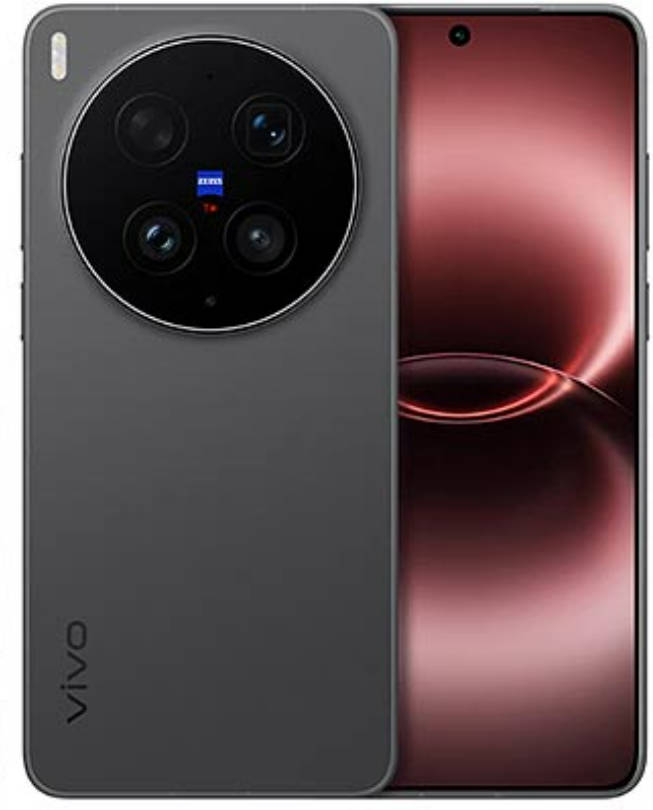
Many flagships come close to offering DSLR-like camera systems, such as the Vivo X300 Pro, OPPO Find X9 Pro, Samsung Galaxy S26 Ultra and iPhone 17 Pro Max. But then comes along the Vivo X300 Ultra, which doesn’t just come “close to offering DSLR-like photos.” It achieves it. Provided, of course, you’re willing to go the whole nine yards and buy not just the phone but the photography kit as well. The Vivo X300 Ultra is not a flagship for the masses; it is for buyers who are serious about photography. I mean, really serious.
Table of Contents
Verdict
The Vivo X300 Ultra is, first and foremost, a camera phone. Every design decision, from the massive ZEISS camera module to the photography kit accessories, reinforces that identity. And as a camera phone, it is the best you can buy right now. The three-lens system delivers class-leading consistency across focal lengths, Vivo’s colour science remains the best in the business, and the ZEISS Telephoto Extender Kit extends the X300 Ultra into territory no other smartphone touches. Performance, display, and battery are all flagship-grade. The software has a few rough edges, the shortcut button is missed, and the Rs 1,60,000 price tag for the phone alone ensures this is a phone for a very specific buyer. If cameras are the primary reason you buy a phone, the X300 Ultra is the answer. If they are not, there are better-rounded flagships, including Vivo’s own X300 Pro, available for less.
Cameras: Three lenses, one consistent standard
You can very well buy the Vivo X300 Ultra without the photography kit and be satisfied with the cameras. Vivo has made sure this Rs 1,60,000 phone has the absolute best camera system an ultra-premium phone should offer.
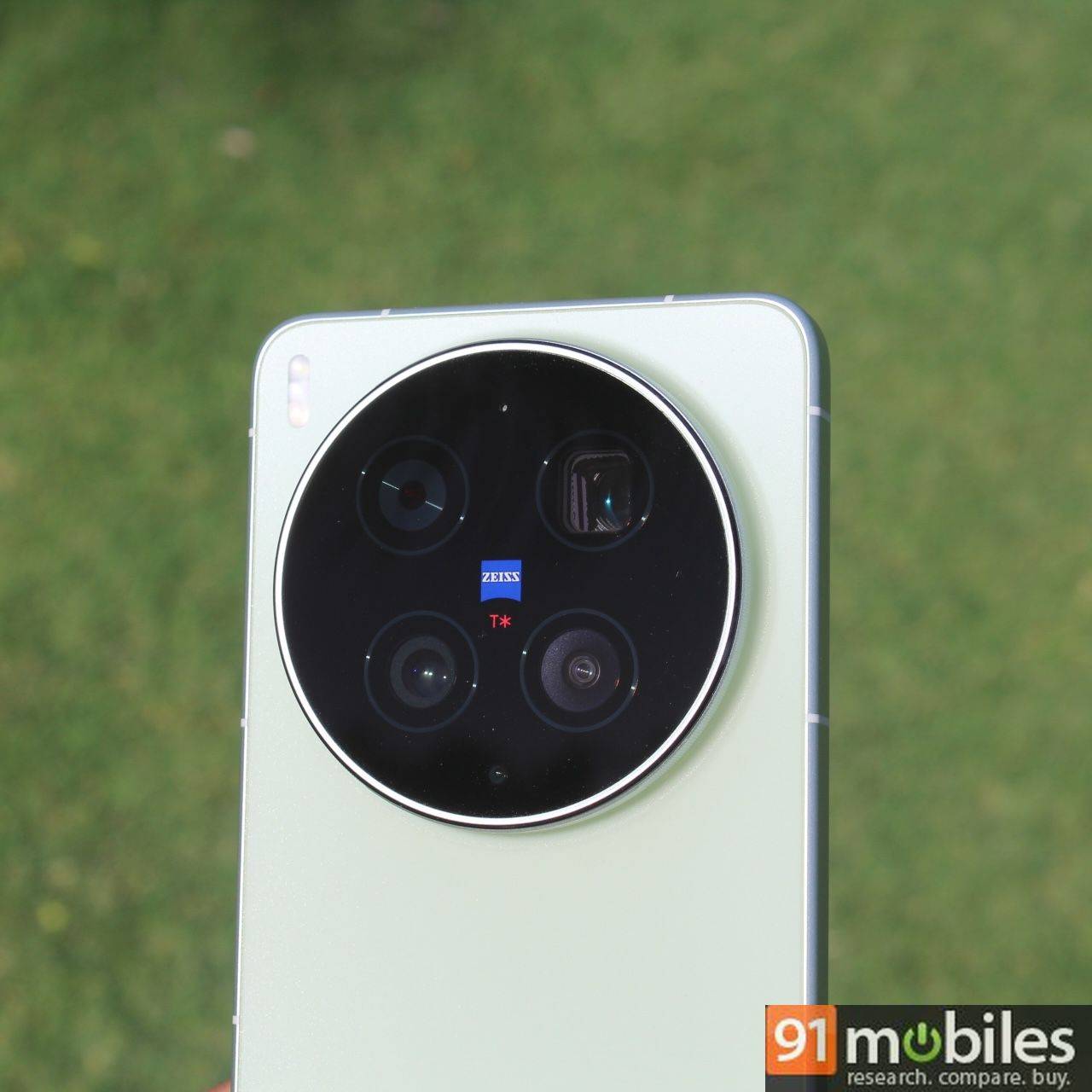
Each of these three lenses has a ZEISS T* coating and Super Blue Glass to reduce flare and ghosting. The fourth camera, a 5MP multispectral sensor with 12 colour channels, sits quietly in the background and ensures the colours in every shot are as accurate as possible, regardless of ambient light.
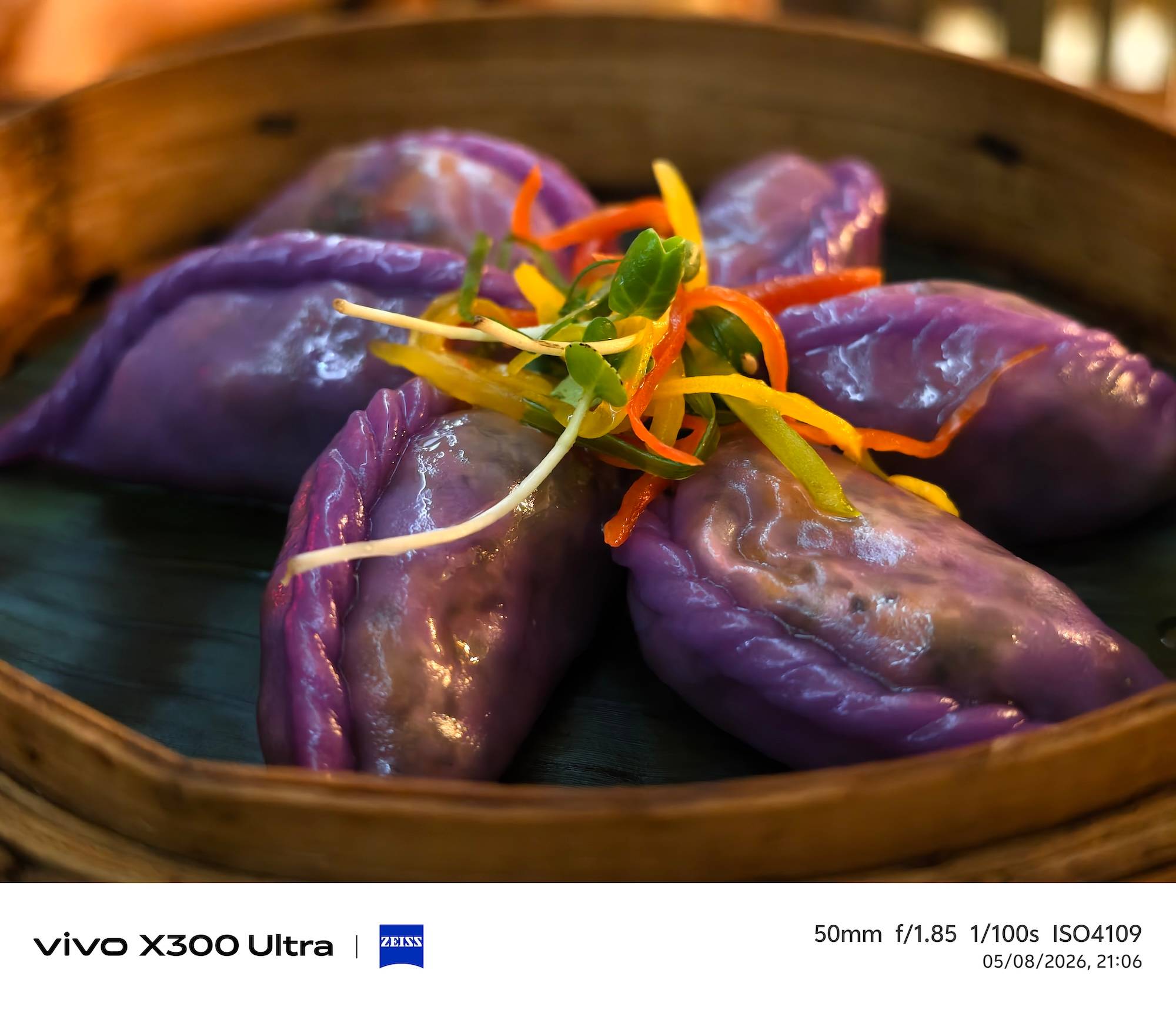
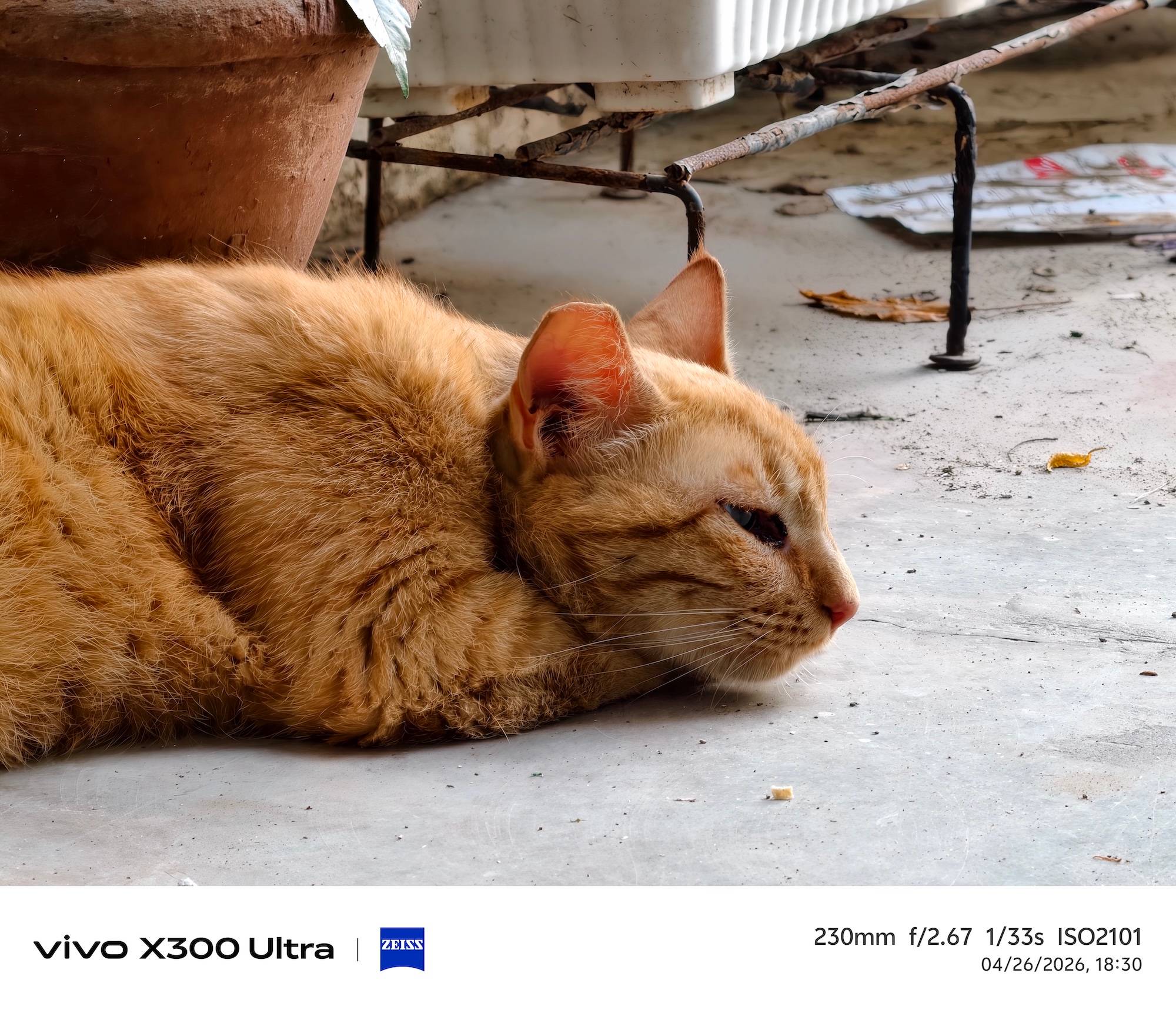
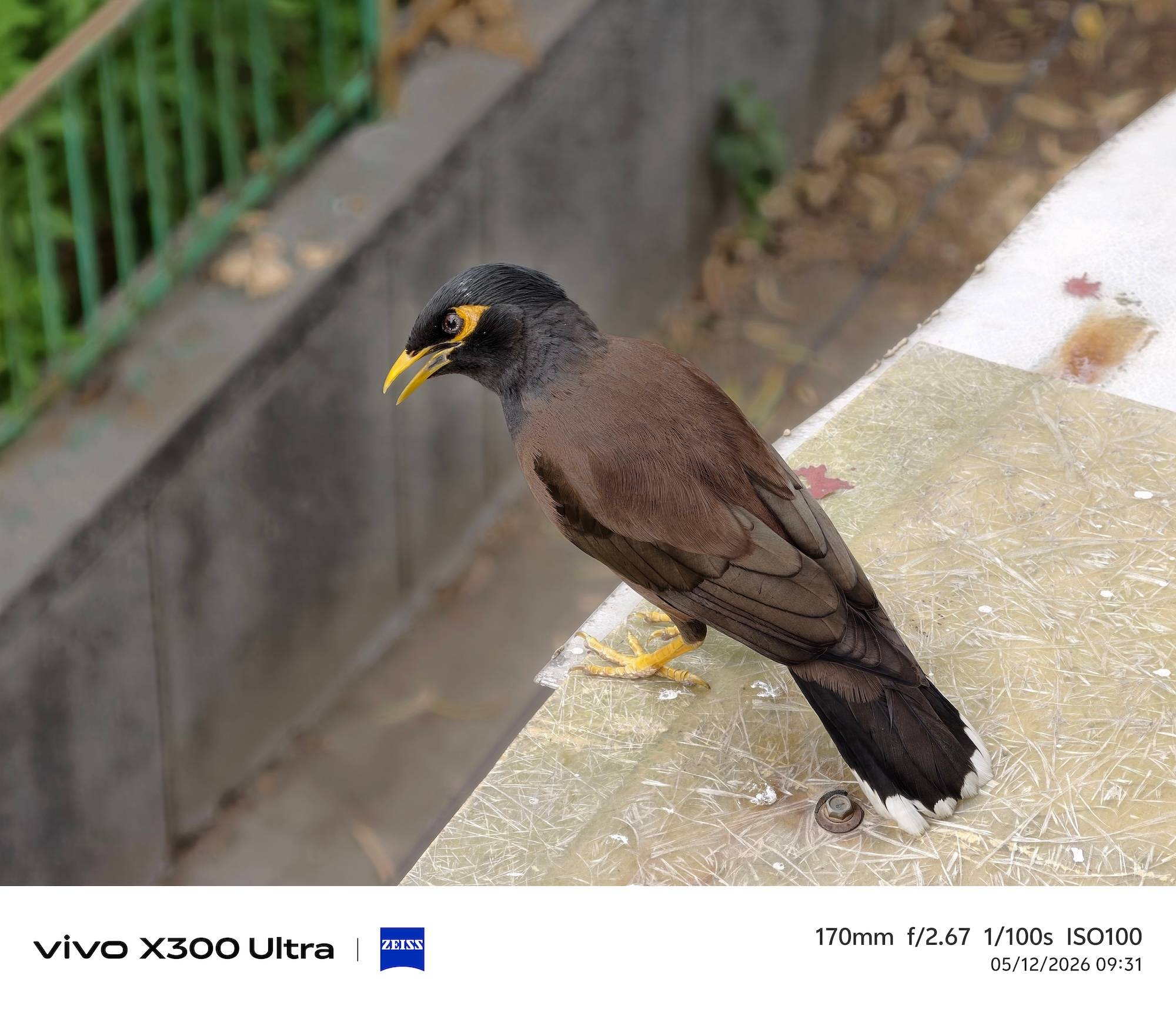
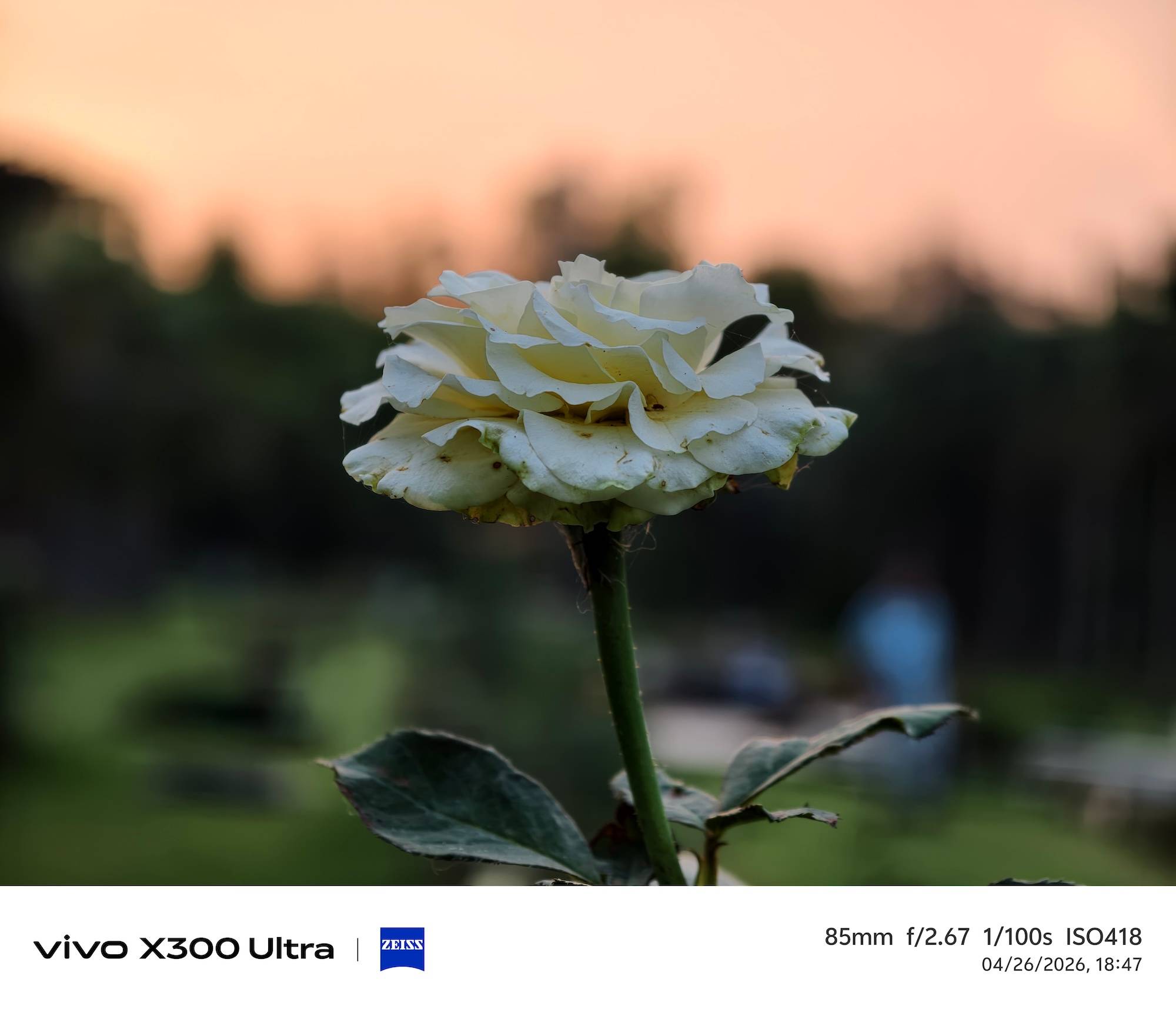
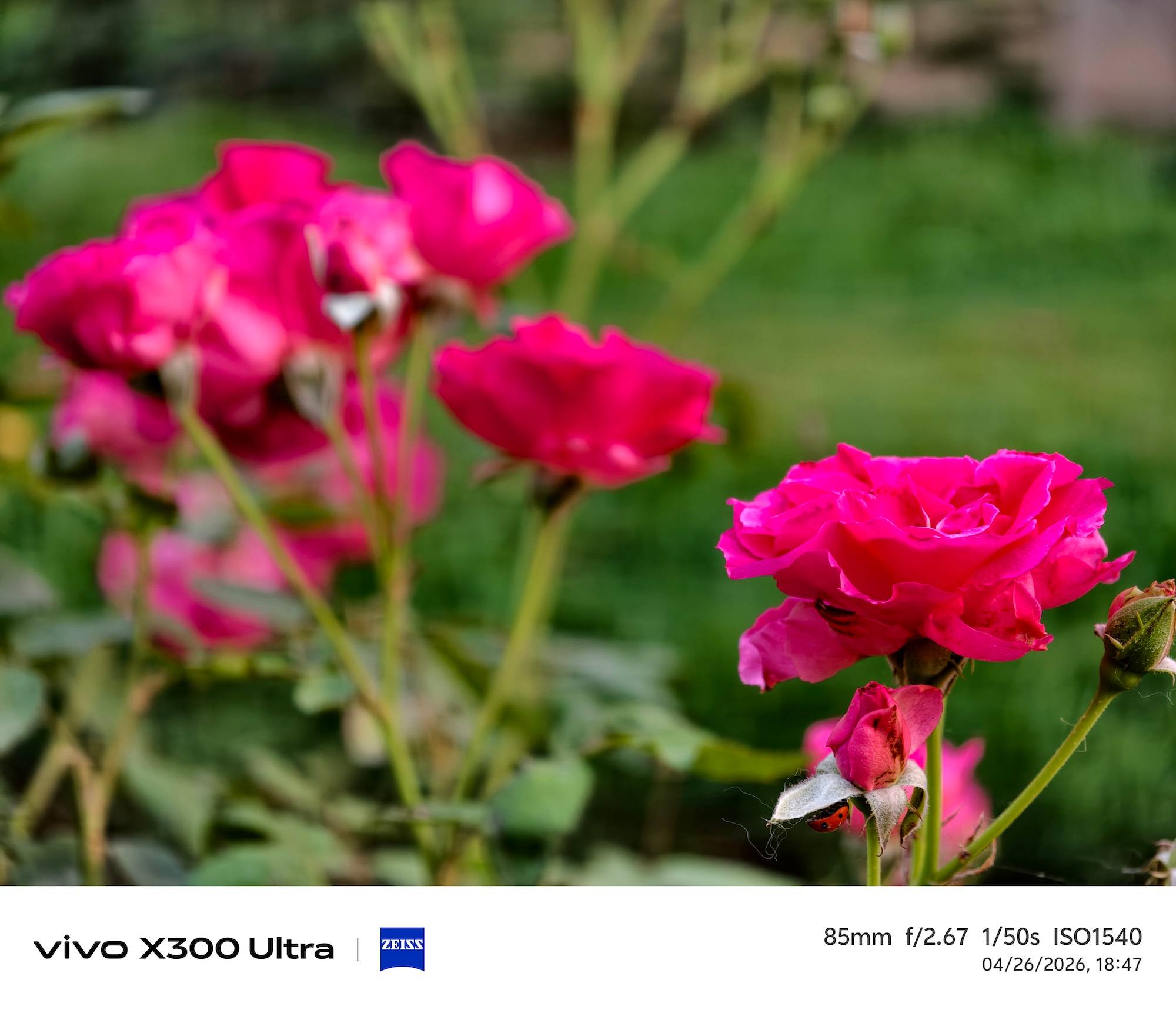
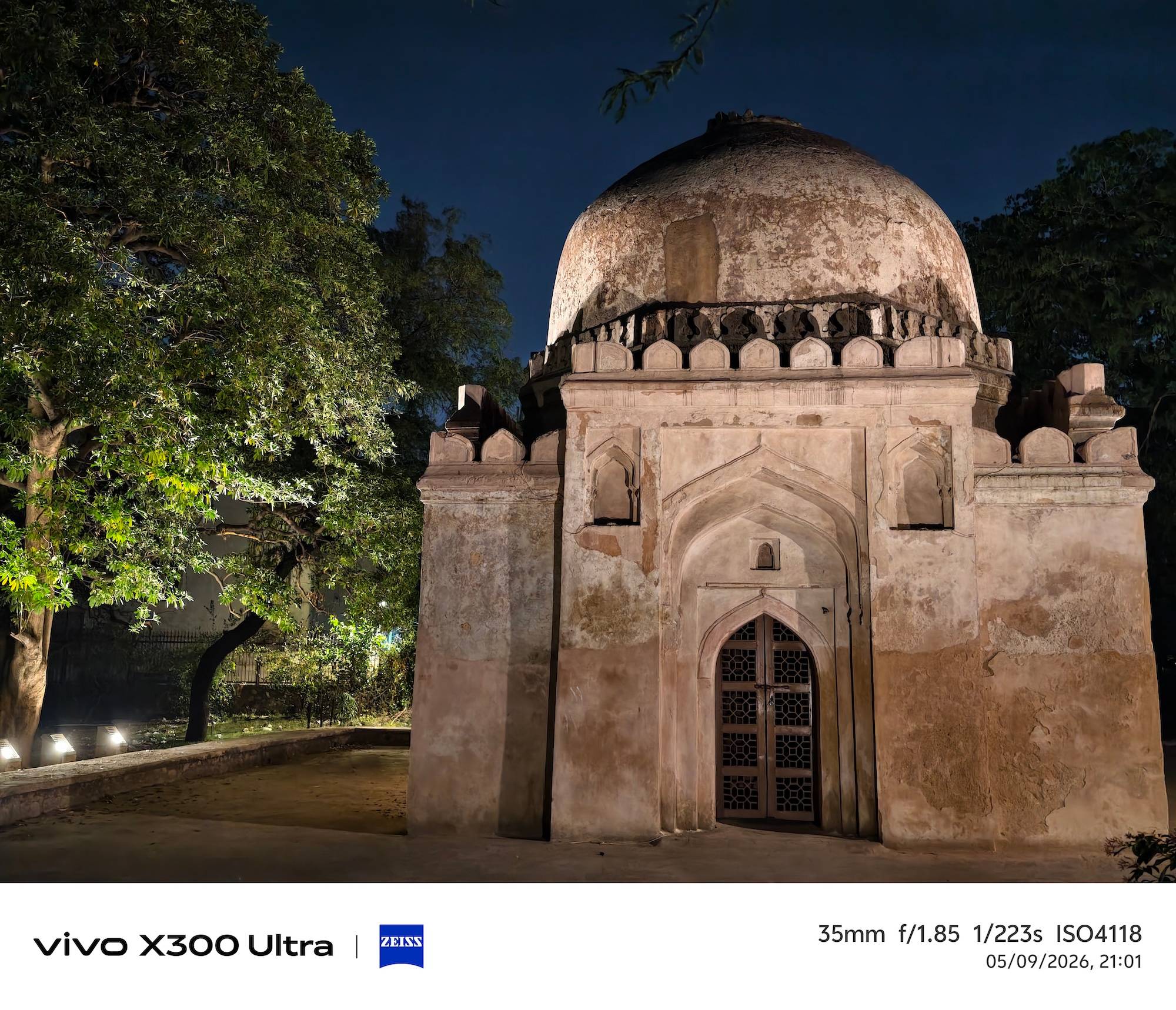
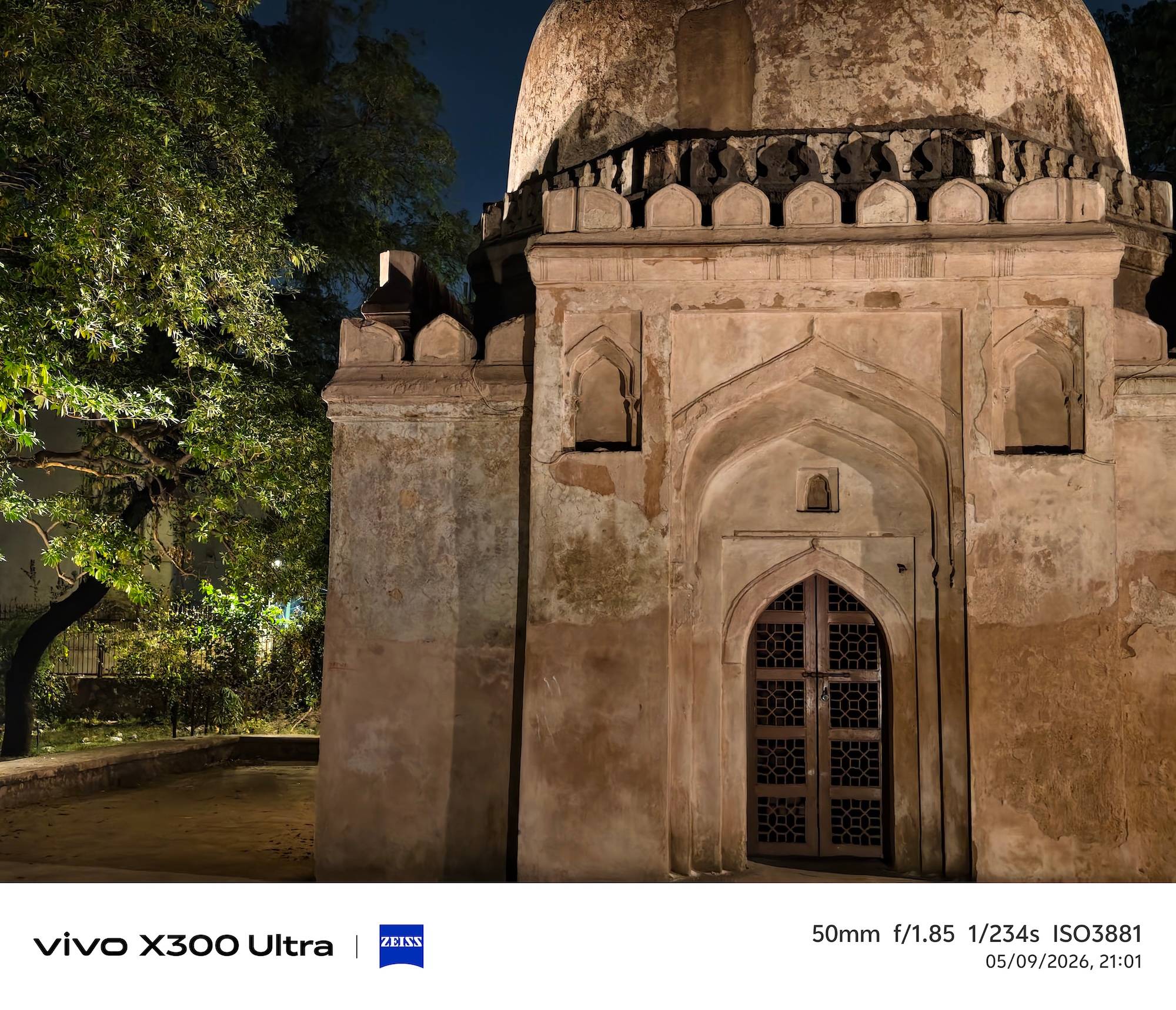
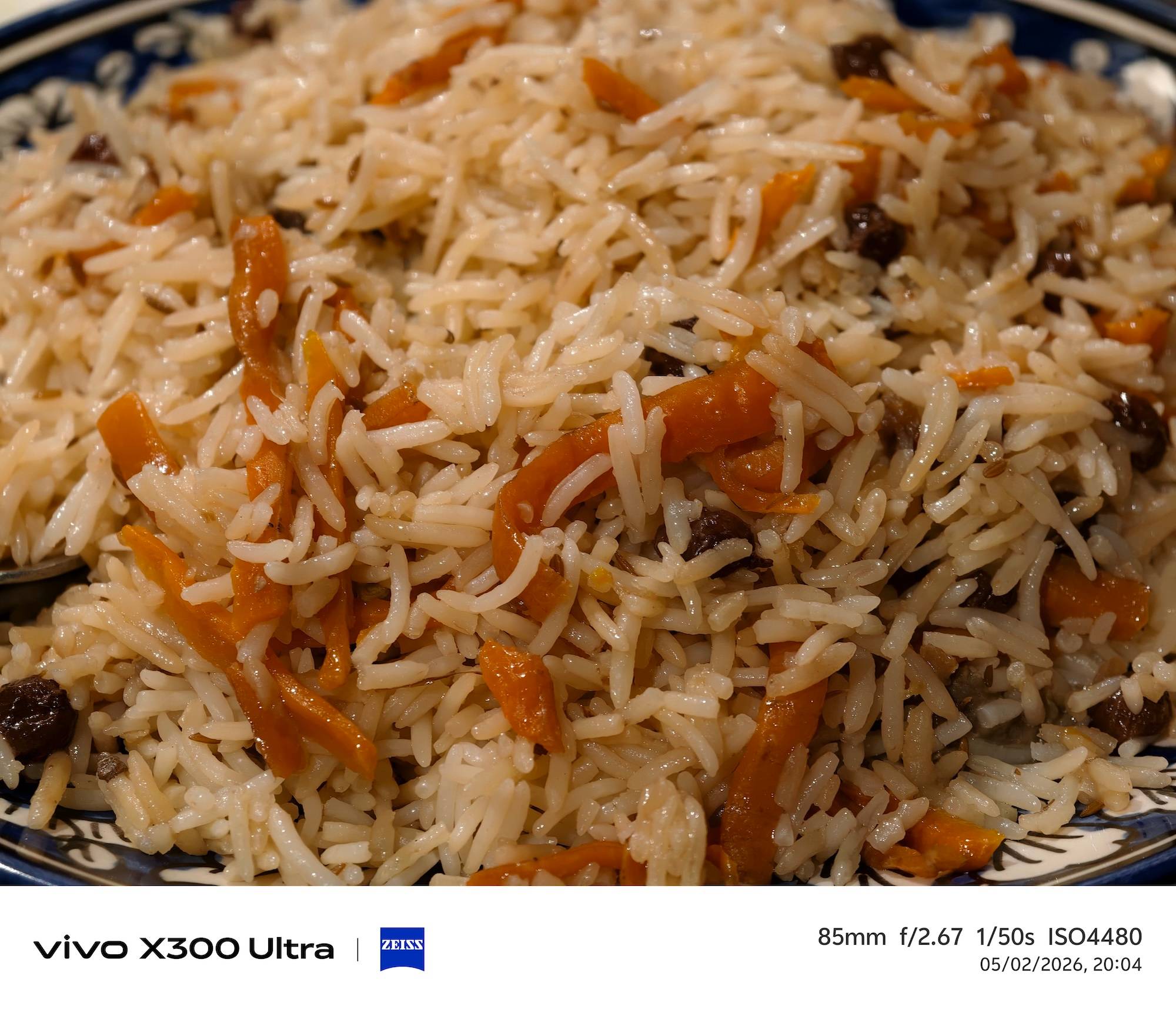
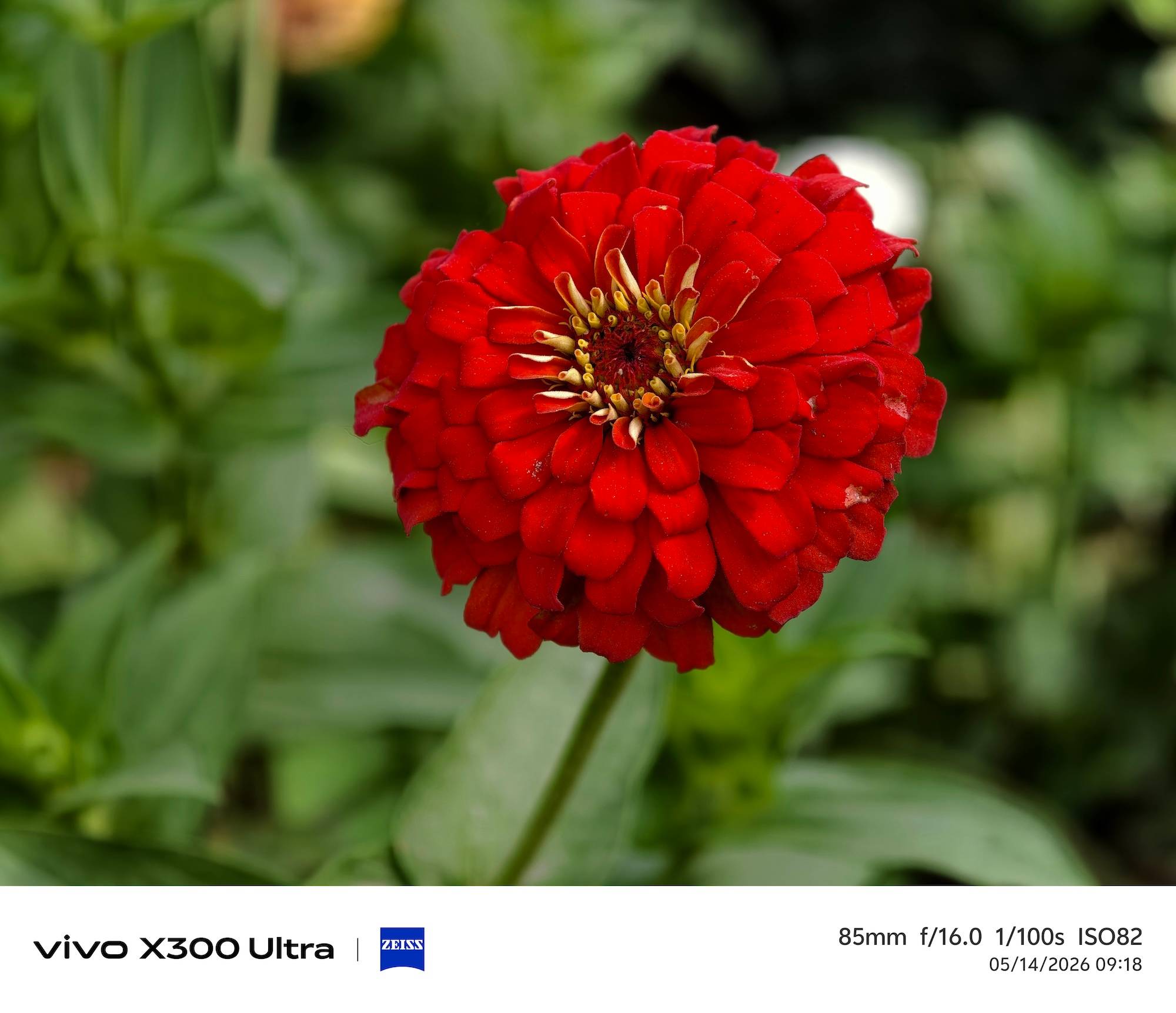
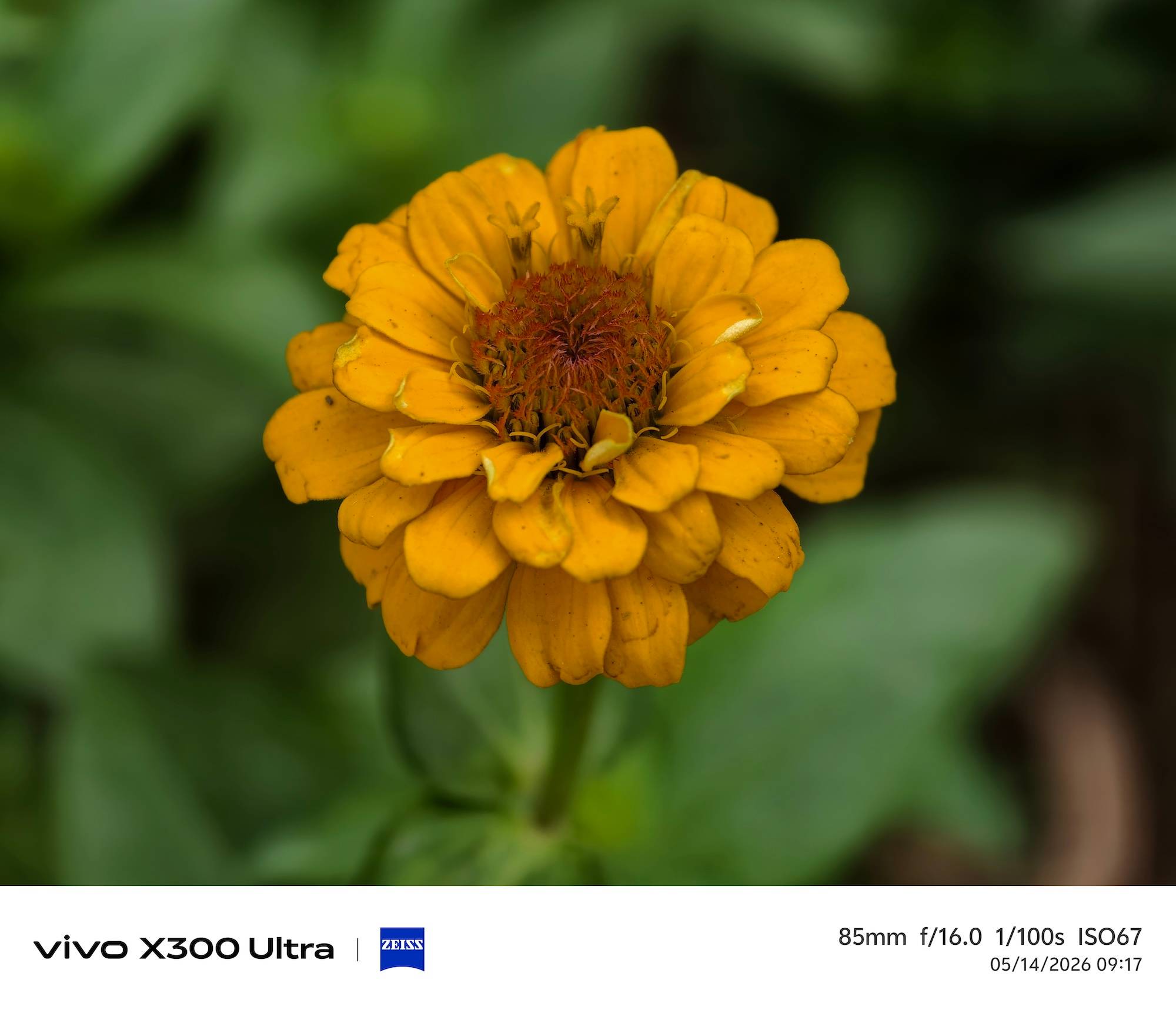


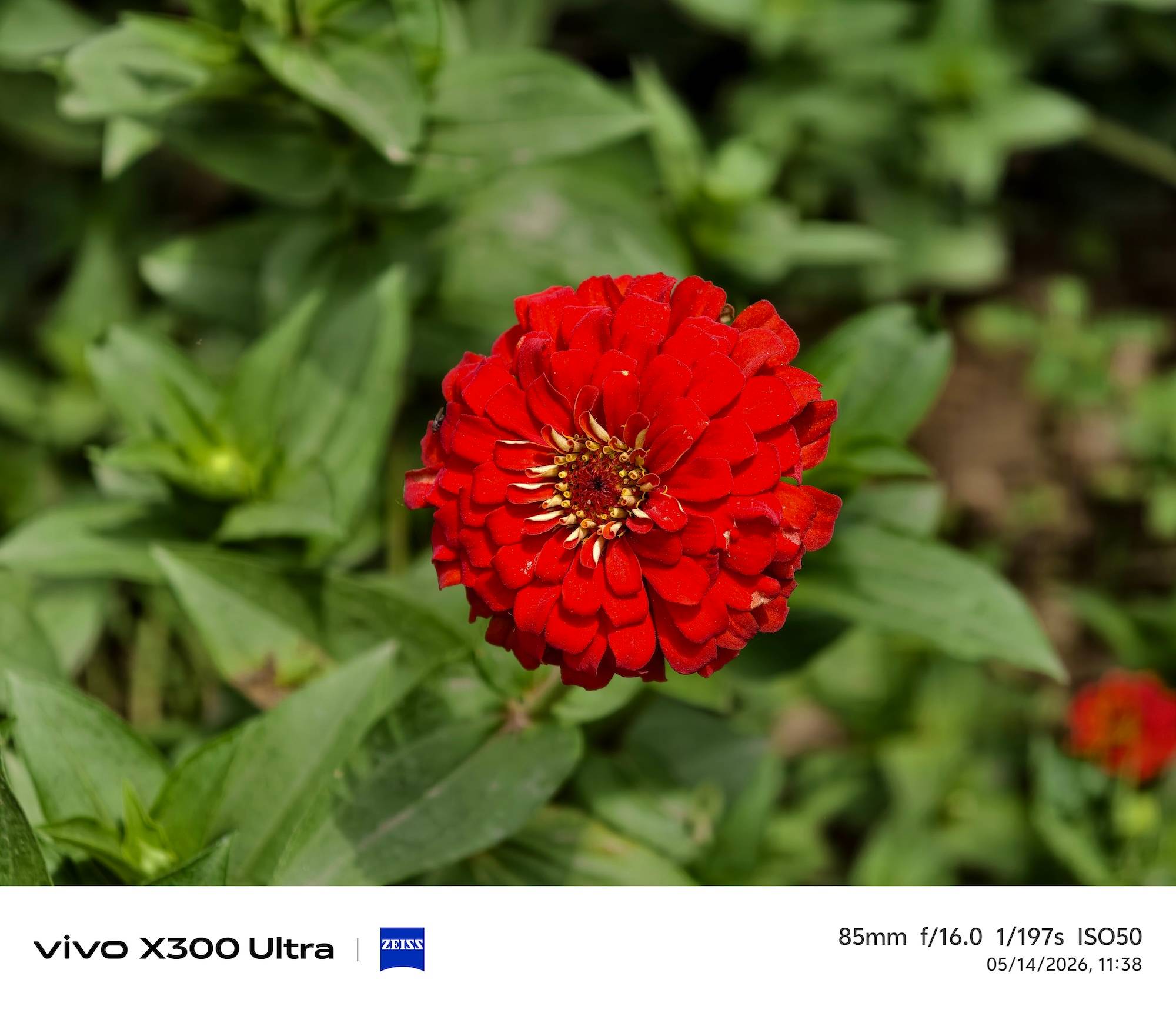
Vivo’s colour science continues to be top-notch. The processing is naturalistic rather than punchy, avoiding the oversaturated look that some rivals lean on to make photos appear impressive at first glance. You need to know about the ZEISS colour styles, specifically Vivid, Refined, and Natural. Vivid tends to boost colours for those bright, social media-ready photos. Natural brings the colour saturation down a notch and was the style I preferred the most. Refined brings the colours closest to what your eyes see, so it is the most accurate, albeit comparatively dull. I also found the Super Macro mode quite impressive for ultra-close shots of flowers and insects, with really nice stability and detail.
I compared the X300 Ultra with the X300 Pro to give you a better idea of what you’re getting for roughly Rs 50,000 more. All samples were taken on ZEISS Natural mode.
Daylight
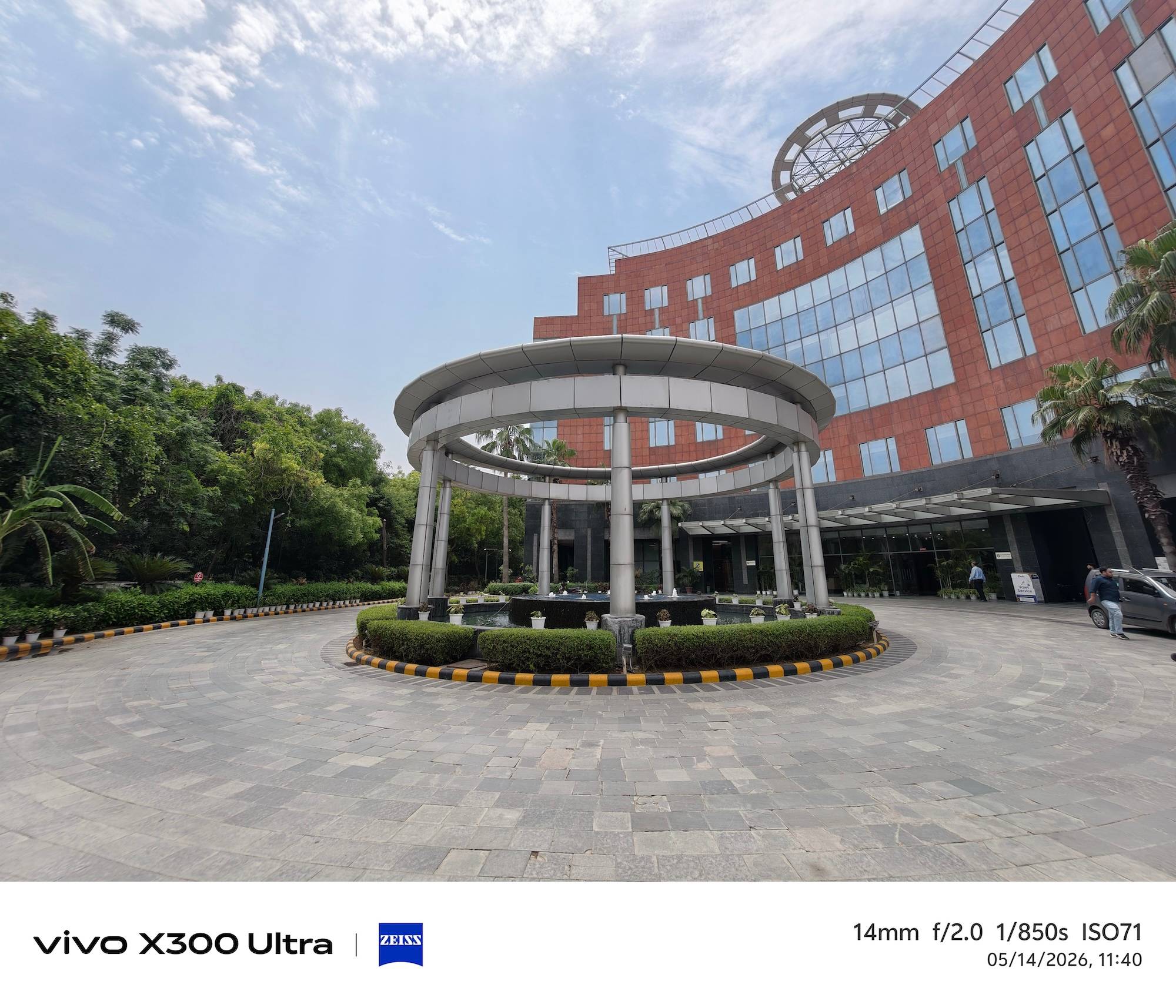
The ultrawide camera is one of the best in class in good light. Dynamic range is wide, white balance is accurate, and the level of detail at its native 14mm focal length is consistently excellent. The 35mm main camera delivers the same reliability. Colours are vivid without feeling processed, background blur in Photo mode is natural enough that Portrait mode is rarely necessary.
On resolution modes, the main camera shoots at 12MP by default, but the sweet spot across all three lenses is either 25MP or 50MP. The 200MP mode produces usable results in good light but adds file sizes that are rarely justified by the detail gain. Stick to 50MP as the ceiling.
Compared with the X300 Pro at its default 12MP resolution, the X300 Ultra captures more realistic colours, and there’s much more sharpness and detail retention when zooming in. The 35mm main camera on the Ultra captures a tighter frame compared to the 24mm lens on the X300 Pro, giving the latter slightly more freedom in framing the shot.
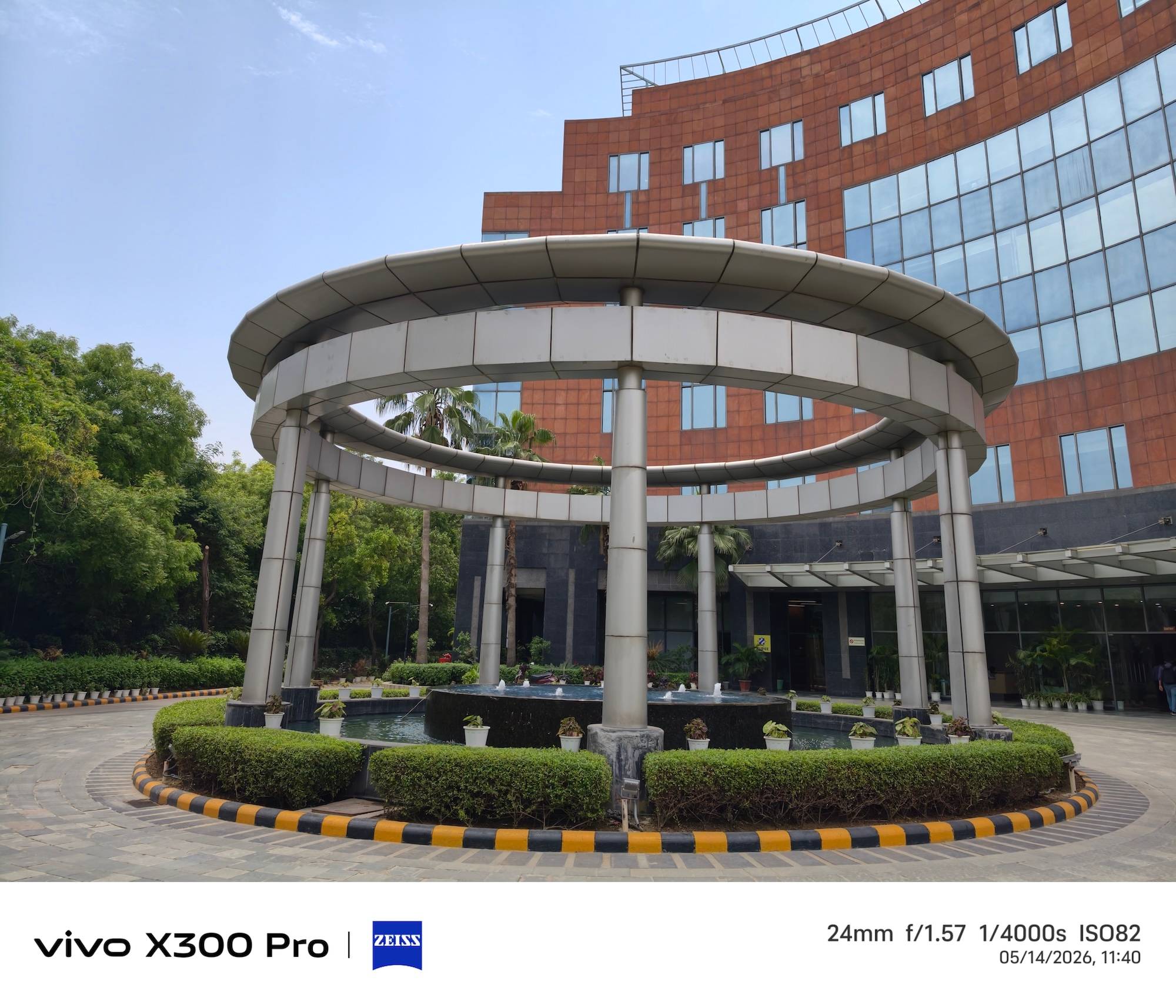
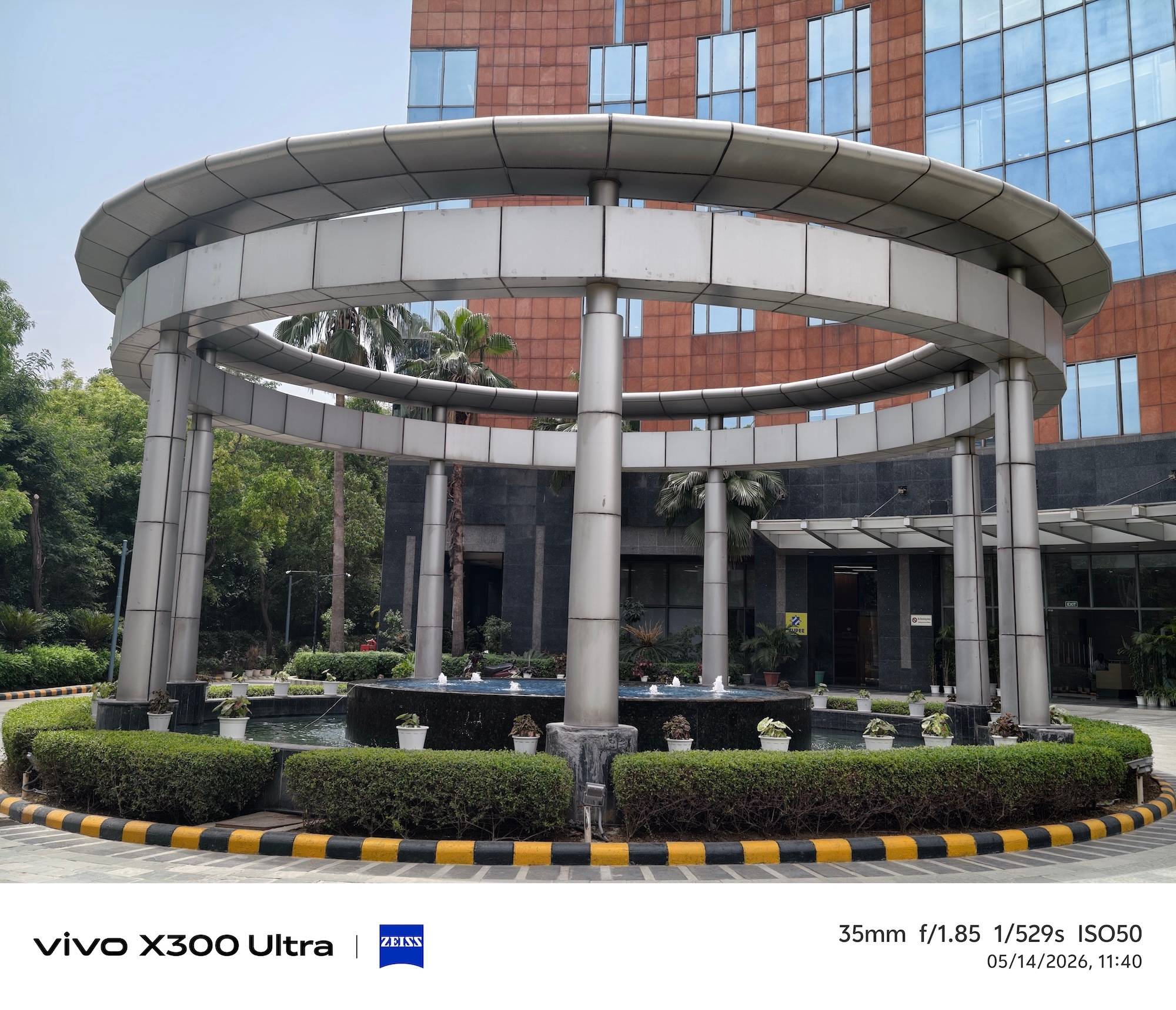
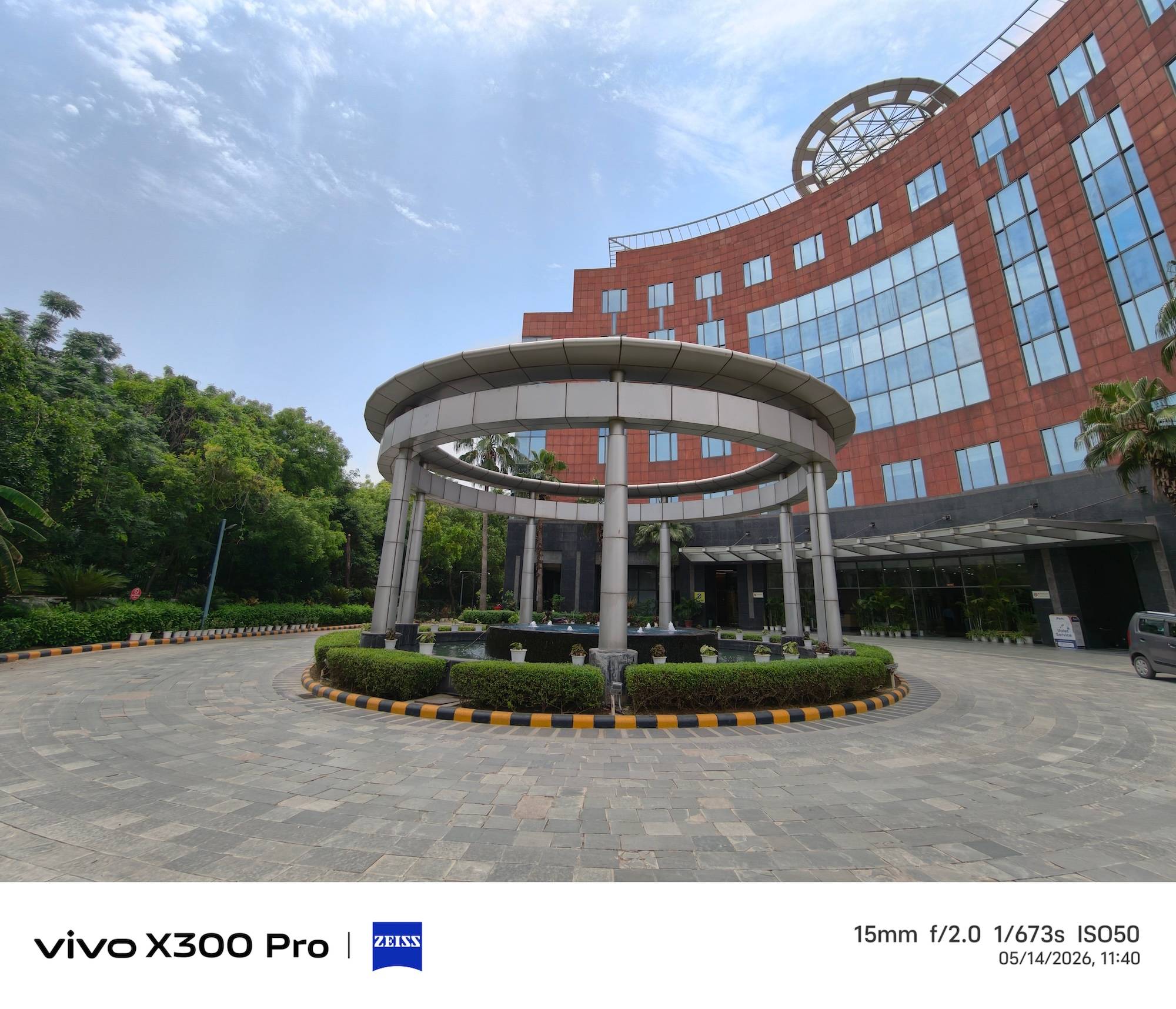
On the ultrawide, the X300 Ultra is ahead as well, offering better sharpness and detail than the X300 Pro.
Portrait
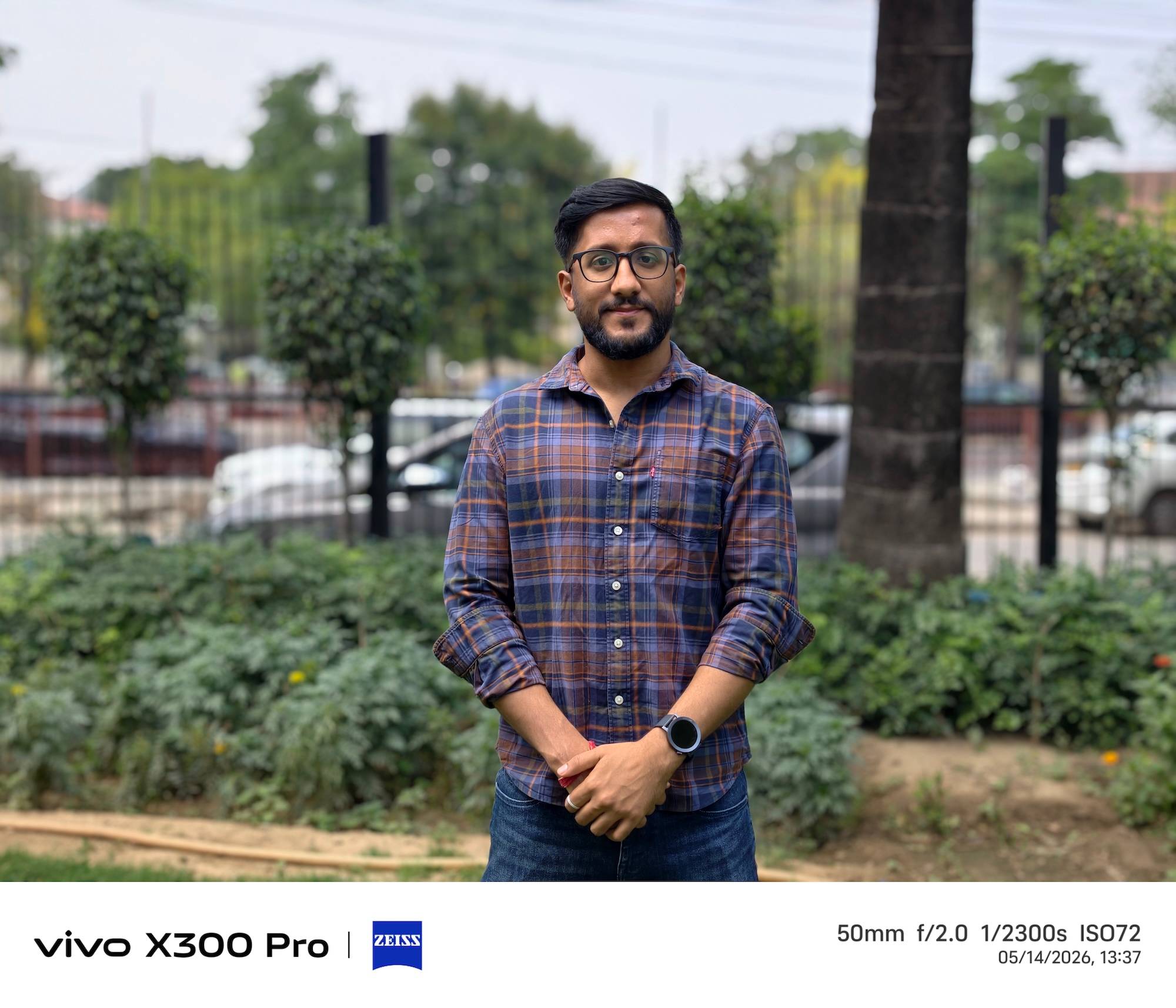
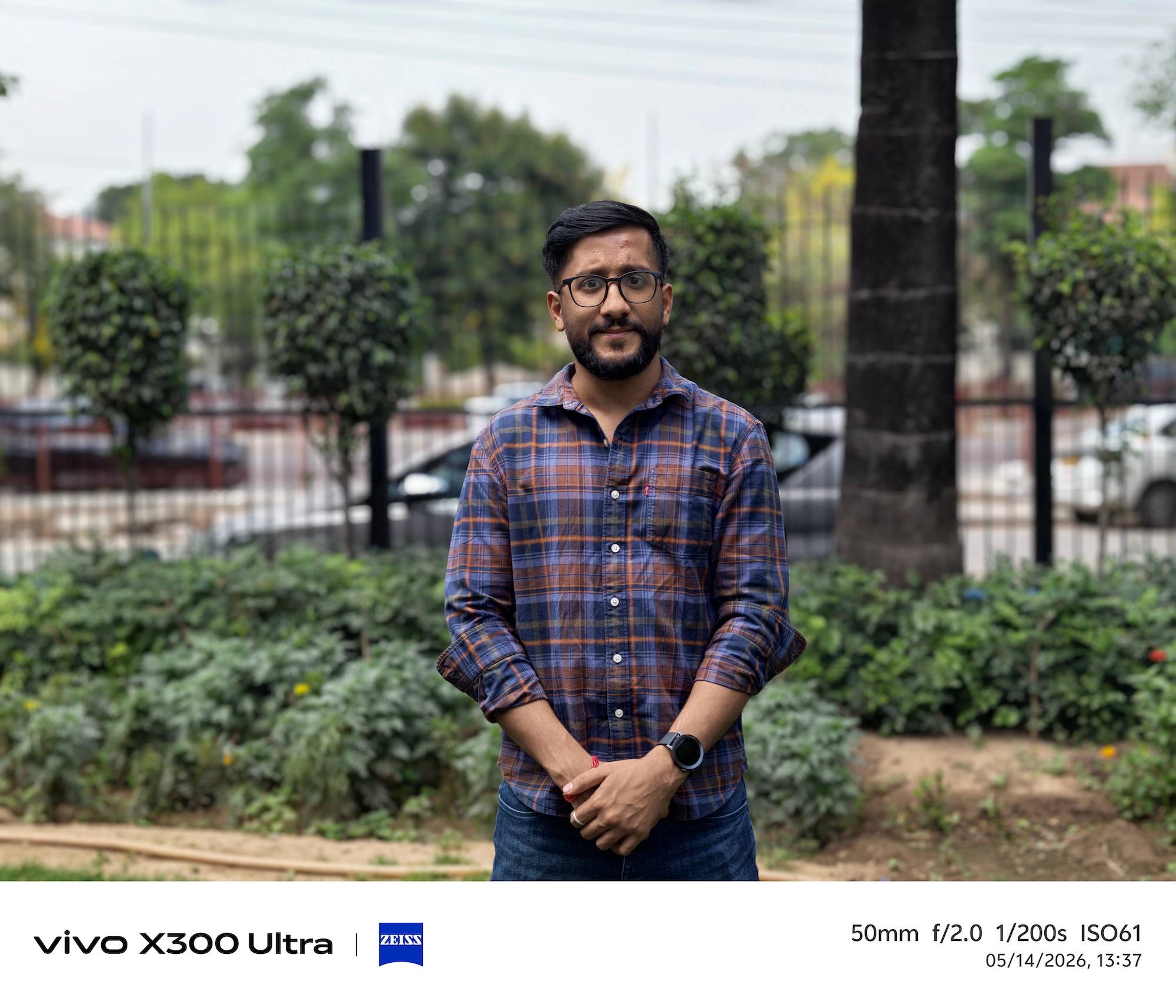
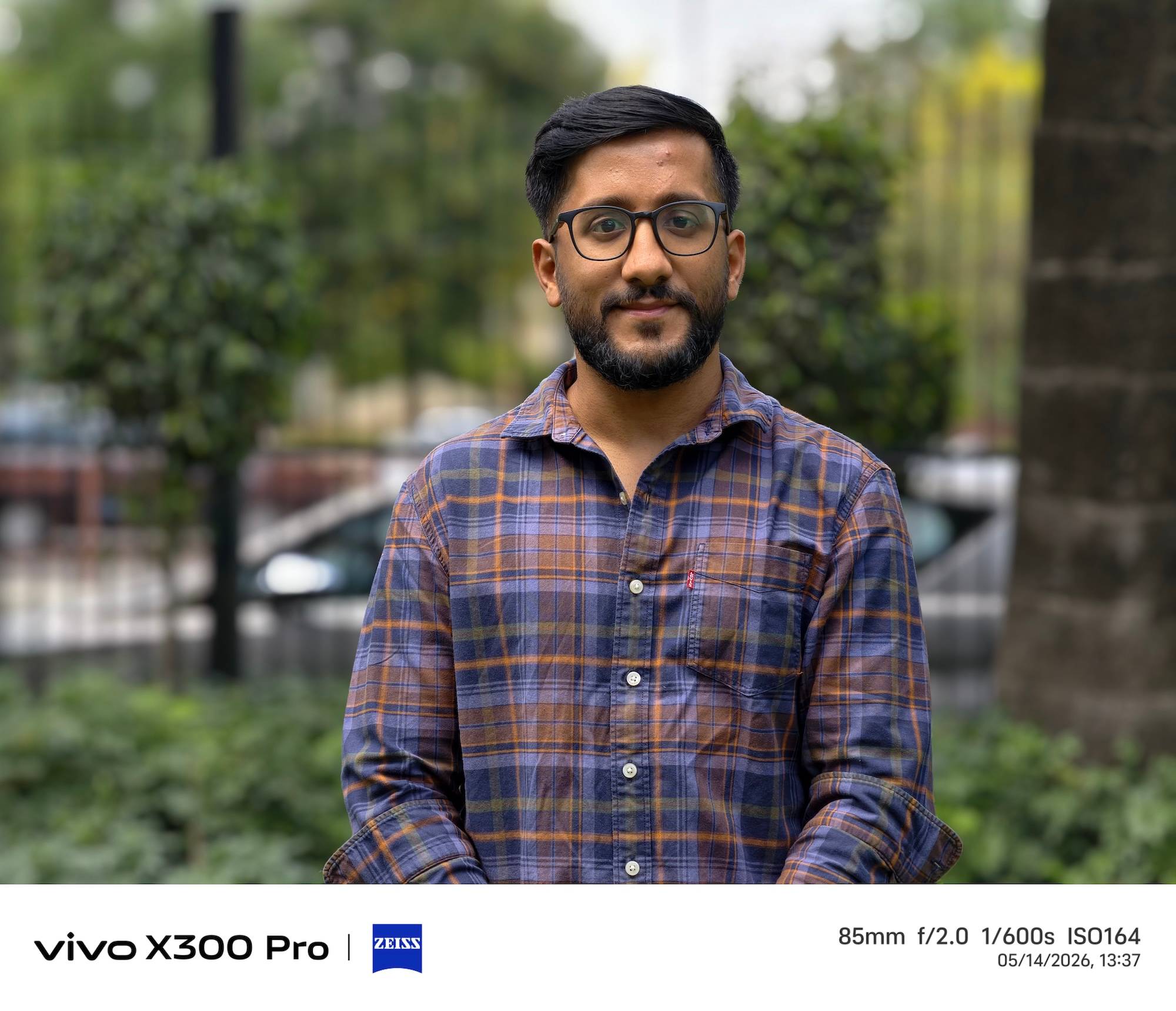
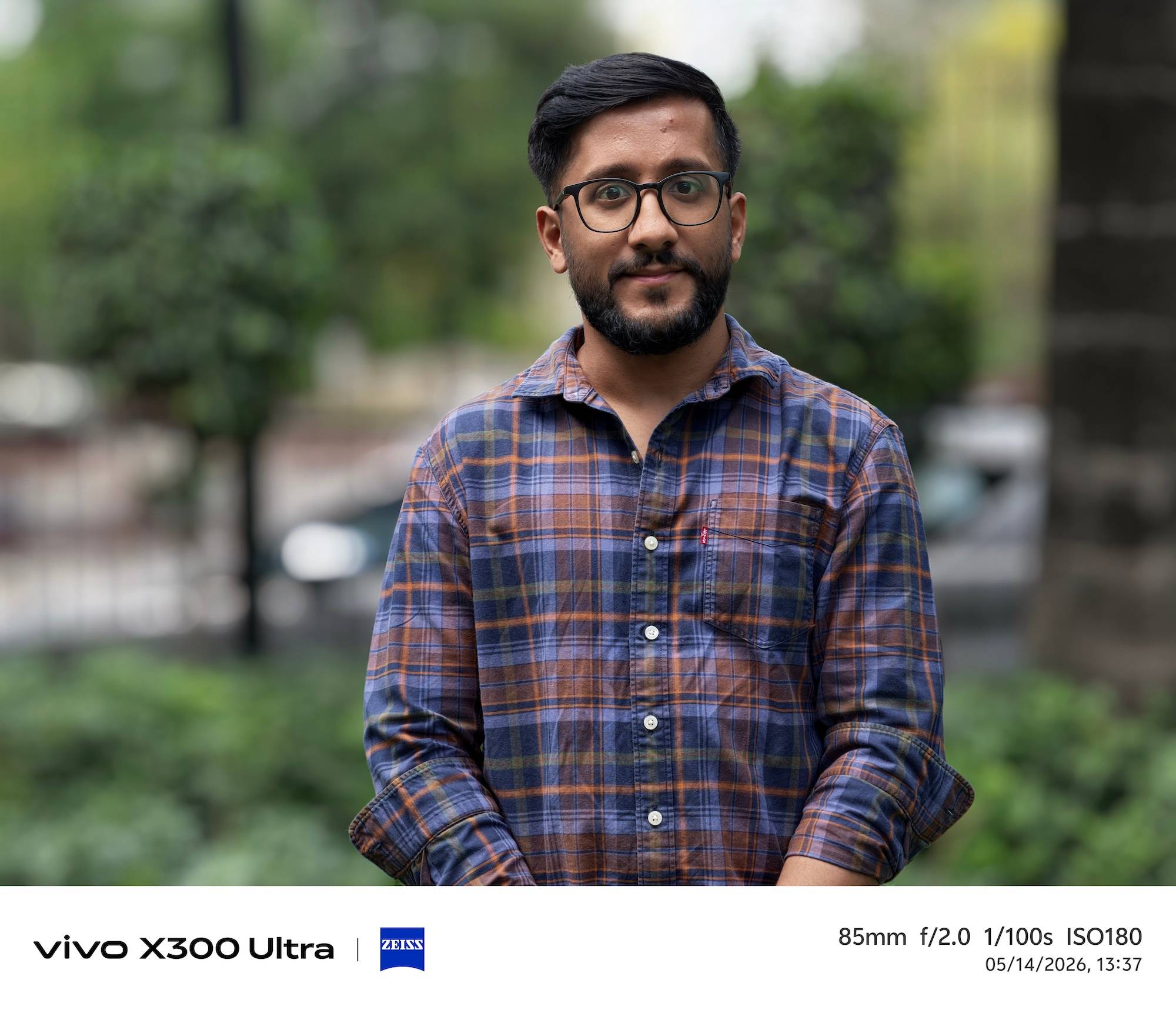
At 50mm, the telephoto lens handles people shots exceptionally well. Facial proportions are natural, skin tones are accurate, and there is enough background separation at close to medium distances without needing to engage Portrait mode. The 85mm telephoto takes this further with tighter framing, better subject isolation, and headshots that hold detail under scrutiny.
The samples below were captured with both phones on ZEISS Natural mode. Both images are similar in colour reproduction, offering natural, true-to-life colours across the background and clothing. The 85mm portraits are also crisp and detailed on both devices. But the X300 Ultra delivers flatter, more neutral skin tones, where the X300 Pro leans towards a warmer, golden hue, which might be preferred for social media.
Selfie
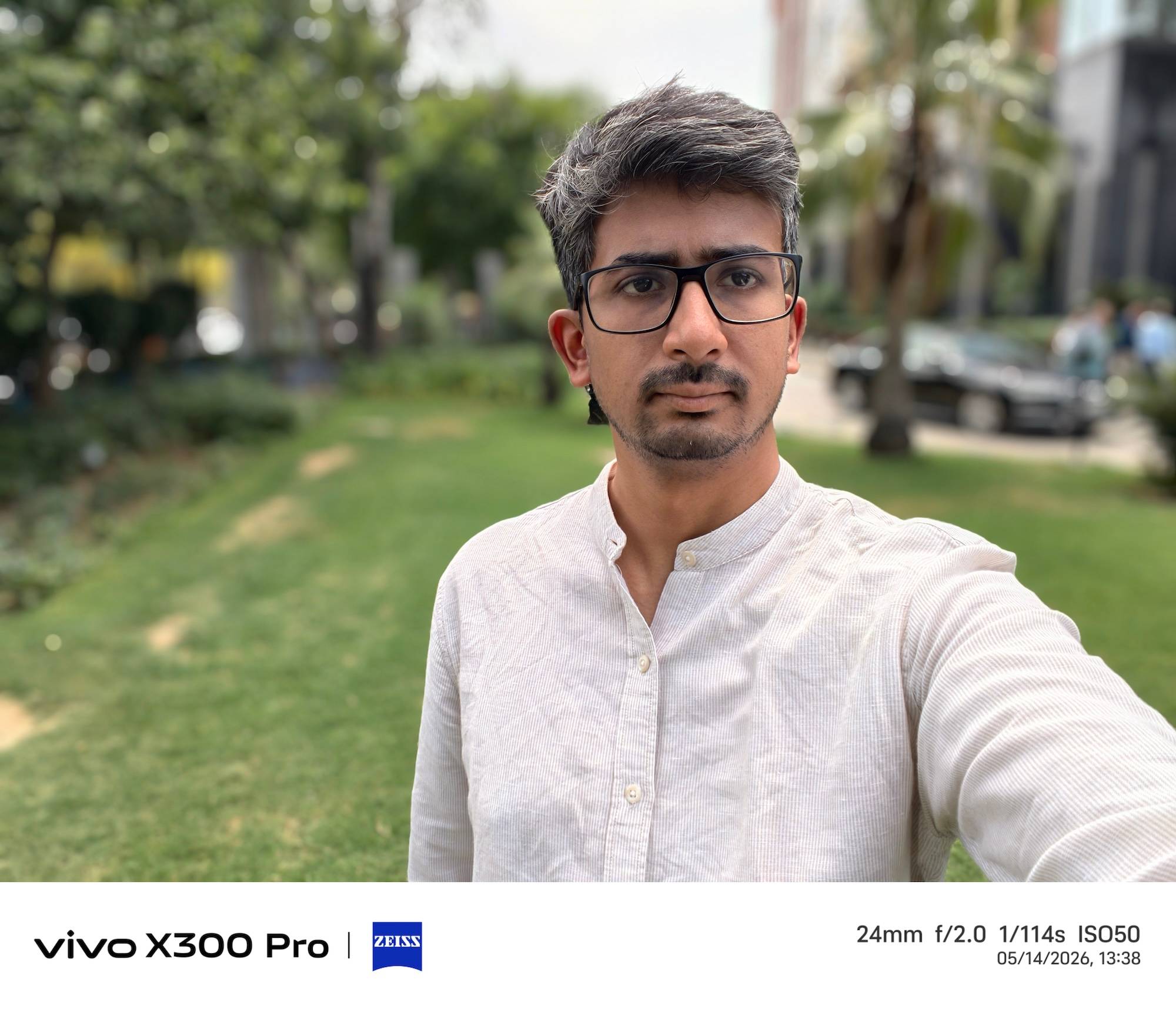
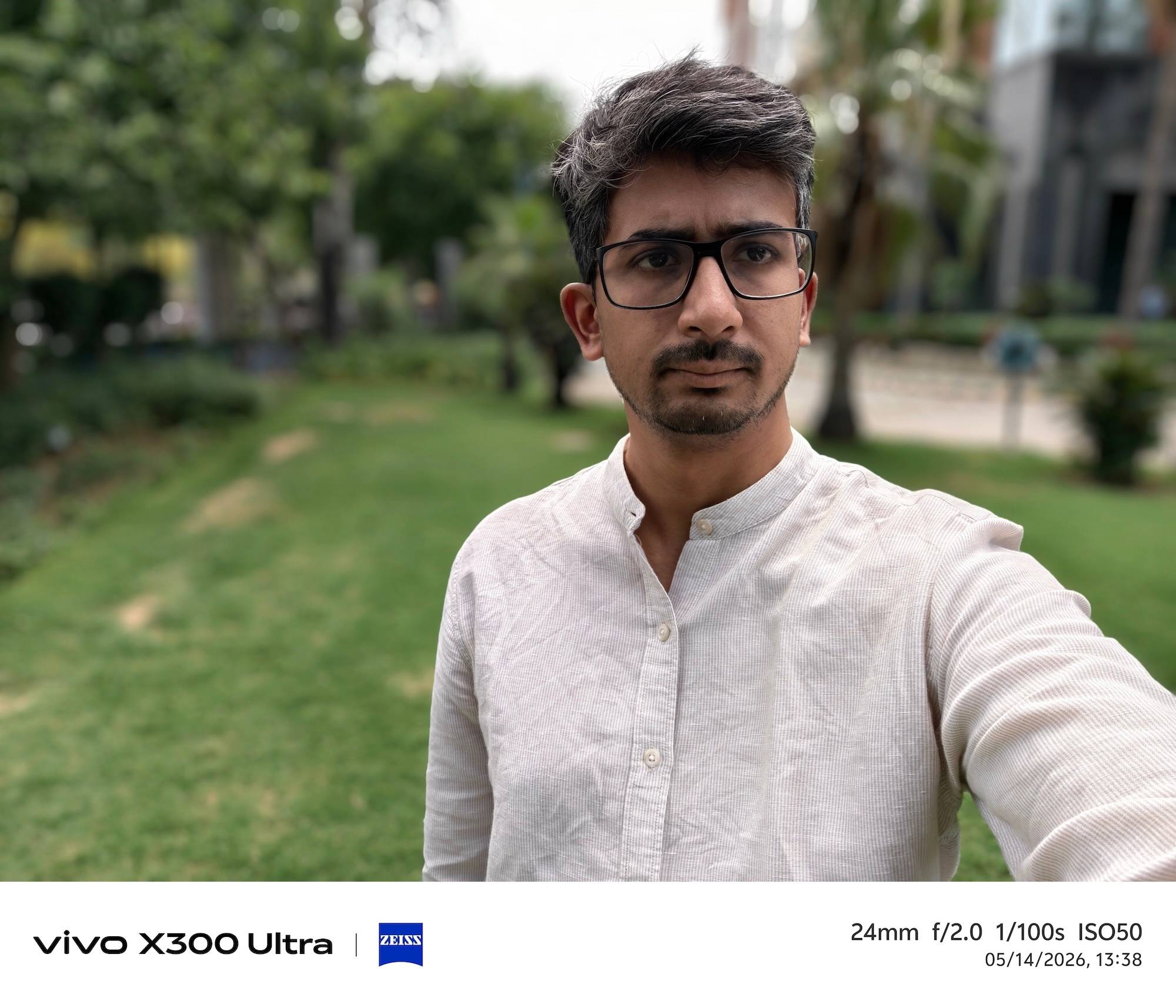
The front camera shoots at 24mm and 47mm crop. The X300 Pro and OPPO Find X9 Ultra both go wider to allow more people in the frame. It is not a meaningful disadvantage in practice, and the X300 Ultra handles close-up selfies well regardless. Sharpness is generally excellent in daylight, but it tends to soften in certain areas of the face when shooting indoors or in low light. That said, the dynamic range is excellent, and the colours are accurate when shooting outdoors.
Compared with the X300 Pro, the X300 Ultra’s portrait selfies show more balanced exposure, more realistic colours, and better subject separation.
Macro
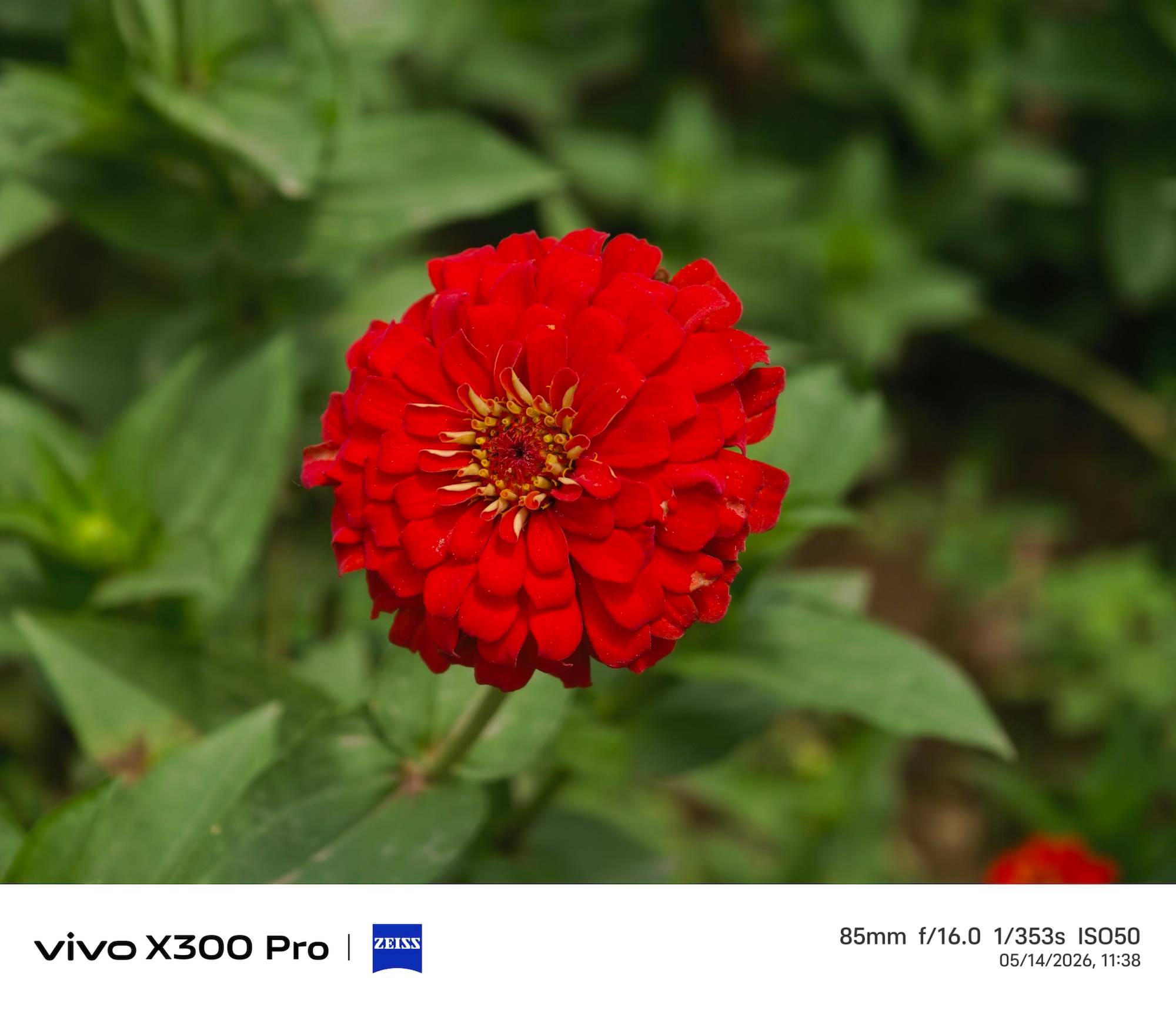
I mentioned earlier that the X300 Ultra’s super macro mode is legitimately great. While both the X300 Pro and Ultra offer stable macro shots, the Ultra handles colour separation better. That’s really the story of the X300 Ultra in a nutshell: better colour reproduction.
Low-light
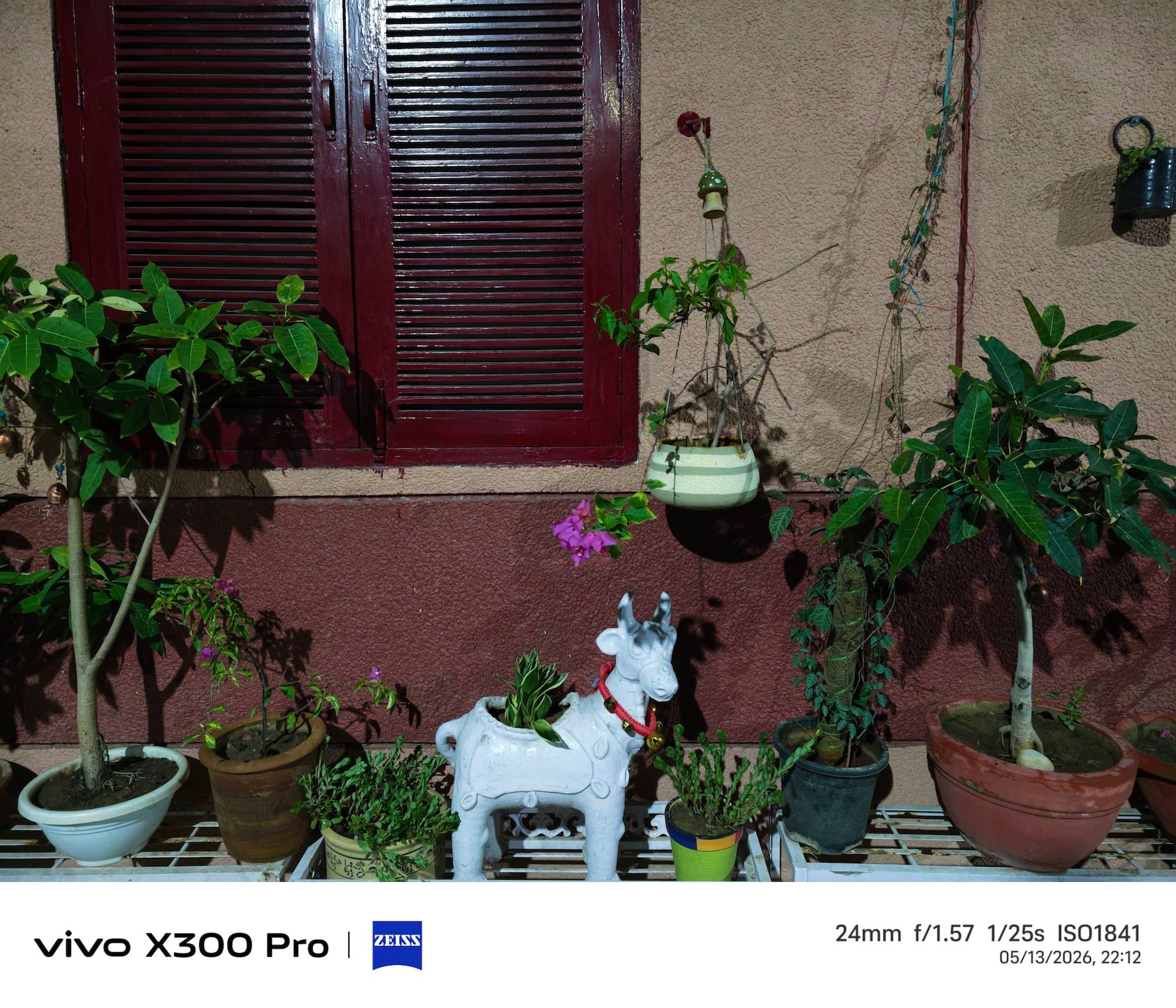
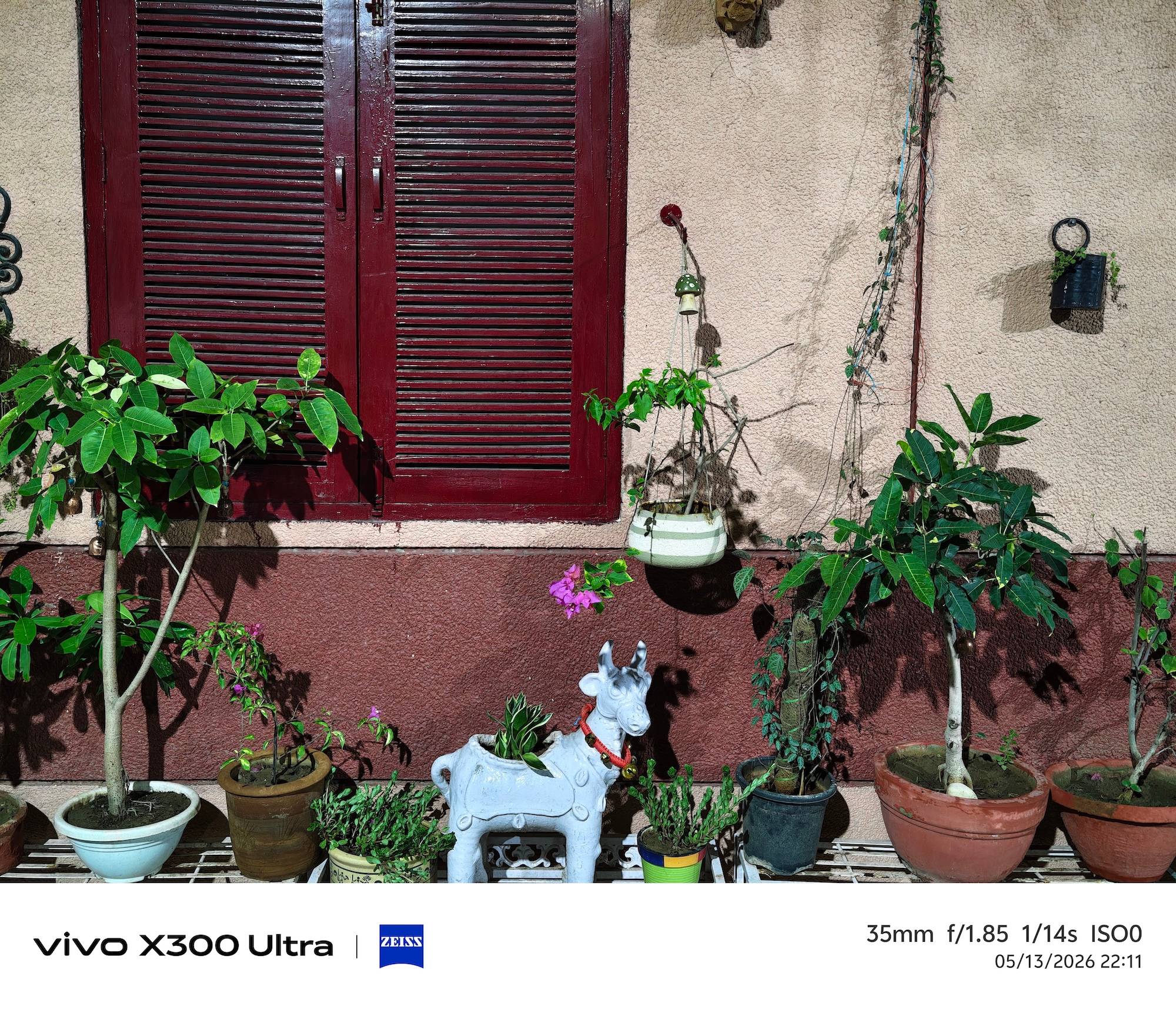
The 35mm main camera is the strongest of the three in low light, producing wide dynamic range, accurate colours, and excellent sharpness without the aggressive noise reduction that smooths away texture on other phones. The ultrawide holds up well too, with balanced exposures and accurate white balance. The telephoto performs reliably at its native 85mm and remains usable through the 135mm zoom range, though detail begins to soften meaningfully beyond that in challenging light.
The larger sensor on the X300 Ultra captures more light and retains better clarity and detail than the X300 Pro in low-light conditions.
Video
Vivo has made a serious push on video this year, though the upgrades are aimed squarely at professional users. The X300 Ultra supports 4K 120fps 10-bit Log recording across all three rear lenses, with consistent colour science and dynamic range between focal lengths. Custom 3D LUTs can be imported for real-time monitoring, and the Pro Video mode offers full manual controls, including shutter speed, ISO, white balance, and focus. If you know what any of that means, the X300 Ultra is one of the most capable smartphone video tools currently available. If you do not, the standard video modes are excellent and require no additional knowledge to produce great results.
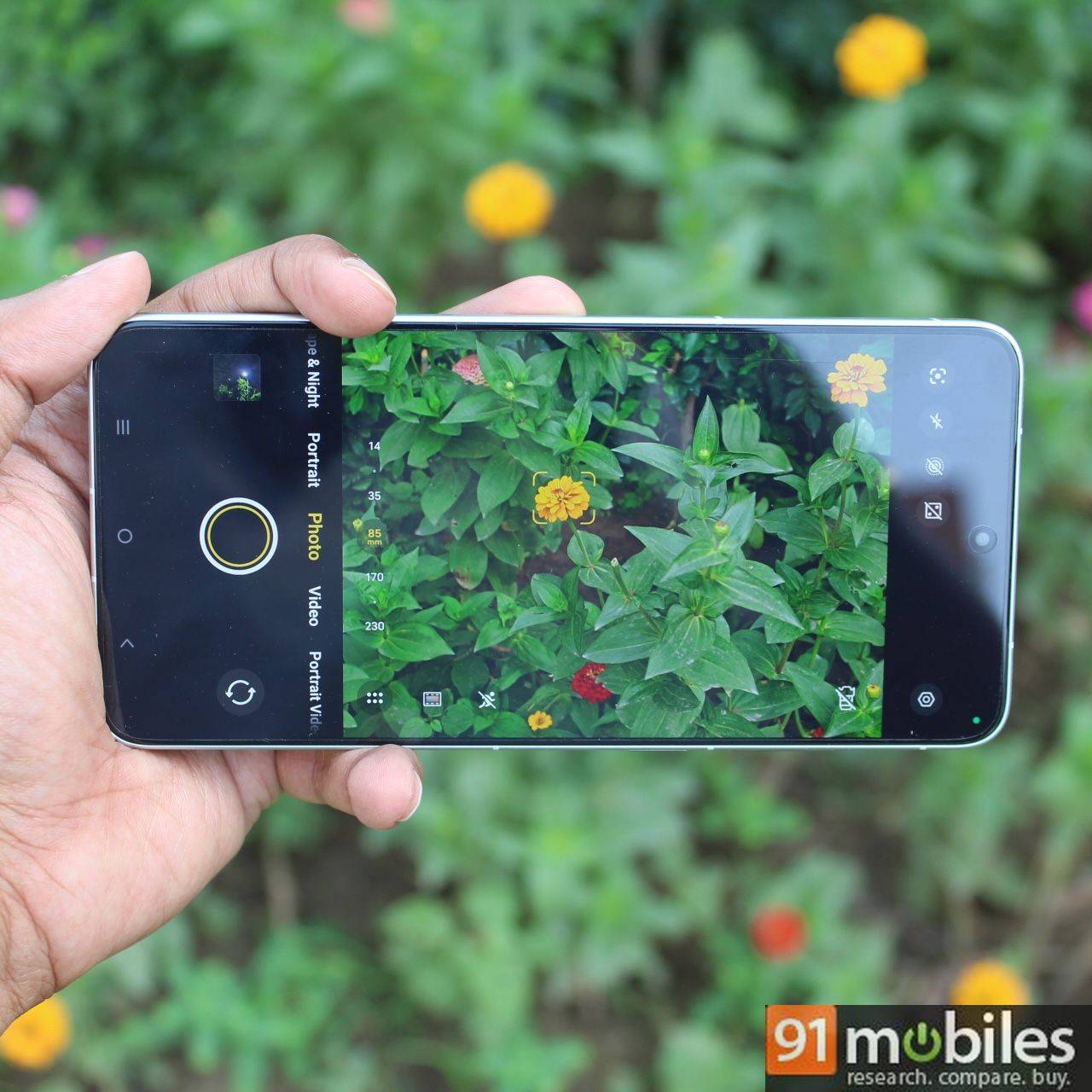
It’s also worth mentioning that the X300 Ultra has a redesigned camera app UI. The Photo mode now shows focal lengths instead of zoom levels. There’s a new six-dot icon on the bottom right for easier access to setting the aspect ratio, selecting super macro, snapshot, and so on. Street Photography has now moved to the carousel instead of swiping up from the bottom — I preferred the old swipe-up way, though. While the new design makes it easier to use some of the additional controls without stretching your finger or using two hands, it can still get overwhelming.
Photography kit: Turns great cameras into unbelievable ones
The ZEISS Telephoto Extender Kit takes the X300 Ultra somewhere most smartphone cameras have no business going. The kit includes two telephoto lenses, a 200mm Gen 2 and a 400mm Gen 2 Ultra, along with a camera grip, lanyard, tripod mounting rings, and swappable camera rings. Together, they also cost a whopping Rs 2,10,000, though you can buy the lenses separately if you don’t need both.
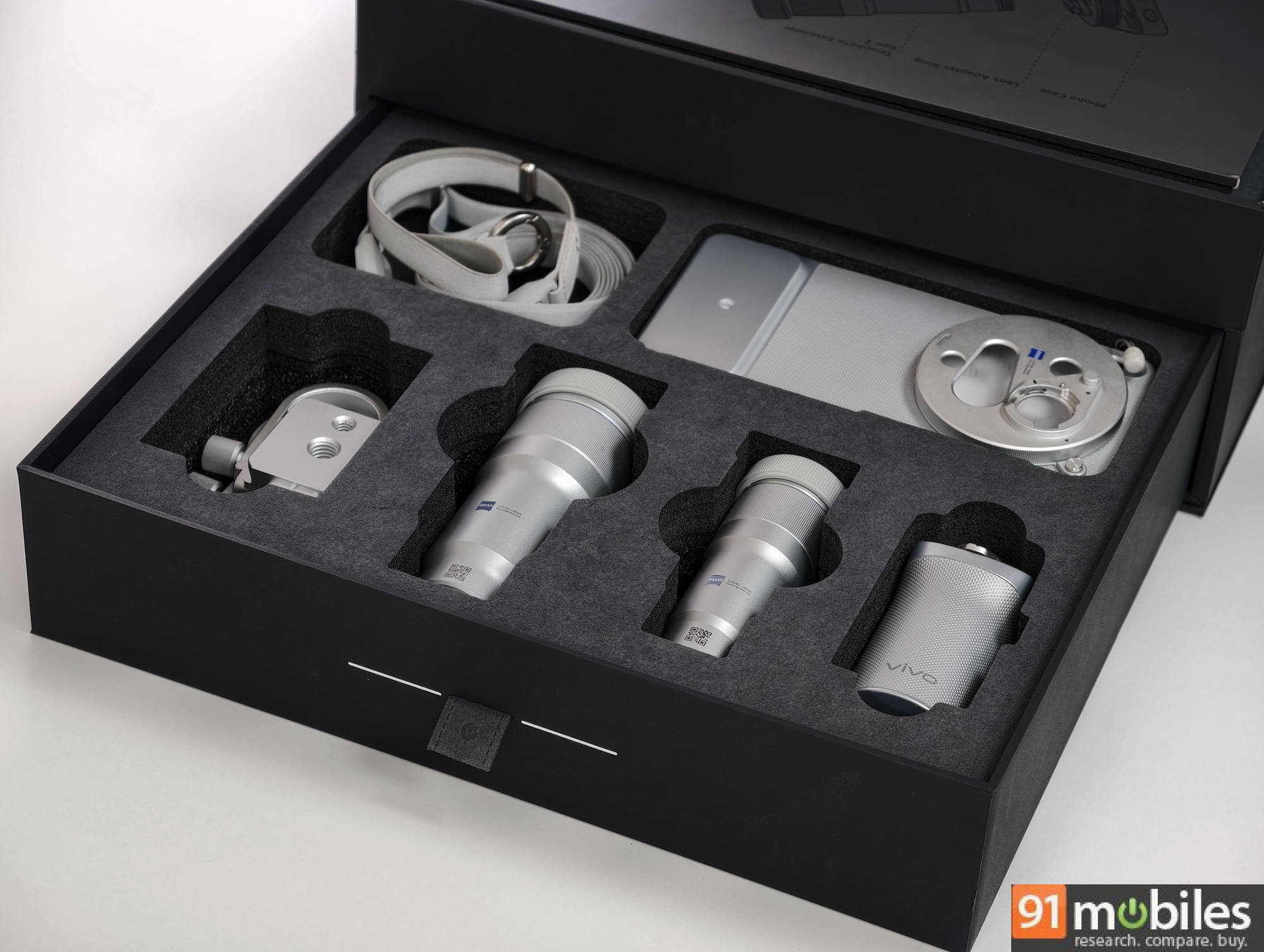
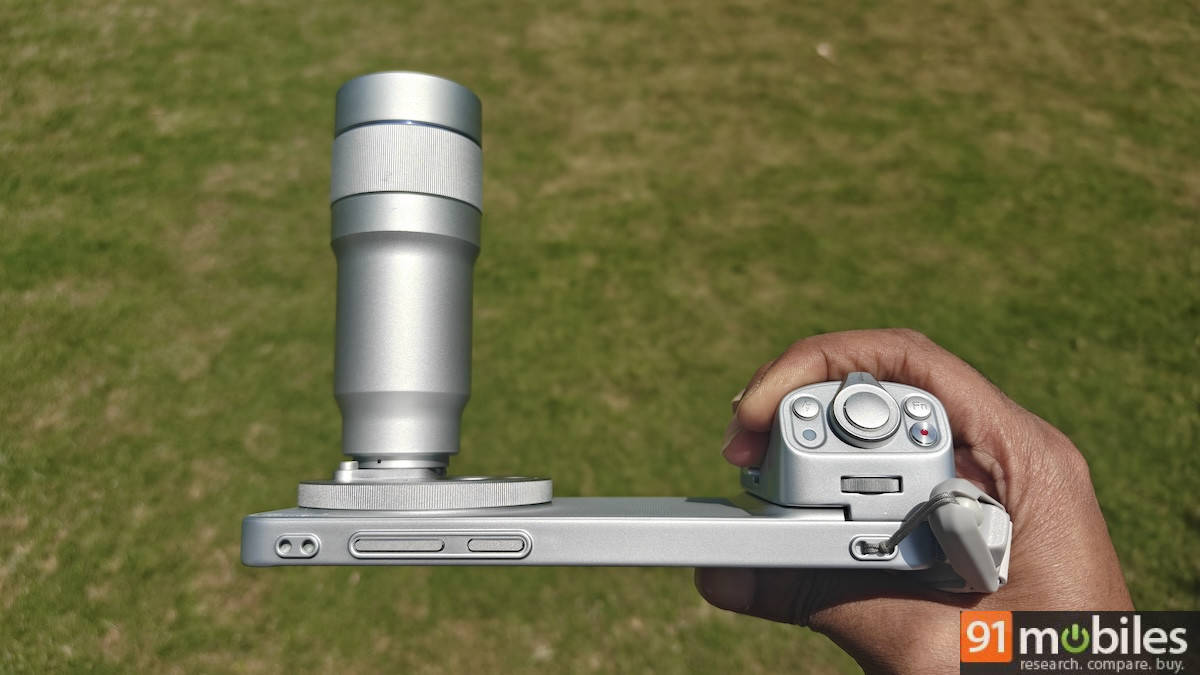
The 200mm is the more practical lens for everyday use. It’s smaller, lighter, and versatile enough for portraits at a distance, architectural details, and situations where you need extra reach.
Take a look at some snaps taken using the 200mm lens below.
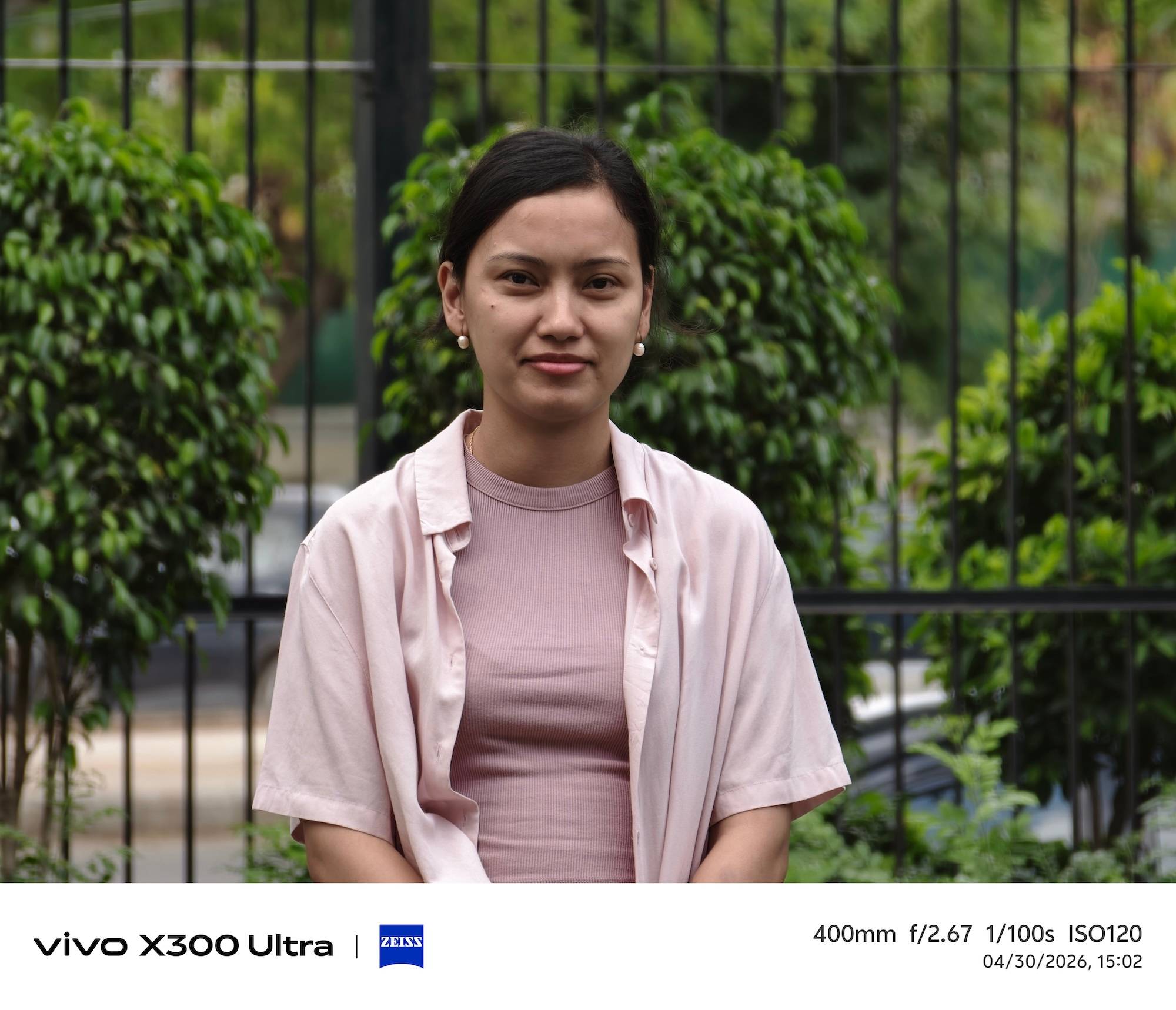
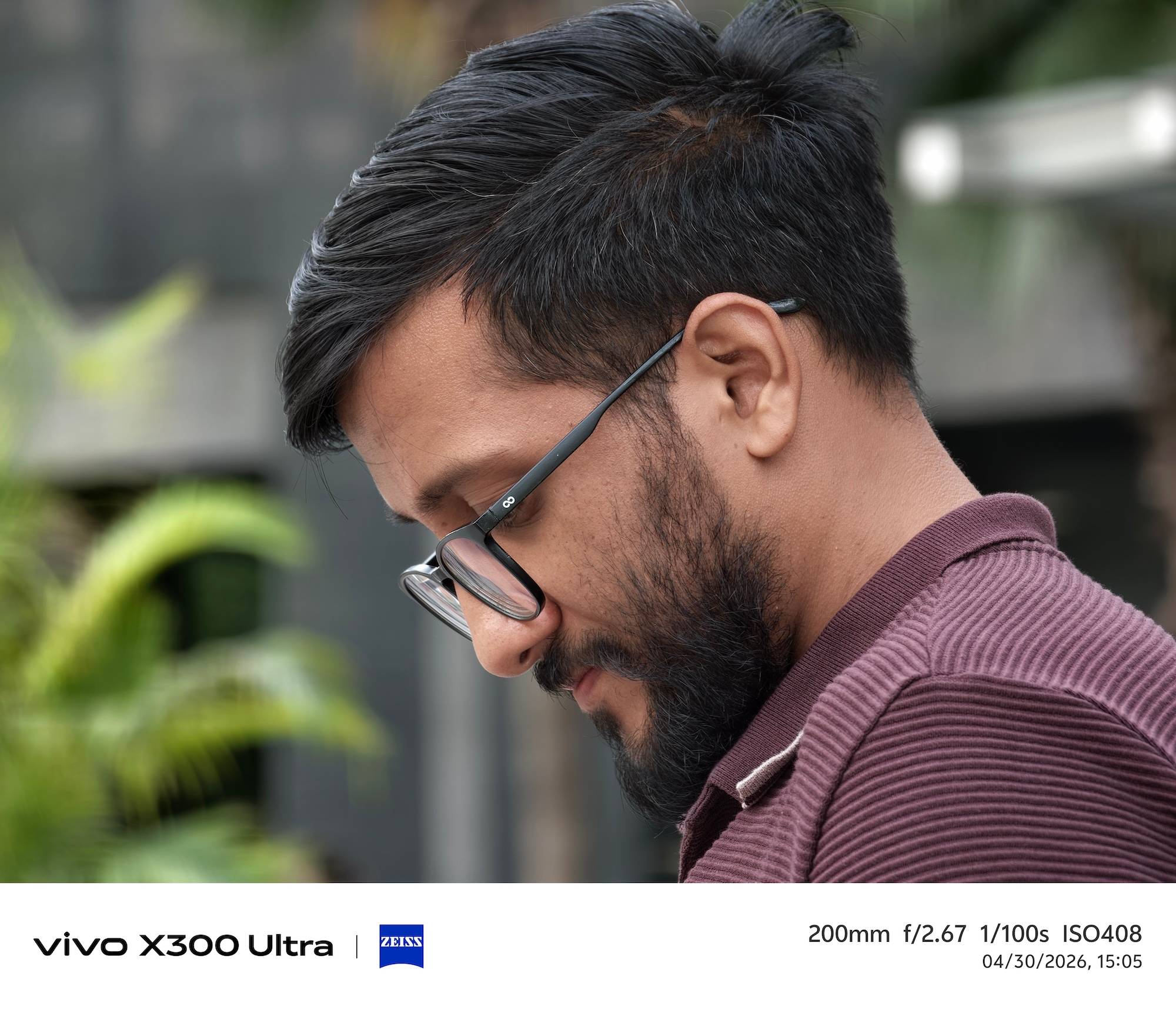
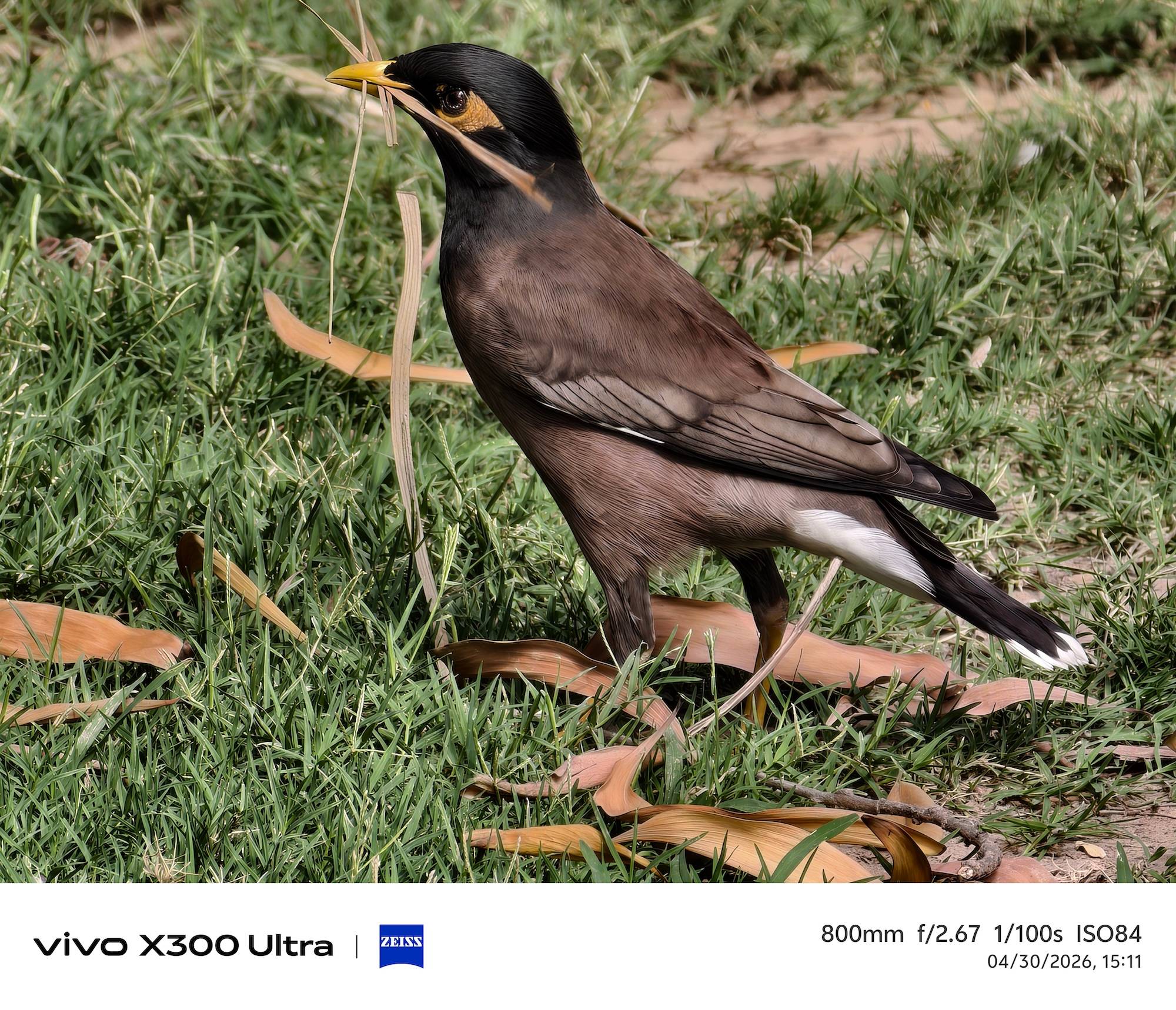
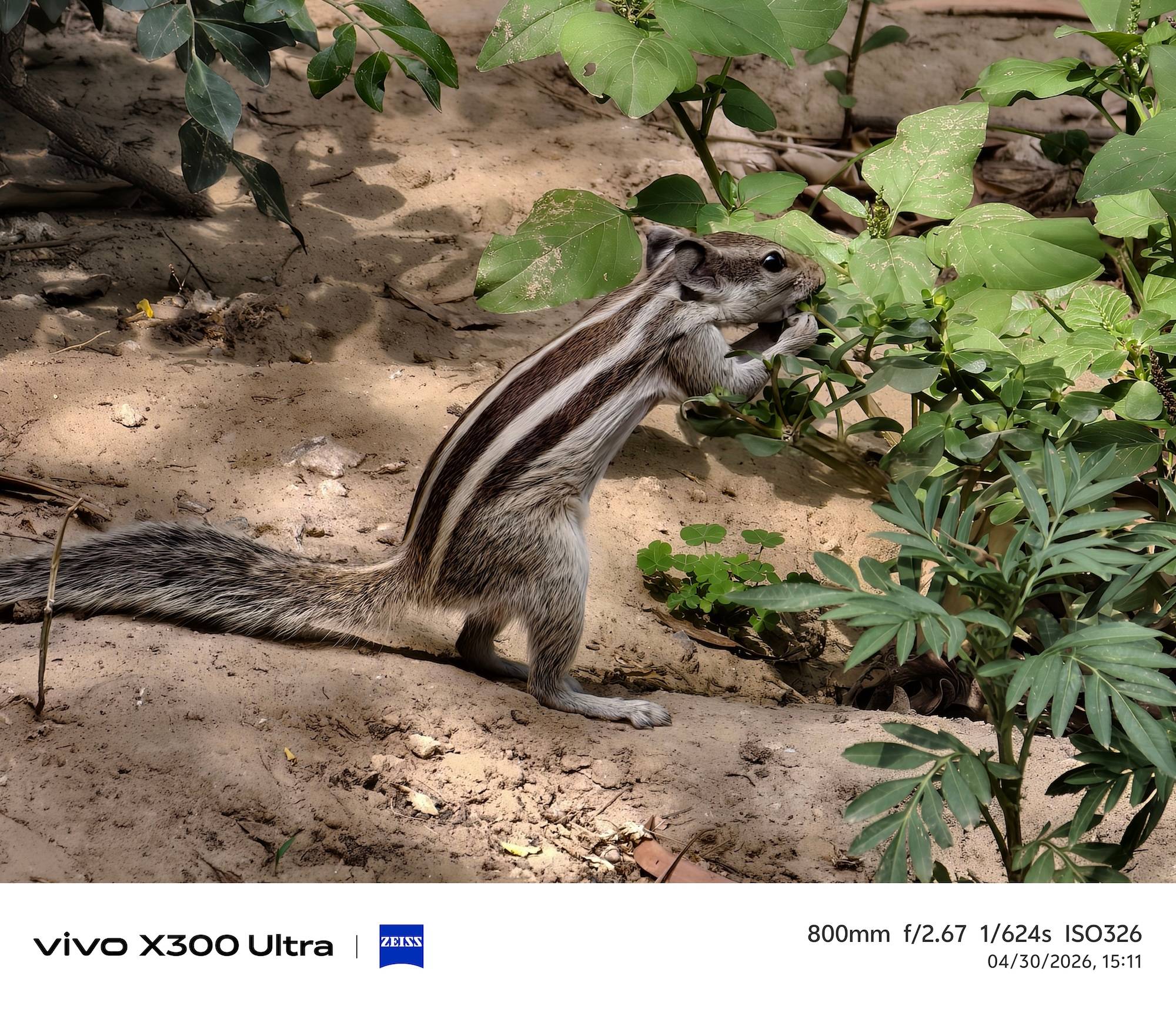
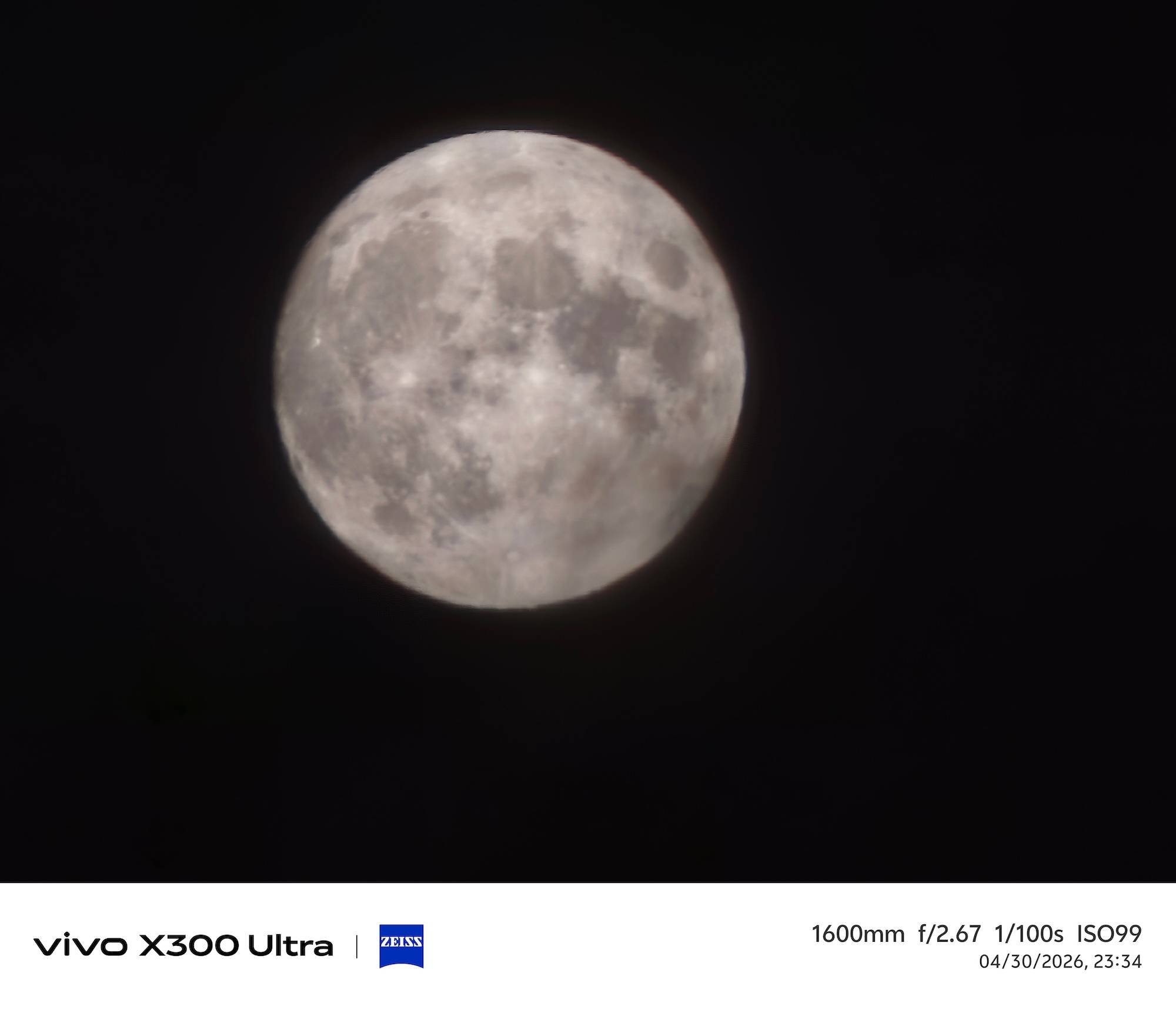
The 400mm operates in an entirely different category. It is front-heavy and demands support from the grip, but when you have a subject at distance that no other smartphone can reach cleanly, the results are genuinely difficult to believe came from a phone.
Here are some captures with the 400mm lens.
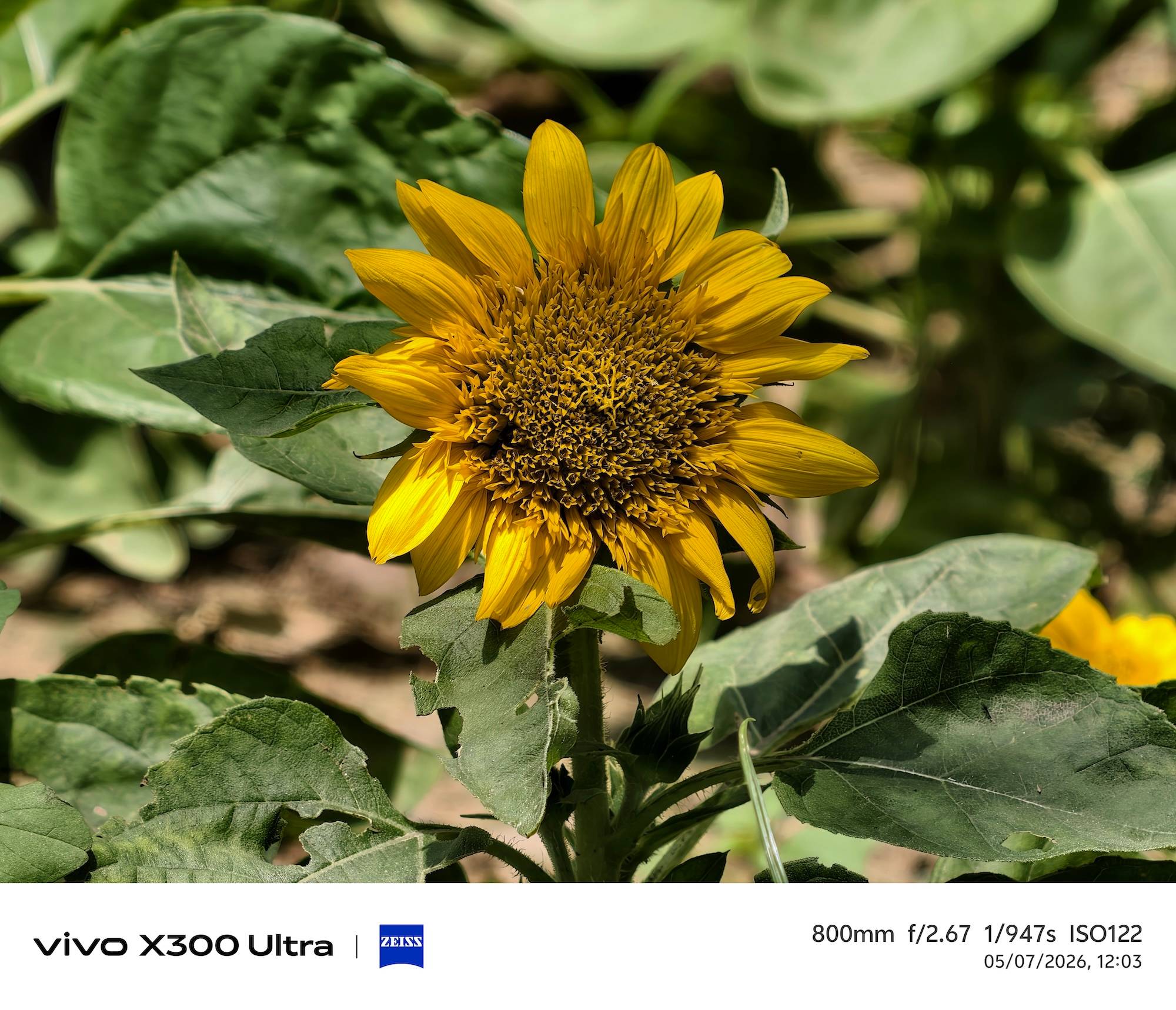
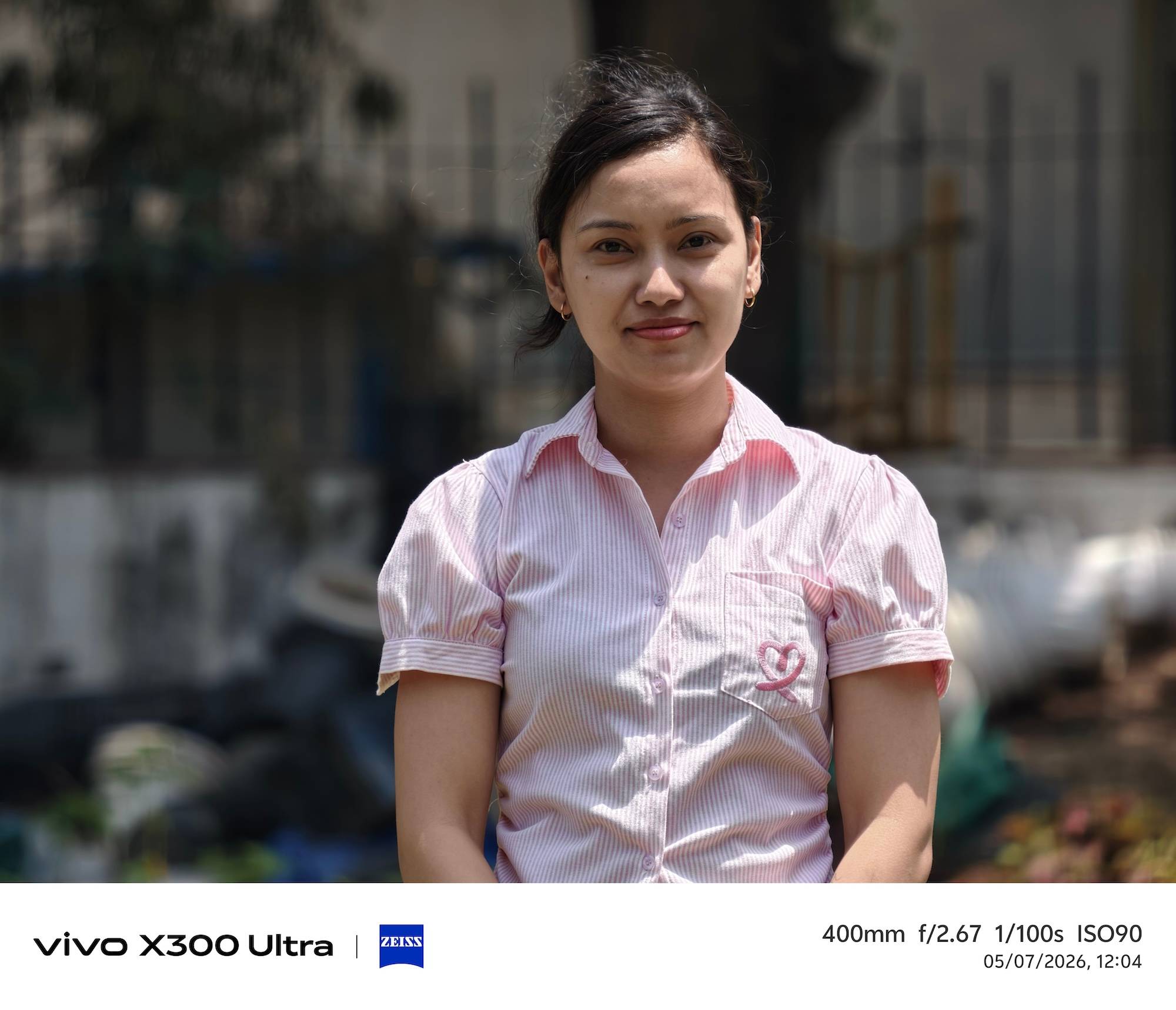
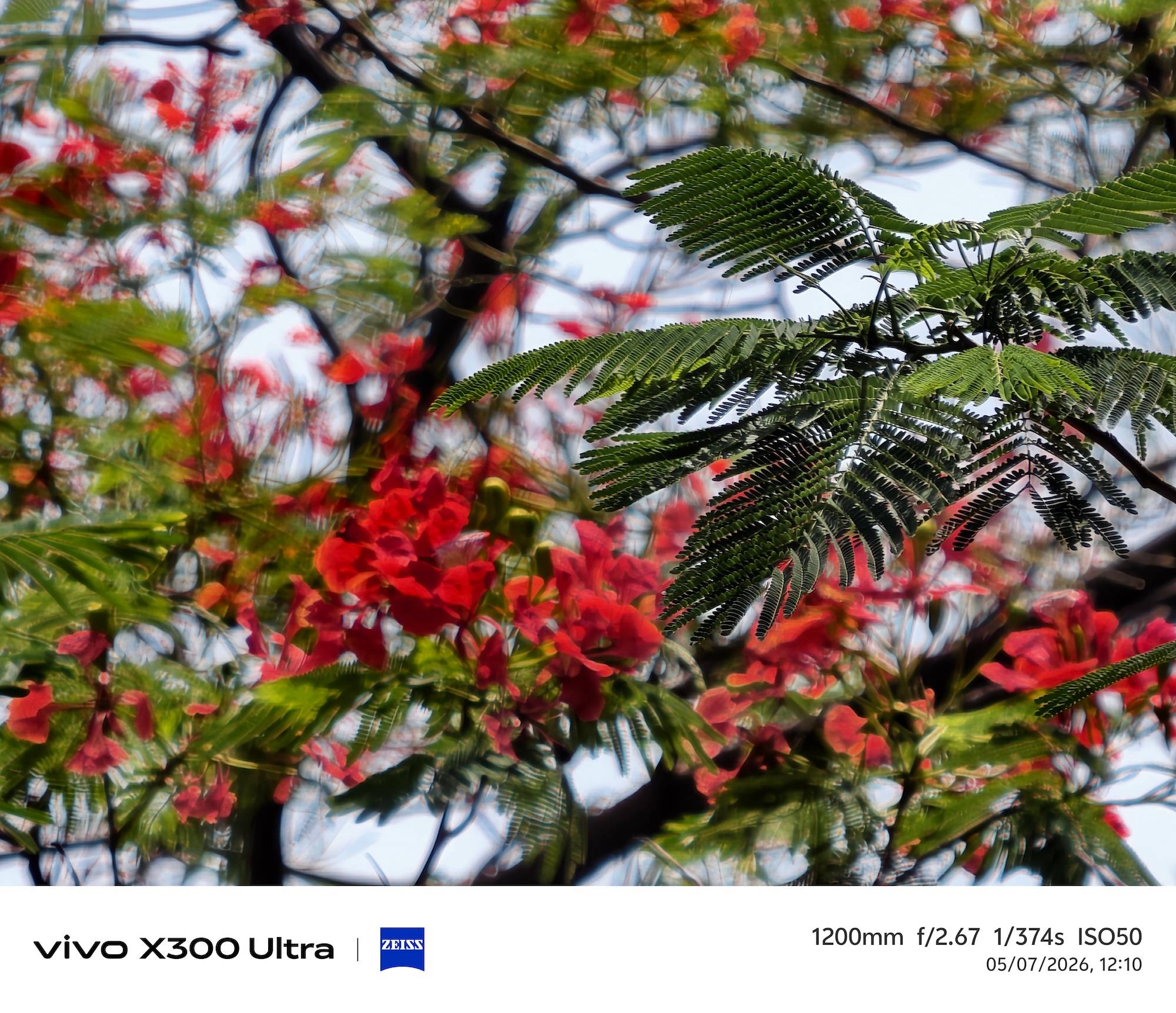
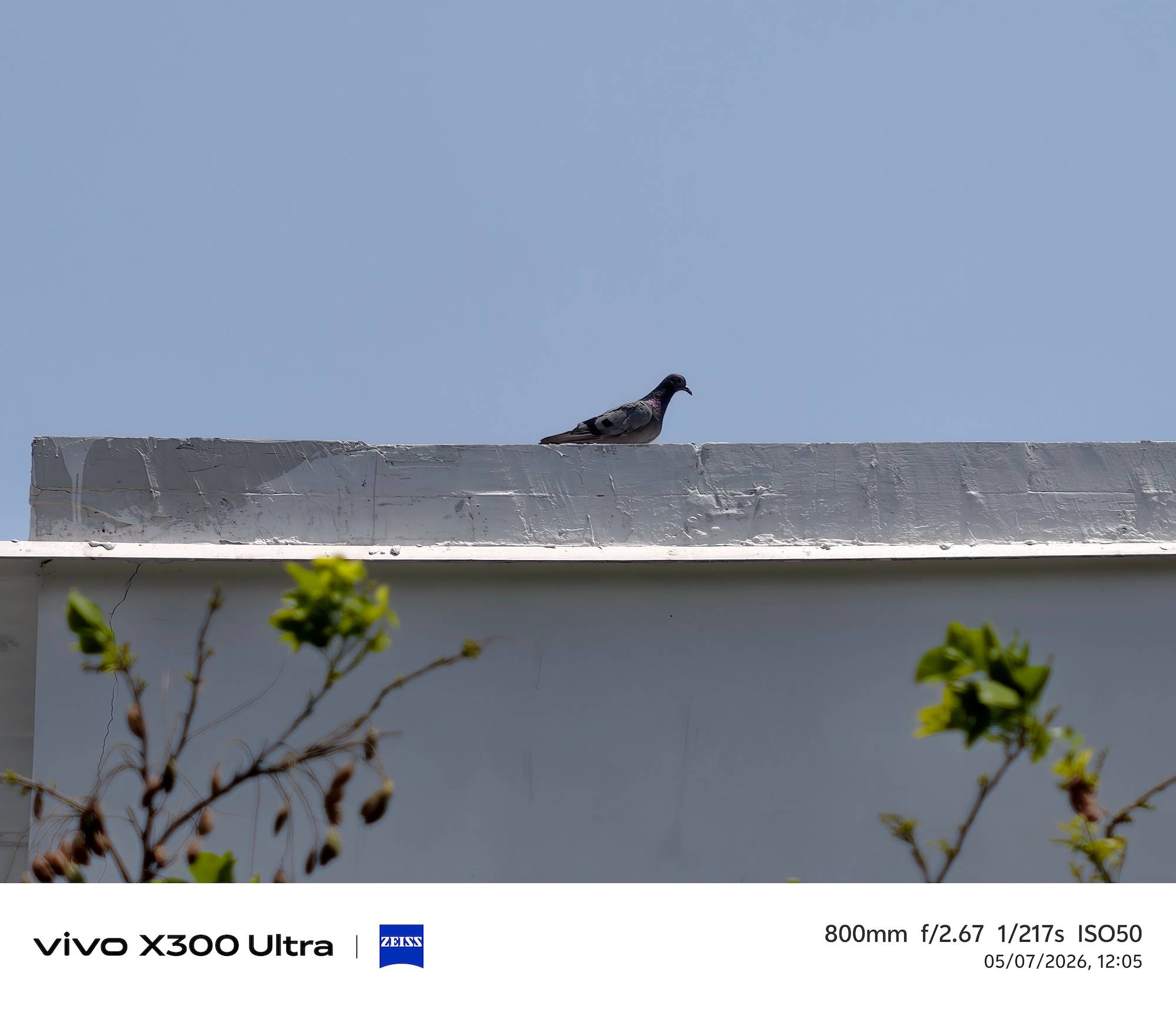
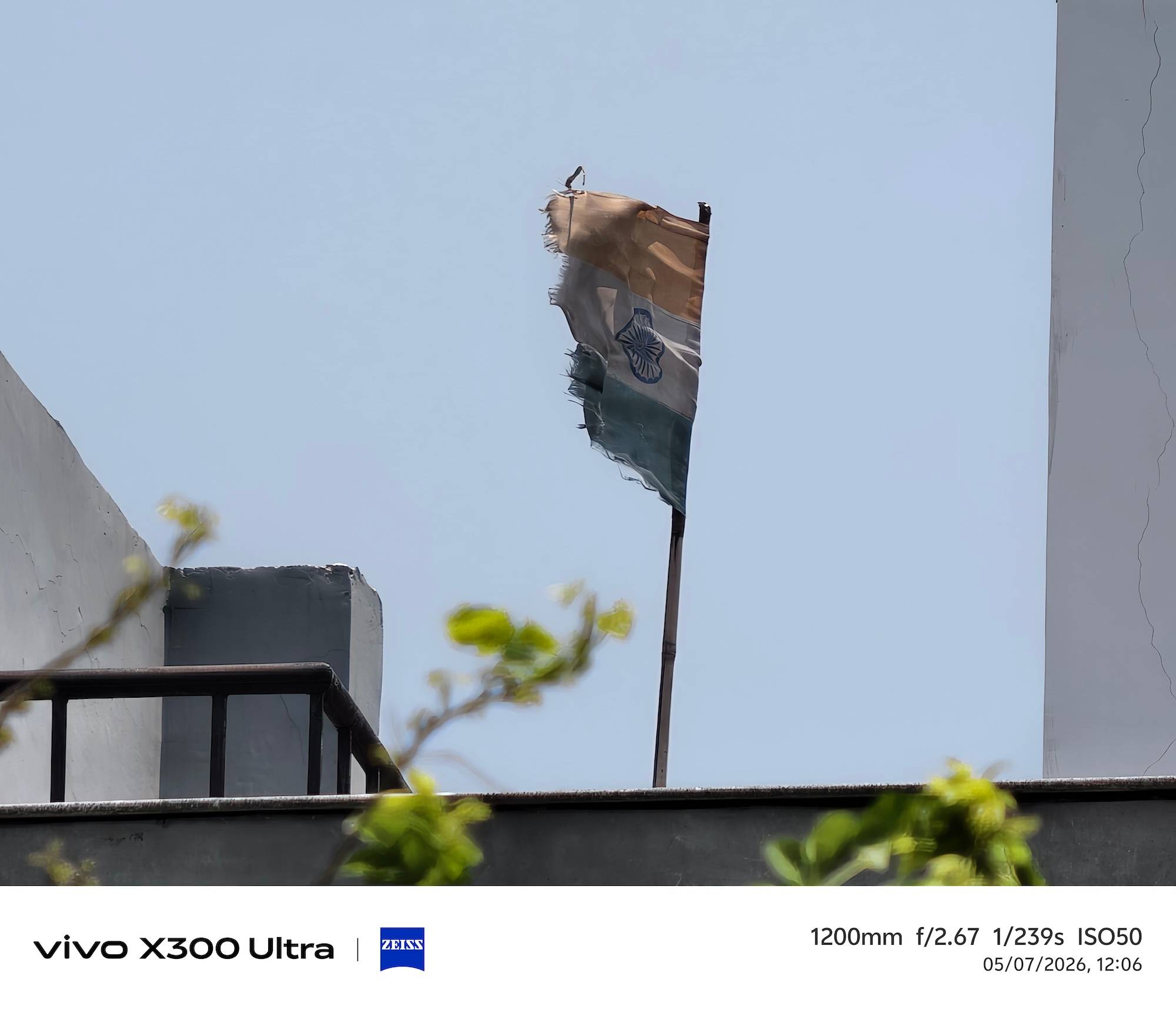
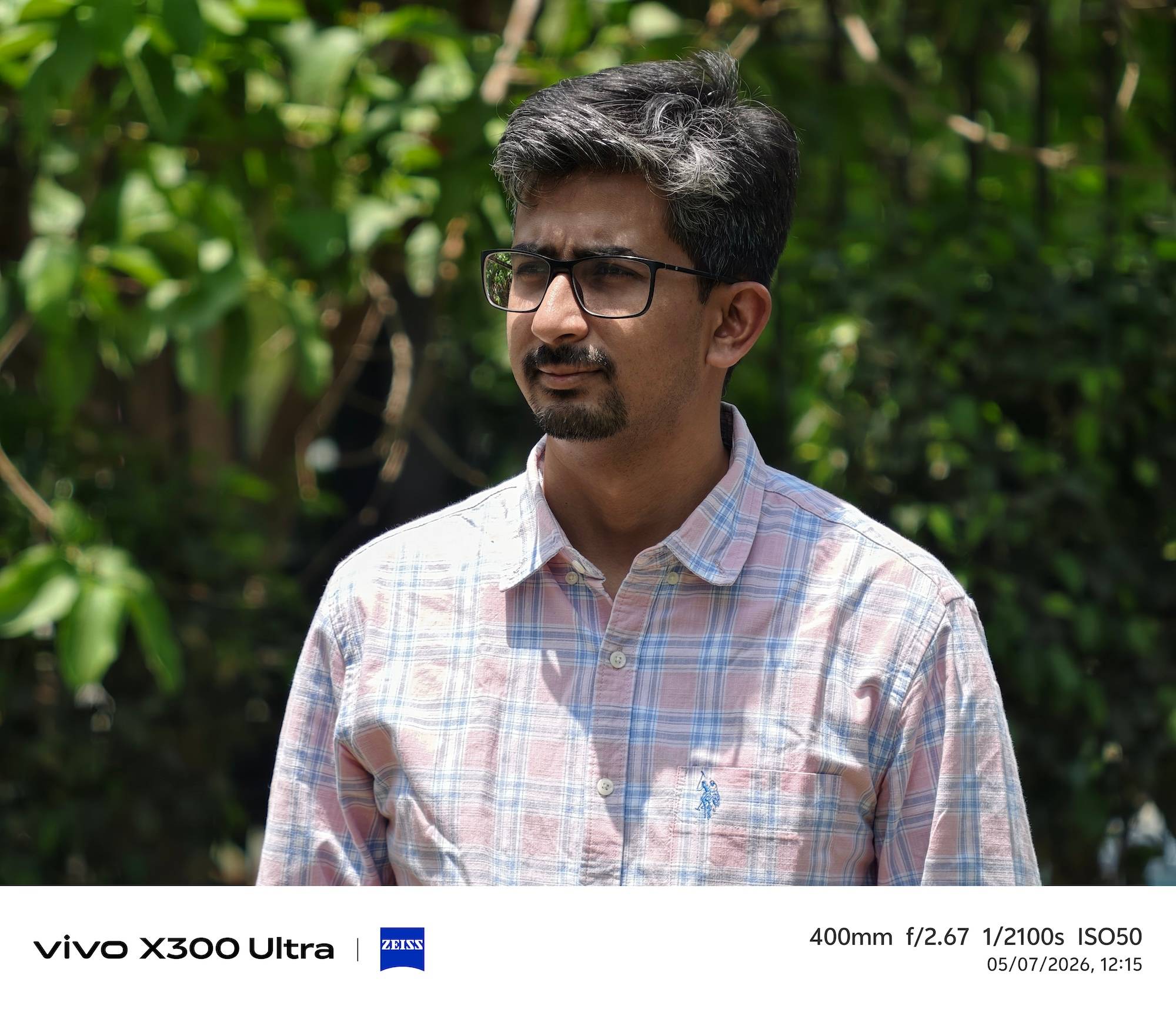
The camera grip adds a two-stage shutter, a customisable control dial, a zoom lever, and a built-in 2,300mAh battery to operate the controls, not to charge the phone. In hand, the full setup feels like a dedicated camera. I’ve written at length about the experience, including who should and shouldn’t buy it, in a dedicated article here. The short version: for planned shoots and subjects far away, the teleconverter lenses absolutely make sense. For casual, spontaneous photography, the three native lenses are more than enough.
Design: Big, heavy, and unapologetic about it
The Vivo X300 Ultra is a slightly thicker and larger version of the X300 Pro. The back, of course, is the highlight, with a metal biscuit-style camera module protruding more than it does on the X300 Pro. You can, in fact, hold the camera module by the fingers and lift the phone. That’s how tall it is. The Victory Green colour variant we received has a dual-tone finishing that looks quite nice.
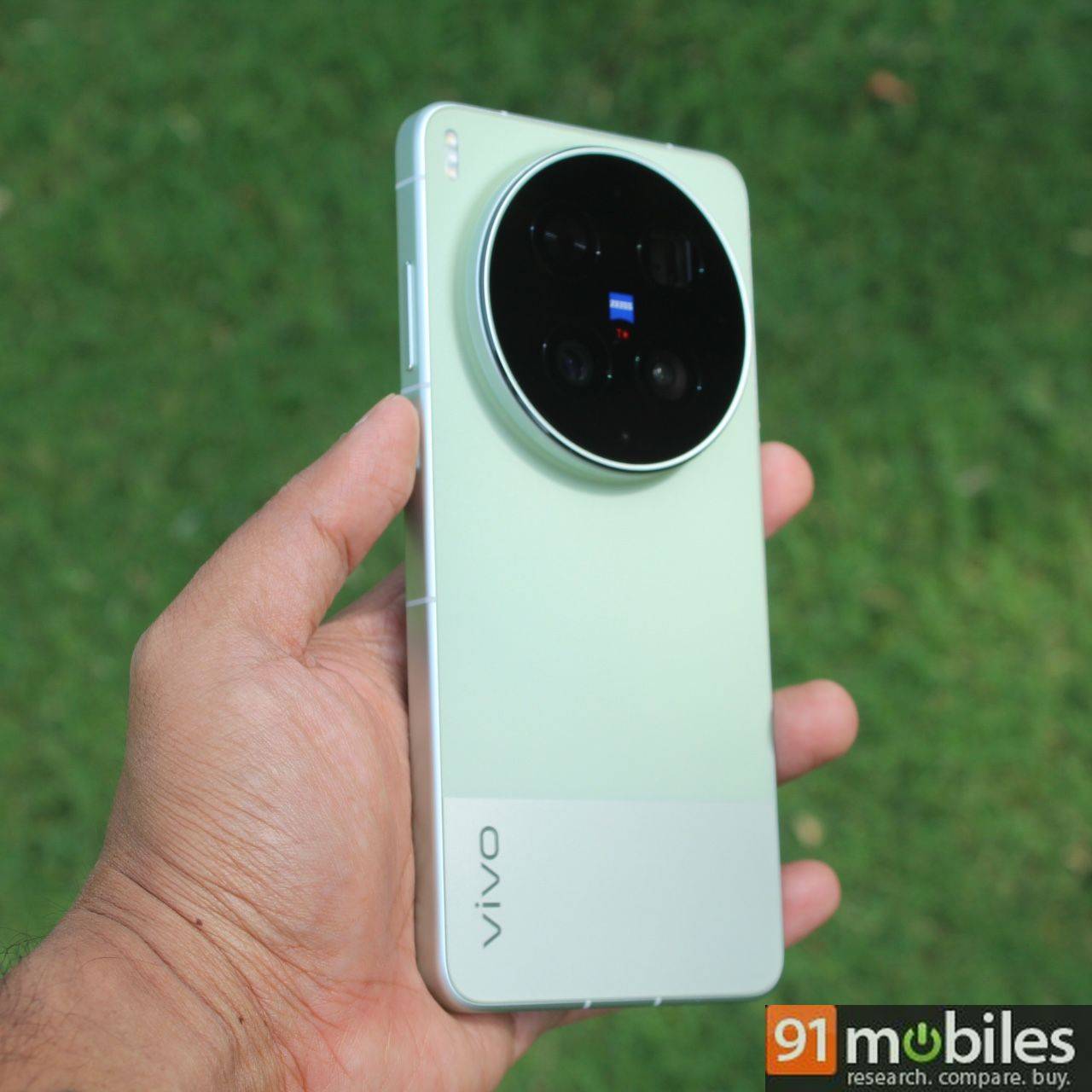
As I mentioned earlier, the X300 Ultra is a big phone and will take up your entire pocket. The Victory Green colour weighs 237 grams, which feels substantial and can put some strain on your wrist if you use the phone one-handed for a long time. The Eclipse Black version is a few grams lighter.
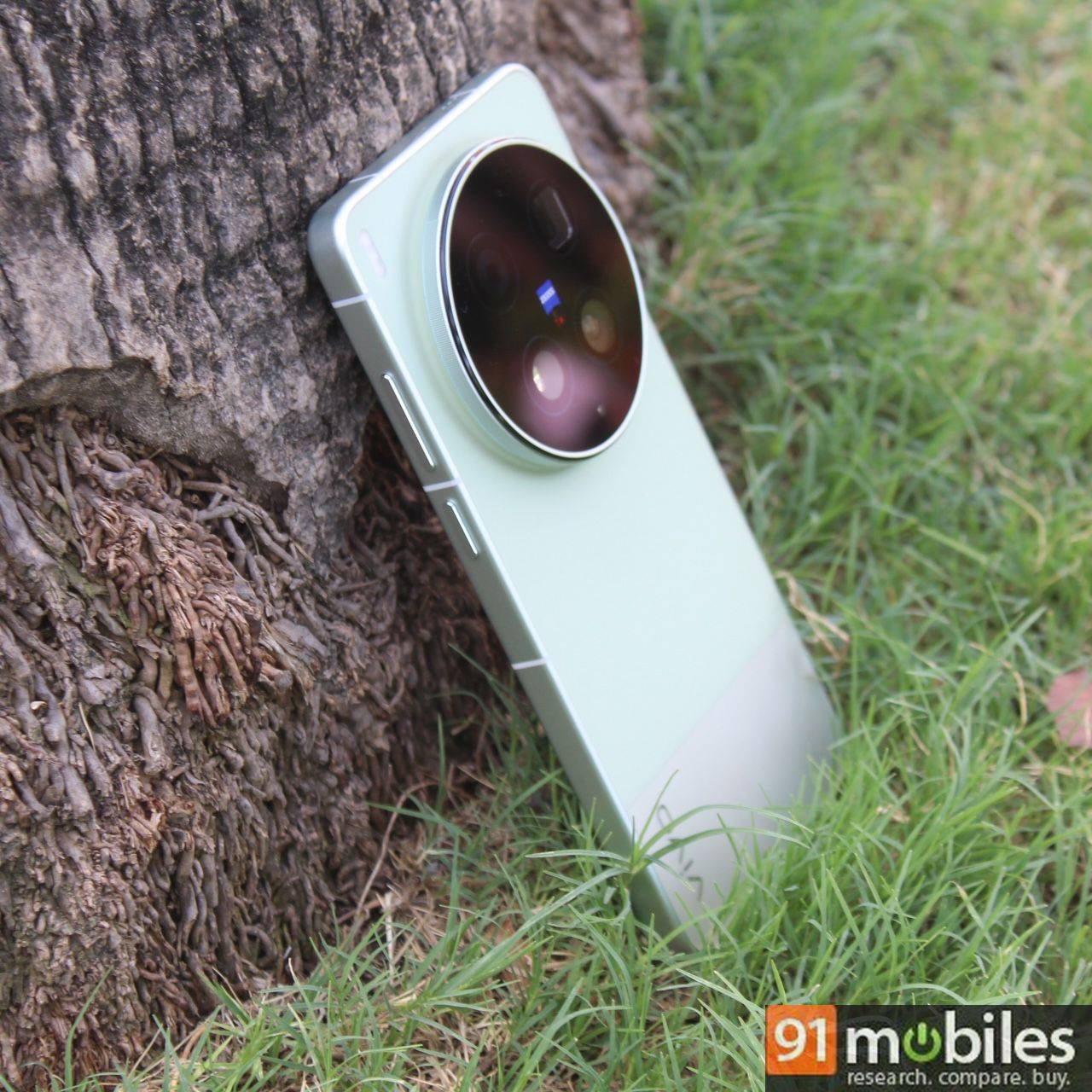
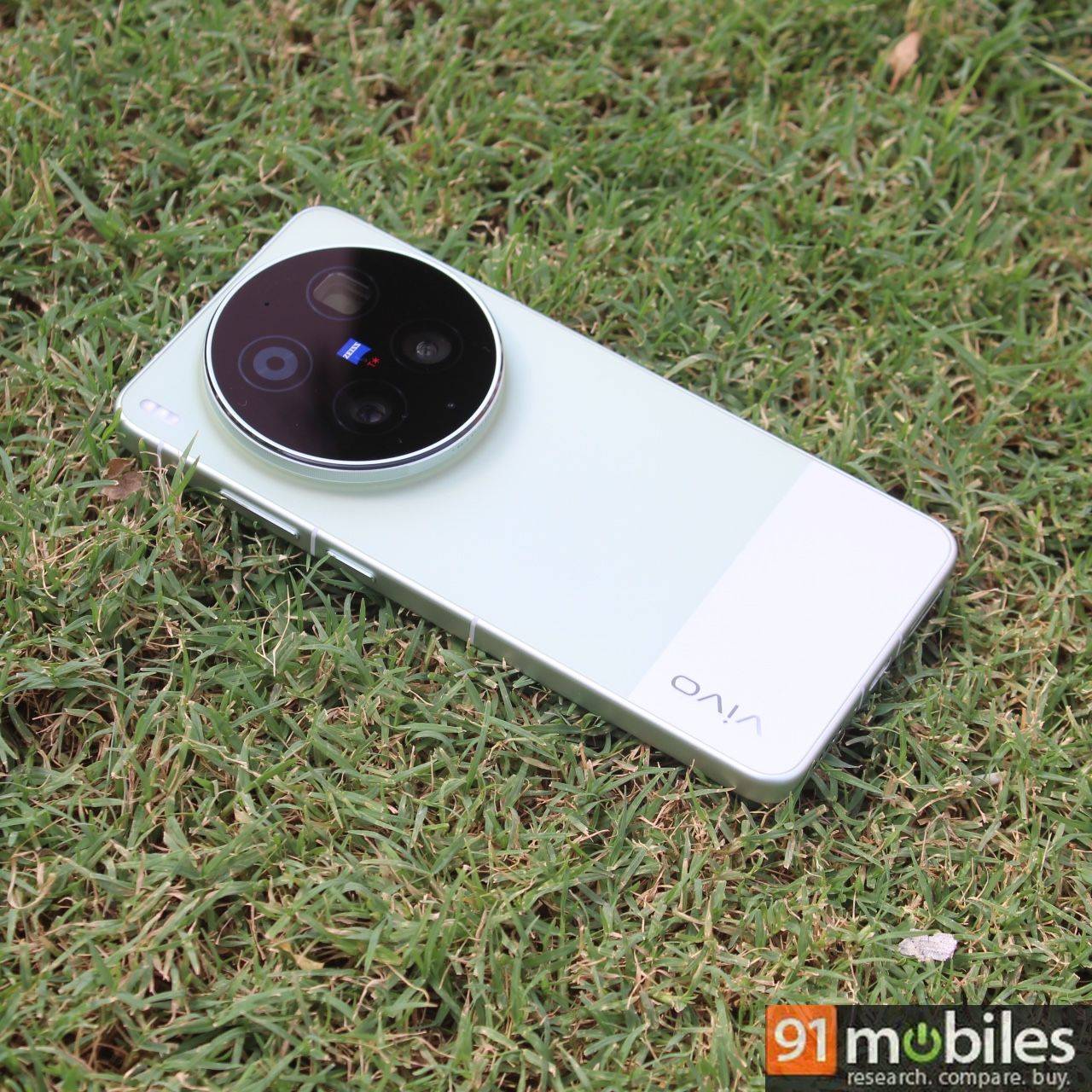
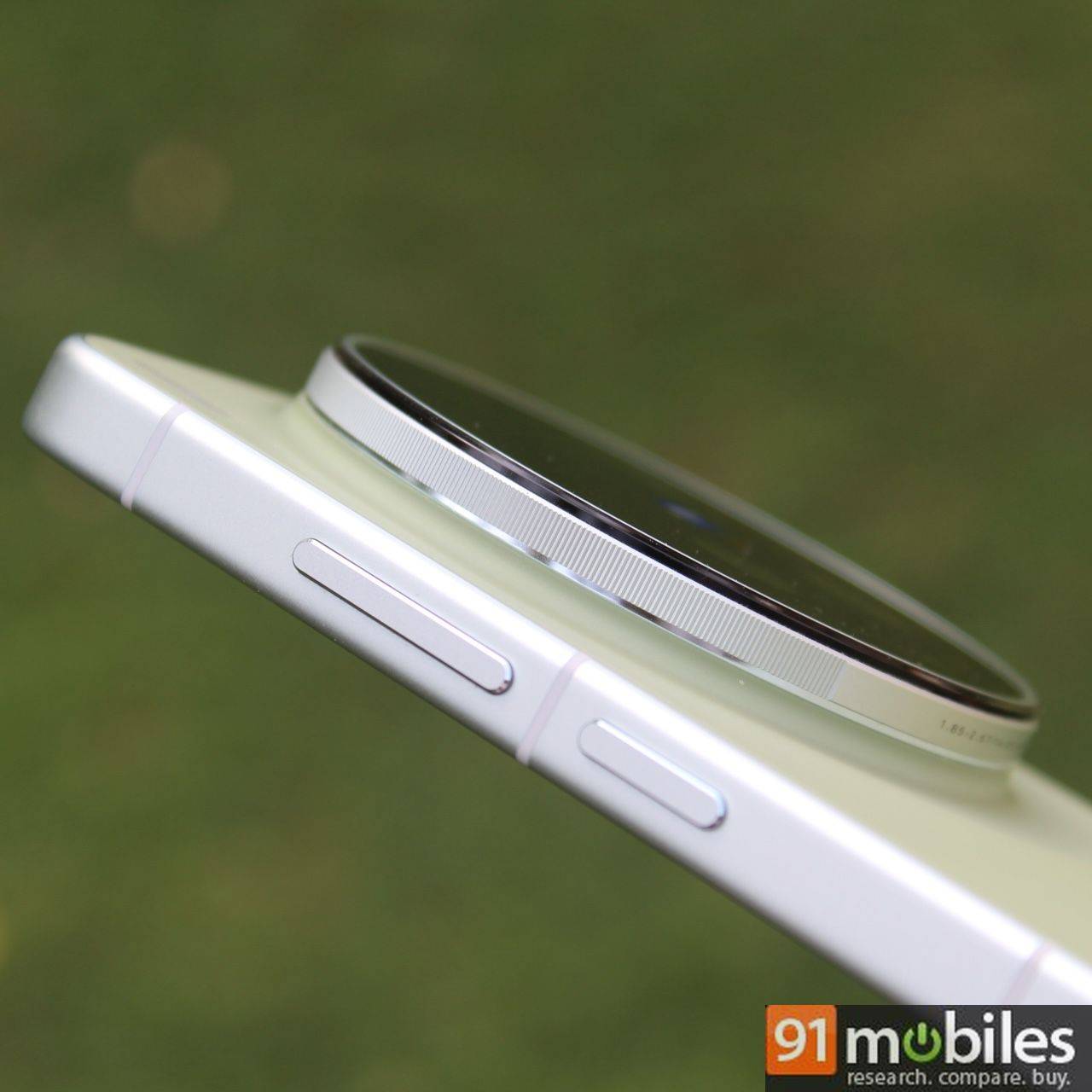
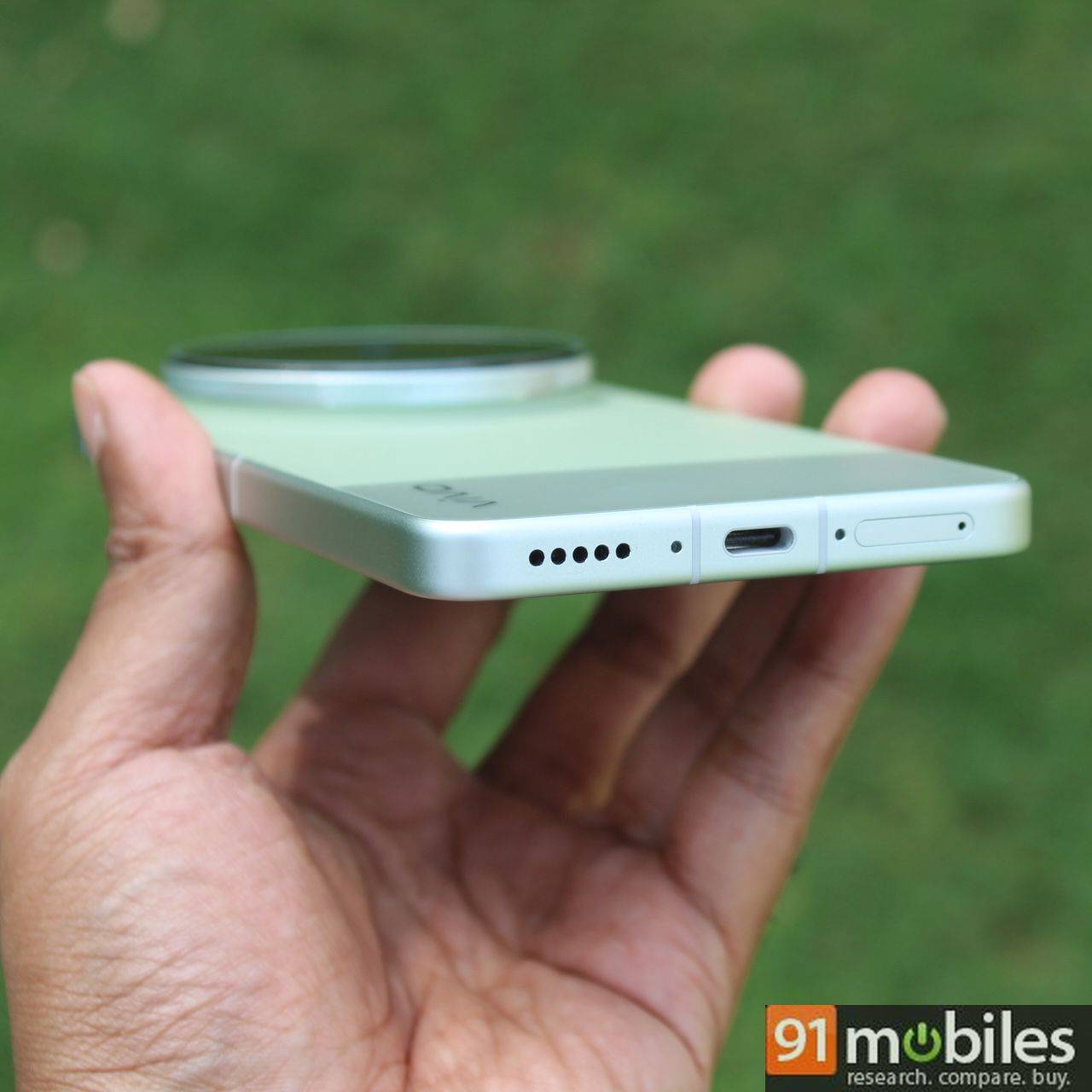
Interestingly, Vivo has dropped the shortcut button on the X300 Ultra and X300 FE. To recall, the X300 Pro has an extra button on the left side that can perform a feature, such as switching between ring and vibrate, enabling the flashlight, instantly recording audio, or launching a favourite app. At a time when almost every other brand has added a shortcut button (much like the iPhone’s Action button), Vivo chose to skip it on the latest X300 phones. While it’s not a dealbreaker, I did miss it for quickly switching sound profiles.
The X300 Ultra carries IP68 and IP69 dust and water protection ratings, ensuring no weather condition stops you from capturing the kind of wildlife or nature photos the cameras are designed to deliver.
Display: Bright, sharp, and nothing to fault
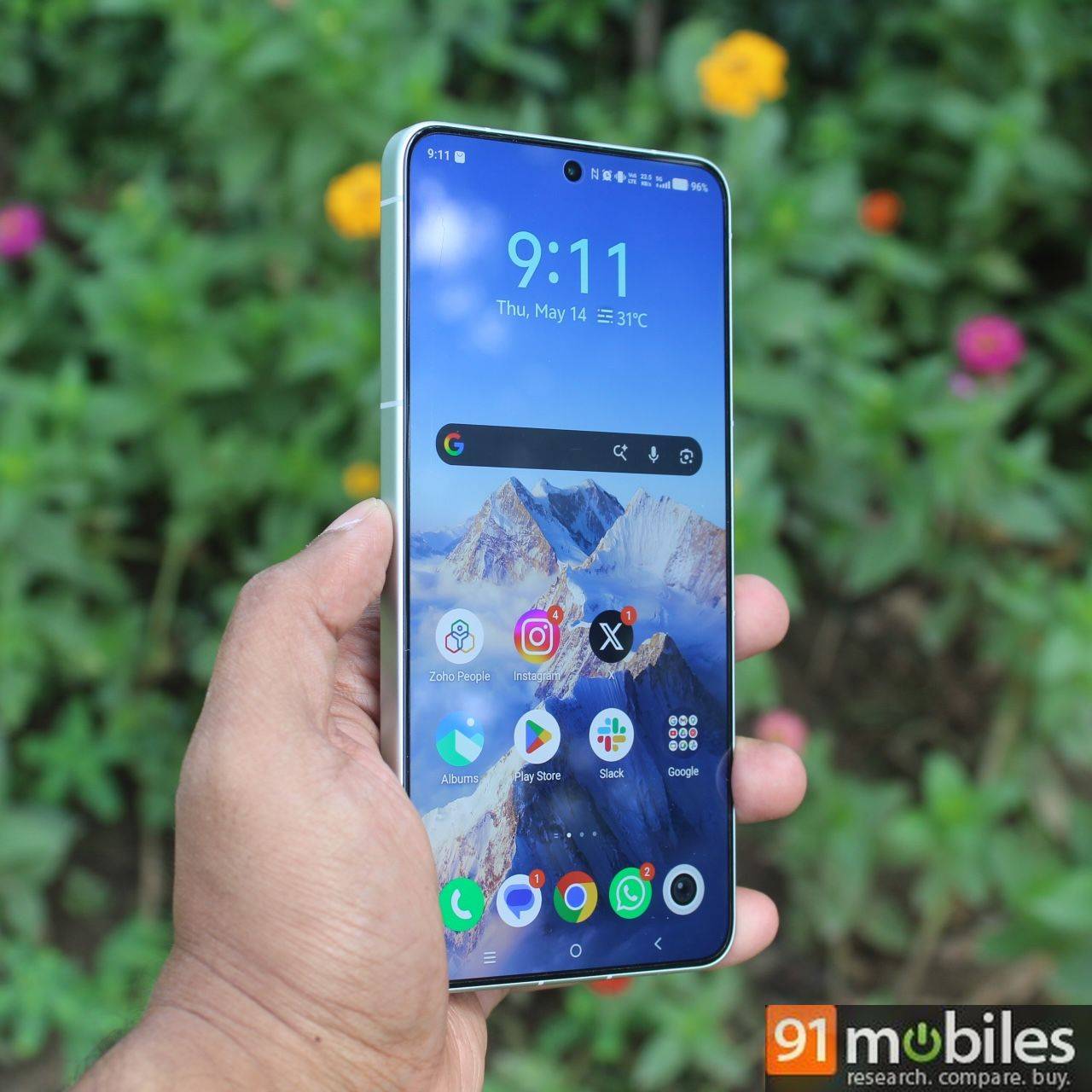
When it comes to the display, Vivo has left no stone unturned. The X300 Ultra gets a stellar 6.82-inch screen with extremely slim bezels all around, 2K resolution, a 144Hz adaptive dynamic refresh rate, 1800 nits of global peak brightness, 4500 nits of local peak brightness, 100% P3 Wide Colour Gamut, and support for Dolby Vision, among other features.
Performance: Snapdragon 8 Elite Gen 5 does what it says
Much like the display, the performance is top-notch. Powered by the flagship Snapdragon 8 Elite Gen 5, the Vivo X300 Ultra smashes benchmarks and breezes through anything you throw at it on a day-to-day basis. There have been a few Snapdragon 8 Elite Gen 5 flagships this year, including the Xiaomi 17 Ultra, Samsung Galaxy S26 Ultra, iQOO 15, OnePlus 15, and Realme GT 8 Pro. The Vivo X300 Ultra came the closest to reaching the 4 million mark in our AnTuTu benchmark test, suggesting Vivo has done some impressive optimisation.



During my time using the X300 Ultra as my primary device, I found no issue whatsoever with the phone’s performance. Everything ran quickly, smoothly, and lag-free, from opening apps to switching between them. I didn’t have apps randomly crash on me. The phone did get warmer than other flagships we’ve tested during a 30-minute gaming session, but I would partly blame that on the increasing summer weather.
Software: Smart software with a couple of rough edges
The Vivo X300 Ultra ships with Android 16 and OriginOS 6 on top. The phone received a couple of updates during the review, including the April security patch. Vivo is promising five years of major OS updates and 7 years of security updates. It’s decent, but Samsung and Google are still ahead with their 7+7 update policy.
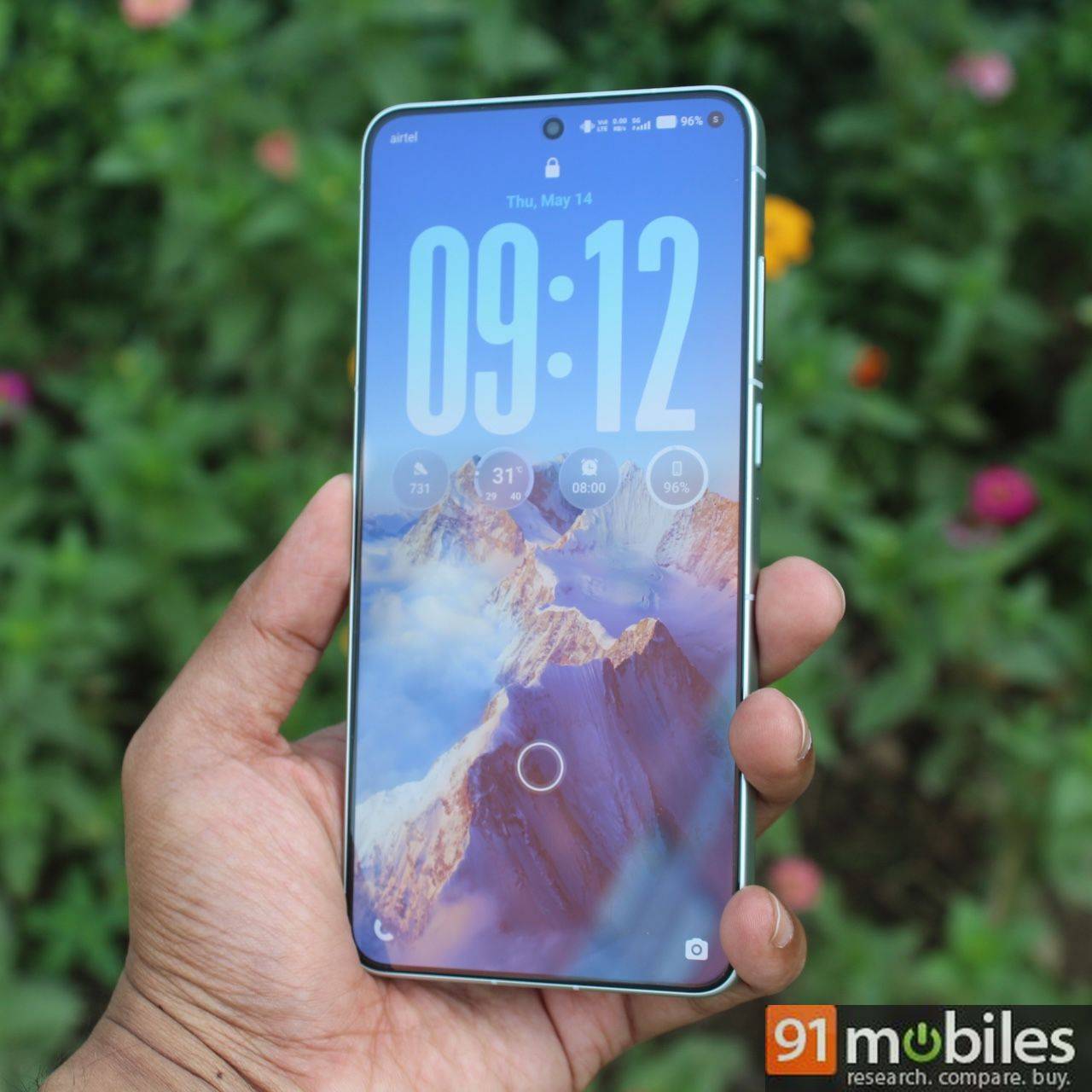
OriginOS 6 has a lot of appeal to users who love to customise the look of their phone, such as flip cards in lockscreen themes, where the wallpaper can shift between two images when the phone is tilted. There’s Origin Island, which shows notifications, music playback, live alerts, and more. You get Airdrop support with Quick Share, allowing for seamless file transfers between the X300 Ultra and an iPhone. Animations are faster and more responsive.
Battery: Enough to last the day, 100W charging handles the rest
The 6,600mAh Li-ion battery inside the Vivo X300 Ultra might not sound as massive today as it would have a year ago. It is now commonplace to see sub-flagships launch with 8,000mAh and 9,000mAh batteries. But the 6,600mAh cell is still larger than that of the Xiaomi 17 Ultra or the Samsung Galaxy S26 Ultra, though smaller than the 7,050mAh unit in the upcoming OPPO Find X9 Ultra. In reality, the battery life is about as good as any flagship in the market right now.
With this battery, the Vivo X300 Ultra can comfortably last a full day on a single charge. It’s not a two-day battery phone like the OnePlus Nord 6, but you can’t really expect that kind of endurance from a power-hungry flagship like this. On moderate usage, I was able to get around 1.5 days on a single charge, which wasn’t bad at all.
It also helps that the Vivo X300 Ultra supports 100W FlashCharge, and you get a 100W charger in the box. When you plug it in, you can choose between normal and rapid charging. Choosing the latter tops up the battery from 20 percent in just 36 minutes, but it will warm up the device in that process. The normal mode takes over an hour to charge, which is what you should choose if you’re not in a hurry.
Final verdict: Who is the Vivo X300 Ultra really for?
The Vivo X300 Ultra is not trying to be the best all-round flagship. It is trying to be the best camera phone out there, and it succeeds. The three-lens system is the most consistent I have tested on any smartphone, colour science is naturalistic and accurate, and the video capabilities put it in a category of its own for mobile video professionals. The Vivo X300 Ultra with the ZEISS telephoto extender kit makes breathtaking, professional-grade long-range photography feel surprisingly within reach of anyone who picks it up.
Beyond the cameras, the X300 Ultra is a capable flagship in every other respect. The Snapdragon 8 Elite Gen 5 handles everything without hesitation, the 6.82-inch 2K display is among the best available, and the 6,600mAh battery with 100W charging means you end each day with charge to spare and spend very little time waiting for it to top up. OriginOS 6 has personality and is mostly smooth, though fingerprint sensor reliability, lockscreen notifications, and a few other elements need attention. The software update policy of five years of OS upgrades and seven years of security patches is decent, but Samsung and Google remain ahead on this front.
The Rs 1,60,000 price and 237-gram weight make the X300 Ultra a phone that demands commitment. Add the photography kit, and you are looking at a total investment of Rs 2,10,000 for the full camera system. That is not a casual purchase. But for a serious photographer who wants the most capable camera in a phone form factor, one that works as a daily driver without compromise. The Vivo X300 Ultra is in a league of its own in 2026.
Editor’s rating: 8.7 / 10
Reasons to buy:
- The best and most consistent three-lens camera system on any smartphone right now.
- Vivo’s colour science is naturalistic, accurate, and customisable with genuinely useful film simulation profiles.
- ZEISS Telephoto Extender Kit opens up 200mm and 400mm optical zoom that no other smartphone can match.
- Flagship performance and a stellar 2K display make it a near-perfect ultra-premium flagship phone.
Reasons not to buy:
- Rs 1,60,000 is a significant ask, and the full photography kit adds another Rs 2,10,000 to the total.
- While the battery life is dependable, it rarely lasts beyond a full day, especially if you’re using the cameras a lot.
- OriginOS isn’t completely polished, especially the lockscreen notifications, and software update policy trails Samsung and Google.
 | vs |  |
| vs |  |