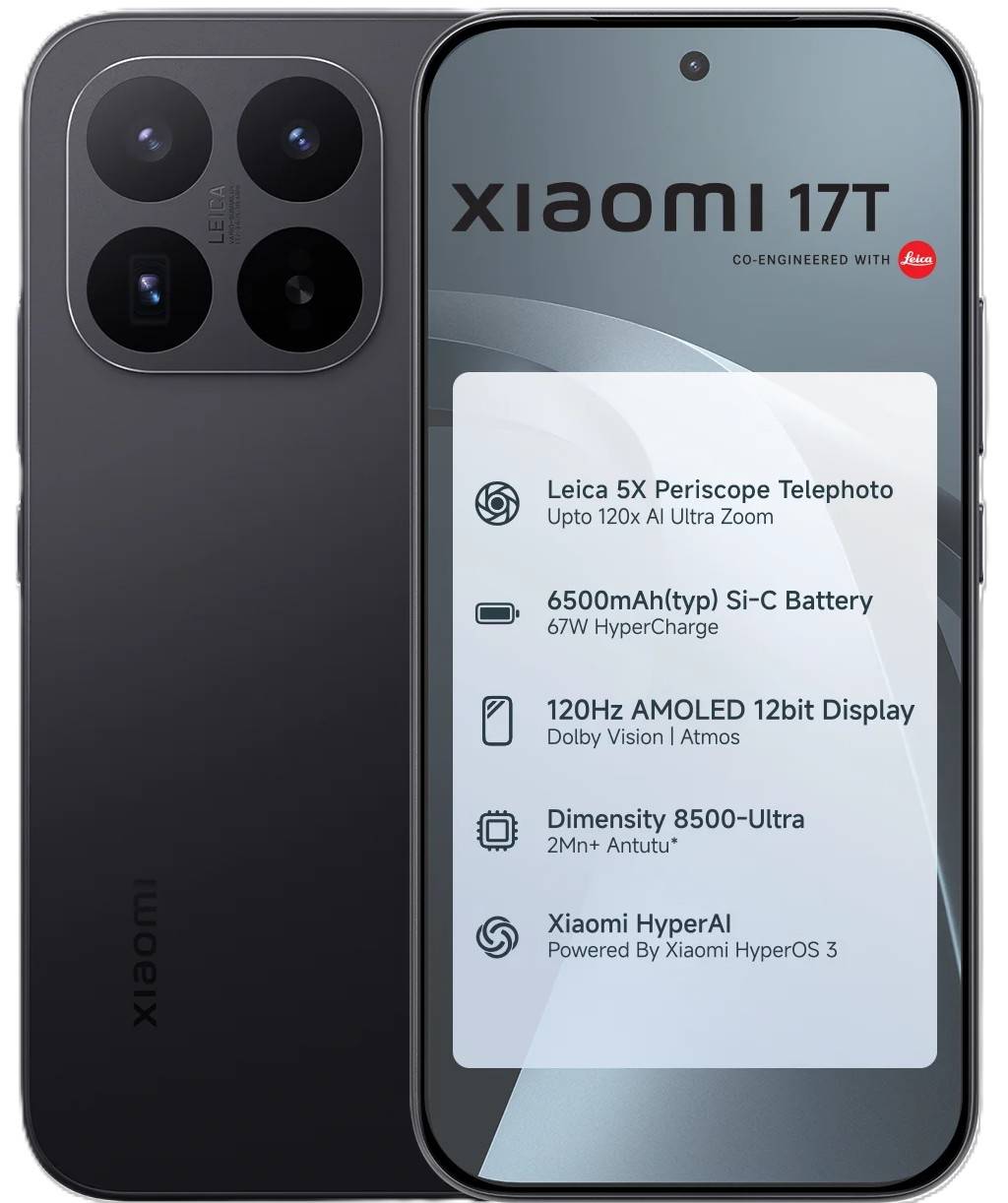
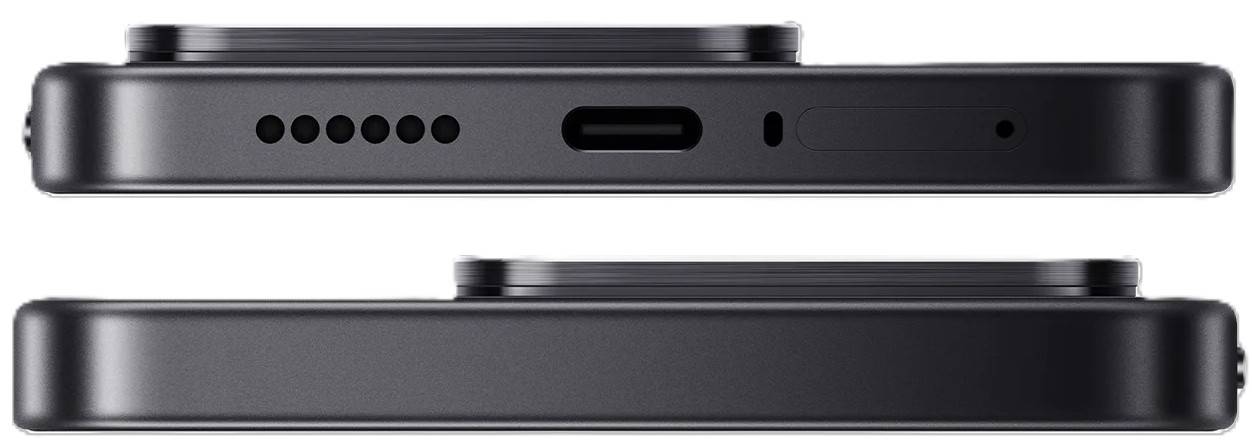
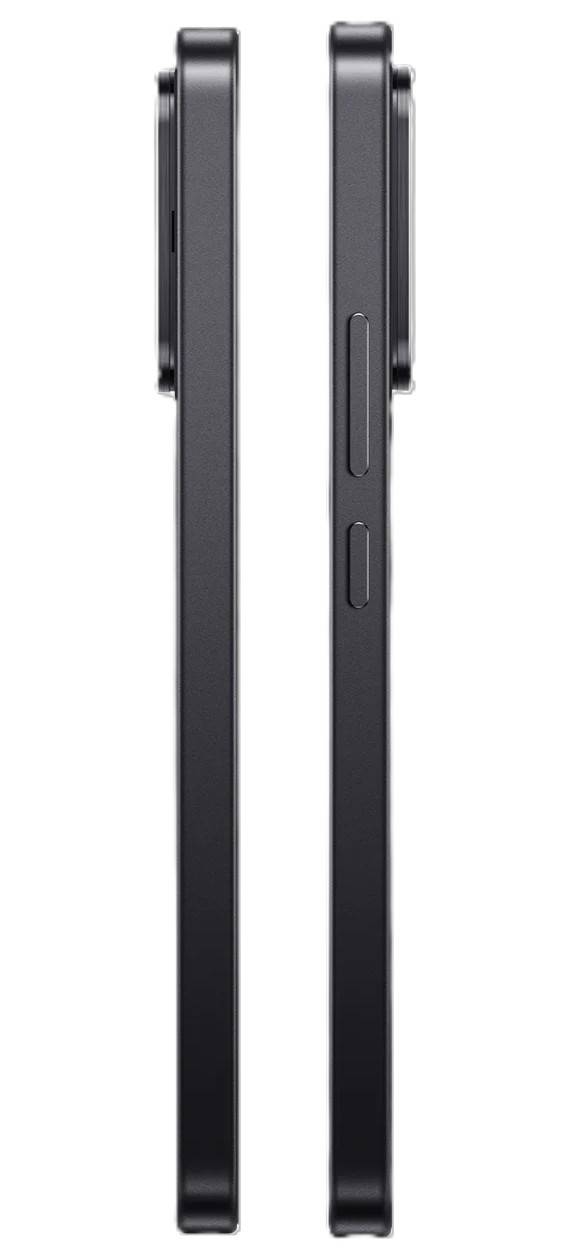
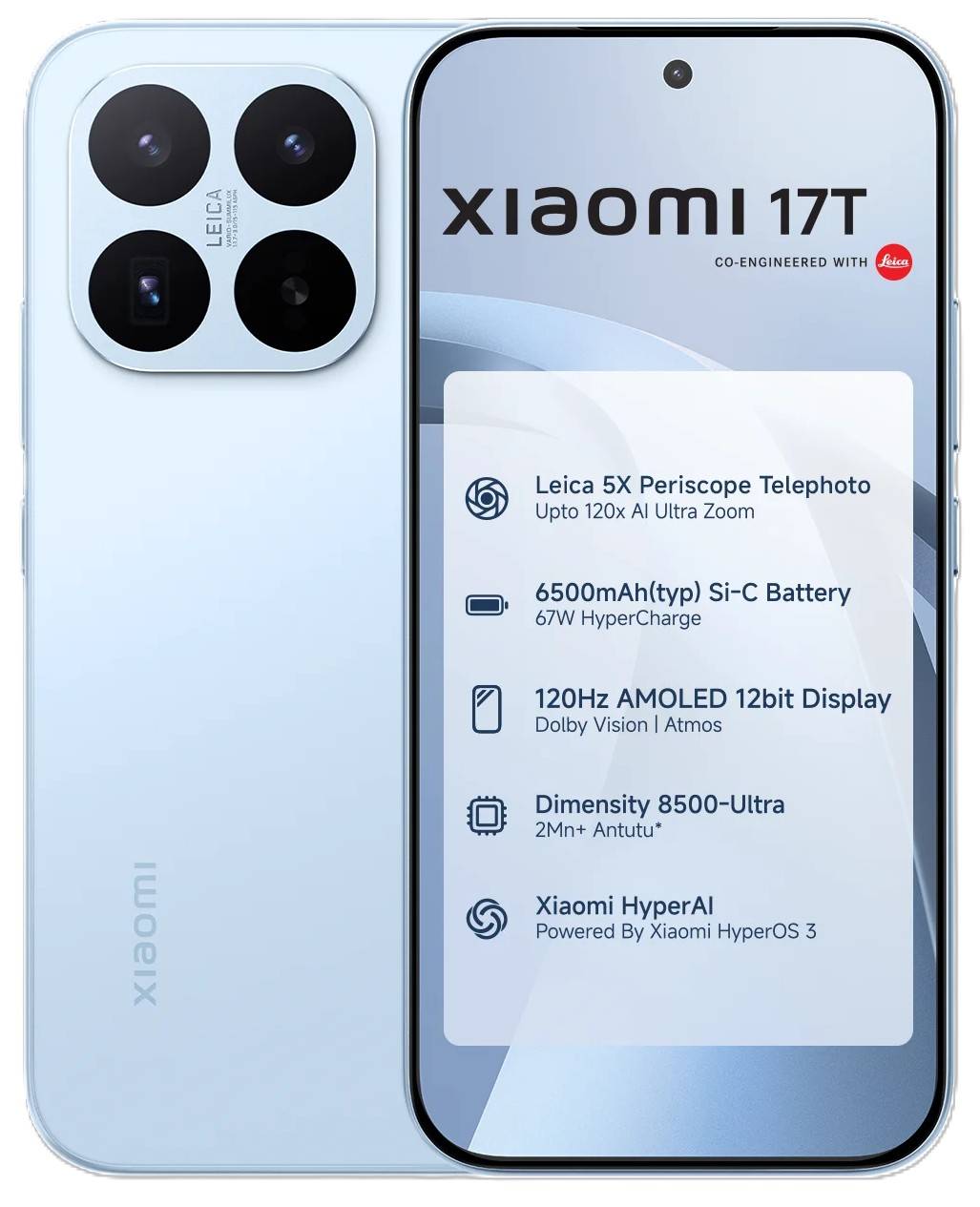
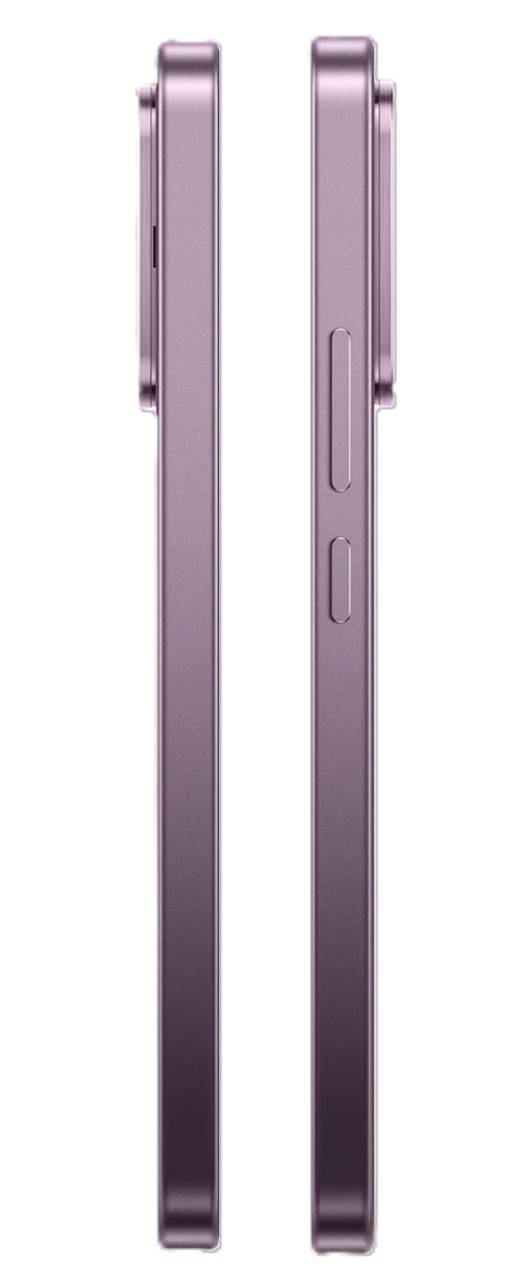
The OPPO Reno 16 is the new premium mid-ranger in town, offering a compact form factor, sizeable battery, and versatile 50MP camera stack. That said, at a starting price of Rs 61,999, the Reno 16 (review) competes with tough rivals, especially in terms of camera performance. Take the Xiaomi 17T (review), for one; it’s a popular pick for photography in this segment. Both phones offer a triple camera setup with a primary, ultra-wide, and telephoto lens. The Xiaomi 17T even boasts a 5x optical zoom, the only one in the segment. But does that result in better portraits? Let’s find out in this detailed camera comparison between the OPPO Reno 16 and Xiaomi 17T.
Table of Contents
Verdict
Both phones deliver strong camera performance, but they take different approaches. The Xiaomi 17T offers sharper images, a longer 5x telephoto lens, and punchier colours that are ready for social media. The OPPO Reno 16, meanwhile, produces more natural colours, better skin tones, stronger dynamic range, and more consistent detail.
OPPO Reno 16 vs Xiaomi 17T camera specifications
The OPPO Reno 16 has a 50MP Sony LYT-600 primary sensor, a 50MP ultra-wide sensor, and a 50MP Samsung JN5 telephoto lens with 3.5x optical zoom (85mm). Up front, it’s a 50MP front camera for selfies and video calls. In addition to capable hardware, the Reno 16 also comes with features such as ‘Dual Flash System’ for brighter shots in low-light conditions, AI Remix Collage, Pop Cam, Popout 2.0, and Dual-View Video 2.0.

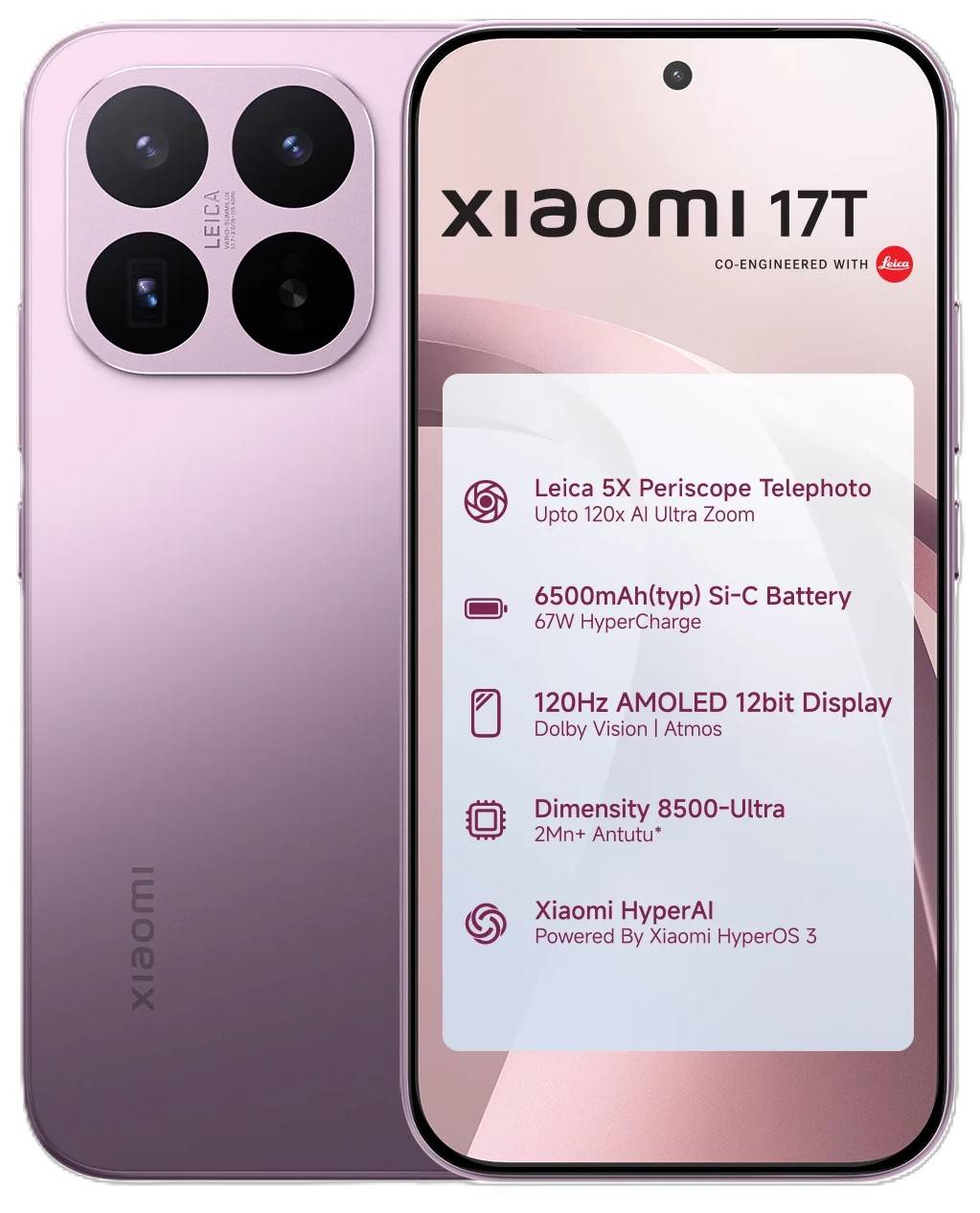
With the Xiaomi 17T, you get a 50MP Light Fusion 800 primary sensor with OIS, a 50MP periscope telephoto lens with 5x optical zoom (115mm), and a 12MP ultra-wide lens with a 120-degree field of view. For selfies, you get a 32MP front camera. These are Leica-tuned cameras with two dedicated photographic styles: Leica Authentic look and Leica Vibrant look, along with Leica filters.
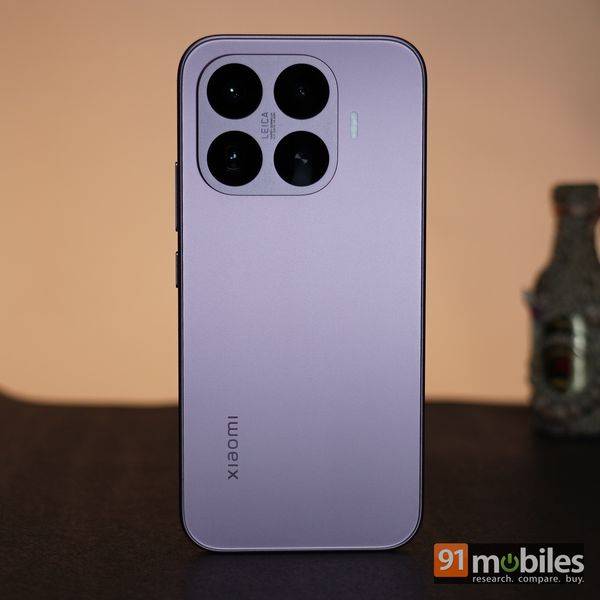
In terms of hardware, the Xiaomi 17T has an edge with its telephoto lens, which offers up to 5x optical zoom. This gives it an advantage when capturing detailed zoom shots. The Reno 16, on the other hand, pulls ahead with a stronger selfie camera and ultra-wide lens. Although the 17T offers a wider field of view, the Reno 16 should be better at retaining details.
| Cameras | OPPO Reno 16 | Xiaomi 17T |
| Primary | 50MP Sony LYT-600 | 50MP Light Fusion 800 |
| Ultra-wide | 50MP, 116-degree field of view | 12MP, 120-degree field of view |
| Telephoto | 50MP Samsung JN5, 3.5x optical zoom | 50MP Leica, 5x optical zoom |
| Selfie | 50MP, 100-degree field of view | 32MP |
Camera performance
We tested the cameras of both the OPPO Reno 16 and Xiaomi 17T together in different lighting scenarios. These are basic but common scenarios like daylight, ultra-wide, portrait, and low-light, which help us understand how each phone performs and where its strengths lie.
Daylight
For daylight shots, we used the primary camera on both phones. While both the Reno 16 and Xiaomi 17T use a 50MP camera, the sensors are different. The Reno 16 uses the Sony LYT-600 (1/1.95-inch), while the 17T uses the Light Fusion 800 (1/1.55-inch), which is a larger sensor. This typically means better low-light photography, dynamic range, and details on the Xiaomi 17T.


Based on the results, the Xiaomi 17T has a slight edge over the Reno 16 when it comes to detail retention and overall sharpness. While the difference may not be immediately noticeable, a closer look reveals that Xiaomi captures finer details more consistently. The Reno 16, however, produces more natural-looking images with better colour accuracy and more balanced contrast.
The Reno 16 offers more natural colours, better dynamic range, and more balanced exposure, resulting in more realistic photos. The Xiaomi 17T delivers slightly sharper images with better detail retention, but its colours tend to be oversaturated.
In comparison, the Xiaomi 17T tends to oversaturate colours, making photos appear a bit too punchy, even when using the Leica Authentic photographic style rather than the more vibrant profile. When it comes to dynamic range and exposure, the Reno 16 once again comes out ahead, doing a better job of preserving highlights and shadow detail in challenging scenes.
Ultra-wide
In terms of hardware, the Reno 16 has a superior 50MP ultra-wide camera, but with a slightly smaller 116-degree field of view. The Xiaomi 17T uses a 12MP ultra-wide lens but with a wider 120-degree field of view. The results are interesting here.


Despite having a weaker camera on paper, the Xiaomi 17T’s ultra-wide camera produces sharper images with noticeably better detail across the frame, which should result in making landscapes and architectural shots appear crisper.
The Reno 16 stands out for its more natural colour reproduction, even if it trails slightly in sharpness. The Xiaomi 17T delivers a better ultra-wide experience with sharper detail, improved edge correction, and slightly stronger dynamic range.
It also does a slightly better job of controlling edge distortion and preserving highlight and shadow detail, giving it a small advantage in dynamic range. The OPPO Reno 16, on the other hand, maintains more natural and accurate colours, resulting in images that look more true to life despite being slightly softer.
Portrait
Both the Reno 16 and Xiaomi 17T are equipped with dedicated 50MP telephoto cameras, which is what we used to capture portrait shots. The 17T offers up to a 5x optical zoom, giving it the advantage in capturing more detailed zoom shots. The Reno 16, on the other hand, caps at 3.5x optical zoom.


Despite the shorter zoom range, the Reno 16 manages to capture more natural-looking portraits, thanks to its more precise colour science. If you’re aiming for more accurate skin tones and colours, and details, the Reno 16 is the phone to choose.
The Reno 16 excels at producing natural-looking portraits by not messing up the skin tone and colours. It also captures details better, while both phones excel at edge detection and bokeh.
The Xiaomi 17T’s portrait shot turns out to include a bit of smoothing on the facial details, which isn’t necessarily bad, but not true to the subject. When it comes to edge detection and background, both phones do an impressive job. The only highlight is the Reno 16 doing a slightly better job at capturing tricky areas like hair strands.
Selfies
Not only does the Reno 16 boast a superior 50MP front-facing camera, but it also lets you shoot in wide-angle and close-up modes, adding more versatility over the 32MP snapper on the Xiaomi 17T.


In the Reno 16’s selfie, we found that it’s beating the Xiaomi 17T again, in terms of skin tone accuracy, colour reproduction, and facial details. With dynamic range too, the Reno 16 does a slightly better job. This isn’t to say that the Xiaomi 17T’s selfie isn’t good, but it uses a subtle beautification that may not appeal to everyone.
For more natural-looking selfies with accurate colours and skin tone, the Reno 16 is the better choice here. But if you prefer visually appealing selfies, especially for social media, the Xiaomi 17T excels in that.
Personally, though, the Xiaomi 17T’s selfie looks more visually appealing, as the smoothing looks quite natural, and it’s something more social media-friendly.
Low-light (night mode)
For low-light photography, the two phones take slightly different approaches. The Xiaomi 17T automatically detects low-light scenes and switches to Night mode on its own, allowing users to simply point and shoot. The OPPO Reno 16, meanwhile, has a dedicated Night mode that users can select manually, giving them more control over when the enhanced low-light processing is applied.


In low light, both phones do a commendable job of controlling light flares and maintaining balanced exposure, ensuring highlights from streetlights and other artificial sources don’t overwhelm the scene. However, the Reno 16 gets ahead with tighter overall exposure control, preserving a more consistent balance between bright and dark areas. The handset also captures marginally better detail with lower noise levels, resulting in sharper night shots.
If you prefer a dramatic, high-contrast night shot that looks more cinematic, the Xiaomi 17T delivers. But for pure technical accuracy, cleaner details, and authentic colour reproduction, the OPPO Reno 16 takes the win.
Colour reproduction follows the same trend seen in daylight, as the Xiaomi 17T opts for a punchier, higher-contrast look that makes images appear more vibrant at first glance. In contrast, the Reno 16 delivers colours that are closer to real life, making its low-light images appear more natural and visually pleasing for those who prefer an accurate representation of the scene.
Video performance
The OPPO Reno 16 offers a versatile video recording experience on both its front and rear cameras. The handset supports 4K recording at up to 60fps, along with slow-motion capture, Dual-View Video for recording with the front and rear cameras simultaneously, and 4K time-lapse. The Xiaomi 17T matches the Reno 16 with 4K video recording at up to 60fps on the rear camera, while adding HDR10+ recording for improved colour and contrast. The front camera supports 4K HDR10+ video at 30fps, Dolby Vision recording, and Dual Video mode.
In real-world use, however, the Xiaomi 17T has the edge. Its rear camera delivers noticeably more stable footage, and even at 10x digital zoom, videos retain better quality with steadier stabilisation. The Reno 16, by comparison, shows a more noticeable drop in detail when zooming in, and footage becomes shakier at higher zoom levels, making the Xiaomi 17T the stronger choice for handheld video recording.
Camera app UI
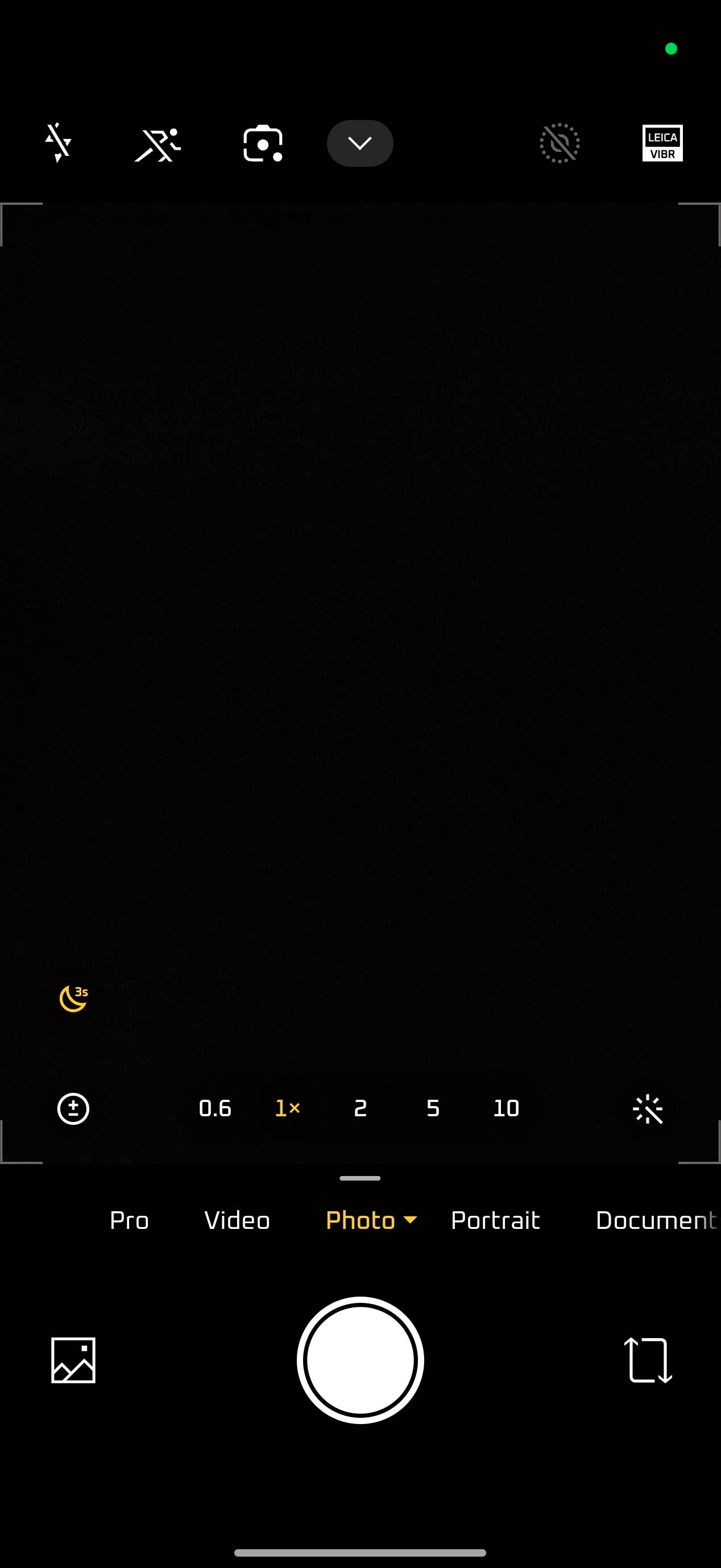
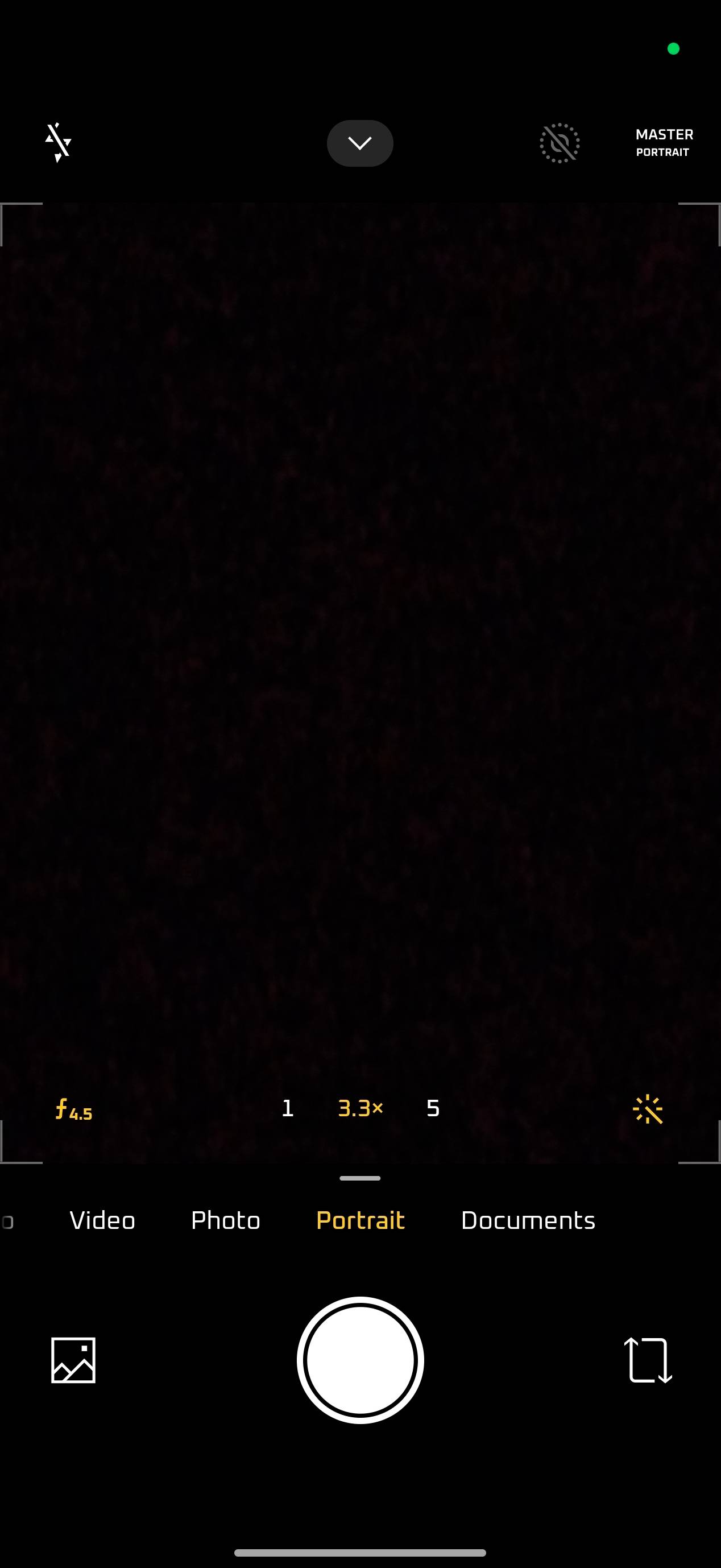
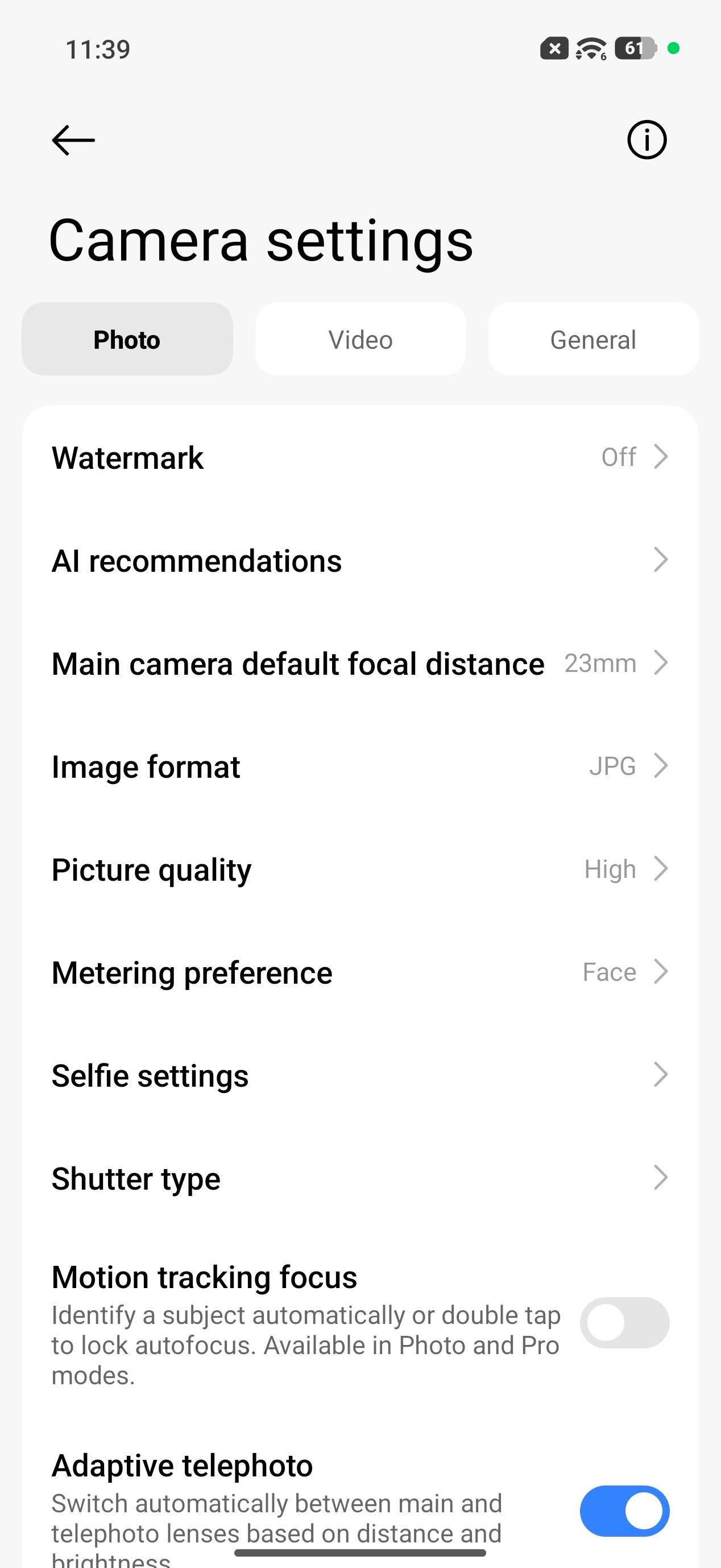
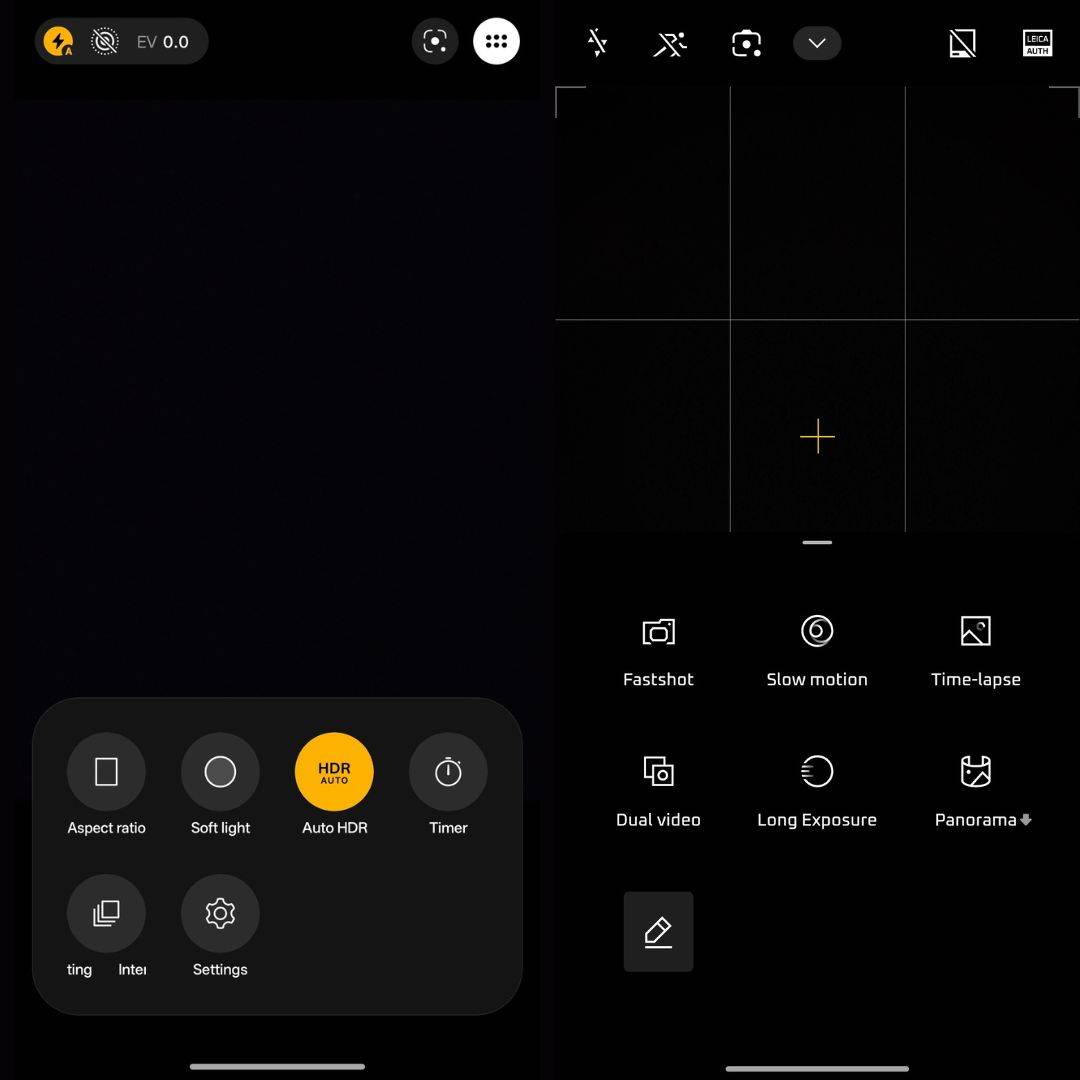
Both phones use their own native camera apps, which can be quickly accessed using the camera shortcut on the lock screen. In terms of usability, the experience is largely similar, with both offering a clean, feature-rich interface and easy access to key shooting modes, zoom levels, and controls such as flash, filters, and beauty effects.
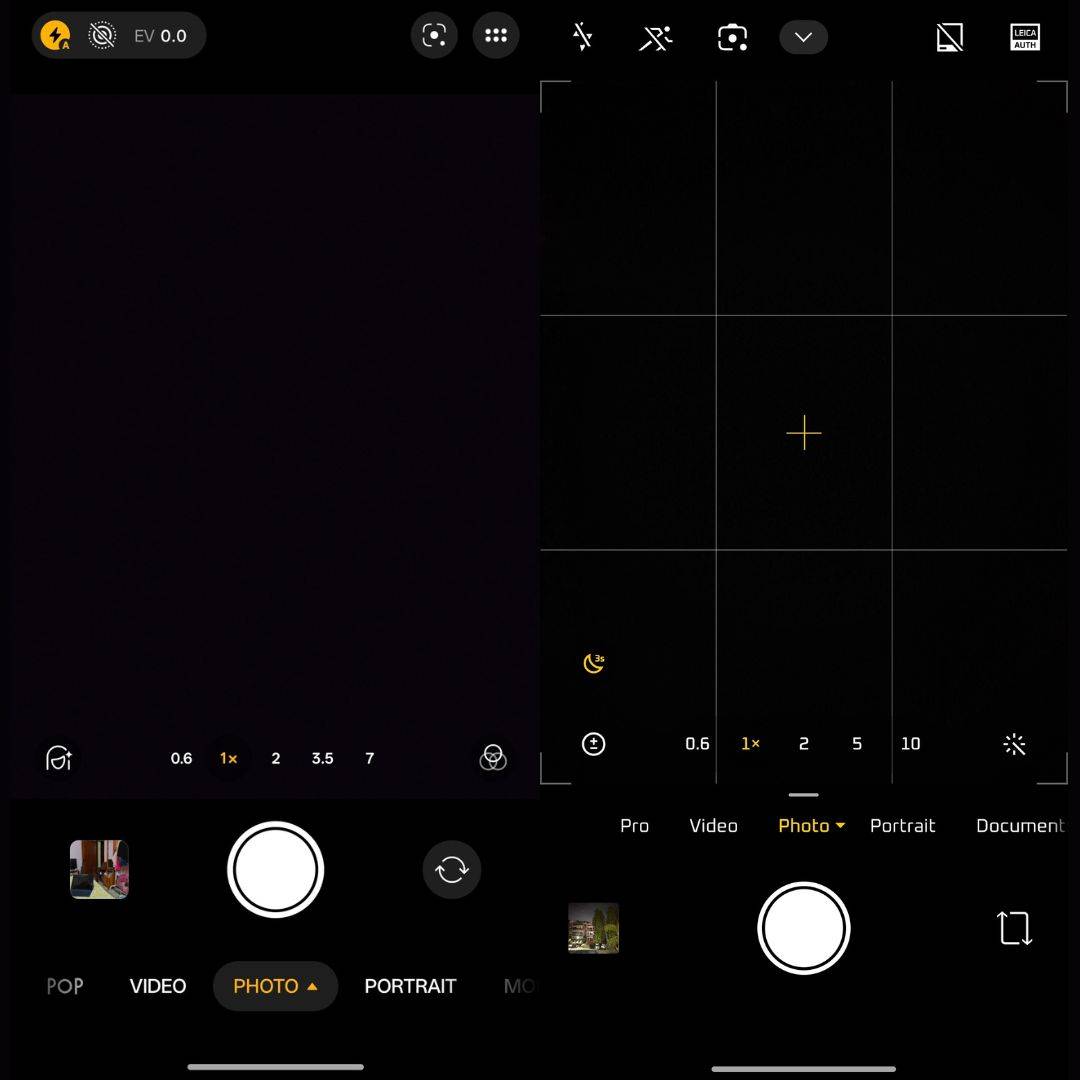
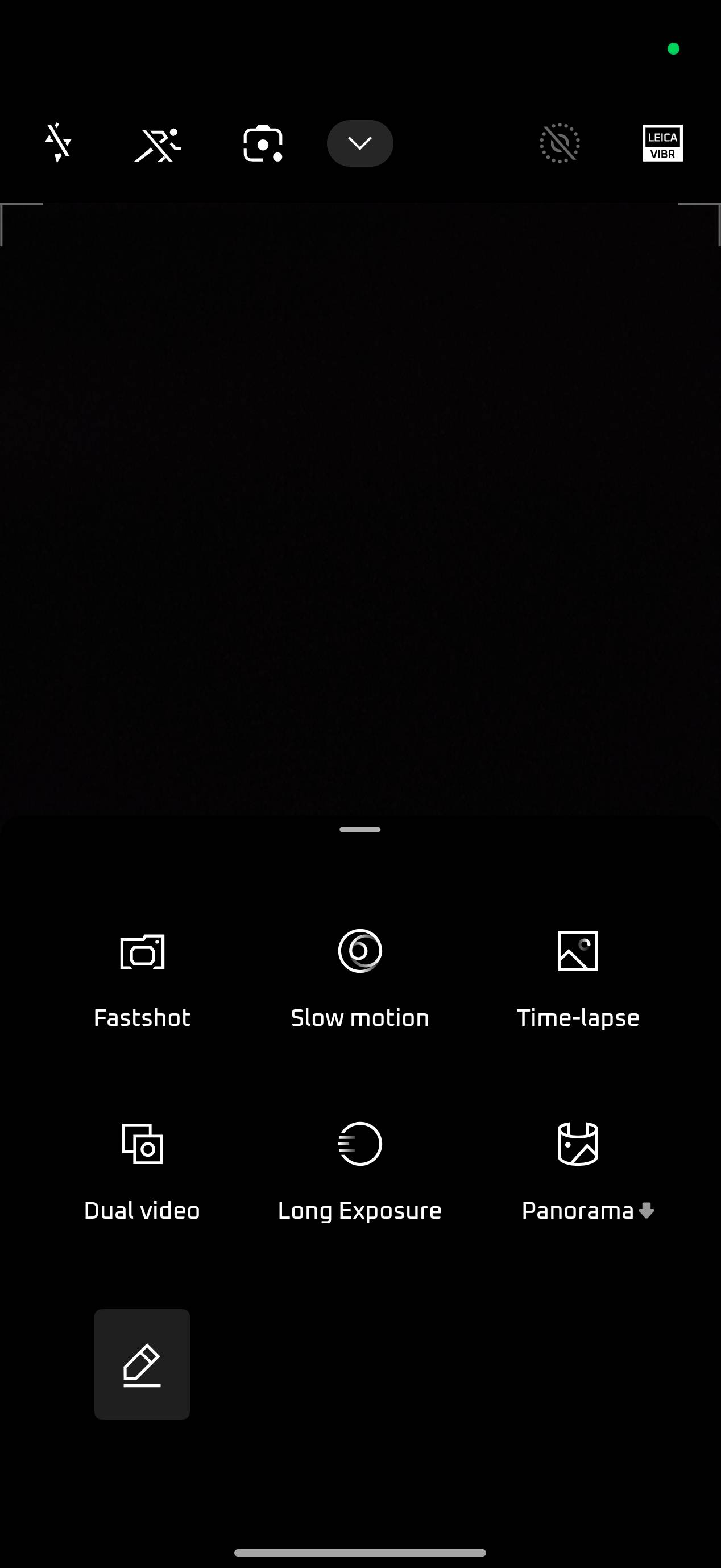
Additional camera tools are tucked behind a swipe-up gesture on both devices. The Xiaomi 17T makes this easier to discover with a visible on-screen indicator. On the OPPO Reno 16, the same menu can be accessed either by swiping up or by tapping the six-dot icon in the top-right corner, making the feature easier to find once you know where it is. Overall, both camera apps are intuitive, responsive, and offer a comprehensive set of tools for everyday photography.
Verdict
Overall, both smartphones offer capable and versatile camera systems, but they cater to different photography styles. The Xiaomi 17T stands out with sharper image processing, a more capable 5x telephoto camera, and vibrant colours that make photos look striking straight out of the camera. It also has the edge for video recording, delivering more stable footage and better quality when zooming in, making it a better option for users who frequently shoot videos or like sharing content on social media with minimal editing.
The OPPO Reno 16, on the other hand, takes a more balanced approach. Its cameras consistently produce natural-looking colours, more accurate skin tones, stronger dynamic range, and better detail retention across different lighting conditions. Whether shooting portraits, landscapes, or low-light scenes, the Reno 16 delivers results that are closer to what the eye sees, making it a more dependable camera for everyday photography.
Ultimately, neither phone is objectively better as they simply prioritise different strengths. If you value realistic images with consistent colour science and reliable performance across a variety of scenarios, you should go for the Reno 16. However, if you prefer sharper, punchier images, a longer optical zoom, and stronger video performance, the Xiaomi 17T is the better fit.
Xiaomi 17T Images