Review Summary
Expert Rating

The OPPO Reno 16 enters the premium mid-range segment with a familiar recipe: a standout and compact design, versatile cameras, reliable performance, and strong battery life. It succeeds the Reno 15 (review), which debuted in India just six months ago, meaning the upgrades are more iterative than revolutionary. Instead of introducing sweeping changes, OPPO has focused on refining the overall experience with subtle improvements across key areas. We’ve spent some time using the OPPO Reno 16, and here’s our detailed review, covering what’s new, where it excels, where it falls short, and whether it’s the right smartphone for you.
Table of Contents
Verdict
The OPPO Reno 16 is a polished, premium mid-range smartphone that gets the fundamentals right. The handset combines a compact premium design, excellent display, versatile cameras, dependable battery life, and an AI-rich software experience. Its chipset is adequate for everyday use but lags behind some rivals in raw performance. If your priority is a well-rounded smartphone with strong cameras and a refined user experience rather than benchmark-leading performance, the Reno 16 can be recommended.
Design, display: compact and premium
Design has long been one of OPPO’s biggest strengths, and the Reno series has consistently delivered some of the best-looking smartphones in the premium mid-range segment. The Reno 16 continues that tradition with a refined design and a new visual flourish.
The Starry White variant features OPPO’s HoloVerse 3D technology, creating a planet-inspired pattern that produces a subtle 3D effect and shimmering finish when viewed from different angles. It’s eye-catching without being overdone. Those who prefer a more understated look can opt for the Twilight Violet or Stellar Purple colour options. You can read our detailed impressions of the Reno 16’s design here.
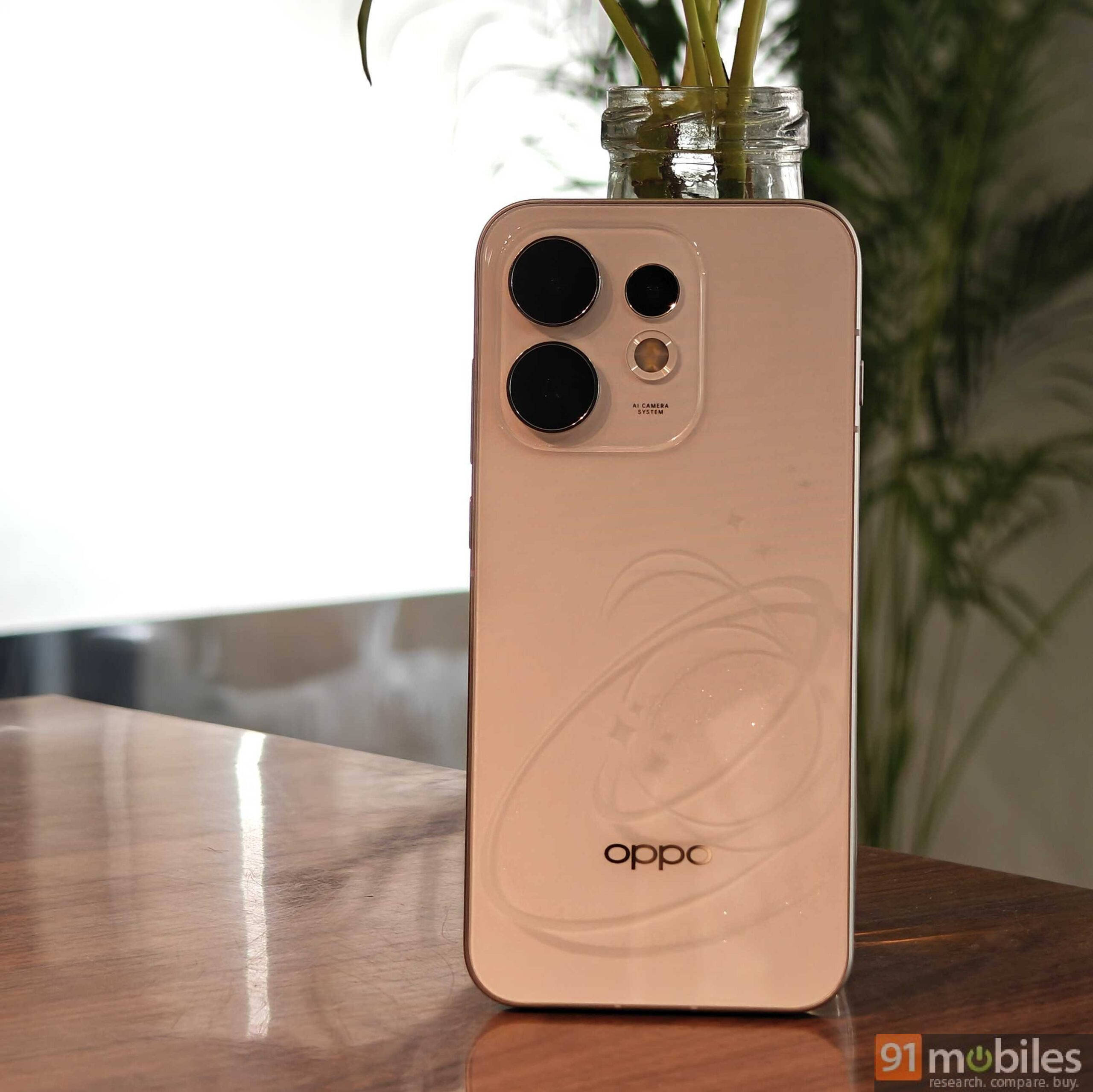
The Reno 16’s 6.32-inch form factor makes it comfortable to hold and easy to use with one hand, something that I personally prefer. Despite its smaller footprint, the display is surrounded by slim bezels, ensuring an immersive viewing experience without feeling cramped. The AMOLED panel and 120Hz refresh rate deliver fluid scrolling and animations, while the claimed peak brightness of 3,600 nits ensures adequate visibility outdoors, even under direct sunlight. Colours are vivid, and whether you’re streaming videos, gaming, or simply browsing social media, the display delivers a consistently enjoyable viewing experience.

Cameras: versatile and powerful
The OPPO Reno 16 packs a versatile camera system that covers all the essentials. It features a 50MP Sony LYT-600 primary sensor, a 50MP ultra-wide camera, and a 50MP Samsung JN5 telephoto camera with 3.5x optical zoom. There’s also a 50MP front camera for selfies and video calls, making it one of the few phones in the segment with an all-50MP camera setup.
Whether you’re shooting landscapes, portraits, distant subjects, or social media-ready selfies, the Reno 16 has the hardware to handle it. The telephoto camera adds flexibility for zoom photography, while the front camera stands out with OPPO’s low-light selfie flash for brighter selfies after dark.

















There’s also plenty of AI-powered creativity on offer. New features include AI Remix Collage, which lets you turn subjects from photos, motion photos, and videos into reusable stickers, and Popout 2.0, which can identify and extract a wider range of everyday objects. Other additions include AI Portrait Glow, AI Motion Photo Slow-Mo, AI Eraser, and an enhanced Video Editor, giving users more ways to edit and personalise their photos and videos.



The Reno 16 also introduces Pop Cam, a built-in collection of retro-inspired camera filters that recreate vintage aesthetics without the need for third-party apps. The handset offers nine styles, including Digicam, Instant Film, and Light Leak, making it easy to experiment with different looks straight from the camera app. While the filters are fun to use in most situations, they tend to work best indoors or in controlled lighting, where the vintage effect comes across more naturally.




All these combined, the Reno 16 does bring a good package of capable hardware and software for photography. That said, competition in the premium mid-range segment is tougher than ever, with rivals like the Xiaomi 17T offering equally capable camera systems. To see how the Reno 16 stacks up, we compared it with the Xiaomi 17T across different shooting scenarios, including daylight, portraits, zoom, ultra-wide, and low-light photography.
Daylight
In daylight, the Xiaomi 17T has a slight edge in terms of detail and overall sharpness. However, the OPPO Reno 16 produces more natural-looking images with better colour accuracy and balanced contrast, whereas the Xiaomi tends to oversaturate colours. The Reno 16 also handles dynamic range and exposure more effectively, preserving highlights and shadow details better.


Ultra-wide
When it comes to the ultra-wide camera, the Xiaomi 17T delivers sharper images with noticeably better detail. However, the OPPO Reno 16 continues to impress with its more accurate colours. The 17T also has a slight advantage in controlling edge distortion and offers marginally better dynamic range, making it the stronger ultra-wide shooter overall.


Portrait
Both phones use dedicated telephoto cameras for portrait photography, with the OPPO Reno 16 offering 3.5x optical zoom and the Xiaomi 17T stepping up to a 5x optical zoom lens. Despite the shorter zoom range, the Reno 16 delivers more natural-looking portraits. Skin tones and colours are more accurate, while the Xiaomi 17T tends to smooth facial features a little too aggressively.


The Reno 16 also retains finer facial details, resulting in sharper and more realistic portraits. Both phones excel at edge detection and background blur, but the Reno 16 has a slight advantage around tricky areas like hair strands, where it produces a cleaner and more natural separation from the background.
Selfies
Even with selfies, the OPPO Reno 16 has the edge in terms of skin tone accuracy, colour reproduction, and facial detail, resulting in more natural-looking selfies. It also performs slightly better with dynamic range. However, the Xiaomi 17T produces selfies that are arguably more social media-friendly. Its subtle beautification effect enhances facial features without looking overly processed, making the final images more visually appealing while still maintaining a fairly natural look.


Low-light (night mode)
In low light, both phones do a commendable job of controlling light flares and maintaining balanced exposure, but the OPPO Reno 16 has a slight edge with tighter overall exposure. The handset also captures marginally better detail with lower noise levels, resulting in sharper night shots. Colour reproduction follows the same trend seen in daylight, as the Xiaomi 17T opts for a punchier, higher-contrast look, while the Reno 16 delivers colours that are closer to real life, making its low-light images appear more natural.


Overall, both smartphones offer capable and versatile camera systems, but they cater to slightly different preferences. The Xiaomi 17T impresses with sharper images, a longer 5x telephoto lens, and social media-ready processing, while the OPPO Reno 16 consistently delivers more natural colours, better skin tones, stronger detail retention, and superior dynamic range across most scenarios.
If you prefer realistic photography, the Reno 16 is the more well-rounded camera phone, whereas the Xiaomi 17T is better suited to those who enjoy punchier, more vibrant images straight out of the camera.
Software: AI-rich with long-term support
The Reno 16 ships with Android 16-based ColorOS 16.1 out of the box, bringing a host of new AI features. One of the highlights is the AI Snap Key, a dedicated button that captures on-screen content and automatically saves it to Mind Space, an intelligent hub that organises your screenshots, notes, and other saved information. It’s similar to the Plus Key found on recent OnePlus phones, and you can also customise it to perform other actions.
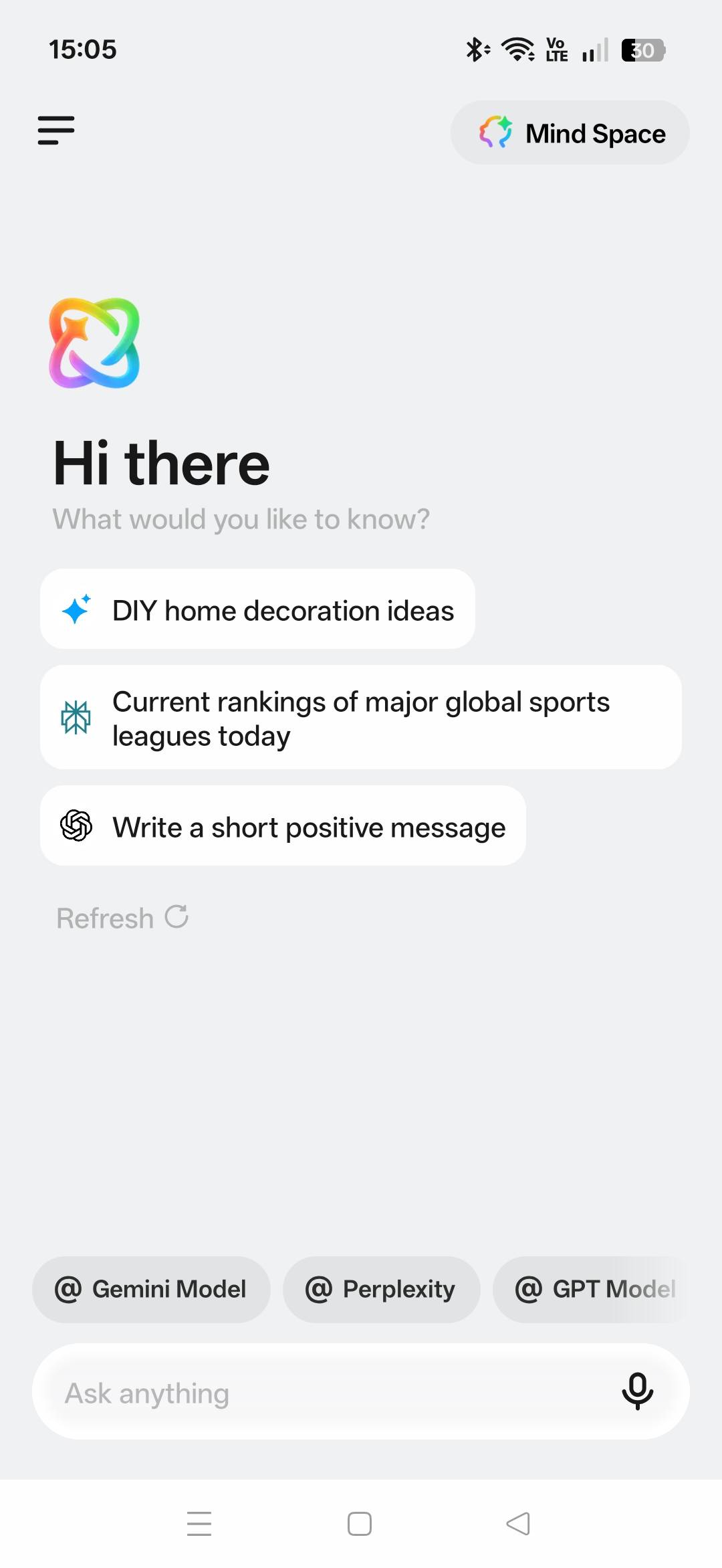


A more compelling addition is Mind Pilot, which brings Gemini, Perplexity, and ChatGPT together in a single interface. Instead of switching between multiple AI apps, you get access to all three from one place. Mind Pilot intelligently selects the most suitable AI model based on your query, while also giving you the option to compare responses from all three assistants side by side. For users who rely on AI tools regularly, it’s a genuinely useful feature that streamlines the experience.
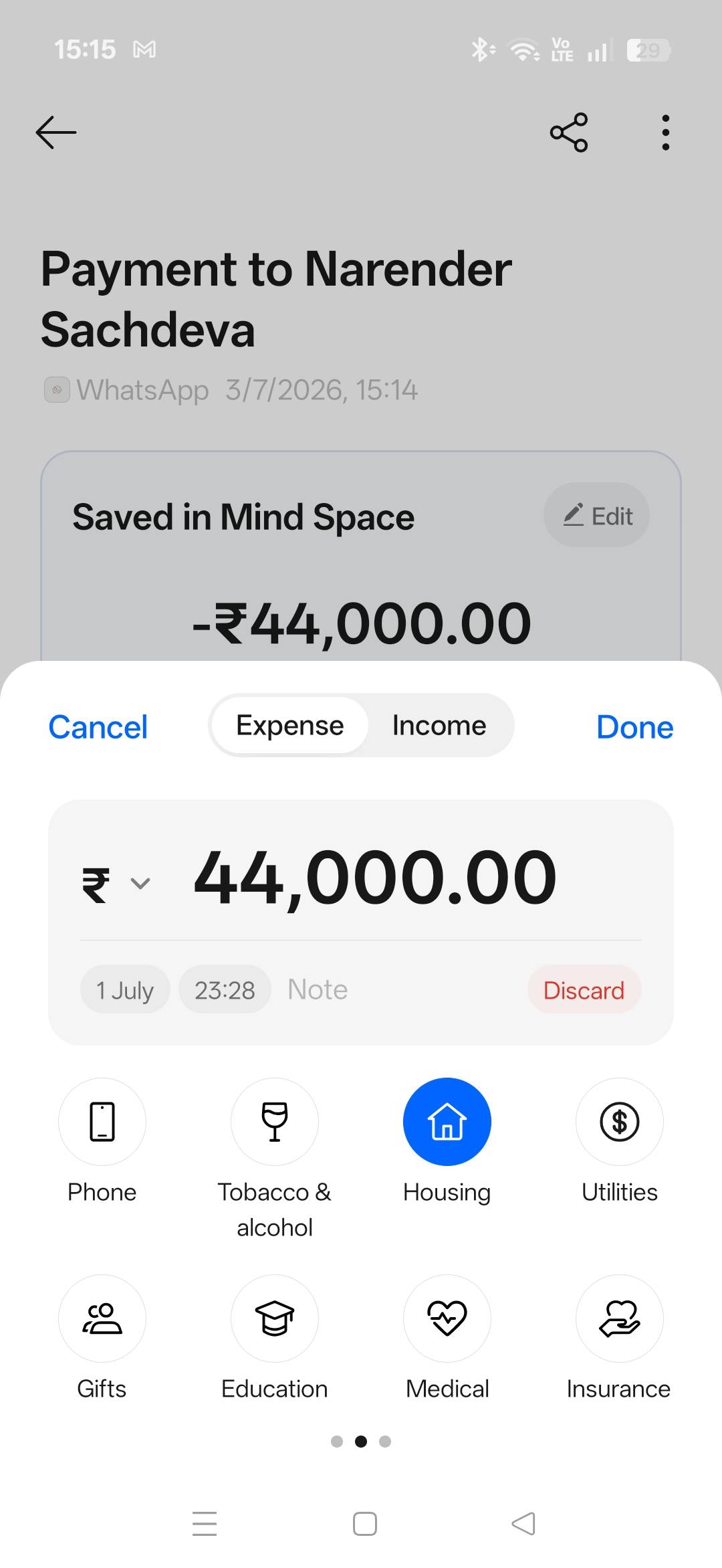
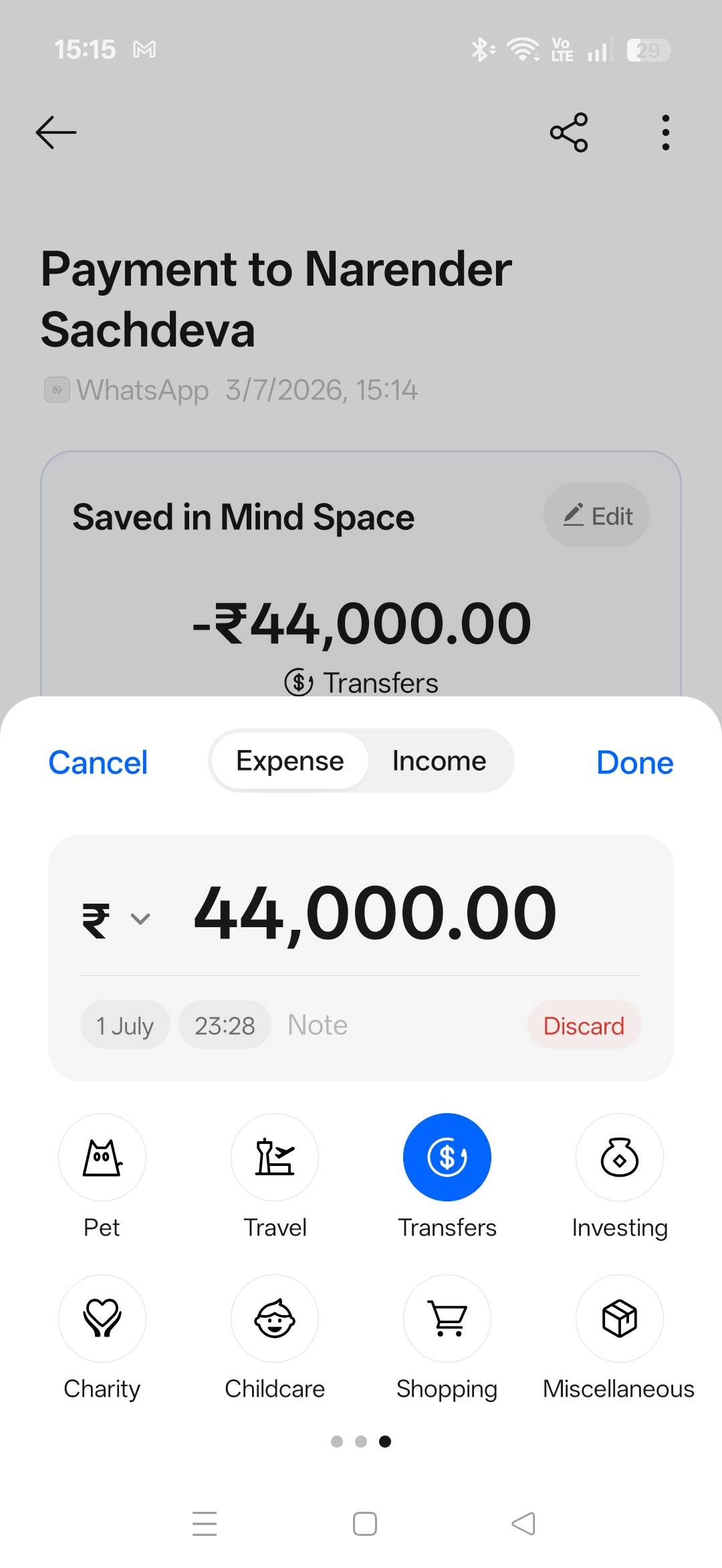
ColorOS 16.1 also introduces AI Bill Manager, which automatically organises receipts, screenshots, messages, and voice notes into structured expense records, complete with categories and real-time currency conversion. Other AI-powered additions include AI Menu Translation, AI Voice Translation, AI Recording Sticker, and AI Scan, further rounding out the software experience.
OPPO is promising 5 OS upgrades and 6 years of security patches with the Reno 16, which is one of the longest in this segment.
Performance, battery life: dependable for daily use
The OPPO Reno 16 is powered by the Snapdragon 7 Gen 4 SoC, which is more commonly found in smartphones priced below this segment. As a result, raw performance isn’t the Reno 16’s biggest selling point, and OPPO doesn’t position it as one either. In day-to-day use, however, the phone performs reliably. Whether it’s browsing, multitasking, streaming videos for extended periods, or playing moderately demanding games, the Reno 16 handles everything smoothly without noticeable slowdowns or heating issues. It’s only when you push the chipset with sustained heavy gaming or other intensive workloads that its limitations may begin to show.
If performance is your top priority, there are stronger alternatives in this price range, and even below it, such as the Vivo X200T (review) and Motorola Signature (review), both of which offer more powerful chipsets. For a better idea of where it stands, you can check out our benchmark results below.



The Reno 16 packs a 6,700mAh battery with support for 80W SUPERVOOC fast charging, a modest 200mAh increase over the Reno 15. While the capacity bump isn’t substantial, the phone still delivers dependable battery life in everyday use. With a mix of 5G connectivity, hotspot usage, online streaming, light gaming, messaging, and social media, the Reno 16 comfortably lasted an entire day on a single charge during our testing, delivering around 6–7 hours of screen-on time. It also performed exceptionally well in our PCMark Battery test, recording an impressive runtime of 23 hours.
For most users, the Reno 16 offers more than enough endurance to get through a full day without worrying about the charger. However, heavy users who game extensively or spend long hours on their phone may find themselves wanting a bit more. If battery life is your top priority, alternatives such as the OnePlus 15R (review) and iQOO 15R (review), both of which pack larger batteries, are worth considering.


Final Verdict
At a starting price of Rs 61,999, the OPPO Reno 16 is a well-rounded premium mid-range smartphone that prioritises refinement over flashy upgrades. The handset stands out with its compact and premium design, vibrant display, dependable battery life, versatile cameras, and a customisable software experience enhanced by genuinely useful AI features.
The Snapdragon 7 Gen 4 SoC is perfectly capable for everyday use, but falls short of what some rivals like the Vivo X200T and Motorola Signature offer at this price. Likewise, while the battery comfortably lasts a full day, power users may find better options in the OnePlus 15R and iQOO 15R.
If your priorities are design, cameras, software, and an AI-rich UI rather than benchmark-leading performance, the OPPO Reno 16 can be considered.
Editor’s rating: 8.1/10
Reasons to buy
- The Reno 16’s cameras are not just versatile but impressive in every scenario, especially in retaining natural colours and details.
- The compact form factor, combined with a stylish and unique design, makes the Reno 16 stand out and comfortable to use.
- The phone introduces several AI features that can actually help in daily usage.
Reasons to skip
- The Reno 16 is a bit pricey compared to what rivals are offering for less.
- Its chipset is underwhelming considering its price tag.