There’s a particular kind of dread that sets in the moment someone in a meeting says, “Have you written that down?” and you realise you’ve been listening instead of writing for the last ten minutes. I’ve sat through enough editorial meetings, brainstorms, and calls to know that the choice is usually between participating properly or capturing everything properly, rarely both. The Plaud Note Pro, priced at Rs 20,990, is built around the idea that you shouldn’t have to choose, and after using it in everything from chaotic multi-person meetings to quiet one-on-one chats, it’s clear this is one of the more capable and better-designed devices in this space right now.
Table of Contents
Design and hardware
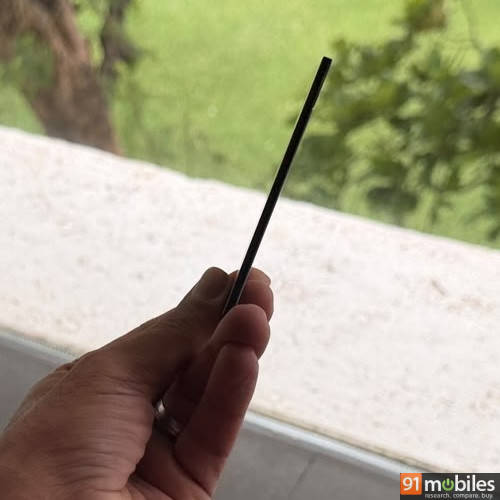
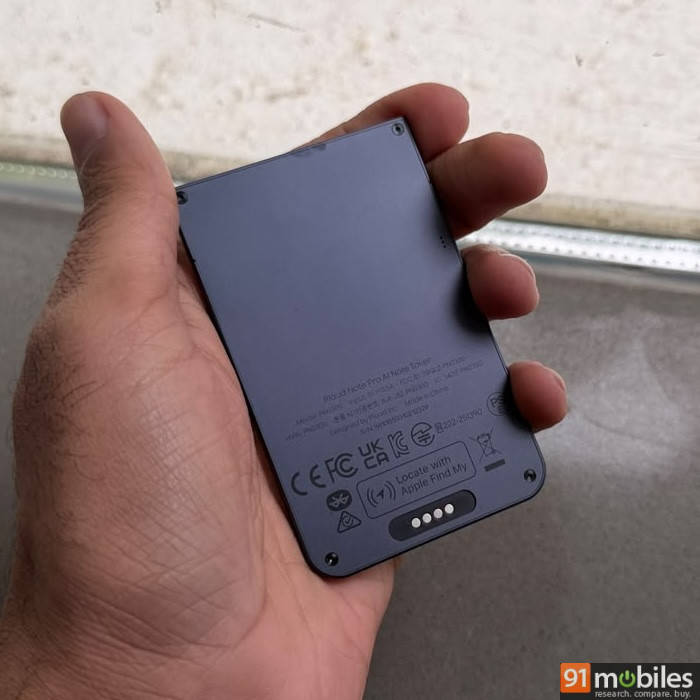
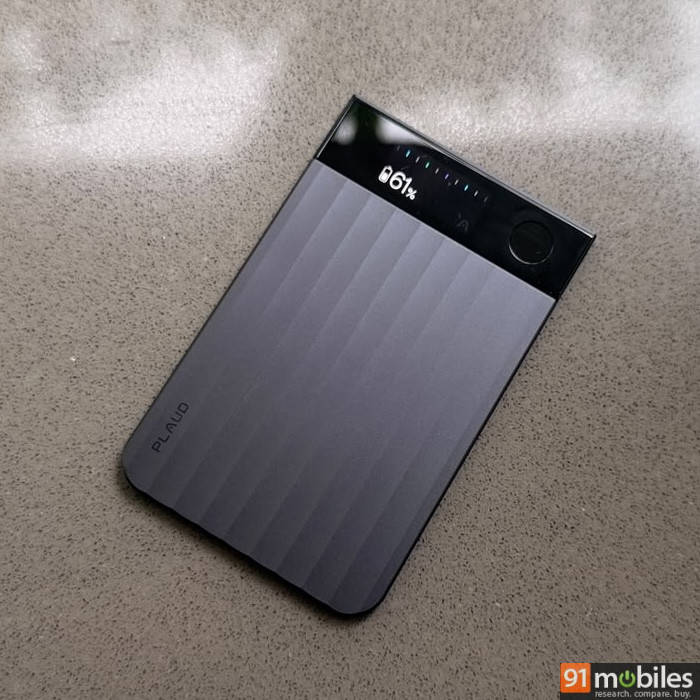
The headline spec is its size: 2.99mm thin and roughly credit-card sized, thin enough that it’s easy to forget you’re carrying it until you need it. A 0.95-inch AMOLED display handles the basics, recording status, battery level, and mode, and by most accounts it’s bright and legible enough to read even outdoors, which is a nice touch for a screen this small. The body is finished in a matte aluminium alloy that feels considerably more premium than the plastic recorders this usually competes with, and the single button keeps the physical interaction dead simple: press to record, everything else happens in the app.

Software, transcription, and AI connectors
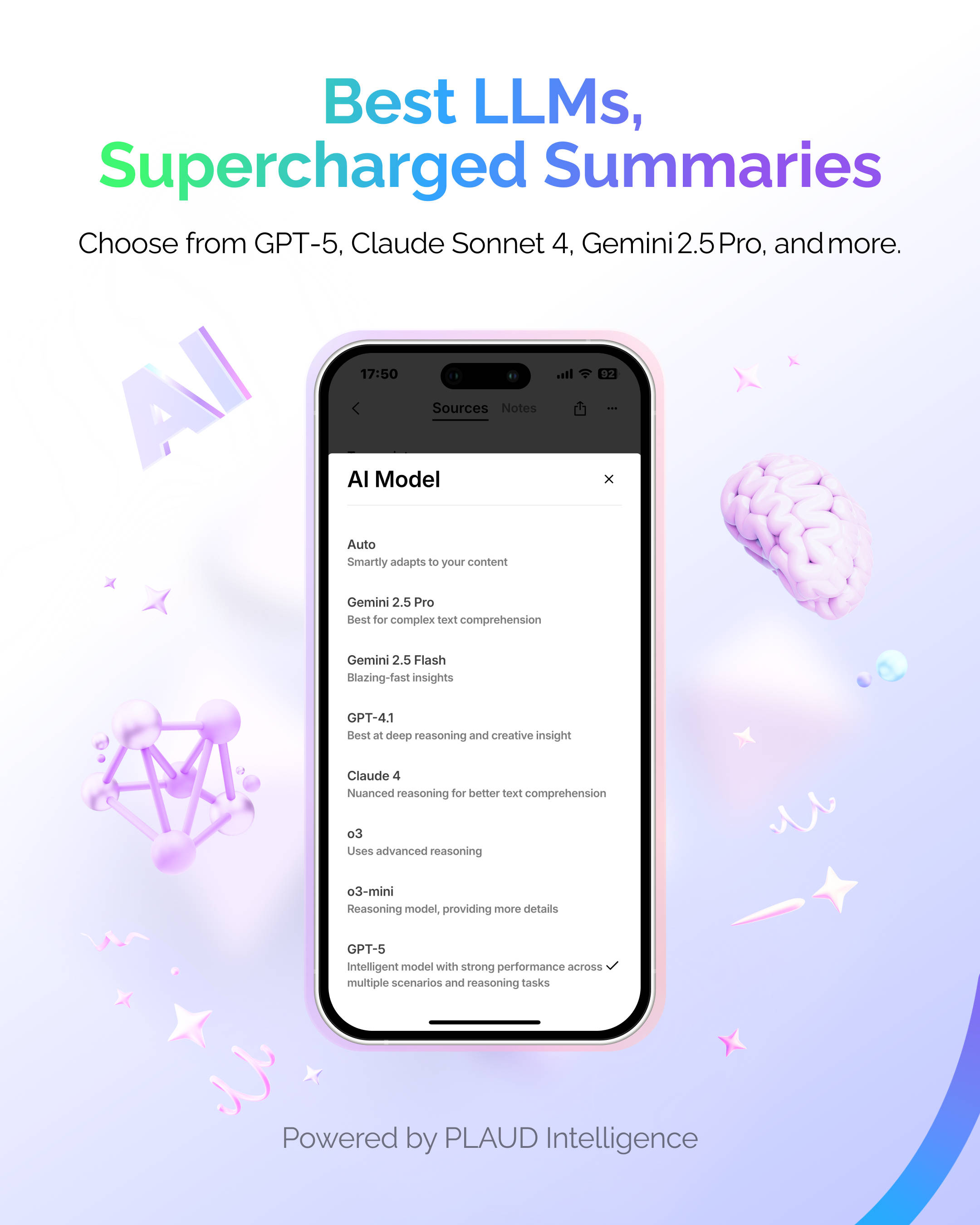
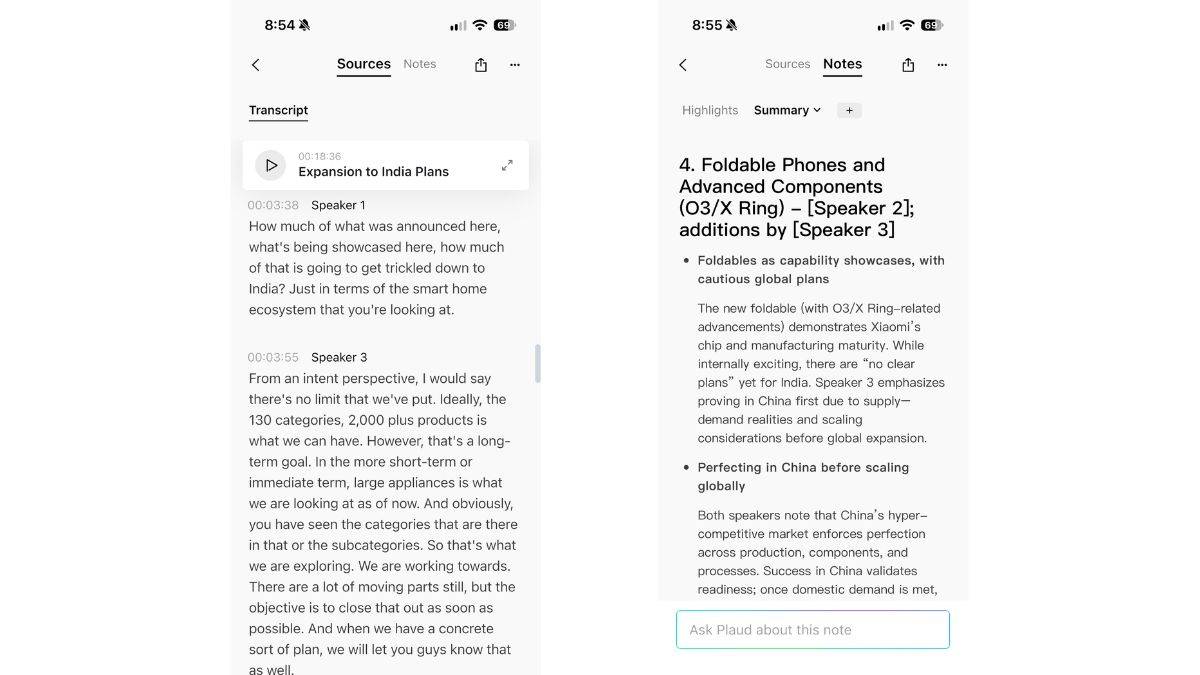
Under the hood, Plaud uses OpenAI’s Whisper for transcription and ChatGPT to generate summaries, covering up to 112 languages, with reported accuracy in the 90 to 95 percent range for English. The real strength, though, isn’t the raw transcript; it’s what you can do with it. Rather than a flat summary, you get multidimensional templates: key decisions, action items with names attached, or entirely custom formats pulled from a shared template library. It also gets smarter the more you use it, learning to recognise individual speakers after you label them once, and you can teach it custom vocabulary for local names or jargon it keeps getting wrong.
There’s also an automation layer for the recordings themselves: you can set a keyword trigger, like a specific meeting type mentioned in the first few minutes, that automatically kicks off transcription, summarisation, and even emails the results to attendees without you touching the app. It’s a genuinely powerful idea, though anyone who’s sat through a meeting full of tangents and off-topic chatter will understand the instinct to keep a manual review step before anything gets auto-sent.
Real-world performance
The Plaud Note Pro is really meant for in-person, multi-speaker meetings. Comparing it against a more manual workflow – recording on a phone, uploading to a transcription service, then feeding that into ChatGPT or Claude separately to clean up – the difference in speaker separation was night and day. Mumbled contributions from across a room came through clearly enough that I wasn’t left guessing who said what. Once you’ve been through that kind of comparison, going back to relying on a phone’s built-in mic feels like a tedious step backwards.
It works well for phone calls too, capturing audio directly through the handset without any beep alerting the other party, and clarity is reportedly strong there as well. But it’s clearly not the primary use case Plaud designed around, and it shows in small ways: you need to manually switch modes in the app depending on whether you’re recording in-person or over a call.
Subscription plans and India pricing
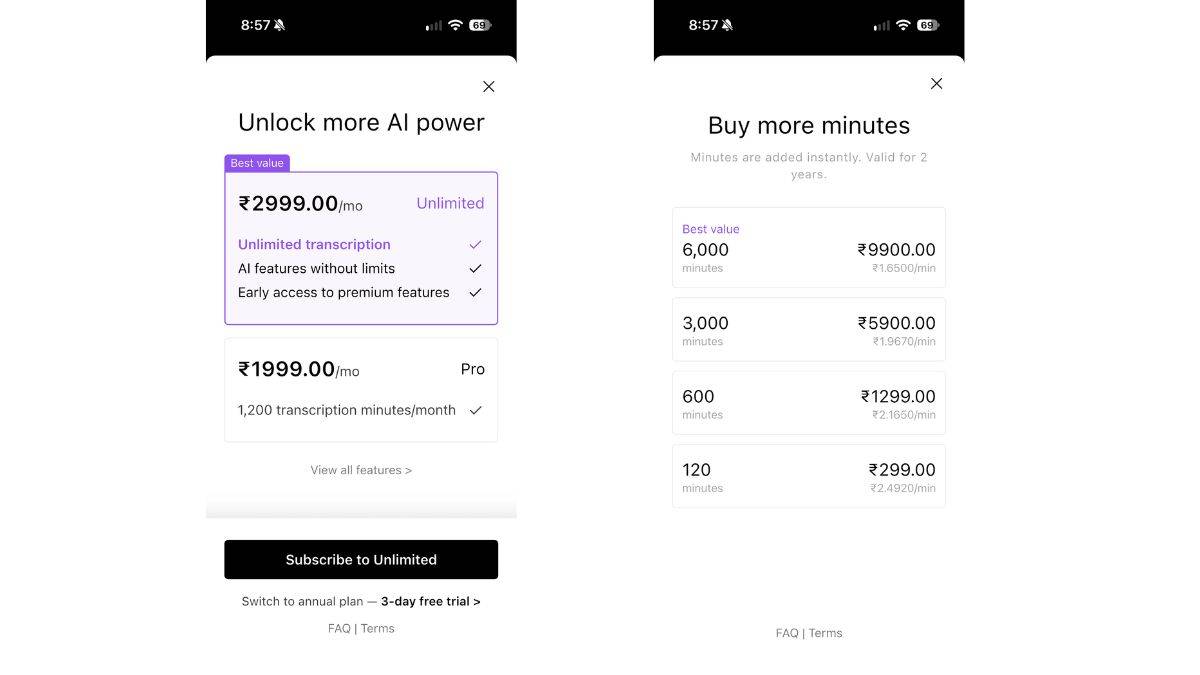
The Plaud Note Pro costs Rs 20,999 in India. That price includes 300 minutes, i.e. six hours of free transcription every month, which is a generous free tier and enough for moderate, regular meeting use without ever paying more. If you need more, the Pro plan offers 1,200 minutes for Rs 1,999 a month or Rs 9,900 annually, and the Unlimited plan offers unlimited transcription minutes for Rs 2,999 a month or Rs 24,900 a year. Moreover, if you don’t want to commit to a monthly or yearly plan and just want to top up minutes during a busy month, you can do that too, with prices starting at Rs 299 for 120 extra minutes.
AI note-taking devices are still a niche in India, and Plaud is one of the early movers in this space. There is no direct rival to the Note Pro at the moment, but Plaud does have cheaper devices such as the NotePin, which can be clipped to a shirt or worn around the neck. The Neosapien Neo 1 is a rival we reviewed earlier this month. The Neo1 has no storage of its own and leans entirely on a paired phone and an internet connection to process anything, whereas the Note Pro and NotePin can at least record offline and sync later.
Should you buy the Plaud Note Pro
If your work regularly puts you in the room for multi-person meetings, and you need more than a passable summary afterwards, such as a searchable transcript and clear action items, the Plaud Note Pro does what it sets out to do. It’s not that the results are dramatically better than what a smartphone and a combination of apps could eventually produce; it’s that everything lives in one place and doesn’t need an hour of your own time to clean up afterwards.
It’s a harder sell if most of your meetings happen online, where existing tools already cover the same ground – I personally use Granola for virtual meetings, and it gets the job done without paying anything – or if the proprietary charging cable and eventual subscription fee feel like more friction than they’re worth for occasional use.
Editor’s rating: 8.5 / 10
Pros:
- Genuinely useful AI summary templates, not just flat transcripts
- New Claude and ChatGPT connectors turn recordings into actionable follow-ups
- Strong battery life and a generous free transcription tier
Cons:
- Proprietary magnetic charging cable instead of USB-C
- Adds little value for online meetings where you can use tools like Granola or Meet AI
- At Rs 20,000, it is an expensive AI note-taking device in India