


Review Summary
Expert Rating
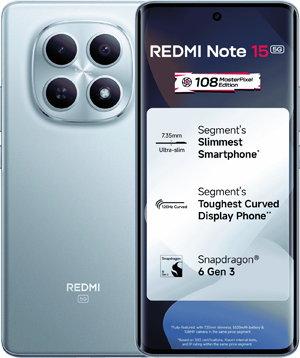
With a revitalised product strategy for 2026, Xiaomi India plans to focus on individual product releases, ensuring each one is perfected in every possible way. As a result, the Redmi Note 15 5G made its solo debut on January 6th, starting at Rs 22,999, with the Note 15 Pro models launching in India later. Looking at the features and specifications on paper, it’s clear that Xiaomi has made several improvements to the Redmi Note 15 over its predecessors in key areas.
But does the Redmi Note 15 have enough prowess to make waves in a highly contested sub-Rs 25,000 segment with packed releases? Find out in this detailed review.
Table of Contents
Quick verdict
The Redmi Note 15 5G impresses with its vibrant curved display that delivers sharp details, strong daylight camera performance, long-term software support, and a sleek, durable build with excellent ergonomics. However, if you’re after class-leading performance, there are better alternatives available under Rs 25,000.
One of the lightest and sleekest phones in the segment
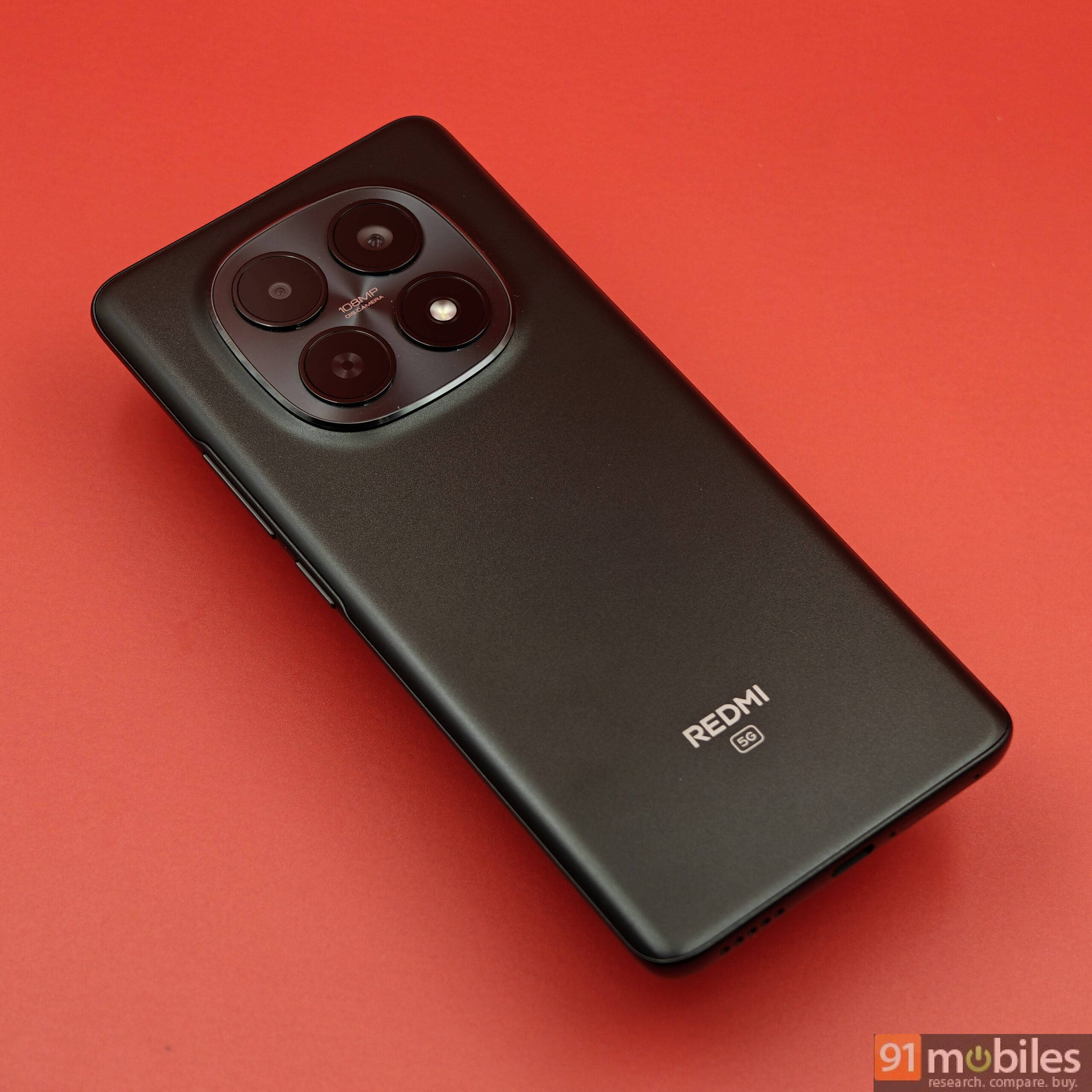
Upon wielding the Redmi Note 15 for the first time, you can’t help but notice how conveniently the handset settles in your palms. With a rounded polycarbonate midframe, the Note 15’s ergonomics are reminiscent of several curved display phones released in the past, such as the POCO X7 and Moto G96. Plus, the centred protruding camera module lets you rest your index finger on its bottom edge for extra support during one-handed use.

A near-perfect curved display for multimedia
The display panel on the Redmi Note 15 has received several upgrades over the Note 14, with the most significant change being the shift to a 3D curved display from a flat panel. For starters, the display measures 6.77 inches and features AMOLED technology, a FHD+ (2392 × 1080) resolution, a 120Hz refresh rate, a 12-bit DCI-P3 wide colour gamut, 3,840Hz PWM dimming, 3,200 nits peak brightness, and 800 nits typical brightness.

For multimedia purposes, the Note 15 gets a stereo speaker setup, supported by Dolby Atmos. Compared to my previous daily driver, the Nothing Phone (3a) Lite, the Redmi Note 15 5G delivers much louder, crisper audio. However, what it doesn’t do better than the Phone (3a) Lite is outputting enough brightness outdoors. While the Note 15’s 1,000-nit peak brightness offers adequate legibility in direct sunlight, the Phone (3a) Lite (1,300 nits) fares slightly better.
Performance that isn’t class-leading
Although the Redmi Note 15 has received a performance upgrade over its predecessor, the 4nm-based Qualcomm Snapdragon 6 Gen 3 doesn’t deliver performance numbers as high as those of the heavy hitters in the sub-Rs 25,000 segment. This chipset is paired with UFS 2.2 storage speeds and LPDDR4X RAM, and is available in two options: 8+128GB and 8+256GB.

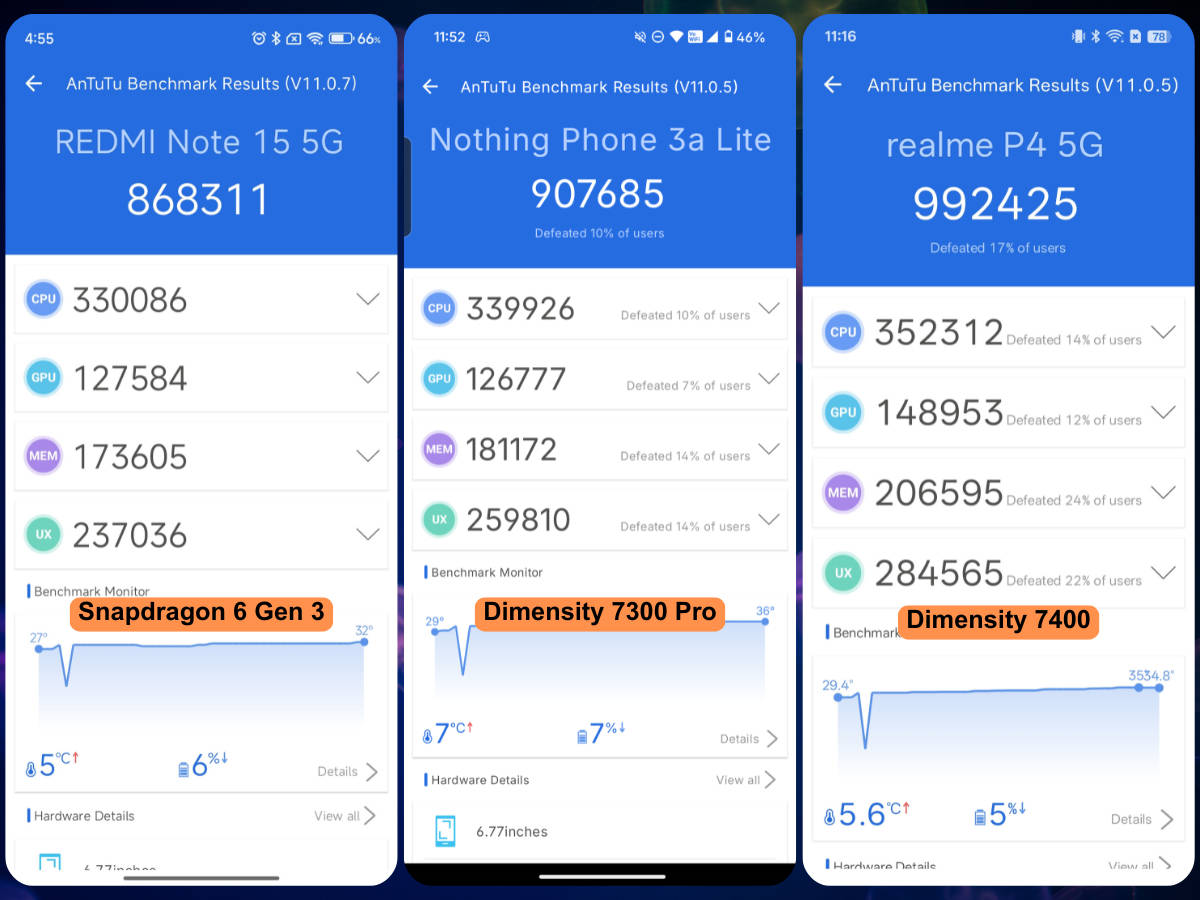
Where the Redmi Note 15 fell short for me was in delivering a consistently smooth refresh rate across apps. To simplify, despite setting the refresh rate specifically to “120Hz”, certain apps like Spotify, JioHotstar, Slack, Gmail, and wallpaper apps were restricted to 60Hz, which hindered the smoothness. Furthermore, the UI does show signs of slowdown if recent apps in the background aren’t cleared or removed for days. So, if you’re planning on getting the Note 15, I’d recommend regularly getting rid of apps in the background or often restarting the phone for sustained smooth usage.
A similar pattern can be noticed in CODM gaming. While the phone is capable of running the game at up to 90FPS at the lowest graphics setting, it may stutter when a lot is happening in the environment, such as the summoning of many opponents. Other smartphones in Redmi Note 15’s league perform fairly better in this regard.




Capable camera for daylight shots
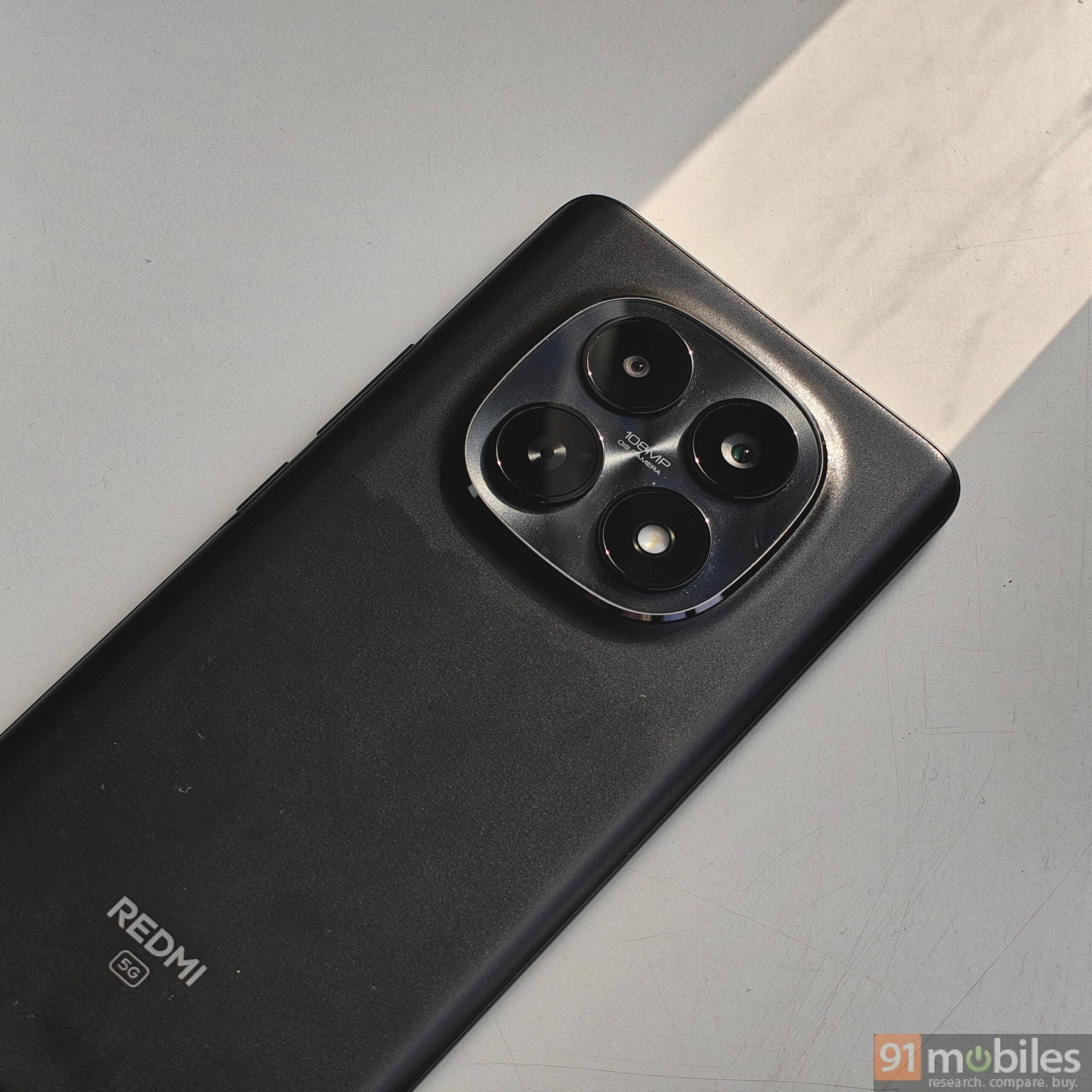
To up the photography and videography experience from the previous generation models, the Note 15 features a brand new primary camera. It debuts the 50MP 1/1.67-inch Samsung HM9 lens that supports OIS, has an f/1.7 aperture and comes with 3x in-sensor digital zoom. Tagging along with this camera on the rear is an 8MP ultrawide lens, while up front there’s a 20MP selfie shooter.
I was also fond of using the 1.5x digital zoom range to click close-ups of flowers or insects, and the phone did an impressive job by retaining details and well-balanced tones. Night photography is where the Note 15 may appear lacking. The clarity takes a hit, noise artefacts develop, and exposure control is poor, especially compared to the OnePlus Nord CE 5.













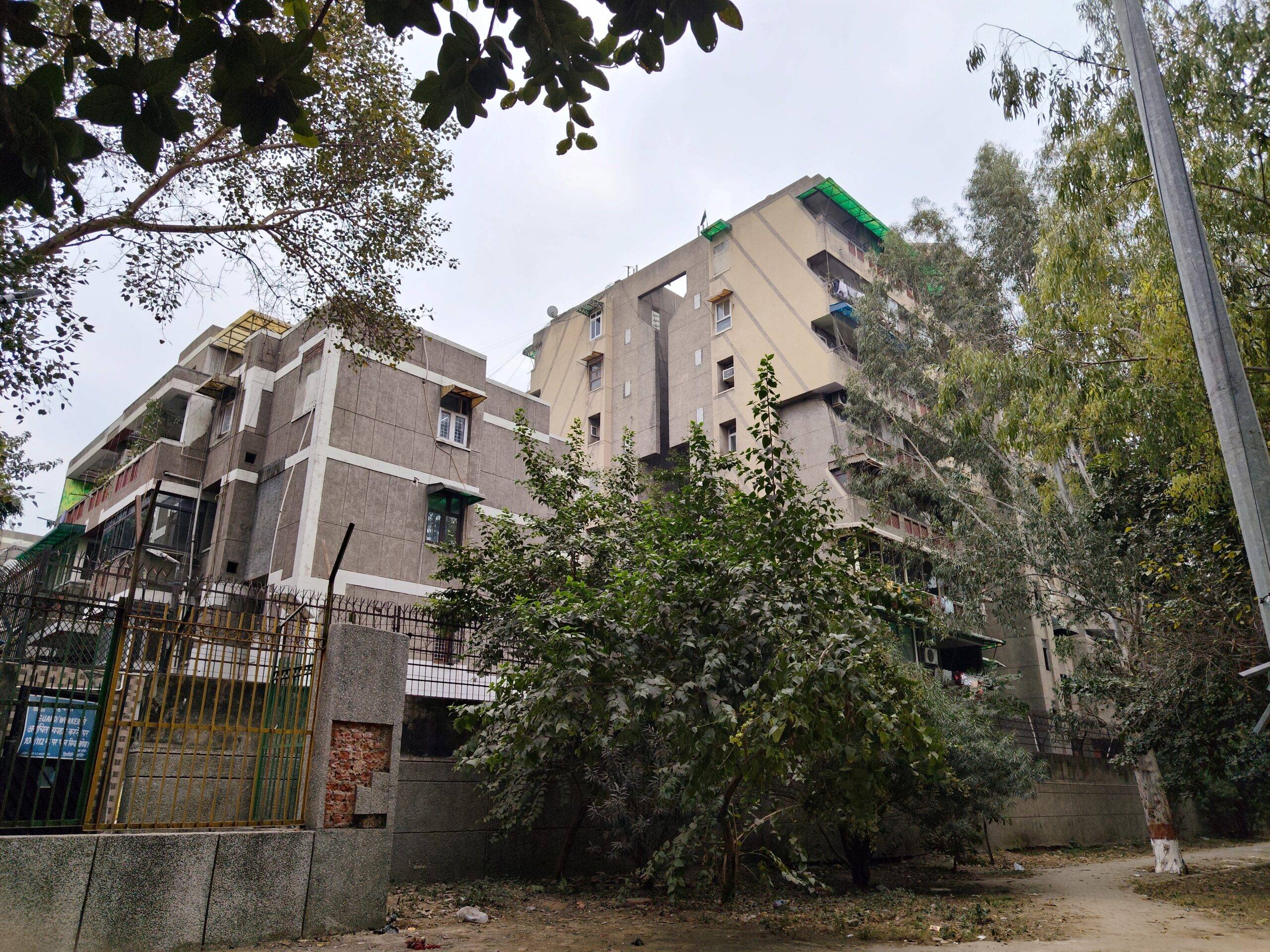
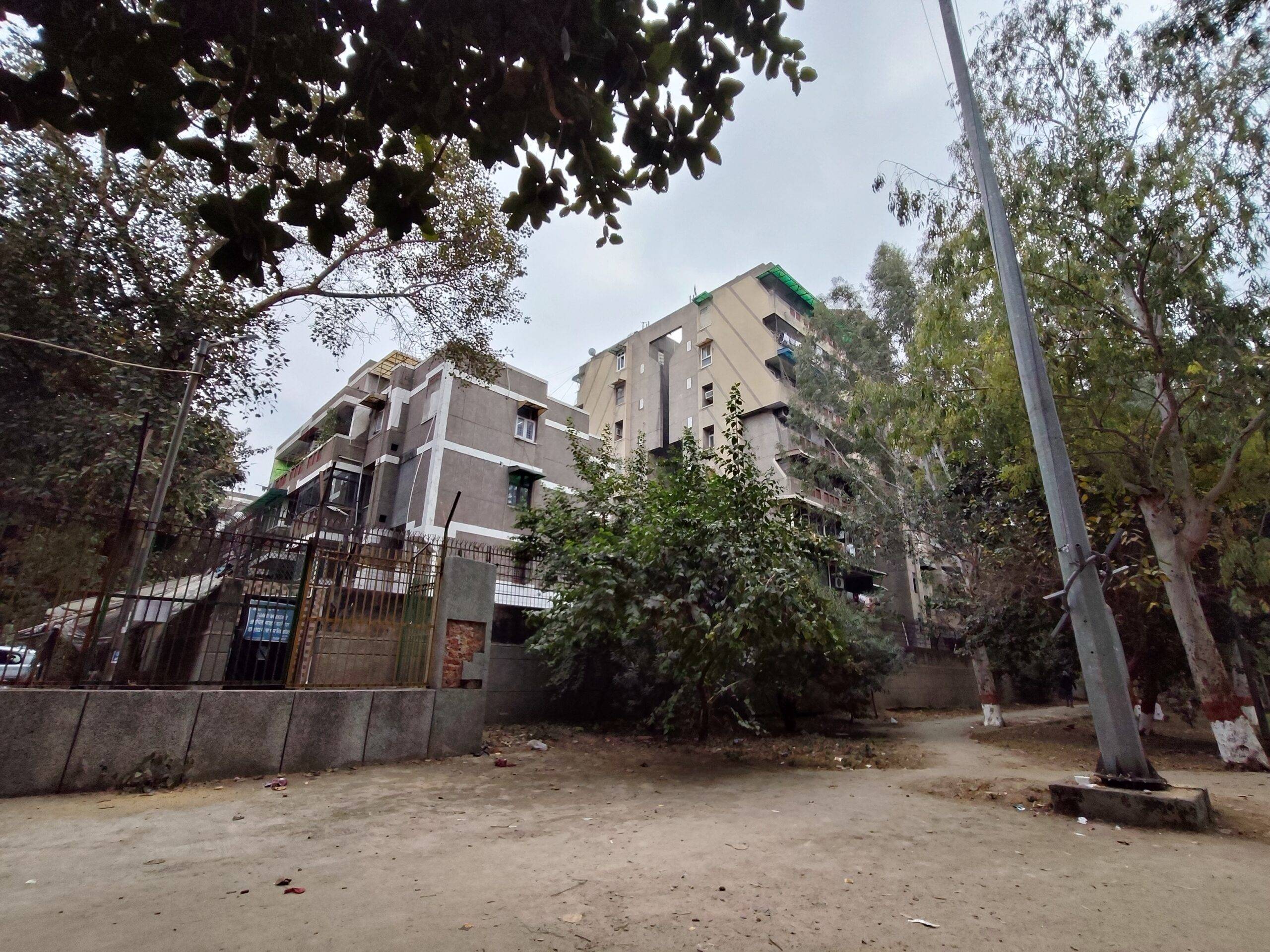
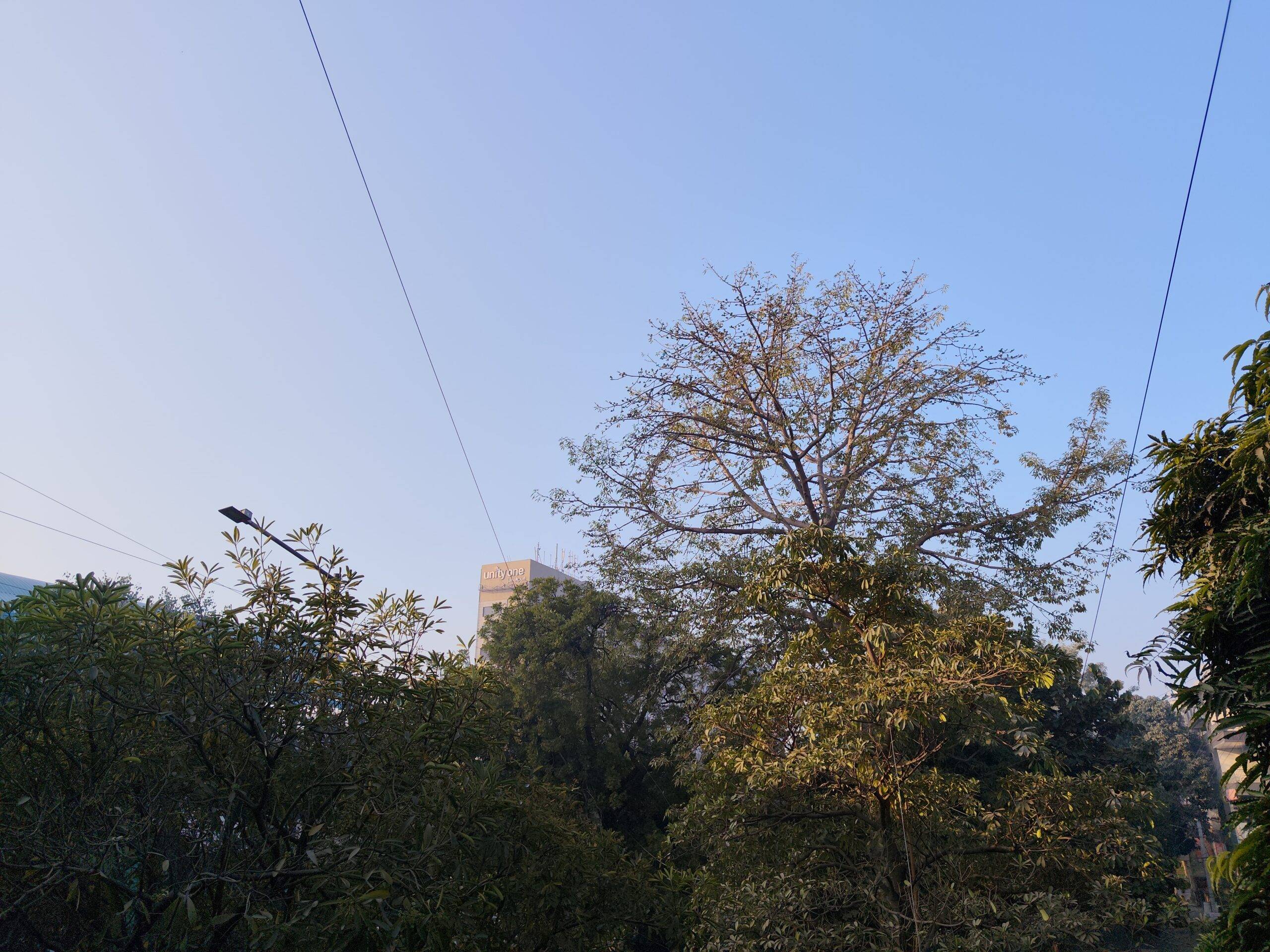
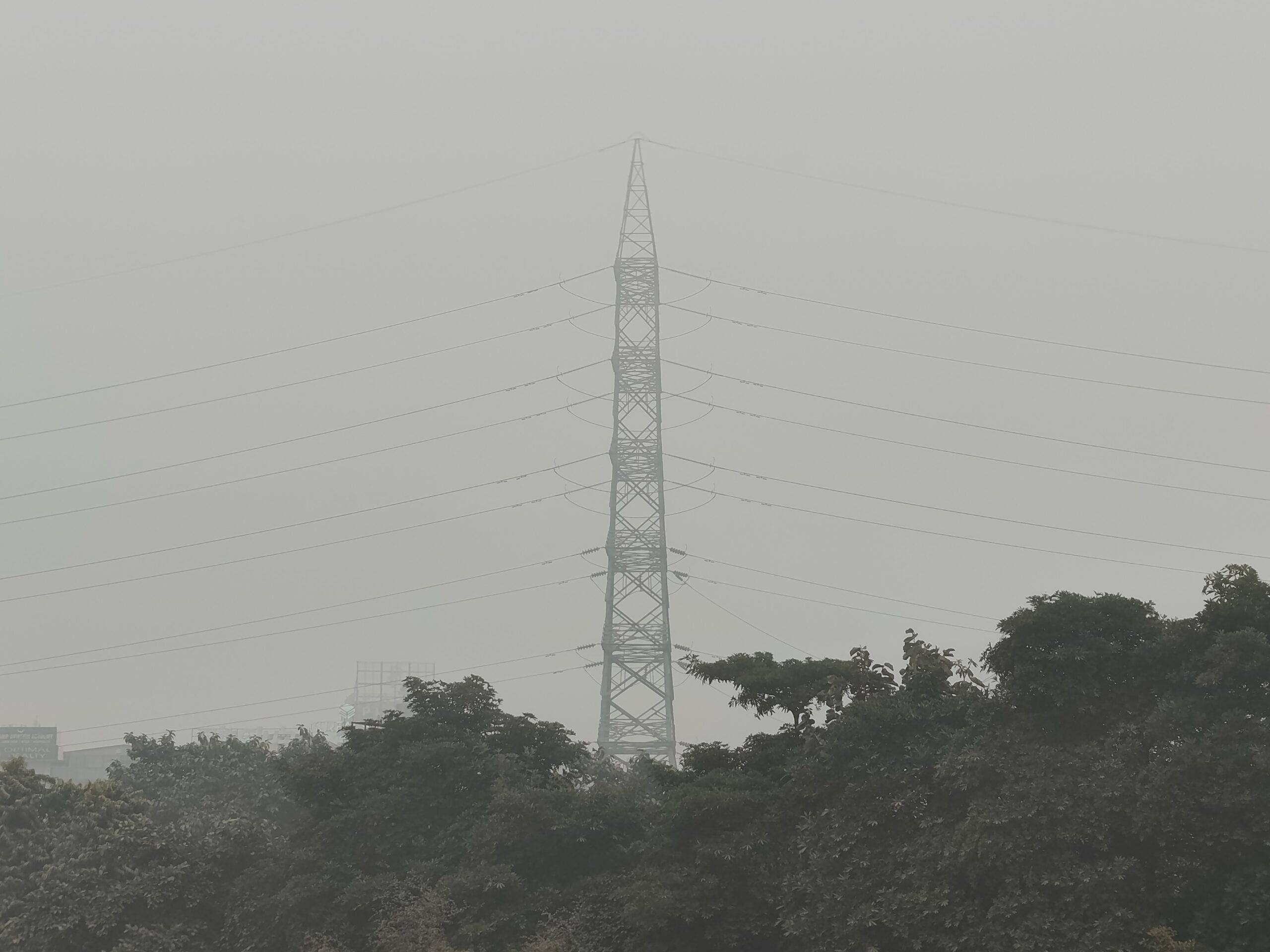

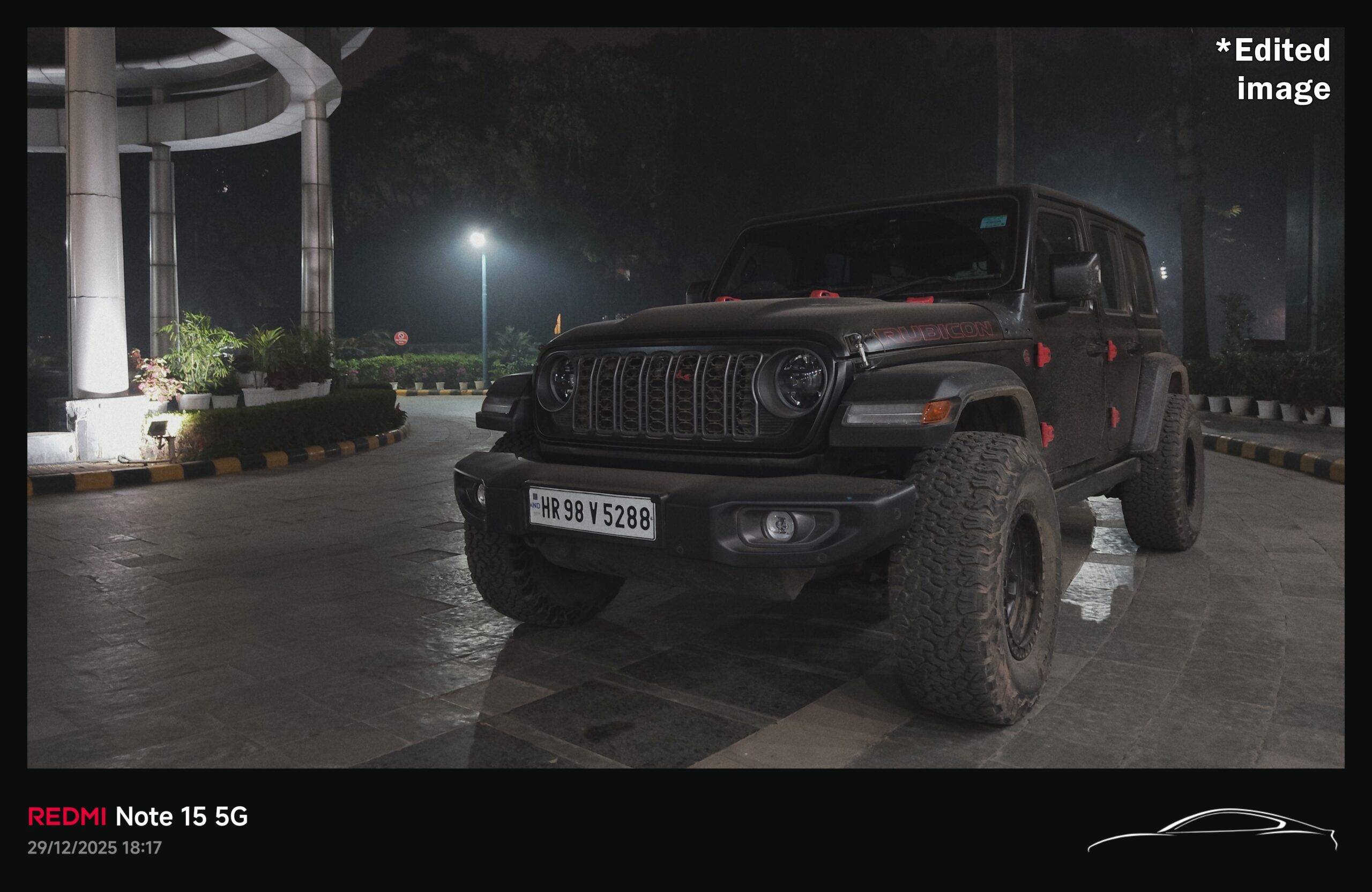
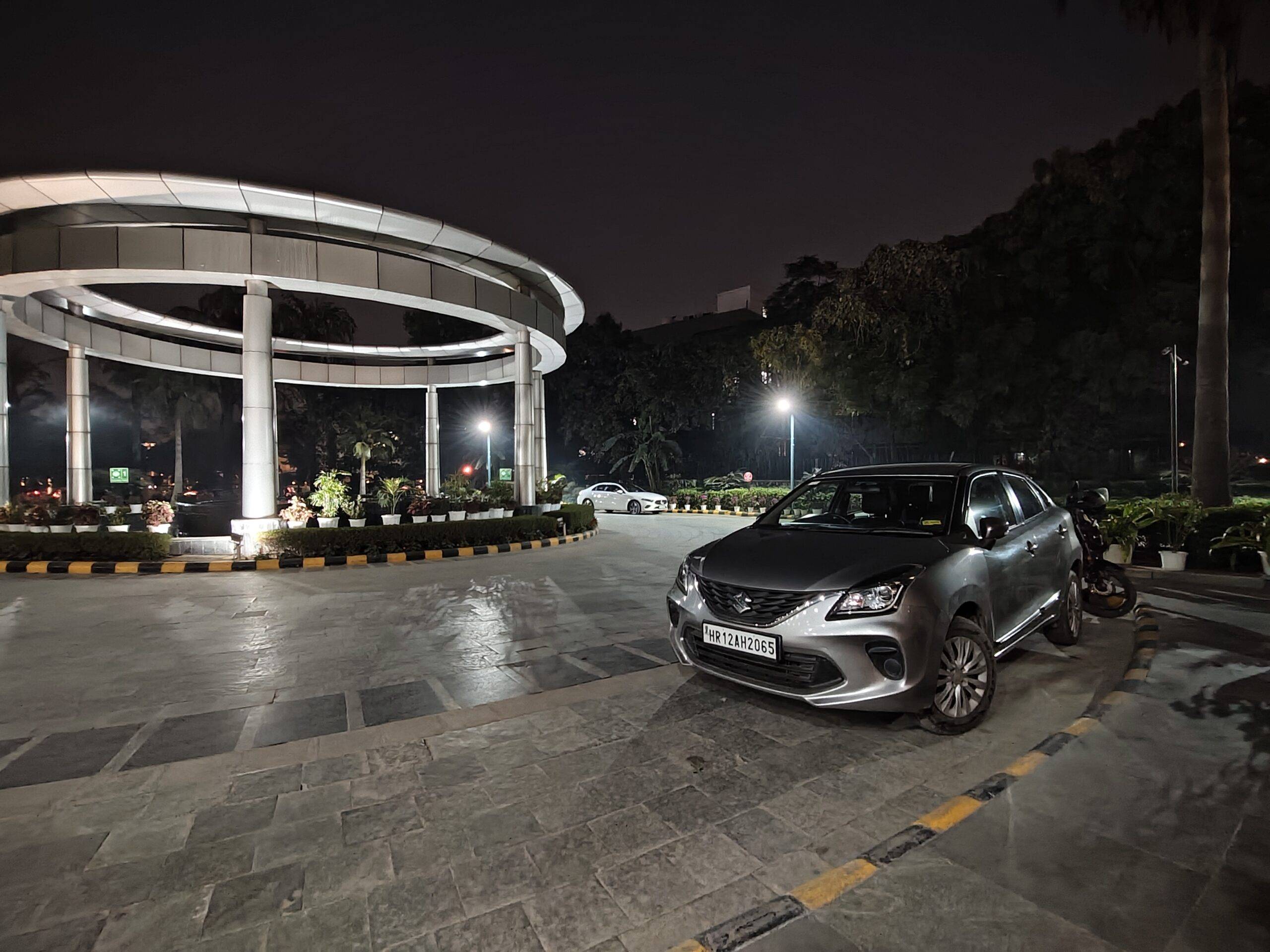
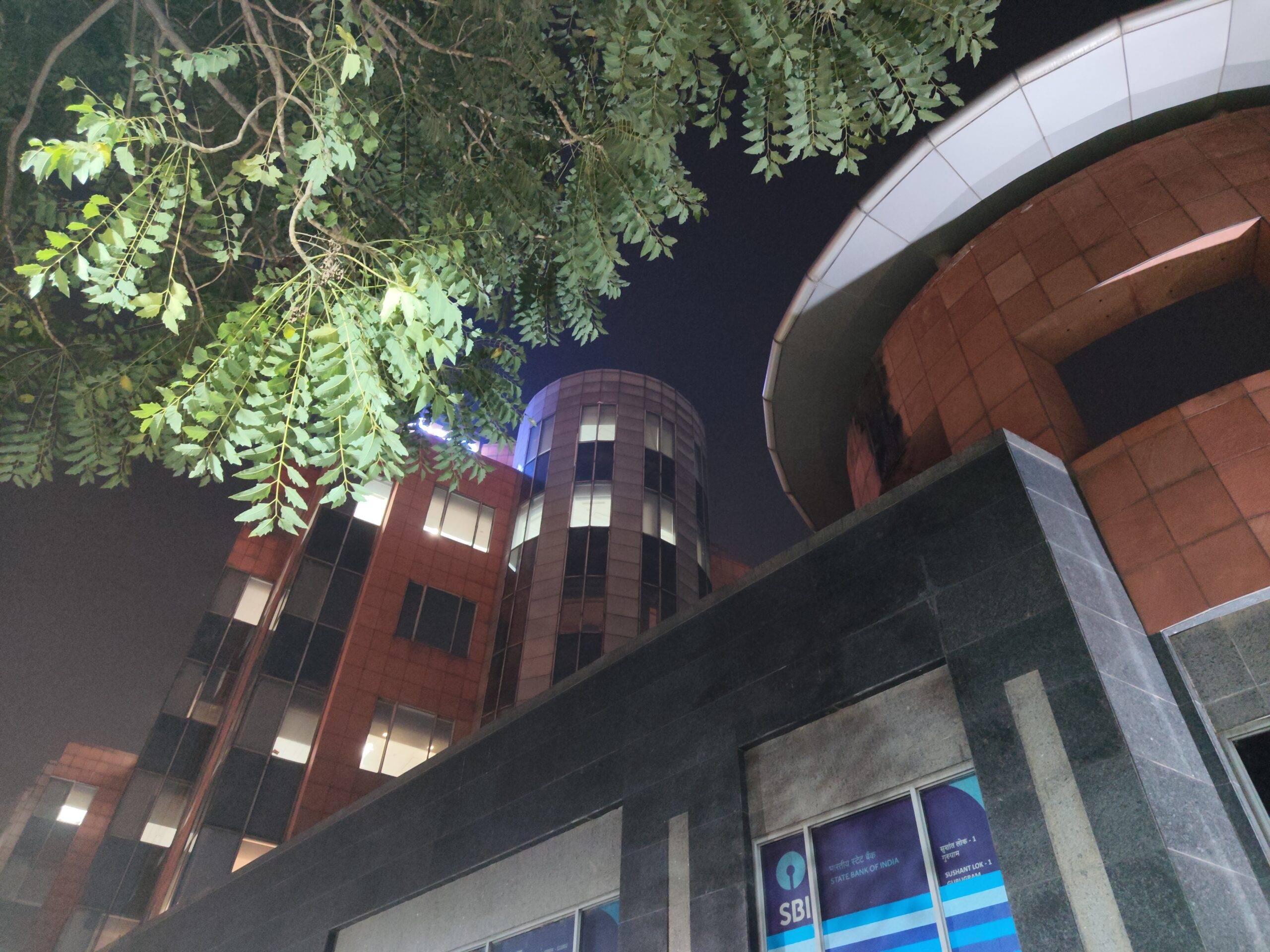
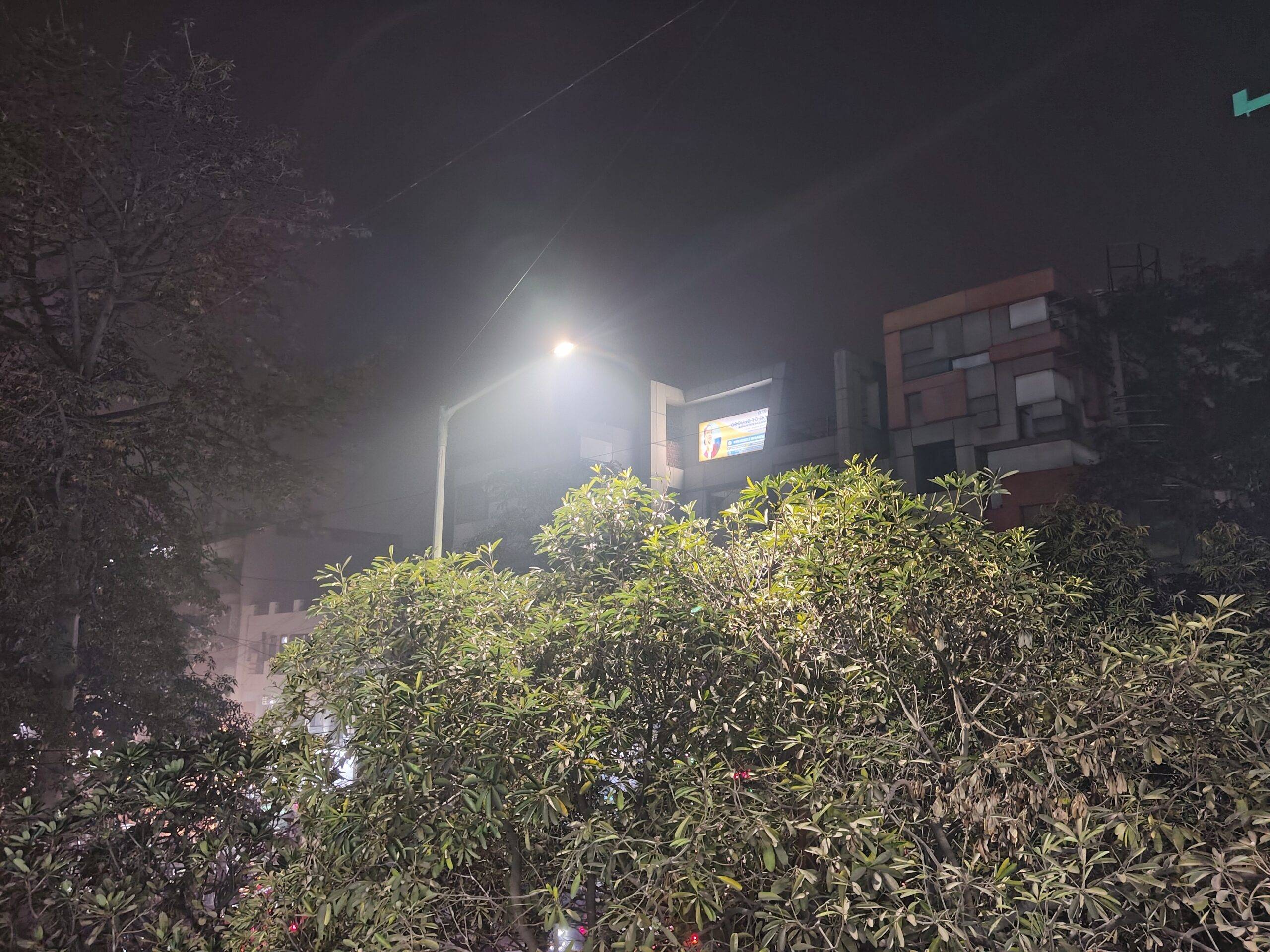
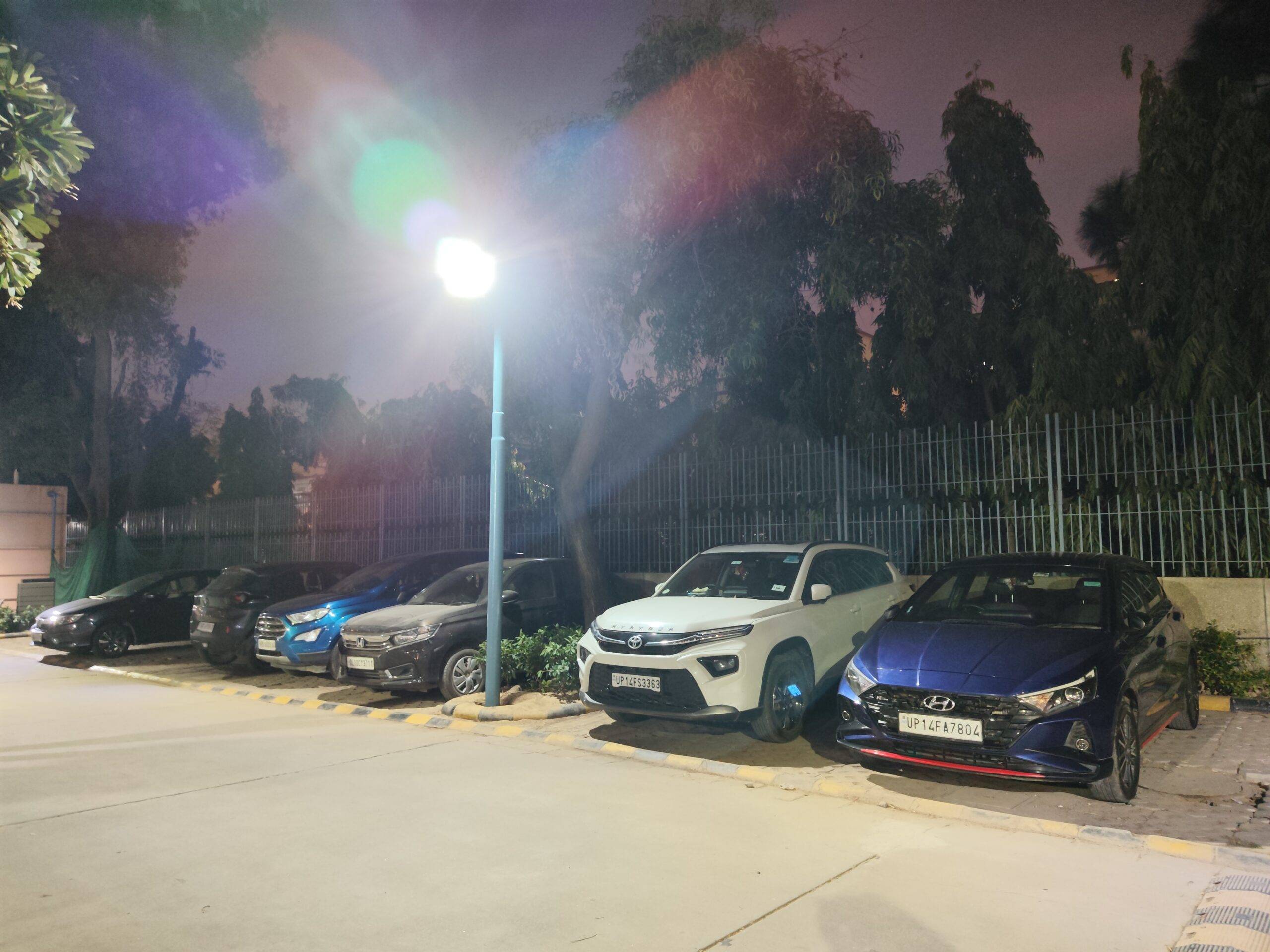
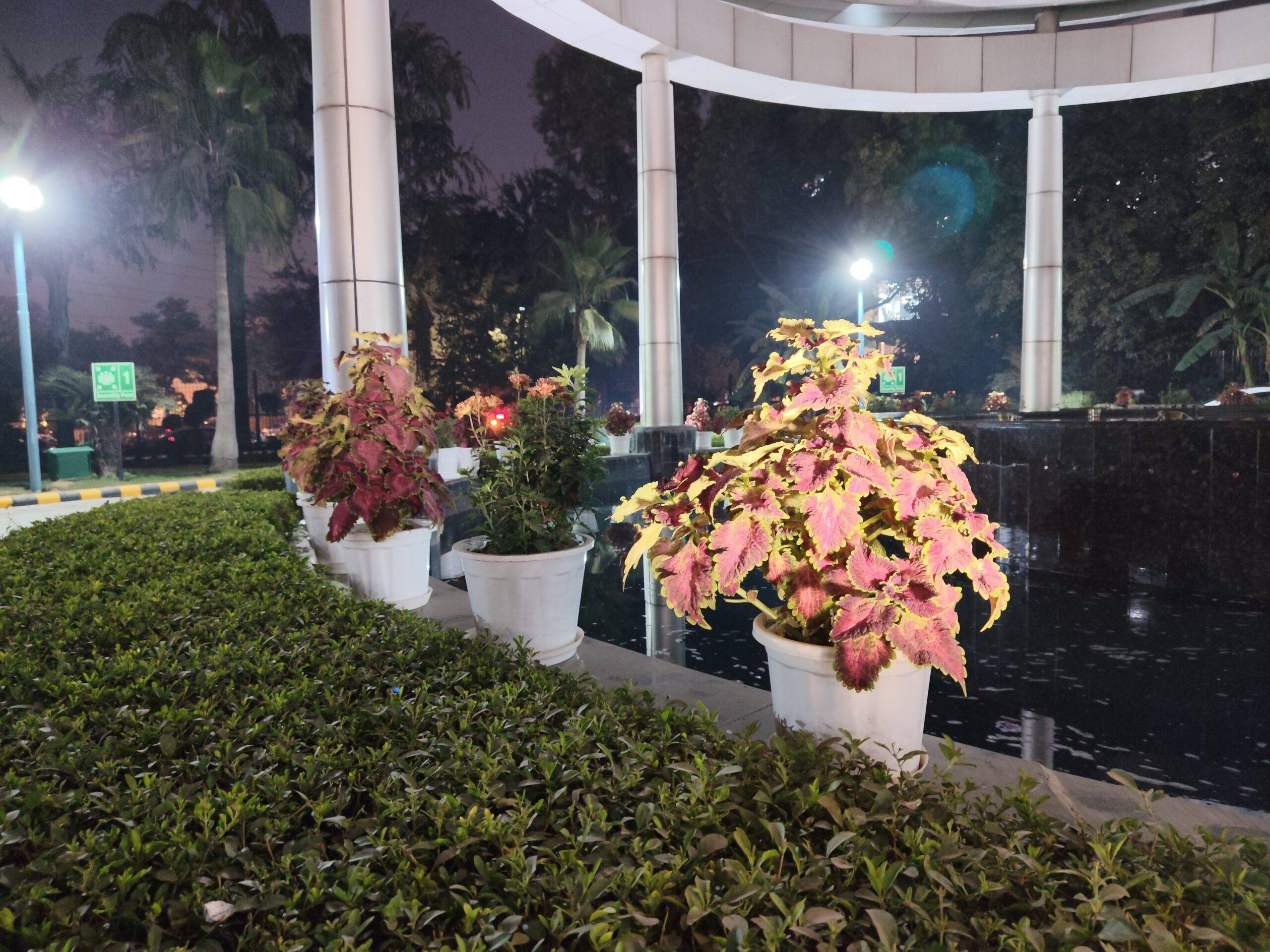

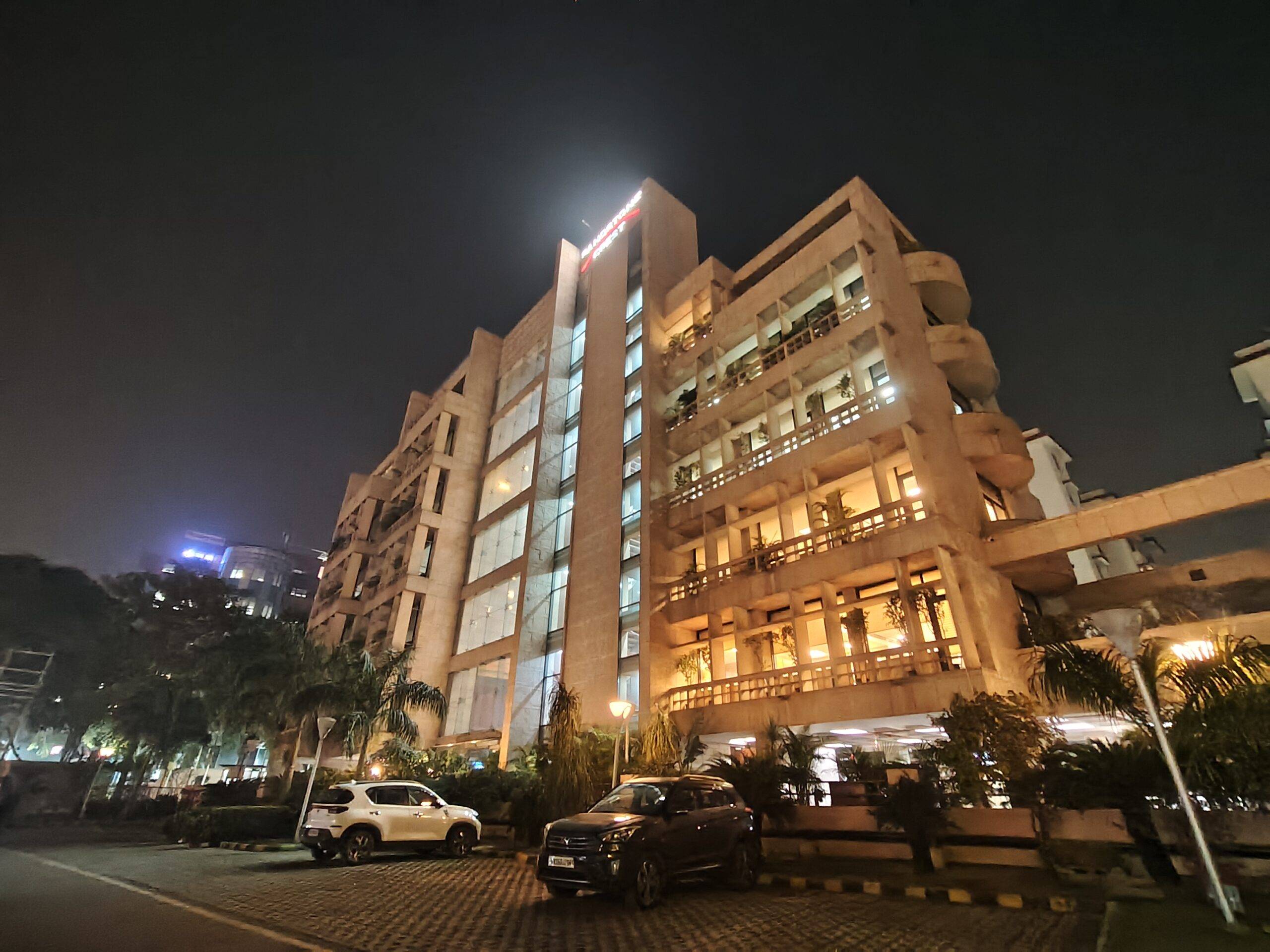


Now, let’s compare the camera shots of Redmi Note 15 with the OnePlus Nord CE 5:
Daylight


In the comparison above, the OnePlus Nord CE 5 outputs better details and dynamic range, while the Redmi Note 15 manages to deliver a close to natural-looking image.
Ultrawide
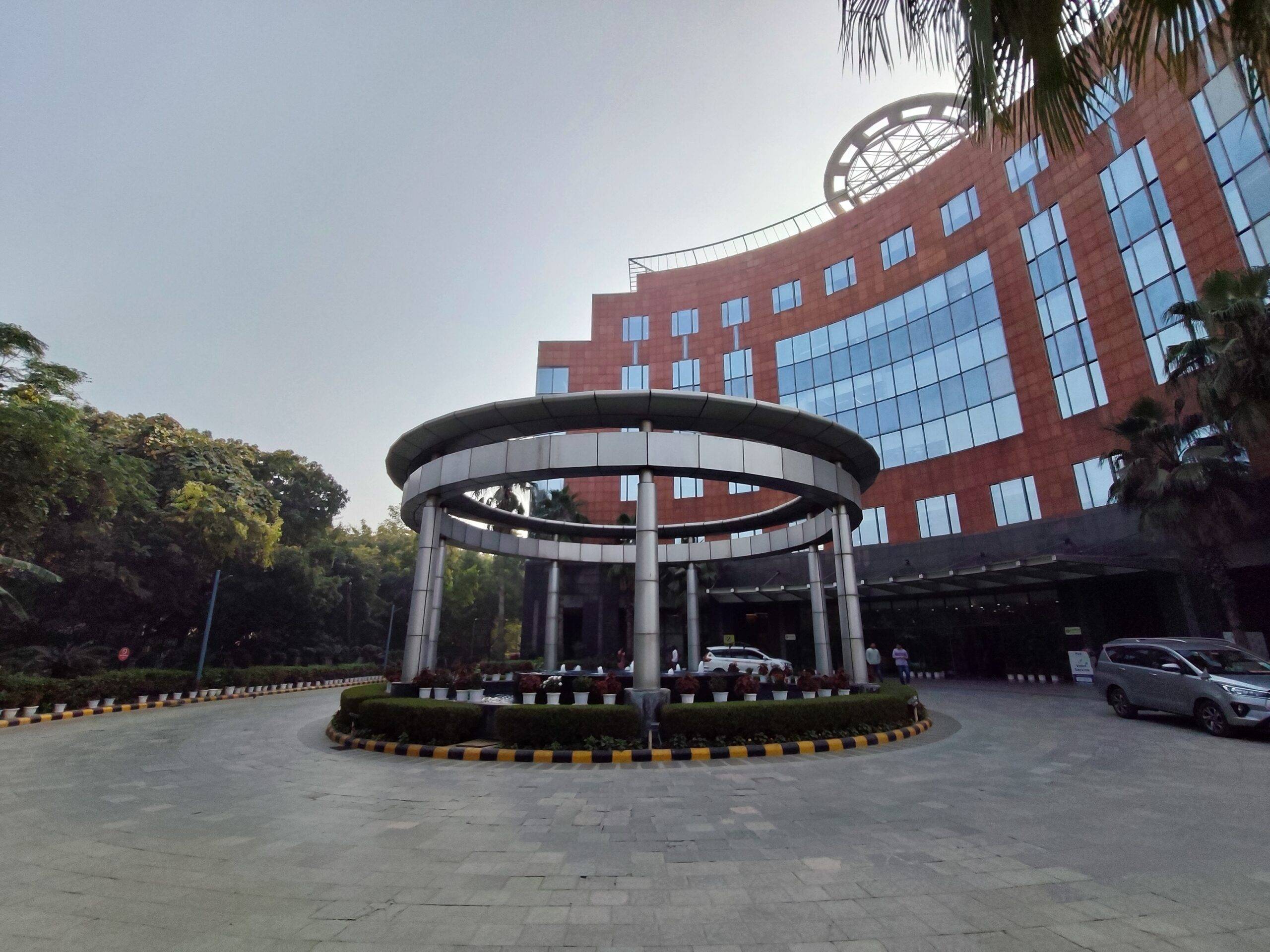

Even though both smartphones are equipped with an 8MP ultrawide lens, the OnePlus Nord CE 5 managed to deliver a tad sharper image. Similarly, the Nord CE 5 lifts shadows effectively, brightening darker areas and improving the overall image, which the Note 15 doesn’t quite get right.
Portrait


The Redmi Note 15 does a better job of delivering close to reality colours, making its image appear ideal at first glance. However, even though the Nord CE 5 adds tons of warmth, its image packs superior details.
Selfie


In selfie comparison, the Redmi Note 15 has slightly overexposed the skin tones, and its image isn’t as sharp as the OnePlus Nord CE 5’s. Dynamic range and contrast are equally matched on both, though.
Low light
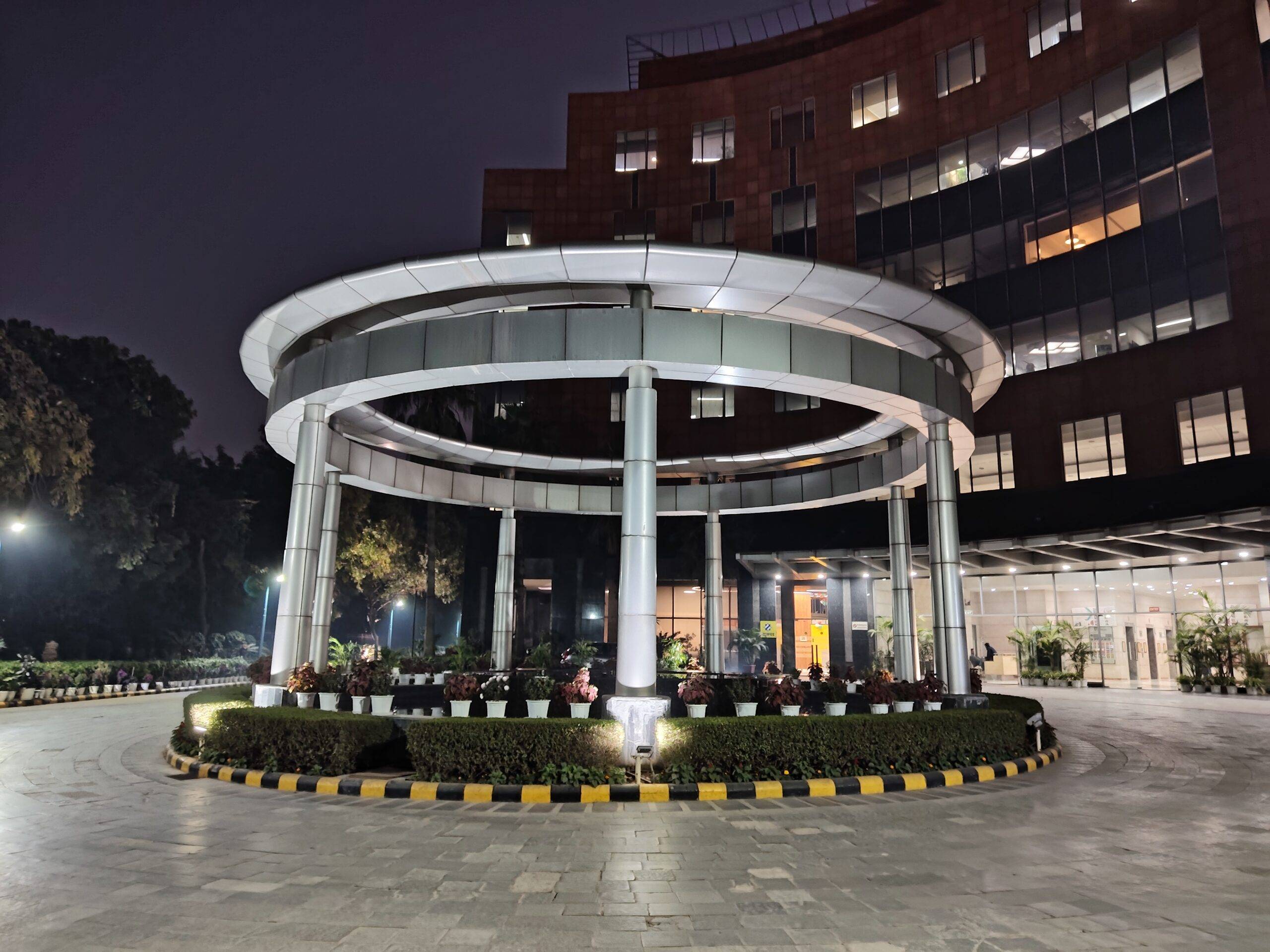

Coming to low light, the Redmi Note 15’s image undergoes softness, noisy details, and inferior exposure control of light sources compared to the OnePlus Nord CE 5. What it does better is produce images that more accurately match the real-life scene at the moment of capture.
Solid battery endurance with room for improvement
Powering the Redmi Note 15 is a 5,520mAh battery, a 410mAh bump over its predecessor. While the battery capacity looks decent on paper, several smartphones released last year packed 7,000mAh or larger batteries. Redmi claims the Note 15 is tuned to last for over 38 hours on a single charge and can retain at least 85 percent of its original capacity even after 1,600 charge cycles.
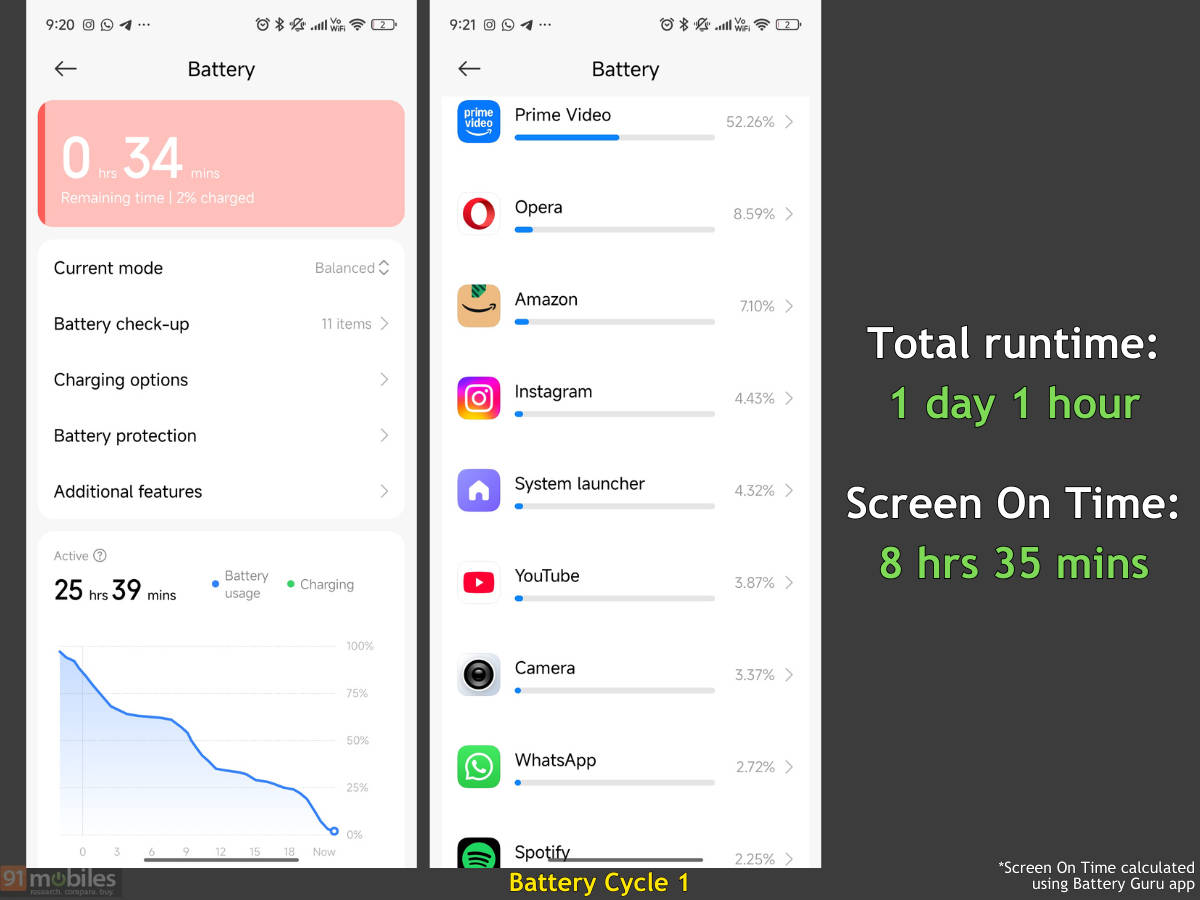
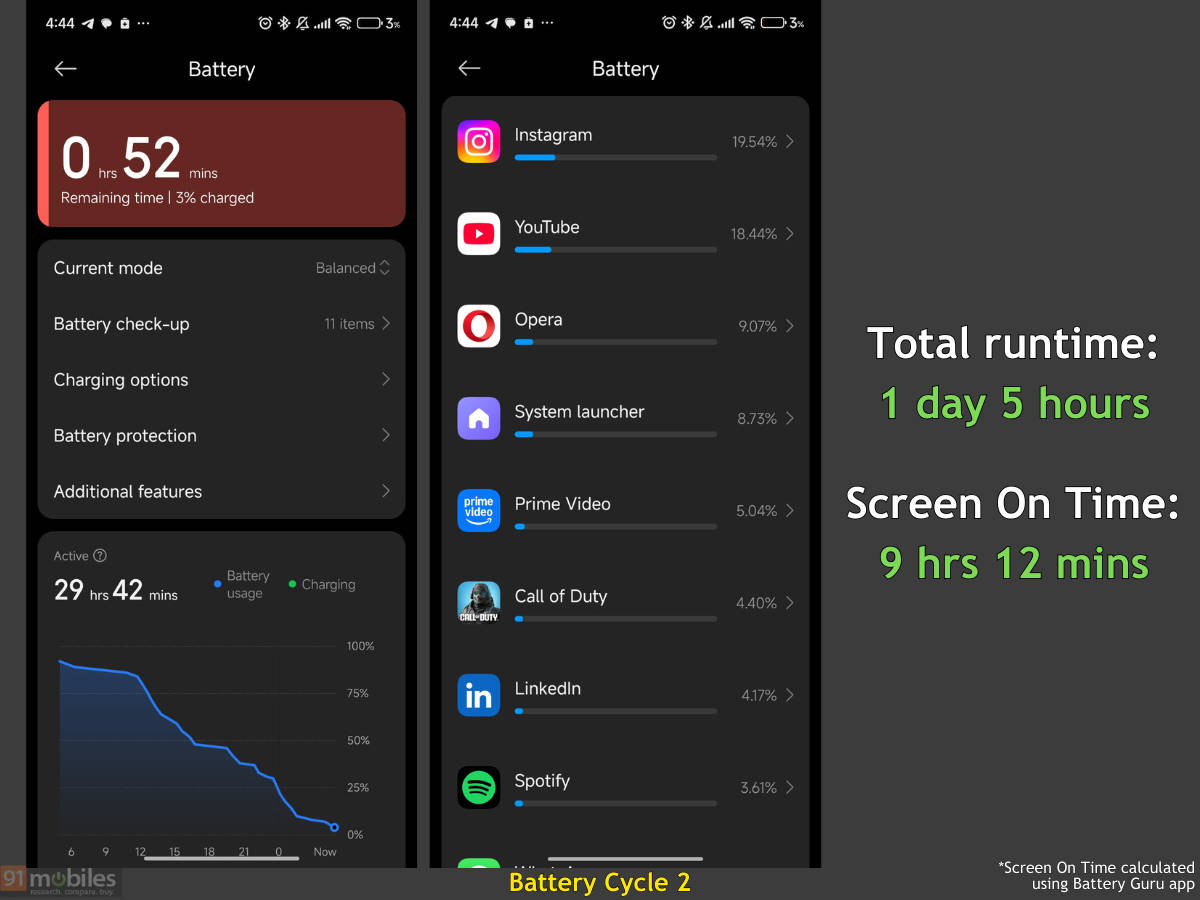
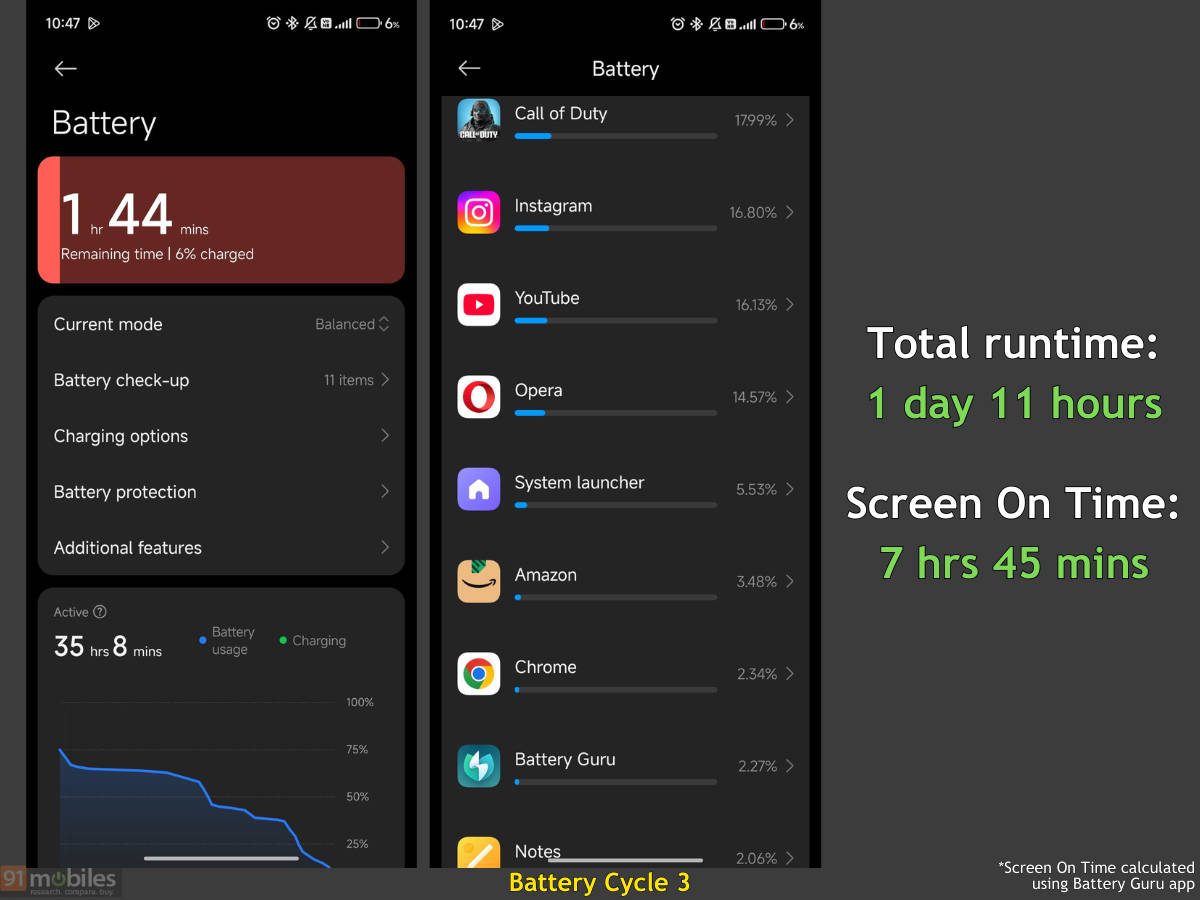
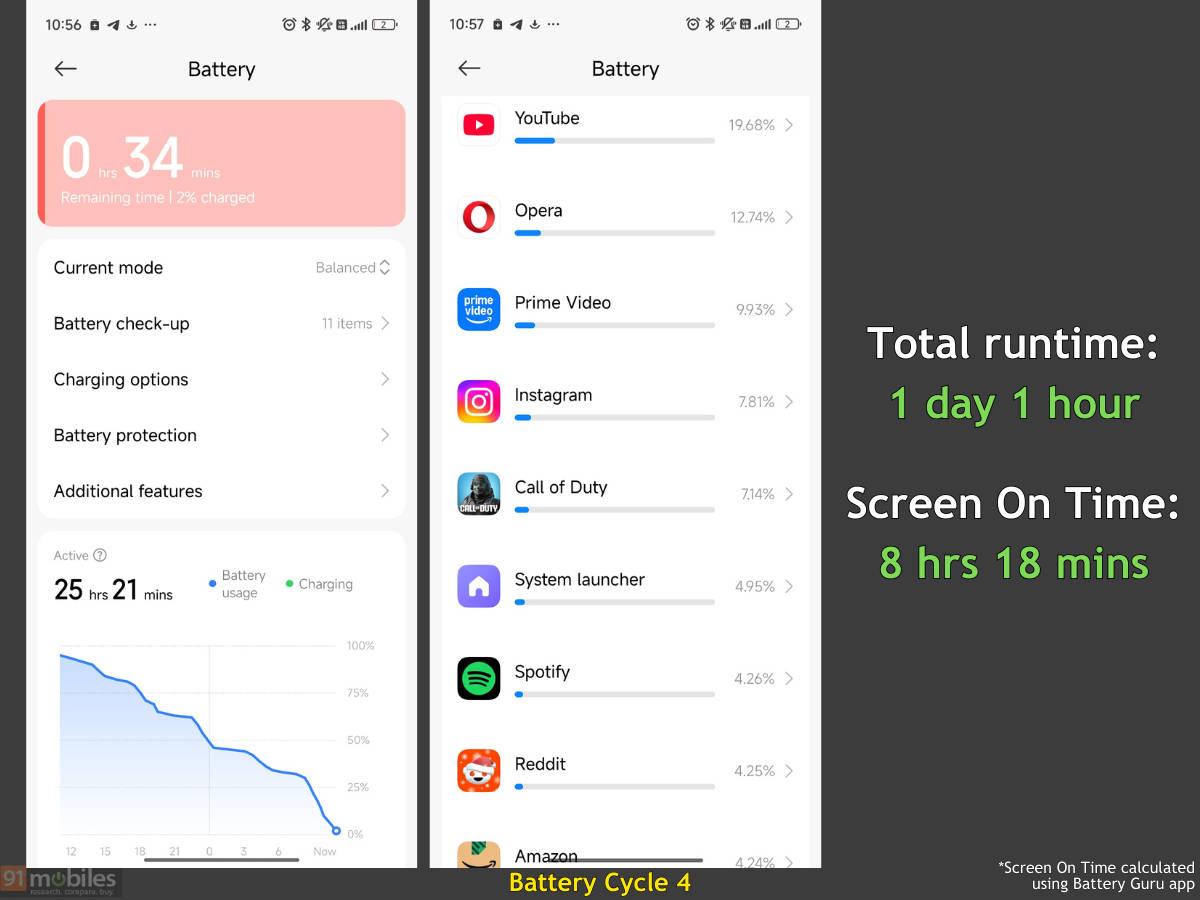
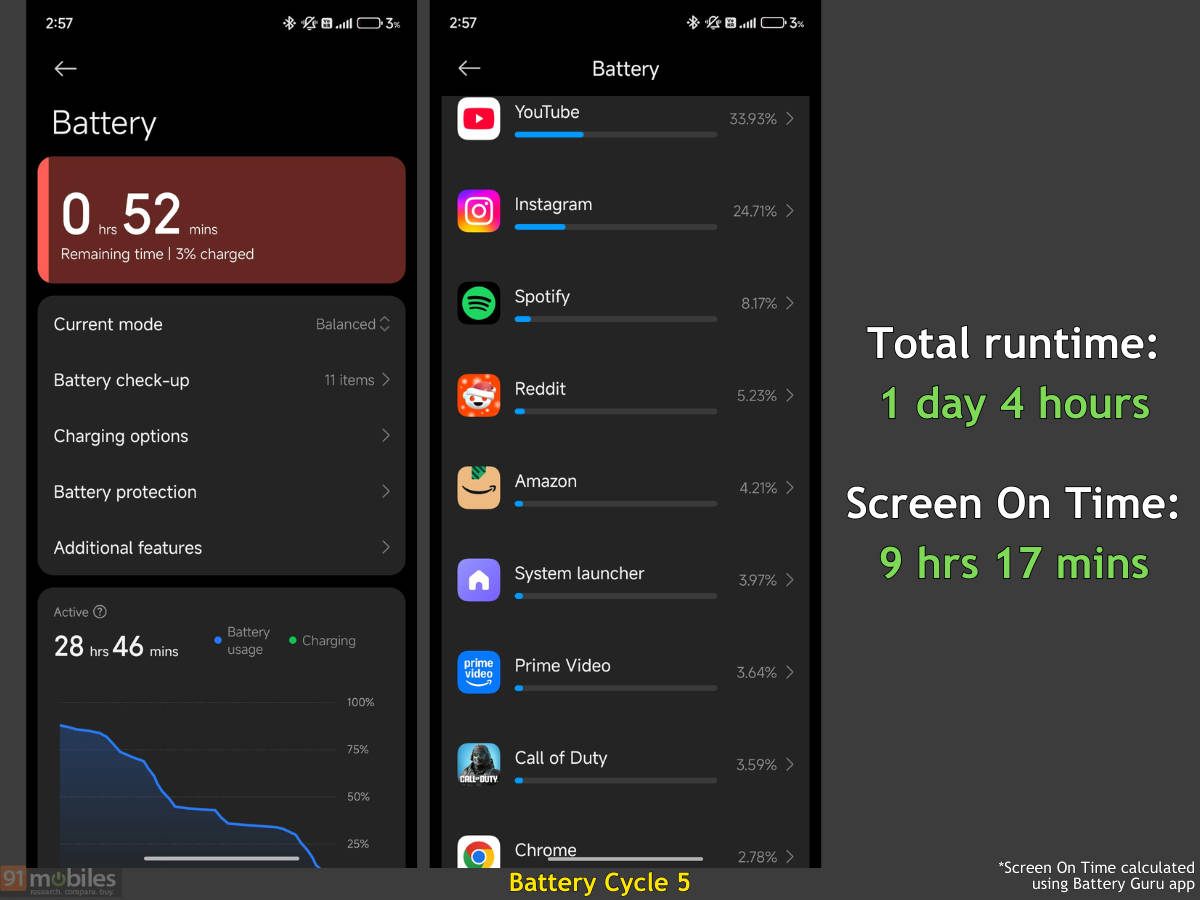
After daily driving the Redmi Note 15 for around two weeks, I felt that while the battery backup is suitable for casual to moderate use, it could’ve been better given the capacity. Don’t get me wrong, the phone managed to deliver over 26 hours of backup on most battery cycles, which is over a day’s worth. However, the Nothing Phone (3a) Lite, which I reviewed last month, delivered a similar or better backup under the same use case, despite its 5,000mAh cell.

For detailed insights into the Redmi Note 15’s battery endurance, refer to the images in the slider below, which show the total run time for each battery cycle, app usage, and screen-on time. During my usage, the phone was used with a mix of WiFi and 5G with location and Bluetooth enabled. As for charging, we managed to juice up the Redmi Note 15 from 20 to 100 percent in around 57 minutes using the bundled 45W charger in our lab tests.
A long-supported and feature-rich software
The Redmi Note 15 flaunts Xiaomi’s feature-rich HyperOS 2 skin. Based on Android 15, although it’s not running on the latest version of Android available, it generally comes across as reliable software. For day-to-day operations, the UI has smooth animations and transitions, while the customisation options aren’t the best out there unless you only rely on in-built themes. I found the software to lack colour accent theming and homescreen icon customisations. On a positive note, the lockscreen has several clock templates to choose from.
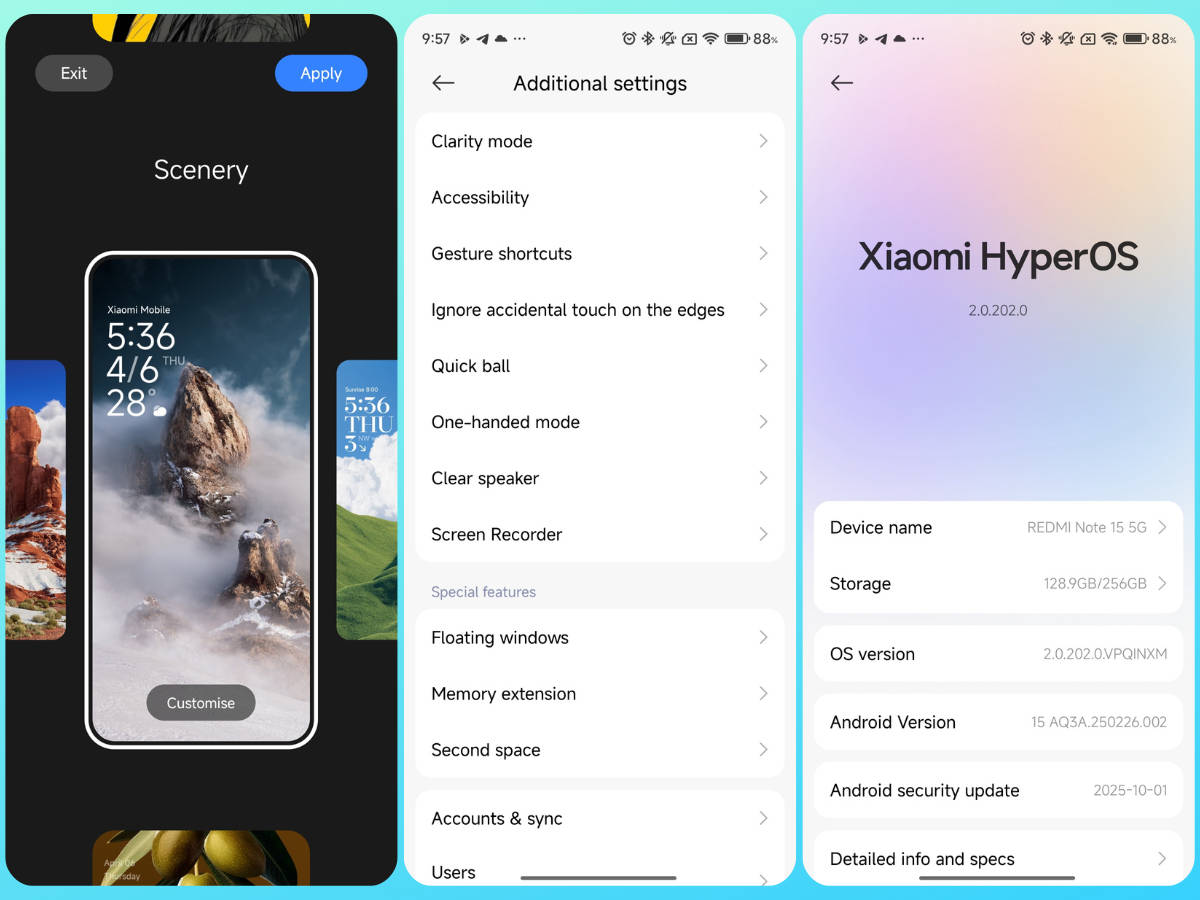
With many first and third-party apps pre-installed, you may want to individually uninstall the apps you don’t see yourself using and disable unwanted notifications for a clutter-free experience. Although the Redmi Note 15 does not run on Android 16 out of the box, the company has confirmed it will receive the update alongside HyperOS 3 in the coming months.
An area where the Note 15 brings significant improvement over its predecessors is in terms of software longevity. It’s set to receive four OS upgrades and six years of security updates, meaning the software will remain supported all the way up to Android 19.
| Smartphone | Software Support |
| Xiaomi Redmi Note 15 | 4 Years OS Updates + 6 Years Security Updates |
| Nothing Phone 3a Lite | 3 Years OS Updates + 6 Years Security Updates |
| vivo T4 | 2 Years OS Updates + 3 Years Security Updates |
| Motorola Edge 60 Fusion | 3 Years OS Updates + 4 Years Security Updates |
Some extras that add to the experience
- IR blaster: The Redmi Note 15 is equipped with an IR Blaster to conveniently control appliances like ACs and televisions using the Mi Remote app.
- Call quality: The audio quality on calls is sufficiently loud and crisp.
- Haptics: The haptic feedback is fairly standard, similar to what you’ll find on most smartphones under Rs 25,000.
- Call recording: The built-in Phone app features call recording that initiates recordings without any prior announcements, like Google Phone.
- Optical fingerprint scanner: The Redmi Note 15 sports a lower-positioned in-display fingerprint scanner that is swift to unlock the phone.
Final Verdict: Should you buy the Redmi Note 15?
Launched at a starting price of Rs 22,999, the Redmi Note 15 offers major upgrades across the board over its predecessor, to the point that it almost feels like the brand is going back to its roots by placing a strong emphasis on core aspects such as design, display, camera, and battery.
The curved AMOLED display, a major highlight of the Redmi Note 15, is one of the best I’ve experienced in the sub-Rs 25,000 segment recently. On the other hand, the 108MP primary camera is a promising addition for delivering crisp and vibrant tones, the software will be supported for years to come, and with a weight of 178g, it’s a pleasure to use the phone single-handedly.
However, in an attempt to perfect several core aspects, performance has taken a step back. While the Snapdragon 6 Gen 3 chipset at the helm of the Redmi Note 15 suffices for daily workloads, moderate-to-heavy gamers may be disappointed, as the performance isn’t as efficient as that of other smartphones in the segment. Similarly, the battery could gain some tweaks or refinements for better endurance.
If you’re looking for the best-in-class performance, you may need to lean towards other options like the Infinix GT 30 Pro or the OnePlus Nord CE 5 by shelling out around Rs 25,000, while the Redmi Note 15 is suitable for those who value a sleek and light build, workable primary camera, a punchy vibrant display, and best gaming or daily use performance is not their top priority.
Editor’s rating: 8/10
Reasons to buy
- A 3D curved AMOLED display that offers sufficient details and vibrant tones.
- A sleek, light, and durable build, making it one of the most ergonomic designs in the segment.
- A primary camera that can capture detailed and contrasty images in daylight.
- Long software support with a promise of four OS upgrades and six years of security updates.
Reasons not to buy
- Performance may not be class-leading, which hampers high graphical gaming performance and, at times, normal usage.
- Despite getting longer software support, the phone ships with Android 15 instead of Android 16.
 | vs |  |
| vs |  |