


Review Summary
Expert Rating
%20lite%20cdn.png?tr=q-70,tr:t-5)
If you thought Nothing was done in releasing smartphones this year after catering to the midrange and flagship price segments with the Phone (3a) series and Phone (3), you’re not alone. Launched at a starting price of Rs 20,999, the Phone (3a) Lite was unveiled in late November and sits below the Phone (3a), making it Nothing’s first-ever phone to carry the “Lite” moniker. To justify its name, the phone goes light on cameras, performance, battery, and even Glyph lights compared to the vanilla Phone (3a), while retaining the signature look and feel of Nothing phones.
But does it stand a chance compared to the competition and make a name for itself in a highly contested segment with its unique quirks, such as the software and build? Find out in this comprehensive review where I’ve shared my experience of using the Nothing Phone (3a) Lite for over 10 days.
Table of Contents
Quick verdict
The Nothing Phone (3a) Lite offers an impressive, bright AMOLED display, strong haptics for typing, minimalist software with long support, and a dependable battery for casual users, all encapsulated in a design that is unlike any other smartphone in its segment. However, it falls short in camera details, speaker quality, and quick battery top-ups.
The classic and familiar Nothing design
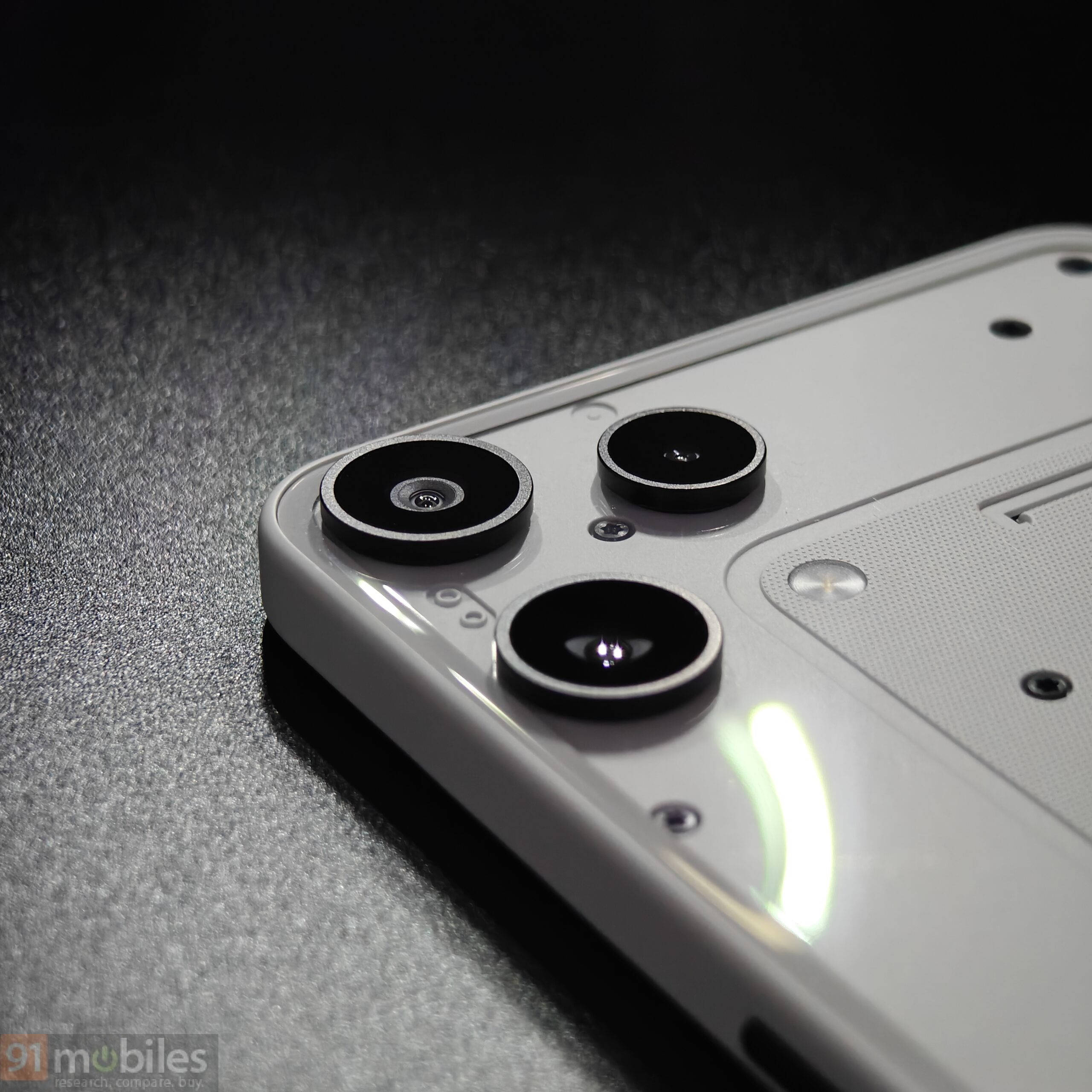
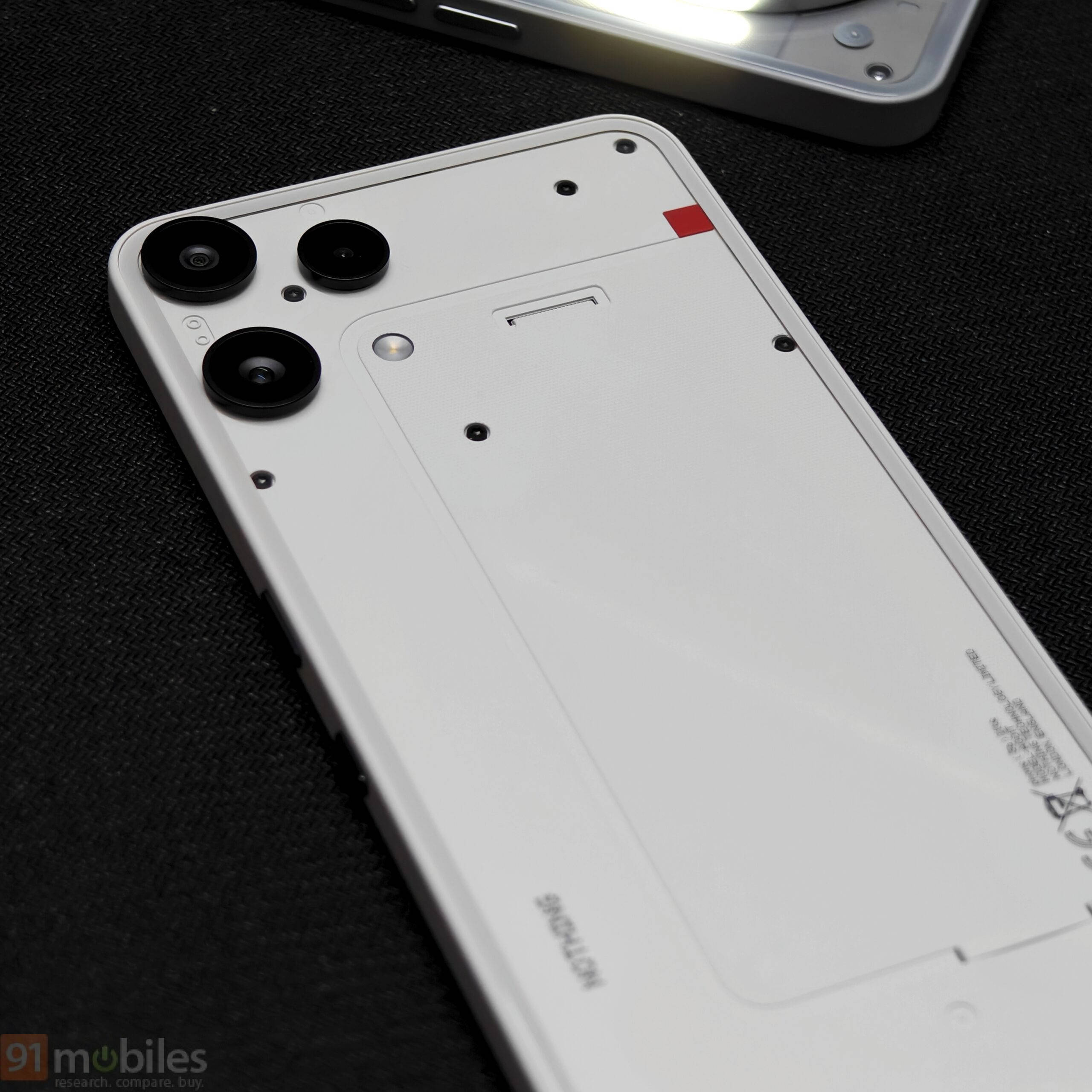
Kicking off the review with the design, I felt the rear look of the Nothing Phone (3a) Lite is more reminiscent of the Phone (3) instead of the Phone (3a). This is because all three camera lenses are positioned in the top-left corner rather than sitting inside a camera deco in the centre, like the Phone (3a). Furthermore, Nothing stripped away many key intricate design elements under the glass panel in pursuit of a “Lite” design approach. Previously released Nothing smartphones featured Glyph LEDs, boxes, circles, strips mimicking cables, and dual-tone elements on the rear panel.
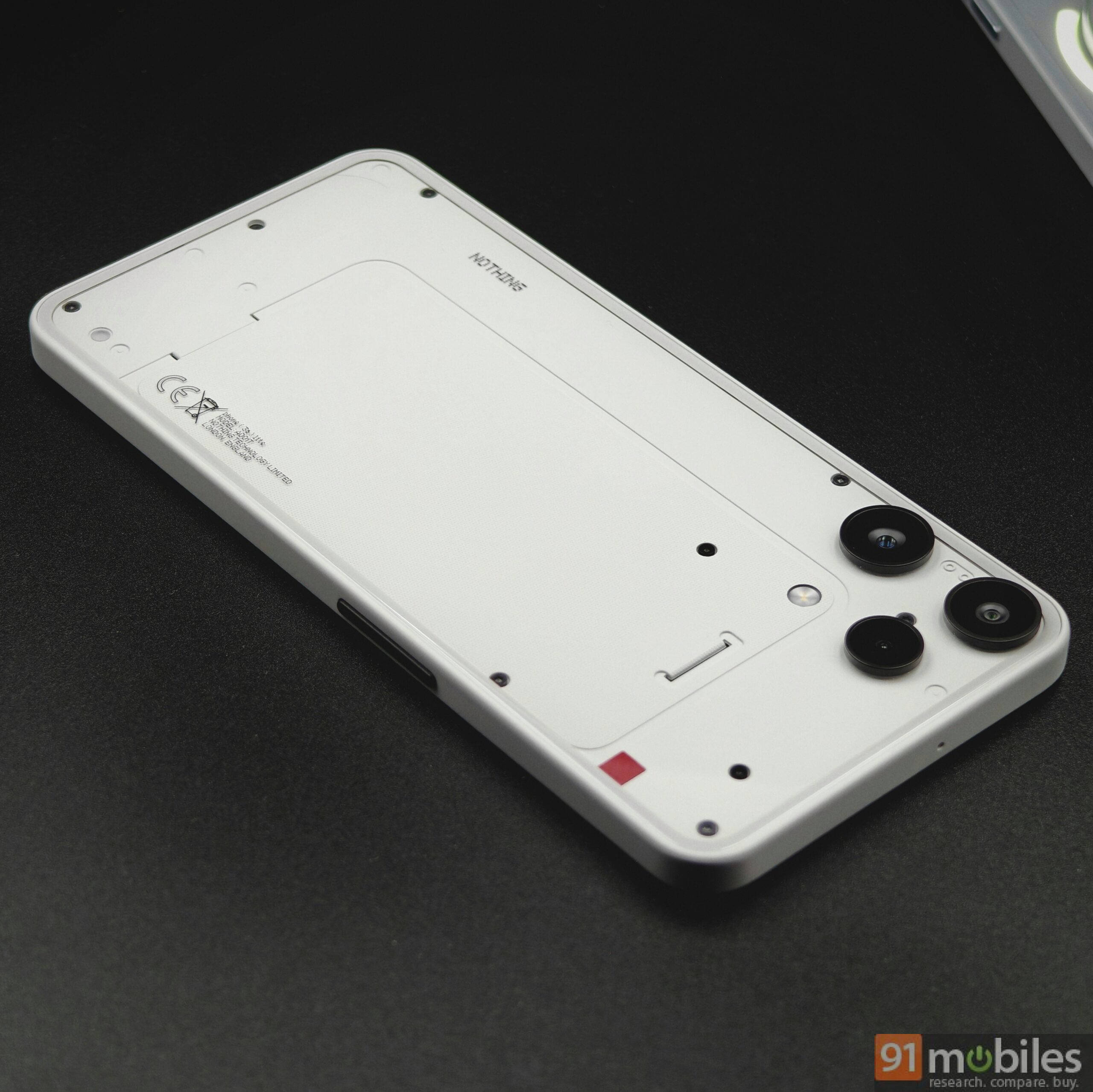
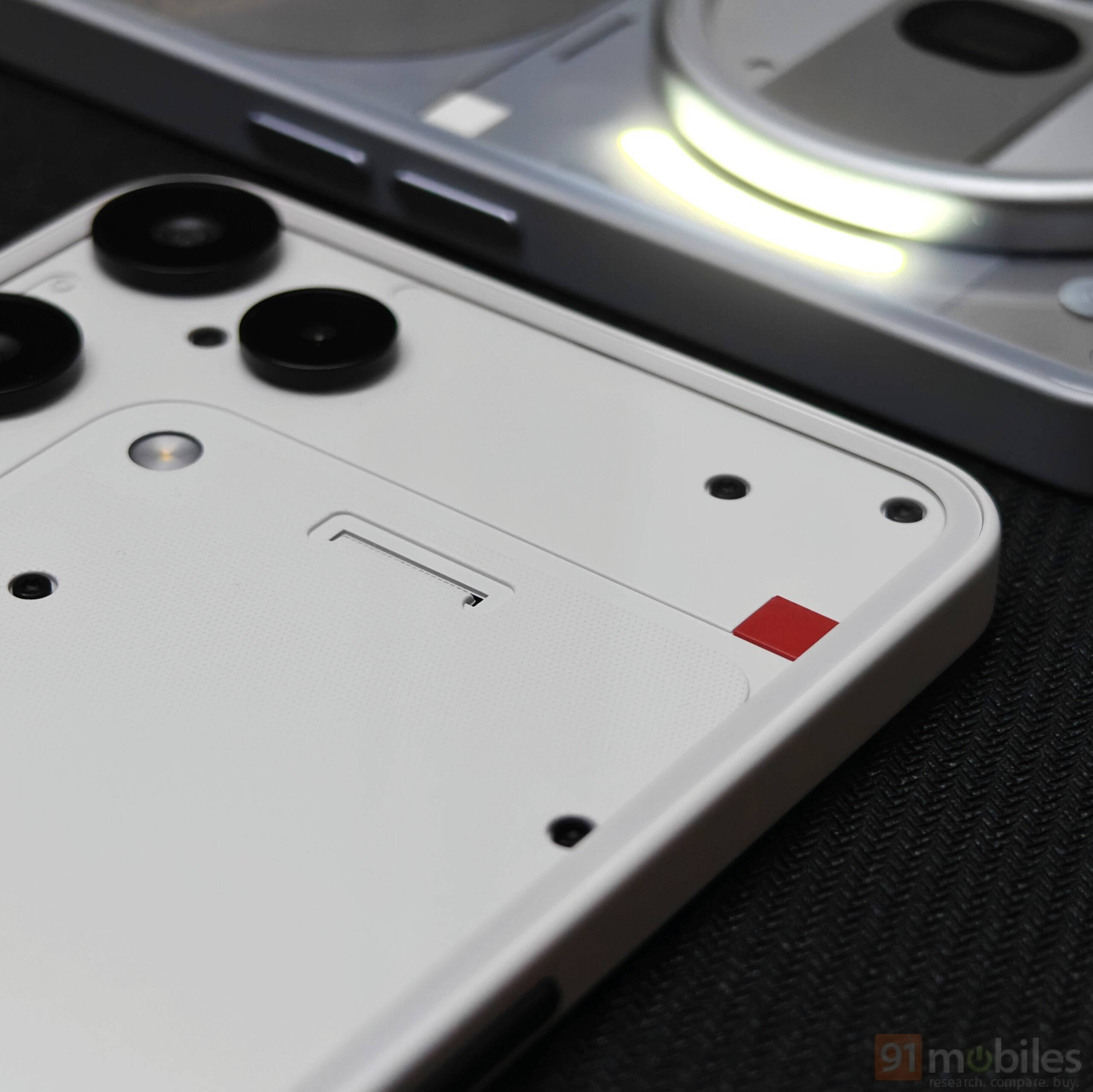
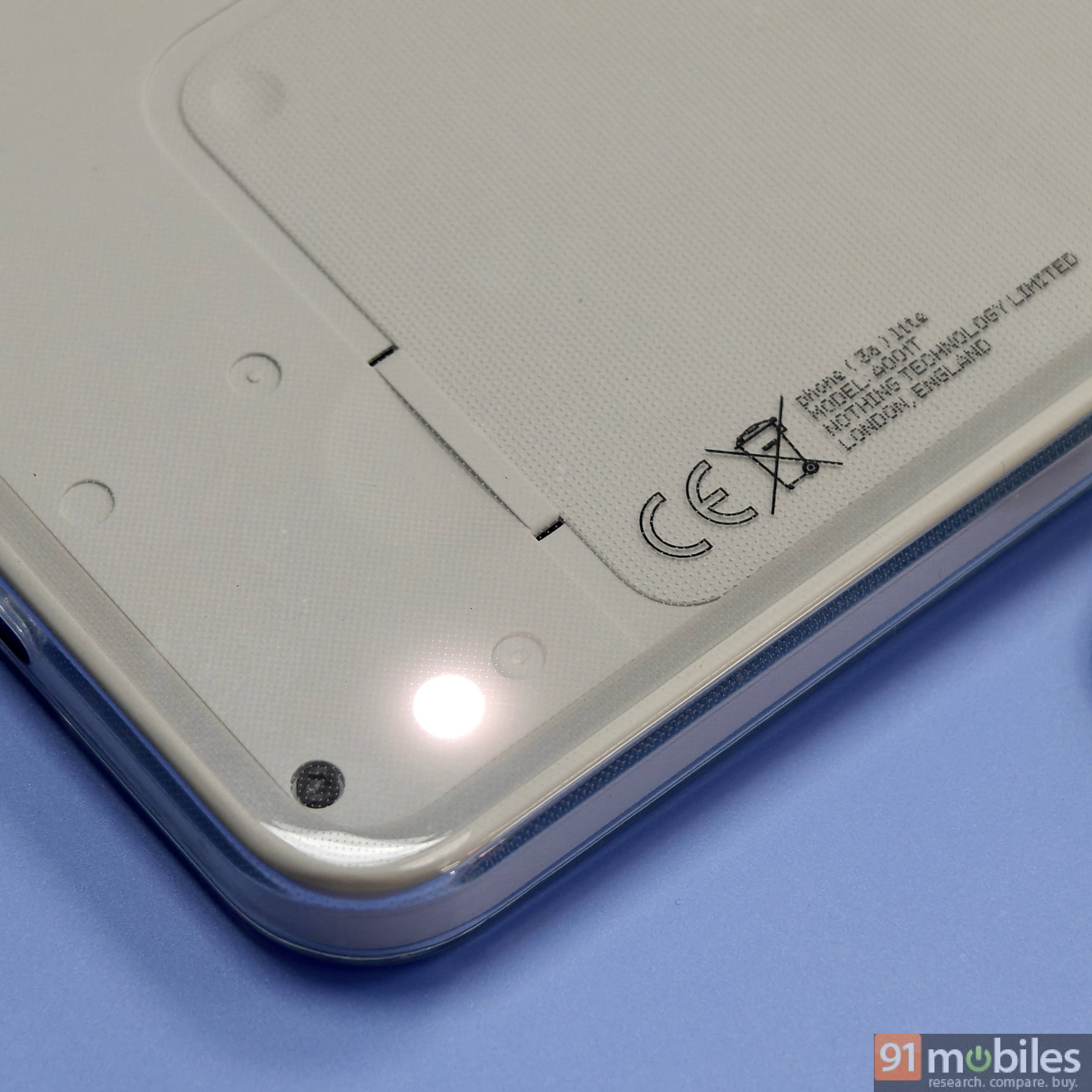
On the bright side, the Phone (3a) Lite retains the signature red square up top, the vertically positioned Nothing branding with model number, and several exposed screws for a mechanical look. At the same time, a large rectangular block has been added that subtly represents a TV remote’s battery panel. Unlike the (3a) series, which had several strips of Glyph LED lights around the camera module, the Phone (3a) Lite settles for a single Glyph Light positioned at the bottom. While we received the White-coloured Phone (3a) Lite for review, it’s also available in Black and India-exclusive Blue.
Coming to the in-hand experience, the Phone (3a) Lite can be comfortably held for long durations, as the phone not only sits at 199g, but the weight distribution is well-managed.
Since the back panel is made out of a “high-grade tempered glass”, it endures smudges over time when used without applying the bundled TPU case. Protected through an IP54 rating, I really liked how the volume, power, and Essential Key buttons are black in colour, giving it a monochrome look in contrast to the polycarbonate white frame.
Bright panel that maintains symmetry
The Nothing Phone (3a) Lite stands out in its segment with perfectly symmetrical display bezels, though they are noticeably thicker than those on competitors like the Realme 15T and Vivo T4. This is an AMOLED display that measures 6.77 inches, has a 1084 x 2392 (FHD) resolution, and supports an adaptive refresh rate of up to 120Hz. Unlike some phones around or under Rs 20,000 I’ve reviewed in the past, the “High” refresh rate setting offered true 120Hz in all apps. The 2160Hz PWM frequency ensures less strain on the eyes during prolonged phone usage, while the peak brightness can go up to 3,000 nits.
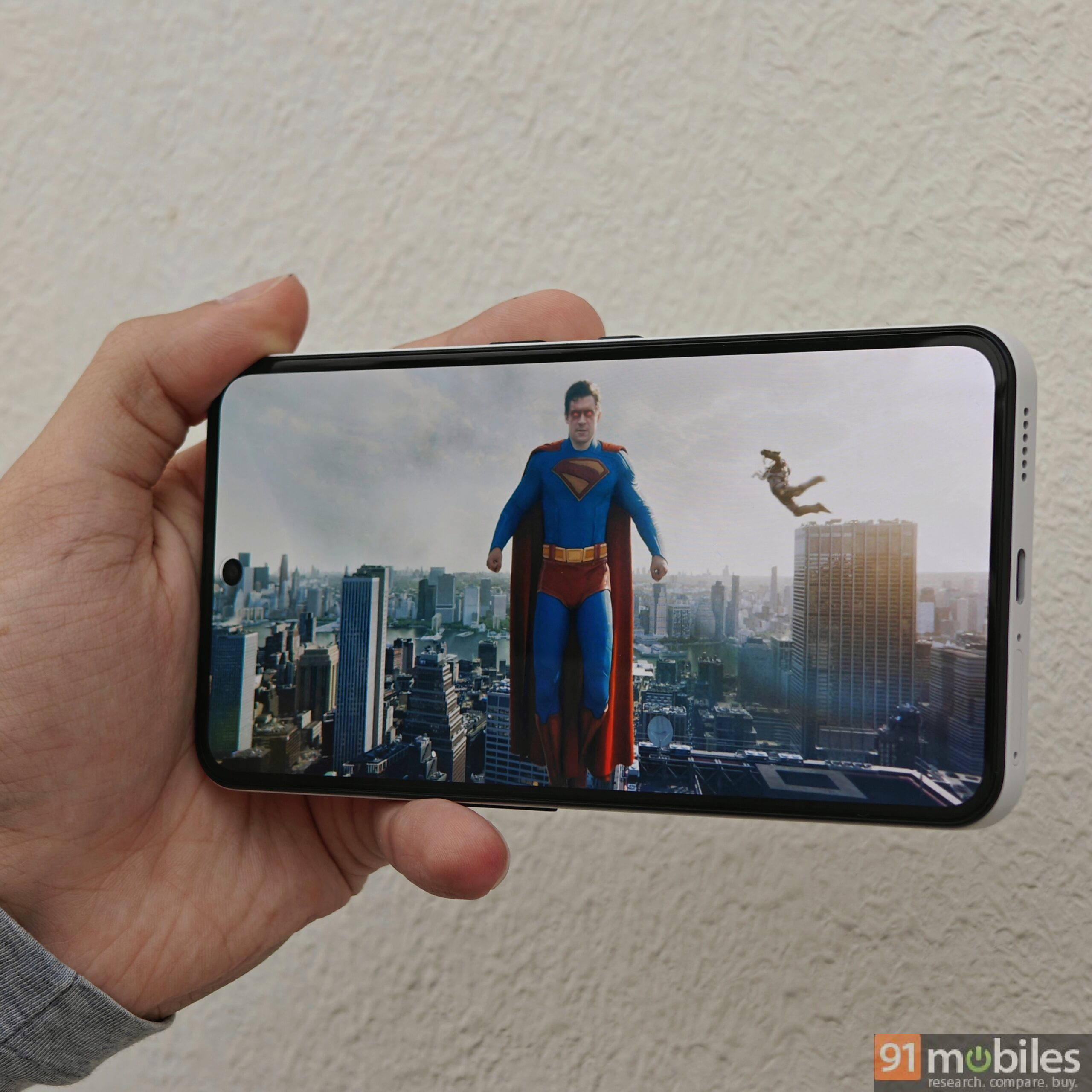
As for the brightness experience in real-world use, the 1,300 nits of outdoor brightness make the display legible enough to see the on-screen contents. In HDR-supported JioHotstar shows and movies, the screen can get plenty bright without distorting the colours or tones. In the “Vivid” colour setting, I found the display output vibrant and sufficiently colourful for my taste, while the 1080p resolution offered enough details.
While I thoroughly enjoyed the display experience, the single bottom-firing speaker left me disappointed. Compared to the stereo speaker solutions offered by Phone (3a) and lower-priced smartphones like the Realme P4 and Moto G86 Power, the Phone (3a) Lite delivers heavy, bloated sound, and the maximum volume is nothing to write home about.
Minimalistic and monochromatic software
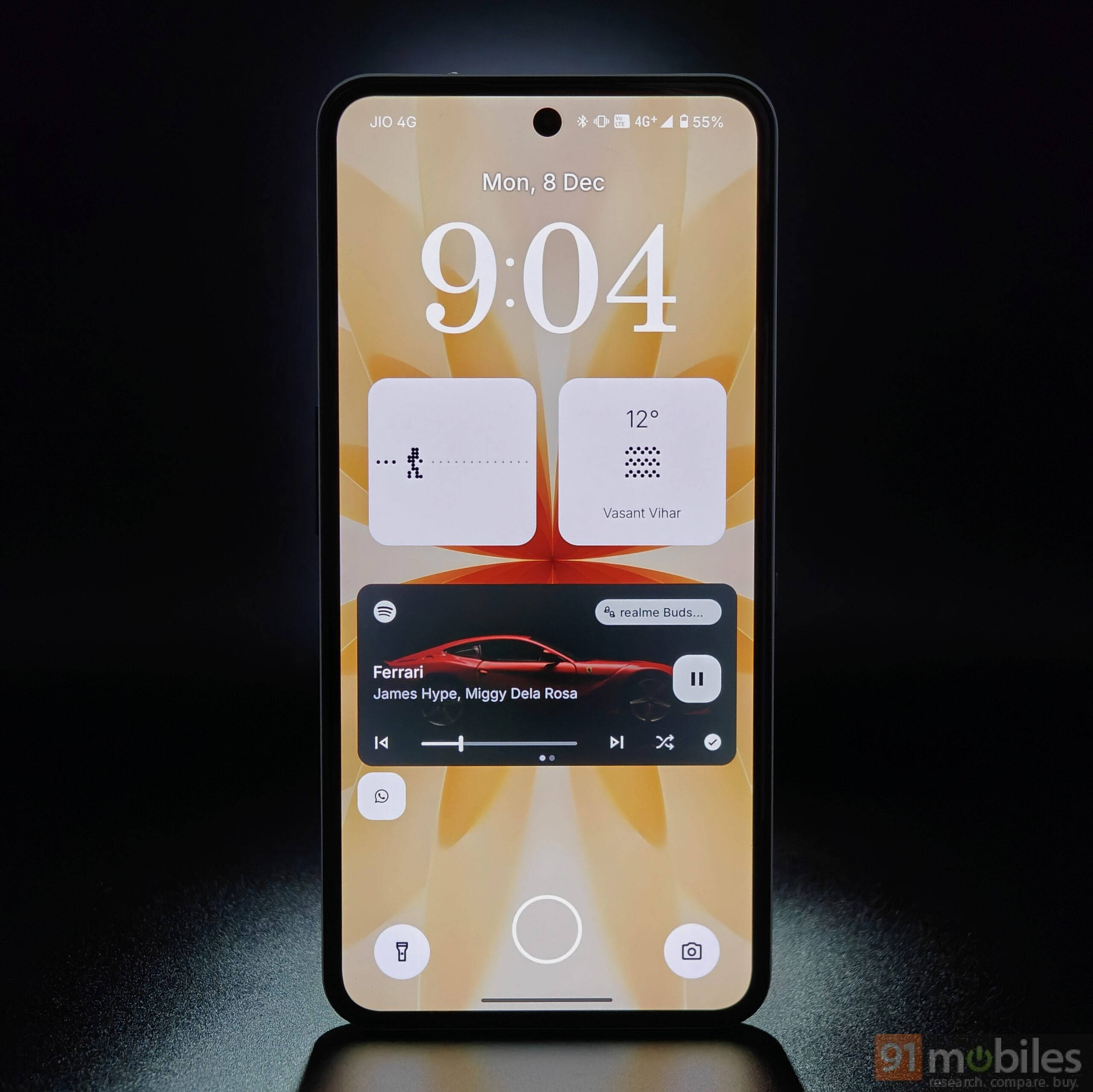
Apart from the design and appearance of the Phone (3a) Lite, the software is another major highlight of the device. Running on Android 15-based Nothing OS 3.5 out of the box, the software has a minimal approach when it comes to the design elements. Unlike other UIs, you won’t find hints of blur or fluid transition effects when opening or closing apps, pulling down the notification panel, scrolling through the Gallery, or in the app drawer. But that’s okay since I feel there are people who’d be happy with a distinct take on stock-like Android interface topped with Nothing’s offerings.
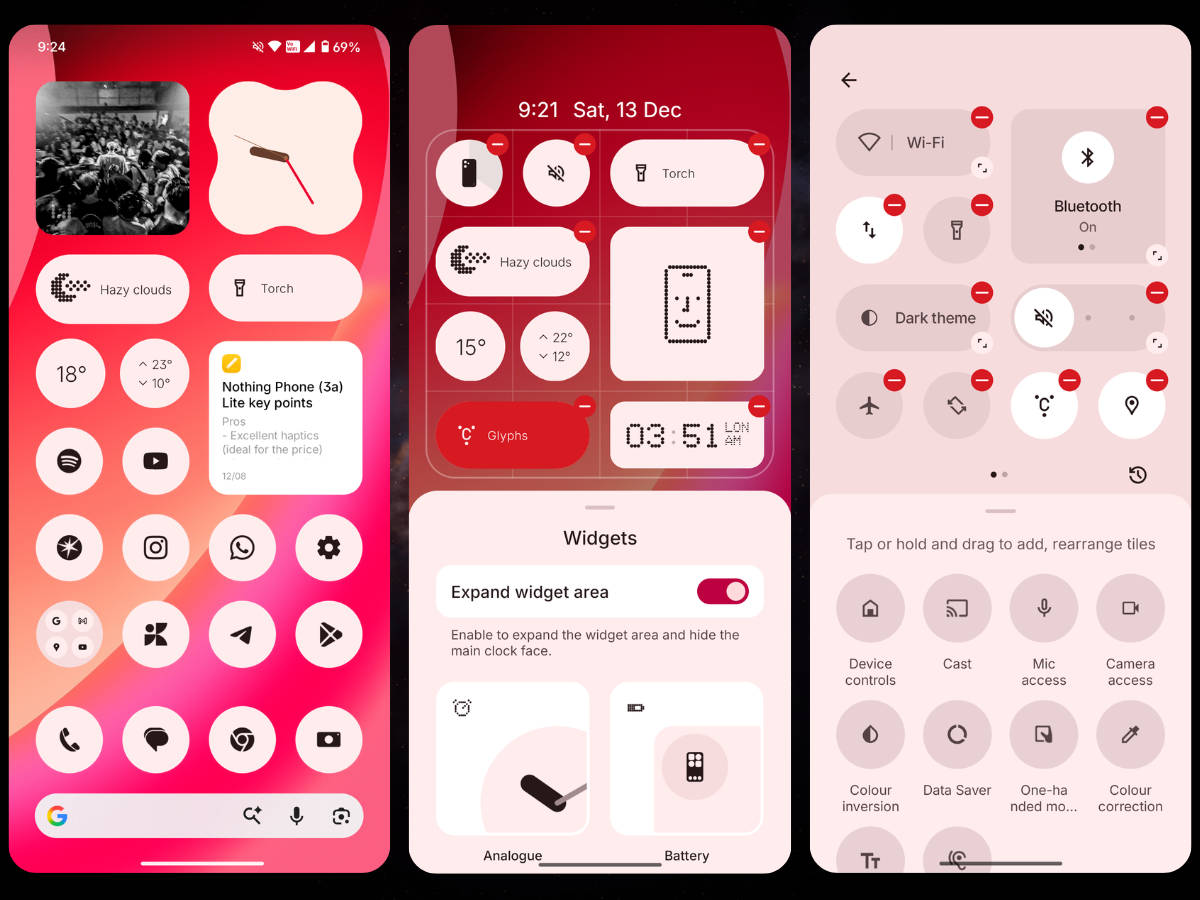
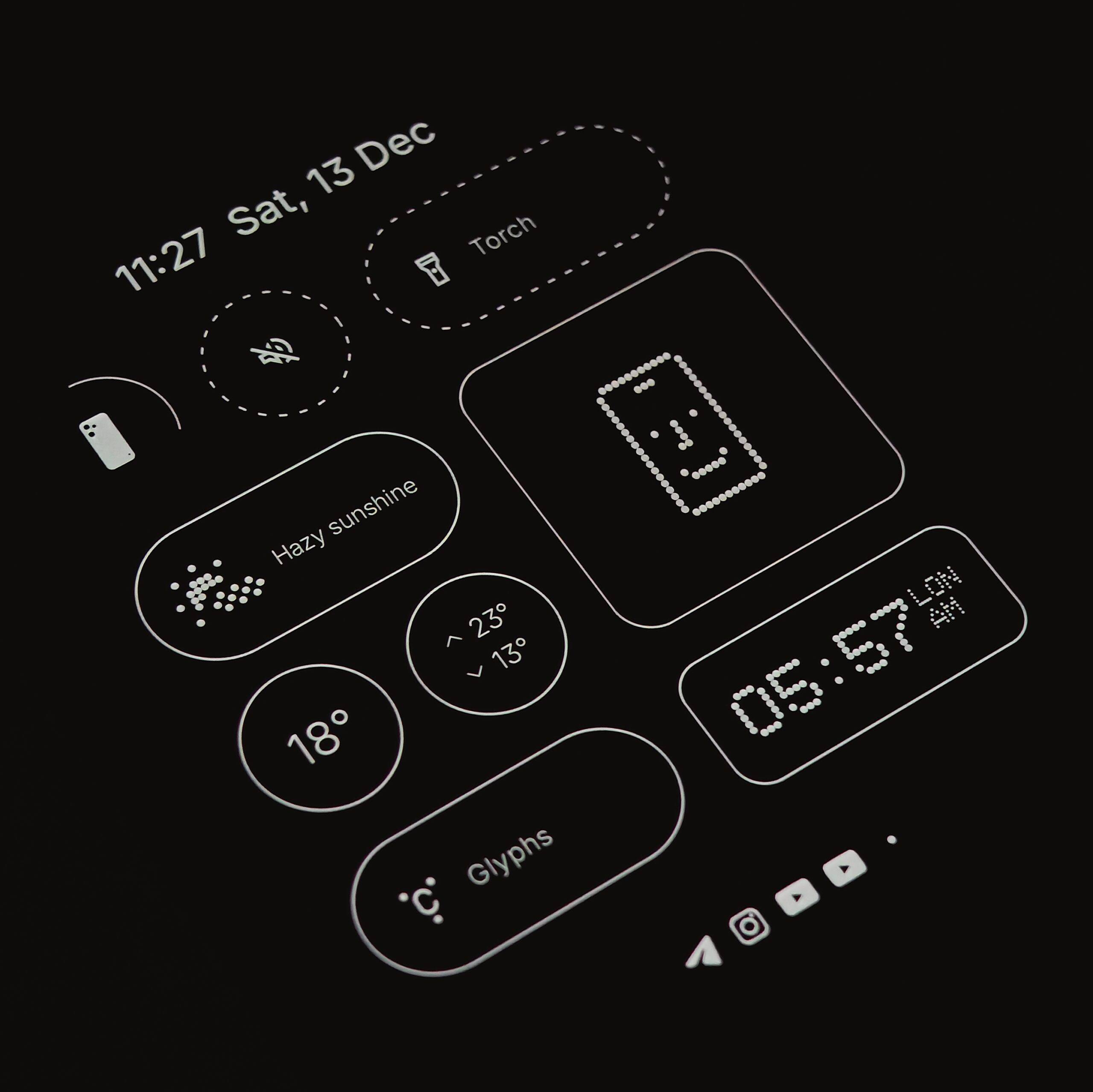
These offerings include widgets and quick settings tiles on the lockscreen, a slew of clock styles with Nothing’s signature design, monochrome and enlarged homescreen icons and folders, custom first-party apps like Gallery, Weather, and Sound Recorder, resizable toggles in the notification panel, double-press the power button to open any app or shortcut, and more. What I found out is that the software doesn’t integrate key AI features like AI image eraser or writing tools, which have become prevalent on almost all phones under Rs 25,000.
But what you do get as part of the AI suite is Essential Space, a content curator and summariser app, which can be triggered using the Essential Key on the side. Initially, it kept throwing an “Account authorisation error” message, but we eventually got it working after force-stopping the app multiple times. Then there’s Wallpaper Studio for generating custom AI wallpapers and deep ChatGPT integration through widgets and screenshots.
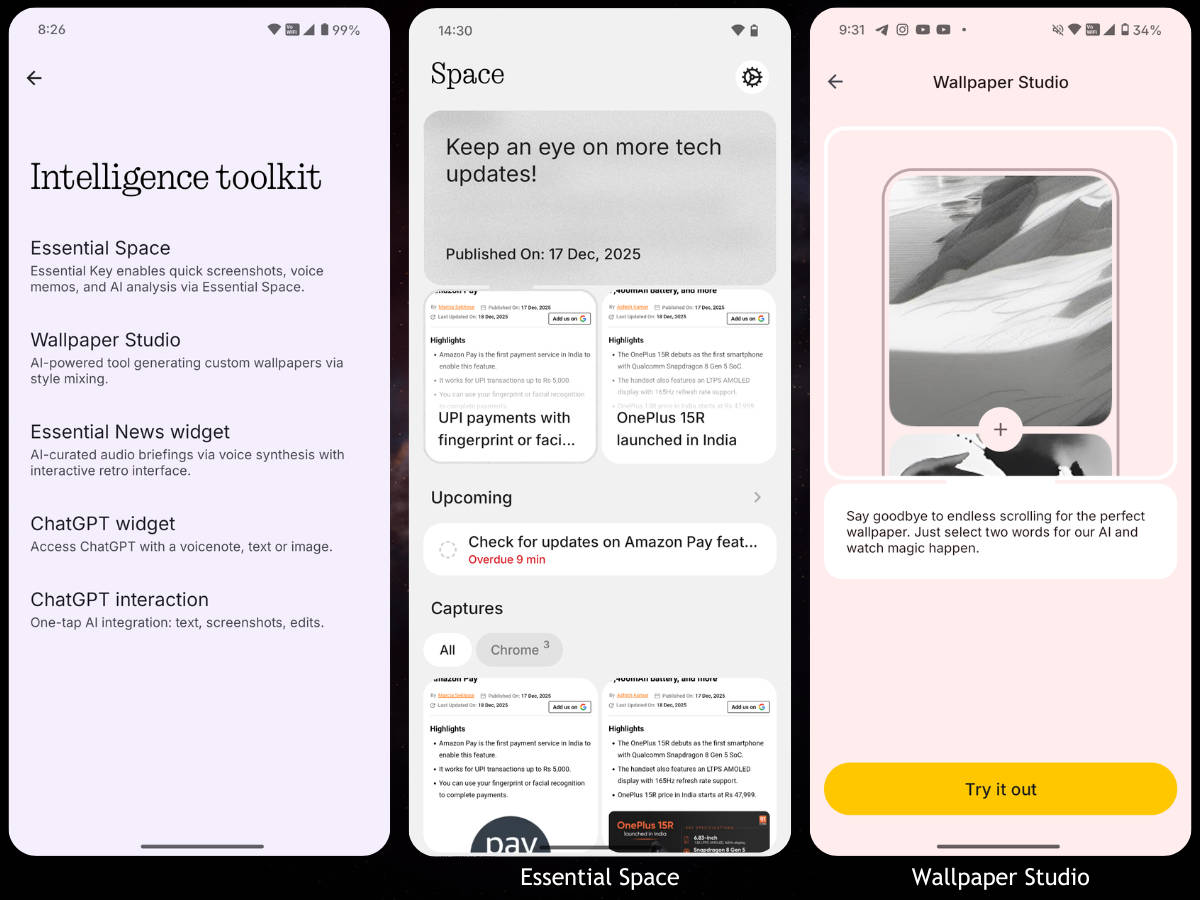
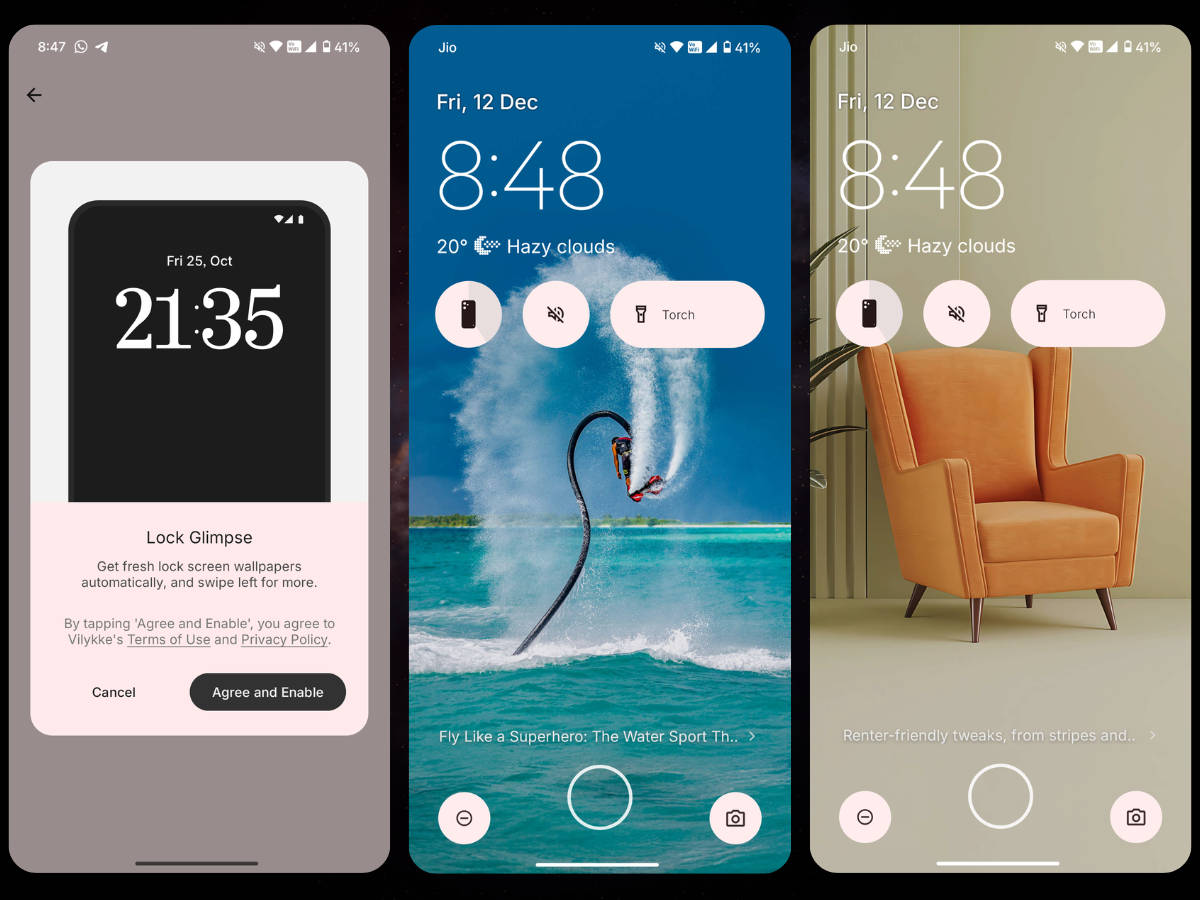
Since the Phone (3a) Lite doesn’t come with Nothing OS 4 at launch, it’s slated to receive the update in early 2026, as part of its three OS and six years of security updates policy. Personally, I found the monochrome essence of the UI really attractive, along with the black and red hints of accent colours spread across the software, especially in widgets.
Misses out on sharp camera details
Key camera specifications:
Main: 50MP 1/1.57-inch f/1.9
Ultrawide: 8MP 1/4-inch f/2.2
Macro: 2MP (4cm focus distance)
Front: 16MP 1/3-inch f/2.4
Video recording: Up to 4K 30FPS (back), 1080p 30FPS (front) with EIS
The OnePlus Nord CE 5, which has a smaller 50MP 1/2-inch main camera, consistently produced sharper images in daylight, lowlight, and portrait mode compared to the Phone (3a) Lite. The details see a further dip when clicking pics in 2x digital zoom. Furthermore, the Nothing phone tends to add a blue tint to the sky, which doesn’t look bad per se, but the dynamic range may appear off to some. The 8MP ultrawide offers a 119.5-degree field of view, much wider than the Nord CE 5’s 112 degrees, but don’t expect it to pack much sharpness, which is the case with most 8MP ultrawide sensors.
Coming to the 2MP macro lens, it adds a blueish tint and severely lacks in details due to the small sensor size. You’re better off clicking close-up shots using the main camera at 2x zoom. While you can get much closer to the subject with the macro lens, its fixed 24mm focal length doesn’t deliver the ideal aperture for true macro shots. In night shots, the main camera once again produces softer details and shows tones of flares when clicking subjects under a direct light source, such as street lights.


Take a look at some images shot on Nothing Phone (3a) Lite:

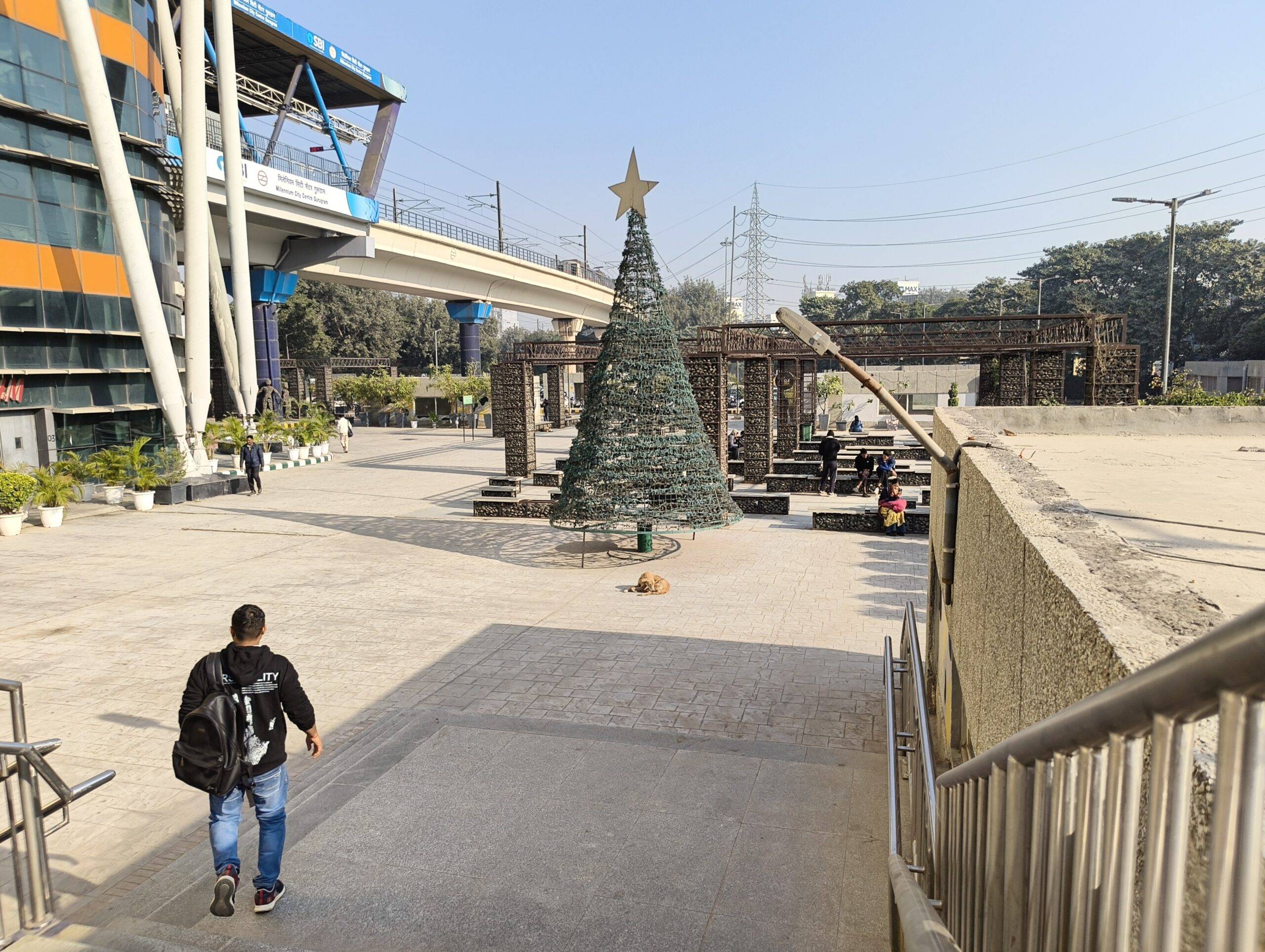

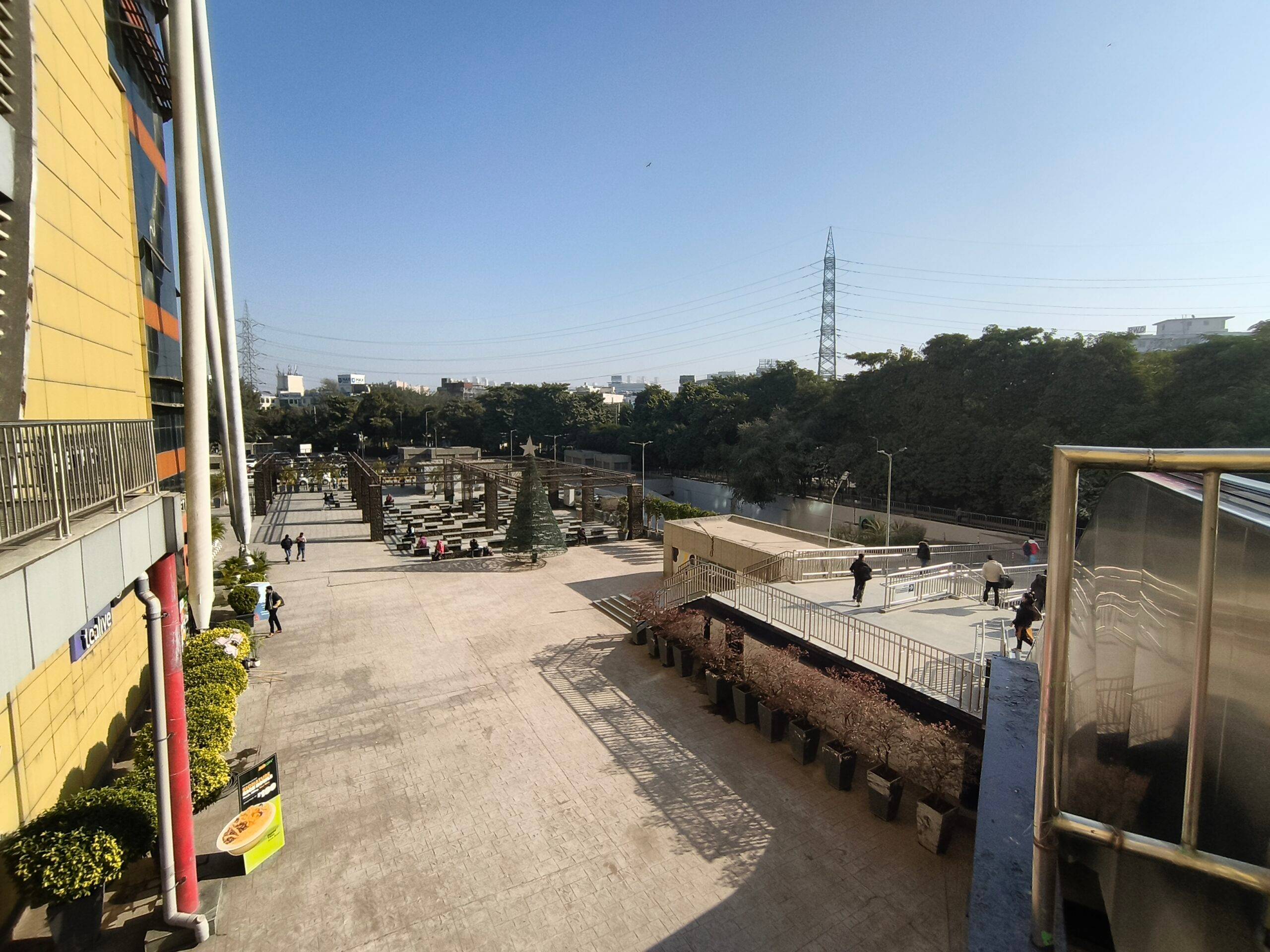
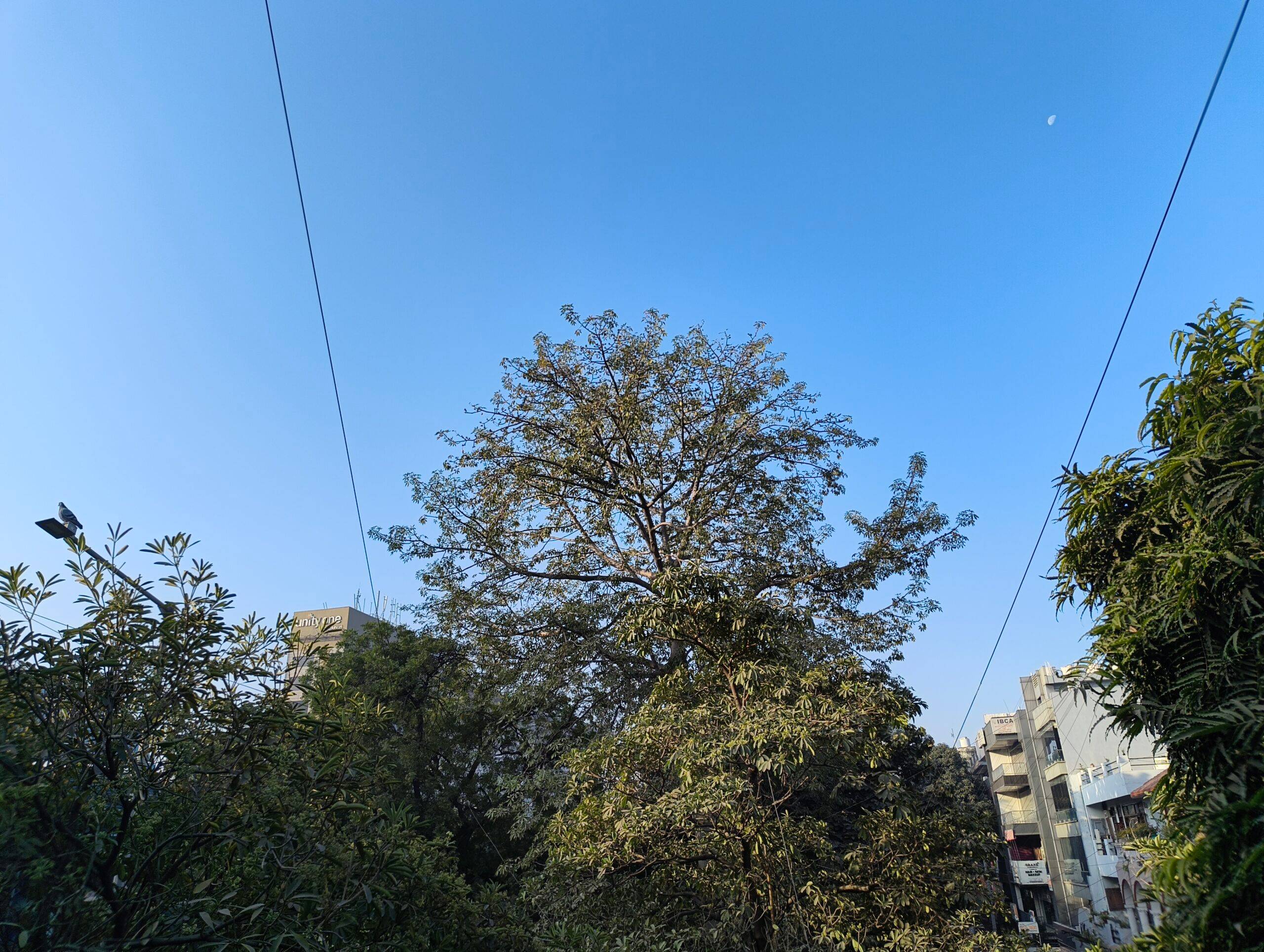
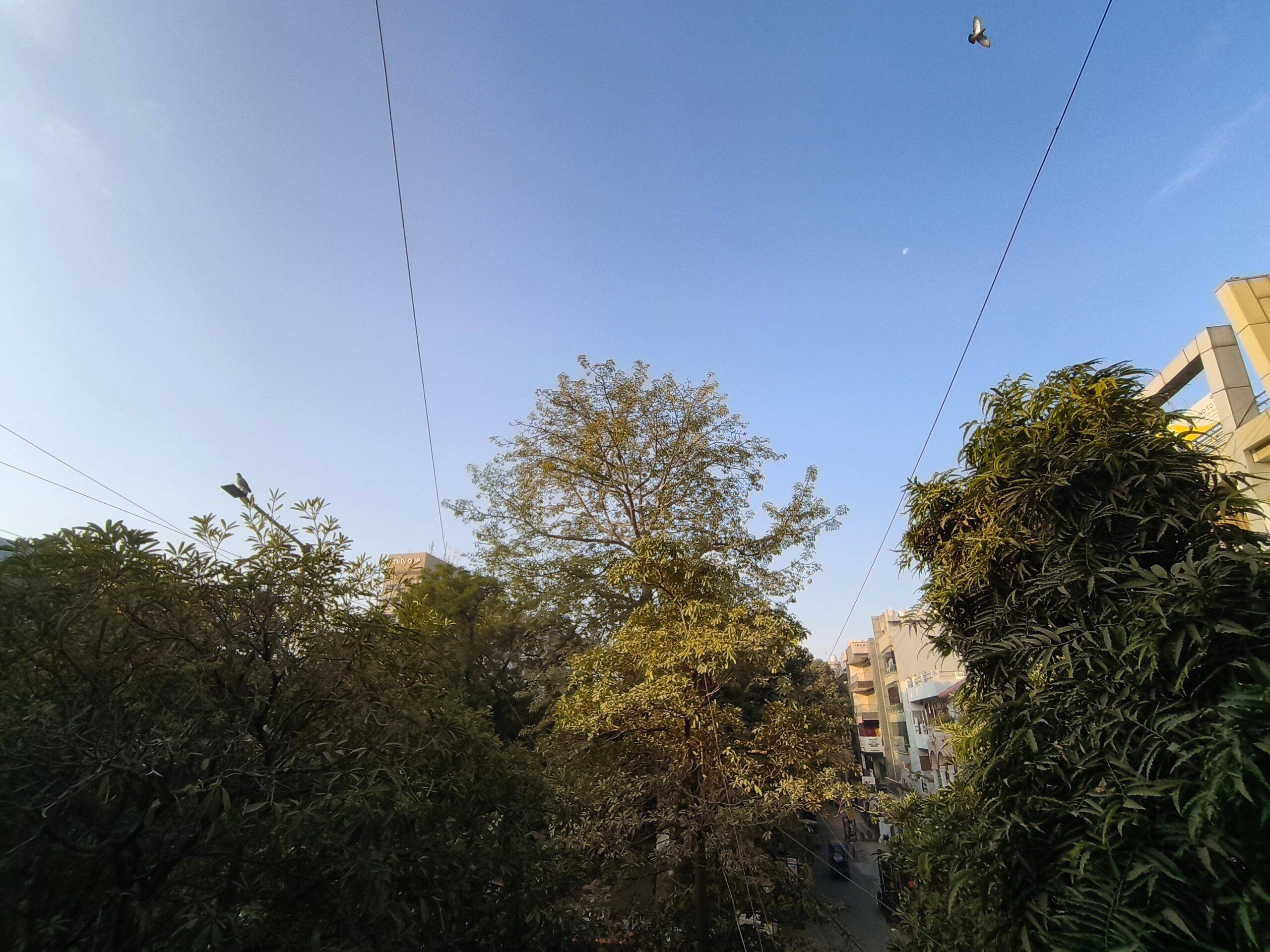



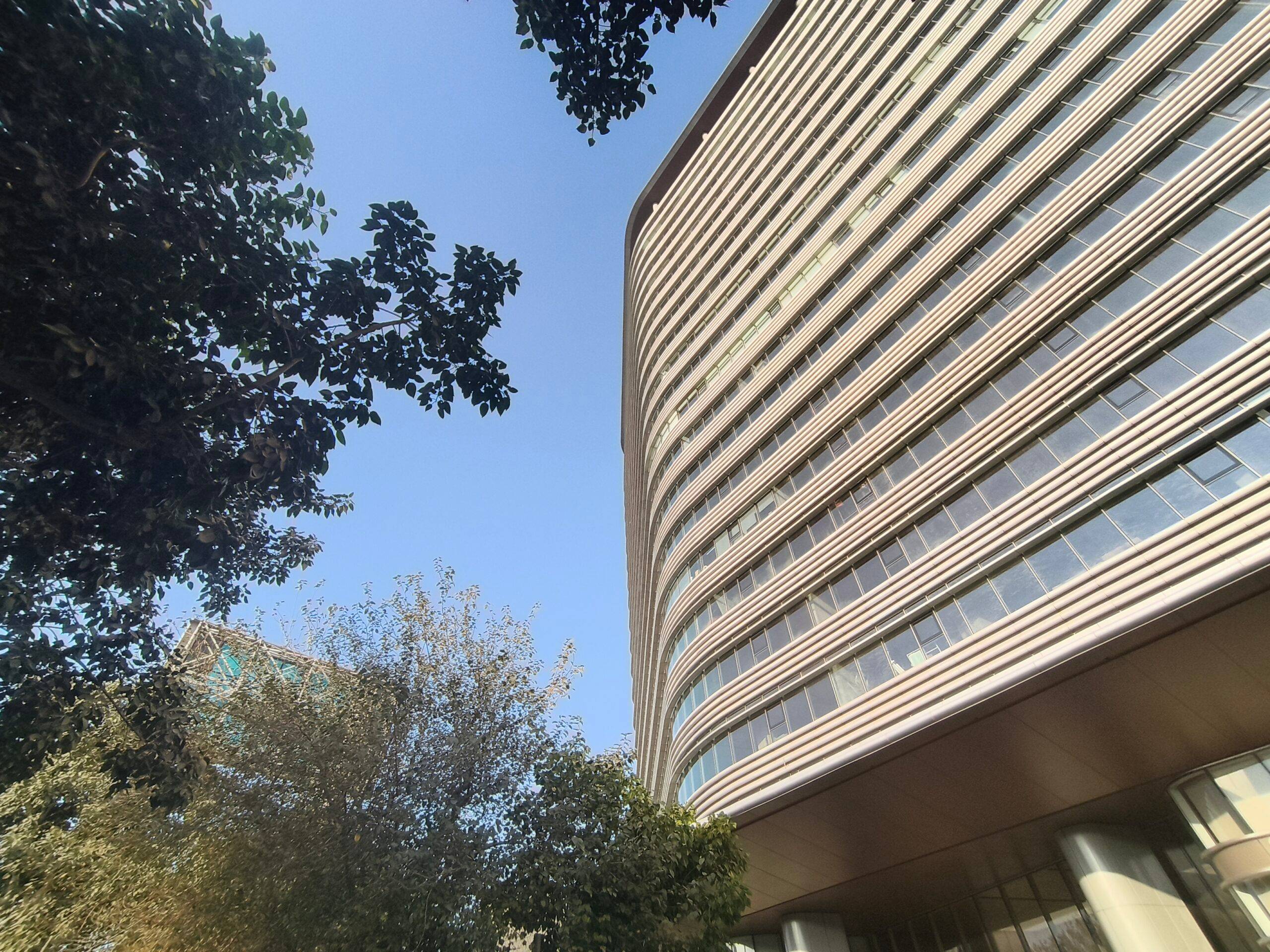

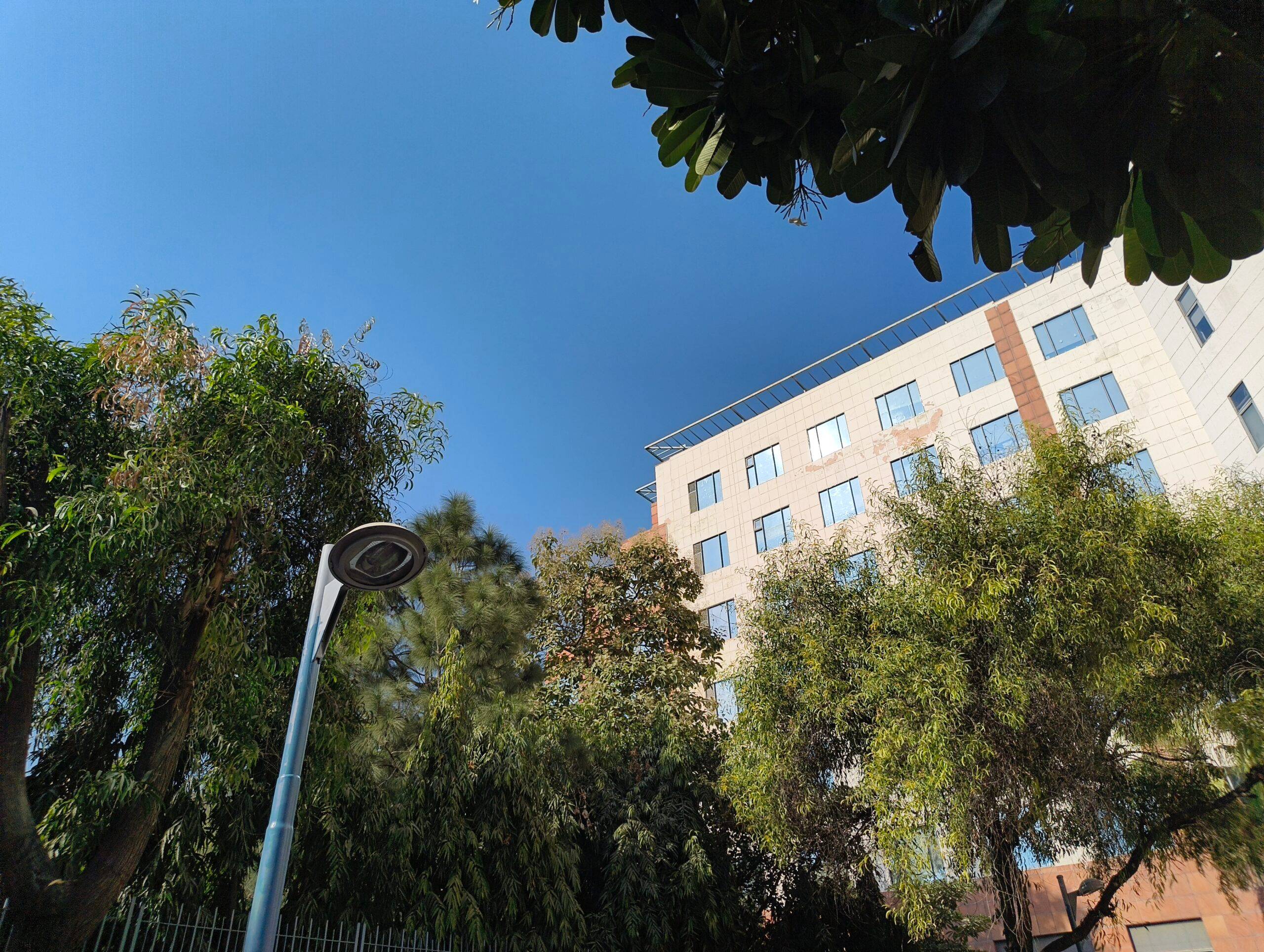
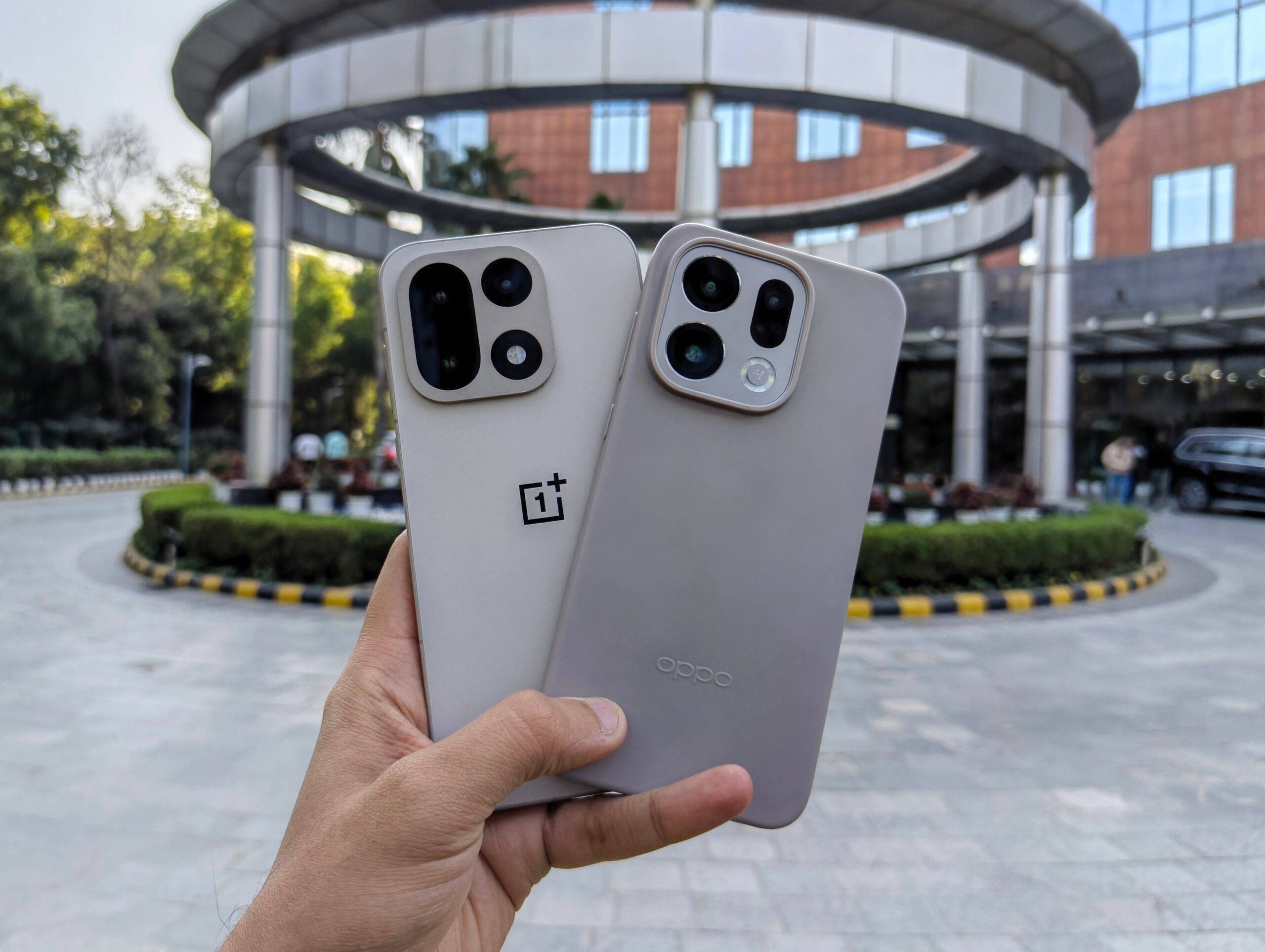
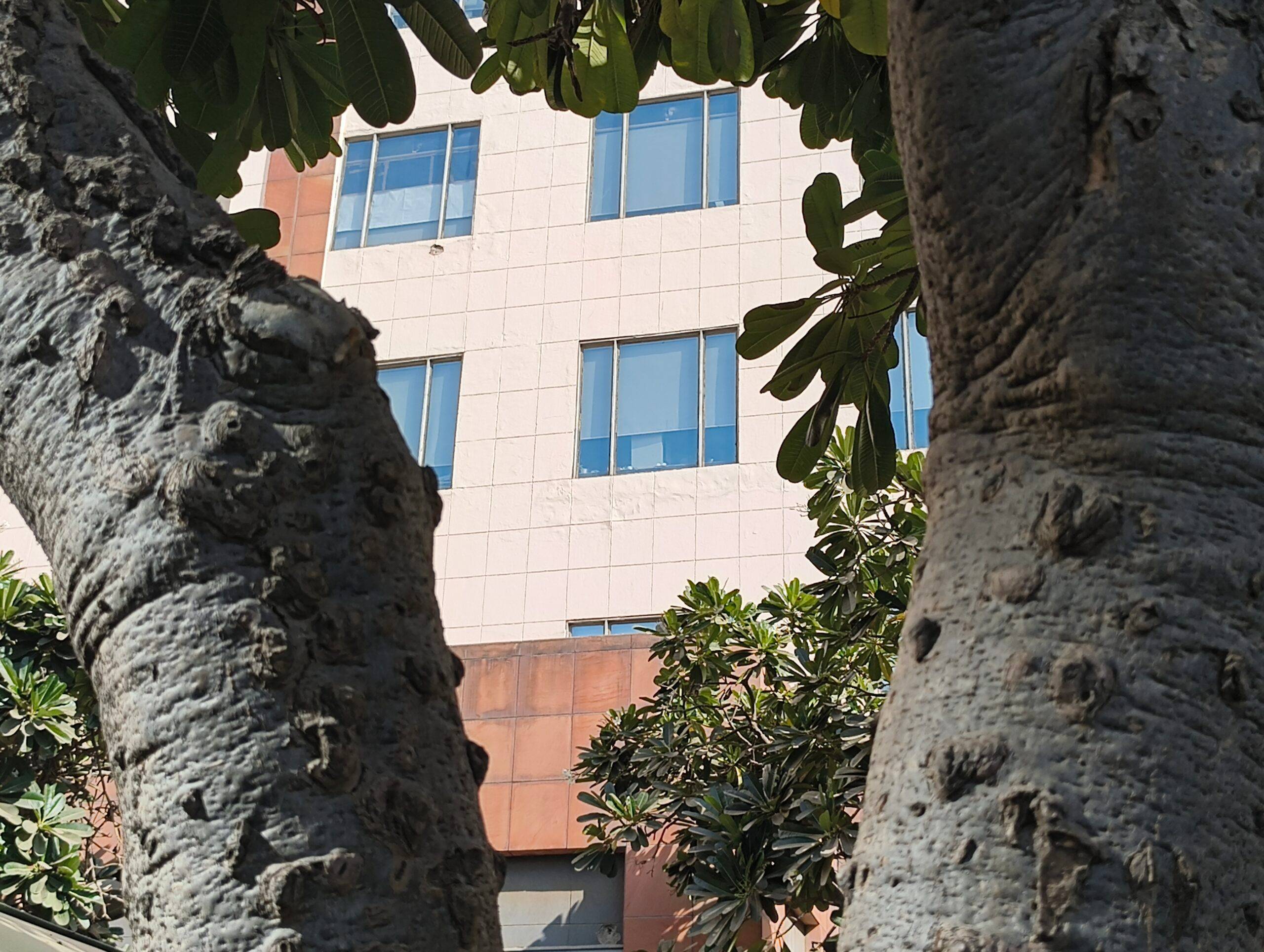
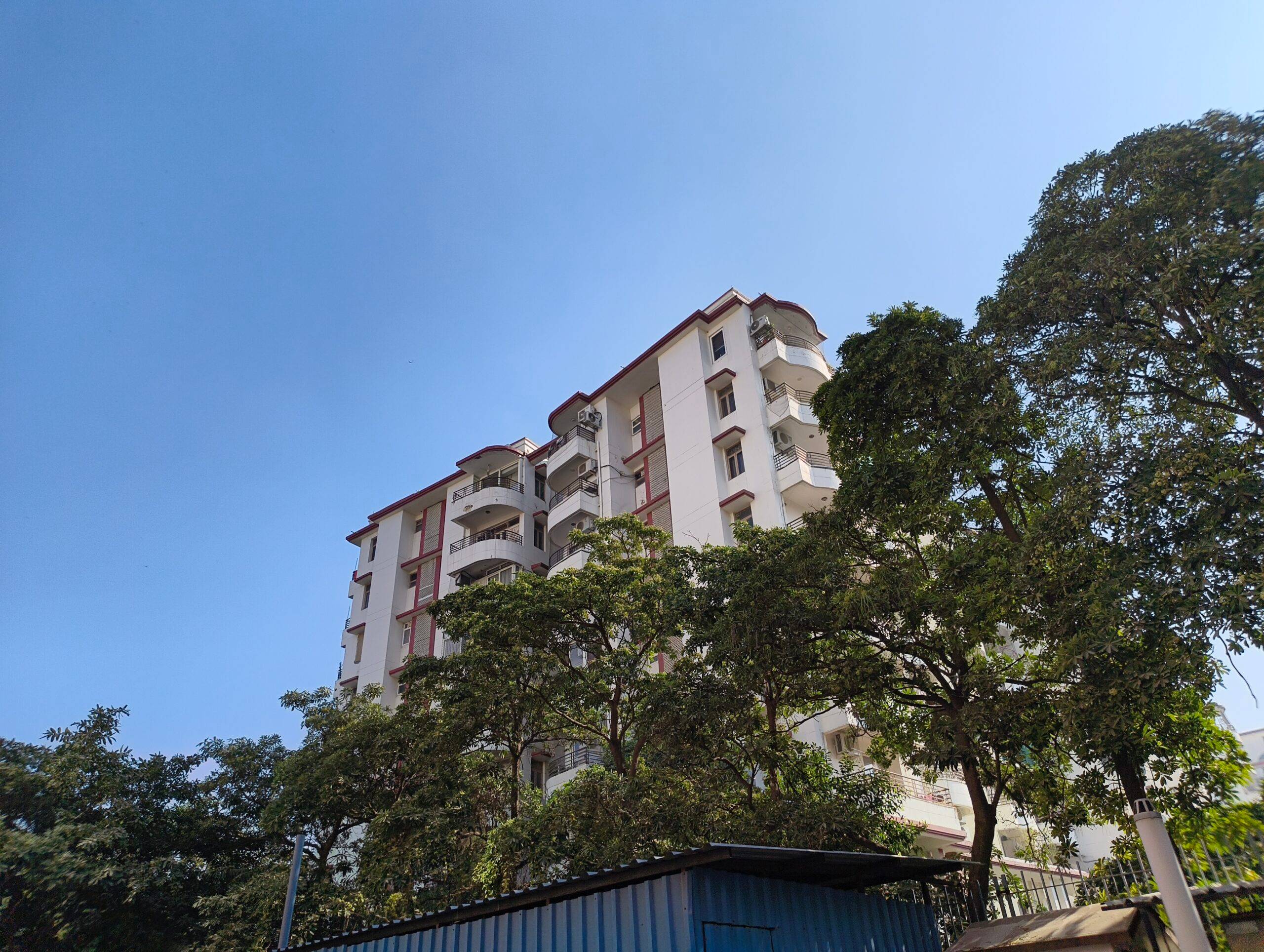

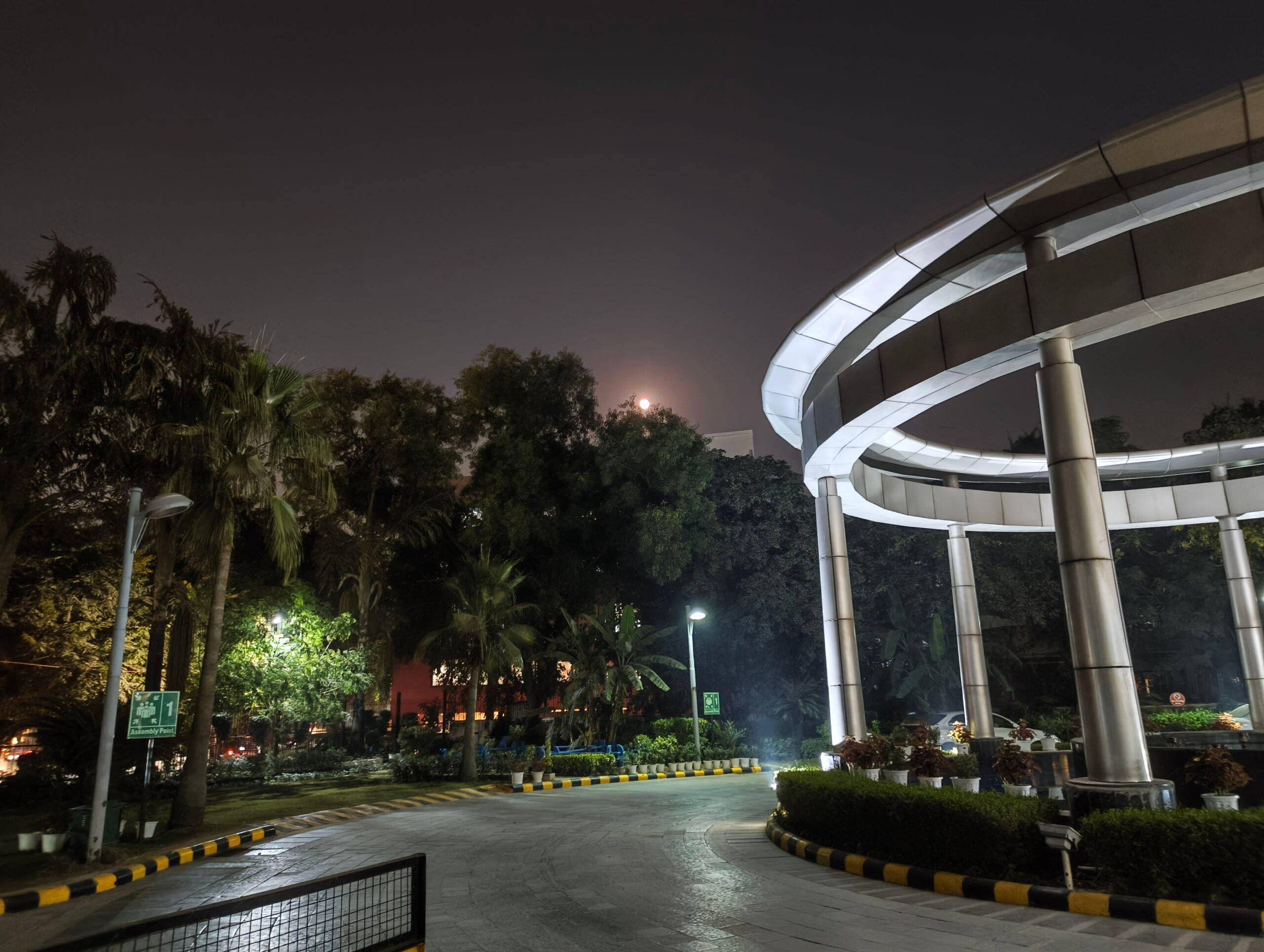
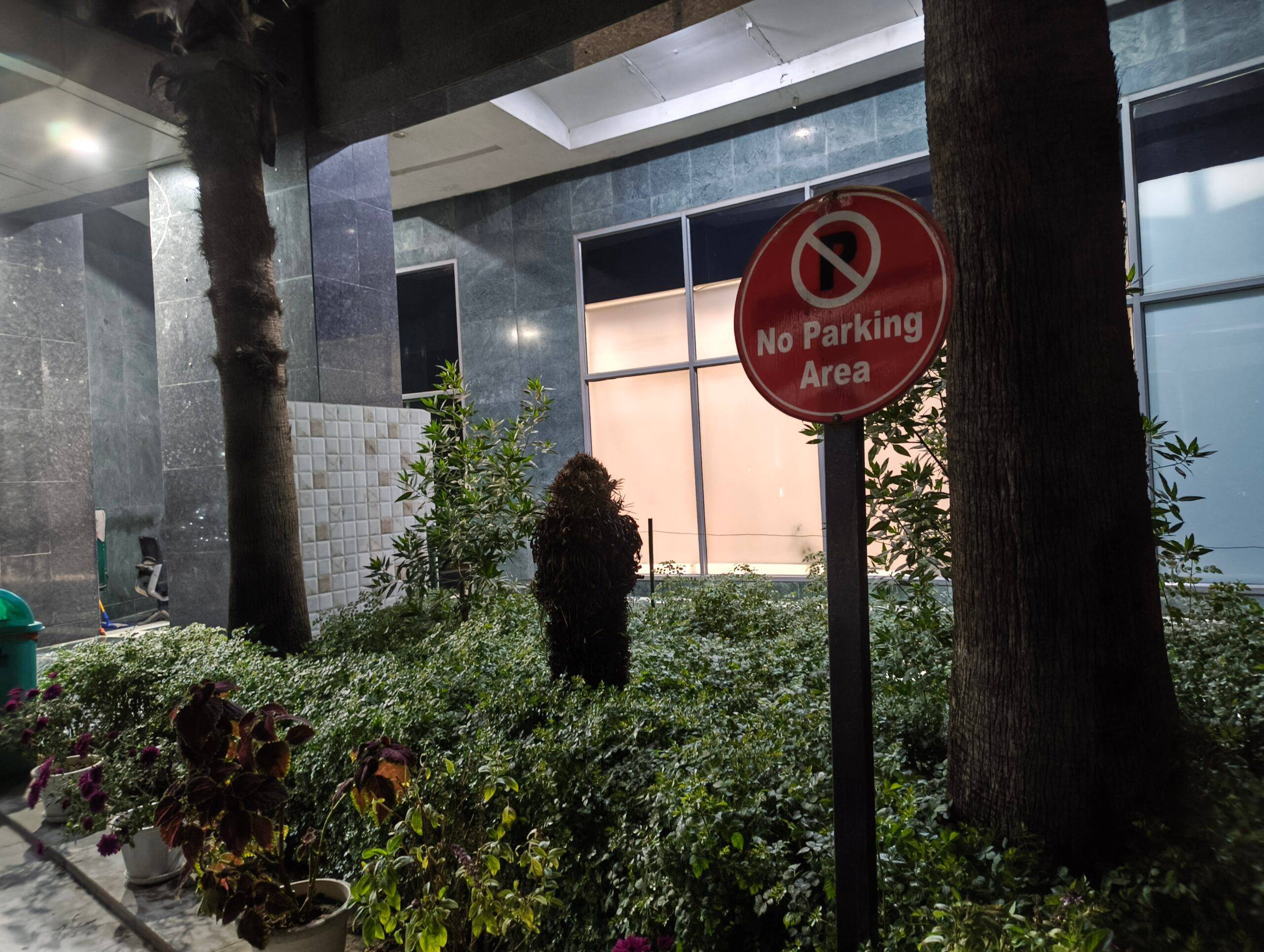
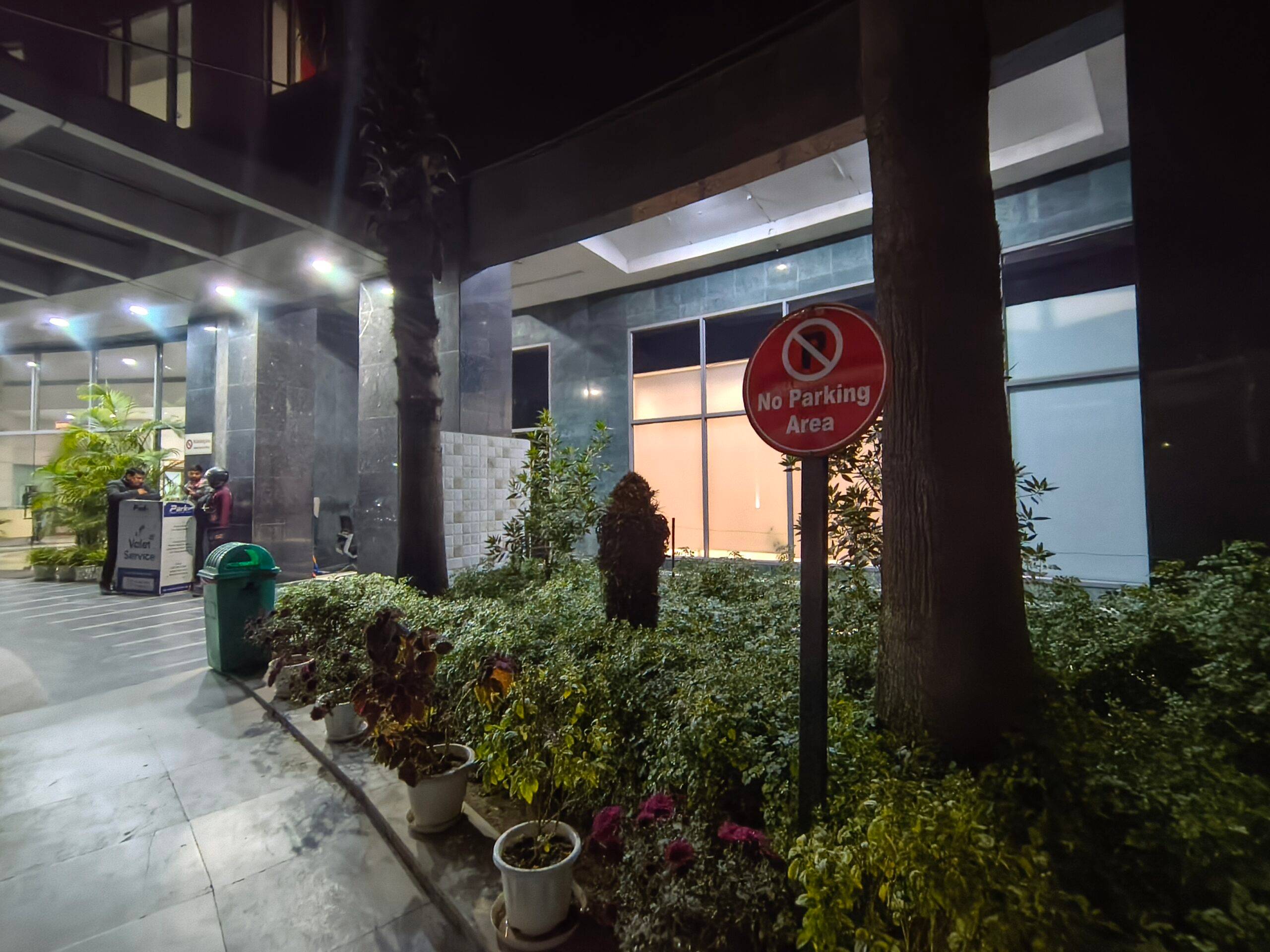

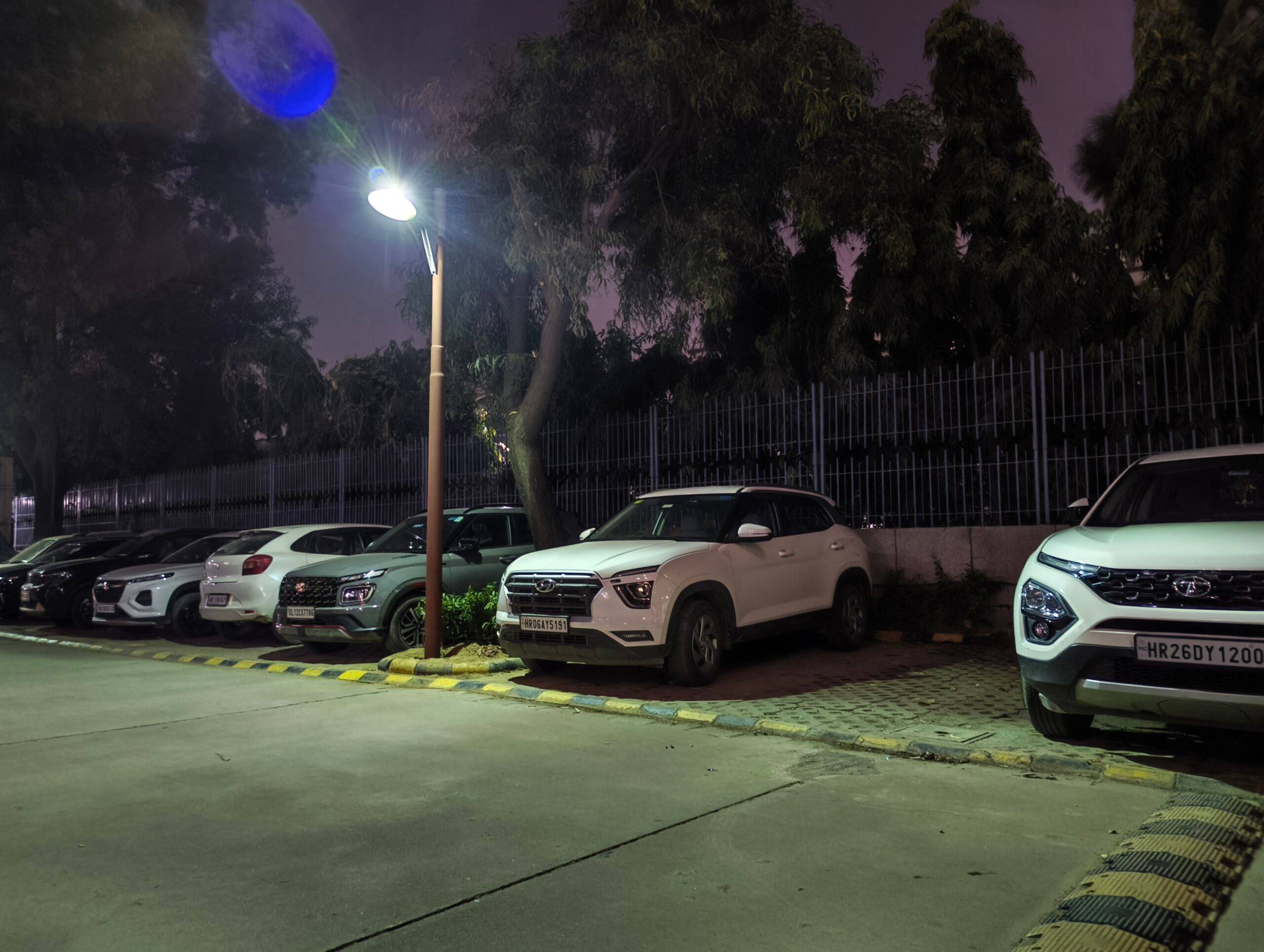
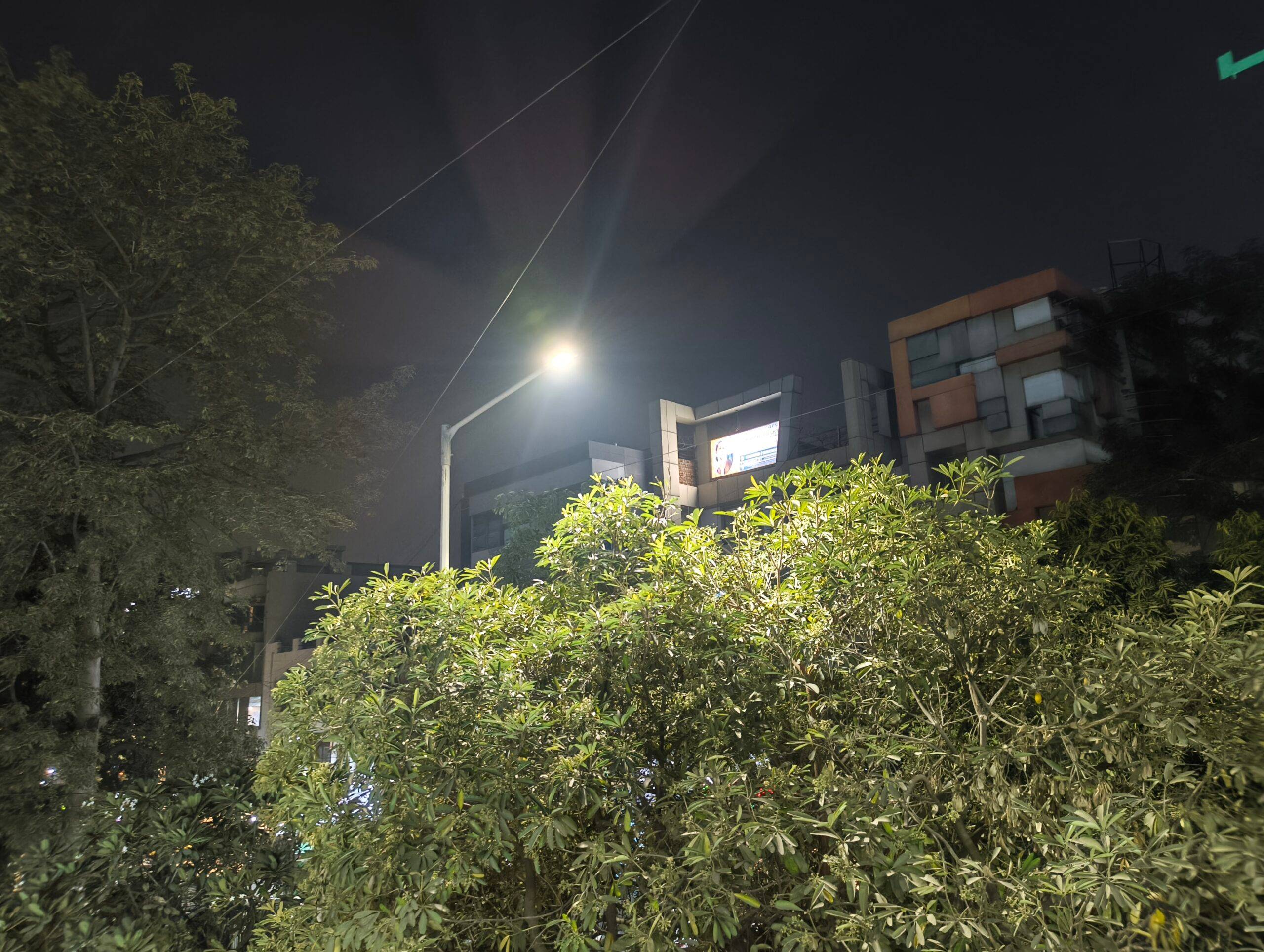


Now let’s compare the camera shots of Nothing Phone (3a) Lite with the OnePlus Nord CE 5:
Daylight


In this daylight comparison, the Phone (3a) Lite produces softer details in several areas, like the bushes, building, and trees on the left. While it outputs contrasty and realistic tones, the Nord CE5 has a balanced dynamic range, as the sky in Phone (3a) Lite’s shot is overexposed.
Ultrawide
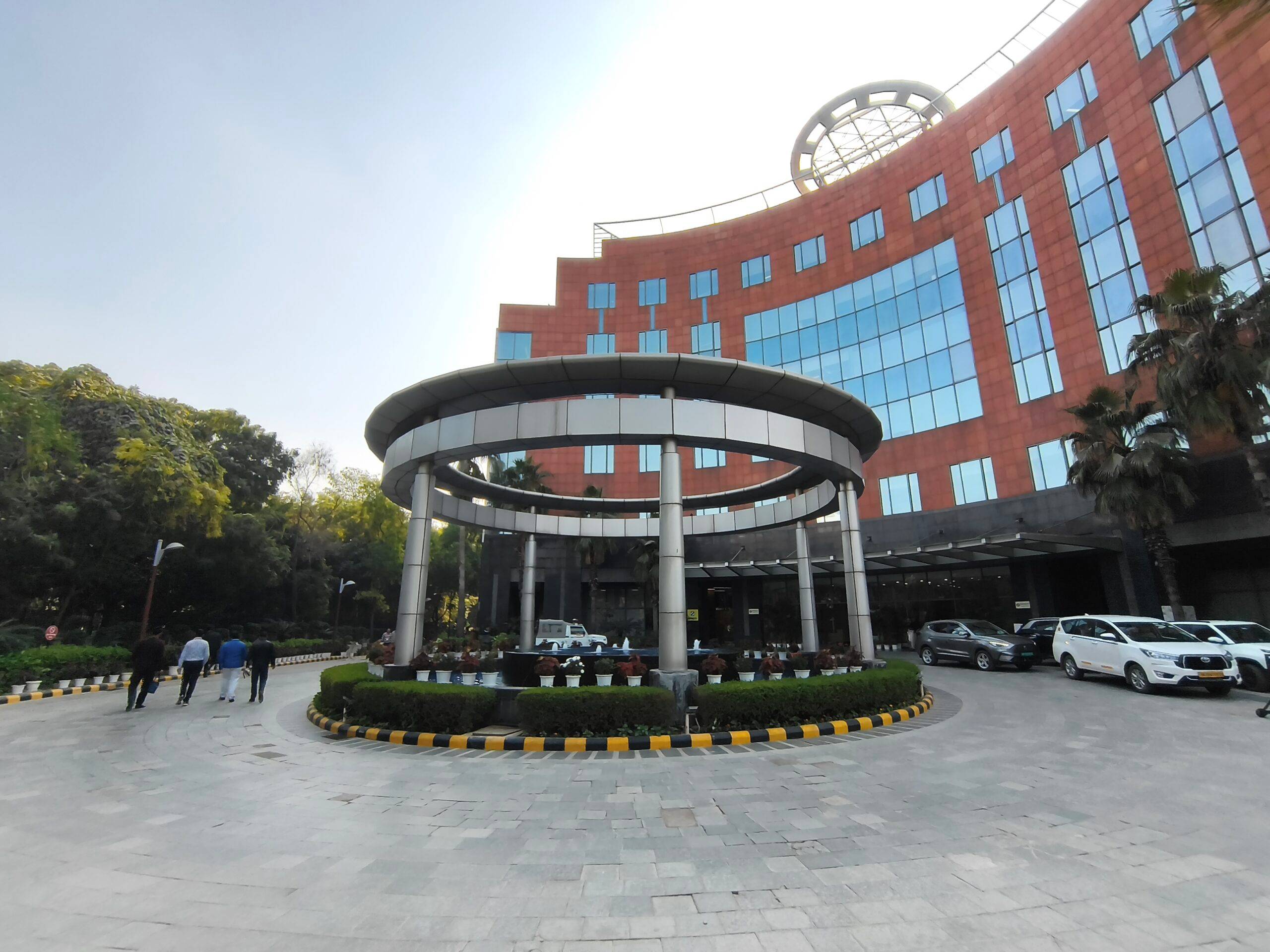

Just like the main camera, the ultrawide lens of the Phone (3a) Lite has overexposed the sky, giving the Nord CE5 an edge in dynamic range. While both smartphones output poor details, the Phone (3a) Lite’s shot is softer.
Portrait


In portrait mode, the Phone (3a) Lite has gone for a cooler tone, while the Nord CE5 settles for a warm output. Once again, the OnePlus phone has an edge in terms of details, and specifically in edge detection. While preferences may vary, the Nord CE5’s image will be my ideal pick here as it’s closer to how the scene was when clicking the image.
Selfies


The Nothing Phone (3a) Lite’s selfie shot appears to be more lively, making it ideal for posting on social media right away, while the Nord CE5’s image may require some editing touch-ups. Here, both produce equivalent sharpness levels.
Night Mode
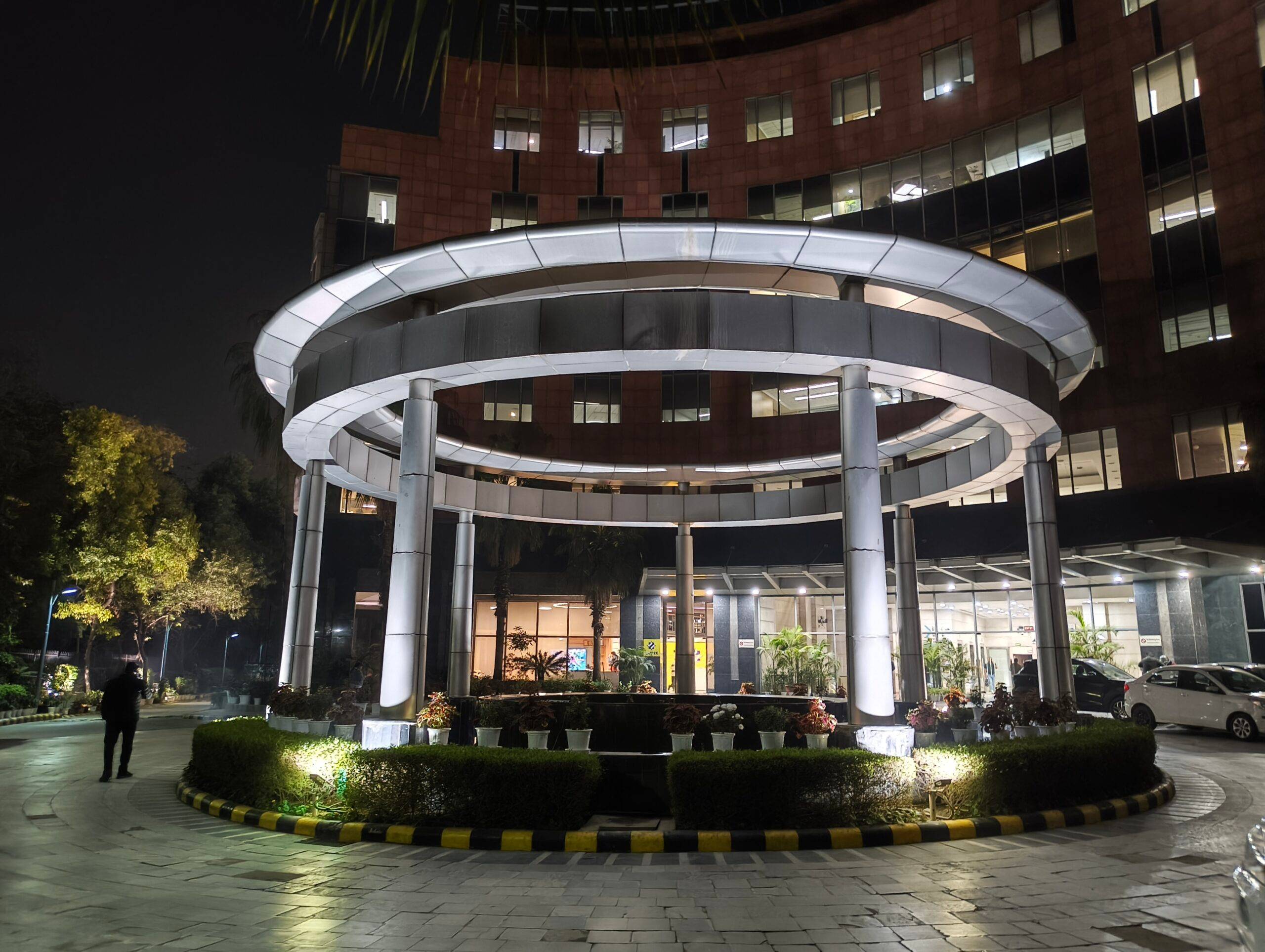
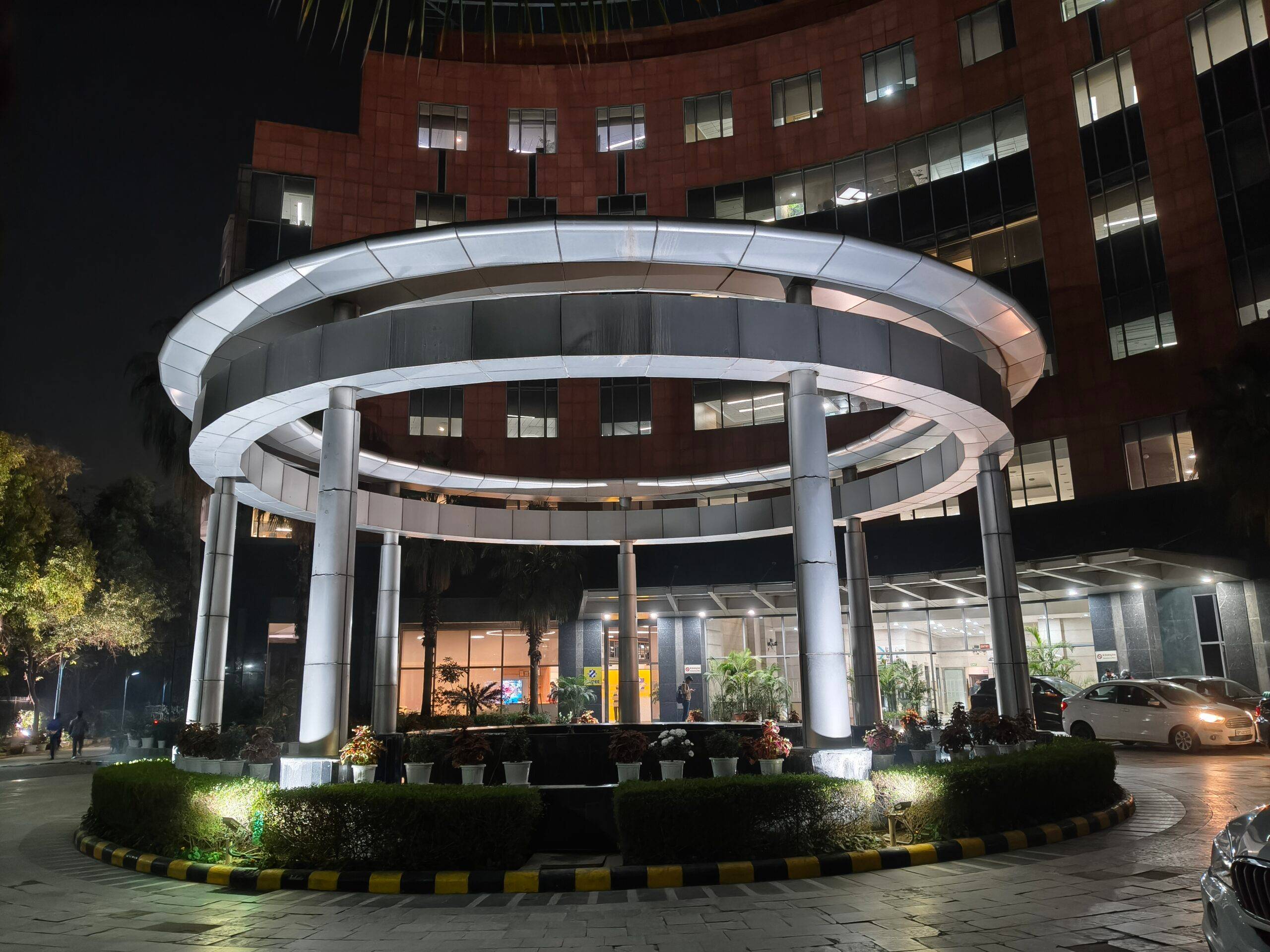
In night mode, both smartphones are equally matched in terms of colour, realism, and managing exposure; however, the Nord CE5 once again takes the lead in sharpness, as the Phone (3a) Lite has softer details in various parts of the image.
Smooth performance, but not for power users
The Nothing Phone (3a) Lite bears the 4nm-based MediaTek Dimensity 7300 Pro SoC, which is paired with 8GB LPDDR4X RAM and 128GB/ 256GB UFS 2.2 storage, depending on the variant you opt for. In benchmark apps like AnTuTu and Geekbench, the phone’s scores sit between MediaTek Dimensity 7400 and Qualcomm Snapdragon 7s Gen 3 chipsets, as you can see in the image and graph below.
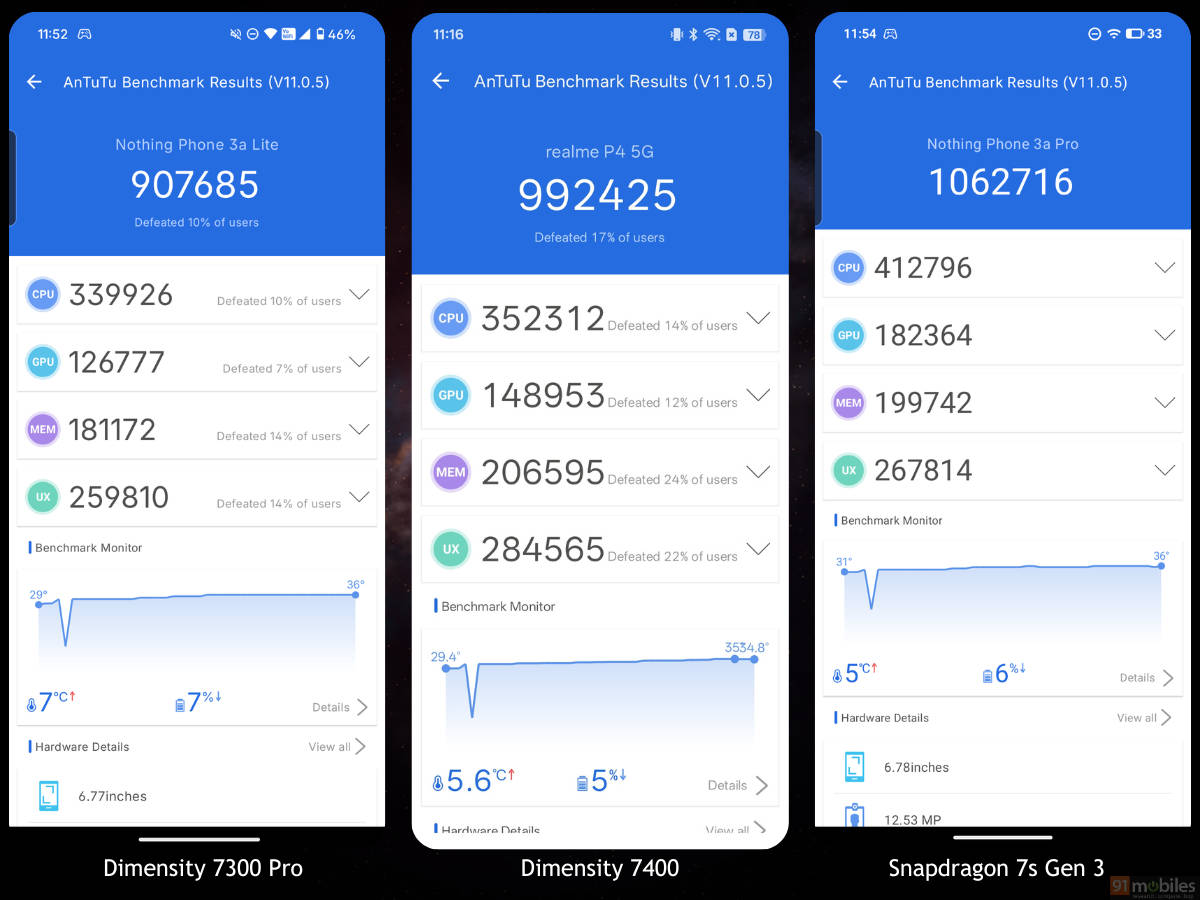

While these benchmark numbers aren’t segment-leading, especially compared to something like the OnePlus Nord CE5, which comes down to around Rs 22,000 in sales, certain phones launched previously this year also offer a similar level of performance around the Rs 20,999 mark, like the Realme 15T.
As for the real-world experience of the Dimensity 7300 Pro SoC, it helps the phone deliver a snappy experience. During my use of the Phone (3a) Lite, I only found stutters when scrolling through a Spotify playlist or when tapping the media switcher button within the media player. Outside of that, opening apps, multitasking, and scrolling social media apps were mostly jitter-free. In games, the phone delivered average frame rates of 28FPS in BGMI in ‘HD + High’ graphical settings, with the temperatures staying well under 32 degrees Celsius during a 30-minute gameplay. You can also play the game at up to 120FPS with the ‘Ultra Extreme’ frame rate setting.
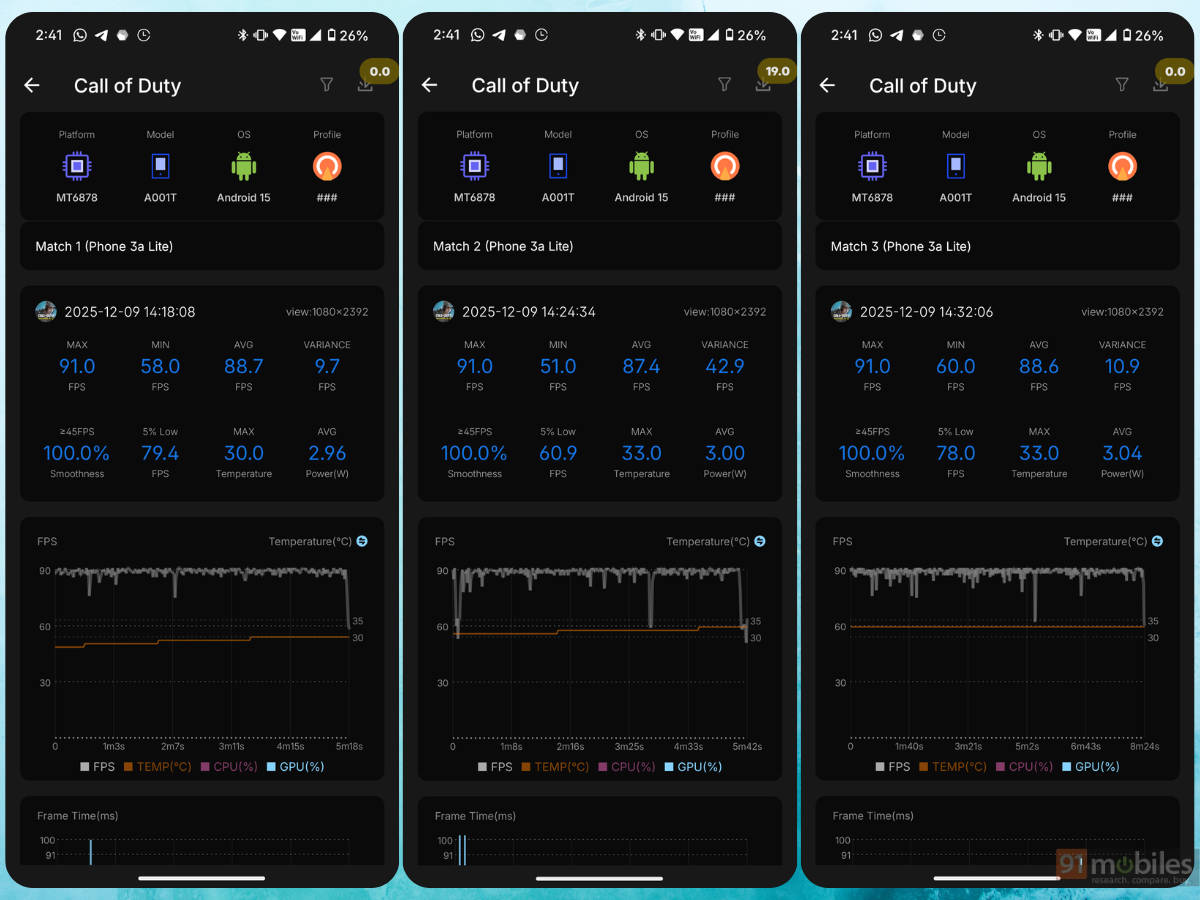
On the other hand, CODM supports up to 90FPS on the Phone (3a) Lite. When playing the Multiplayer mode, the device delivered 88 average FPS in all three matches we played consecutively. As you can see from the graphs below, towards the third match, the phone starts to show signs of dipping frame rates. If you’re a casual player who plays CODM for about 15 to 25 minutes on a single stretch, the phone’s performance should suffice.
Sufficient battery endurance, but it takes a while to charge
Just like the Phone (3a) and (3a) Pro, the Phone (3a) Lite features a 5,000mAh battery. Now, while the capacity clearly falls short on paper compared to the 2025 launches under Rs 25,000, light to moderate users can still expect some decent endurance out of this phone.
If you’re someone who watches hours of YouTube videos or OTT movies/shows, views Instagram reels and posts, a couple of hours of web browsing, and an hour or so of gaming daily, and runs music streaming apps for a couple of hours in the background, expect the phone to deliver a screen-on-time of around 8 hours or even more. This includes using a mix of 5G and WiFi with location, and Bluetooth enabled the whole time.
For a detailed insight into the battery performance, you can refer to the screenshots below, which include deep stats of the app usage, total runtime, and the screen-on-time I got for every battery cycle:
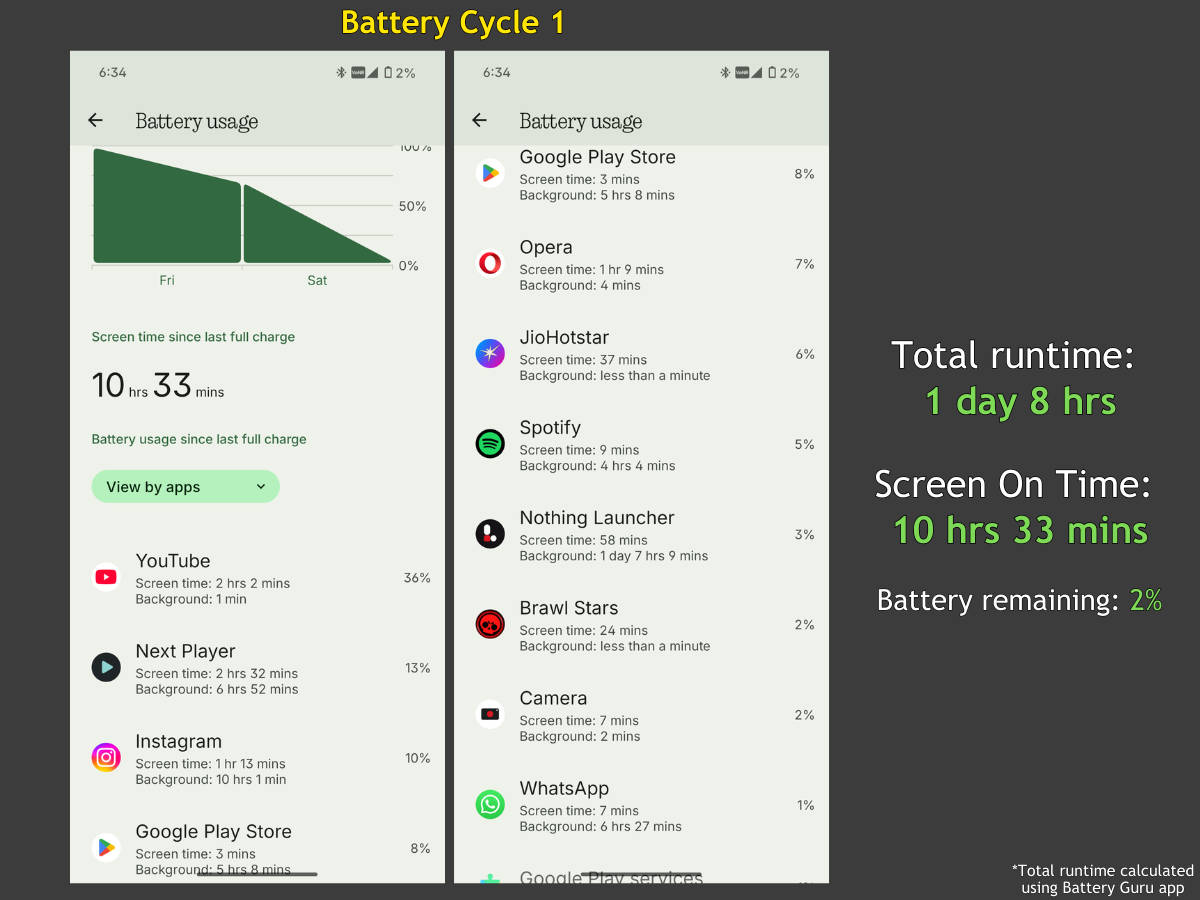
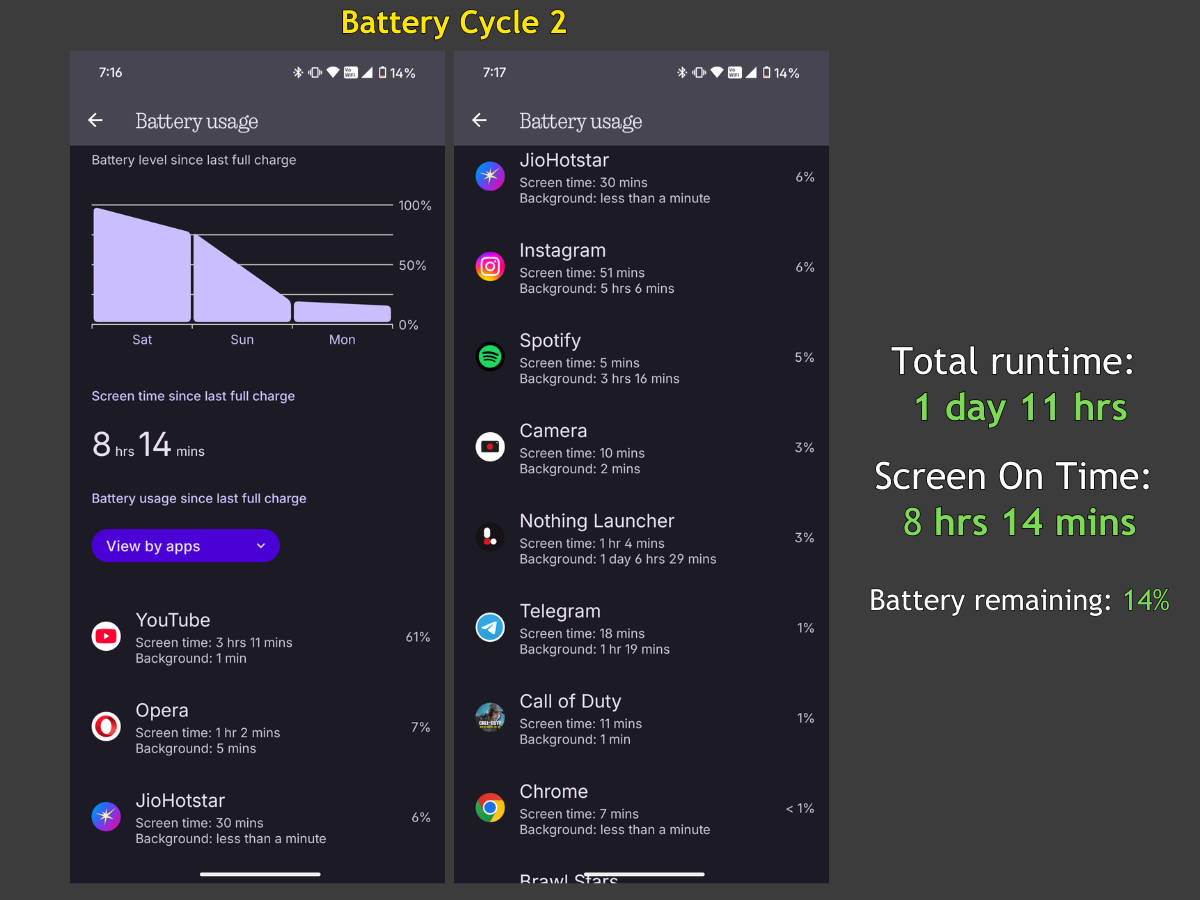
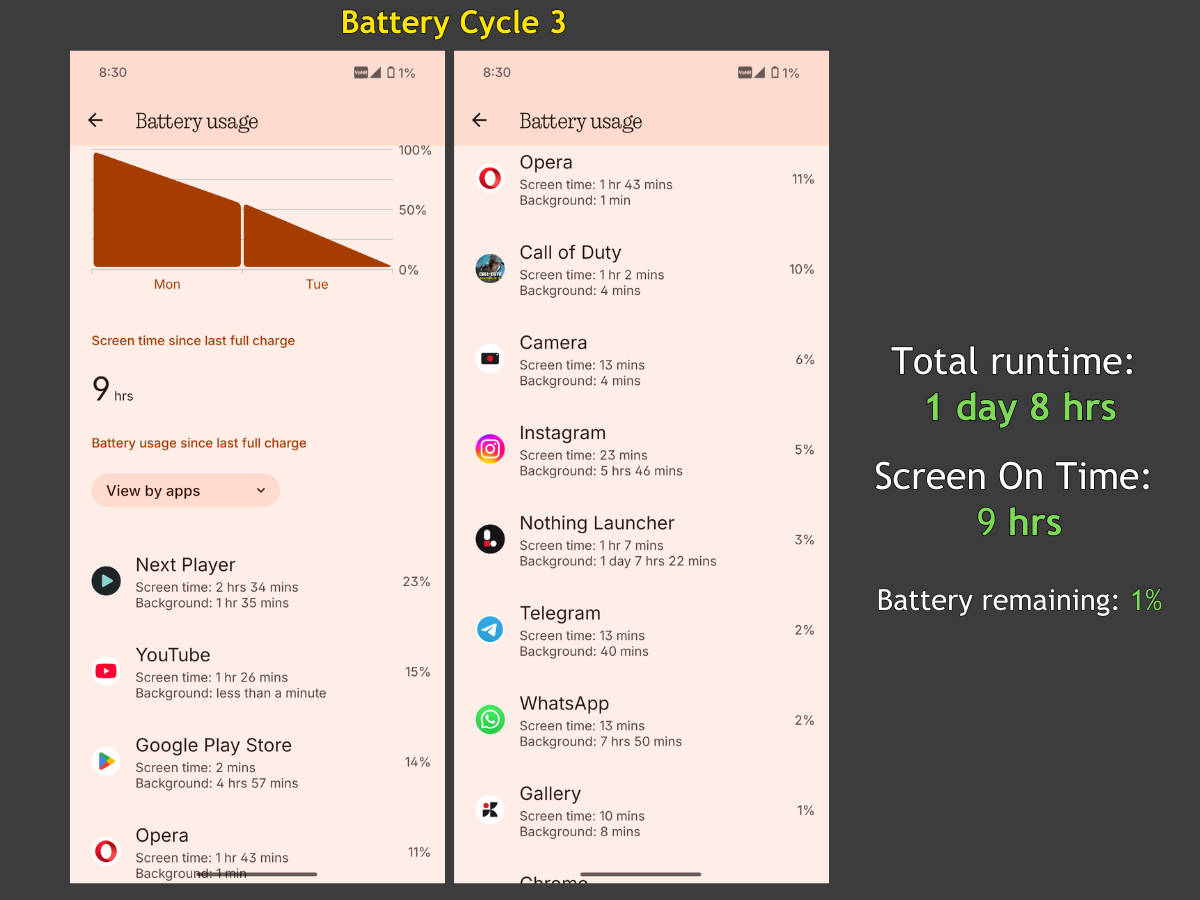
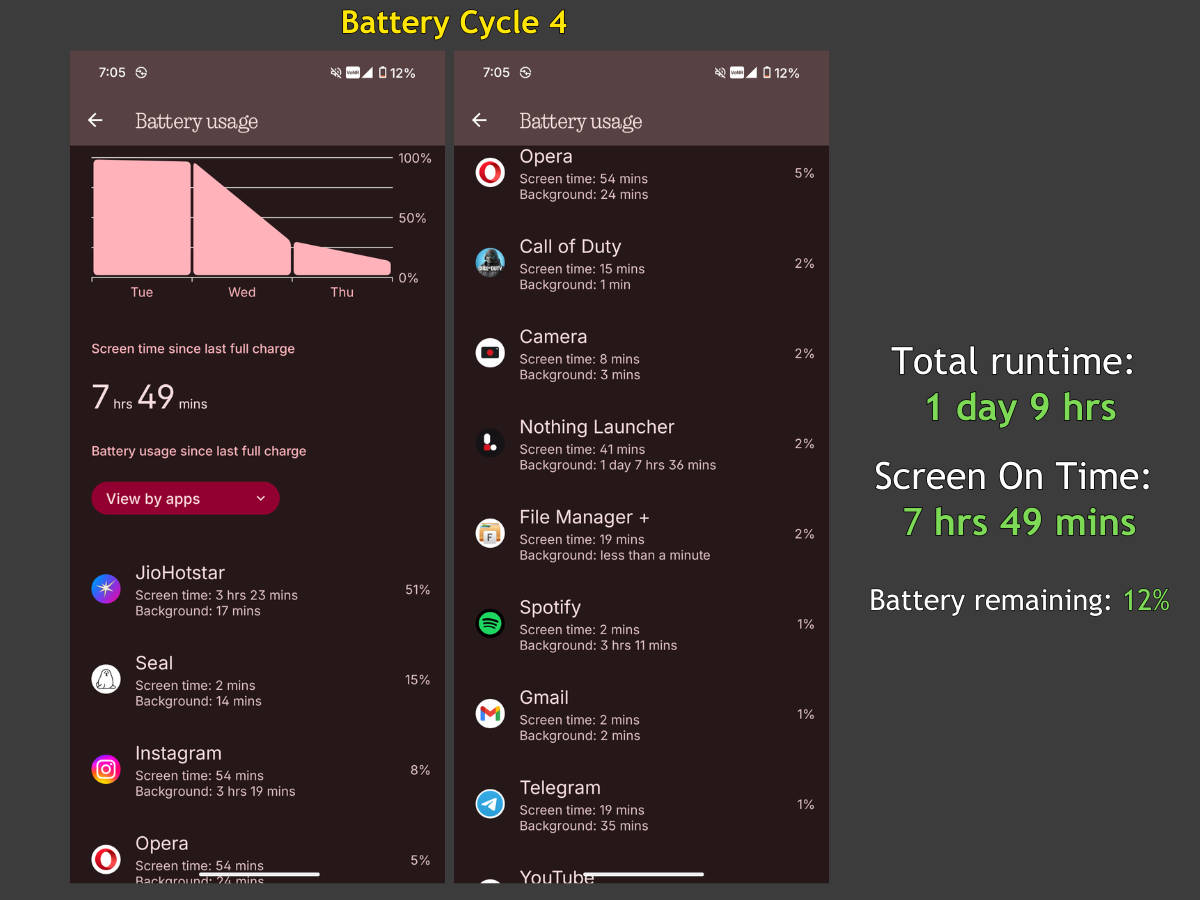
These numbers are great in isolation; however, lower-priced phones like the Moto G67 Power and Realme P4x (both with 7,000mAh), which I recently reviewed, are likely to offer one to two hours more screen-on-time with over two days of runtime. The Phone (3a) Lite just managed to get past the 1-day 8-hour mark in most battery runs during my review period.
Charging
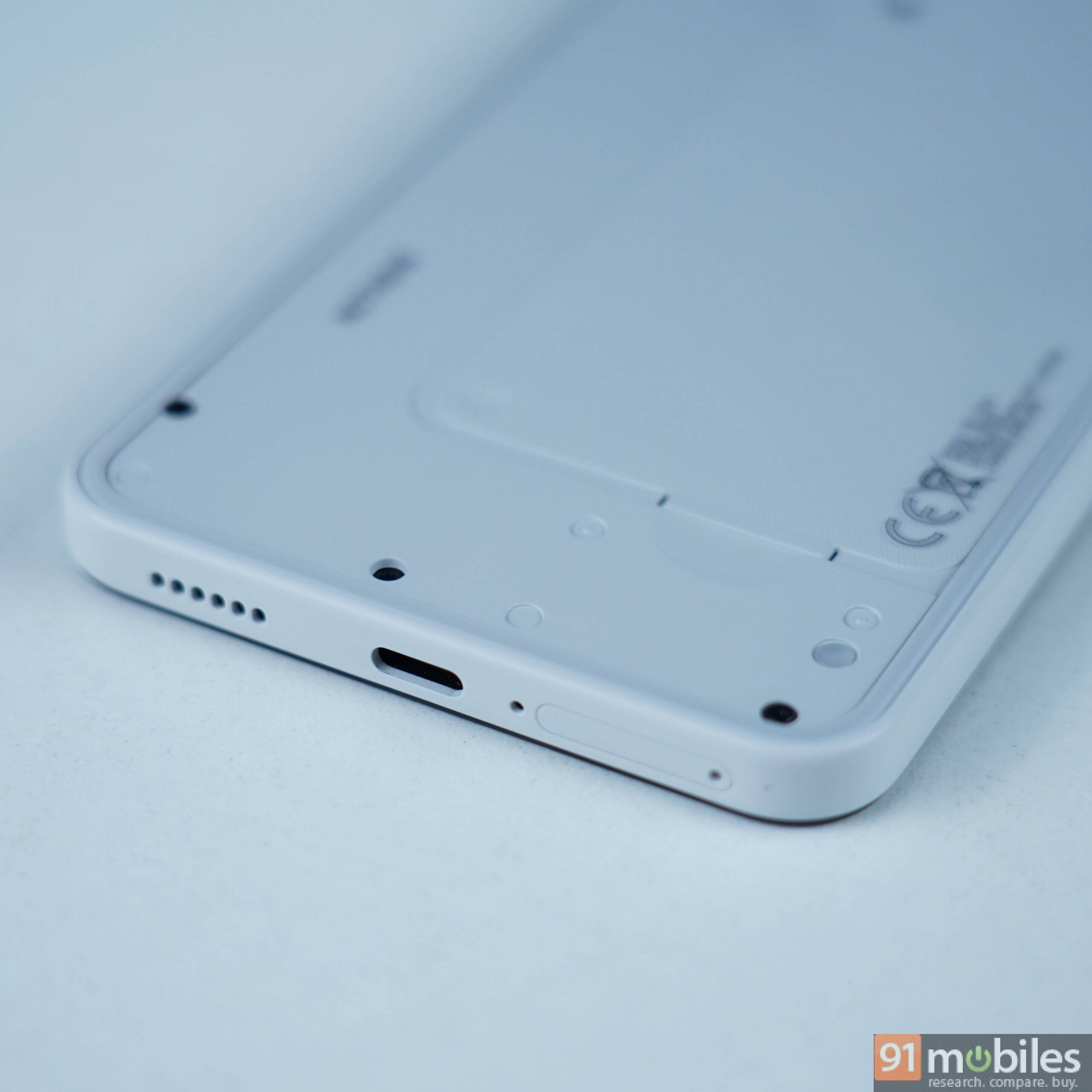
The Nothing Phone (3a) Lite officially supports up to 33W fast charging, but does not include a charger in the box. In our lab tests, when juicing up the phone using a Motorola 68W PD charger from 20 percent, it was fully charged in 58 minutes. We also tried topping the phone’s battery using a 65W Ambrane PD charger, and it took slightly over an hour to charge from 1 to 100 percent.
| Smartphone | Battery Capacity | Charging Support | Charging time (20% to 100% ) |
| Nothing Phone 3a Lite | 5000 mAh | 33W Fast Charging | 58m |
| vivo T4 | 7300 mAh | 90W Flash Charging | 45m |
| realme 15T | 7000 mAh | 60W Fast Charging | 1h 4m |
Considering the battery capacity, the Phone (3a) Lite could’ve come with faster charging support, like the same-priced Realme 15T, which gets 60W charging to power its 7,000mAh battery.
The extras that add to the experience
- Decent call quality – The earpiece produces clear output for calls.
- Haptics – The Phone (3a) Lite has excellent haptic feedback for its price. While I wish Nothing OS 3.5 integrated haptics in more areas, such as brightness and volume sliders, the X-axis linear motor has a tight intensity that translates to a great typing experience.
- Glyph Light – Rocking a single circular Glyph Light at the bottom, this LED stays lit to indicate pending ‘Essential’ notifications and illuminates for incoming notifications and calls.

- Swift in-display fingerprint scanner – The fingerprint scanner is fast at unlocking the phone and locked apps.
- Always On Display – The phone supports scheduled Always On Display, which displays the clock, battery percentage, and notifications on screen when the phone is locked.

- Pre-applied screen protector – The display deploys Panda Glass protection with a screen protector pre-applied out of the box.
Final Verdict: who should buy the Nothing Phone (3a) Lite?
To sum up, Nothing Phone (3a) Lite gets almost all the basics right for a casual user, except for the cameras. I am emphasising the “casual user” here because if you prioritise the best gaming experience, two days’ worth of battery endurance, fast charging top-ups to 50 percent in minutes, or an immersive sound experience, the Phone (3a) Lite may not be the ideal pick.
While the performance in daily use may suffice for light to moderate users, it’s the same level of power that can be achieved on Nothing’s own sub-brand’s CMF Phone 2 Pro, which also carries the Dimensity 7300 Pro. Coming at a more affordable price (Rs 18,999 when not on sale), the CMF handset gets a 50MP 2x telephoto for sharper zoom shots and a similar symmetrical AMOLED display, 5,000mAh battery, and a lightweight, sleek build.
However, if you’re leaning towards a premium glass build, a transparent rear that exposes intricate design elements, and a small light that notifies you of calls and notifications when the phone is placed on its front, the Nothing Phone (3a) Lite could be worth considering at Rs 20,999.
Editor’s rating: 7.9/10
Reasons to buy:
- A design that not only feels premium to hold, but also completely stands out with its intricate details on the rear panel.
- A battery that lasts a full day with activities like watching videos, scrolling Instagram, browsing, and streaming music.
- Strong and detailed haptics in the system and third-party apps, especially for typing.
- A distinct-looking yet minimalistic software that comes with up to three OS and six years of security updates.
Reasons not to buy:
- Daylight, portrait, and night camera shots often deliver soft details through the main camera.
- Despite having a smaller battery than the competition, charging speeds are on the slower side.
- The single bottom-firing speaker delivers bloated sound, and the max volume doesn’t get loud enough.
 | vs |  |
| vs |  |