Review Summary
Expert Rating
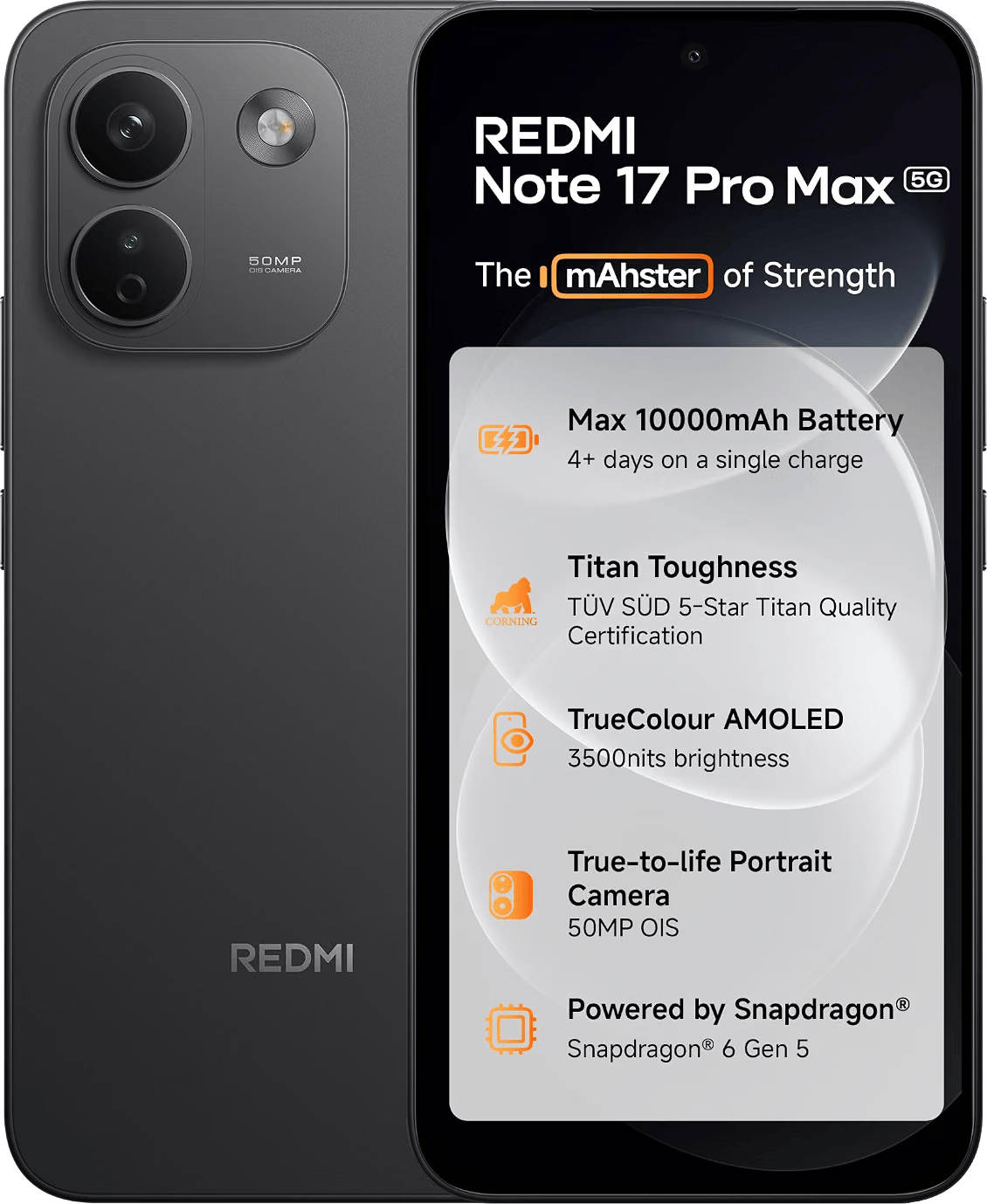
The Redmi Note 17 Pro Max is the successor to last year’s Note 15 Pro+, but it comes with a big challenge this time around. It costs about Rs 10,000 more than its predecessor, and the biggest change is the much larger 10,000mAh battery. In some other areas, the hardware has actually taken a step back, likely due to the rising cost of memory and storage.
This leaves the Note 17 Pro Max in a bit of a delicate spot. While the competition has also stayed stagnant due to the oppressive RAM and storage costs, this is still a very competitive segment where the standards are already quite high. The bigger battery is certainly useful, but the higher price means the phone has to offer enough elsewhere to make up for its compromises. In this review, I’ll look at whether the Note 17 Pro Max manages to strike that balance.
Table of Contents
Design: tough with a cool factor
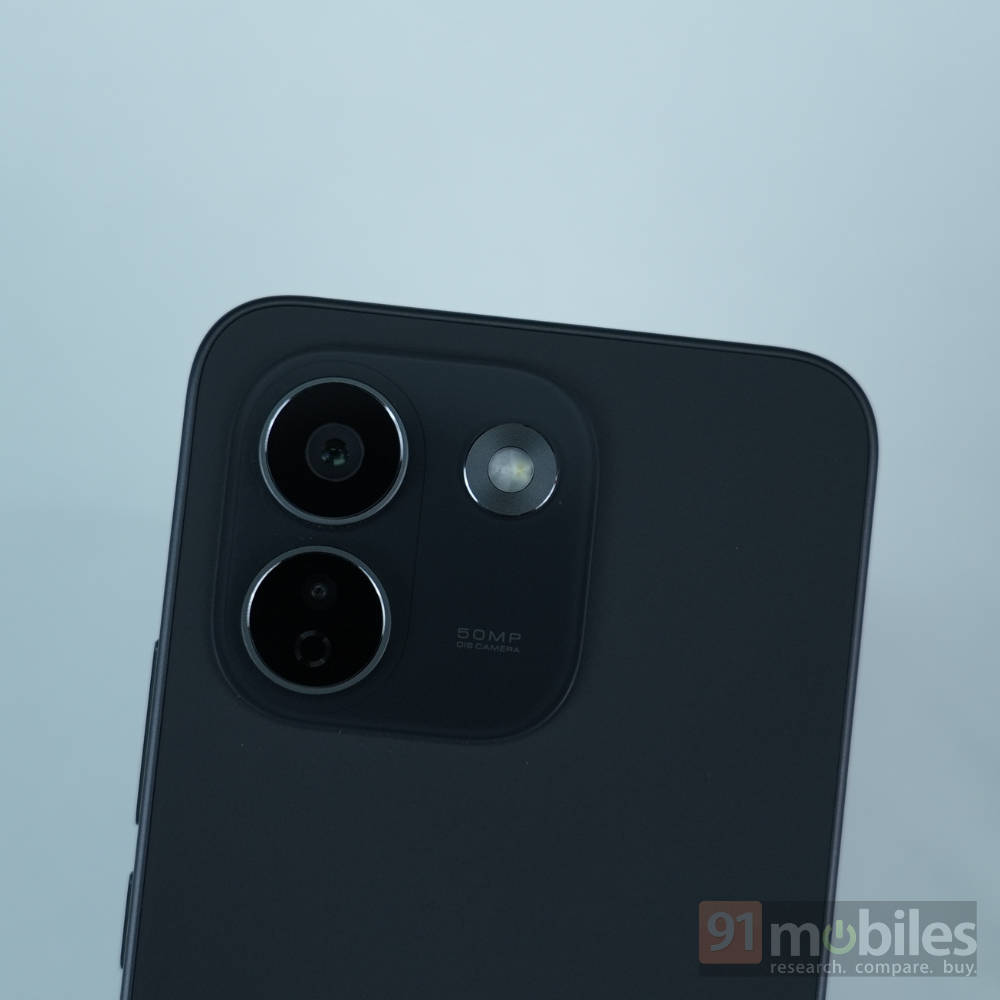
The Redmi Note 17 Pro Max has a difficult job when it comes to design. A 10,000mAh battery naturally adds weight and bulk, so the phone needs to do a good job of distributing that weight. At 229 grams and around 8.6mm thick, it is certainly not a light phone, but it doesn’t feel particularly unwieldy either. I got used to the weight after a couple of days of use, so Redmi did a good job here.
The flat display and slightly rounded edges also make the phone comfortable enough to hold. The black variant I received, however, is rather boring to look at. It has a simple matte rear panel without much going on, so there isn’t really anything here that makes the phone stand out.

The Matcha Green version or the Secret Sunrise finish is probably the one I’d have liked to try more. The latter can reveal a scenic pattern on the rear when the phone is exposed to sunlight, which gives the design more character. Alas, I didn’t get the chance and thus cannot say much about them.
The rest of the design is fairly standard, with uniform bezels around the display and power and volume buttons that are easy to reach. It isn’t a phone that tries too hard with its looks, but the build quality is where it makes a much better impression.
| Smartphone | Thickness | Weight | IP Rating |
| Xiaomi Redmi Note 17 Pro Max 5G | 8.65 mm | 229 grams | IP68 +IP66 +IP69K +IP69 |
| Nothing Phone 4a Pro | 7.9 mm | 210 grams | IP65 |
| Motorola Edge 70 Pro + 5G | 7.19 mm | 190 grams | IP68 +IP69 |
| OnePlus Nord 6 | 8.5 mm | 217 grams | IP68 +IP66 +IP69K +IP69 |
You get IP66, IP68, IP69 and IP69K ratings, along with Gorilla Glass Victus 2 on the display. That gives the phone a good level of protection against water, dust, scratches and the occasional drop. For a phone built around such a massive battery, I appreciate that Redmi has still managed to give it this level of durability.
Battery: no less than a power bank
The 10,000mAh battery is easily the biggest reason to consider the Redmi Note 17 Pro Max, and in my experience, it more than lives up to the promise. The phone managed 24 hours in the PCMark battery test, which is the highest score we’ve recorded in this test to date. Considering that the test stresses the phone quite significantly, that is an excellent result.


In actual daily use, the battery is just as impressive, if not more. Even with moderate to heavy usage, the phone can comfortably last two days, so you’ll never really care about battery life. If you’re a heavy user who spends a lot of time gaming, streaming or browsing, you should still be able to get through 1.5-2 days without much trouble.
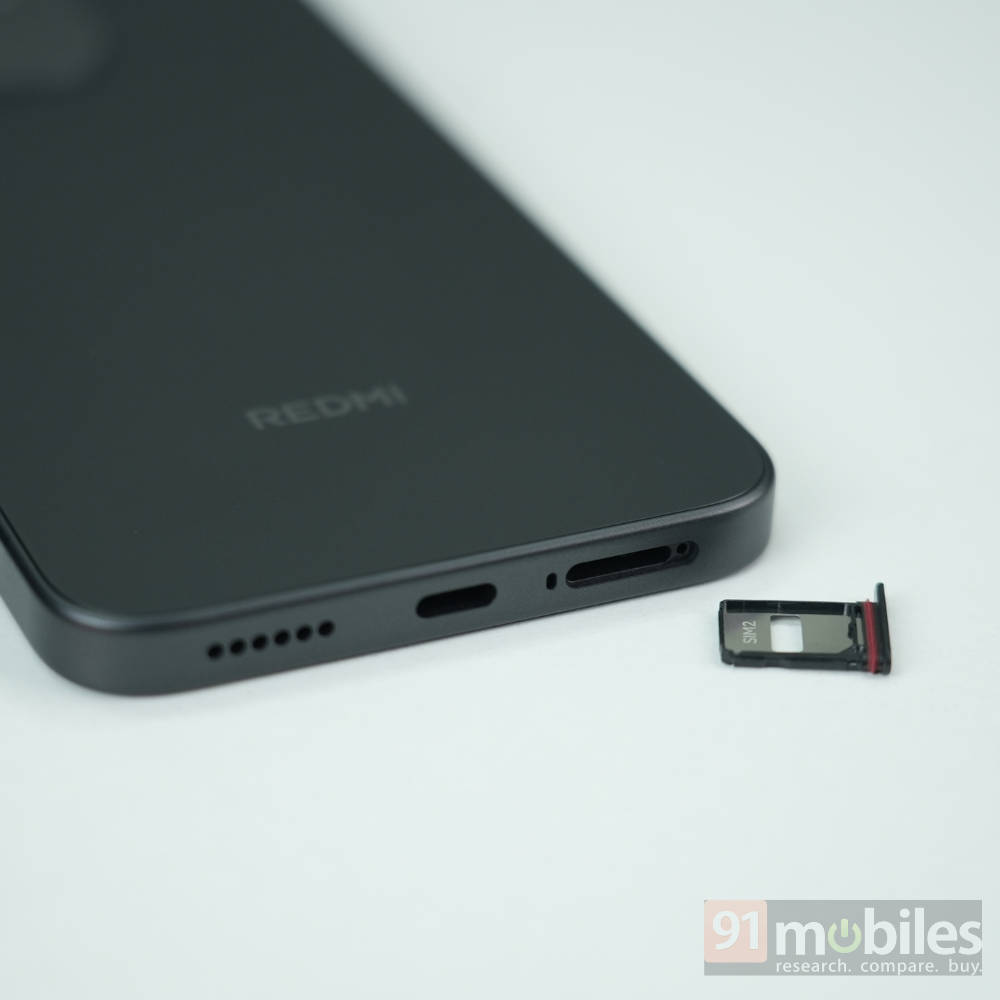
The 10,000mAh capacity means you won’t get the fastest charging speeds, but the included 100W charger makes up for it. The Redmi Note 17 Pro Max took around 77 minutes to go from 20 to 100 per cent. You also get 27W reverse-wired charging, which can be useful for topping up accessories or another phone in a pinch.
| Smartphone | Battery Capacity | Charging Support | Charging time (20% to 100% ) |
| Xiaomi Redmi Note 17 Pro Max 5G | 10000 mAh | 100W Hyper Charging | 1h 17m 40s |
| Nothing Phone 4a Pro | 5400 mAh | NA | 1h 2m |
| Motorola Edge 70 Pro + 5G | 6500 mAh | 90W Turbo Power Charging | 47m |
| OnePlus Nord 6 | 9000 mAh | 80W Super Charging | 1h 5m |
We’ve tested plenty of phones with large batteries, but the Note 17 Pro Max has set a new benchmark for endurance in our testing. If battery life is high on your list of priorities, this is easily the phone’s best feature.
Display: great visuals, but I’d like it to be brighter
The Redmi Note 17 Pro Max gets a 6.83-inch 1.5K AMOLED panel with a 120Hz refresh rate, 12-bit colour depth and up to 3,500 nits peak brightness. You also get HDR10+ and Dolby Vision support, so there is plenty here for watching content and gaming. The panel is vibrant, sharp and generally a pleasure to use.

There is one area, however, where the competition is ahead. Compared to phones such as the Nothing Phone 4a Pro and Motorola Edge 70 Pro+, the display doesn’t get as bright as I’d like, especially outdoors. It remains usable, but if you’re expecting higher brightness in this segment, the Redmi falls a little short.
The 120Hz refresh rate is more than enough for everyday use and supported games, even though some competitors offer higher refresh rates. Content consumption is also helped by the large screen and Dolby Vision support.
| Smartphone | Display | Peak Brightness |
| Xiaomi Redmi Note 17 Pro Max 5G | 6.83 inches - AMOLED | 3500 nits |
| Nothing Phone 4a Pro | 6.83 inches - AMOLED | 5000 nits |
| Motorola Edge 70 Pro + 5G | 6.8 inches - Extreme AMOLED | 5200 nits |
| OnePlus Nord 6 | 6.78 inches - AMOLED | 3600 nits |
The stereo speakers are another weak point when you consider the competition. They support Dolby Atmos, Hi-Res Audio and a 400 per cent volume boost, but I found the output a little underpowered compared to some competing phones. The 400 per cent boost can also distort the sound, so I found the 200 per cent setting to be a better middle ground.
Overall, the display is still one of the phone’s better parts, but it doesn’t quite top the charts. The panel quality is good, but brightness and speaker output leave some room for improvement.
Cameras: good enough stills, not much else
The Redmi Note 17 Pro Max gets a 50MP primary camera with OIS and an 8MP ultrawide. The primary camera takes pretty good daylight shots, with likeable colours and decent detail. Given the phone’s price, though, I expected a bit more from the overall camera setup.
This is where rivals like the Nothing Phone 4a Pro and Motorola Edge 70 Pro+ have an advantage. Both offer better camera hardware, including dedicated telephoto cameras, 50MP ultrawide sensors and larger primary sensors. The difference is quite apparent in the results, with the competition generally producing shots with more detail and better texture.
I noticed the biggest drop in quality with human subjects. The Redmi Note 17 Pro Max can produce pleasing colours, but people, especially in portrait shots, can sometimes look a little soft, with less facial detail than what I’d like to see. The processing isn’t bad, but the images don’t have the same level of definition that some of its rivals can deliver.

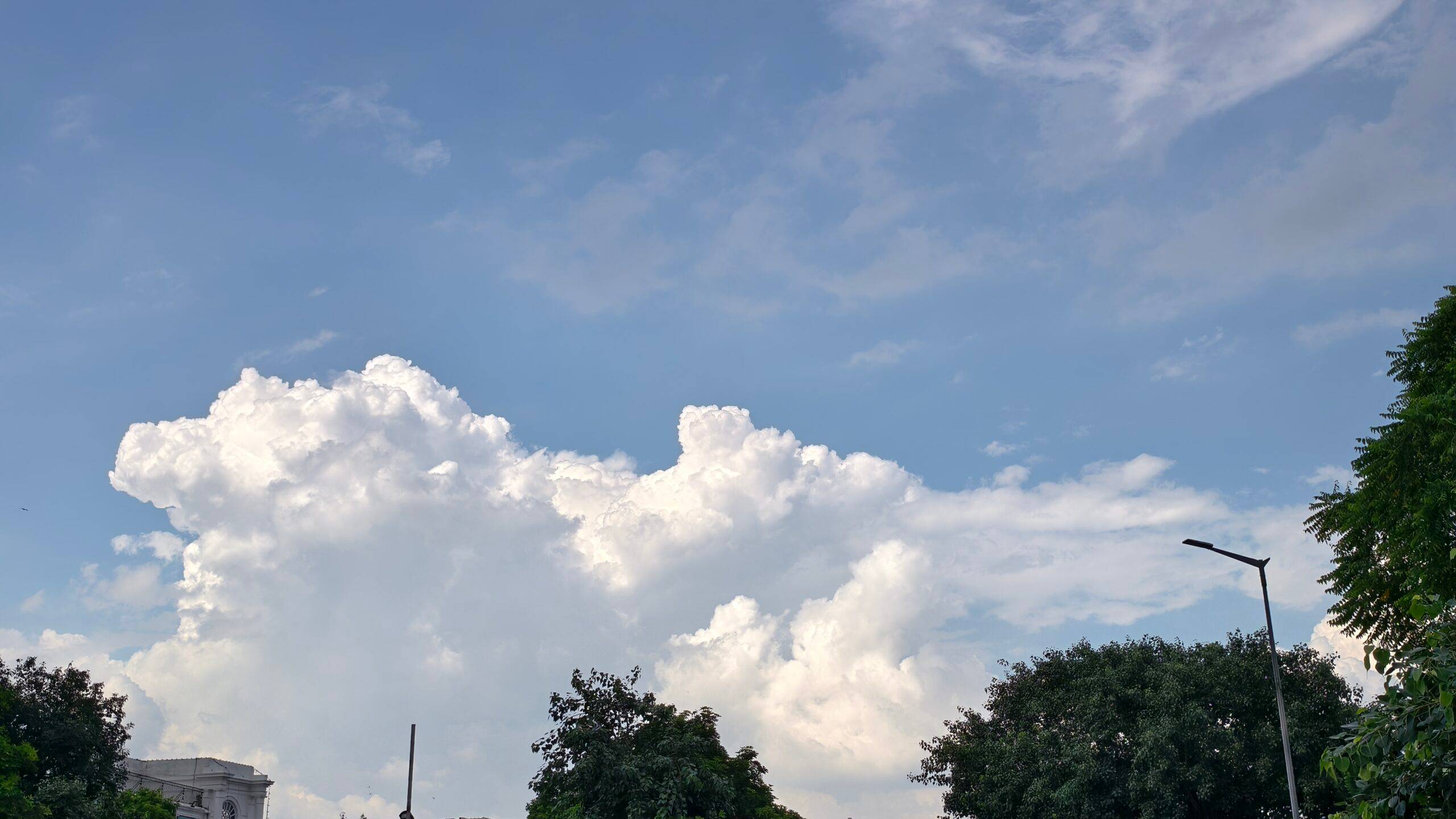

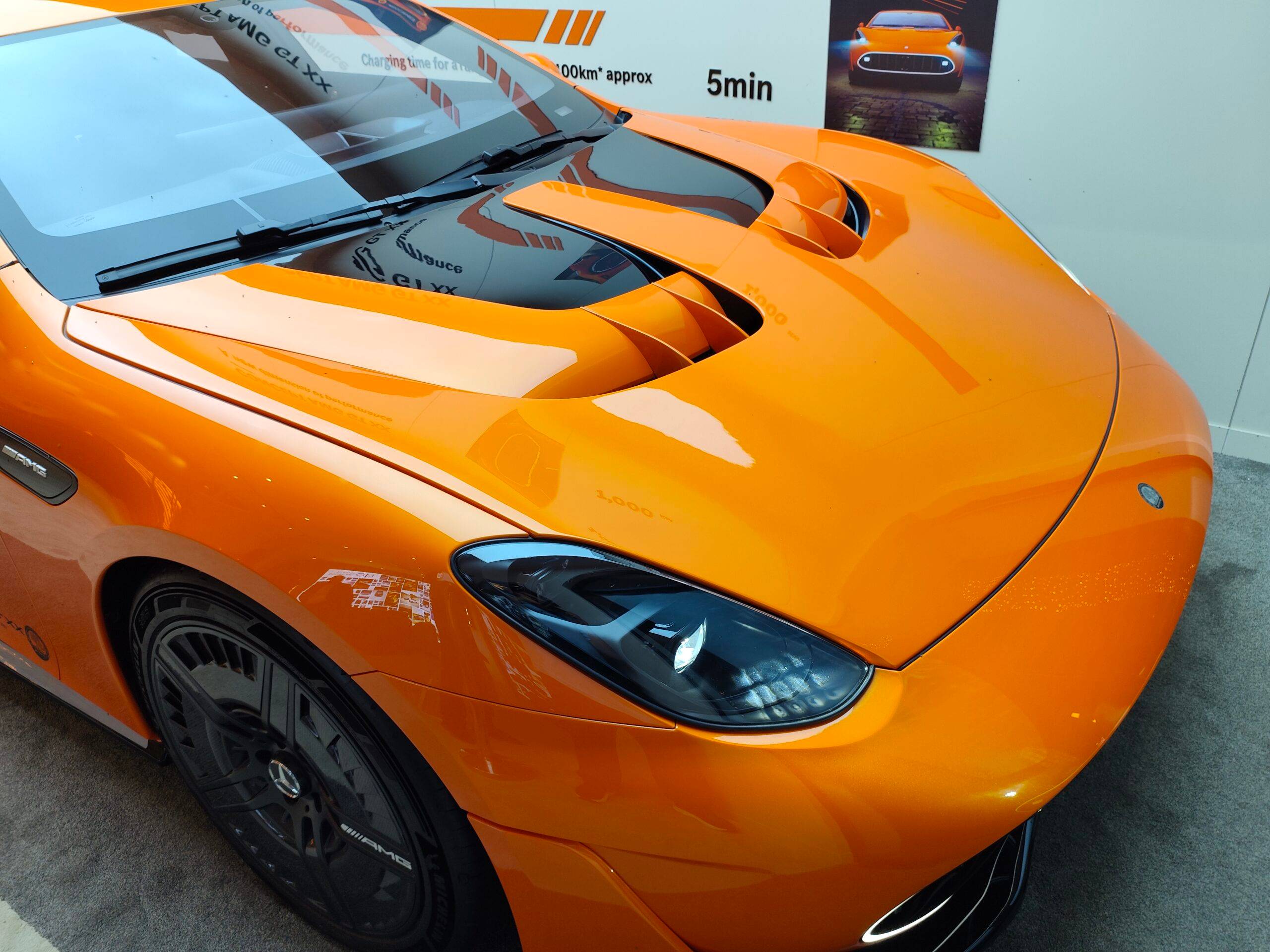






The 8MP ultrawide is also nothing special to talk about. There is a big drop in detail compared to the primary camera, and you don’t get the same output that a higher-resolution ultrawide can offer. This makes the device feel limited when you want to do more than just shoot with the primary camera. Photography isn’t one of the reasons I’d pick this phone.
I directly compared the phone’s cameras against the Nothing Phone (4a) Pro to give you a better idea of its performance. Check it out below.
Daylight
When comparing the standard daylight shots of both phones, there are a few differences that are immediately apparent. The (4a) Pro’s image is much sharper and more detailed across the frame compared to the Note 17 Pro Max. You can notice it in the tree cover towards the left, the shrubs in the front, and the ground texture.


The Note 17 Pro Max’s only advantage in this scenario is that it renders the colours more accurately than the (4a) Pro, which enhances the contrast to make the image have more impact.
Ultrawide
The same differences that we observed in daylight shots carry over to the ultrawide images. The Note 17 Pro Max’s image has better colour continuity with its daylight counterpart, while the (4a) Pro’s ultrawide image is even darker than its daylight shot.
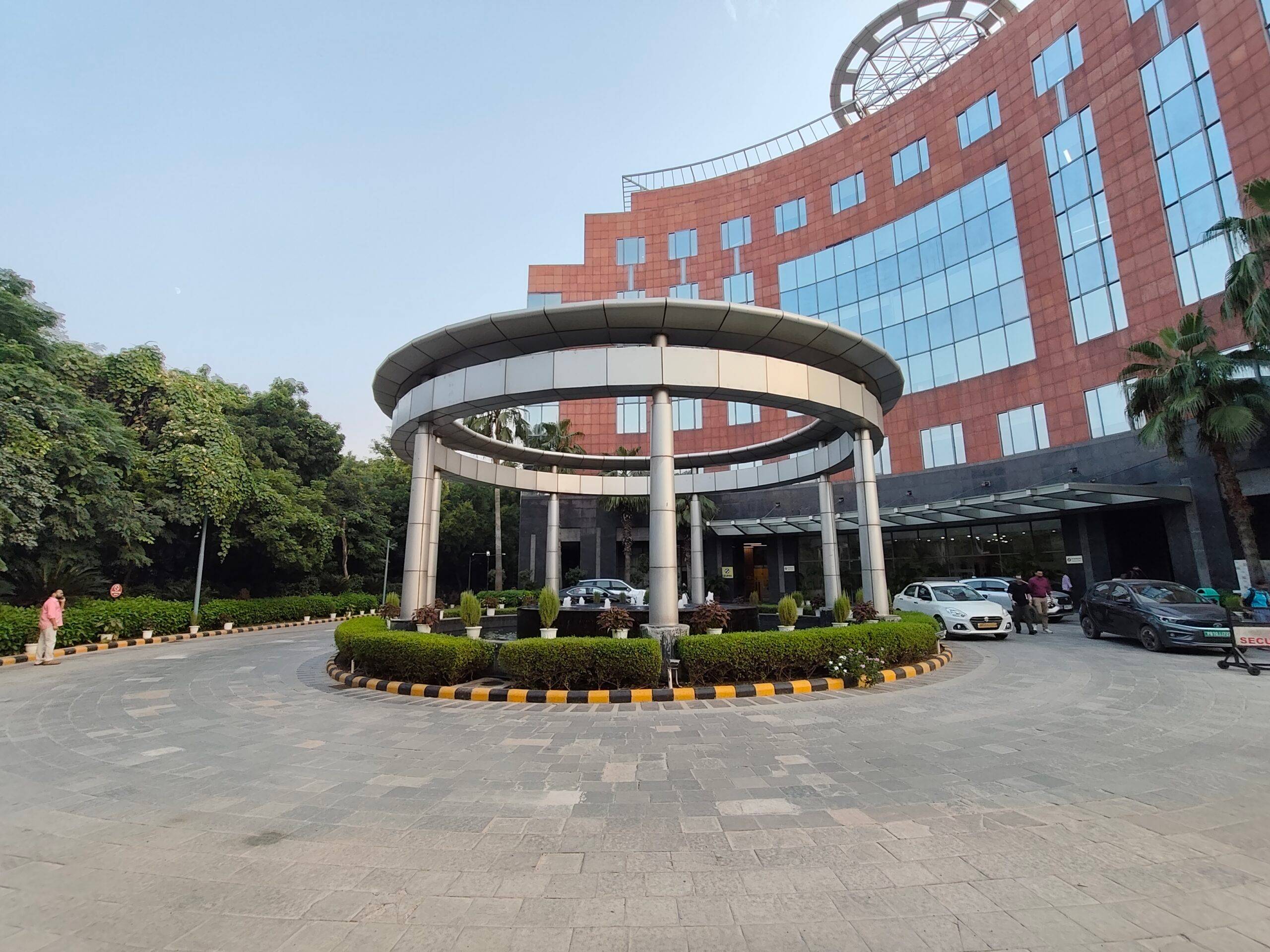
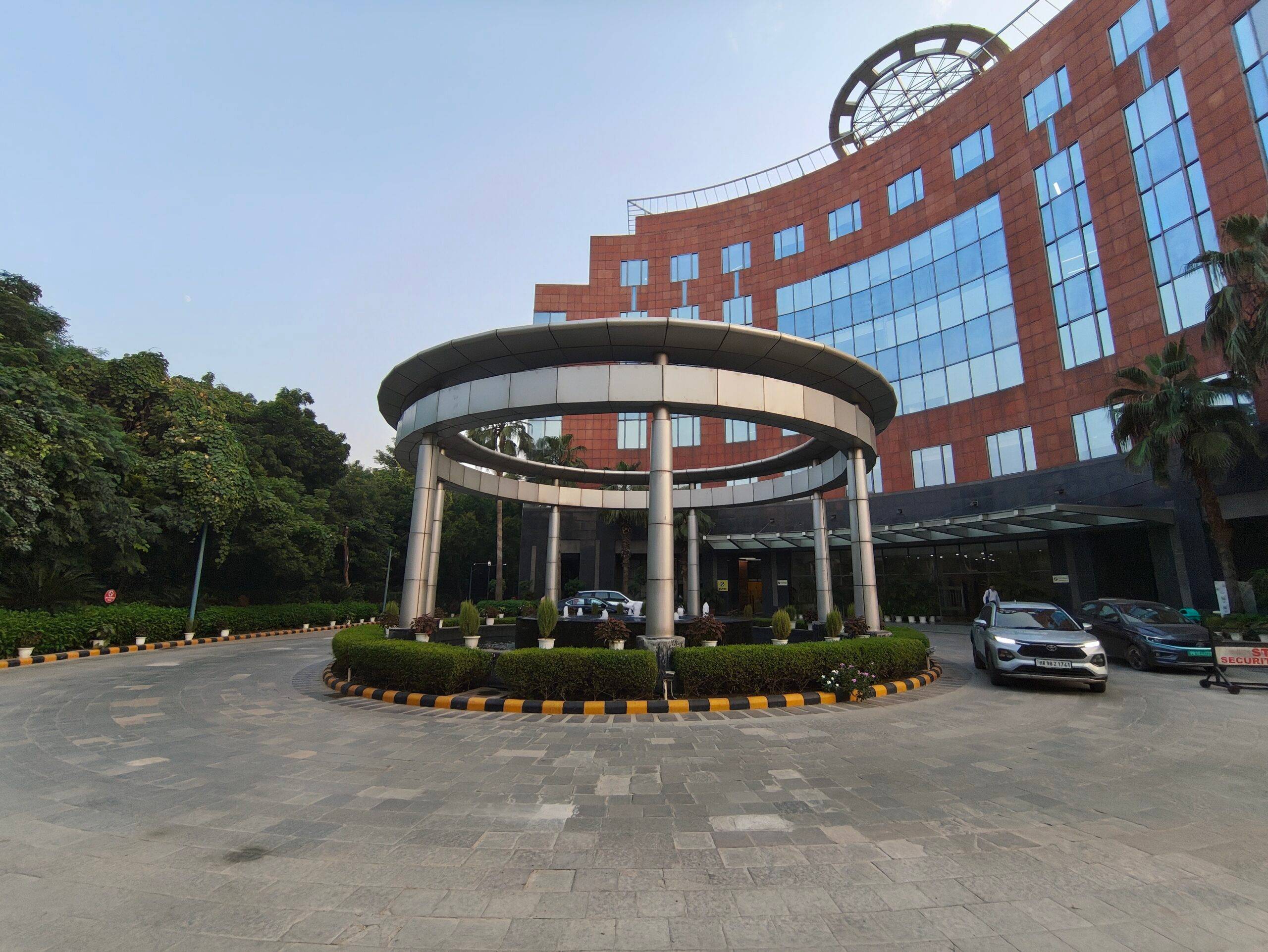
Moving on from colours, the (4a) Pro is still substantially better in terms of details and sharpness than its competitor.
Portrait
The (4a) Pro has a dedicated telephoto lens, but for the sake of this comparison, we shot the scene at 1x, so it’s still a comparison between the primary lens of both phones.

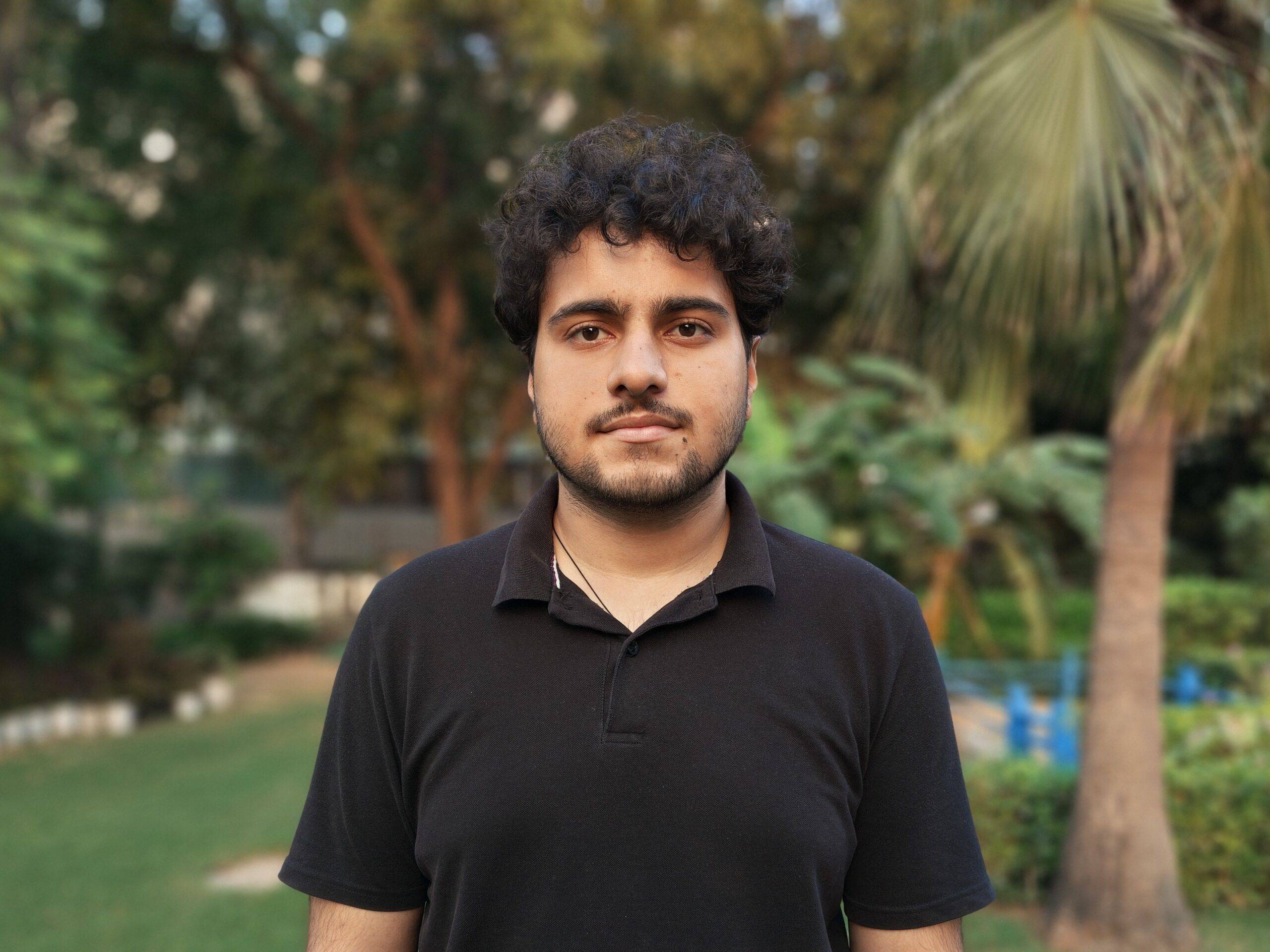
The Note 17 Pro Max, once again, has better colour science and outputs results closer the actual scene. In all other aspects, namely detail level, edge detection and subject and background separation, the (4a) Pro does things better.
Selfie
In this particular scenario, the (4a) Pro reproduces the subject’s skin tone and colours better than the Note 17 Pro Max. It also manages to preserve better facial details than its competitors while keeping the shot sharp across the frame.


The Redmi Note 17 Pro Max manages to output a pleasing shot as well, but it does smooth out the subject’s face and brightens up the skin tone.
Lowlight
With the dedicated night mode enabled on both phones, you’ll immediately notice large discrepancies in both images. The Note 17 Pro Max’s shots are slightly hazy, the details are softer, and its lens flare and ambient light correction aren’t as good as its competitor.
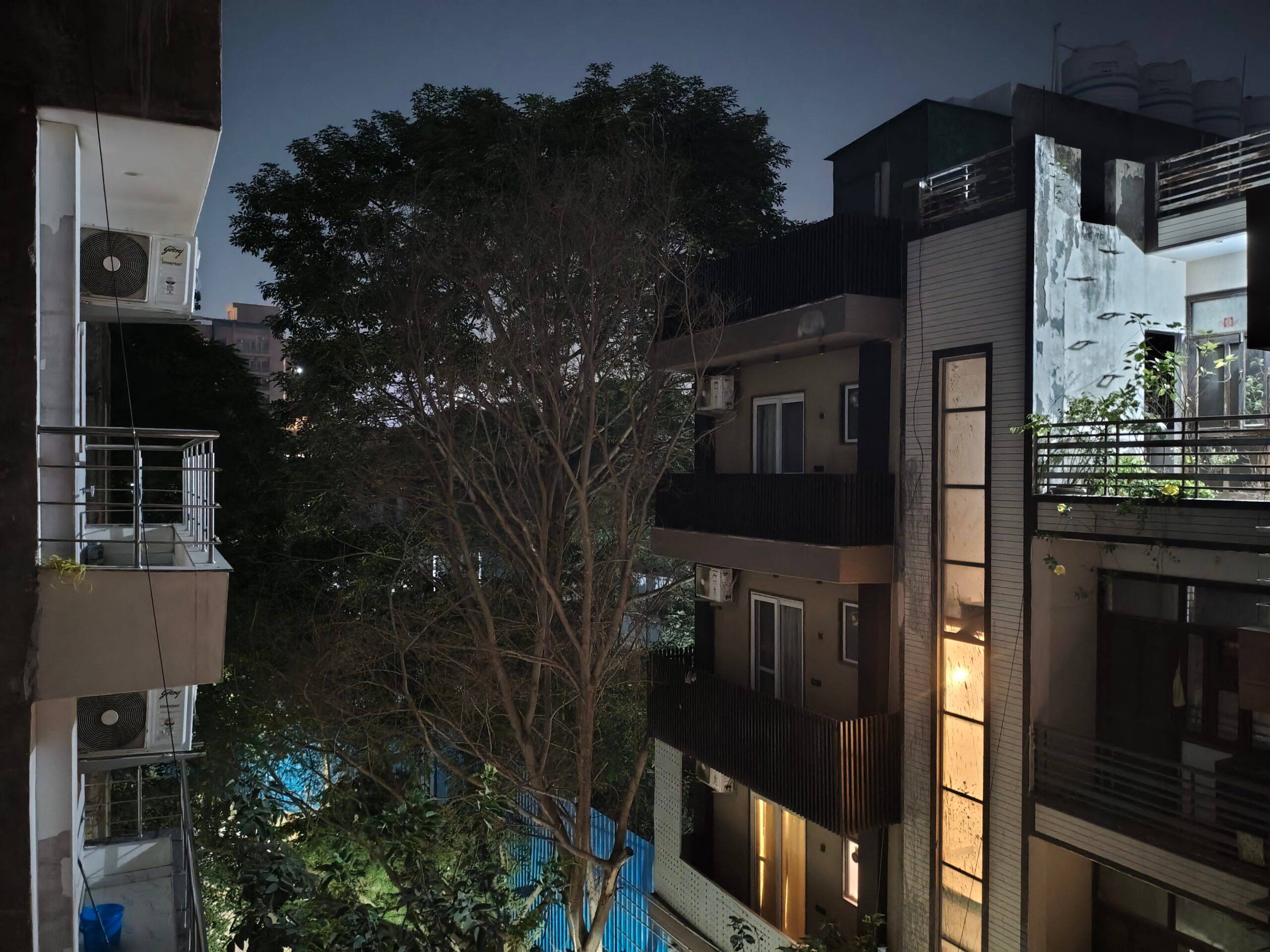
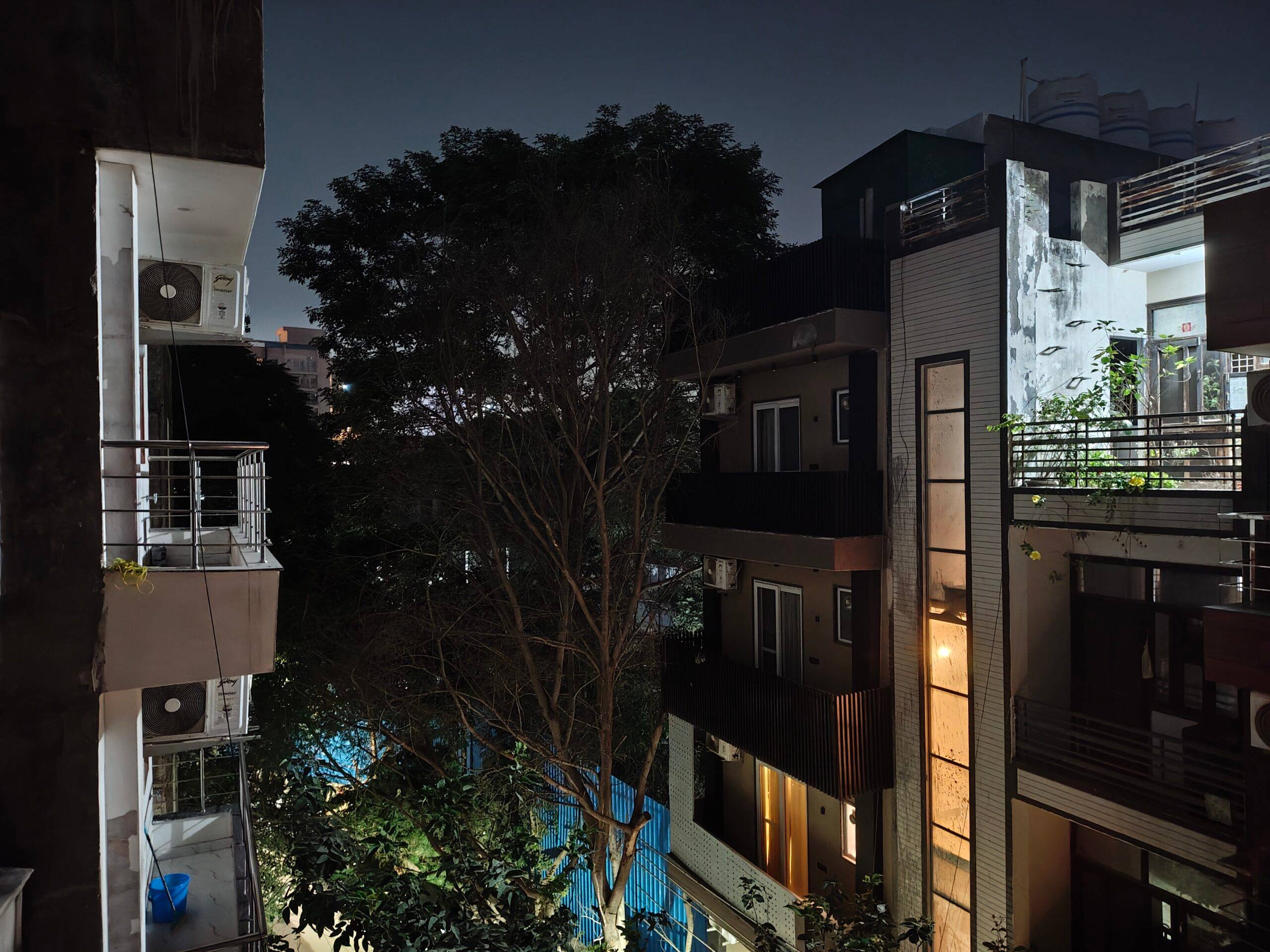
The (4a) Pro manages to output a substantially sharper and better-detailed shot and also addresses the ambient light and lens flares rather well. It also doesn’t increase the exposure and keeps the scene quite close to reality, which in turn means a clearer, more appealing image.
Performance and software: could have been better
The Redmi Note 17 Pro Max uses the Snapdragon 6 Gen 5 chipset, paired with up to 8GB of LPDDR5X RAM and 256GB of UFS 4.1 storage. On paper, this should be more than enough for regular tasks, and in my experience, the phone handles basic usage, app switching and everyday multitasking without much fuss.
However, performance is one area where the Redmi is a little behind. Even when compared with camera-focused phones or devices that aren’t particularly performance-oriented, the Note 17 Pro Max is still one of the less capable performers in this price segment.
With memory and storage costs pushing up BOM prices, I can understand some of the compromises, but Redmi could have used the budget to improve performance a little more.
You won’t find the phone lagging all the time or struggling with basic tasks, but the difference becomes apparent when you start doing anything demanding. Games such as Genshin Impact and Wuthering Waves can run at around 60fps on lower settings, while supported titles such as BGMI can go up to 90fps. However, you will feel the hardware limitations much more once you push the phone beyond regular usage.
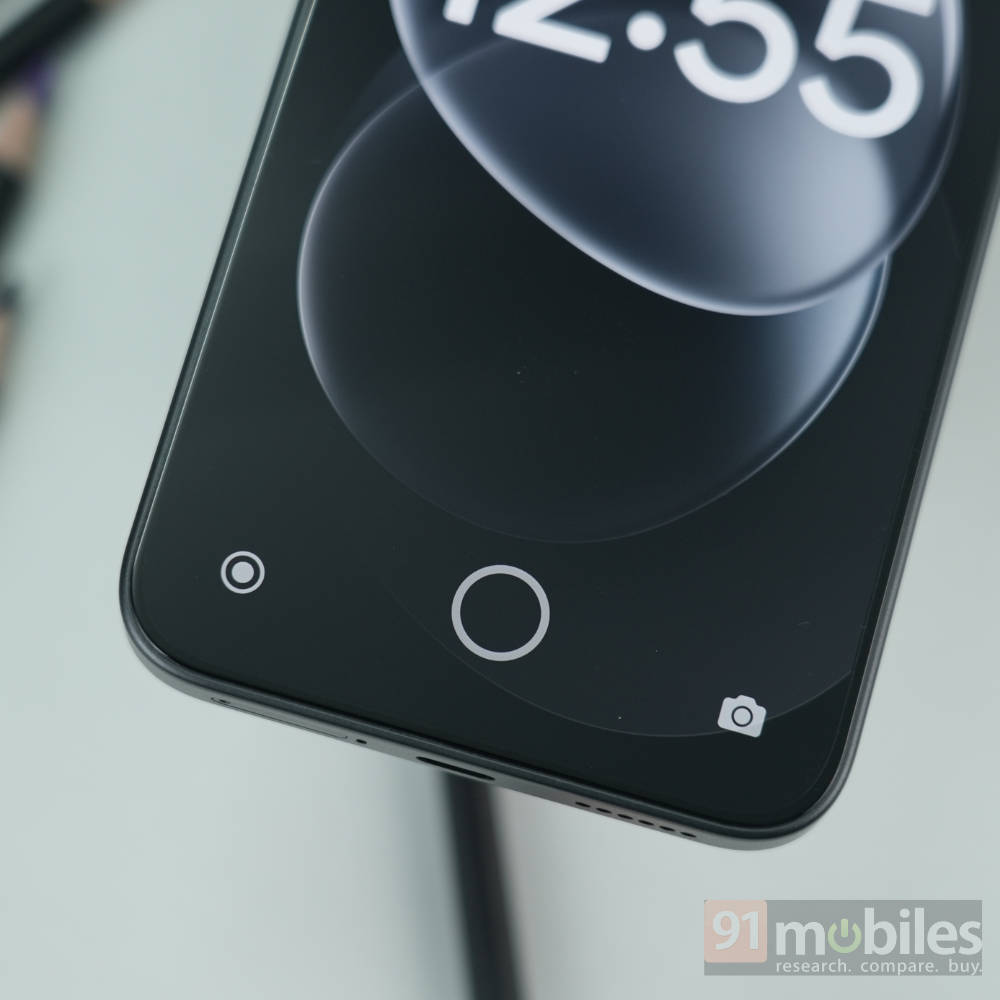
Thermals are pretty decent, with the temperature increasing by around 4 degrees after 30 minutes of gaming. Overall, the Redmi Note 17 Pro Max is very usable for everyday tasks, but performance is one of the areas where I think the phone could have done more, especially at this price.
On the software side, the Redmi Note 17 Pro Max runs HyperOS 3 based on Android 16. The interface is largely easy to use, with features such as smoother animations, HyperIsland, depth and cinematic wallpapers, and a range of AI tools for writing, transcription, searches and image editing.
| Smartphone | Pre-Installed Apps | Software Support |
| Xiaomi Redmi Note 17 Pro Max 5G | 62 | 4 Year OS Updates + 6 Year Security Updates |
| Nothing Phone 4a Pro | 30 | 3 Year OS Updates + 6 Year Security Updates |
| Motorola Edge 70 Pro + 5G | 46 | 3 Year OS Updates + 5 Year Security Updates |
| OnePlus Nord 6 | 53 | 4 Year OS Updates + 6 Year Security Updates |
The pre-loaded apps count is also not unreasonable, with 62 apps installed out of the box, including 20 third-party apps. That is still on the higher side, but you can remove a lot of the third-party apps during the initial setup, which makes the process less tedious. Redmi also promises four years of OS updates and six years of security updates, which should keep the phone supported for a good few years.
Competition: a lot of good options
The Redmi Note 17 Pro Max finds itself in a very competitive segment, with plenty of phones offering a different take on what a good device at this price should be.
The Nothing Phone 4a Pro (review) is a more camera-focused option. It gets a dedicated telephoto camera and better camera hardware across the board, along with the Snapdragon 7s Gen 4 chipset, a cleaner software experience and, in my opinion, a more interesting design. Its 5,500mAh battery is nowhere close to the Redmi’s, though, while the software support is also slightly shorter.
The Motorola Edge 70 Pro+ (review) takes a more balanced approach. It is powered by the Dimensity 8500 Extreme chipset and packs a 6,500mAh battery, while also offering good cameras with a dedicated telephoto lens. It also has a better design and cleaner software experience. There isn’t an obvious limitation here, which makes it a fairly complete option for someone looking for an all-rounder.
If performance is your main priority, the brand’s own Redmi Turbo 5 (review) is another option worth considering. It also uses the Dimensity 8500 chipset and packs a large 7,560mAh battery, while also offering a similar software commitment. It is slightly more compact than the Note 17 Pro Max and has stronger overall hardware, making it a decent alternative if performance matters more.
Verdict
The Redmi Note 17 Pro Max starts at Rs 49,999 for the 8GB + 256GB variant and Rs 55,999 for the 12GB + 256GB variant. There are quite a few things to like about the Redmi Note 17 Pro Max. The 10,000mAh battery offers unmatched endurance, the 1.5K AMOLED display is good for both gaming and content, and the phone has a durable build that should hold up well over time. The software support is also quite good, and the overall experience is reliable for everyday use.
The problem is that the asking price puts it in a segment with plenty of good alternatives, as I mentioned above. Some offer better cameras, others deliver greater performance, and a few offer a more balanced package without such compromises.
The Redmi Note 17 Pro Max could still make sense with the right offline discounts or partner offers, especially for buyers who put battery life above everything else. At its current asking price, though, it is difficult to justify the phone’s value on battery life alone. It is a capable and durable device, but whether the huge battery is enough to make up for its compromises is something each buyer will have to decide.
Editor’s Rating: 7.8/10
Reasons to buy:
- The Redmi Note 17 Pro Max offers excellent battery life, easily lasting two days even with moderate to heavy use.
- The 6.83-inch 1.5K AMOLED panel delivers vibrant colours, a 120Hz refresh rate, HDR10+ and Dolby Vision support.
- With IP66, IP68, IP69 and IP69K ratings, along with Gorilla Glass Victus 2, the phone offers a high level of protection.
- Four years of OS updates and six years of security updates should keep the phone relevant for years.
Reasons not to buy:
- The phone isn’t a good performer compared to the wider segment.
- The overall camera performance isn’t quite as good as the competitors.
- The phone’s price is high for the value it currently offers.
 | vs |  |
| vs |  |