


Review Summary
Expert Rating
%20pro.png?tr=q-70,tr:t-5)
With its flagship plans on hold, the Nothing Phone (4a) Pro appears to be the company’s most powerful and ambitious release this year. The handset comes with mid-range specifications and an entirely different design language, one that Nothing managed to keep tightly under wraps until launch and rightfully so. I was in awe of the design in my Nothing Phone (4a) Pro’s first impressions, but this piece takes a broader view.
We’ll look at what the smartphone truly brings to the table, how well it lives up to its promises in day-to-day use, where it excels, and where it still leaves room for improvement. So, without any further ado, let’s jump right into my Nothing Phone (4a) Pro review.
Table of Contents
TL;DR
The Nothing Phone (4a) Pro delivers a well-rounded experience with a strong focus on design, clean software, and dependable performance. While the cameras and battery life are not class-leading, they are reliable for casual photography and regular usage, respectively. If these aspects appeal to you, the Phone (4a) Pro is an easy recommendation.
Minimalist design done right
The Nothing Phone (4a) Pro takes a more traditional design approach, and it’s the one I admire most in Nothing’s recent smartphone lineup. However, the OEM has ensured that it doesn’t look like any other device. There’s still a transparent element, but this time it’s limited to the camera module. The rest of the body features a metallic finish, which looks cleaner than the Phone (4a).
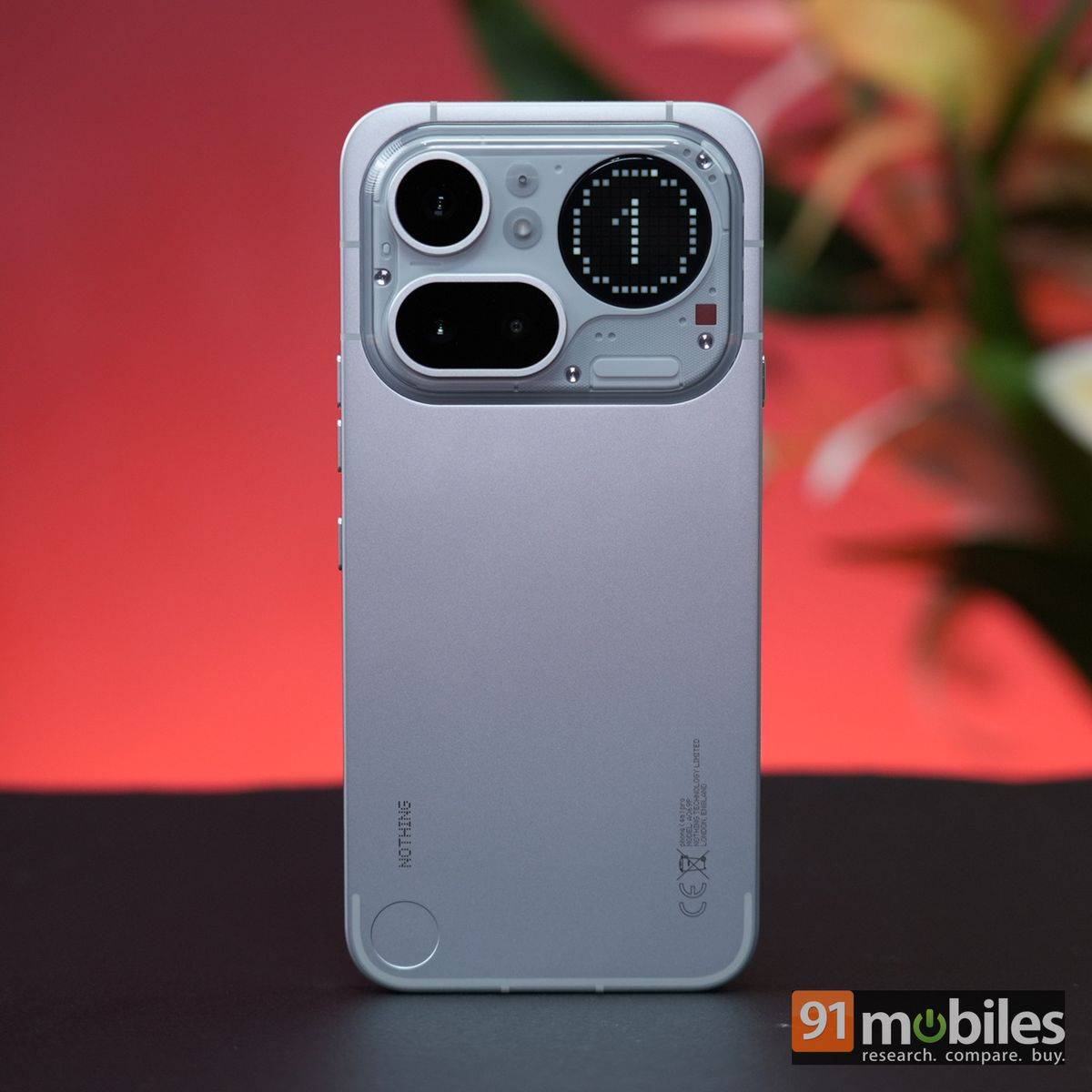
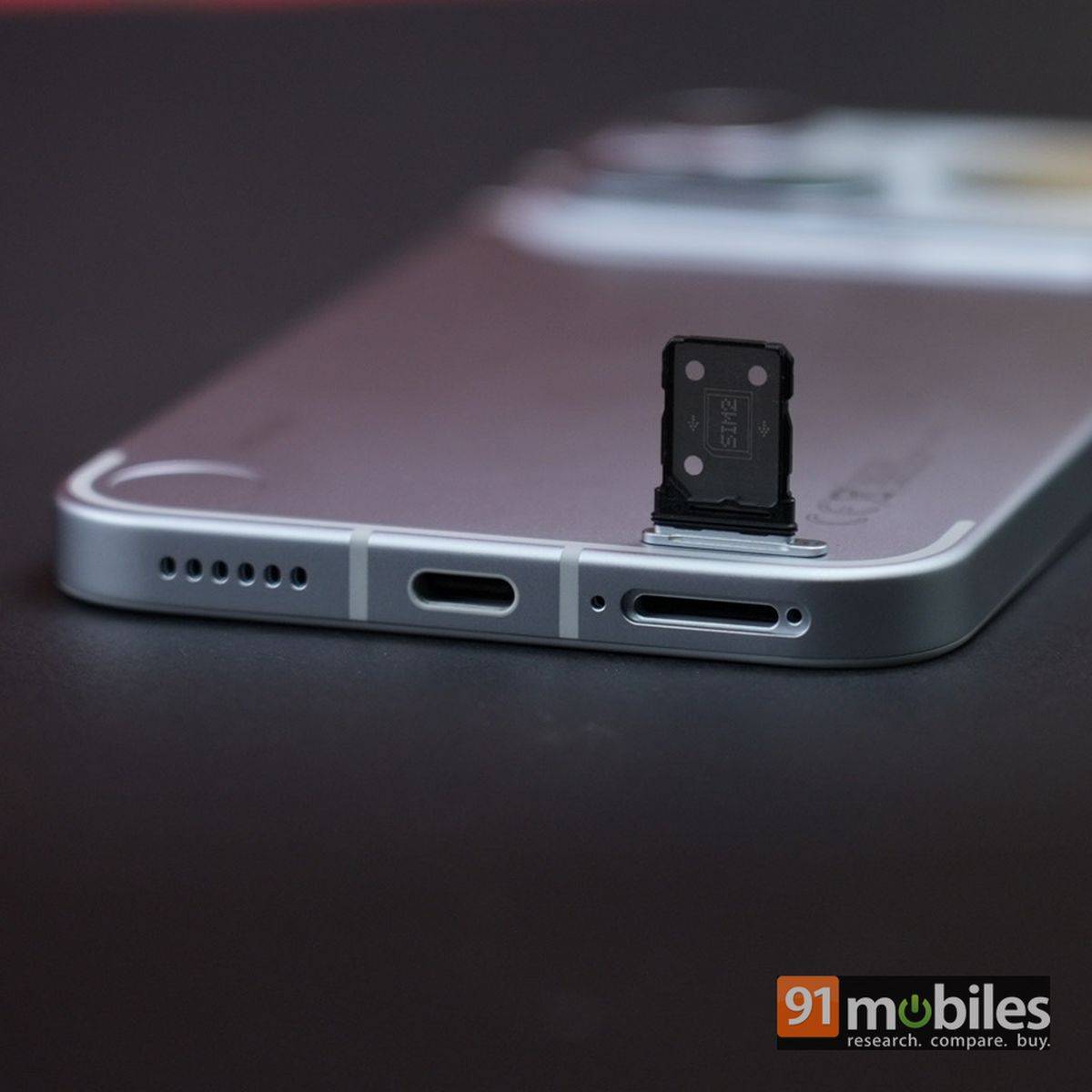
The Phone (4a) Pro also offers a better in-hand feel and grip, thanks to its flat edges, matte finish, and gently curved corners. The bottom edge of the back panel features an antenna line that blends in well with the overall design. The line has a contrasting finish across each colour variant. The handset is available in black, silver, and pink, and having tried all three, black is my personal favourite.
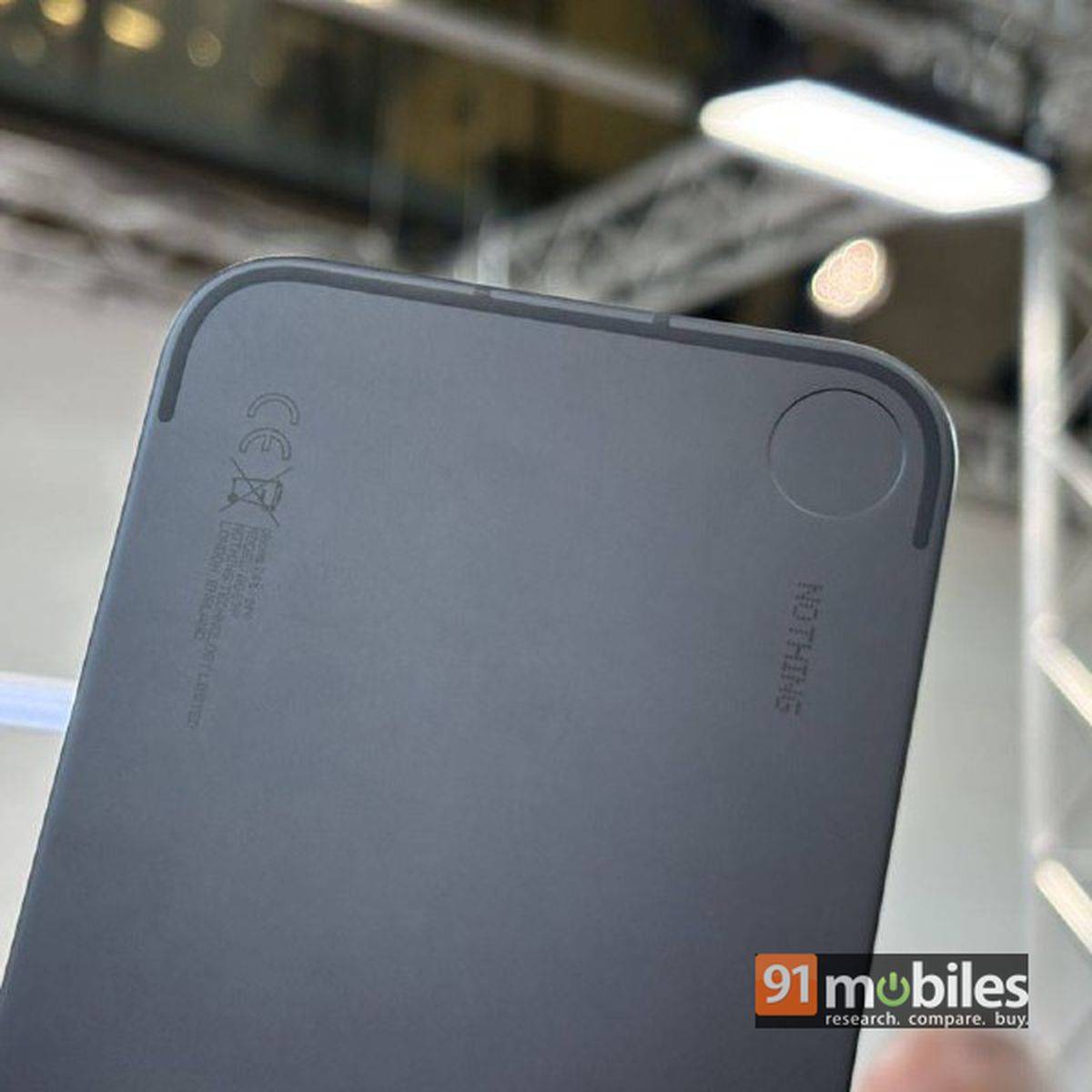
Nothing has subtly etched its branding and certification details onto the back panel. There’s also a circular indent at the bottom-left corner, which might be mistaken for a button, like the one on the Phone (3), but it isn’t. It’s meant to help you pull the phone out of tight spaces using your forefinger and thumb, but that wasn’t the case in my experience. I didn’t find it particularly useful, which could be because I don’t wear skinny jeans.
That said, the indent doesn’t get in the way in day-to-day use, and Nothing has paid attention to detail by replicating it on the transparent case included in the box. I do wish the company had opted for a slightly better case, one that’s colour-matched and features a rubber finish, for a more premium look and feel.
…still distinct
In an effort to ensure the Phone (4a) Pro doesn’t come across as ‘boring’, Nothing has introduced a large transparent camera module. The module appears reminiscent of the iPhone 17 Pro, but the (4a) Pro sets itself apart with a busier, more intricate layout. Instead of symmetry, the handset features a single camera housed in individual rings, while a horizontal, pill-shaped module accommodates the other two cameras. This module also includes a Glyph Matrix display, larger than the one seen on the flagship Phone (3), along with a red LED recording indicator, an LED flash, and a microphone.
Handy, sub-par IP rating, and a reliable fingerprint scanner
The Nothing Phone (4a) Pro measures 7.95mm in thickness, which makes it easy to hold and use despite weighing 210 grams. The handset is IP65 rated, which only protects it from dust and minor splashes of water. This is slightly underwhelming compared to alternatives, which can even withstand high-pressure and high-temperature jets with an IP69K rating.
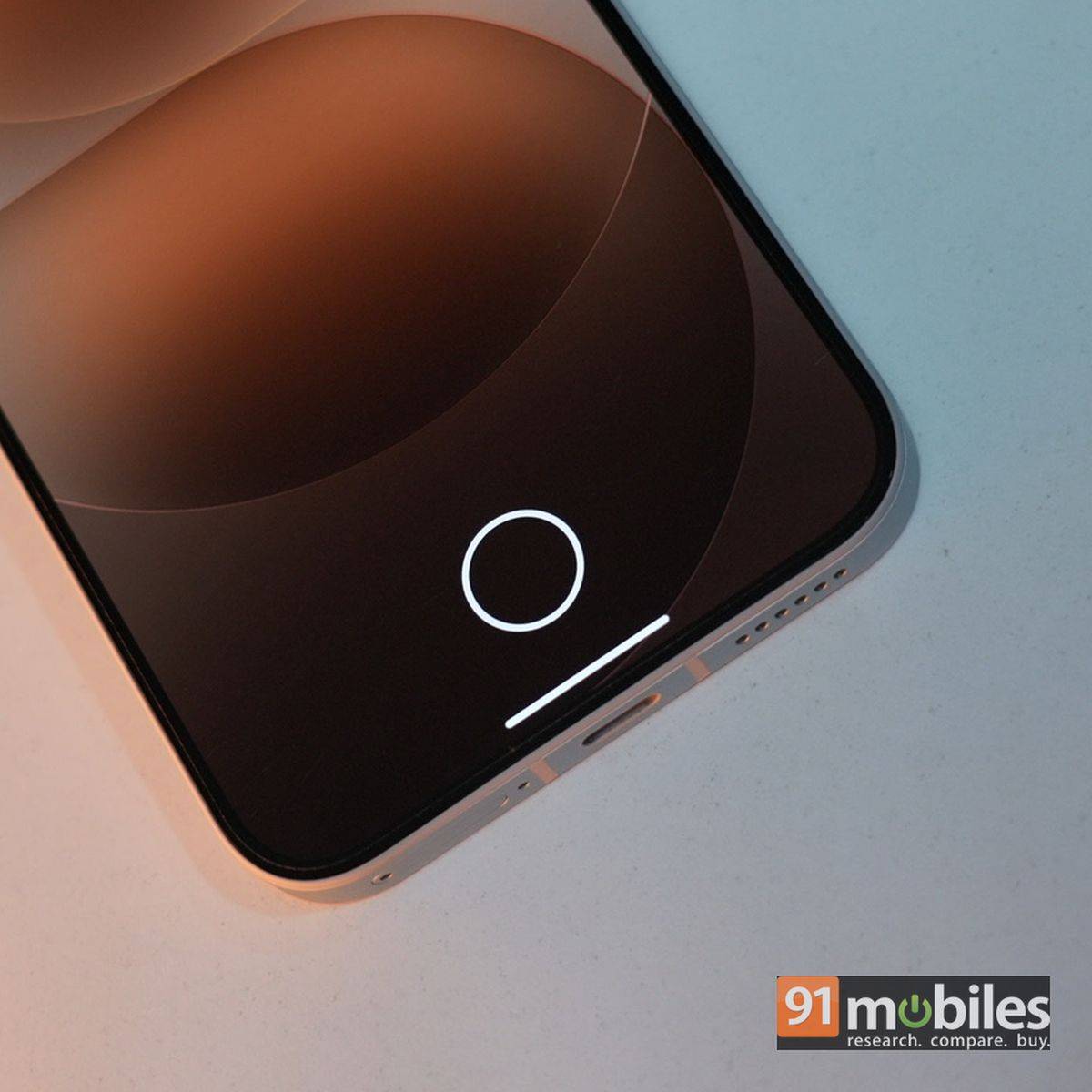
Similar to its younger sibling, the Phone (4a) Pro sports an optical fingerprint scanner. While not as fast as the ultrasonic scanner, the smartphone’s available option can securely unlock it with a touch. However, I wish it were positioned slightly up on the screen rather than at the bottom for better accessibility.
Phone (4a) Pro’s Glyph Matrix display
The Nothing Phone (4a) Pro doesn’t exactly replicate the Glyph Matrix display from the Phone (3). Instead, it takes the concept and delivers a more mid-range experience. I say this despite the display being larger than ever before. It doesn’t really translate into more usable real estate, as the micro LEDs themselves are bigger than those on the Phone (3). While this makes the Matrix display brighter, it lacks sharpness and clarity. As a result, the experience remains poor when using it as a viewfinder for the rear cameras.
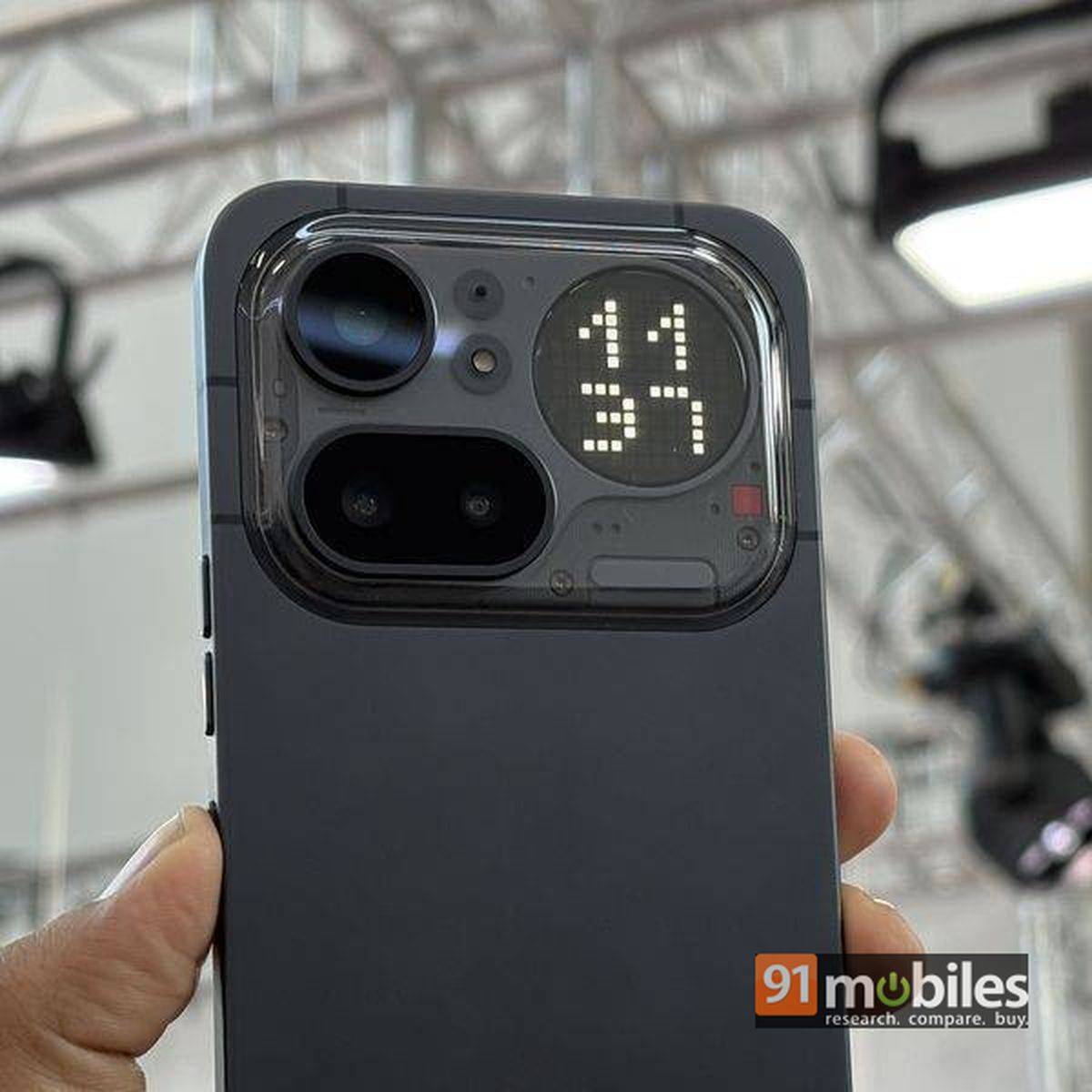
Moreover, since it’s a non-touch display and lacks a dedicated physical button, there’s a noticeable learning curve. The Phone (4a) Pro requires you to enable the Glyph Interface and flip the phone over to access its features. The matrix display can be used for notifications, calls, messages, timers, progress indicators, charging status, and other functions expected from the Glyph Interface. These are in addition to features like a digital clock, solar path, moon phase, and battery indicator.
While there are no built-in games this time around, users can download options like Dice and Coin Flip from Nothing’s Playground. Unfortunately, I couldn’t get them working on the unit provided for review.
Cameras: Sharper zoom, cool colour science
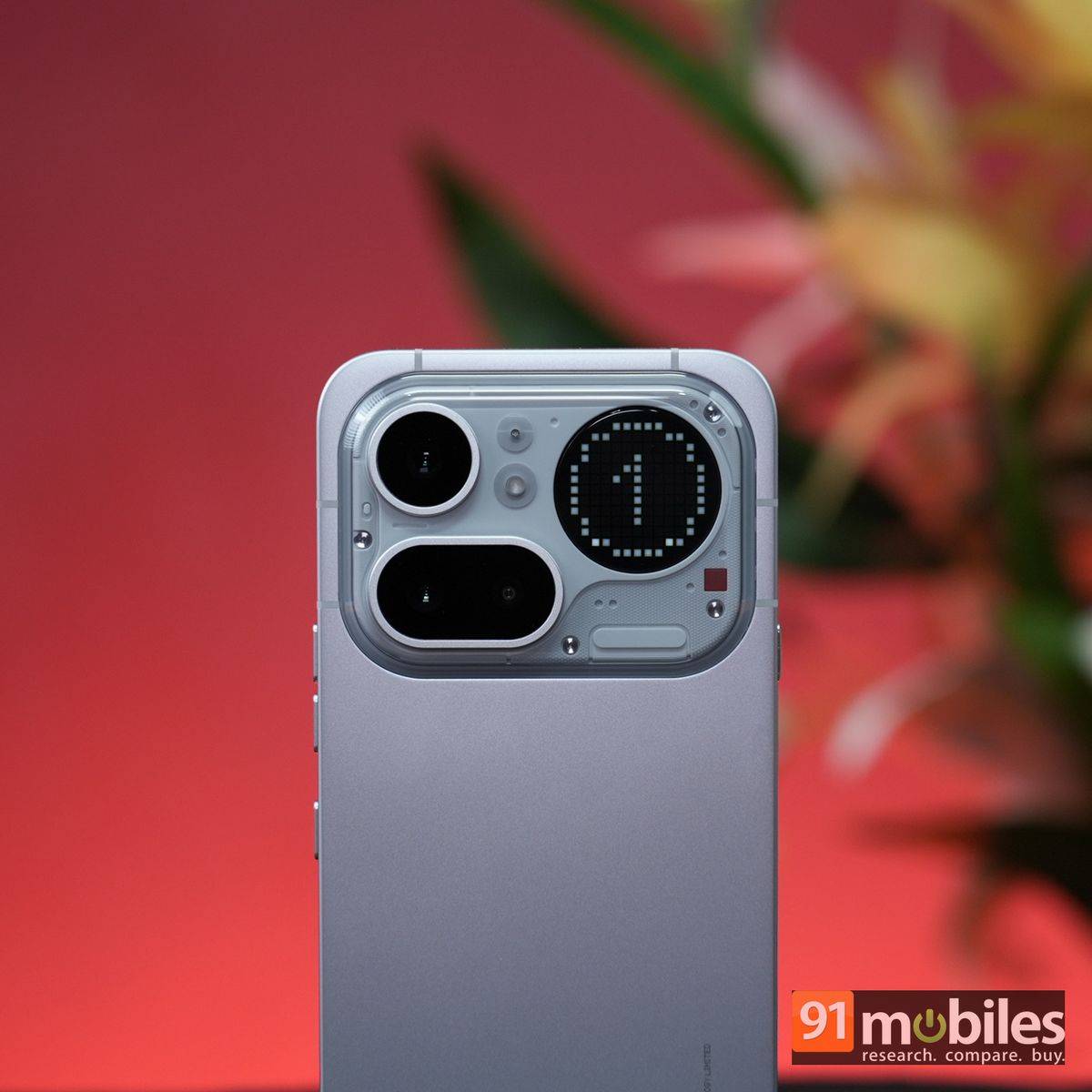
The Nothing Phone (4a) Pro features a triple rear camera setup with the same 50MP primary, 8MP ultrawide, and 50MP telephoto resolutions as the standard Phone (4a). However, the Pro model swaps the 1/1.57-inch Samsung GN9 for a slightly larger 50MP 1/1.56-inch Sony LYT700C sensor, and the 50MP OIS-enabled 1/2.75-inch JN5 tetraprism periscope telephoto camera supports up to 140x digital zoom, up from 70x. The 8MP ultrawide camera remains unchanged, offering a 120-degree field of view.
The Phone (4a) Pro’s front camera is also identical to its younger sibling, with a 32MP snapper for selfies and video calling in the punch-hole setup. The HDR inconsistency we witnessed on the Phone (4a) is also apparent on the ‘Pro’ model. Even though both smartphones utilise the company’s TrueLens Engine 4, there is a slight difference in tones. The Phone (4a) Pro leans towards cold tones and slight oversaturation rather than being close to natural.



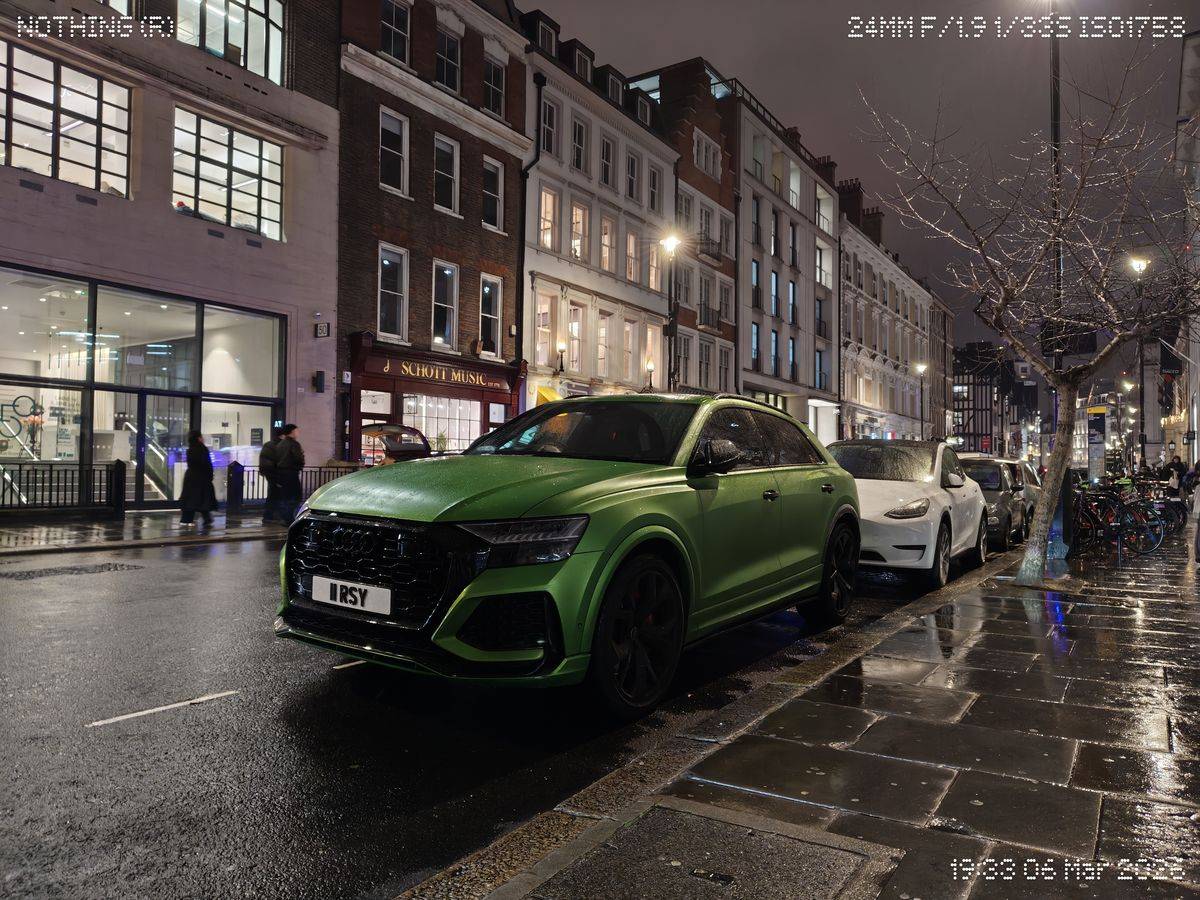

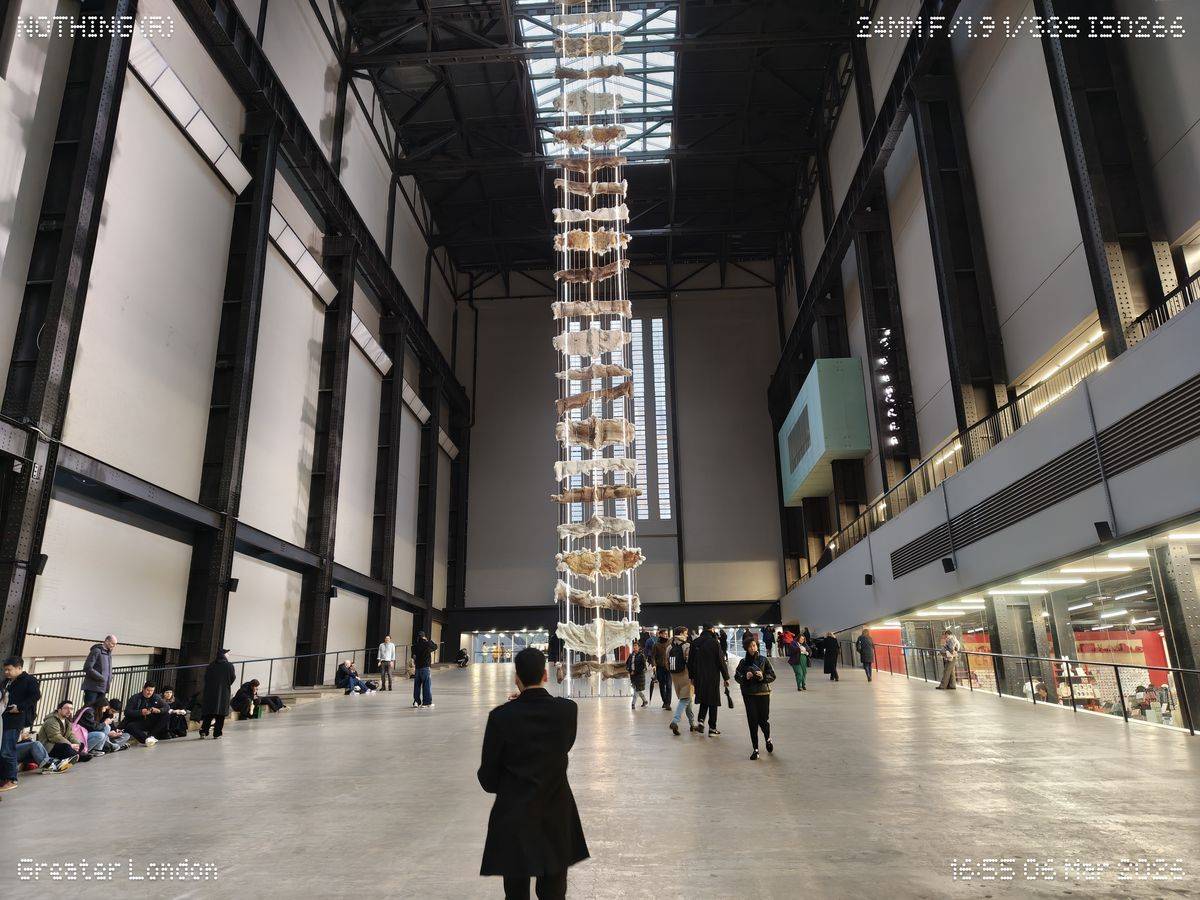





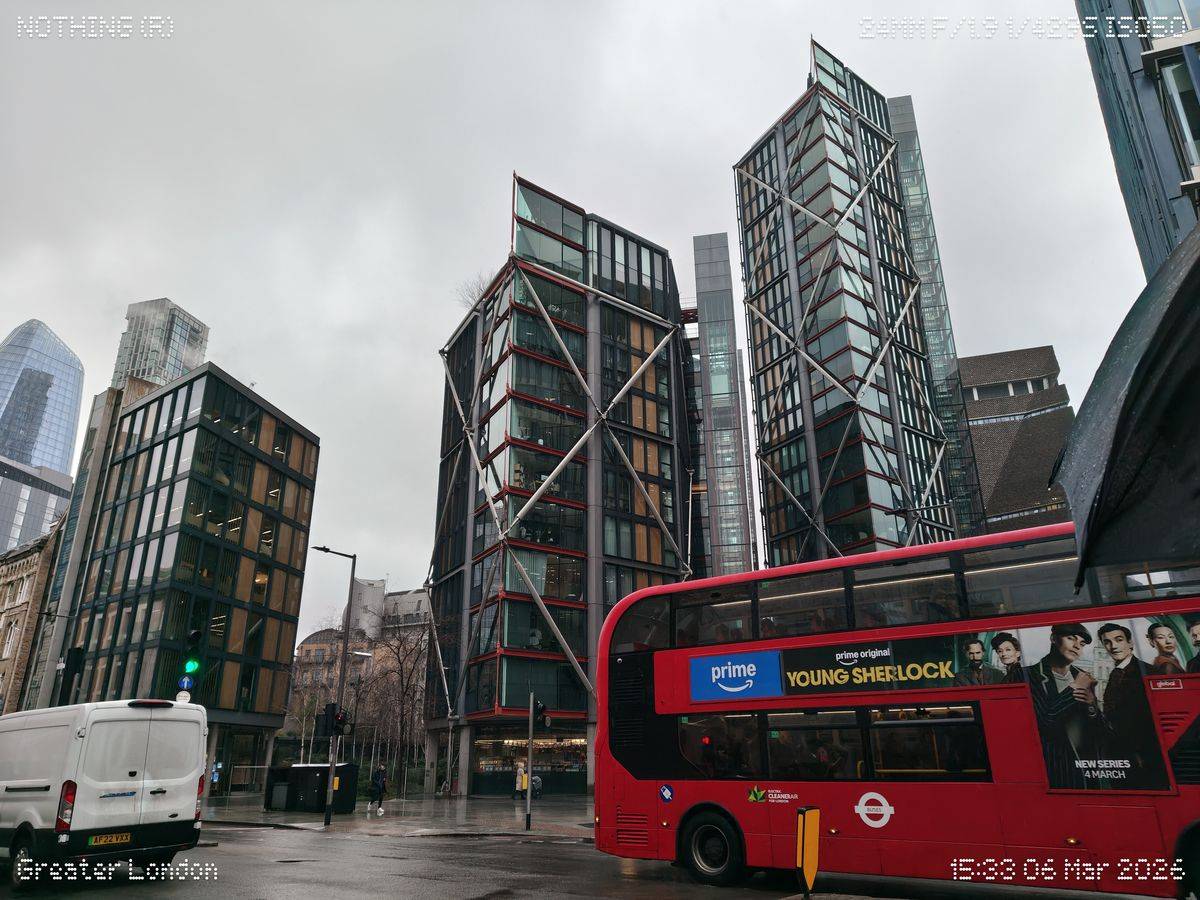

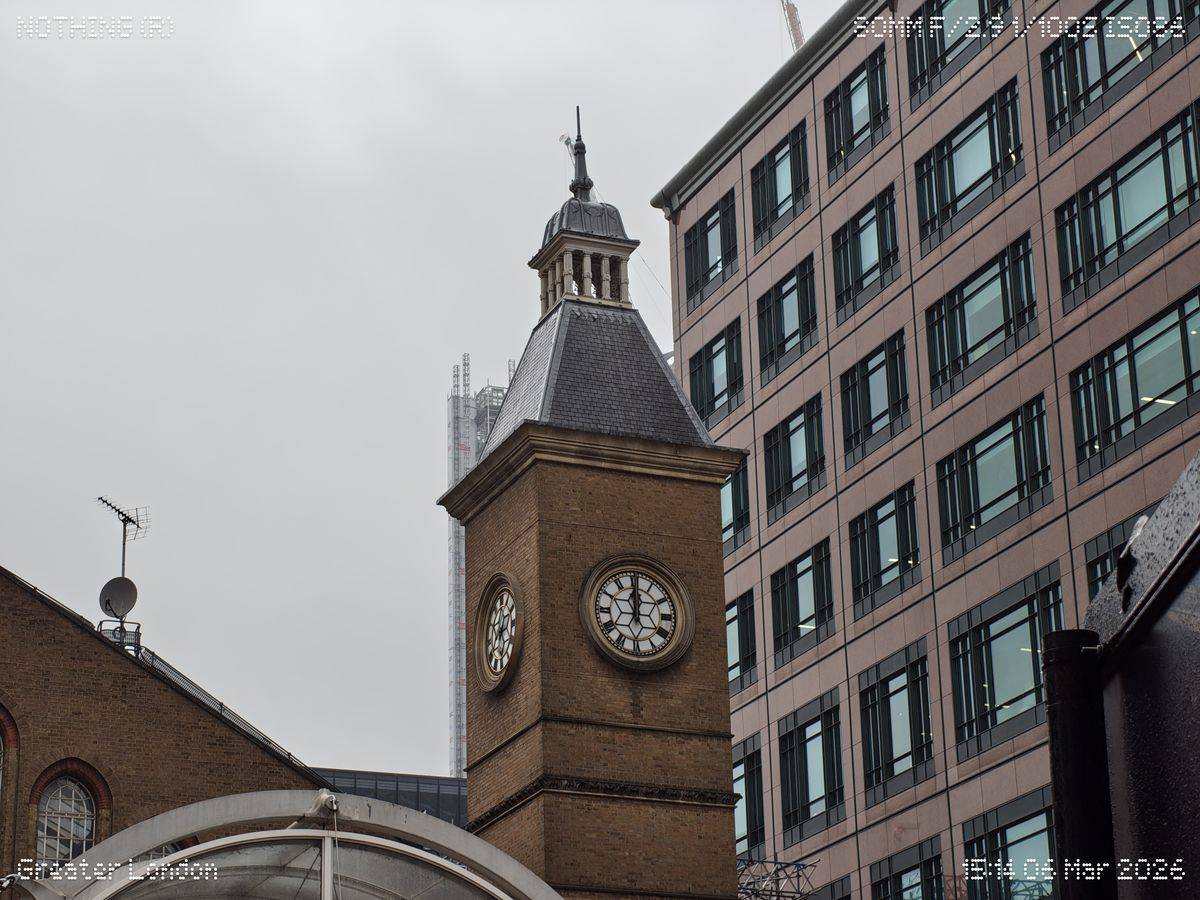
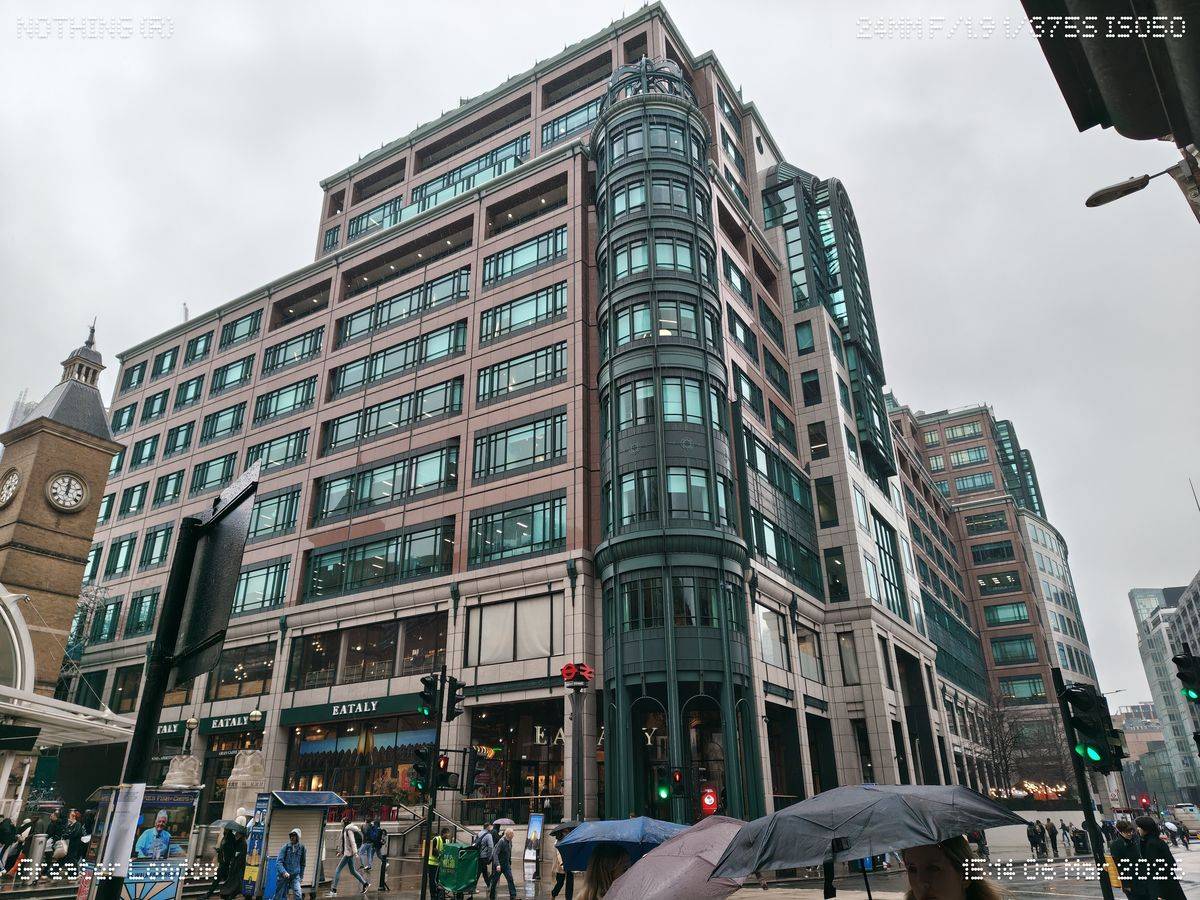










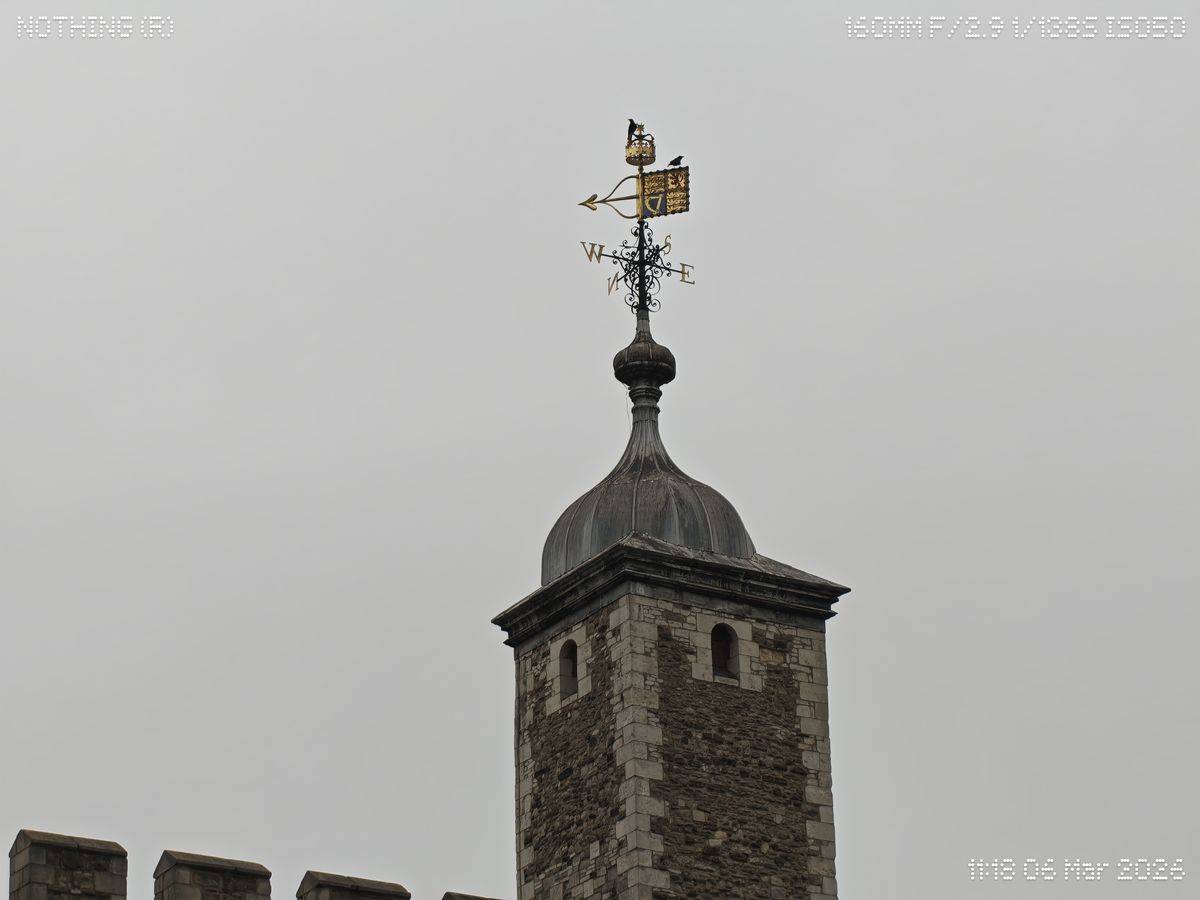
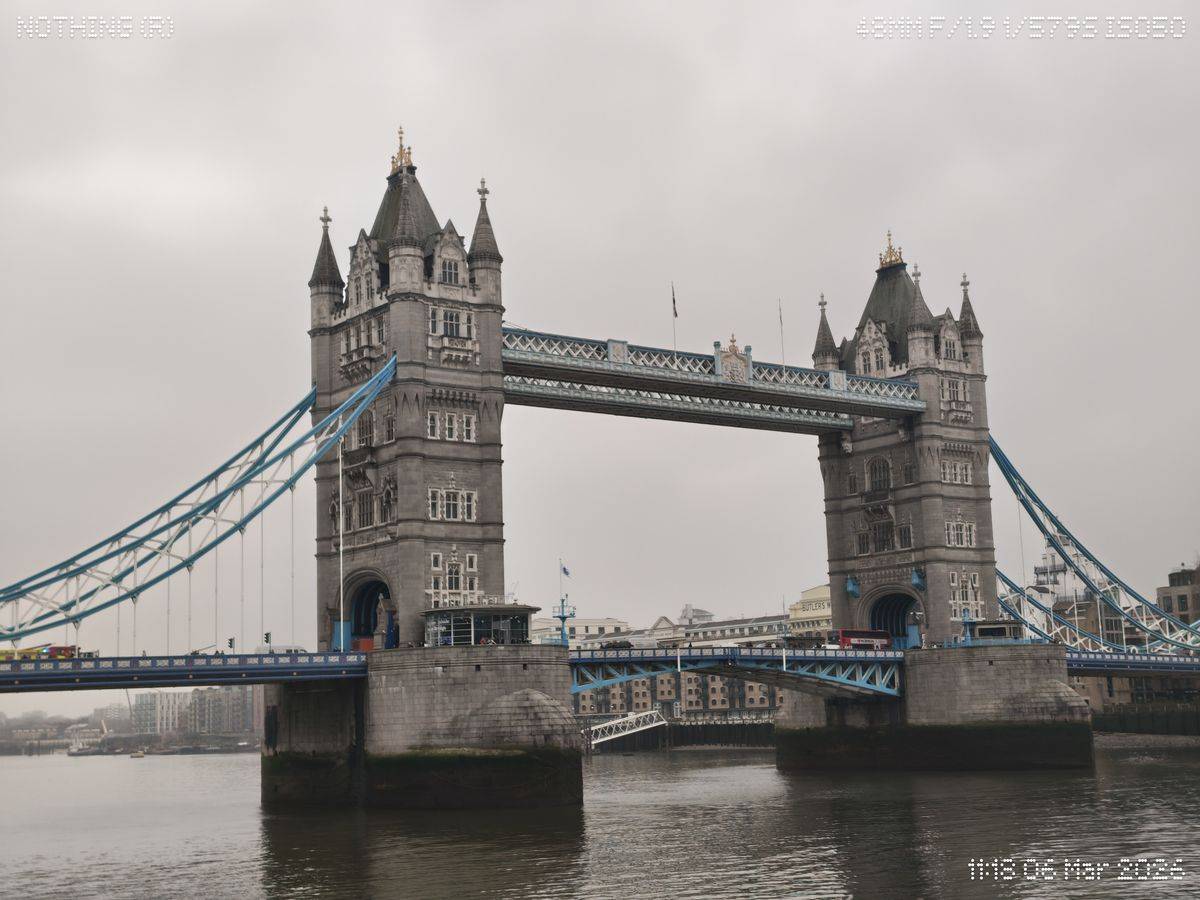
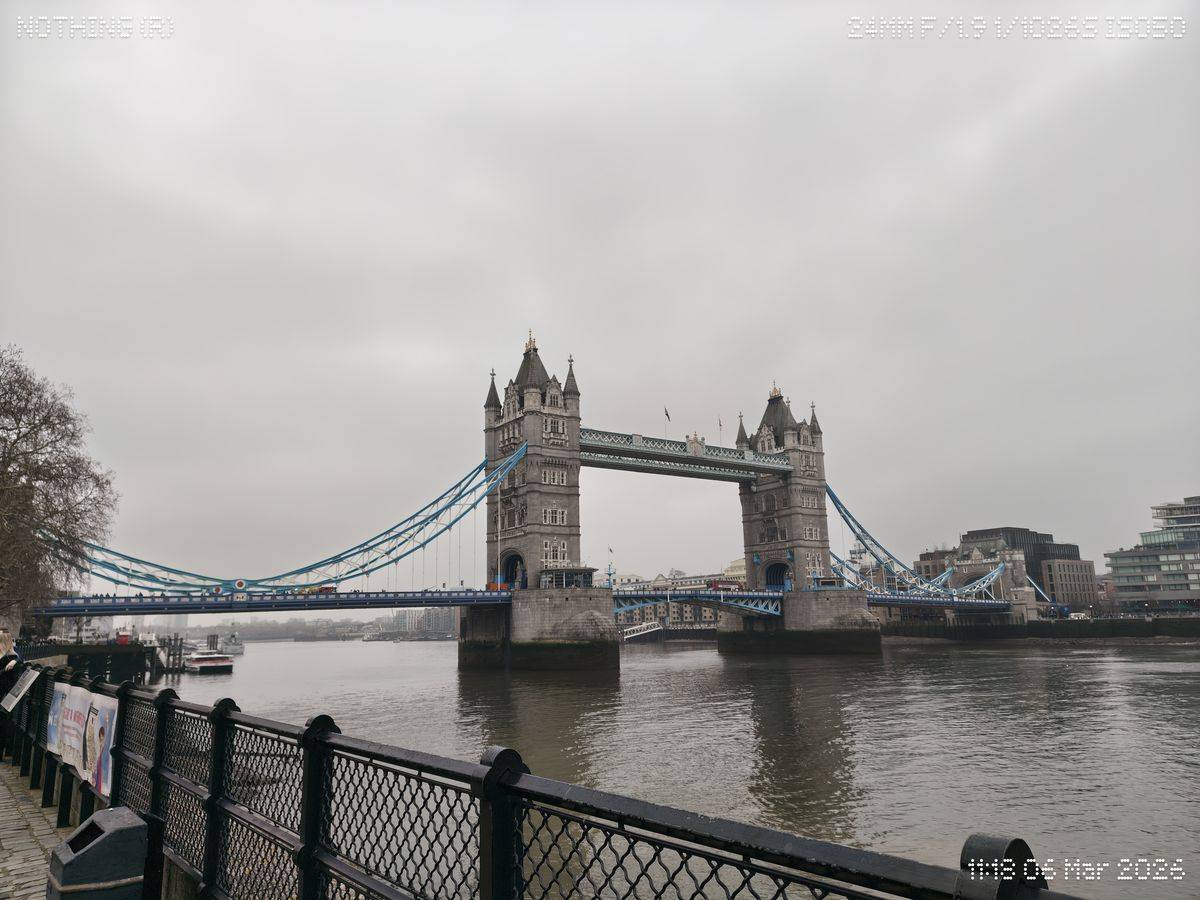






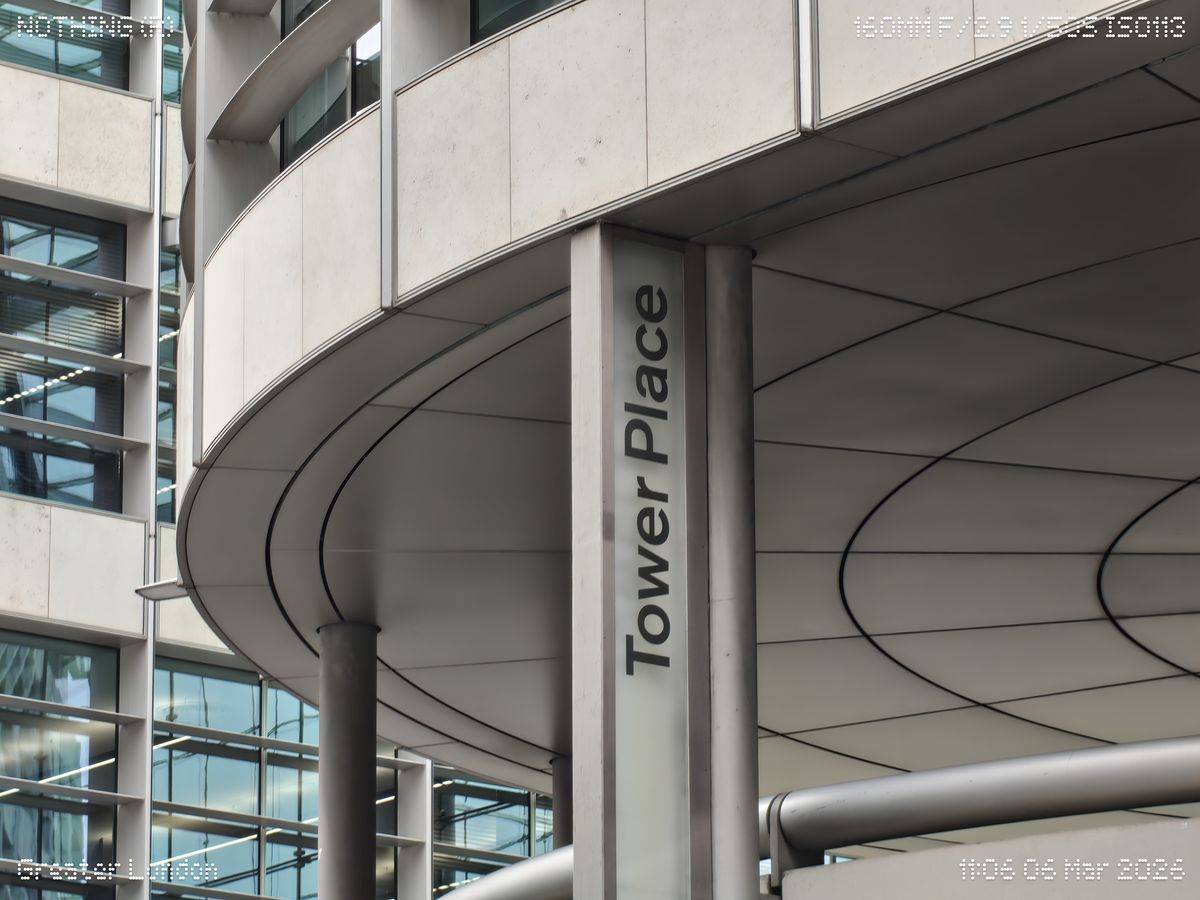


Users can switch to a different camera ‘Preset’ for better colour calibration if the default is not to their liking, similar to the regular Phone (4a). That said, images from the Phone (4a) Pro appear relatively sharp, particularly from the primary and ultrawide cameras. This can be attributed to the larger primary sensor, which captures more light and improves fine detail, as well as the upgraded telephoto lens. The 50MP periscope-style sensor captures more detail than the regular Phone (4a), though it still relies on AI processing to achieve the best results.
Users also have the option to switch to a different camera ‘Preset’ for better colour calibration if the default setting isn’t to their liking, similar to the regular Phone (4a).
To help you better understand the Phone (4a) Pro’s camera performance, we compared it head-to-head with the similarly priced Realme 16 Pro+, which features an impressive camera setup: a 200MP primary sensor, an 8MP ultrawide lens, and a 50MP telephoto lens. Here’s how the two smartphones performed across different scenarios.
Daylight


In daylight, the Nothing Phone (4a) Pro maintains slightly sharper focus and better detail around the centre of the frame. However, it loses out to the Realme 16 Pro+ in colour accuracy, with somewhat oversaturated tones and slightly underwhelming dynamic range.
Ultrawide


The Realme 16 Pro+ also delivers better colour consistency in ultrawide shots and reveals more details. That said, the overall level of detail remains comparable to the Nothing Phone (4a) Pro.
Portraits


Portraits appear slightly better on the Nothing Phone (4a) Pro, thanks to superior detail, clearer edge detection, and more consistent focus. However, it could benefit from more accurate skin tones and colours, something the Realme smartphone handles better.
Selfies


Selfie performance on both phones is fairly balanced. The Nothing Phone offers more detail, though images can appear slightly oversharpened. Meanwhile, the Realme 16 Pro+ struggles a bit with exposure and dynamic range, but manages to keep skin tones closer to natural.
Low light (night mode)
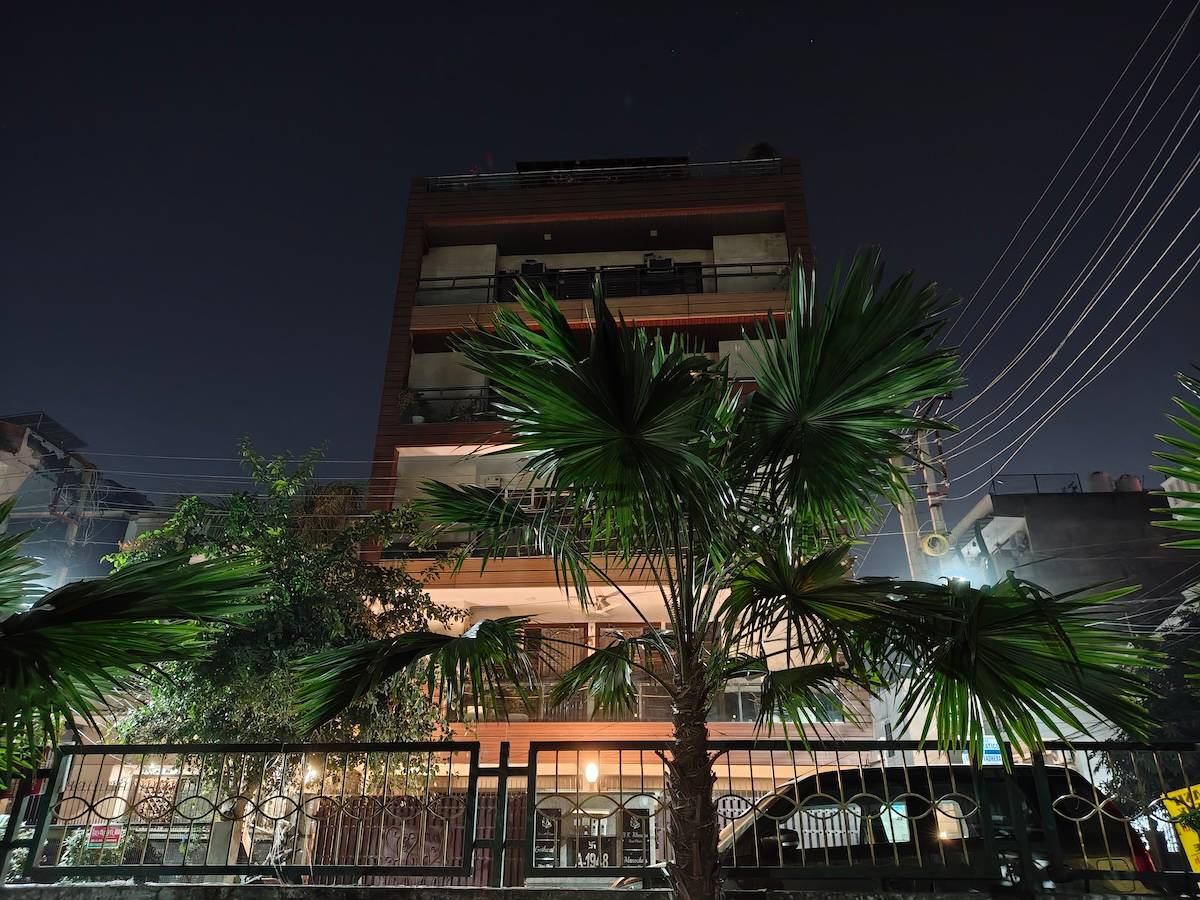
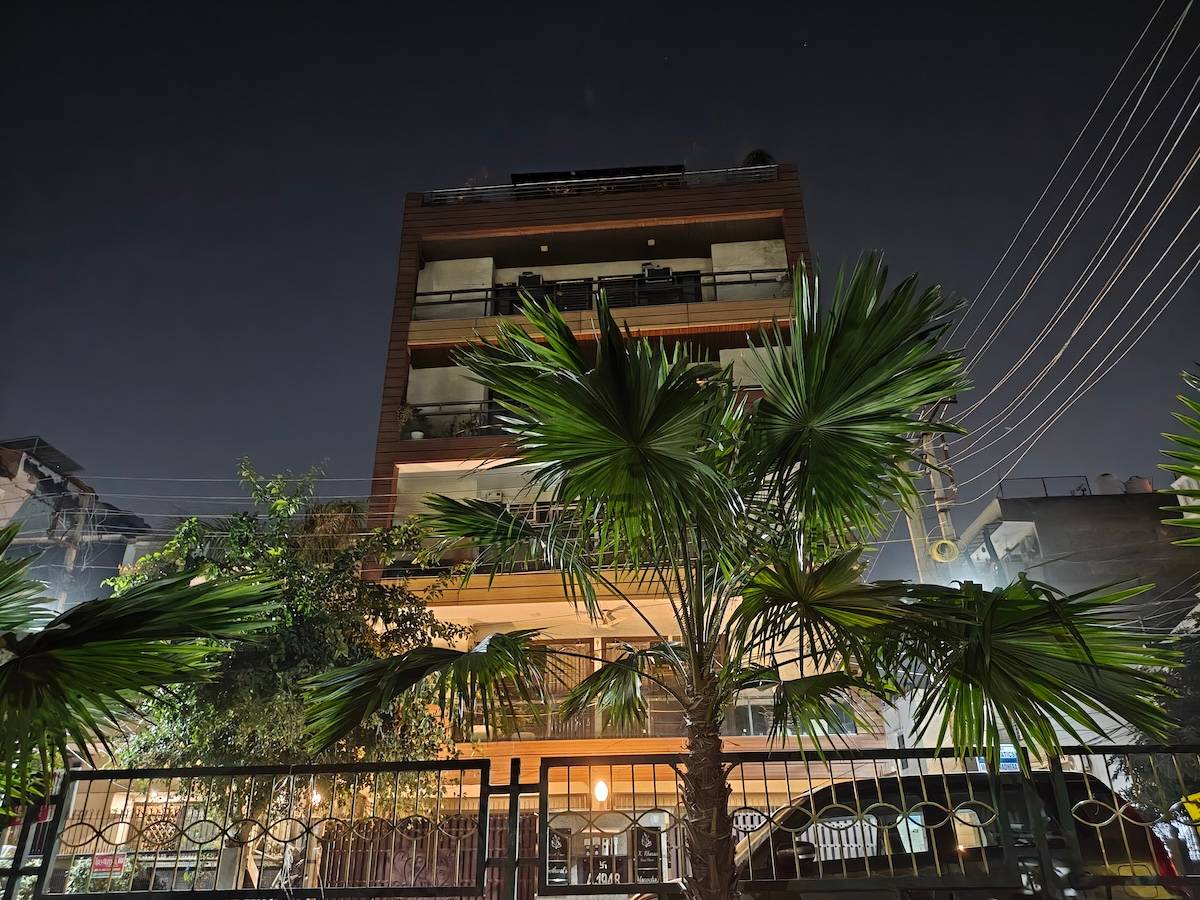
In low light, the Nothing Phone (4a) Pro takes the lead with its Night Mode. It captures more realistic images while controlling light flare and noise better than the Realme 16 Pro+.
Not the most powerful, but far from underwhelming


At the core of the Nothing Phone (4a) Pro lies a capable Qualcomm Snapdragon 7 Gen 4 SoC. This is the same chipset that is found on the Realme 16 Pro+, which is also paired with LPDDR5X and UFS 3.1 storage. As a result, the Nothing smartphone scores identically on synthetic benchmark tests, including AnTuTu, Geekbench, and Burnout CPU throttle.
Primary display and audio experience
The primary display on the Phone (4a) Pro measures 6.83 inches and uses an AMOLED panel with a 1.5K resolution, 100 percent DCI-P3 colour gamut, HDR10+ support, and a 144Hz adaptive refresh rate. However, in practice, the display only reached 120Hz in the system UI and supported apps, even after manually selecting the ‘High’ 144Hz option in the settings. This limitation persisted during gameplay as well; titles like BGMI remained capped at 120Hz even when performance mode was enabled. We will update this section once we receive further clarification from the brand.
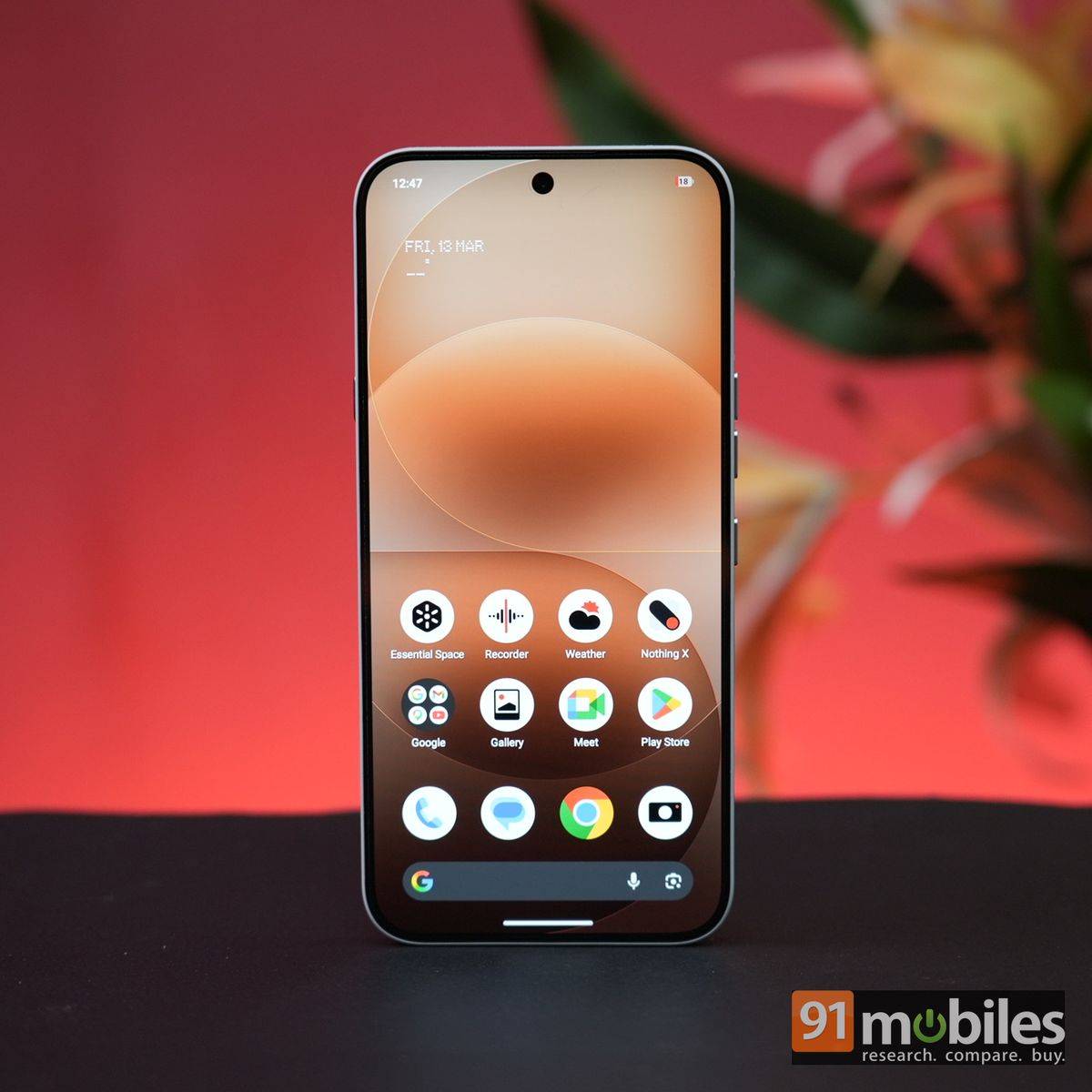
Most users are unlikely to notice a meaningful difference between 120Hz and 144Hz. Animations and visuals remain consistently smooth, and Nothing has done a commendable job with the display’s colour calibration, which leans towards punchy and vibrant tones. For those who prefer a subtler look, the colour profile can be adjusted to more natural tones using the ‘Standard’ setting.
Viewing angles are also impressive, although the bezels are not quite as slim as those on some competing devices in this price segment. Since the bezels are uniform on all sides, they don’t detract from the overall viewing experience. HDR support is available out of the box across platforms such as YouTube and Netflix, delivering good detail retention in darker scenes without compromising clarity.
To ensure that the device remains a good companion for watching movies, the Phone (4a) Pro boasts dual speakers. The speakers may not be particularly loud, but maintains their composure even at maximum volume. The sound profile leans towards the highs, which makes the device ideal for watching movies and TV shows.
Acceptable battery life
The Nothing Phone (4a) Pro houses a 5,400mAh battery with 50W fast charging, identical to its younger sibling, the Phone (4a). The similarities also extend to the missing charger inside the box. You are forced to purchase one, a PD charger, separately. We used a PD charger with a higher capacity than the 50W to juice up the device, taking almost an hour to reach 100 percent from 20 percent.
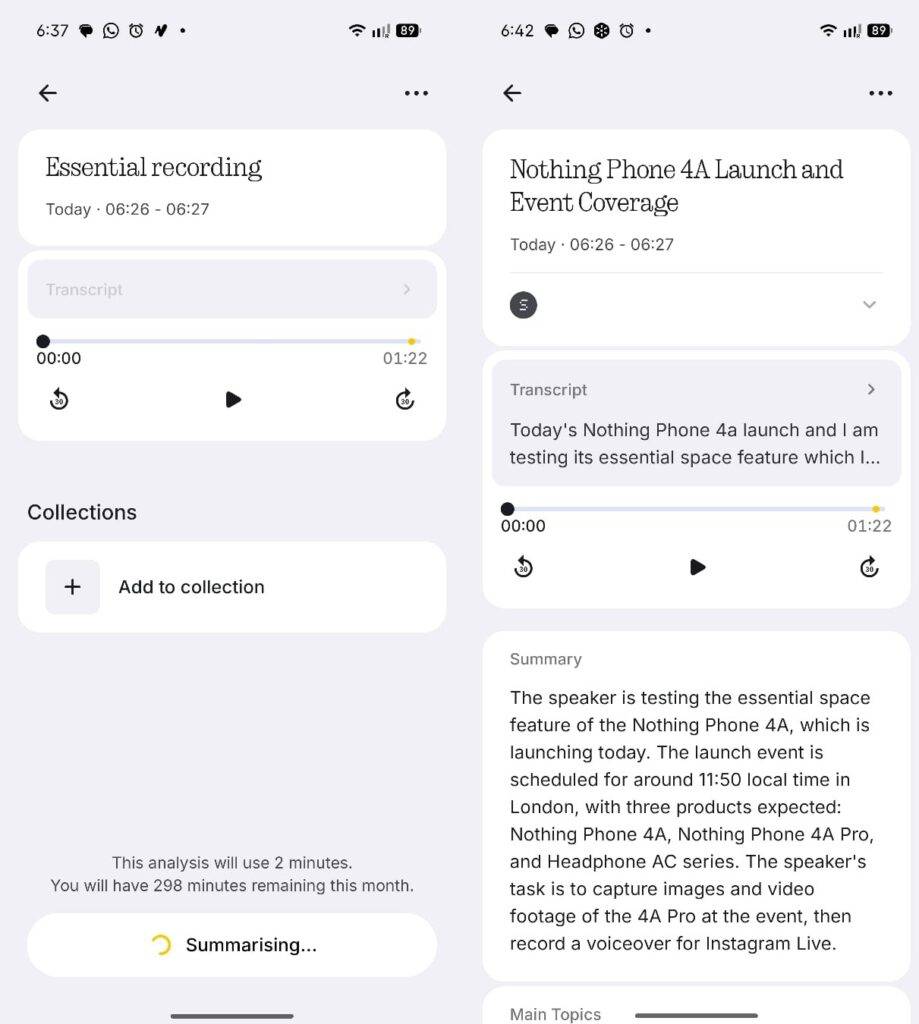
The Phone (4a) Pro scored 13 hours and 49 minutes on the PCMark battery test, and in our hour-long YouTube video streaming and gaming tests, its battery depleted by a total of 23 percent. While real-world efficiency is an improvement over the Phone (4a), overall consumption remains higher than some of its closest rivals, including the OPPO Reno 15C, Redmi Note 15 Pro+, and Realme 16 Pro+.
These competing devices also feature large batteries, but their sizes don’t reflect it, thanks to newer silicon-carbon technology that offers higher energy density. In contrast, the Phone (4a) Pro relies on a more traditional lithium-ion battery. During my time with the device as a daily driver, its average screen time remained five hours. It’s fine for regular use, such as browsing, streaming, social media scrolling, navigation, and casual gaming. However, heavy usage may require a quick top-up in between to make the Phone (4a) Pro last comfortably for a full day.
Final verdict: Should you buy Nothing Phone (4a) Pro?
At Rs 39,999 (Rs 9,000 more expensive than the standard Phone (4a)), the Nothing Phone 4a Pro model justifies its price tag with a more powerful performance, better thermal efficiency, superior optimisation, and a metal chassis that offers a premium in-hand feel.
However, the Nothing Phone (4a) Pro isn’t the outright best choice when compared with other similarly priced smartphones in the segment. Most of its competitors, including Reno 15C (review), Redmi Note 15 Pro+ (review), and Realme 16 Pro+ (review), outshine the smartphone with superior battery capacity and backup. In terms of performance, you will find the OPPO K13 Turbo Pro better suited for gaming and other demanding activities than Nothing. All these phones also come with NFC support.
But if you value aesthetics and a clutter-free interface over raw power or feature-packed hardware, the Phone (4a) Pro is an easy recommendation. The new metal-heavy design feels more premium and mature, and the transparent camera module and Glyph Matrix add a unique touch. The handset also delivers dependable performance, a good viewing experience with a vibrant display, and capable cameras, particularly the primary and telephoto lenses, which deliver promising results in low light and for portraits, even though the colours may not be accurate.
Editor’s rating: 8.3/10
Reasons to buy
- The new metal-heavy design feels more premium and mature, while the transparent camera module and Glyph Matrix add a unique touch.
- A bright and vibrant AMOLED display that enhances everyday viewing.
- The primary and telephoto cameras offer consistently reliable results, especially in portraits and low-light conditions.
- The Snapdragon 7 Gen 4 SoC delivers smooth performance for everyday use, backed by decent thermal efficiency and clean software.
Reasons not to buy
- Ultrawide camera that falls behind rivals.
- Lack of NFC in the India variant limits contactless payments.
- The absence of a charger in the box adds to the overall cost.
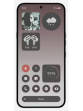 | vs | 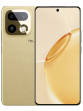 |
| vs | 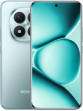 |