Samsung got into the smartwatch game quite early, having launched its first wearable back in 2013. A lot of water has flown under the bridge since then, and while smartwatches in general have evolved significantly, Samsung’s own offerings stand out as the most loaded in 2025. The latest Galaxy Watch8 series offers a seemingly endless list of features, and when the time came to try out one from the latest lineup, I picked up the Watch8 Classic. The Classic brings back the rotating bezel, and succinctly put, is really the most loaded smartwatch money can buy. And if you’re a Samsung smartphone user looking for a smartwatch, things don’t get better than this.
Table of Contents
A bit of Ultra
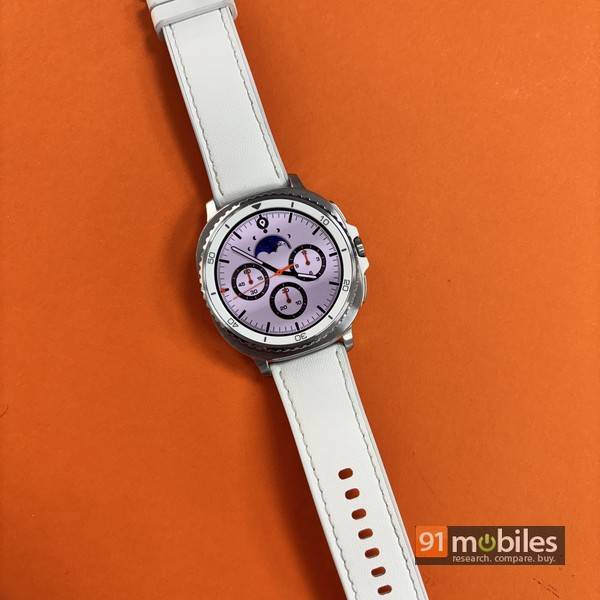
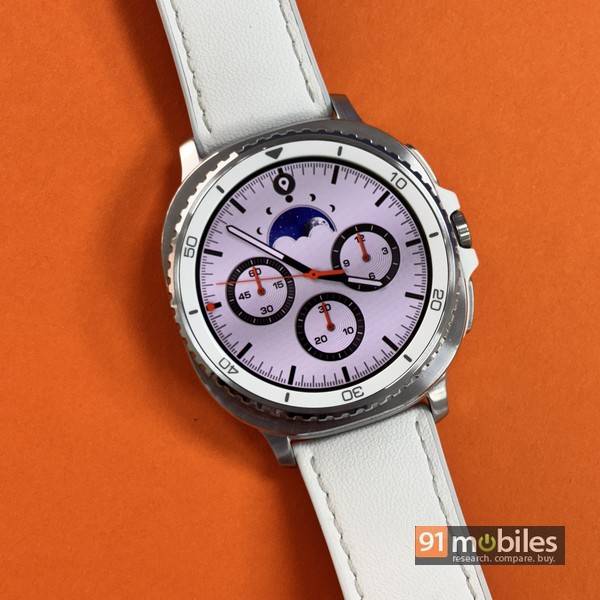
With the new Watch8 Classic, Samsung seems to have taken the design language close to the Watch Ultra that debuted last year — complete with the squircle case and the so-called Dynamic Lug system mechanism for the bands. The squircle case sports a circular screen up top, ringed by the rotating bezel, with the display measuring 1.34 inches. Now this is smaller than its sibling, the Galaxy Watch8, which comes with a display measuring 1.47 inches, so that’s something to keep in mind as well. This seems odd considering that the Watch8 Classic is not only bigger in overall size (46mm), but it’s pricier than the Watch8, too. The Watch8 also has a more minimalistic design, if that’s something that entices you.
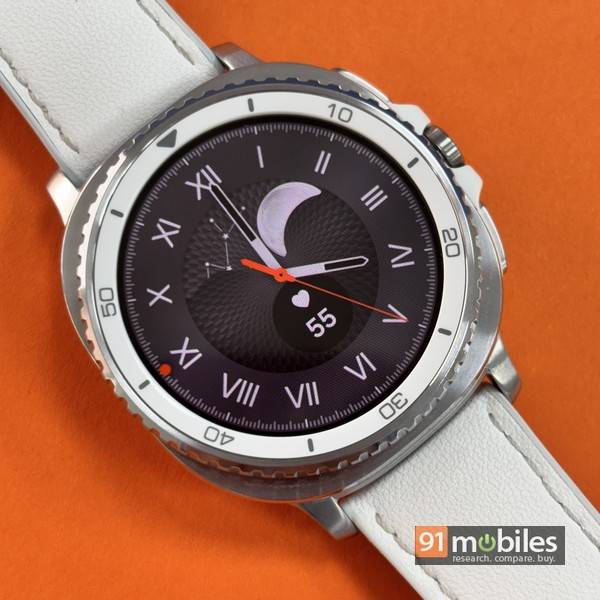
The Watch8 Classic’s mainstay, however, is the aforementioned rotating bezel that can be used to scroll through screens, menus and lists, and differentiates it from its siblings. On the left side of the case is a speaker, while the right is adorned by three hardware buttons — for back, home and a customisable quick button in the middle. Layered with scratch-resistant sapphire glass, the 3,000-nit AMOLED display is a beauty in terms of the visuals it offers.
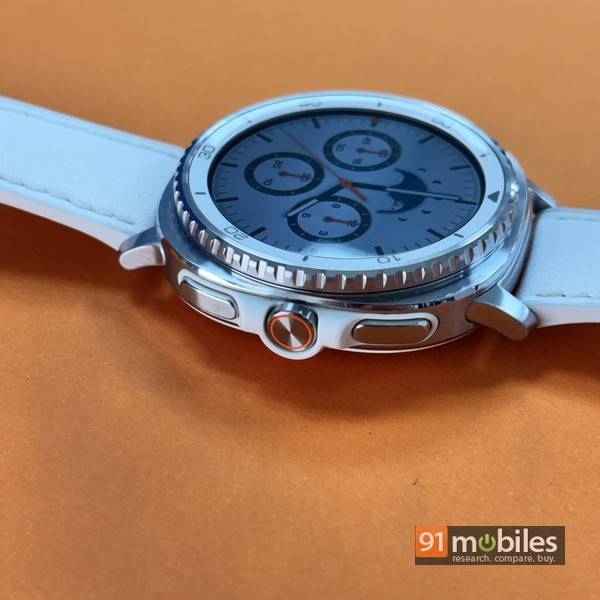
The Dynamic Lug system is a proprietary band mechanism that made its debut with the Galaxy Watch Ultra last year. Switching out the bands for new ones is simple, and involves pressing a button on the back, but the downside is that it’s proprietary so you can’t use conventional watch bands with the Watch8 Classic. Durability is top-notch, thanks to MIL-STD-810H and IP68 ratings. The case is stainless steel, and the watch weighs 64 grams. Unless you’re used to wearing a watch to bed, its size and heft mean you might not be comfortable with taking it to slumberland with you either. And that means you’ll miss out on sleep tracking and monitoring other metrics that get measured while sleeping.
A long, very long list of features
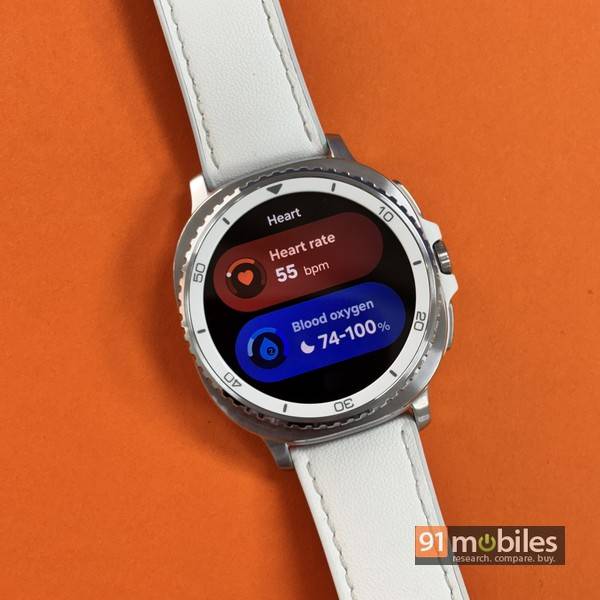
Premium smartwatches boast tons of smarts and health features, and coming as part of Samsung’s flagship lineup, the Galaxy Watch8 Classic is right up there. Samsung has loaded it up to the brim, ensuring its users aren’t left wanting for more. Here’s a list of some noteworthy ones:
- ECG, Blood Pressure
- Vascular load
- Irregular heart rhythm notifications
- Antioxidant index
- Energy score
- Body composition
- Bedtime guidance
- Sleep insights
- Running coach
- AI-powered insights
- Galaxy AI, Gemini on Watch
- Fall detection
- One UI 8 Watch platform
- Specs: Exynos W1000, 2GB RAM, 64GB storage
Software and apps
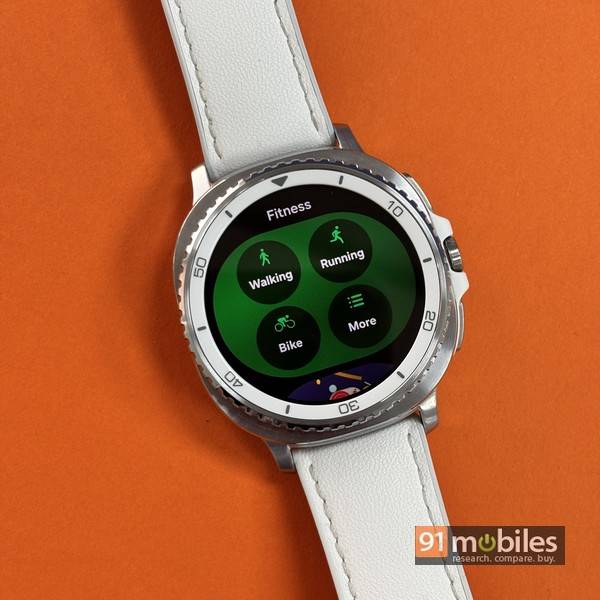
As far as the companion apps are concerned, that’s one area where things can seem a bit odd initially. If you’re an iPhone user, you’re out of luck — you won’t be able to use the Galaxy Watch8 Classic (or any of its siblings) at all, officially at least. If you’re an Android user, you need to download the Samsung Wear app from the Play Store to pair the watch with your phone, and also the Samsung Health app to view your activity data. If you’re a Samsung user, you should find these apps preinstalled on your phone, but you should also get hold of the Samsung Health Monitor app. This app is exclusive to Samsung users, and displays blood pressure and ECG readings captured on the watch. This also means that if you don’t have the Watch8 Classic paired with a Samsung phone, you’ll lose out on these two advanced health features.
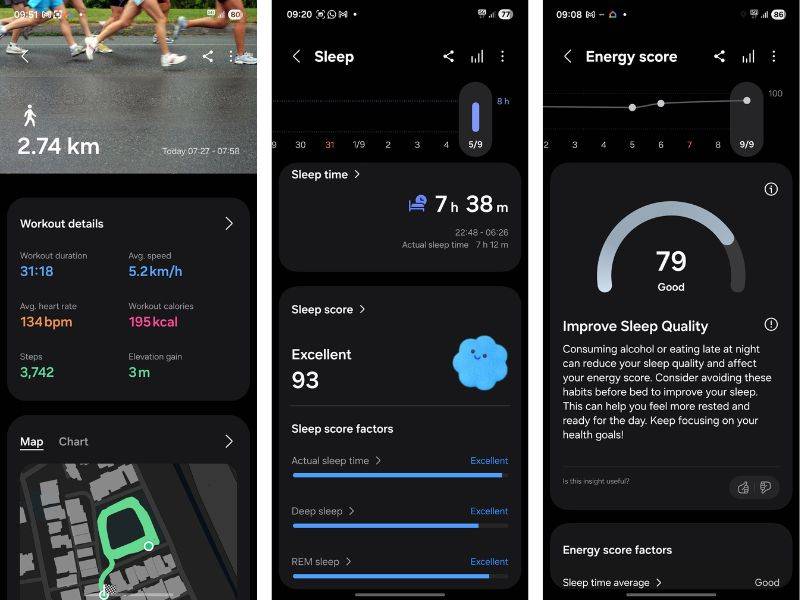
Having to use three different apps to sync with one wearable does seem a bit much, frankly, but that’s how things are. The apps themselves are simple to use, though the Samsung Health app deserves special mention for its comprehensive and holistic approach. More than just being a companion app that syncs with your Samsung watch and displays sleep and activity data, Samsung Health is actually a full-fledged health platform that provides health insights, allows you to connect with other users, and get access to tons of fitness content. You can also use it to log food intake, blood glucose levels, track your daily medicines, etc.
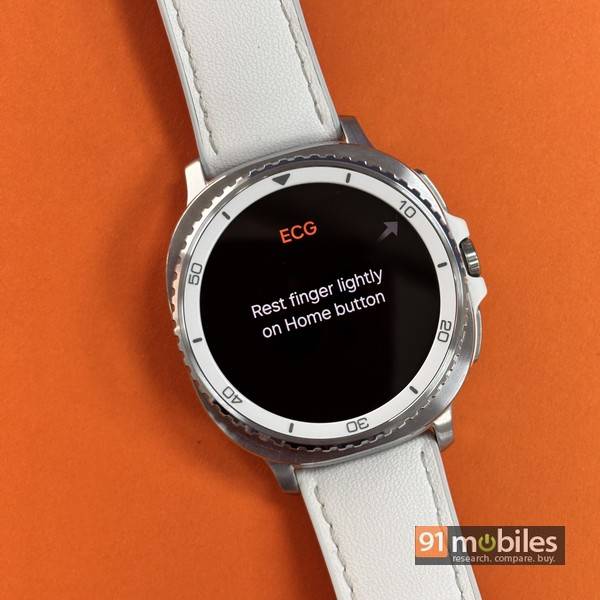
With One UI 8 Watch running over Wear OS, the software side of things is well taken care of. The rotating bezel makes scrolling and moving through items easy — it’s nice to have a physical dial to do this instead of using the touchscreen. There’s a high degree of customisability, and the Wear OS platform gives you the flexibility of downloading third-party apps (WhatsApp, Amazon Music, etc) and watch faces. Furthermore, One UI 8 Watch lets you add tiles (or widgets) as per your requirements, giving you at-a-glance information into your vitals and physical activity. There’s Now Bar, which appears at the bottom of the screen for live activities, and Gemini integration which can pull in information from different apps.
Usage and performance
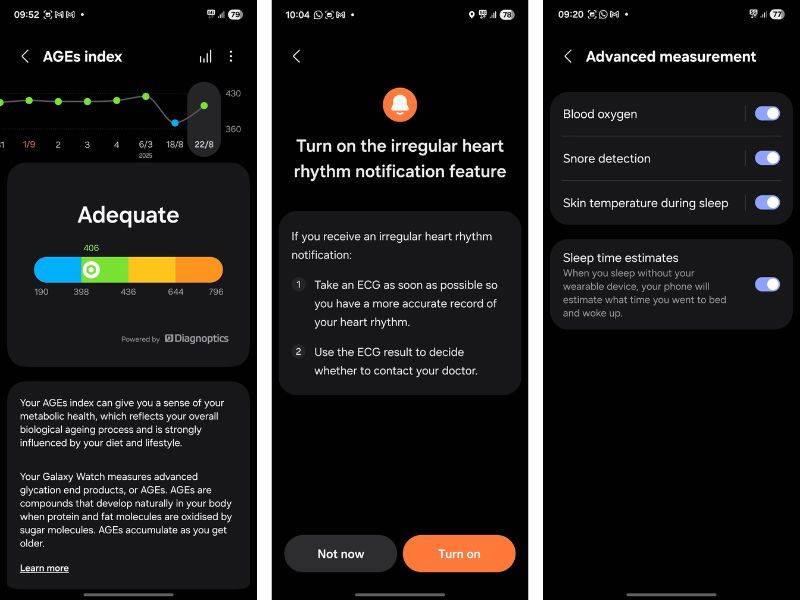
From a health and fitness perspective, the Watch8 Classic has a lot going on, and there’s enough for almost everyone, even if you want to focus on specific aspects like sleep, heart health, mindfulness, etc. It works best as an overall fitness companion, though, guiding you through your daily routine while helping you keep track of your vitals. Features like snore detection while sleeping, irregular heartbeat alerts, Energy Score, Sleep Score, SpO2, HRV, skin temperature etc, are useful to say the least, but advanced features like Body Composition, ECG, and Blood Pressure take it to a whole different league. The AGEs index is a feature that measures biological aging, and this time, there are newer features like Vascular Load that make use of sleep to measure the stress on your vascular system, and antioxidant index that guides you on whether your intake of fruits and vegetables is adequate or not. These are all useful indicators, and while they can’t be taken at face value all the time, the info becomes more useful when you’re able to see trends the device is able to collect over time. And the real benefit comes to the fore if you’re able to derive actionable insights that can help you improve your health and fitness levels. Now I can’t say if all the info it presented to me is accurate or not, but the core metrics measured by the Galaxy Watch8 Classic does look solid.
Verdict
Given everything on offer here, safe to say that the Galaxy Watch8 Classic ticks most boxes for a premium smartwatch, both from a smart features perspective and as a health tracker. Whether it’s for you or not isn’t an easy answer. Priced at Rs 46,999 for the Bluetooth-only model and Rs 50,999 for the LTE model, the biggest competition for the Watch8 Classic comes from its own siblings, given how it’s sandwiched between the Galaxy Watch Ultra 2 and the Watch8 (review). With its radical design and the rotating bezel, it does stand out and differentiates itself well though, and that could just be the tipping point in its favour.
Editor’s rating: 8 / 10
Pros:
- Rotating bezel is back
- Lots of health features
- One UI 8 Watch is useful
- Gemini on your wrist
Cons:
- Feels heavy on the wrist
- Advanced features limited to Samsung users
- Screen can feel cramped
- Proprietary band mechanism