Competitive gaming has a simple truth: your monitor matters far more than most people admit.
A good mouse and a stable internet connection help, sure. But the monitor is the one thing you’re staring at every second you’re alive in Valorant, CS2, Apex, Fortnite, Overwatch 2, or even Rocket League. It decides how clean motion looks, how quickly you can track targets, and how “connected” the game feels.
That’s why eSports monitors look nothing like normal office screens. They don’t chase 4K. They don’t try to be “cinematic first”. They focus on the stuff that actually wins fights:
- ultra-high refresh rates
- motion clarity
- low blur
- consistent responsiveness
- stable performance at competitive settings
This list is exactly that. No lifestyle fluff. No “best for Netflix” nonsense. Just monitors that make sense for competitive gaming, from 240Hz all the way up to 540Hz.
Table of Contents
What makes a monitor good for eSports?
Before jumping into the models, it helps to understand what actually matters in this space.
1) Refresh rate is the core of everything
Refresh rate is basically how many times your screen updates per second.
- 144Hz = already a big jump from 60Hz
- 240Hz = the real competitive baseline today
- 360Hz = smoother tracking and better micro-adjustments
- 500Hz+ = niche, but it’s for players who want every advantage possible
For casual gaming, 165Hz is fine. For ranked grinders and tournament-level play, 240Hz is the starting point. Everything above that is about shaving off reaction time and improving tracking.
2) Motion clarity is what you feel
Even with a high refresh rate, the panel still has to keep up. This is why some 240Hz monitors still look blurry in motion, while others feel “locked in”.
That depends on panel response and how well the monitor handles fast transitions.
3) Panel type matters, but not the way people think
A lot of people assume IPS is always best. Not always.
- TN / E-TN panels still dominate hardcore eSports for one reason: motion clarity
- Fast IPS is the best balance for most competitive players
- OLED is insanely fast, too, but it’s still a premium option and not always the most practical for everyone
4) Resolution matters less than FPS
In competitive games, most players don’t max out settings. They lower them for higher FPS and clearer visuals. That’s why you’ll see so many 1080p panels here. Not because 1440p isn’t sharp, but because 1080p makes it easier to hit huge frame rates without spending absurd money on GPUs.
All right, with that out of the way, let’s list down the best monitors for eSports enthusiasts.
Best monitors for eSports (2026)
1. ASUS ROG Swift Pro PG248QP
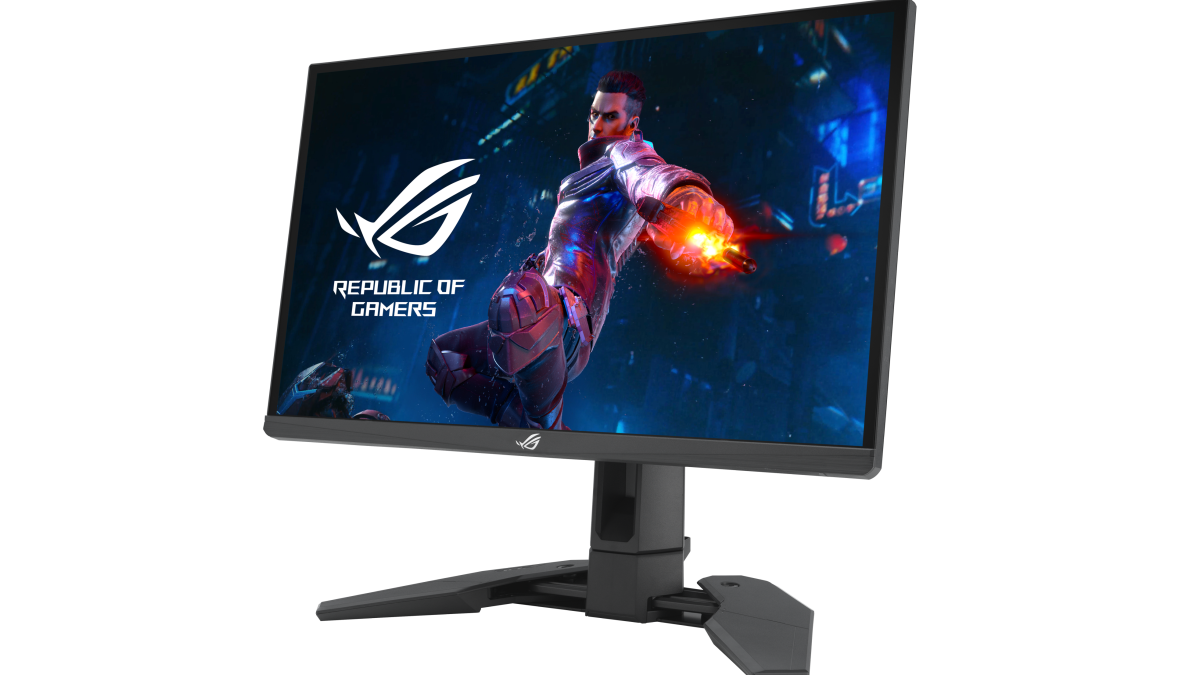
ASUS didn’t build the PG248QP for casual gamers. This is a straight-up competitive weapon. It’s one of the fastest consumer monitors you can buy, and the whole point is to push motion clarity to ridiculous levels.
This is the sort of display you buy if you play CS2 or Valorant daily and want the most “instant” feeling aim possible. It’s also built around an E-TN panel, which is still chosen at this level for a reason: it stays clean in motion.
Specs
- Display: 24.1-inch FHD (1080p)
- Refresh rate: 540Hz
- Panel: E-TN
- Price: Rs ~92,000 (Amazon)
2. BenQ Zowie XL2566K
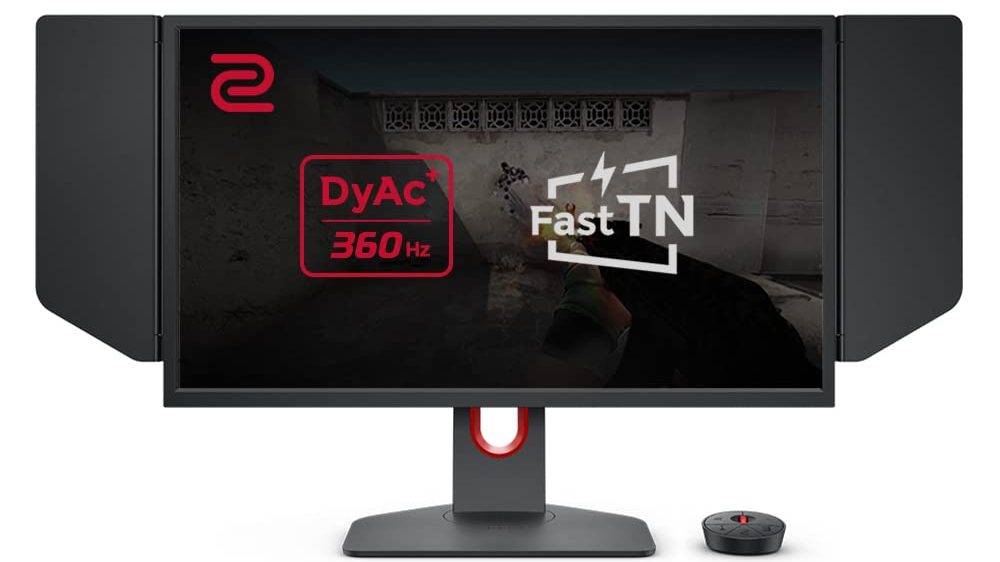
If there’s one brand that’s permanently attached to pro-level competitive gaming, it’s BenQ’s Zowie.
The XL2566K is basically built for players who value consistency. Not flashy. Not trying to be everything. Just a tuned competitive display that focuses on motion handling.
This is the kind of monitor you’ll see in serious setups because it does the core stuff right: stable refresh performance, predictable motion, and a layout that’s clearly designed around tournaments and long sessions.
Specs
- Display: 24.5-inch FHD (1080p)
- Refresh rate: 360Hz
- Panel: TN
- Price: Rs 44,991 (Amazon)
3. Alienware AW2524H
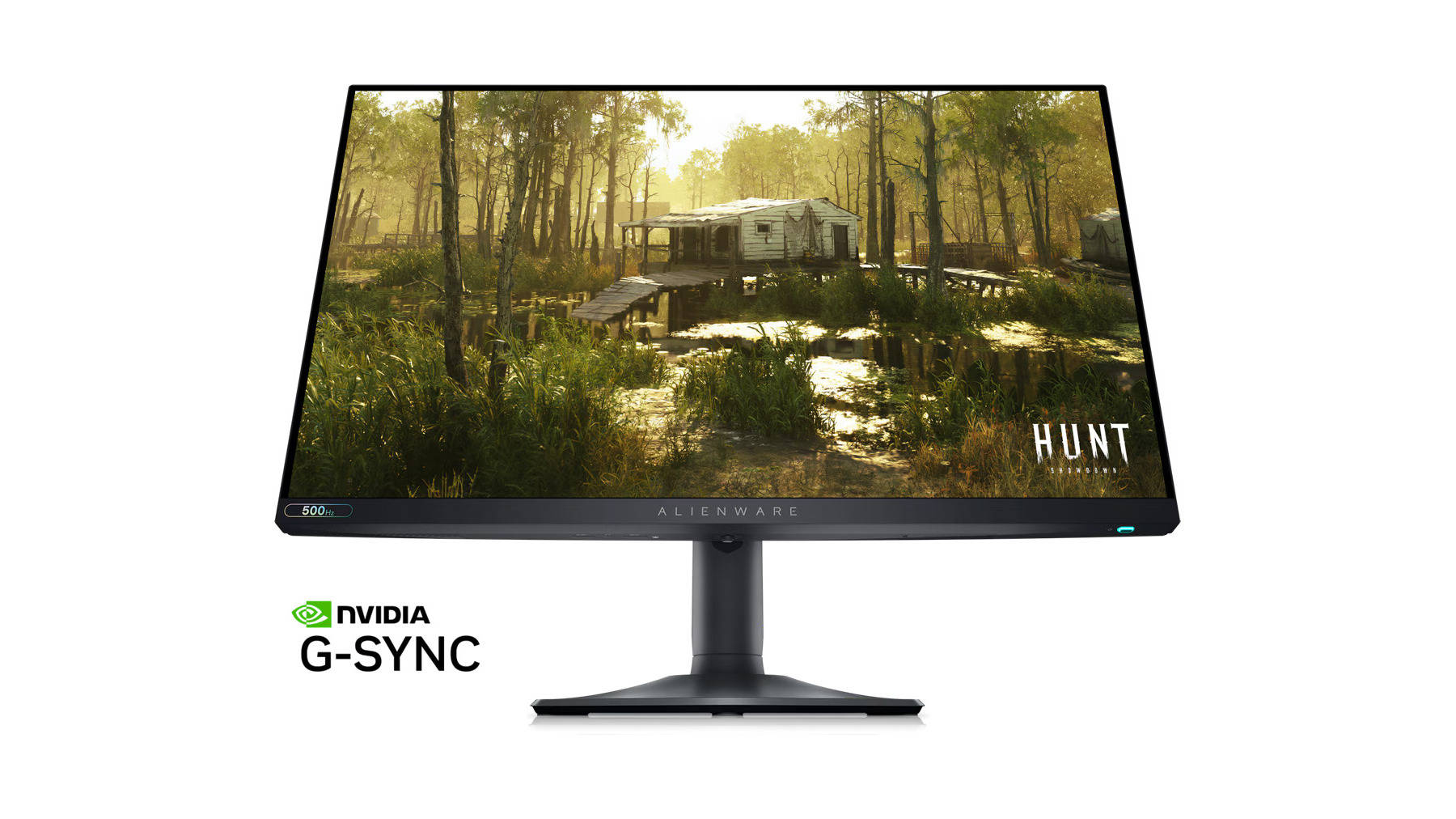
Alienware tends to bring the “premium PC” vibe even into competitive hardware. The AW2524H is for gamers who want extreme refresh rates but still prefer a cleaner IPS-style viewing experience.
Fast IPS panels have become the go-to for a lot of players because they’re more flexible. You can play competitive shooters, then switch to single-player games or even casual editing without feeling like your colours look dead.
And with a refresh rate this high, it still stays firmly in the serious eSports category.
Specs
- Display: 24.5-inch FHD (1080p)
- Refresh rate: 500Hz (OC)
- Panel: Fast IPS
- Price: ~ Rs 55,000 (Amazon)
4. Samsung Odyssey OLED G6 (G60SD)
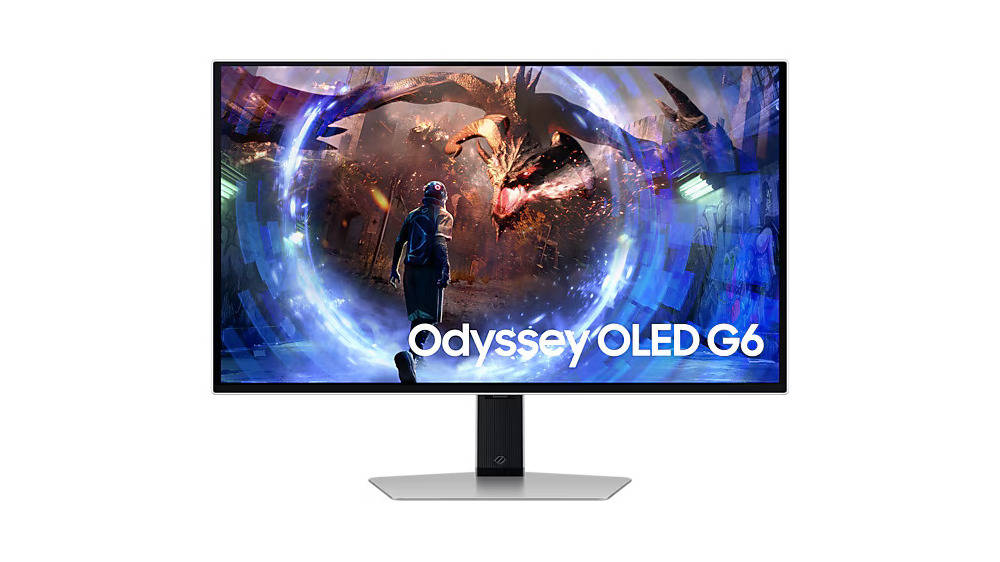
Samsung bringing OLED into eSports-level refresh rates is one of the biggest shifts in the monitor world.
Because OLED response times are naturally very fast, the motion feels incredibly clean, even before you start doing any tuning. And with QHD resolution, this also becomes a monitor that can do “competitive + gorgeous” without feeling like you’re forced into one lane.
It’s still not the cheapest direction to go in, but if you want a sharp 1440p panel with proper speed, this is a serious option.
Specs
- Display: 27-inch QHD (1440p)
- Refresh rate: 360Hz
- Panel: OLED
- Price: Rs 87,299 (Amazon)
5. LG UltraGear 27GR95QE
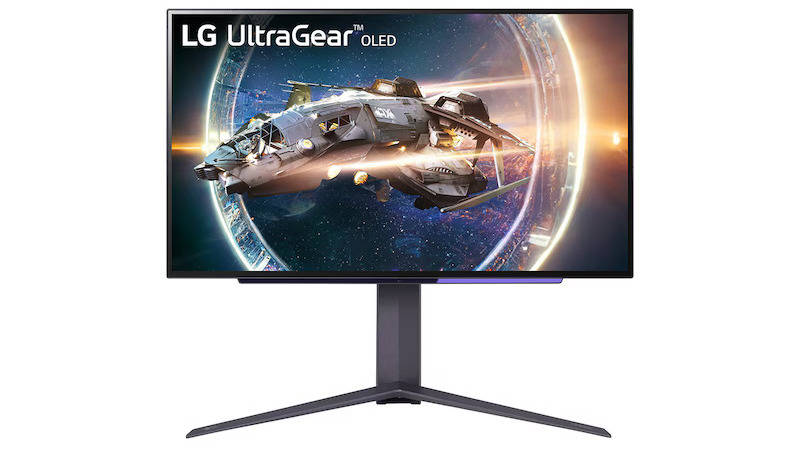
LG’s UltraGear OLED lineup has been popular for a reason: it brings OLED contrast and response time into a display that still plays like a serious gaming monitor.
At 240Hz, it’s not trying to beat 500Hz monitors on raw refresh. Instead, it focuses on giving you incredibly fast pixel response, sharp motion, and that OLED “instant” clarity.
For people who want a cleaner balance of eSports performance and premium visuals, this is one of the more logical OLED picks.
Specs
- Display: 27-inch QHD (1440p)
- Refresh rate: 240Hz
- Panel: OLED
- Rs 91,500 (Amazon)
6. ViewSonic XG2431
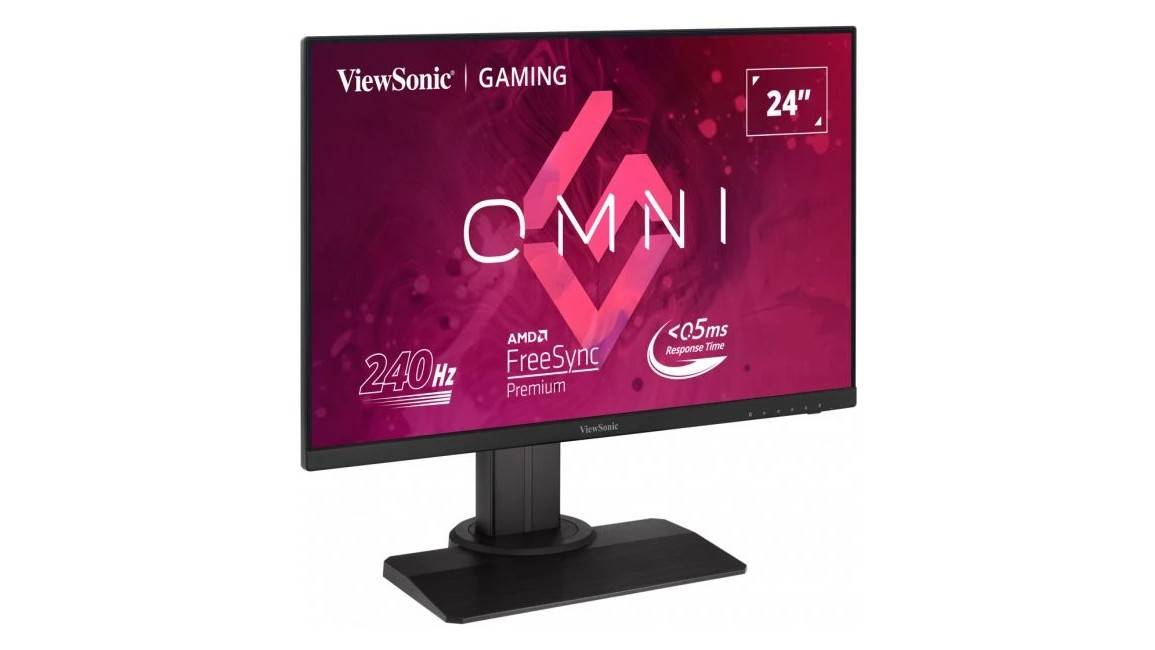
The XG2431 is a bit of a cult favourite in the competitive gaming space because it hits the right point of “serious gaming performance without insane pricing”.
240Hz is still a very real eSports refresh rate. The panel is IPS, which means you get solid viewing angles and decent colours, and it stays flexible for mixed use.
This is the type of monitor that makes a lot of sense for someone building a competitive setup but not trying to go full 360Hz+ right away.
Specs
- Display: 24-inch FHD (1080p)
- Refresh rate: 240Hz
- Panel: IPS
- Price: Rs 21,490 (Flipkart)
7. Acer Nitro XV252Q F
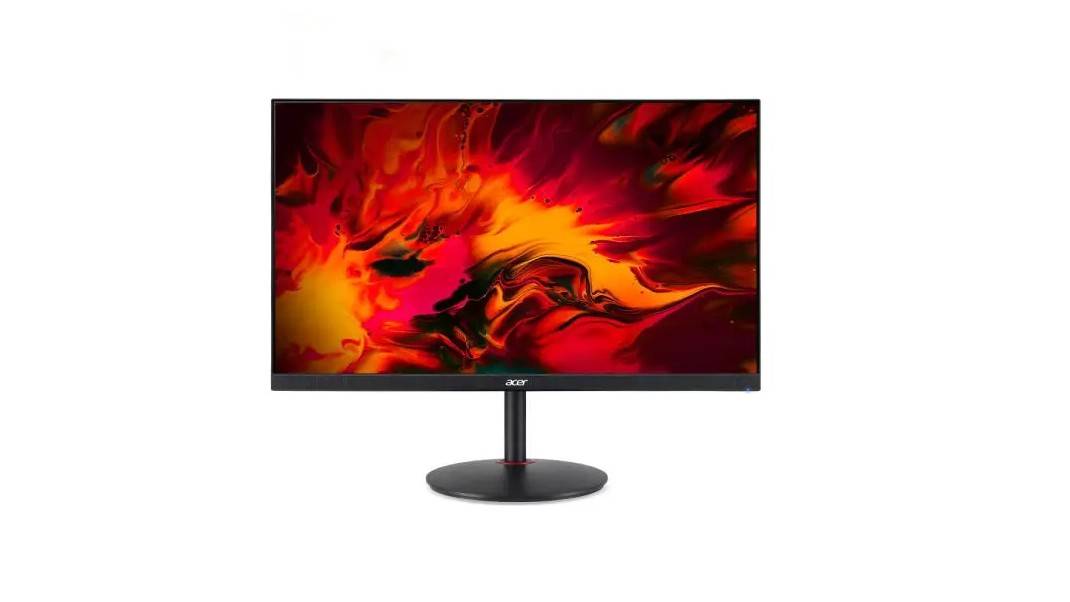
Acer’s Nitro series is usually known for value gaming. But this model sits in a very specific space: extremely high refresh rates without the premium tax of some flagship brands.
A 390Hz overclock refresh rate is way beyond what most people need, but if you play fast shooters and your PC can hold big frame rates, you genuinely feel the difference in target tracking.
This is also a good option for players who want “near-500Hz territory” but want a simpler product line than typical flagship esports models.
Specs
- Display: 24.5-inch FHD (1080p)
- Refresh rate: 390Hz (OC)
- Panel: IPS
- Price: ~Rs 54,900
8. BenQ Zowie XL2546K
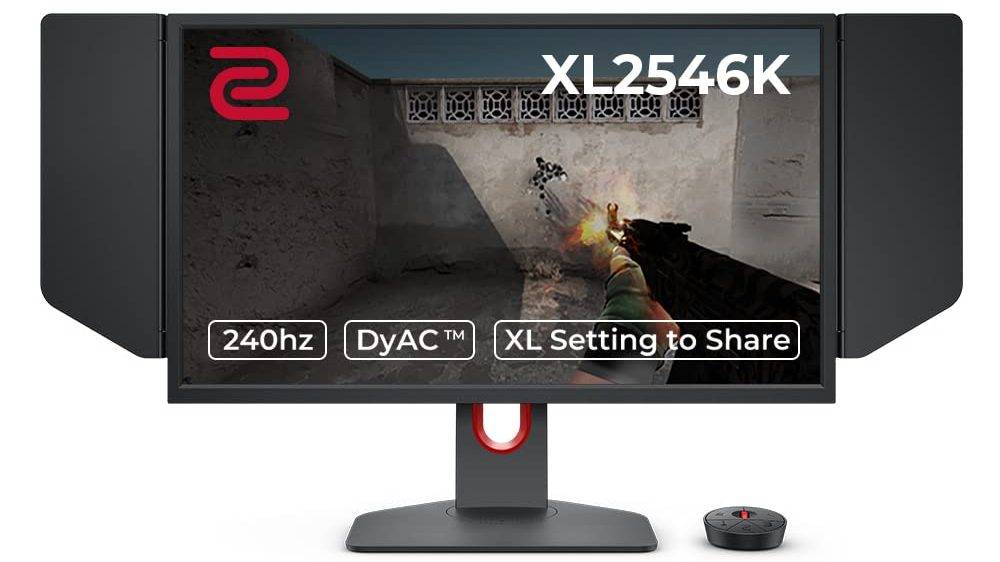
The XL2546K is still a favourite because it’s proven. It’s one of those monitors that’s been in enough setups and enough competitive environments that players trust it.
240Hz might look “mid” next to 500Hz today, but in real use it’s said to be still very fast, and for a lot of people it’s the most stable, reliable sweet spot.
This is a monitor that suits players who just want something that works, feels consistent, and doesn’t need constant tweaking.
Specs
- Display: 24.5-inch FHD (1080p)
- Refresh rate: 240Hz
- Panel: TN
- Price: Rs 35,990 (Flipkart)
9. ASUS TUF Gaming VG259QM / VG279QM
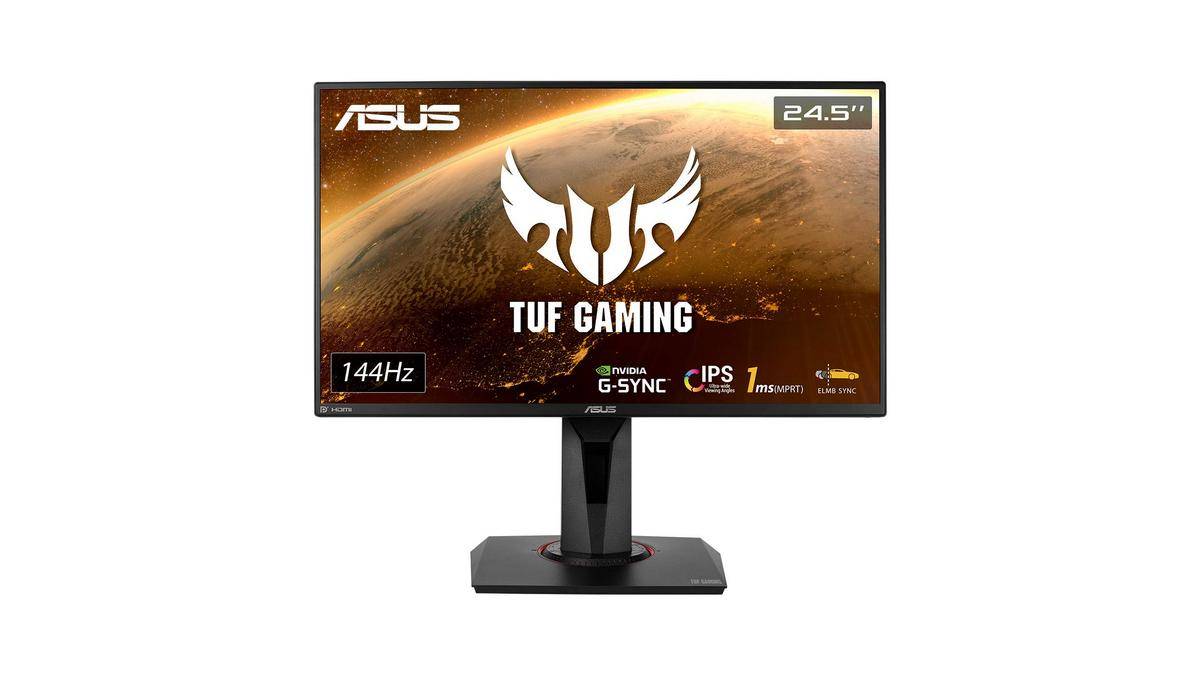
These two are very popular because they offer the best kind of competitive feature: flexibility.
You get:
- high refresh rates
- IPS panel viewing angles
- and a price point that often lands way below “flagship esports” displays
The VG259QM is the 24.5-inch version, and VG279QM is the 27-inch option, both staying in 1080p. That means they’re easier to drive at high frame rates, and that’s exactly what competitive players want.
These are the sort of monitors you buy when you want speed, but you also want something practical for day-to-day use.
Specs
- Display: 24.5-inch / 27-inch FHD (1080p)
- Refresh rate: 280Hz (OC)
- Panel: IPS
- Price: Rs 17,129 (Amazon)
10. MSI MAG 271QPX QD-OLED
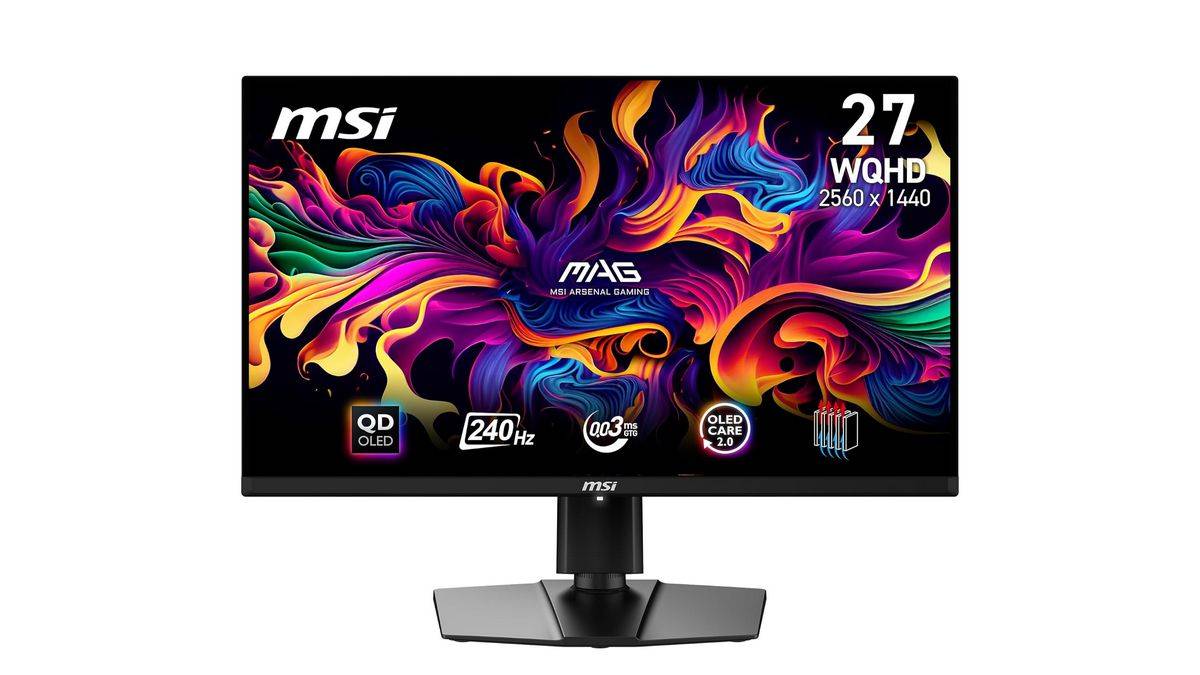
This is the “new school” idea of an esports monitor. It’s also priced like it.
QD-OLED gives you the contrast and response time benefits of OLED, with extra colour brightness and punch thanks to quantum dots. Then you pair that with 240Hz at 1440p, and you get a display that can handle both competitive play and high-end visuals.
If you play competitive games but also care about your monitor looking insane for single-player titles, this is the sort of panel that fits both.
Specs
- Display: 27-inch QHD (1440p)
- Refresh rate: 240Hz
- Panel: QD-OLED
- Price: Rs 1,16,000 (Amazon)
How to choose the right eSports monitor for you
If you mainly play Valorant / CS2
The goal is high FPS and low blur.
Best types:
- 1080p
- 360Hz or higher if possible
- TN / E-TN or Fast IPS
Shortlist:
- ASUS ROG Swift Pro PG248QP
- BenQ Zowie XL2566K
- Alienware AW2524H
If you want competitive + good visuals
Go 1440p. Stick to OLED or Fast IPS.
Shortlist:
- Samsung Odyssey OLED G6 (G60SD)
- LG UltraGear 27GR95QE
- MSI MAG 271QPX QD-OLED
If you want the best value without feeling slow
240Hz is still the sweet spot.
Shortlist:
- ViewSonic XG2431
- BenQ Zowie XL2546K
- ASUS TUF VG259QM / VG279QM
Final takeaway
The eSports monitor market in 2026 is basically split into two directions.
The first is the classic “pure speed” route. That’s your 360Hz, 500Hz, and 540Hz monitors with 1080p panels built for maximum motion clarity.
The second is the newer “high refresh, premium visuals” route. That’s where OLED and QD-OLED come in, bringing insane response times and contrast while still offering absolutely competitive refresh rates.
There isn’t one correct pick. It depends on what you play, how much FPS your system can consistently hold, and how much you care about image quality outside competitive matches. But the good news is this: if you buy any monitor from this list, you’re not buying something casual. You’re buying something built to win.