


Review Summary
Expert Rating
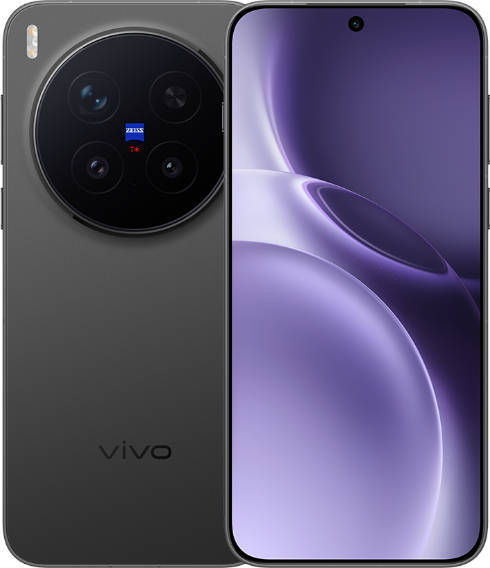
I revisited my Vivo X100 Pro and X200 Pro reviews and found the headlines funny just because they were so similar! I called the X100 Pro the “camera phone to beat in 2024” and the X200 Pro the “camera phone to beat in 2025”. I could have broken the streak with the X300 Pro, but honestly, it wouldn’t feel right, because Vivo has once again delivered a camera system that sets the benchmark. And yes, I also couldn’t bring myself to retire the headline tradition. So here we are. The Vivo X300 Pro is once again the camera phone to beat. Only this time, there’s more to justify the new pricing than just its cameras.
Much like the OPPO Find X9 (review) and OnePlus 15 (review), the Vivo X300 Pro gets a redesign, though not as extensively. The hardware receives the expected year-on-year upgrade, because why experiment with a formula that’s clearly working? The pricing gets a bump from Rs 95,000 last year to Rs 1,09,999 this year due to the ongoing rise in component pricing. All of this combined makes the Vivo X300 Pro a little more expensive but also a little more perfect.
Table of Contents
Verdict
The Vivo X300 Pro keeps its crown as the camera phone to beat, but this year it feels more like a complete flagship than ever before. You get a genuinely versatile camera system, strong all-round performance with Dimensity 9500, much-improved OriginOS, and excellent battery life with fast charging. It is heavier, pricier, and not the obvious choice for gamers, but if photography is your top priority, the X300 Pro should be your pick, eyes closed.
Cameras: built to zoom, tuned to impress
This is what you’re really here for, so let’s start with what matters most: cameras. The primary camera equips a 50MP Sony Lytia LYT-828 sensor, replacing the LYT-818 on the X200 Pro. The newer sensor promises improved dynamic range and noise reduction. There’s OIS support with an industry-leading CIPA stabilisation rating of 5.5. The telephoto lens upgrades to a 200MP Samsung HPB sensor with OIS and CIPS 5.5 rating again. The wide-angle camera uses a 50MP JN1 sensor with autofocus. Finally, the front camera has also been upgraded to a 50MP JN1 from a 32MP sensor. Additionally, the front camera also gets autofocus, which is a bonus.
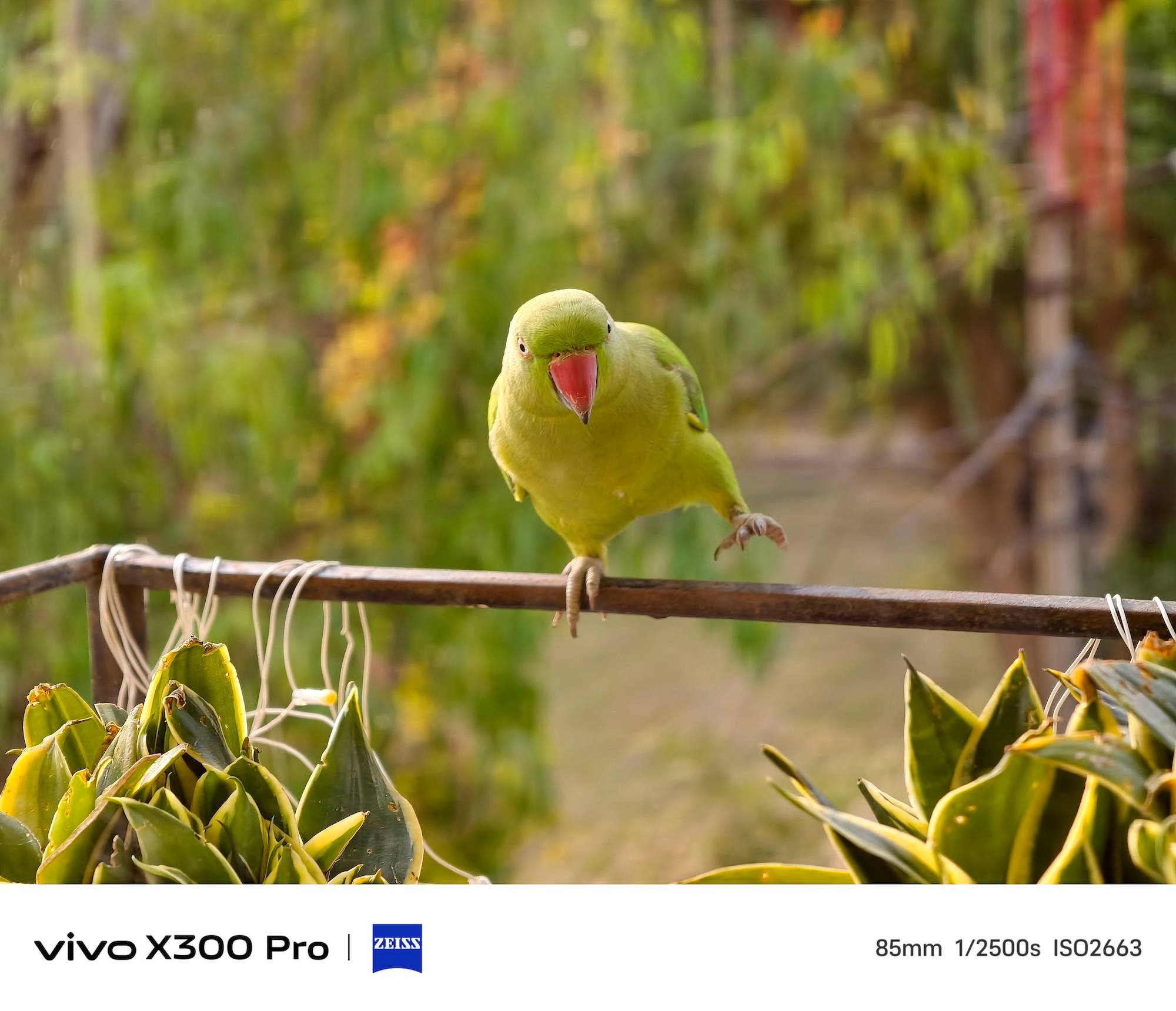
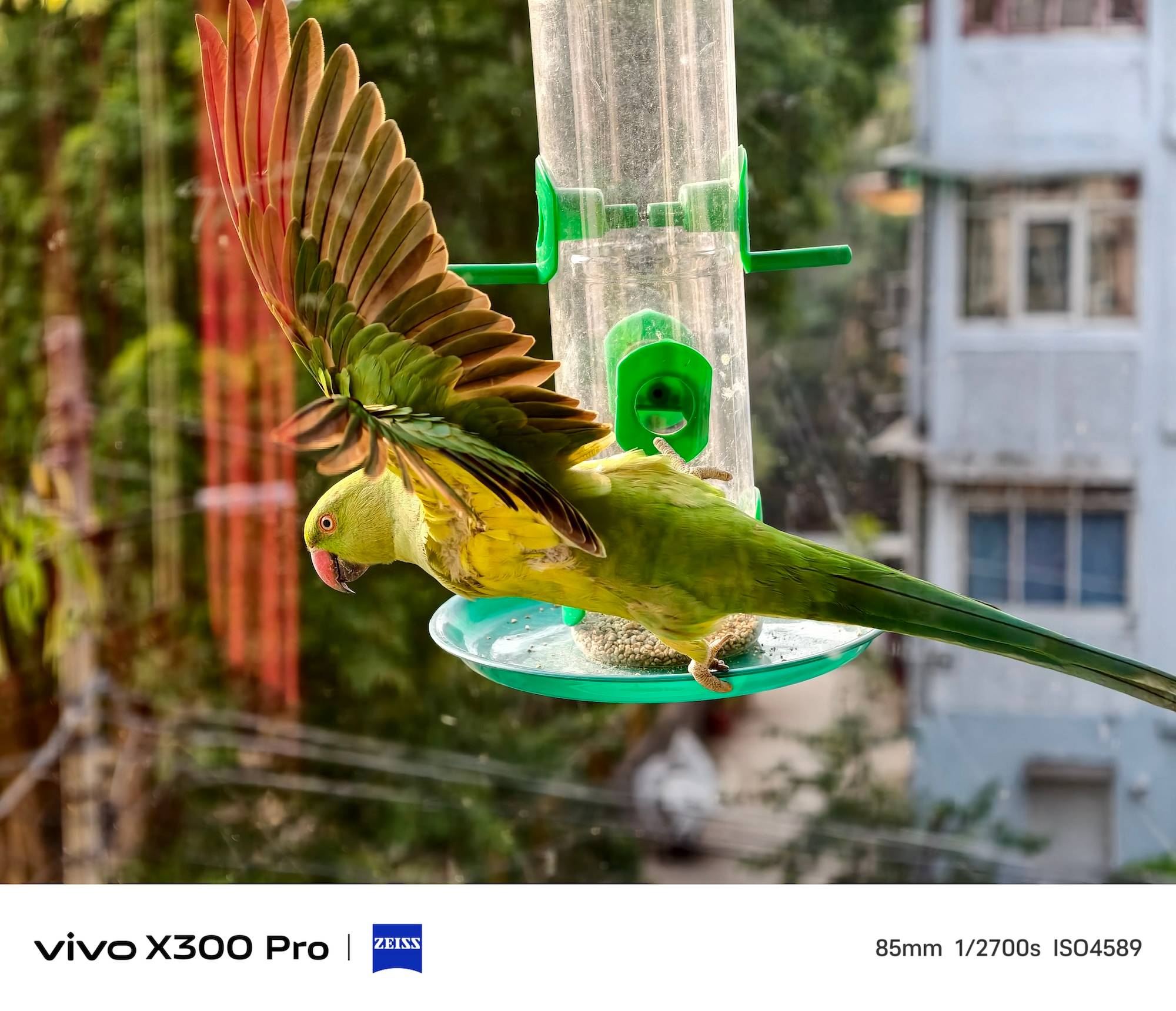

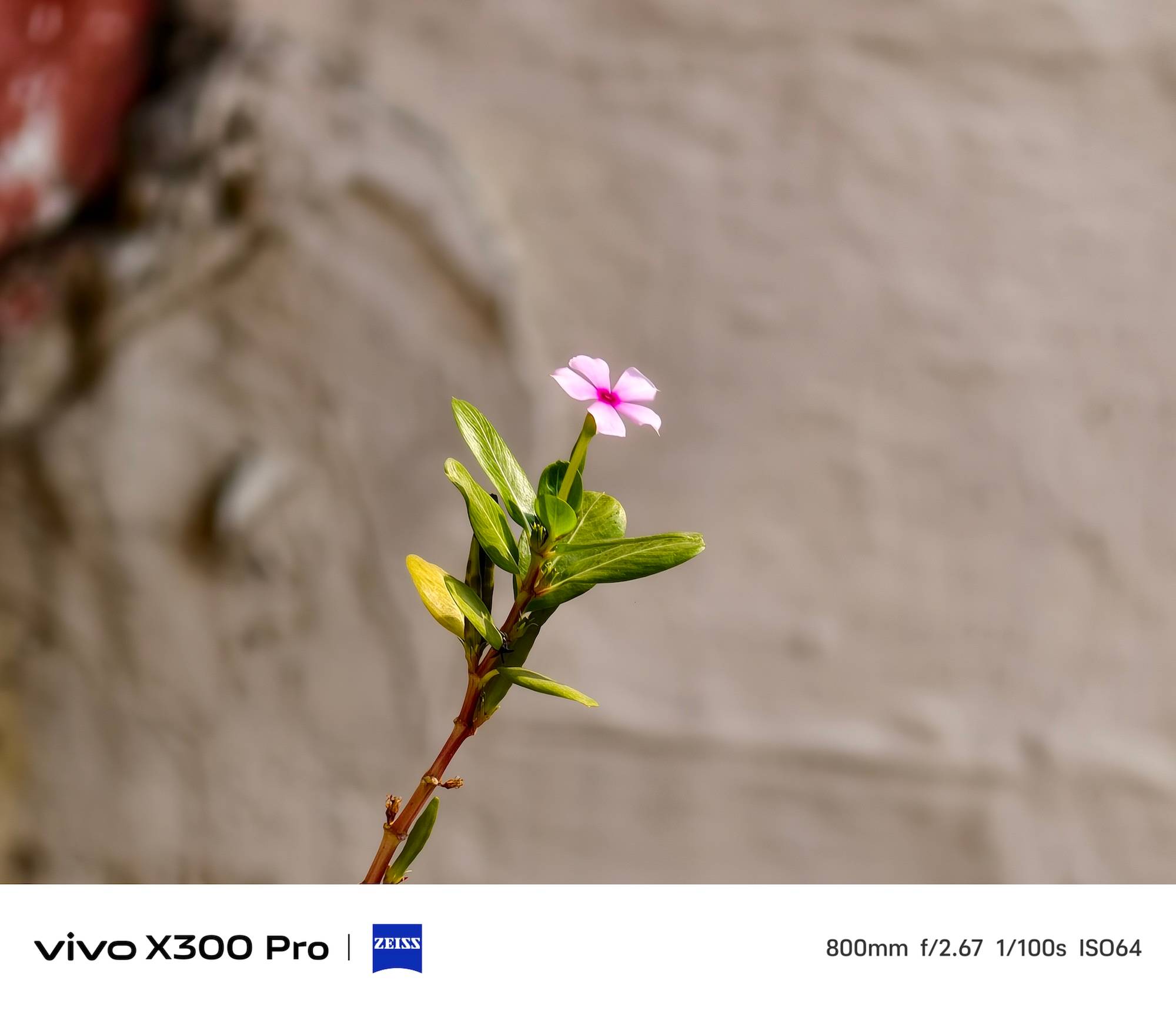
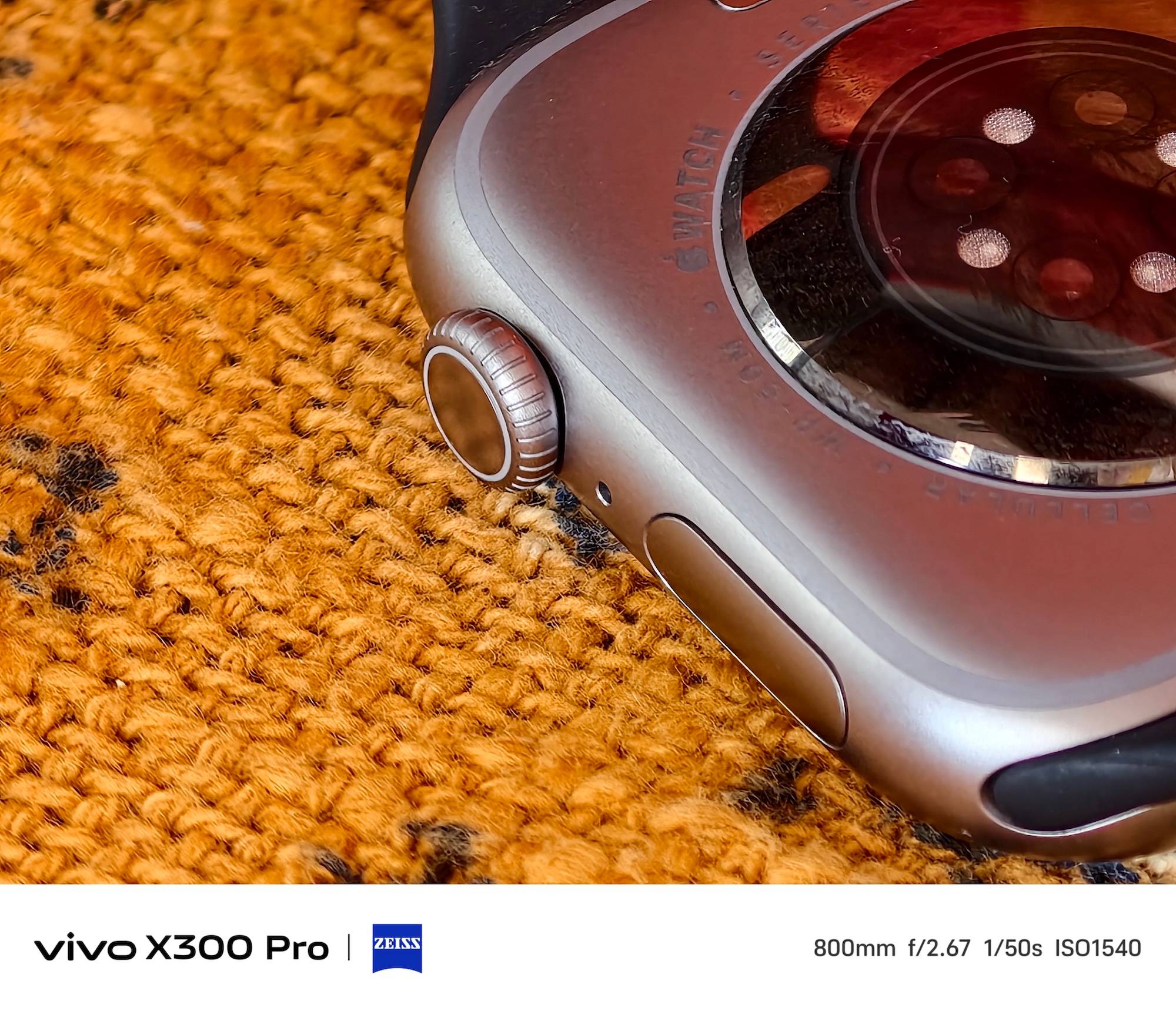
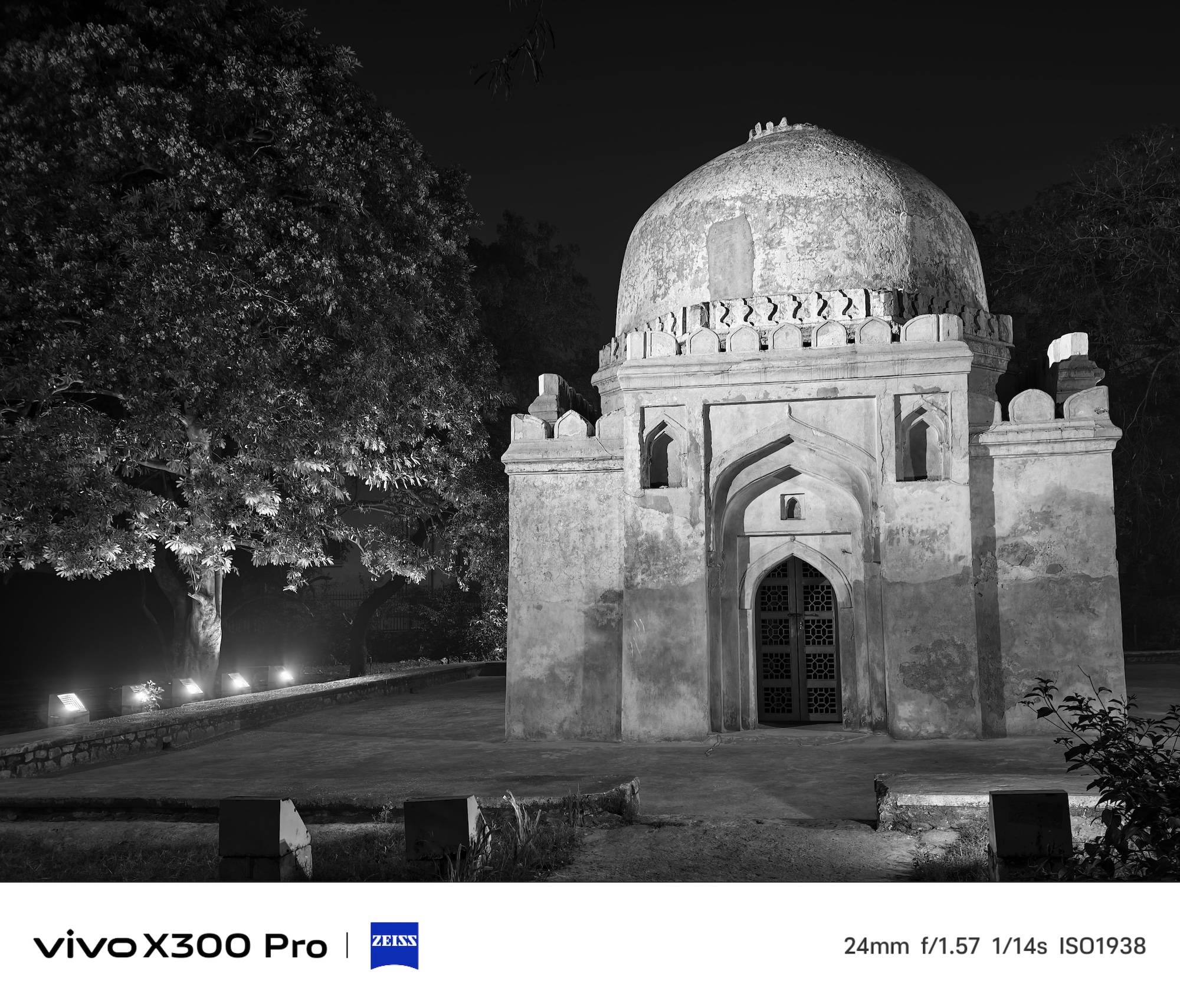


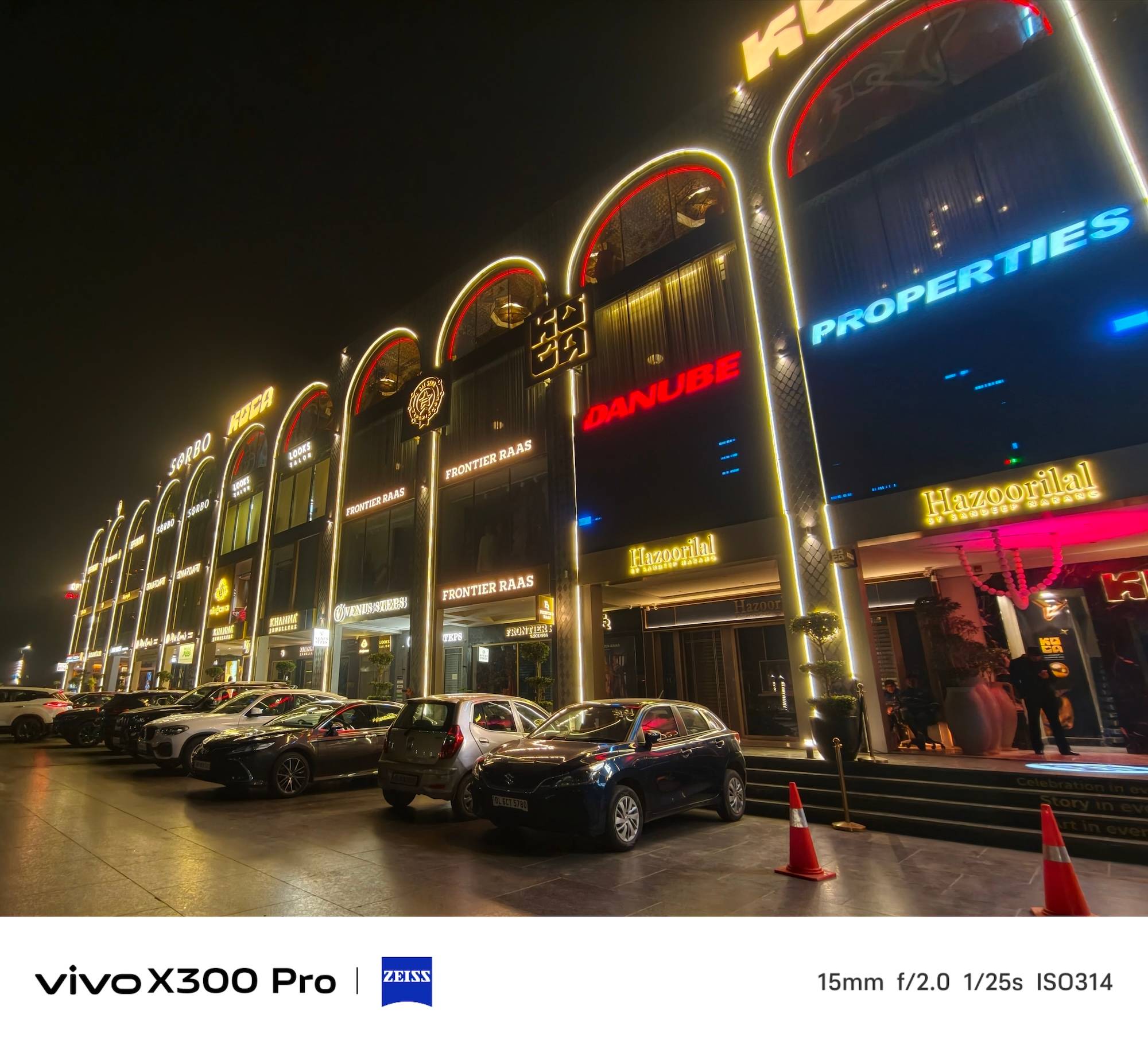


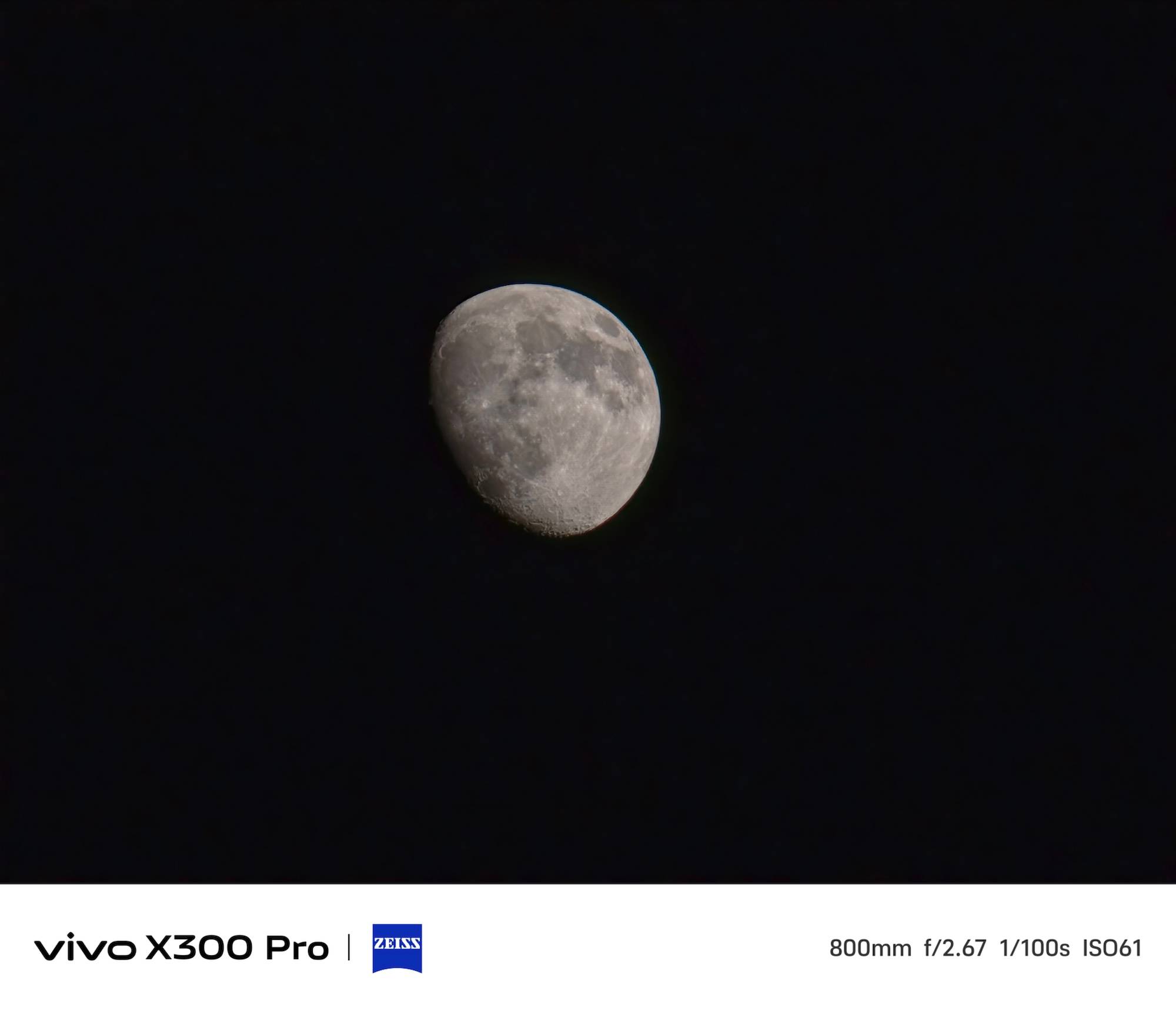
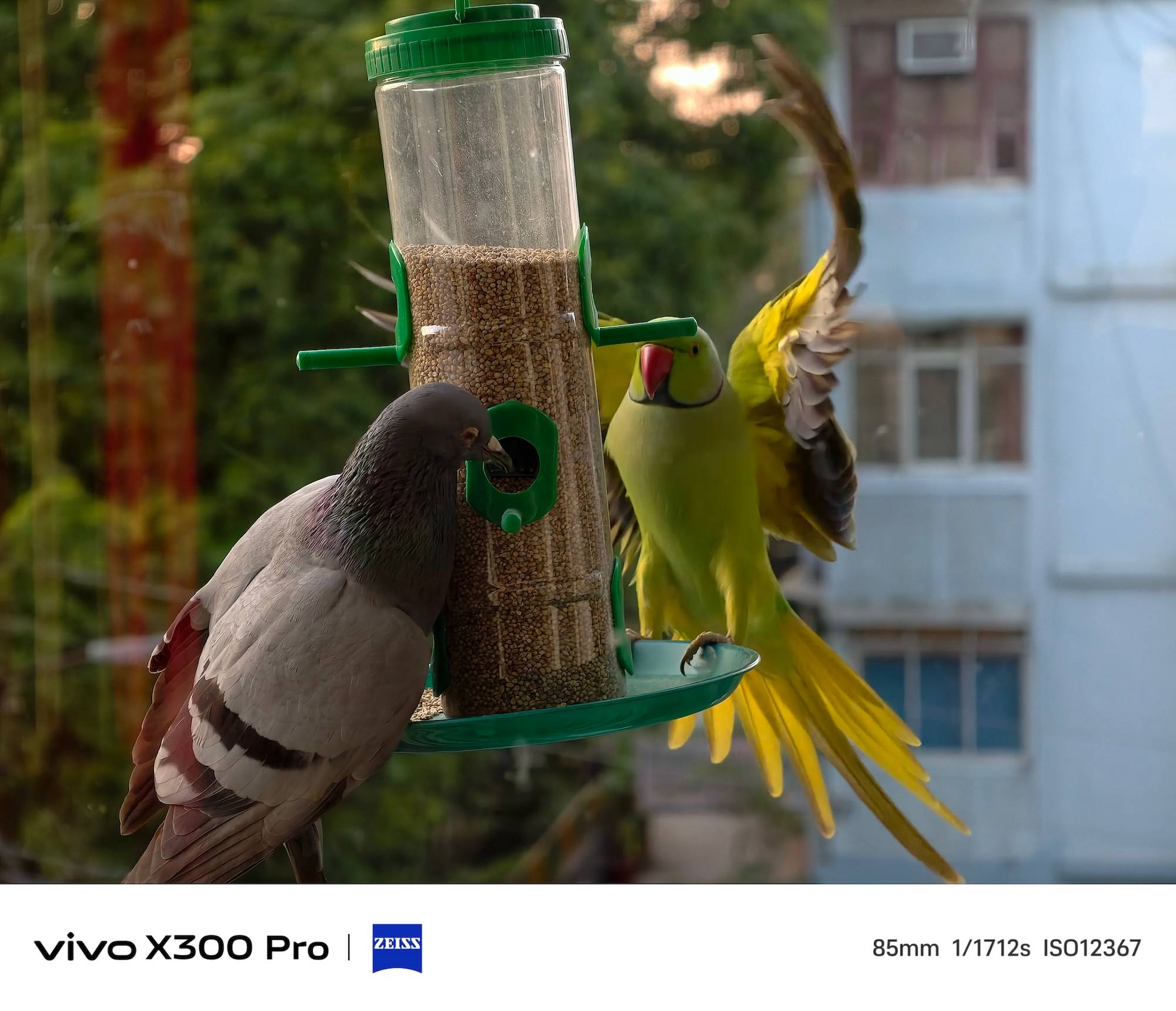


While I break down how the X300 Pro performed in various lighting conditions, I’ll also compare its cameras with those on the OPPO Find X9 Pro, its closest rival in terms of pricing.
Daylight
The X300 Pro shines in daylight. The main sensor captures rich detail, wide dynamic range, and natural skin tones. Full-res 50MP images hold more texture than before, and the 2x digital crop is now genuinely usable for portraits or quick framing. Portrait mode maintains believable depth without being overly dramatic.
In the comparison below, the Vivo shot offers slightly better sharpness, contrast, and texture, particularly the pavement tiles and distant building, making it more share-ready.


But hey, this is a democracy, you should have a vote too. So vote for the image you prefer!
Portraits
Using the primary sensor at 50mm, the Vivo X300 Pro tends toward natural tones while the Find X9 Pro pushes a warmer cast with sharper-looking (sometimes artificially so) facial detail. Vivo leans slightly smoother but stays closer to reality.


Telephoto
The X300 Pro’s telephoto delivers the goods at its native 3.5x. You get crisp, contrasty shots with satisfying colour reproduction and convincing subject separation. For longer reach, 10x works well, though results can sometimes look a little soft compared with 3.5x. In practice, favour 3.5x for the cleanest telephoto results and 10x when you’ve spotted something worth capturing at a distance and don’t have the time to move closer to the subject.
Portraits with the telephoto lens start at 85mm focal length on the X300 Pro and 70mm on the Find X9 Pro. Interestingly, there’s a reversal in colour reproduction here compared to the portraits taken using the primary lens. Here, the X300 Pro shows a slight yellowish tint while OPPO’s telephoto lens captures more natural colours. The yellowing isn’t as aggressive as what we saw from OPPO’s primary camera above, but it’s there. Meanwhile, oversharpening continues to be part of OPPO’s algorithm, while the X300 Pro goes for a smoother output. Subject separation and details are almost identical.


Ultrawide
The ultrawide is noticeably sharper than last year’s X200 Pro and holds good dynamic range and colour consistency. Even the 50MP mode can be useful if you’re cropping or printing.
In the comparison below, Vivo edges ahead again with more detail and better contrast.


Selfie
The 50MP AF-enabled front camera is a meaningful upgrade. Close-ups look sharper, and group selfies stay better focused. Colours are slightly muted compared to the rear cameras, but still accurate.
Between the two rivals, Vivo maintains more natural colour processing and more believable background blur at f/2.0, while OPPO tends to oversharpen faces and apply a more aggressive bokeh effect at the same aperture.


Low light
Low-light performance continues to be Vivo X300 Pro’s strong suit. The main camera exposes well with balanced highlights and shadow detail. Saturation can lean punchy in warm lighting, but overall clarity and range are impressive.
At 2x, results vary. They are usable at times, softer at others. The telephoto at 3.5x remains reliably good even in dim light, while mid-range zoom levels (like 7x) soften. The ultrawide remains serviceable at night, though detail drops compared to the main and telephoto lenses.
Video
Video recording is versatile: 4K 60fps on most lenses, plus 4K 120fps with Dolby Vision on the main and telephoto. The primary camera even supports 8K 30fps. Stabilisation is solid, and Pro mode unlocks log profiles. However, switching between lenses isn’t seamless, as I noticed colour and exposure shifts, especially compared to the iPhone 17 Pro Max.
The bottom line
Vivo has not thrown away last year’s recipe; instead it refined the ingredients. The main camera is cleaner and more detailed, the ultrawide is sharper than you would expect for the sensor on paper, selfies finally get autofocus, and the telephoto is the real differentiator: practical, detailed and fun to use. There are small quirks, such as occasional softness at mid-zoom levels and slightly muted front camera colours, but none of them significantly dent the overall impression.
If photography is a priority, the X300 Pro is once again the phone to beat in its class. The telephoto makes it genuinely different from rivals, and the overall imaging package is balanced enough to cover most real-world needs.
If photography is a priority, the X300 Pro is once again the phone to beat in its class.
A bit about the camera kit
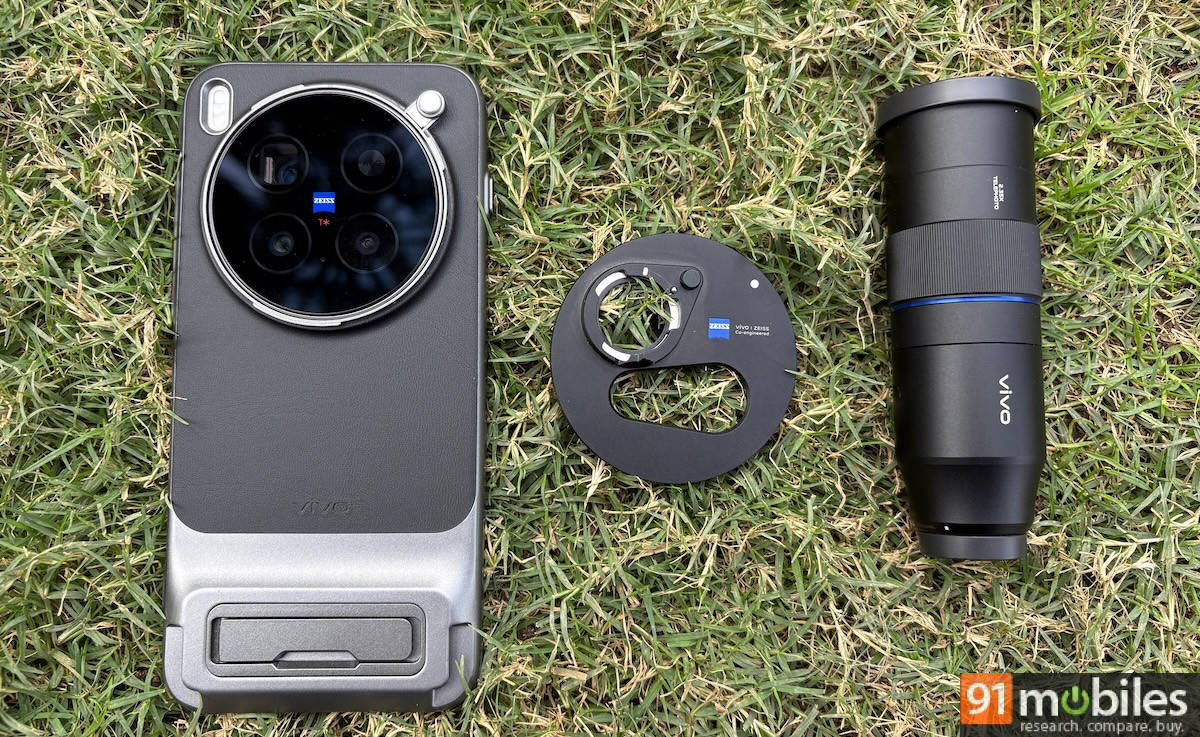
The Vivo X300 series moves from being a camera phone to a camera experience with the telephoto extender kit.
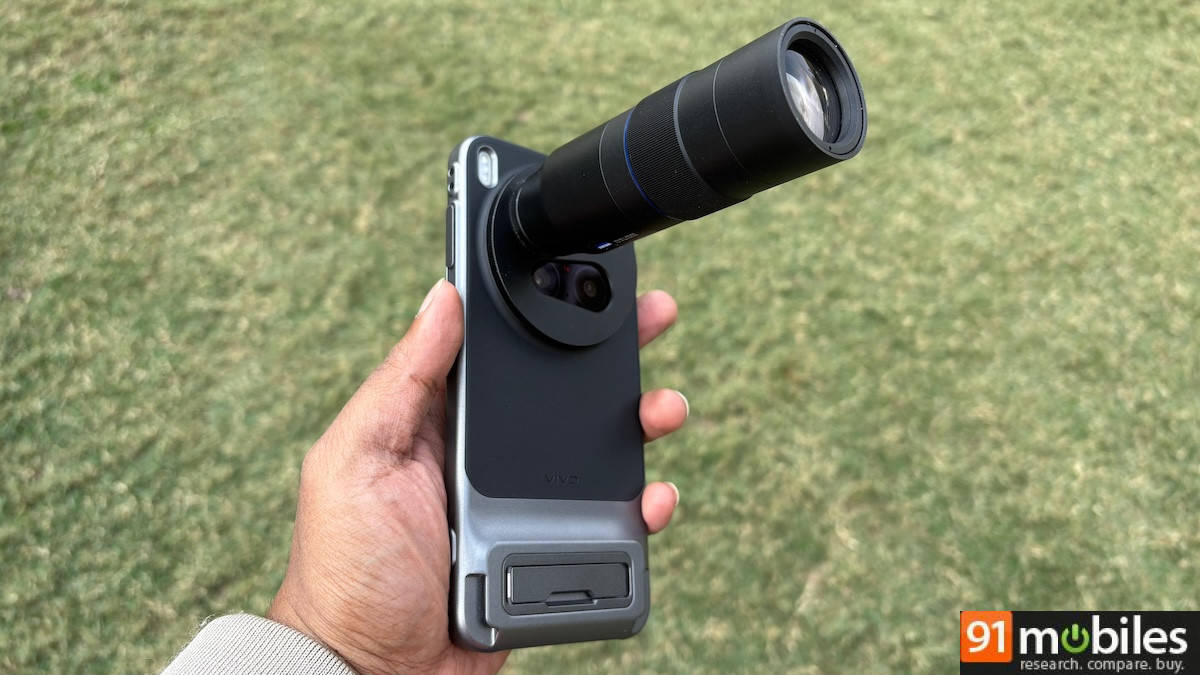
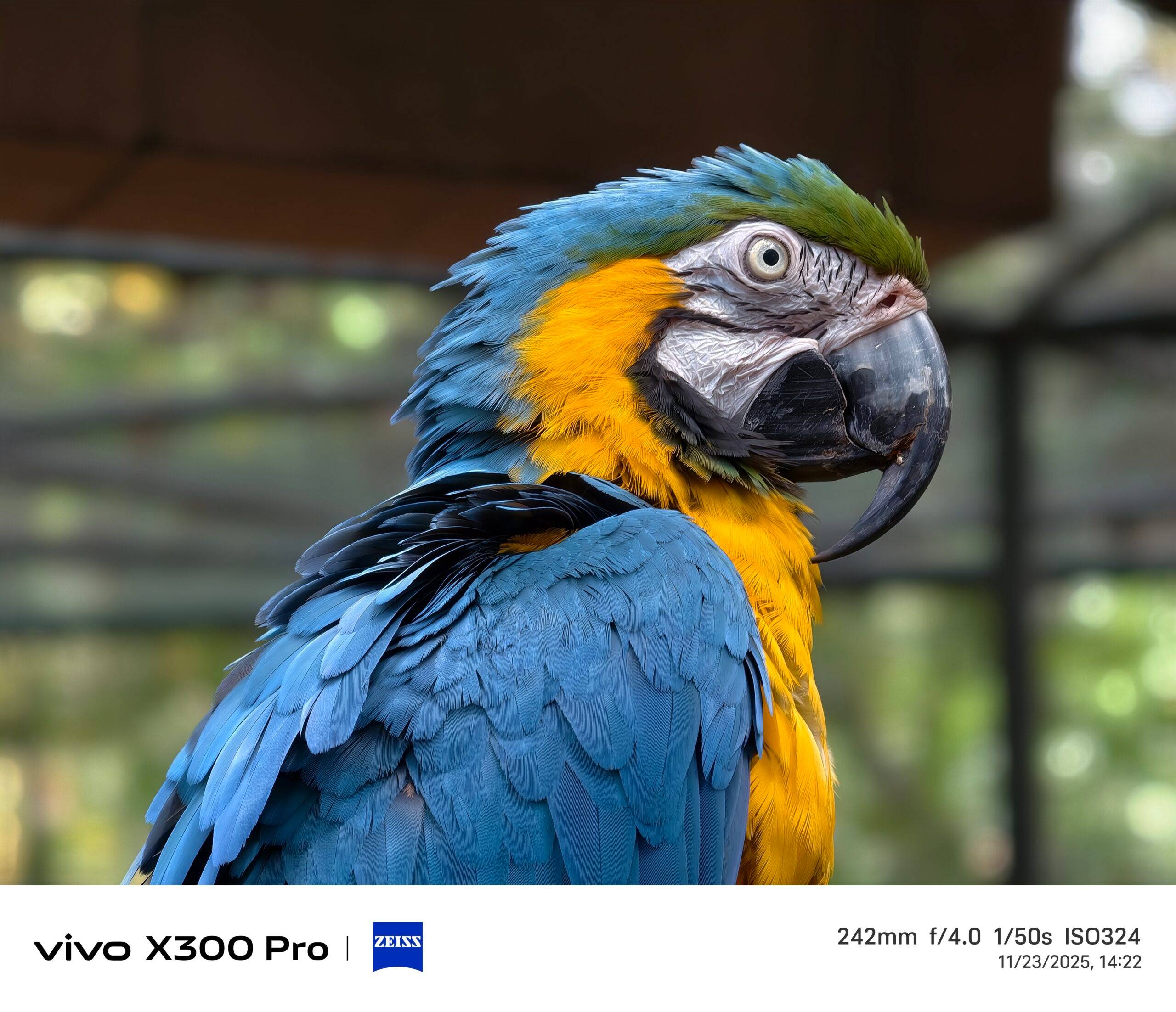
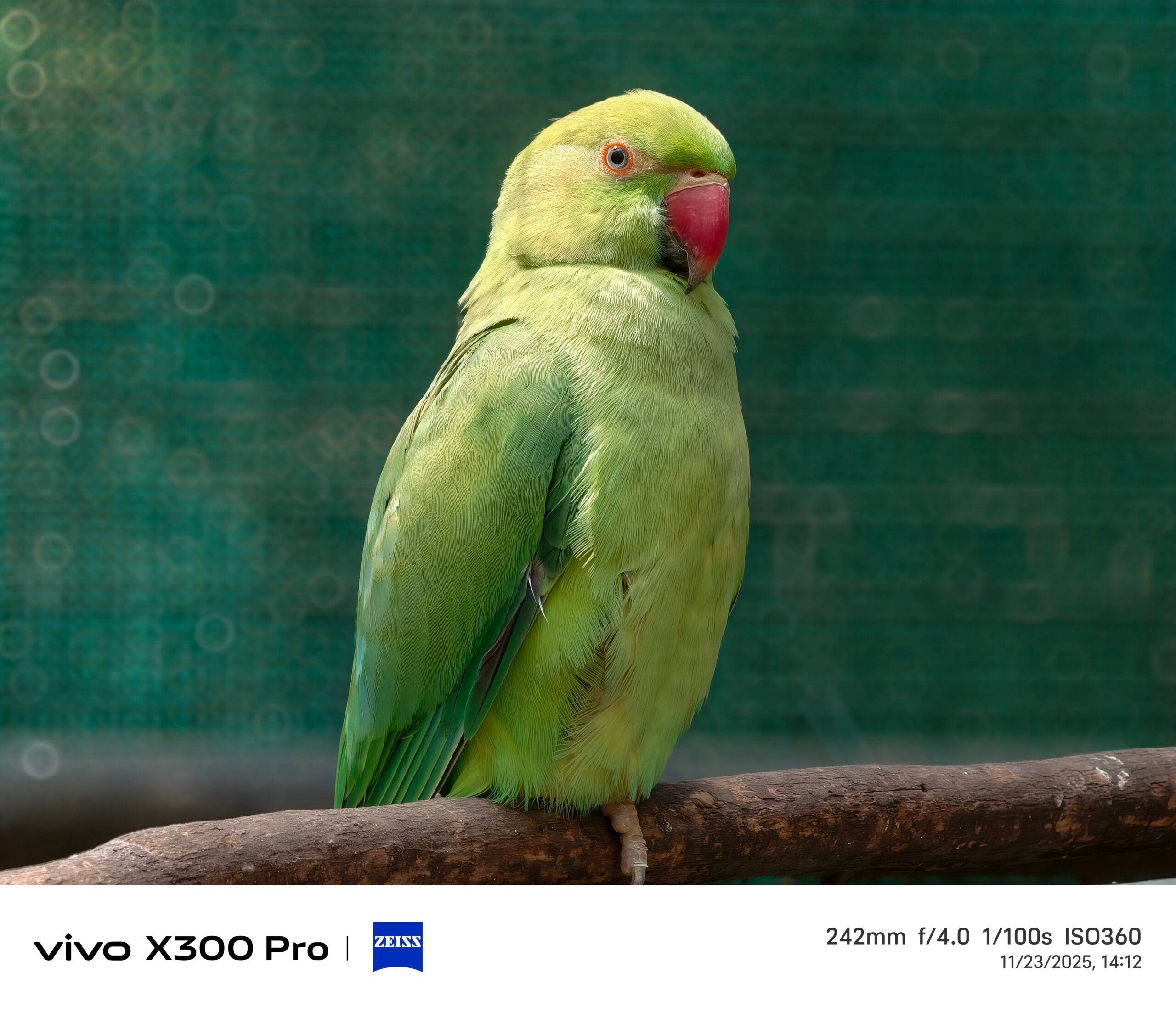
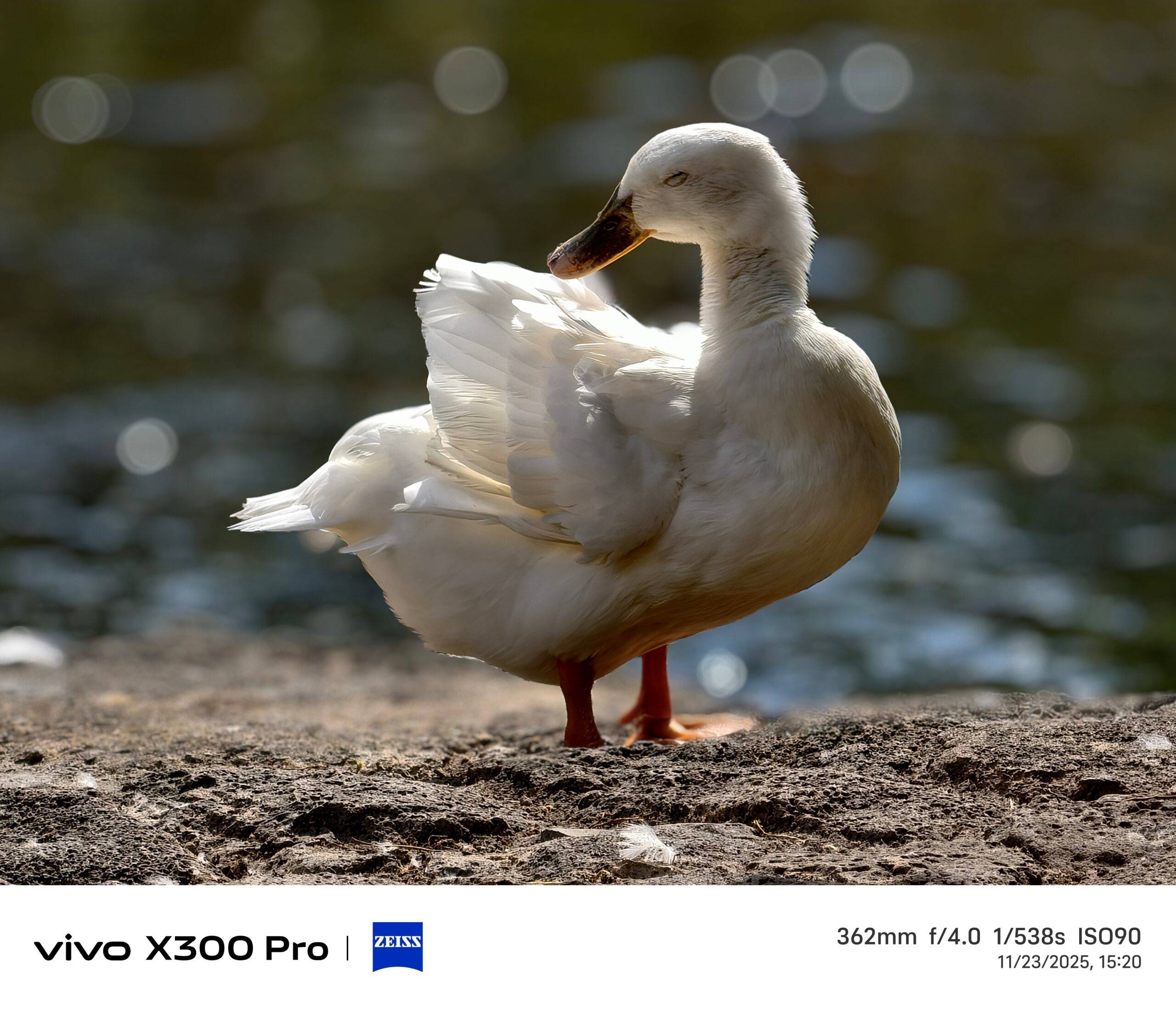
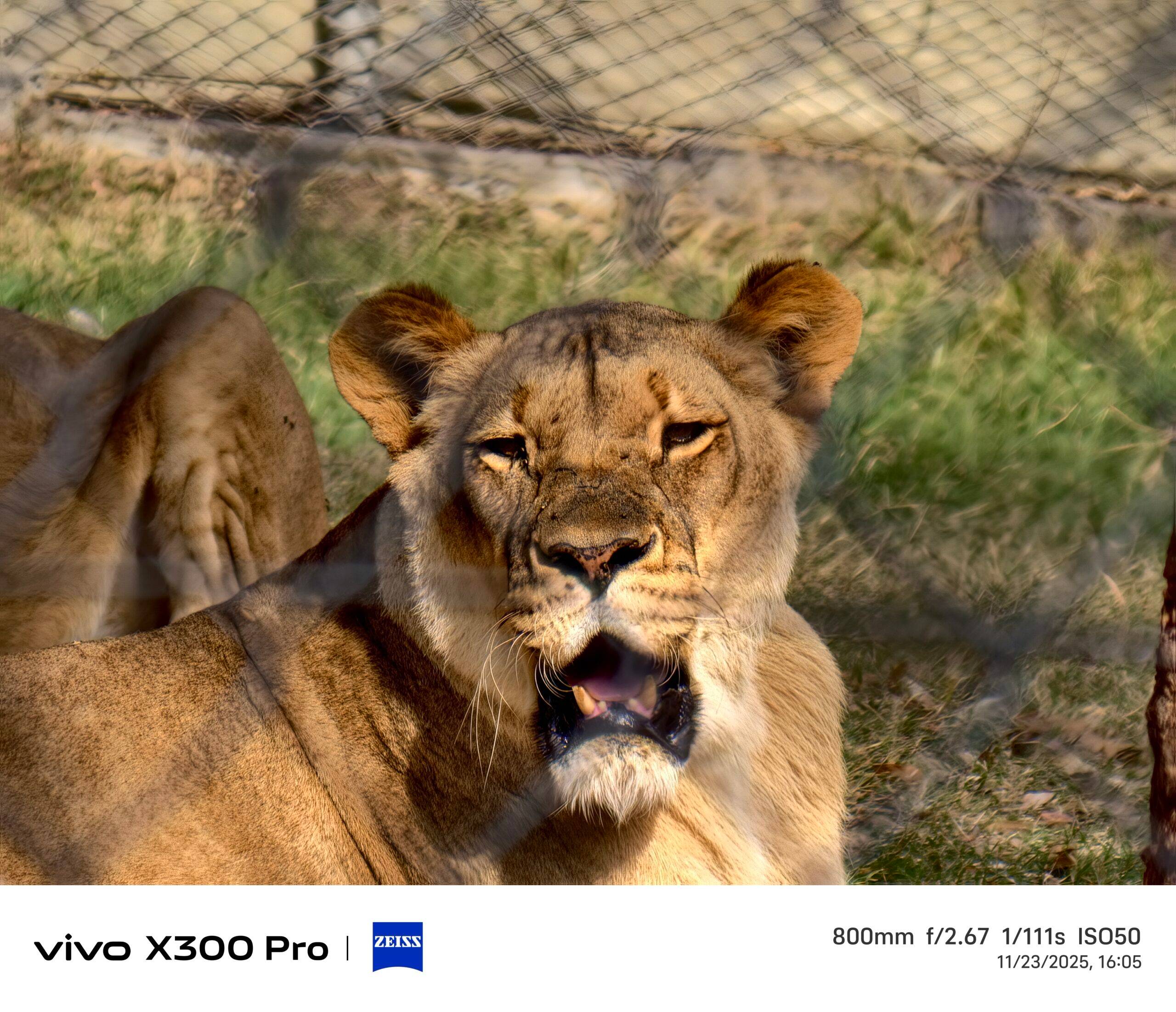

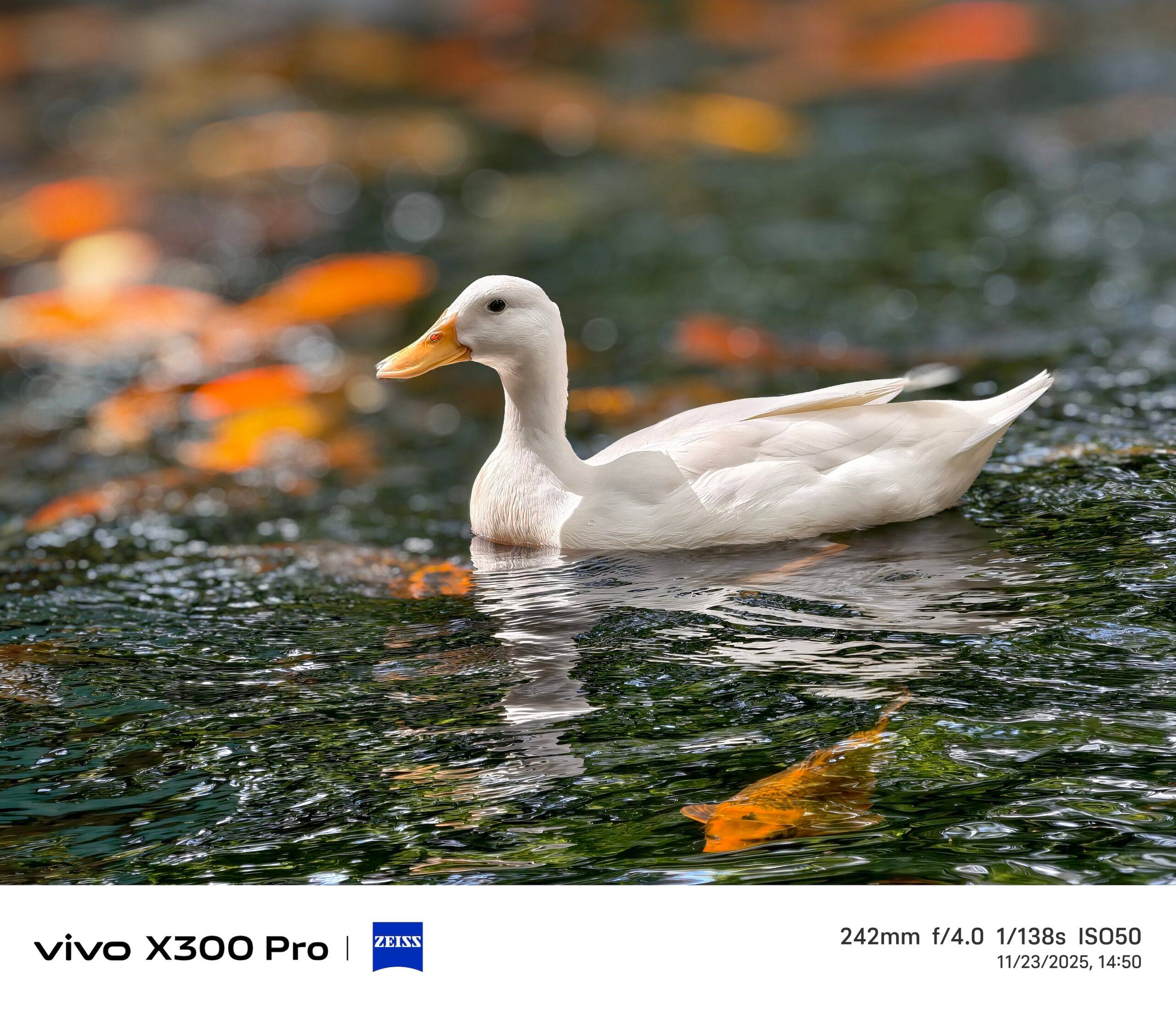
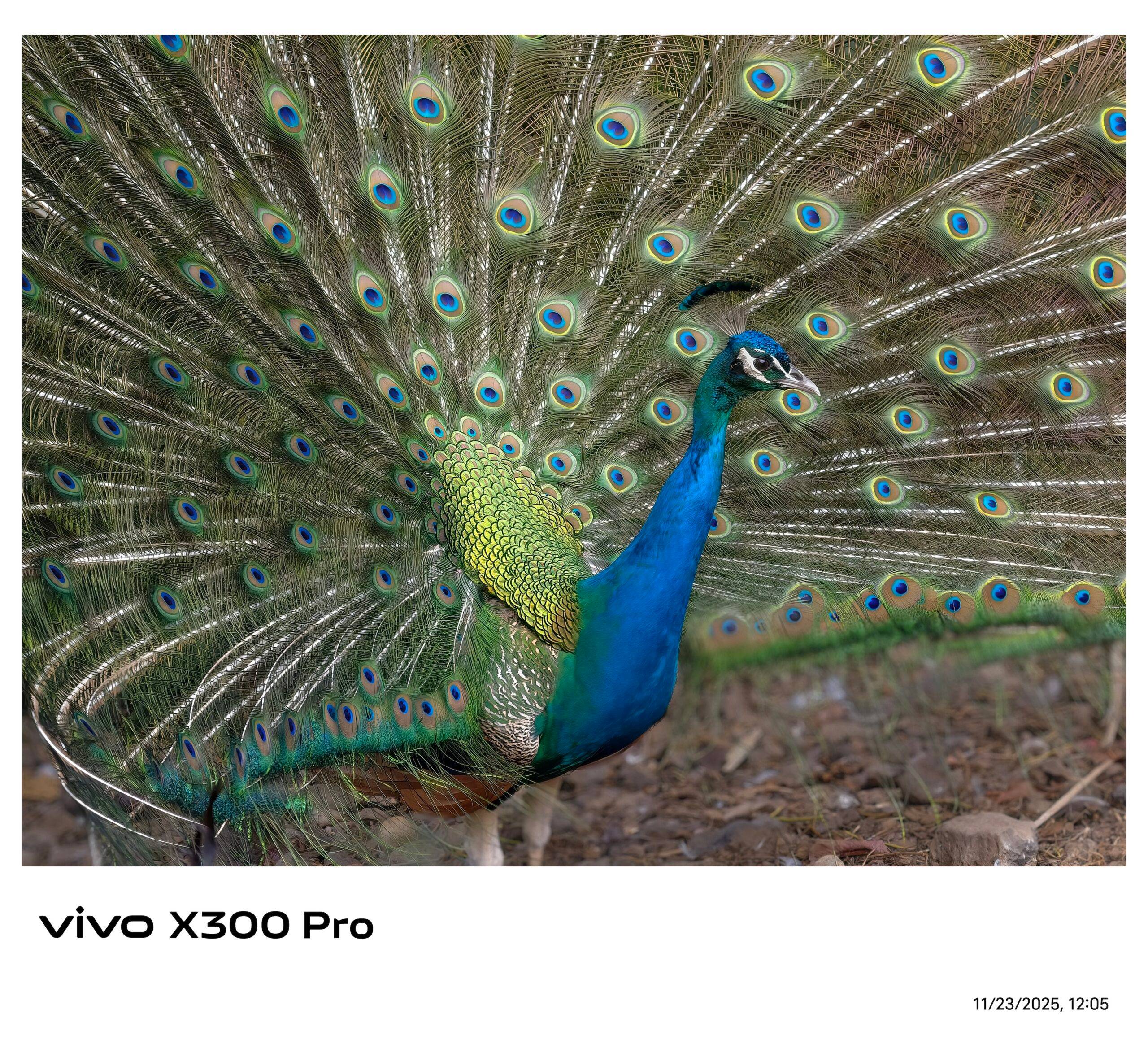
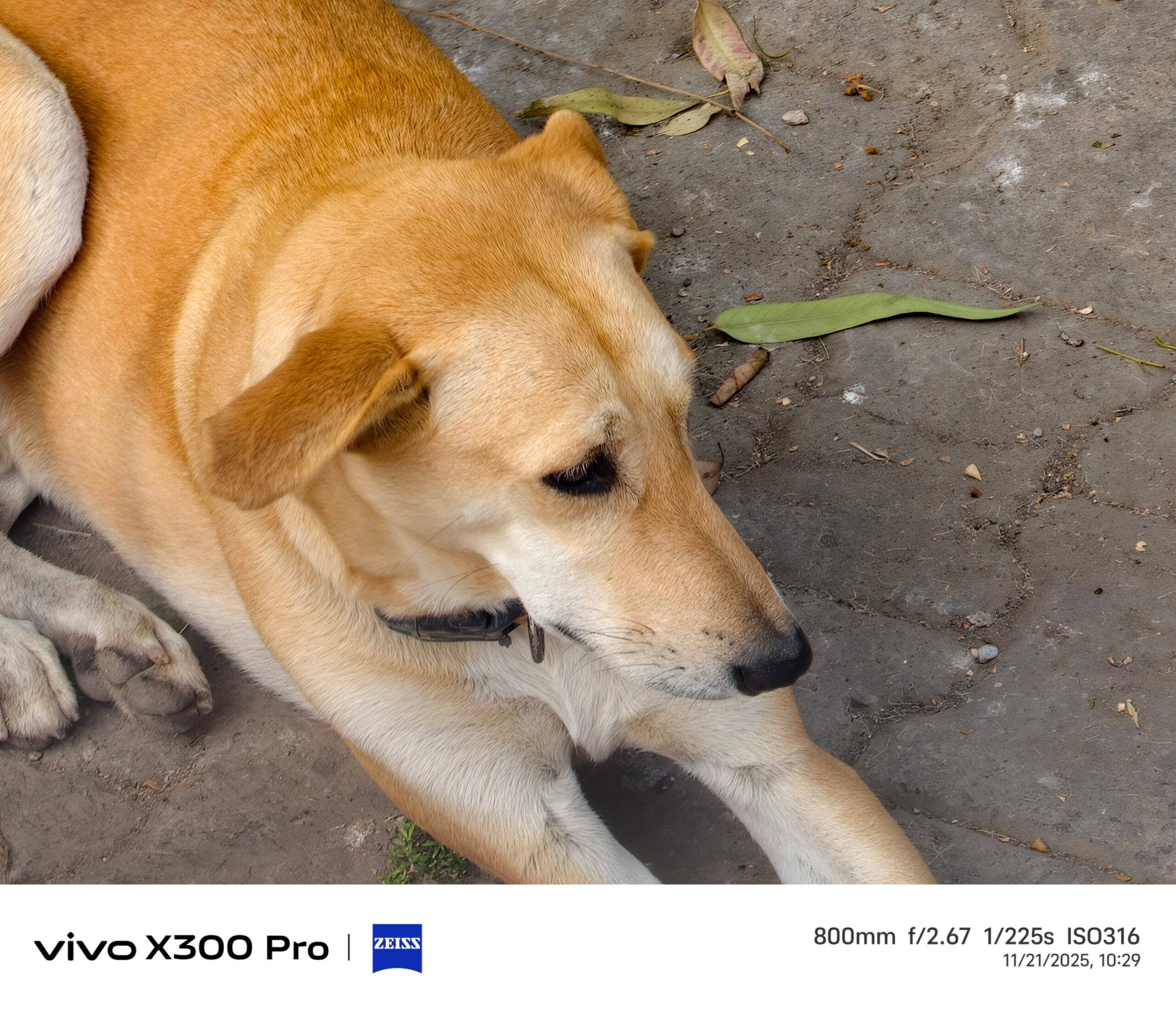


I had an amazing time capturing some stunning close-ups of animals and portraits of my family, among other things. I do wish, however, that Vivo offered a small case or pouch to carry the lens around, as the fear of damaging or dropping it is very real, especially for a lens this expensive.
Design and display: flat is in vogue
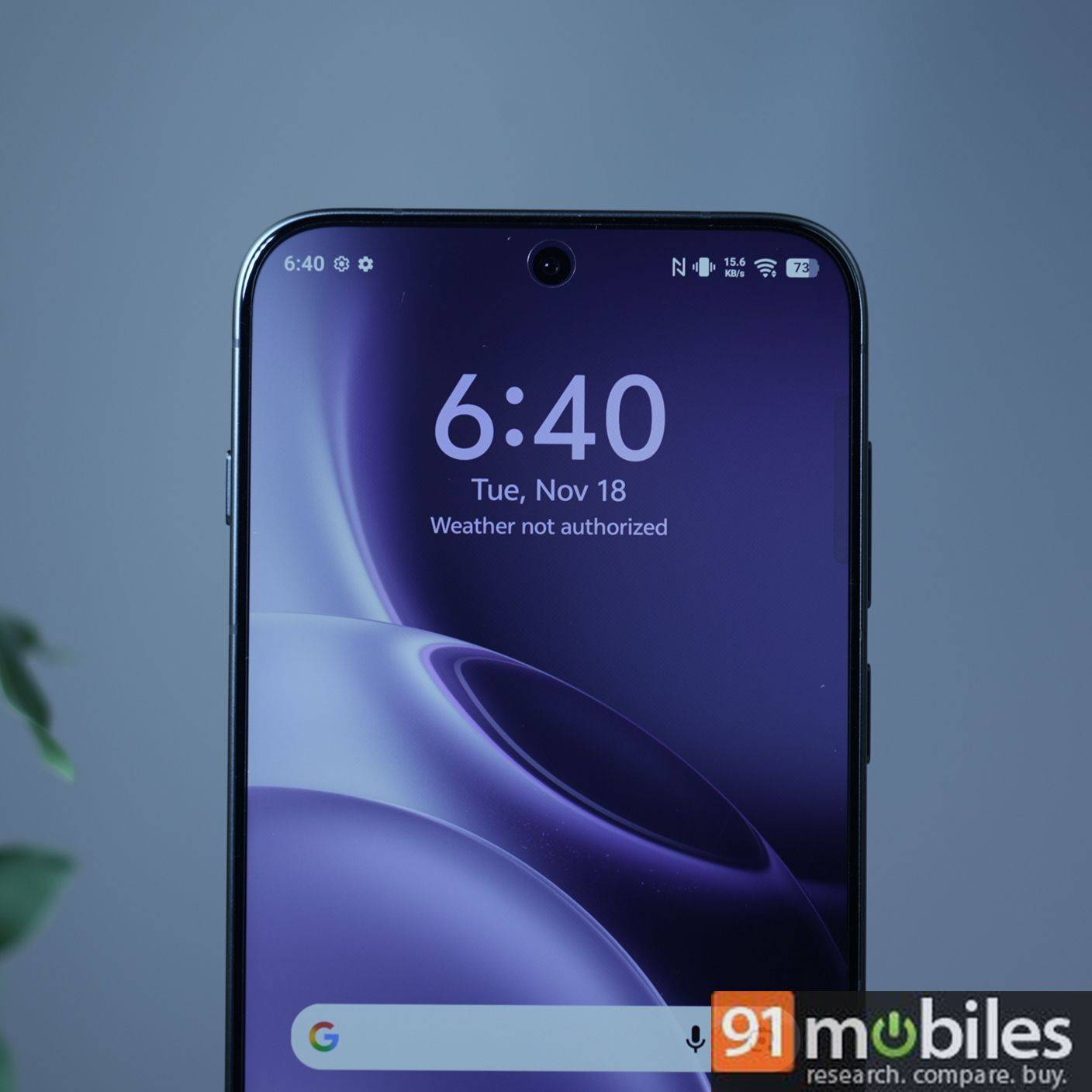
It seems flat phones are back in vogue this year, as the Vivo X300 series follows the likes of the OPPO Find X9 and OnePlus 15 in moving from curved to flat displays. Brands seem aligned in thinking that a curved phone is great for aesthetics, but not practical for usability. And so, the Vivo X300 Pro gets a flat front, back and sides, with just enough curvature in the frame to offer a nice grip. Yes, it doesn’t scream “attractive,” but it looks and feels great, and is more comfortable in the hand than its predecessor.
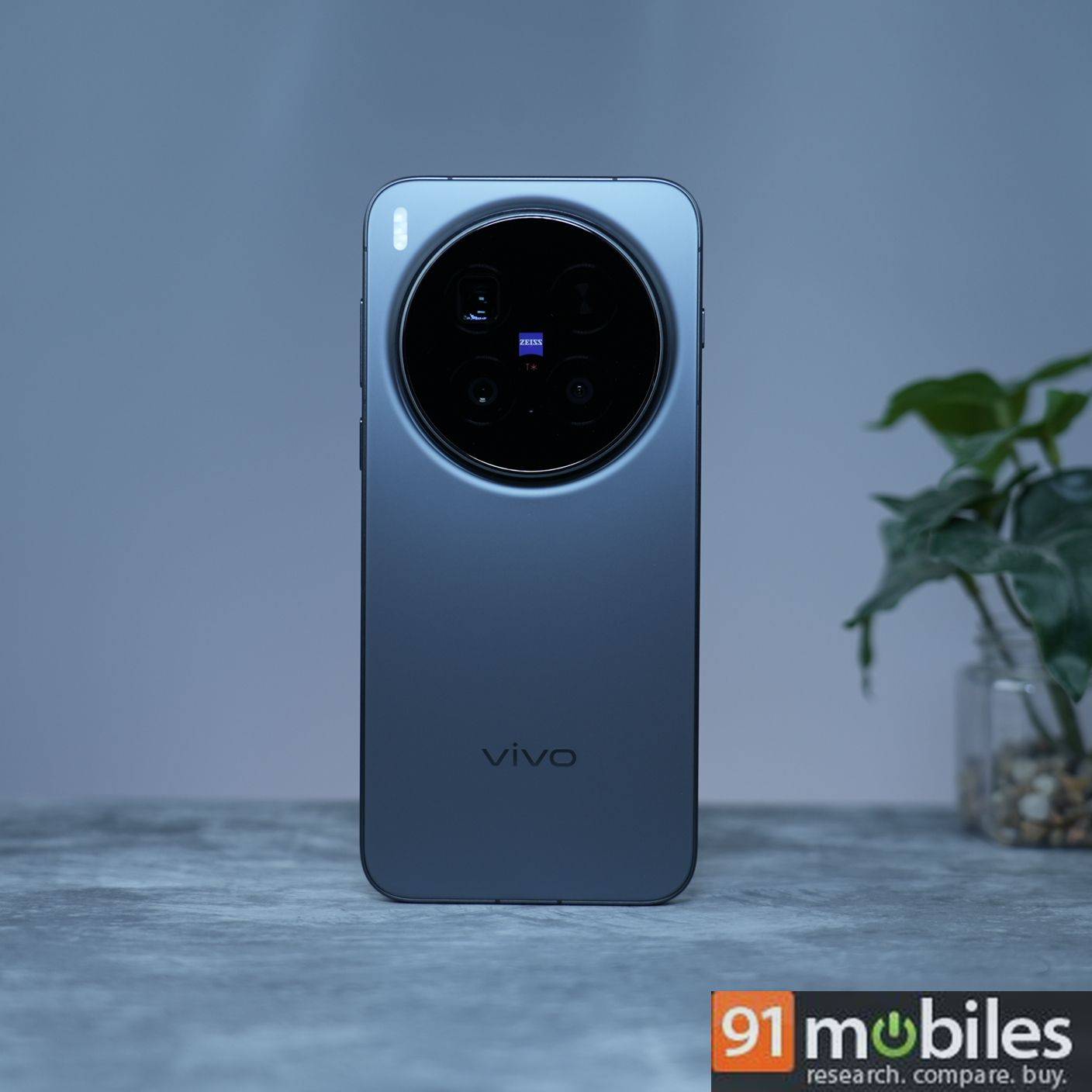



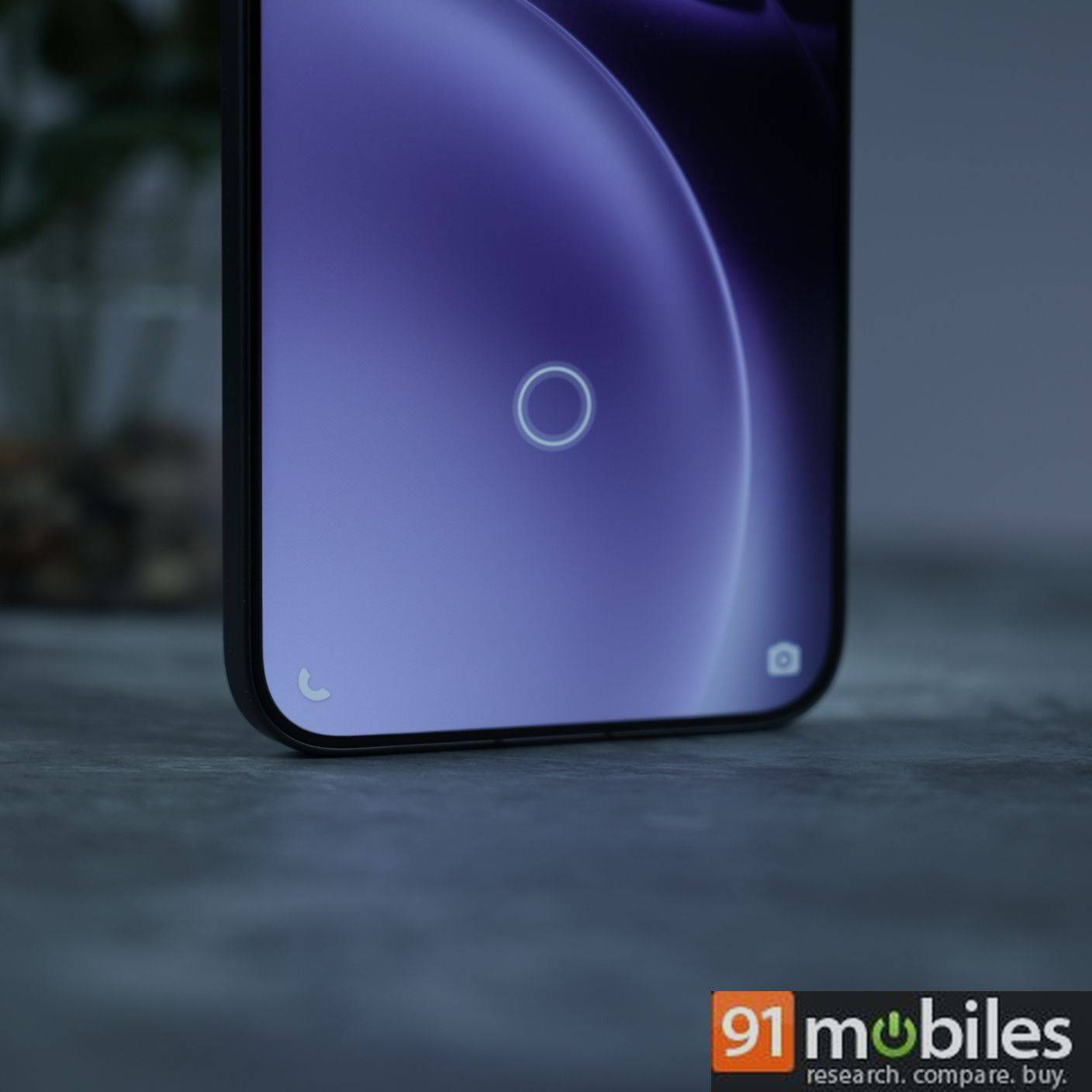
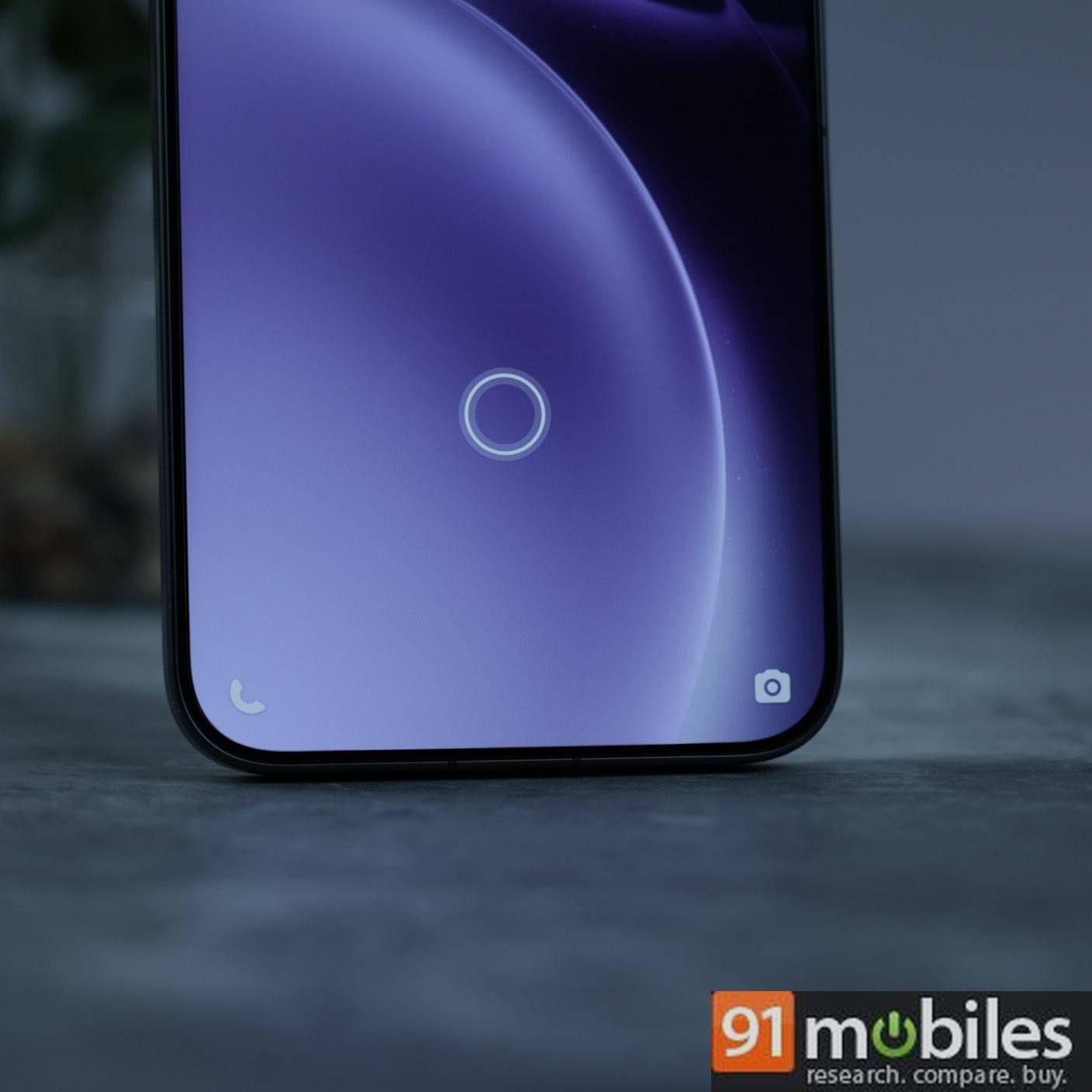


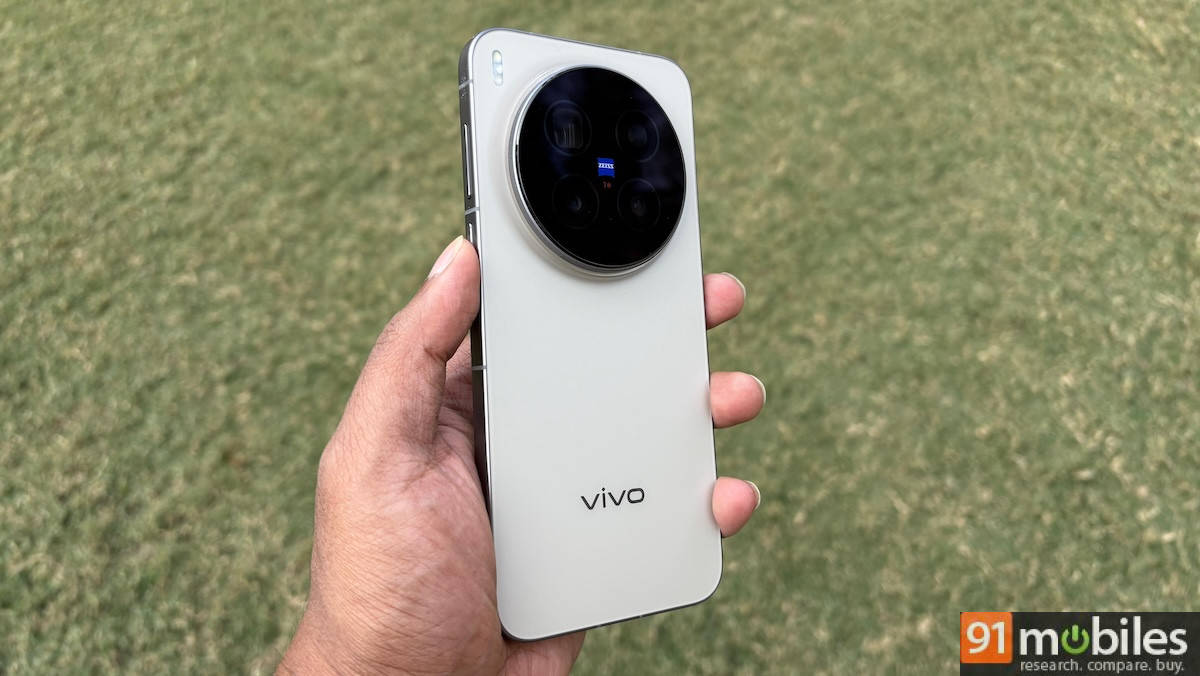
While OPPO and OnePlus decided to switch from a circular camera module to a square-ish one and move it to a corner, Vivo is retaining its distinct circular camera design, appearing bolder than ever with a camera lens-inspired texture and proudly protruding just above the centre of the back panel. This is the phone’s highlight, and there’s nothing wrong with Vivo wanting to show it off. This design choice also means the phone doesn’t wobble on a flat surface, unlike the OPPO Find X9.
The 6.78-inch screen is surrounded by symmetrically slim bezels, and it looks great. It’s a 1.5K 8T LTPO display with up to 120Hz adaptive refresh rate and 2,000 nits HBM. Now, Vivo isn’t chasing those 165Hz-like numbers like the OnePlus because the X300 Pro isn’t a gaming-first device. It’s aiming to be a complete flagship experience, so the display might seem underwhelming on paper, but it is quite flagship-grade in reality, offering crisp, edge-to-edge visuals, plenty of brightness outdoors, and vibrant colours. I didn’t find anything to fault here. But if gaming is what you’re after, the OnePlus 15 delivers more features to meet your needs.
Performance and software: faster and smoother
The Vivo X300 Pro is the third phone in India, after the OPPO Find X9 and Find X9 Pro, to be powered by the 3nm MediaTek Dimensity 9500 chipset. With clock speeds of up to 4.21Ghz, the chipset promises up to 32% higher CPU performance comapred to the Dimensity 9400. On the X300 Pro, the chipset is paired with up to 16GB LPDDR5X RAM and 512GB of UFS 2.1 storage.
Like the OPPO siblings, the X300 Pro gave us predictable, top-tier scores in synthetic benchmarks, recording around 35 lakh on AnTuTu and around 10,200 in Geekbench multi-core. These results are also similar to what we saw with the Snapdragon 8 Elite Gen 5-powered OnePlus 15, suggesting a comparable performance from both the Qualcomm and MediaTek flagship chips.




Unsurprisingly, the Dimensity 9500 breezes through most day-to-day tasks without hiccups. The phone felt fast and fluid, with OriginOS’ smooth animations making it feel extremely swift while opening and switching between apps. The flagship did get slightly warm occasionally during prolonged use, and we noticed slightly higher temperature rises during gaming compared to the Snapdragon 8 Elite Gen 5-powered OnePlus 15.
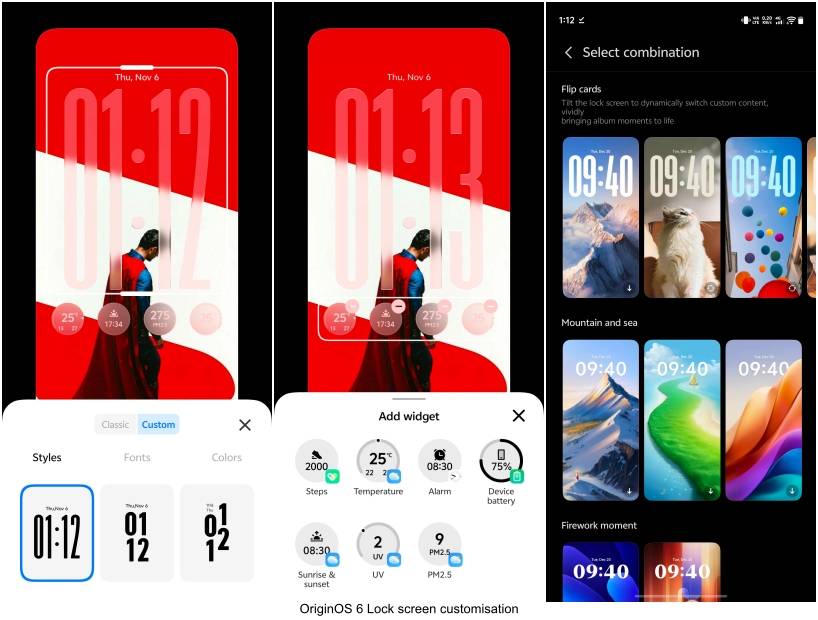
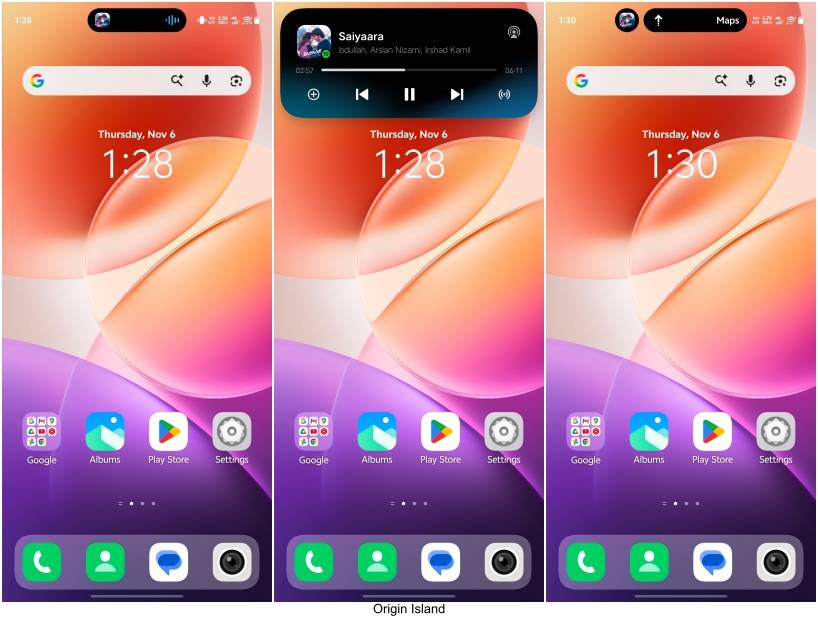
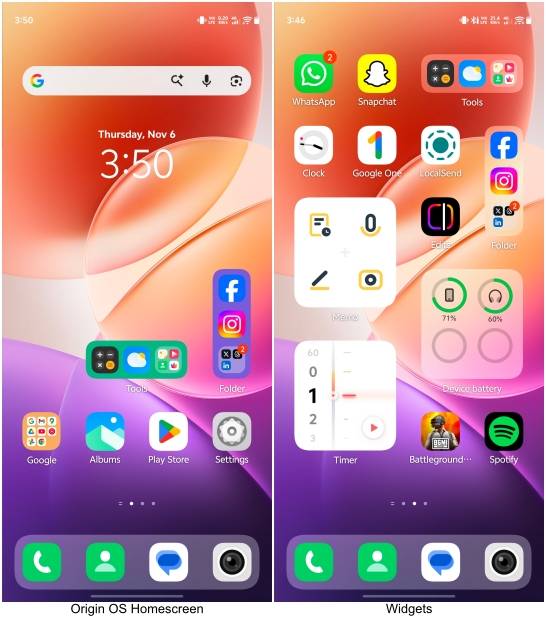
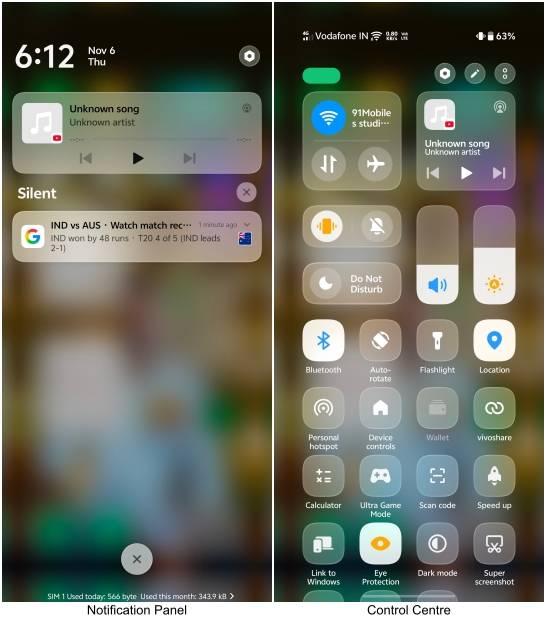
The Vivo X300 series is the first from Vivo to ship with OriginOS preinstalled. OriginOS is now global and has landed in India, to the joy of many Vivo users who were disappointed with Funtouch OS’s dated design. OriginOS, in comparison, is more refined, more responsive with smoother animations, more customisable with new lockscreen wallpaper options and resizable folders, more useful with Origin Island bringing up live updates and contextual actions, and visually pleasing UI with subtle blur and bounce effects, and light reflections. It looks great and is more personalised than before, and I’ve enjoyed customising the UI to my taste far more than I did with Funtouch OS. We’ve done a deep dive into OriginOS if you want to know more about all the new features.
Vivo promises 5 years of major OS upgrades and 7 years of software updates, which is impressive considering OnePlus 15’s 4+6 and OPPO Find X9’s 5+6 policy. With the prices of flagship phones rising, extended software support is definitely something buyers will be looking at, and Vivo seems to be on the right track.
While we’re on the subject of overall performance, the flagship gets a snappy ultrasonic fingerprint sensor, but a very underwhelming set of stereo speakers that lack depth and clarity.
Battery anxiety is a thing of the past
The Vivo X300 Pro’s battery life is nothing short of exceptional. Vivo is using a 6,510mAh BlueVolt battery that is based on a 4th-Gen Silicon Negative Electrode Technology with a silicon content of 5%. While both the battery capacity and silicon content are lower than those of the OnePlus 15 (7,300mAh, 15%), the Vivo X300 Pro has impressed me nonetheless. On modest usage that involves a good amount of social media browsing throughout the day, checking emails, and lots of photography, which combined for an average screen-on-time of about 4 to 5 hours, the X300 Pro dropped from 100 to about 50 per cent by the end of the day. This meant enough battery to take me through a good portion of the next day before having to reach for the charger.
In our synthetic PCMark battery test, the Vivo X300 Pro recorded 16 hours from 100 to 20 percent, which is on par with the OPPO Find X9 Pro and only marginally less than the OnePlus 15. Further reducing battery anxiety is the fact that the device takes only around 40 minutes to charge from 20 to 100 percent using a bundled 90W charger. This is faster than the 73 minutes it takes to charge the OPPO Find X9 Pro.
Final verdict
The Vivo X300 Pro is a predictably great flagship phone. Vivo has not tried to reinvent what already worked on the X100 Pro and X200 Pro. Instead, it has tightened the screws where it matters. The primary and telephoto deliver stunning photos, the ultrawide has quietly levelled up, and the selfie camera finally gets autofocus. Add the optional ZEISS telephoto extender kit on top, which is more affordable than the Find X9 Pro’s kit, and you are looking at a phone that blurs the line between a camera phone and a compact camera system.
The Vivo X300 Pro is a predictably great flagship phone.
Beyond imaging, the X300 Pro feels like a grown-up flagship. The move to a flat design makes it more practical to hold and use, even if it is not the most eye-catching phone on the table. Dimensity 9500 keeps things fast and fluid, and OriginOS is a clear step up from Funtouch OS in terms of design, personalisation, and day-to-day polish. The battery comfortably goes past a day and a half for many users and bounces back quickly with 90W charging, which goes a long way in keeping battery anxiety in check.
It is not flawless. The phone is slightly heavy, low-light performance at 2x and some mid-zoom levels is not always as reliable as the rest of the system, and the X300 Pro runs a bit warmer than Snapdragon rivals under sustained load. The telephoto kit, while brilliant, is an extra cost and something you will need to consciously carry and care for. And with prices creeping up, value-conscious buyers may find better deals in phones like the OnePlus 15 if gaming or raw performance matters more than cameras.
But if you are someone who cares deeply about photos and wants a phone that can handle everything else without breaking a sweat, the Vivo X300 Pro is once again the camera phone to beat – only this time, it is also a very good flagship, full stop.
Editor’s rating: 8.6/10
Reasons to buy Vivo X300 Pro:
- The main, telephoto, ultrawide, and selfie cameras together make for one of the most versatile camera systems in its class.
- The 3.5x telephoto delivers excellent portraits and close-ups, and the ZEISS extender kit unlocks even more creative zoom possibilities.
- The 6,510mAh battery easily lasts a day and a half and charges quickly with the bundled 90W charger.
- The Dimensity 9500 chipset, paired with OriginOS, offers fast, fluid everyday performance and smooth animations.
- Flat design with slim bezels, good in-hand feel, and long-term software support (5 OS updates, 7 years of security patches) make it feel future-ready.
Reasons to skip Vivo X300 Pro:
- The phone is on the heavier side and may not be comfortable over long one-handed use. The base X300 is a better alternative if you prefer a compact flagship.
- There is noticeable colour and lens shifting when switching between the primary and telephoto lenses.
- The Dimensity 9500 tends to run slightly warmer than Snapdragon rivals during prolonged gaming or heavy workloads.
- The stereo speakers lack clarity and depth, which is a bit disappointing for a flagship over Rs 1 lakh.
- Pricing has gone up compared to previous X Pro models, which may put off buyers who do not fully prioritise the camera experience.
 | vs |  |
| vs |  |