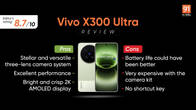
The Vivo X300 Ultra is the absolute pinnacle of smartphone camera photography for Vivo. The phone is built around the camera system rather than the camera system being a part of the phone. It is the headline grabber, and the massive rear camera module is the first thing you will notice when you take it out of the box. And while Vivo could have simply called it a day by offering high-end sensors on the phone, they went ahead and launched not one but two proper teleconverter lenses as accessories, part of its ZEISS Telephoto Extender Kit.
I’ve been using the Vivo X300 Ultra for a week now, patiently attaching and removing the two teleconverter lenses as the moment called for. I say “patiently” because you need patience when you’re trying to shoot with the whole kit. A professional photographer will tell you the same. And that’s really what the X300 Ultra with the telephoto kit wants you to be: a professional photographer.
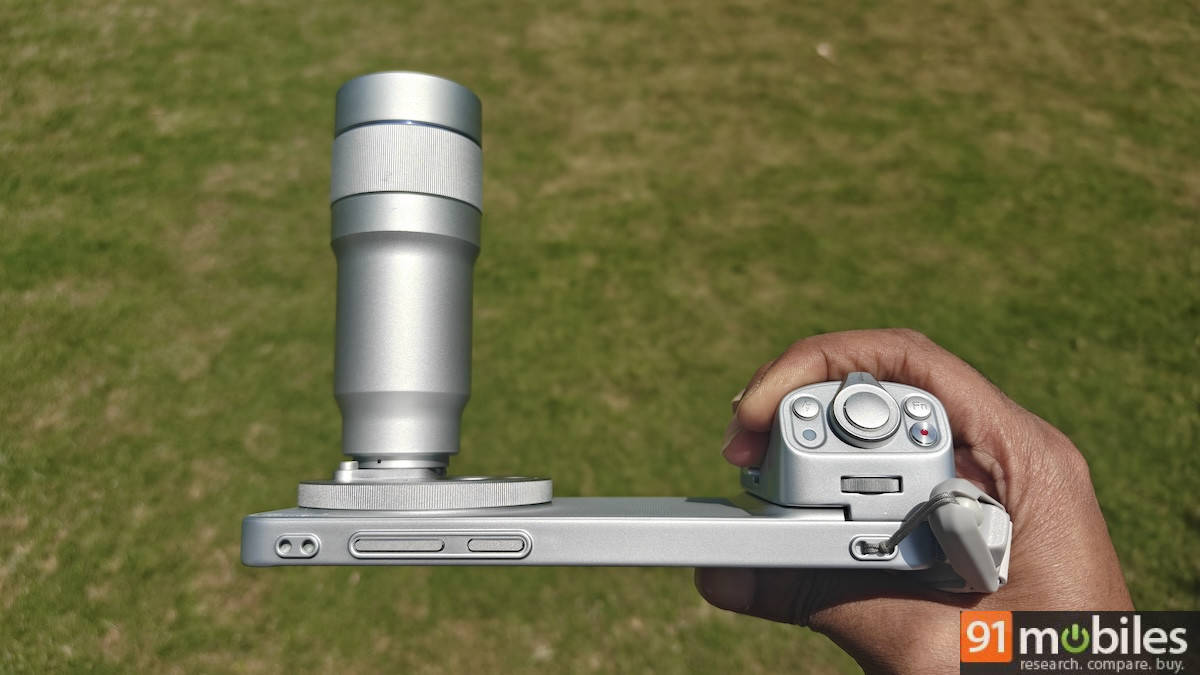
Table of Contents
The artists
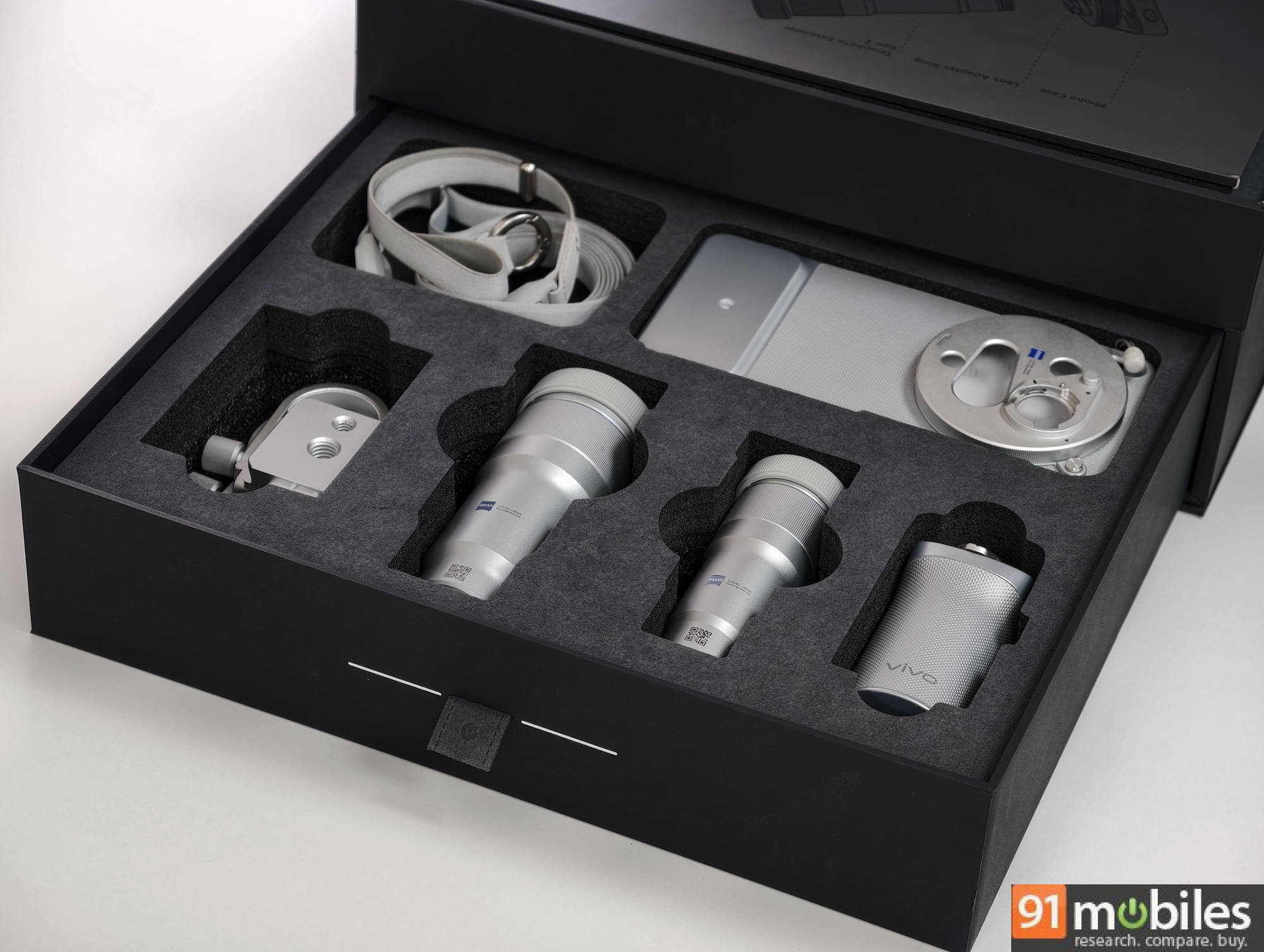
Our X300 Ultra photographer kit includes a plethora of accessories, including a phone case, imaging grip, lens adapter ring, tripod mounting rings, and a couple of straps to hang the phone by the wrist or shoulder. But what you really need to know about are the 200mm and 400mm lenses and the camera grip: the artists behind the art.
- It takes a minute to attach both the grip and the lens, so it is best used if you’re planning to wait and capture a subject. For example, if you’re on a trek or sightseeing. The camera kit is not meant for quick point-and-shoot.
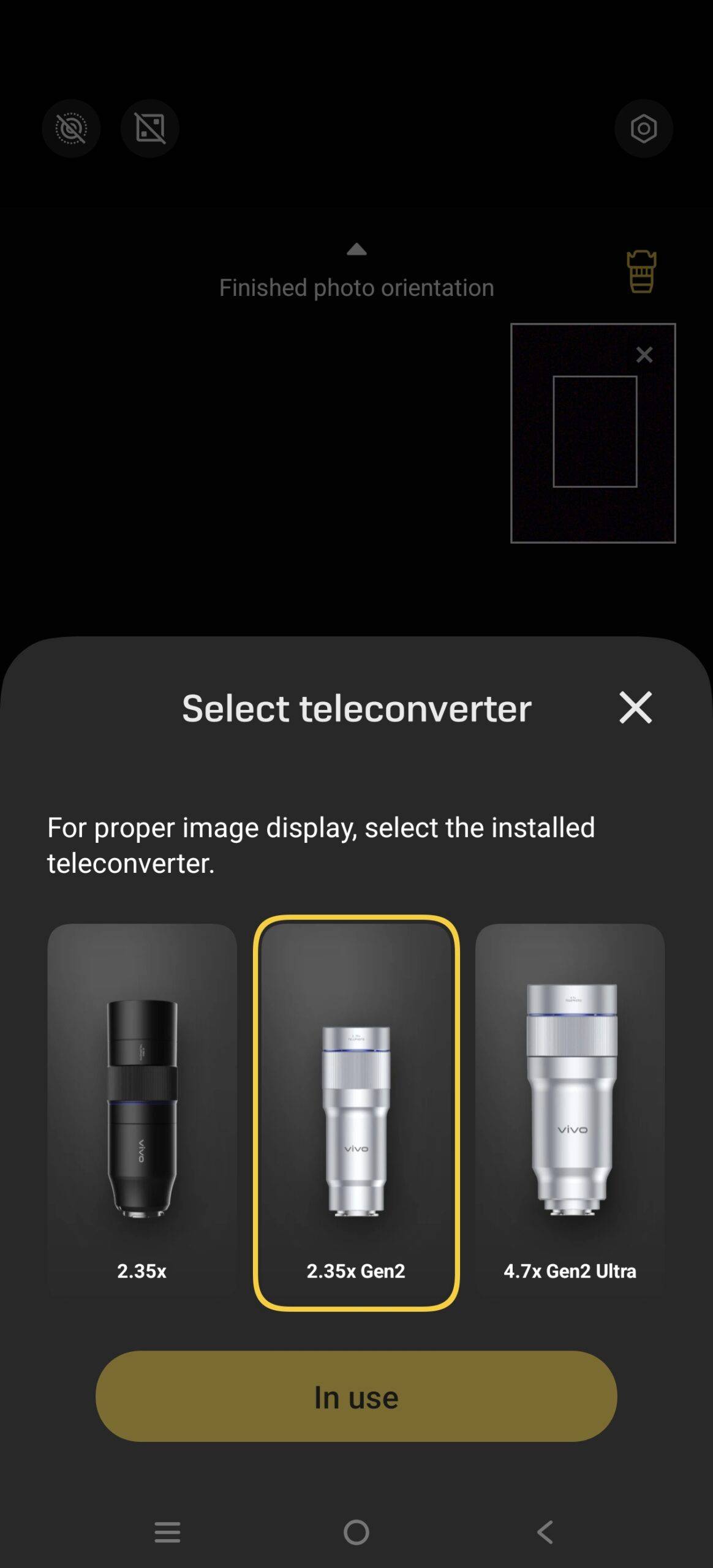
- The second and most important thing to remember is to ensure the right teleconverter is selected. The X300 Ultra supports the first-gen 200mm lens, the new 200mm Gen 2 lens, and the 400mm Gen 2 Ultra lens. If you select the 400mm option with a 200mm lens, you’ll encounter stability issues while shooting.
- The grip is quite useful to keep the phone steady while capturing, especially when using the heavier 400mm lens. It attaches and connects via the Type-C port. While it has a 2,300mAh battery, it is only there to support the Imaging Grip Kit’s functionality and cannot be used as a power bank to charge the phone.
The art (in 200mm)
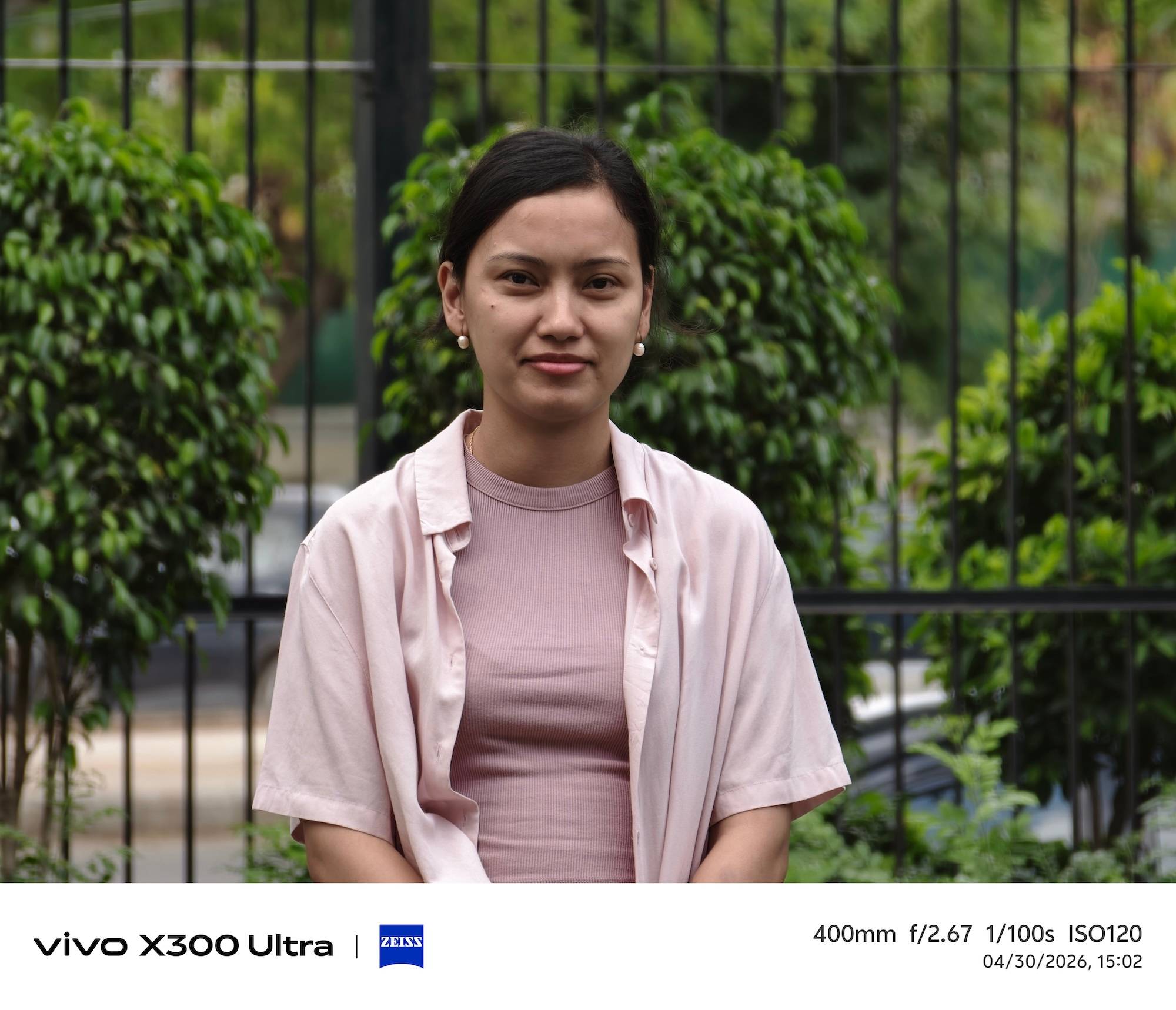
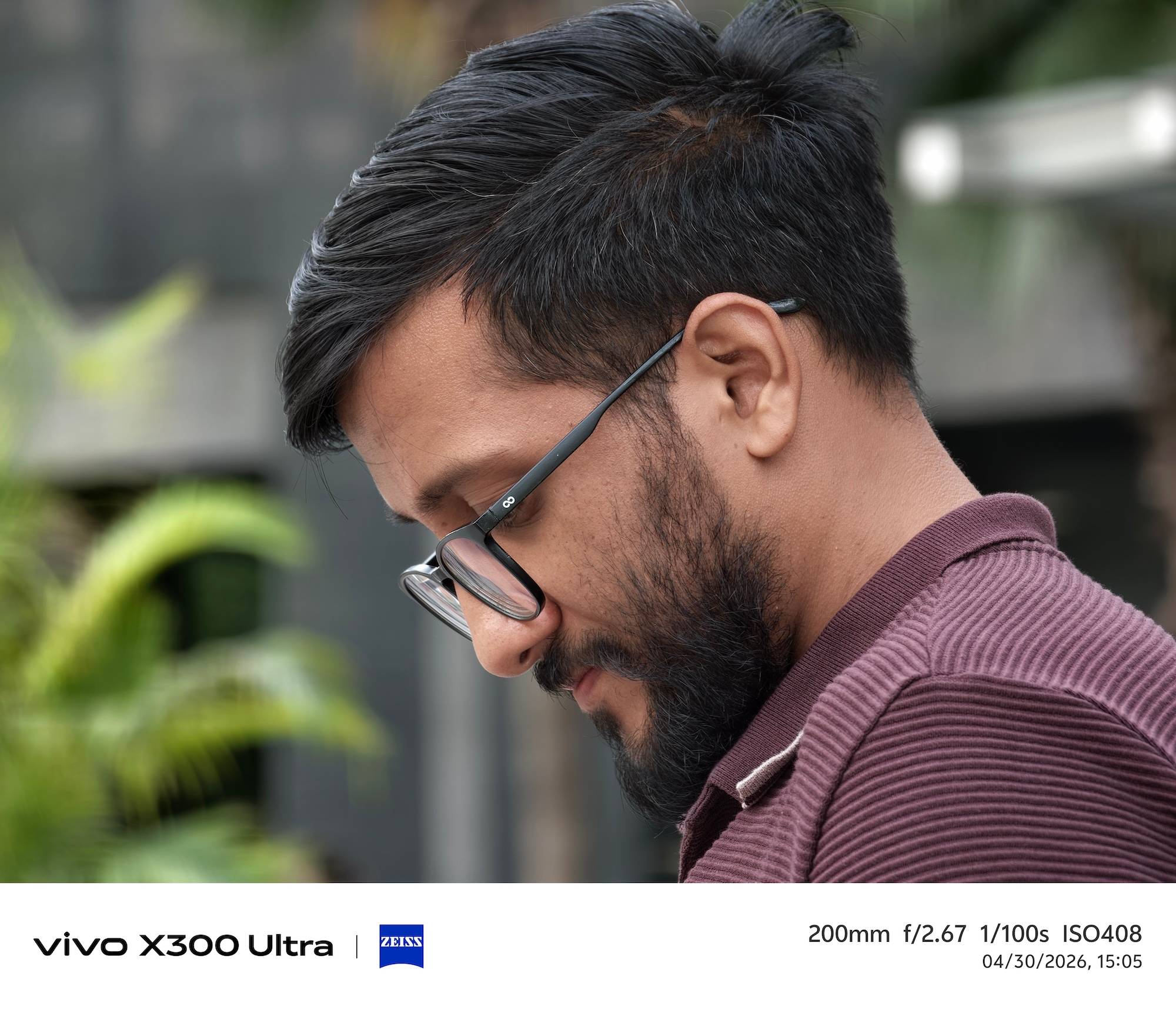
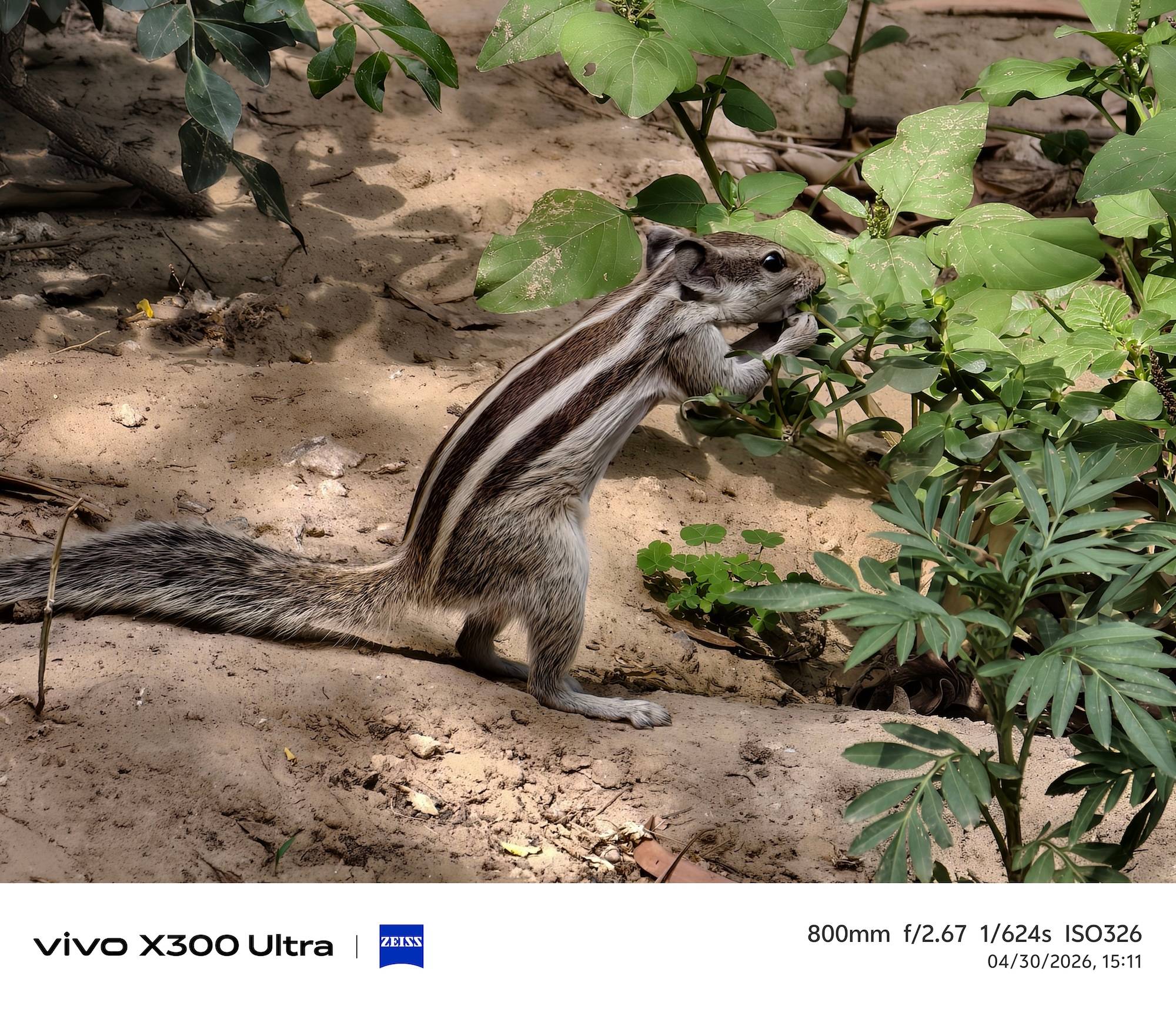
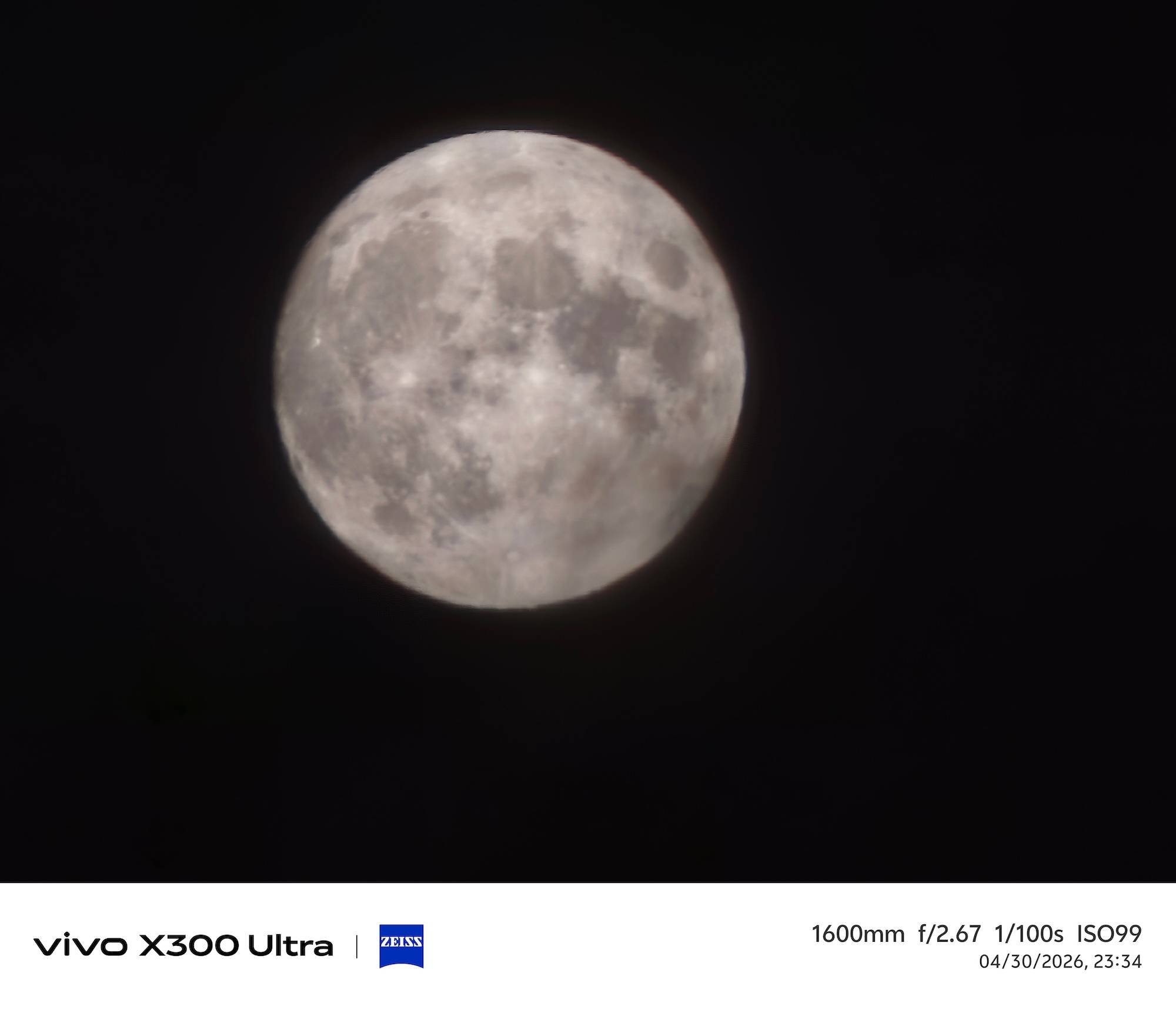
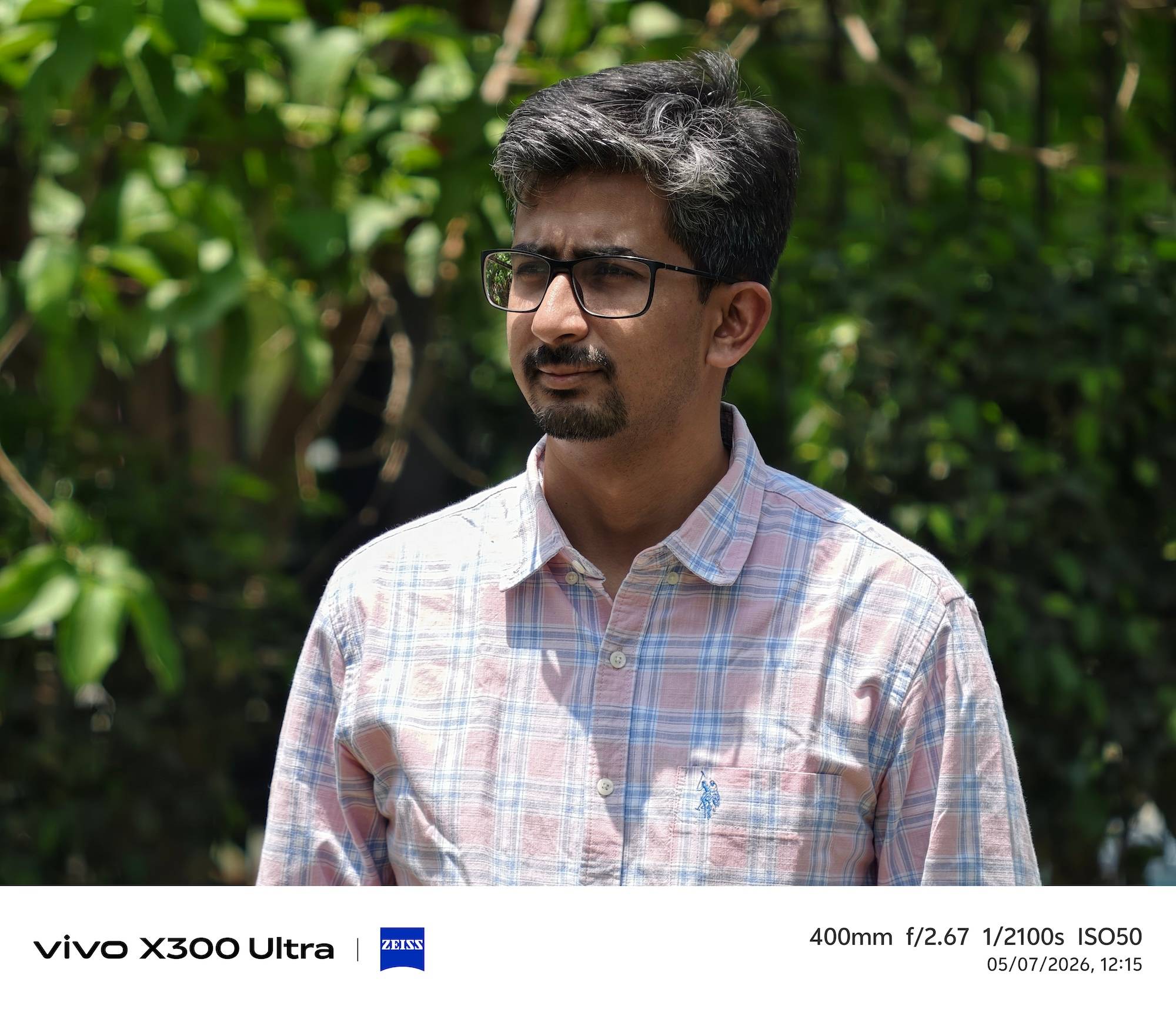
The 200mm is the more convenient of the two and the one I would use more often, simply for its compact size and greater versatility for everyday portrait use. This lens allows you to take photos with a 200mm optical zoom, plus preset digital zoom levels of 400mm, 800mm, and 1,600mm.
- Pros: Smaller and lighter than its predecessor, offering better balance, portability, and usability.
- Cons: Limited range compared to the 400mm lens.
- Best for: General photography, portraits, and situations that require quick action.


The art (in 400mm)
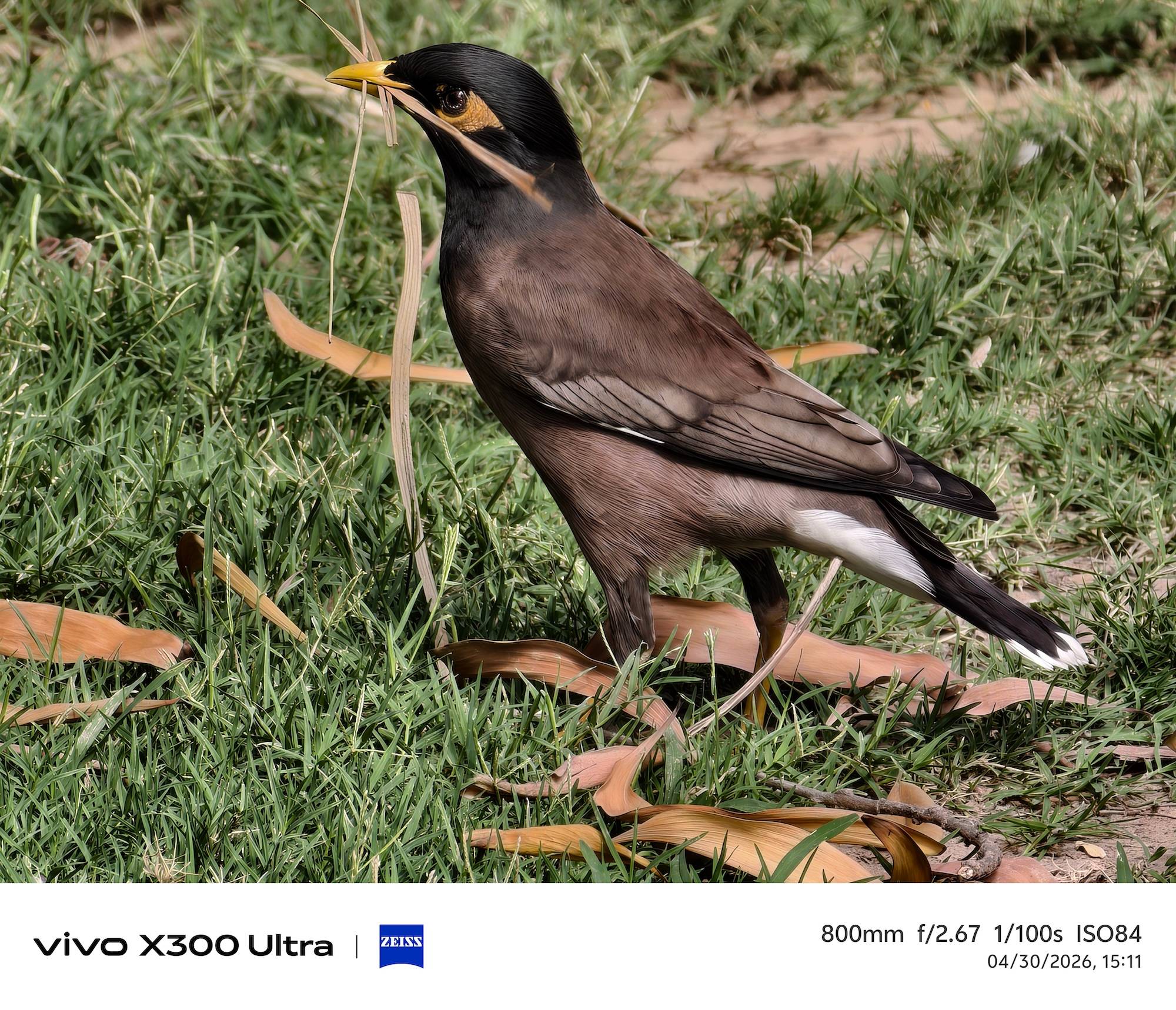
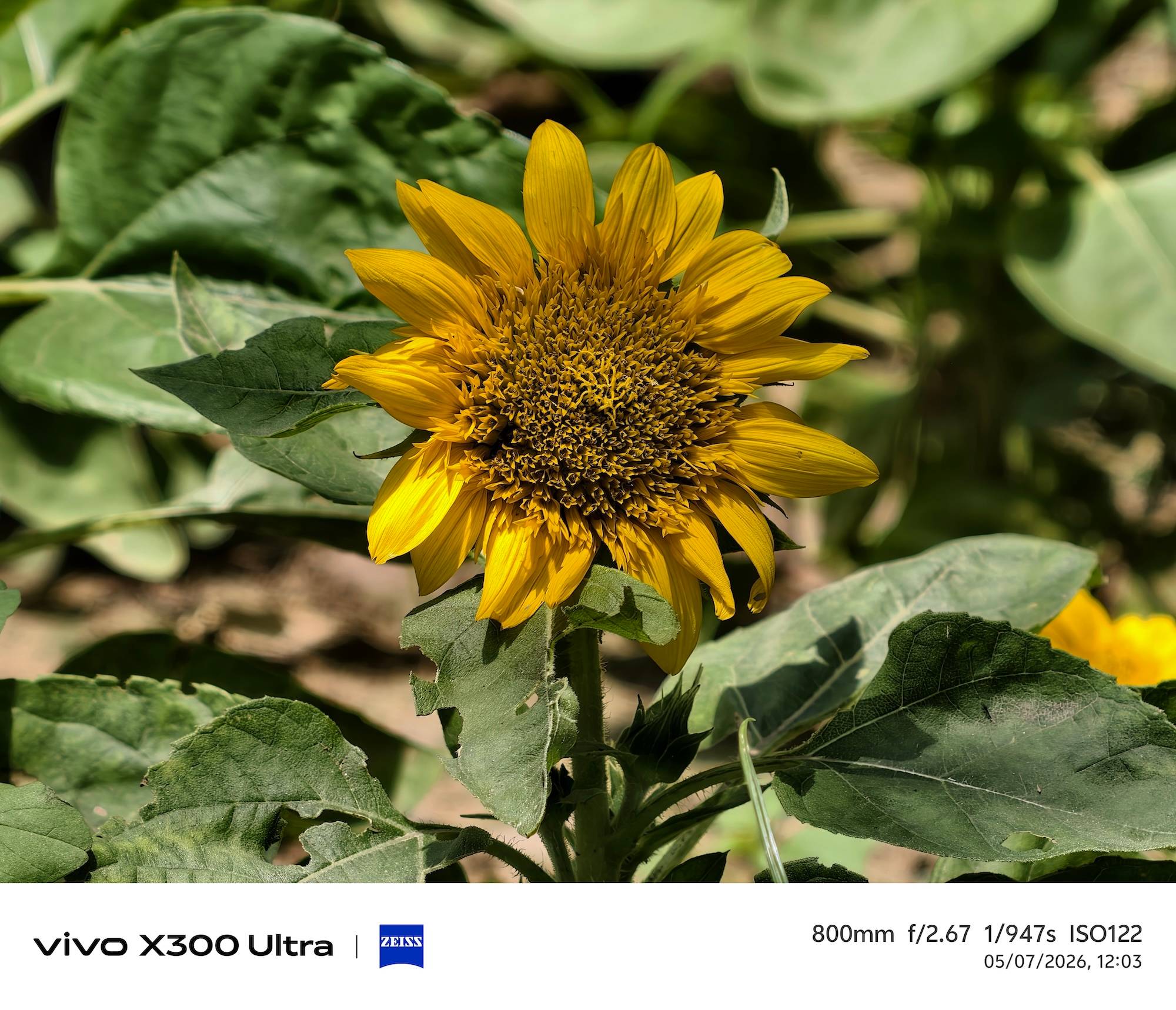
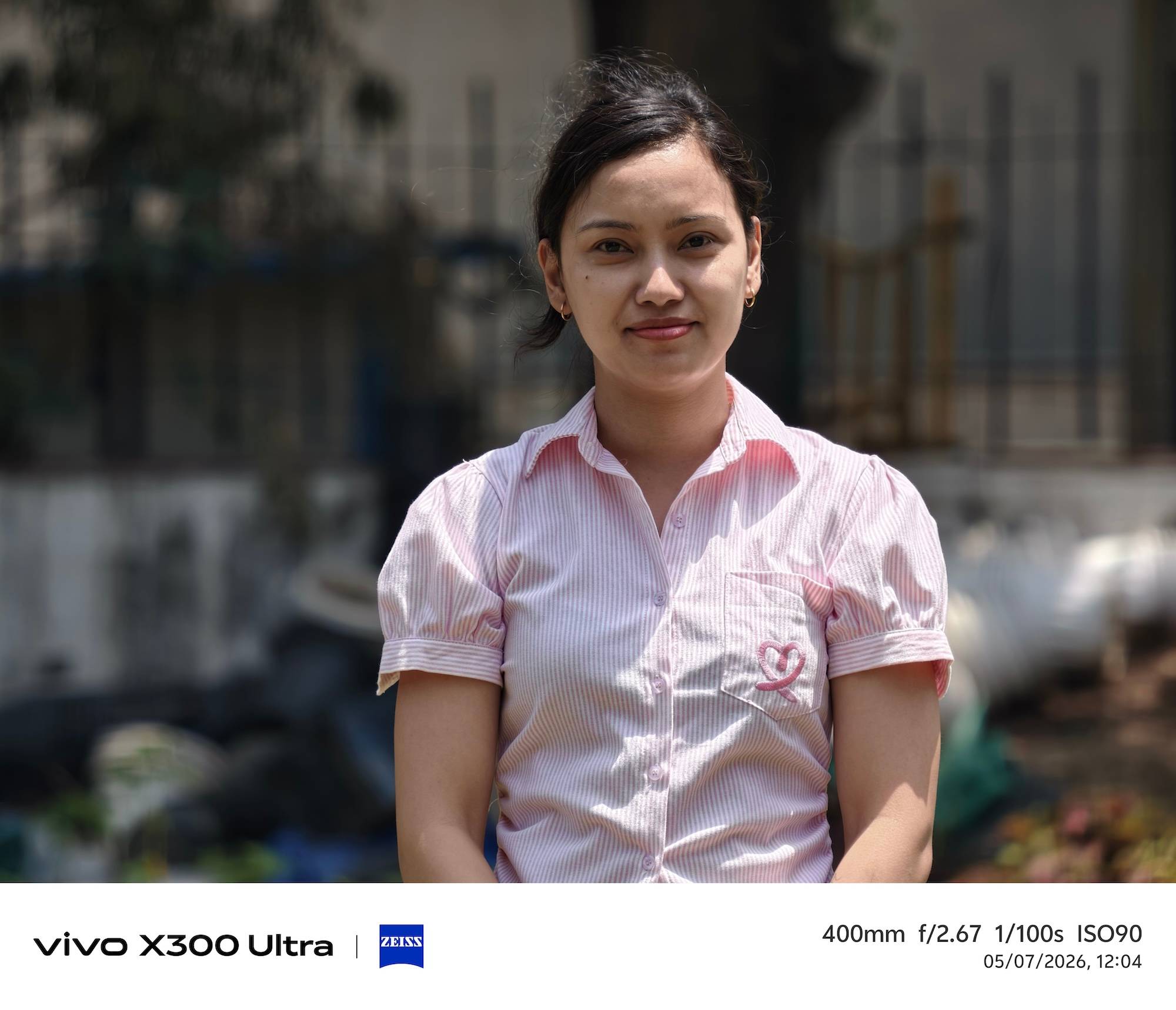
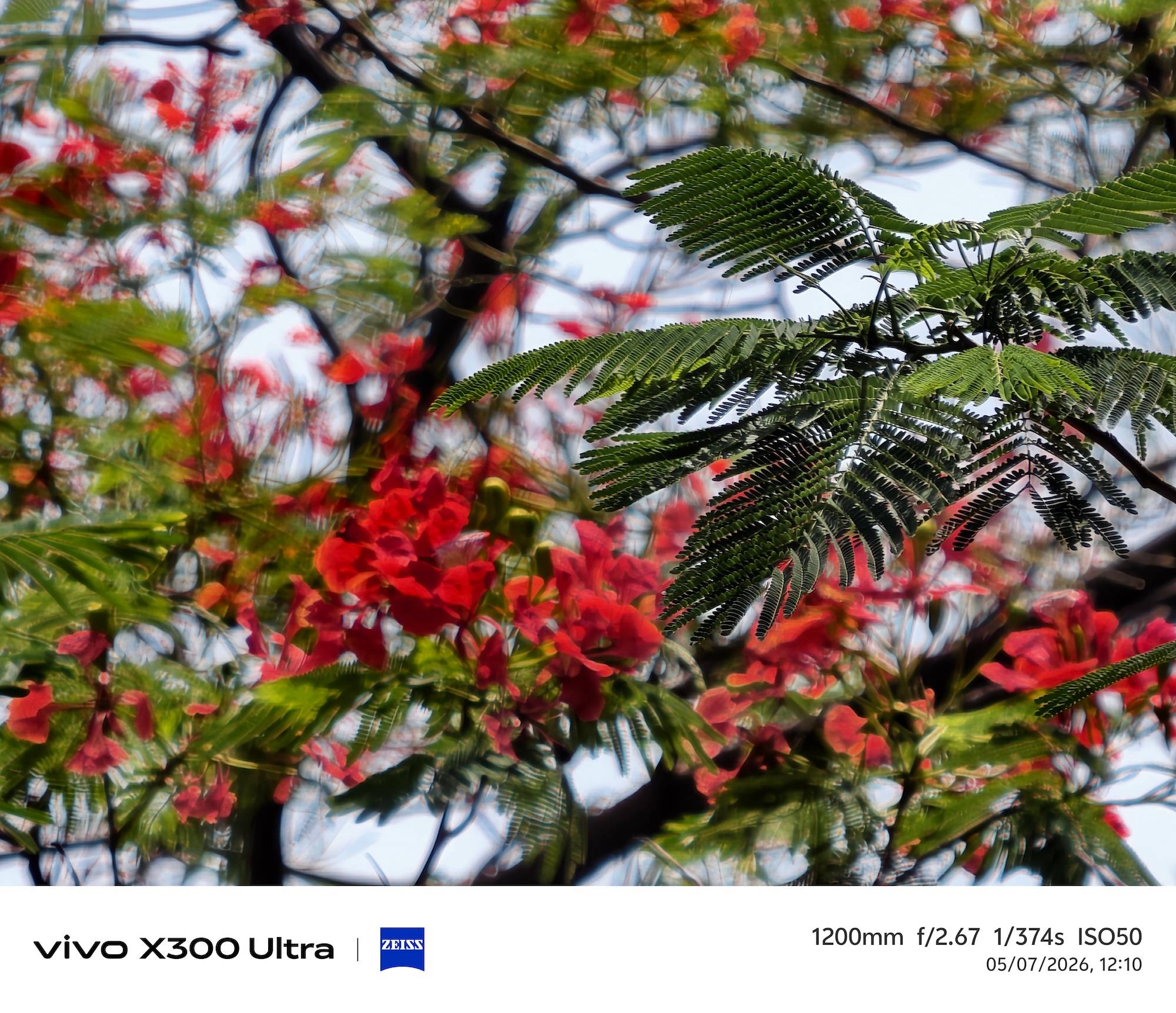
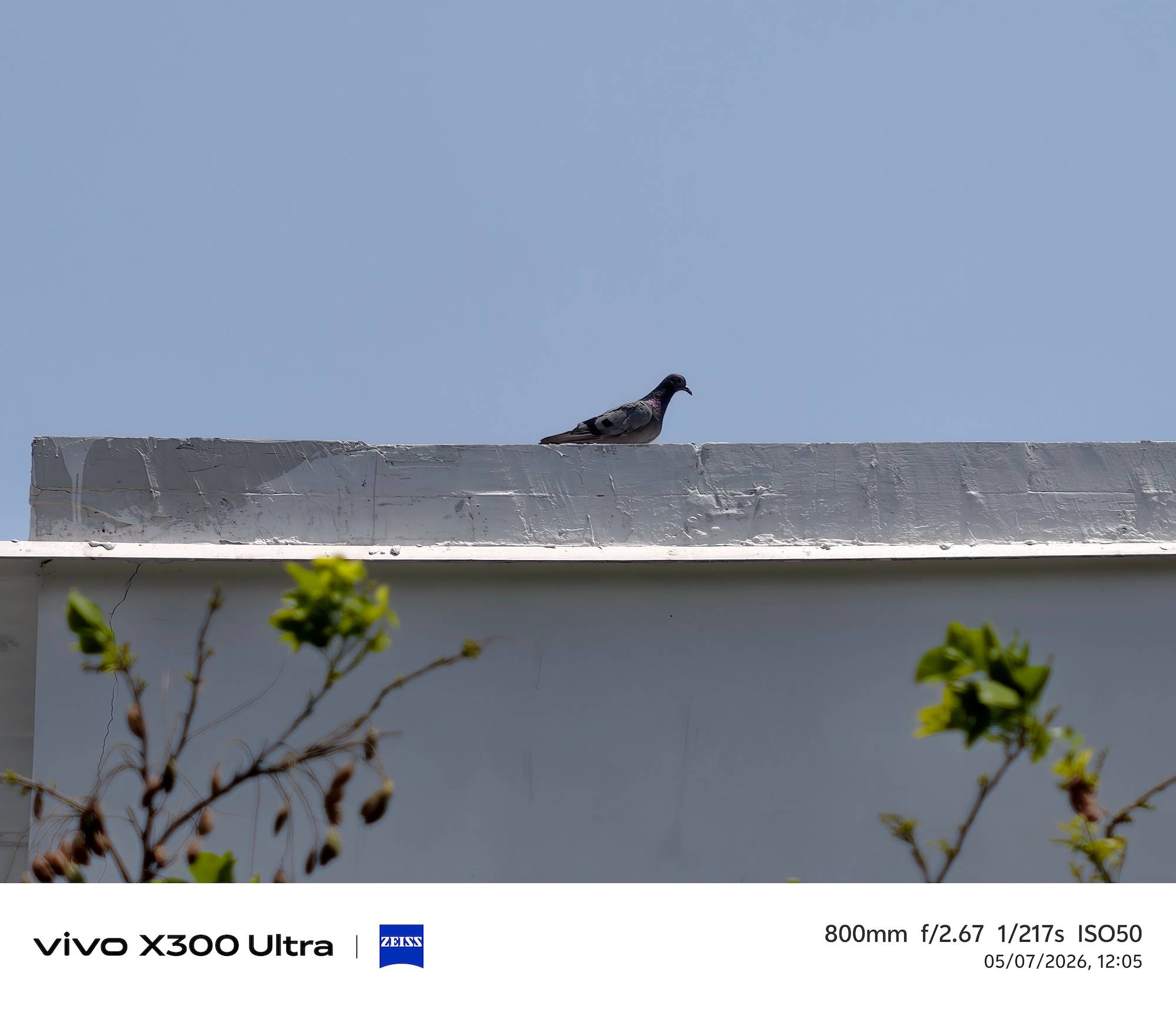
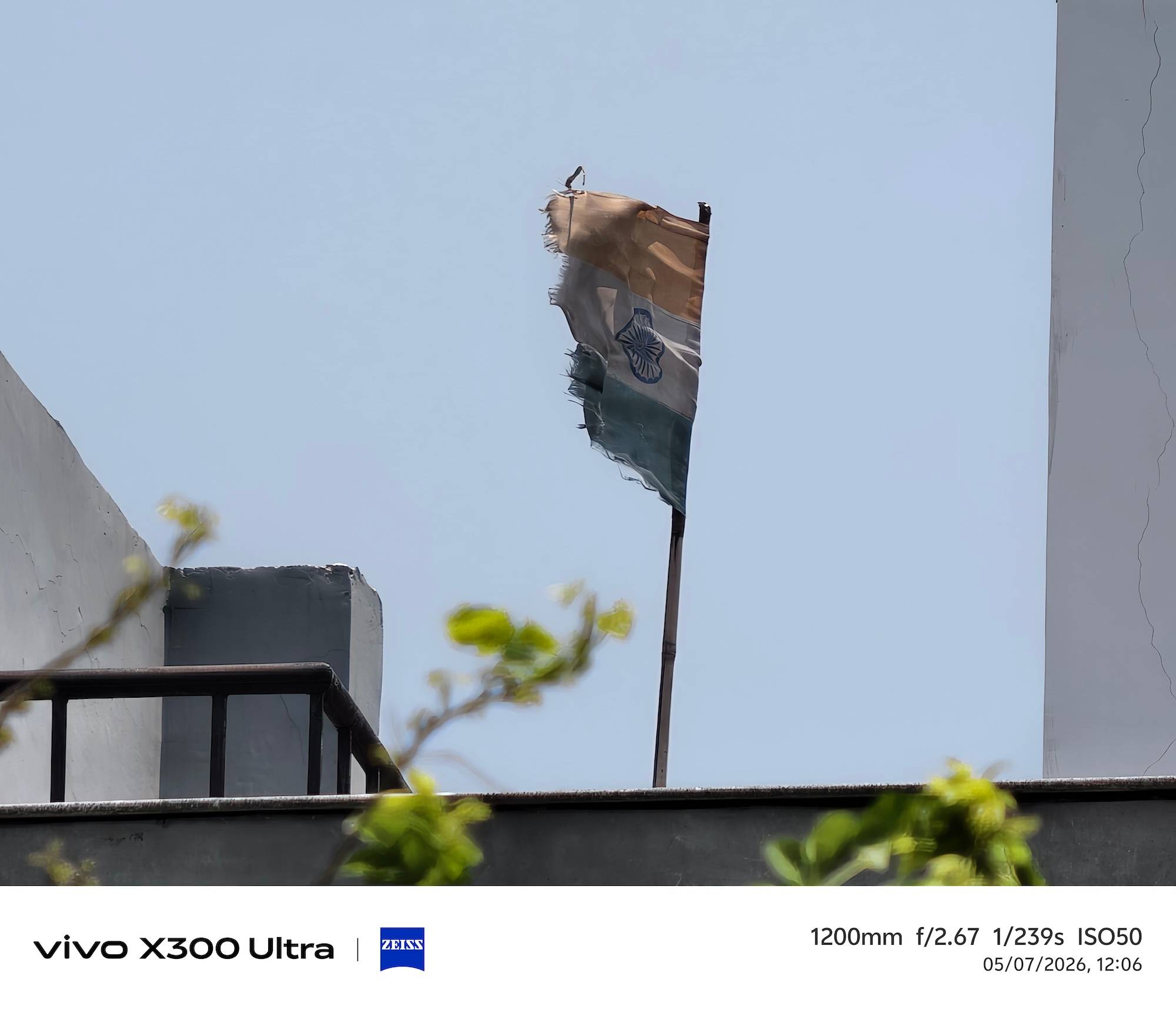
The 400mm lens has a more specific use case. It is meant for extreme, distant, or wildlife photography as it offers a much greater zoom range. It’s not the lens you should opt for if you’re considering human portraits in the city, as you will need to stand farther from the subject. Now, I couldn’t go on a wildlife expedition during my testing, but I did try to capture some distant subjects in the city to get a sense of what the lens can achieve. It’s also worth enabling snapshot mode if you’re capturing moving subjects.
- Pros: Offers incredible reach for far-away subjects, allowing for clean 400mm optical zoom and even 800mm-3200mm digital zoom shots.
- Cons: Makes the setup front-heavy, requiring grip support.
- Best for: Wildlife, sports, highly situational, and distant shots.
Who should buy the X300 Ultra with the telephoto extender kit?
Let me be direct: the ZEISS Telephoto Extender Kit is not for everyone, and the X300 Ultra without the kit is already one of the best camera phones you can buy. The kit is an add-on for a specific kind of photographer, and knowing whether you are that photographer before spending the money is important.
If you are someone who shoots casually, say, family gatherings, travel snaps, street photography, the kit will likely spend more time in your bag than on your phone. The setup time alone rules it out for spontaneous shooting. You cannot pull the X300 Ultra out of your pocket, attach the grip and lens in under a minute, and expect to capture a fleeting moment. That is not what this kit is designed for.
The 200mm lens makes the most sense for photographers who plan their shots. Think travel photography, where you know you will be standing at a distance from a landmark or a subject, or portrait sessions where you have the time and space to set up properly. It is compact enough to carry without much inconvenience, and the image quality at 200mm is genuinely impressive. If you are a content creator or an enthusiast who shoots in controlled or semi-controlled environments, the 200mm will earn its place in your kit bag.
The 400mm lens has an even more specific audience. Wildlife photography, sports, birdwatching, or any scenario where your subject is far away and staying put long enough for you to frame the shot. It is a lens that rewards patience. If you are the kind of person who plans a trip specifically to photograph eagles or a cricket match from the stands, the 400mm will deliver results you simply cannot get from any other smartphone setup available today. But if you are buying it for general use, you will be disappointed more often than not.
Taken together, the X300 Ultra with the full ZEISS Telephoto Extender Kit is for the photographer who has outgrown what a standard smartphone camera can offer and is willing to invest the time and money to go further. It is not a casual upgrade. It is a deliberate choice to shoot differently. If that sounds like you, there is nothing else quite like it on the market right now, provided you can shell out over Rs 2 lakh for the entire package.