
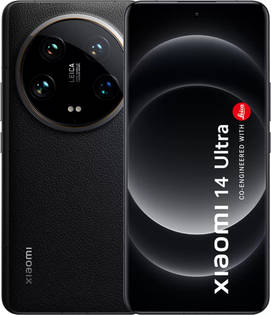
Xiaomi 14 Ultra
+ Compare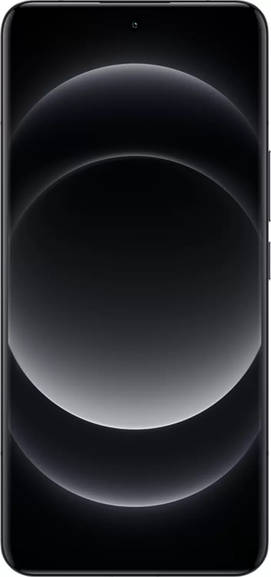






-
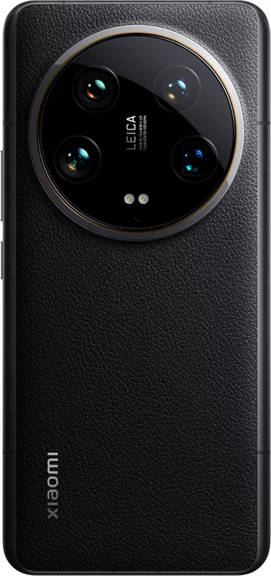
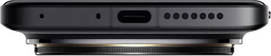
Design23

-
Rear Camera13

-
Front Camera4

-
360° View
![360° View]()
-
UI Screenshot17
![UI Screenshot]()
-
Videos1
![Videos]()



Key Specs
Performance
-
Qualcomm Snapdragon 8 Gen 3 -
Octa core (3.3 GHz, Single Core + 3.2 GHz, Tri core + 3 GHz, Dual core + 2.3 GHz, Dual core) -
16 GB RAM, LPDDR5X
Display
-
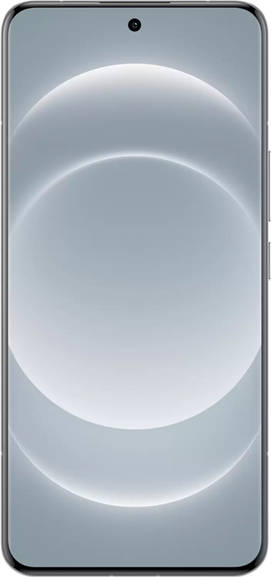
6.73 inches (17.09 cm); AMOLED (Curved Display) -
1440x3200 px (QHD+) -
120 Hz Refresh Rate -
Bezel-less with punch-hole display
Rear Camera
-
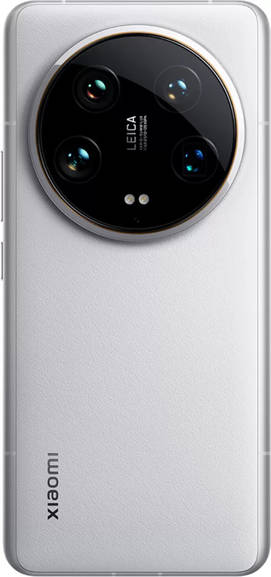
Quad Camera Setup - 50 MP Wide Angle Primary Camera
- 50 MP Ultra-Wide Angle Camera
- 50 MP Telephoto (upto 120x Digital Zoom, upto 3.2x Optical Zoom) Camera
- 50 MP (upto 5x Optical Zoom) Camera
-
Dual LED Flash -
8K @30 fps Video Recording
Front Camera
-
32 MP Wide Angle Lens -
Screen flash -
UHD @60 fps Video Recording
Battery
-
5000 mAh, Li-Polymer -
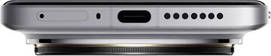
90W Hyper Charging; USB Type-C port
General
-
SIM1: Nano, SIM2: Nano -
5G Supported -
512 GB internal storage, Non Expandable -
Dust Resistant, Water Resistant
Xiaomi 14 Ultra Prices in India
 Flipkart
Xiaomi 14 Ultra Compare Camera Samples


























Xiaomi 14 Ultra Expert Review Summary
Expert Rating:
![Abhik Sengupta]()
Verdict
Whatever the Xiaomi 14 does well, the Xiaomi 14 Ultra does it better. With its Leica partnership, the Xiaomi 14 Ultra boasts one of the most versatile camera systems in the Android space. Moreover, it excels in other areas as well, such as display, battery life, and performance. While native generative features are yet to be seen onboard, the day may not be far off, especially with the Snapdragon 8 Gen 3 unlocking these capabilities.
Pros
- Quad 50MP Leica cameras
- Vibrant display
- Fast charging
- Long battery backup
Cons
- Bulky design
- Pre-installed apps
Cameras
+
Let's address the elephant in the room without delay. The Xiaomi 14 Ultra houses an extra camera on the back, unlike the triple camera setup on the Xiaomi 14.Its rear camera system includes:50MP camera with OIS and stepless variable aperture (f/1.63 - f/4.0). The primary camera utilises a 1-inch LYT-900 sensor.50MP telephoto camera with OIS, 3.2x optical zoom, and a 75mm floating lens.An additional 50MP telephoto camera with 5X optical zoom, OIS, and periscope-style lens for 120X digital zoom.50MP ultra-wide camera with auto-focus capabilities.Not to forget, Xiaomi, with its partnership with Leica, offers a host of filters and modes to make the overall camera experience more playful. You can even capture macro photos with telephoto and ultra-wide cameras. The camera app offers the classic Leica shutter sound and watermark for an extra layer of flex. The smartphone has an UltraRAW mode for capturing images with 16-bit colours. Additionally, there are AI-backed features, including scene optimiser and Magic Eraser.I had the chance to test the Xiaomi 14 Ultra's camera in the picturesque city of Singapore, and for the most part, images taken in daylight feature a great degree of sharpness and dynamic range. While the phone can capture natural colours via RAW mode, I found myself frequently toggling between Leica Vibrant and Authentic modes for a more traditional camera-like aesthetic.For clarity, the Authentic mode aims to mimic real-life colours, although the contrast and shadows can lean towards a more dramatic approach. On the other hand, the Vibrant mode, as the name suggests, incorporates brighter and warmer tones, which may evoke cherished memories of a summer day. Either way, photos look good and crisp, and the treatment is entirely up to your preference. Even if you don't use the portrait mode, the sensor and 8P lens structure allow a shallow depth of field.I was equally impressed by the portrait capabilities of the Xiaomi 14 Ultra, and the skin colour detection is also the most accurate I've seen on a smartphone. The Vivo X100 Pro is equally impressive for taking portraits, though I prefer the Xiaomi 14 Ultra a notch better for its ability to incorporate the classic Leica flavour without compromising on the details. The master lens system available under the portrait mode offers various focal lengths, including documentary (35mm), swirly bokeh (50mm), portrait (75mm), and soft focus (90mm), all of which are worth exploring.The secondary telephoto lens is capable of taking pictures with 120x zoom. While the details can get sketchy when the maximum zoom is enabled, results with 10X and even 30X are quite impressive. I found the 5X optical zoom an excellent companion for portraits and distant shots. Another strength of the Xiaomi 14 Ultra is its ability to maintain colour consistency, whether you're using wide, telephoto, or ultra-wide lenses. The details with the ultra-wide camera are good, if not the best in both bright and dim conditions.In low-light conditions, the Xiaomi 14 Ultra is able to preserve details without adding too much noise. However, most of my images incorporate high contrast and shadows by default. The photos look social media-ready, though purists may prefer a near-accurate depiction. The UltraRAW mode may offer respite, but regular users will likely struggle to tweak the aperture or shutter speed every time. In that case, the iPhone 15 Pro Max offered better white balance and brightness by default, at least during my review.The 32MP front camera also performs relatively well compared to what I've observed on most smartphones. While you may notice occasional brightening of the skin complexion, it's not overpowering. Additionally, the front camera offers features like Dynamic Framing (0.8x, 1x), Portrait mode with bokeh and depth control, and more. Some AI features, such as object remover and auto-colouring, significantly enhance the quality of images, whether taken with front or back cameras.Overall, still photography with the Xiaomi 14 Ultra isn't an issue, and an additional telephoto camera, plus the Leica partnership, adds great versatility. I feel iPhones remain the MVP for videos. You won't face colour or detail-related issues on the Xiaomi 14 Ultra, but videos often start with a strange stutter. That appears to be a software-related problem, which is fixable with an OTA update.Lastly, despite spending days with the Xaiomi 14 Ultra, I've only scratched the surface in terms of features and more. The Xiaomi 14 Ultra is also special as one can turn the smartphone into a full-blown digital camera with physical buttons to start video or adjust brightness. Sadly, that's only possible with the dedicated Xiaomi photography kit, and I couldn't test that for this review.
Read More
Design and display
+
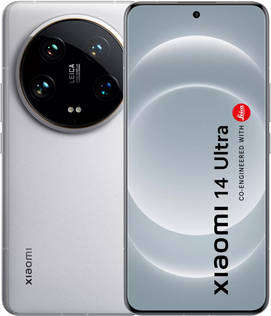
All those extra camera features also mean an increased size and weight. Compared to the Xiaomi 14's 8.2mm thickness, the Xiaomi 14 Ultra measures 9.2mm with the camera bump. Similarly, the weight has gone up from 193 grams to 219 grams. And in the tech world, every millimetre and milligram counts.There's no doubt that the Xiaomi 14 Ultra feels premium from every corner. The back incorporates a leather finish, which offers a soft touch but a firm grip. The rear camera's round module mimics the large lens of traditional cameras. The frame is metal (not titanium yet) and feels sturdy.If the traditional camera look does seem appealing, the regular Xiaomi 14's boxy design may seem more appropriate. Both smartphones have an IP68 rating for protection against dust and water - a big thumbs up.The Ultra in the name does not only mean bumped-up cameras but also display specs. The Xiaomi 14 Ultra features a relatively bigger 6.73-inch AMOLED display with relatively better resolution (3,200 x 1,440 pixels) and brightness of up to 3000nits. You will find all the major display certifications (HDR and Dolby Vision) to offer a premium viewing experience. The loud stereo speakers with Dolby Atmos support also complement the viewing experience.While most users will be satisfied with the display performance, whether it's colour reproduction, contrast, or deep blacks, I find the Samsung Galaxy S24 Ultra's native matte coating particularly advantageous for viewing and reading under harsh sunlight. You can check out our Instagram Reel to see the Galaxy S24 Ultra's display superiority under the harshest sunlight.
Read More
Performance, software, and battery
+
Xiaomi is offering a single storage option of 512GB of UFS 4.0 storage and 16GB of LPDDR5X RAM. It makes sense as better details in photos and videos lead to an increased file size. The 512GB storage can be equally important when recording videos in 4K or 8K resolution.In terms of performance, there's not much to distinguish between the Xiaomi 14 and 14 Ultra, as both smartphones are rocking Qualcomm's Snapdragon 8 Gen 3 SoC. The performance is snappy, and the camera app feels extremely light despite carrying a ton of features. The phone also ships with Android 14-based HyperOS to offer better integration with other Xiaomi products.The new UI with HyperOS also feels more polished, although there is room for improvement in terms of reducing pre-installed apps and refining AI-related features. I like the wallpapers that the HyperOS bundles, but we have yet to see how Xiaomi leverages the generative AI-based wallpaper creator.The Xiaomi 14 Ultra also carries a relatively bigger 5,000mAh battery with support for 90W wired charging and 80W wireless charging. With the bundled 120W charger, the phone takes roughly 35 minutes to charge from 0 to 100 percent. Even with maximum settings enabled, you expect a respectable battery life. If the settings are moderate, then the phone can easily last for a full-day.
Read More
Read full Review

Verdict
Whatever the Xiaomi 14 does well, the Xiaomi 14 Ultra does it better. With its Leica partnership, the Xiaomi 14 Ultra boasts one of the most versatile camera systems in the Android space. Moreover, it excels in other areas as well, such as display, battery life, and performance. While native generative features are yet to be seen onboard, the day may not be far off, especially with the Snapdragon 8 Gen 3 unlocking these capabilities.
- Quad 50MP Leica cameras
- Vibrant display
- Fast charging
- Long battery backup
Pros
- Bulky design
- Pre-installed apps
Cons
Cameras
+Let's address the elephant in the room without delay. The Xiaomi 14 Ultra houses an extra camera on the back, unlike the triple camera setup on the Xiaomi 14.Its rear camera system includes:50MP camera with OIS and stepless variable aperture (f/1.63 - f/4.0). The primary camera utilises a 1-inch LYT-900 sensor.50MP telephoto camera with OIS, 3.2x optical zoom, and a 75mm floating lens.An additional 50MP telephoto camera with 5X optical zoom, OIS, and periscope-style lens for 120X digital zoom.50MP ultra-wide camera with auto-focus capabilities.Not to forget, Xiaomi, with its partnership with Leica, offers a host of filters and modes to make the overall camera experience more playful. You can even capture macro photos with telephoto and ultra-wide cameras. The camera app offers the classic Leica shutter sound and watermark for an extra layer of flex. The smartphone has an UltraRAW mode for capturing images with 16-bit colours. Additionally, there are AI-backed features, including scene optimiser and Magic Eraser.I had the chance to test the Xiaomi 14 Ultra's camera in the picturesque city of Singapore, and for the most part, images taken in daylight feature a great degree of sharpness and dynamic range. While the phone can capture natural colours via RAW mode, I found myself frequently toggling between Leica Vibrant and Authentic modes for a more traditional camera-like aesthetic.For clarity, the Authentic mode aims to mimic real-life colours, although the contrast and shadows can lean towards a more dramatic approach. On the other hand, the Vibrant mode, as the name suggests, incorporates brighter and warmer tones, which may evoke cherished memories of a summer day. Either way, photos look good and crisp, and the treatment is entirely up to your preference. Even if you don't use the portrait mode, the sensor and 8P lens structure allow a shallow depth of field.I was equally impressed by the portrait capabilities of the Xiaomi 14 Ultra, and the skin colour detection is also the most accurate I've seen on a smartphone. The Vivo X100 Pro is equally impressive for taking portraits, though I prefer the Xiaomi 14 Ultra a notch better for its ability to incorporate the classic Leica flavour without compromising on the details. The master lens system available under the portrait mode offers various focal lengths, including documentary (35mm), swirly bokeh (50mm), portrait (75mm), and soft focus (90mm), all of which are worth exploring.The secondary telephoto lens is capable of taking pictures with 120x zoom. While the details can get sketchy when the maximum zoom is enabled, results with 10X and even 30X are quite impressive. I found the 5X optical zoom an excellent companion for portraits and distant shots. Another strength of the Xiaomi 14 Ultra is its ability to maintain colour consistency, whether you're using wide, telephoto, or ultra-wide lenses. The details with the ultra-wide camera are good, if not the best in both bright and dim conditions.In low-light conditions, the Xiaomi 14 Ultra is able to preserve details without adding too much noise. However, most of my images incorporate high contrast and shadows by default. The photos look social media-ready, though purists may prefer a near-accurate depiction. The UltraRAW mode may offer respite, but regular users will likely struggle to tweak the aperture or shutter speed every time. In that case, the iPhone 15 Pro Max offered better white balance and brightness by default, at least during my review.The 32MP front camera also performs relatively well compared to what I've observed on most smartphones. While you may notice occasional brightening of the skin complexion, it's not overpowering. Additionally, the front camera offers features like Dynamic Framing (0.8x, 1x), Portrait mode with bokeh and depth control, and more. Some AI features, such as object remover and auto-colouring, significantly enhance the quality of images, whether taken with front or back cameras.Overall, still photography with the Xiaomi 14 Ultra isn't an issue, and an additional telephoto camera, plus the Leica partnership, adds great versatility. I feel iPhones remain the MVP for videos. You won't face colour or detail-related issues on the Xiaomi 14 Ultra, but videos often start with a strange stutter. That appears to be a software-related problem, which is fixable with an OTA update.Lastly, despite spending days with the Xaiomi 14 Ultra, I've only scratched the surface in terms of features and more. The Xiaomi 14 Ultra is also special as one can turn the smartphone into a full-blown digital camera with physical buttons to start video or adjust brightness. Sadly, that's only possible with the dedicated Xiaomi photography kit, and I couldn't test that for this review.
Read MoreDesign and display
+All those extra camera features also mean an increased size and weight. Compared to the Xiaomi 14's 8.2mm thickness, the Xiaomi 14 Ultra measures 9.2mm with the camera bump. Similarly, the weight has gone up from 193 grams to 219 grams. And in the tech world, every millimetre and milligram counts.There's no doubt that the Xiaomi 14 Ultra feels premium from every corner. The back incorporates a leather finish, which offers a soft touch but a firm grip. The rear camera's round module mimics the large lens of traditional cameras. The frame is metal (not titanium yet) and feels sturdy.If the traditional camera look does seem appealing, the regular Xiaomi 14's boxy design may seem more appropriate. Both smartphones have an IP68 rating for protection against dust and water - a big thumbs up.The Ultra in the name does not only mean bumped-up cameras but also display specs. The Xiaomi 14 Ultra features a relatively bigger 6.73-inch AMOLED display with relatively better resolution (3,200 x 1,440 pixels) and brightness of up to 3000nits. You will find all the major display certifications (HDR and Dolby Vision) to offer a premium viewing experience. The loud stereo speakers with Dolby Atmos support also complement the viewing experience.While most users will be satisfied with the display performance, whether it's colour reproduction, contrast, or deep blacks, I find the Samsung Galaxy S24 Ultra's native matte coating particularly advantageous for viewing and reading under harsh sunlight. You can check out our Instagram Reel to see the Galaxy S24 Ultra's display superiority under the harshest sunlight.
Read MorePerformance, software, and battery
+Xiaomi is offering a single storage option of 512GB of UFS 4.0 storage and 16GB of LPDDR5X RAM. It makes sense as better details in photos and videos lead to an increased file size. The 512GB storage can be equally important when recording videos in 4K or 8K resolution.In terms of performance, there's not much to distinguish between the Xiaomi 14 and 14 Ultra, as both smartphones are rocking Qualcomm's Snapdragon 8 Gen 3 SoC. The performance is snappy, and the camera app feels extremely light despite carrying a ton of features. The phone also ships with Android 14-based HyperOS to offer better integration with other Xiaomi products.The new UI with HyperOS also feels more polished, although there is room for improvement in terms of reducing pre-installed apps and refining AI-related features. I like the wallpapers that the HyperOS bundles, but we have yet to see how Xiaomi leverages the generative AI-based wallpaper creator.The Xiaomi 14 Ultra also carries a relatively bigger 5,000mAh battery with support for 90W wired charging and 80W wireless charging. With the bundled 120W charger, the phone takes roughly 35 minutes to charge from 0 to 100 percent. Even with maximum settings enabled, you expect a respectable battery life. If the settings are moderate, then the phone can easily last for a full-day.
Read MoreCompetitors For Xiaomi 14 Ultra
View Alternatives








Popular Comparisons
 Xiaomi 14 Ultra
 OnePlus 13
Xiaomi 14 Ultra
 iQOO 12 5G
Xiaomi 14 Ultra
 iQOO 12 Pro
Xiaomi 14 Ultra
 OnePlus 12
Xiaomi 14 Ultra
 Xiaomi 14
 Ultra
 Samsung Galaxy S24 Ultra


Xiaomi 14 Ultra Specifications
General |
|
|---|---|
| Launch Date | April 9, 2024 (Official) |
| Operating System | Android v14 |
| OS Updates | 4 Years |
| Security Updates | 5 Years |
| Custom UI | HyperOS |
Performance
(Very Good)
|
||||
|---|---|---|---|---|
| Chipset | Qualcomm Snapdragon 8 Gen 3 View Details | |||
| Processor | Octa core (3.3 GHz, Single core, Cortex X4 + 3.2 GHz, Tri core, Cortex A720 + 3 GHz, Dual core, Cortex A720 + 2.3 GHz, Dual core, Cortex A520) | |||
| Architecture | 64 bit | |||
| Fabrication | 4 nm | |||
| Graphics (GPU) | Adreno 750 | |||
| RAM | 16 GB | |||
| RAM Type | LPDDR5X | |||
| Cooling Technology | Hybrid Cooling System | |||
|
Gaming Test Results

* after 30 mins of gaming
|
||||
Benchmark Screenshots
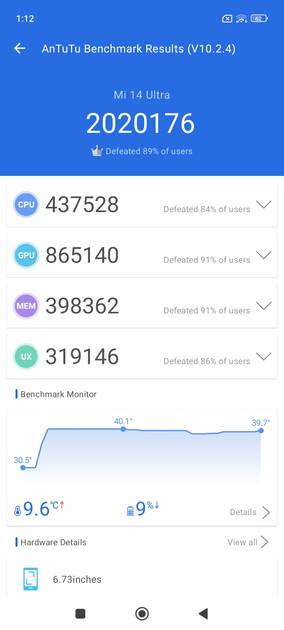
AnTuTu Benchmark
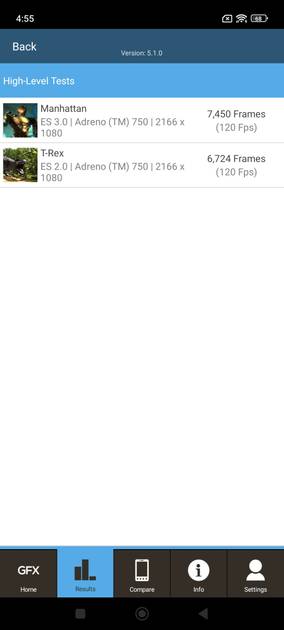
Graphics Benchmark
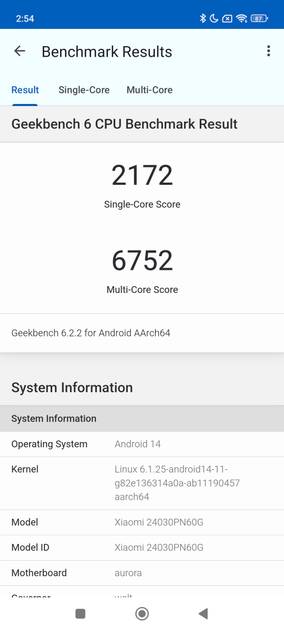
Geekbench6 Benchmark
|
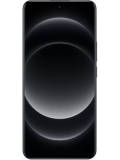

Display
(Excellent)
|
|
|---|---|
| Display Type | AMOLED (Curved Display) |
| Screen Size | 6.73 inches (17.09 cm) |
| Resolution | 1440x3200 px (QHD+) |
| Peak Brightness | 3000 nits |
| HBM Brightness | 1000 nits |
| PWM Dimming | 1920 Hz |
| Refresh Rate | 120 Hz |
| Touch Sampling Rate | 240 Hz |
| Aspect Ratio | 20:9 |
| Pixel Density | 521 ppi |
| Screen to Body Ratio (calculated) | 89.98 % |
| Screen Protection | Yes |
| Bezel-less Display | Yes with punch-hole display |
| HDR 10 / HDR+ Support | Yes, HDR 10+ |
UI Screenshots
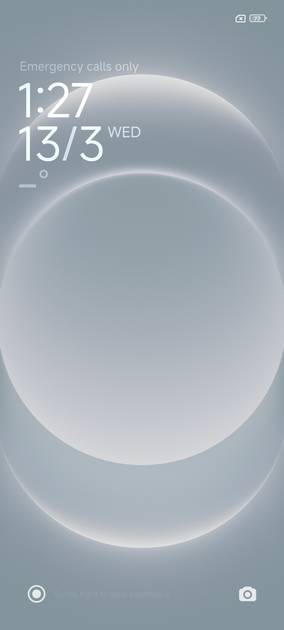
Lock Screen
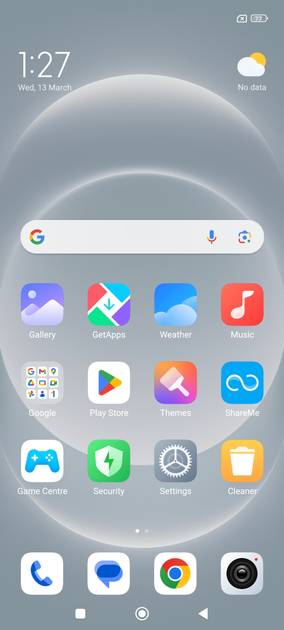
Home Screen
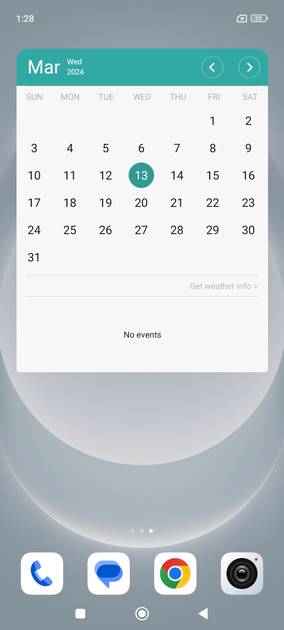
Screen With Widgets

Dialer Screen
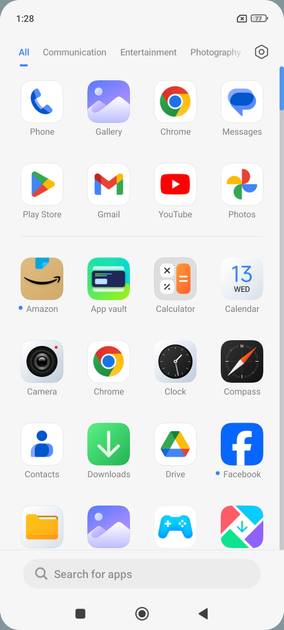
App Drawer

Notification Panel
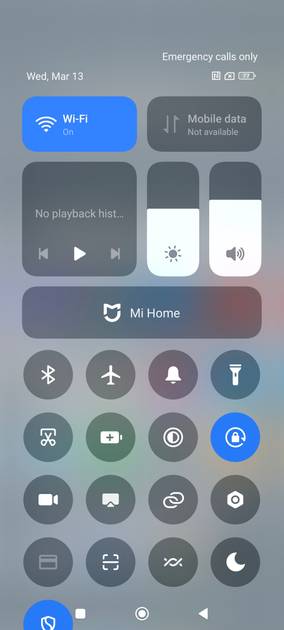
Quick Settings Panel
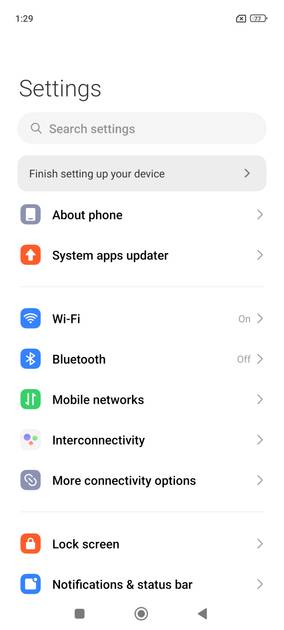
Settings Screen
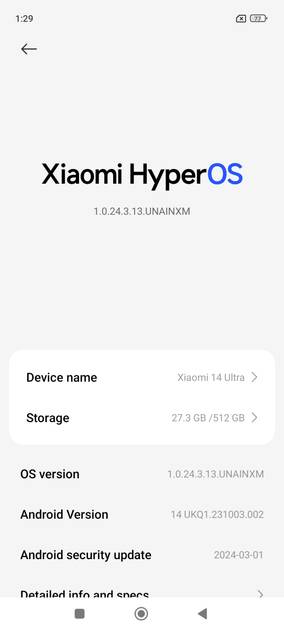
OS Version
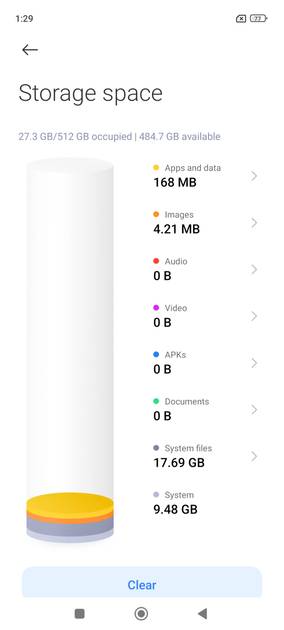
Storage
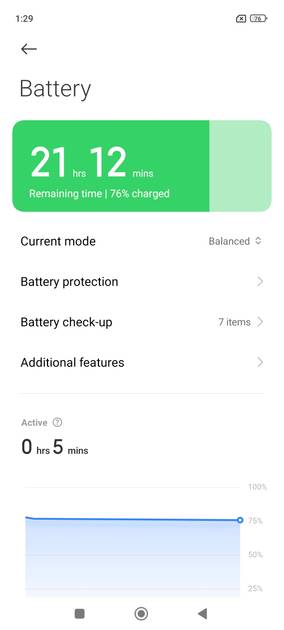
Battery
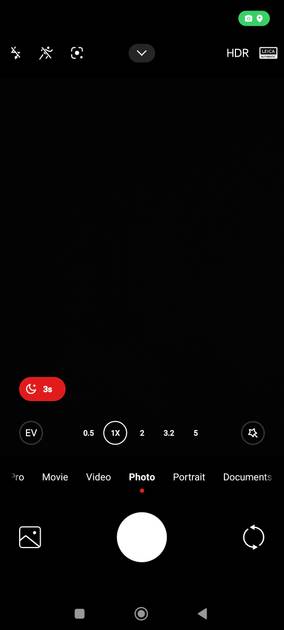
Camera On

Camera Options
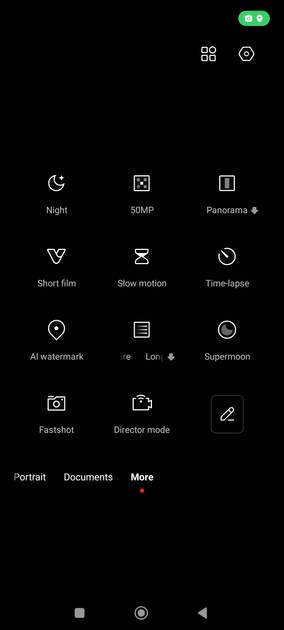
Camera Modes
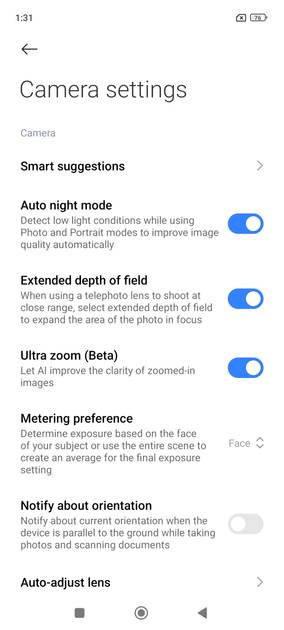
Camera Settings
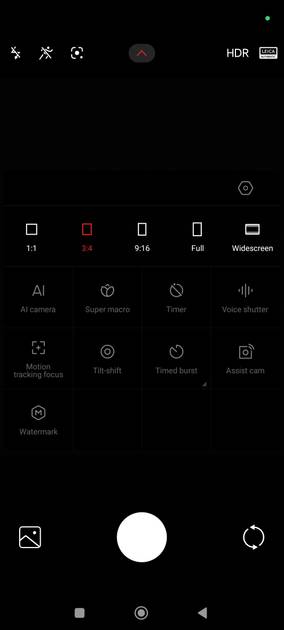
Picture Size Options
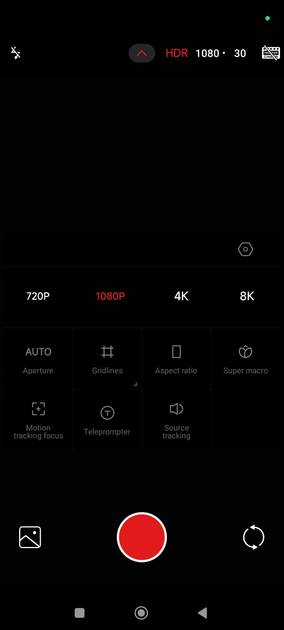
Video Size Options
|
Design |
|
|---|---|
| Height | 161.4 mm |
| Width | 75.3 mm |
| Thickness | 9.2 mm |
| Weight | 219.8 grams |
| Water Resistance | Yes, Water resistant, IP68, (up to 30 minutes in a depth of 1.5 meter) |
| Ruggedness | Dust proof |
|
Click to View

|
Rear Camera
(Excellent)
|
|||||||||||||||||||||||||||||||||||||||||||||
|---|---|---|---|---|---|---|---|---|---|---|---|---|---|---|---|---|---|---|---|---|---|---|---|---|---|---|---|---|---|---|---|---|---|---|---|---|---|---|---|---|---|---|---|---|---|
| Resolution | |||||||||||||||||||||||||||||||||||||||||||||
|
|||||||||||||||||||||||||||||||||||||||||||||
| Autofocus | Yes | ||||||||||||||||||||||||||||||||||||||||||||
| OIS | Yes | ||||||||||||||||||||||||||||||||||||||||||||
| Flash | Yes, Dual LED Flash | ||||||||||||||||||||||||||||||||||||||||||||
| Image Resolution | 8150 x 6150 Pixels | ||||||||||||||||||||||||||||||||||||||||||||
| Settings | Exposure compensation, ISO control | ||||||||||||||||||||||||||||||||||||||||||||
| Shooting Modes |
Continuous Shooting High Dynamic Range mode (HDR) Cinema Mode SuperMoon |
||||||||||||||||||||||||||||||||||||||||||||
| Camera Features |
Digital Zoom Auto Flash Custom Watermark Face detection Filters Touch to focus Xiaomi ProFocus |
||||||||||||||||||||||||||||||||||||||||||||
| Video Recording |
8K @30 fps UHD @120 fps FHD @1920 fps |
||||||||||||||||||||||||||||||||||||||||||||
| Video Recording Features |
Slow Motion Video HDR Vlog Mode Video Pro Mode |
||||||||||||||||||||||||||||||||||||||||||||
Rear Camera Samples

Wide Angle

Portrait Shot

Night Mode OFF

Night Mode ON

Close Up

Low Light

Low Light With Flash

Colour Variance

Daylight Auto / HDR OFF

Daylight / HDR ON

AI OFF
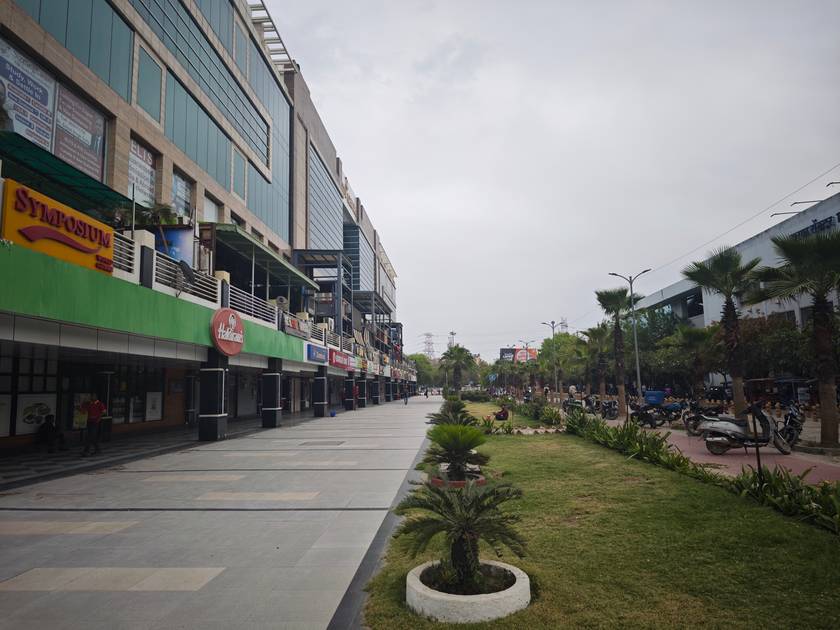
AI ON

Macro
|
Front Camera
(Excellent)
|
||||||||||||||||
|---|---|---|---|---|---|---|---|---|---|---|---|---|---|---|---|---|
| Resolution | ||||||||||||||||
|
||||||||||||||||
| Flash | Yes, Screen flash | |||||||||||||||
| Video Recording |
UHD @60 fps FHD @60 fps |
|||||||||||||||
Front Camera Samples

Selfie

Selfie Portrait

Selfie Low Light

Selfie Low Light With Flash
|
Battery
(Very Good)
|
||||
|---|---|---|---|---|
| Capacity | 5000 mAh | |||
| Battery Type | Li-Polymer | |||
| Quick Charging | Yes, 90W Hyper Charging, 100% in 33 minutes | |||
| Wireless Charging | Yes, 80W Wireless Charging, 100% in 46 minutes | |||
| Wireless Reverse Charging | Yes, 10W Wireless Reverse Charging | |||
|
Battery Test Results
|
Storage |
|
|---|---|
| Internal Storage | 512 GB |
| Storage Type | UFS 4.0 |
| Expandable Storage | No |
Network & Connectivity |
|
|---|---|
| SIM Slot(s) | Dual SIM |
| SIM Type | SIM1: Nano, SIM2: Nano |
| Network Support | 5G, 4G |
| VoLTE | Yes |
| SIM 1 |
5G bands, 4G bands
Expand
|
| SIM 2 |
5G bands, 4G bands
Expand
|
| SAR Value | Head: 0.829 W/kg, Body: 0.816 W/kg |
| Wi-Fi | Yes, Wi-Fi 7 (802.11 a/b/g/n/ac/be/ax) 5GHz 6GHz |
| Wi-Fi Features | Mobile Hotspot |
| Bluetooth | Yes, v5.4 |
| GPS | Yes with A-GPS, Glonass |
| NFC | Yes |
Multimedia |
|
|---|---|
| Stereo Speakers | Yes |
| Audio Jack | USB Type-C |
| Audio Features | Dolby Atmos |
Sensors |
|
|---|---|
| Fingerprint Sensor | Yes |
| Fingerprint Sensor Position | On-screen |
| Fingerprint Sensor Type | Optical |
| Other Sensors | Light sensor, Proximity sensor, Accelerometer, Barometer, Compass, Gyroscope |
Xiaomi 14 Ultra User Reviews
Xiaomi 14 Ultra Key Highlights
| Processor | Qualcomm Snapdragon 8 Gen 3 |
| RAM & Storage | 16 GB RAM + 512 GB |
| Display | 6.73", 1440 x 3200 Resolution |
| Rear Camera | 50 MP + 50 MP + 50 MP + 50 MP |
| Front Camera | 32 MP |
| Battery | 5000 mAh |






















Xiaomi 14 Ultra Price In India
| Product Name | Store | Price |
|---|---|---|
| Xiaomi 14 Ultra (16 GB + 512 GB) | Amazon | ₹89,999 |
| Xiaomi 14 Ultra (16 GB + 512 GB) | Flipkart | ₹119,999 |
Popular Links
- All Upcoming Phones
- Upcoming Xiaomi Phones
- Xiaomi phones under 10k
- Xiaomi phones under 20k
- OPPO Find X10 Pro Max
- OPPO Find X10
- Infinix GT 50 Pro
- Nothing Phone 4a
- Karbonn Rebel Pro 4G
- Samsung Mobiles
- Motorola Mobiles
- vivo Mobiles
- OPPO Mobiles
- Tecno Mobiles
- realme Mobiles
- OnePlus Mobiles