
Xiaomi Mi 11X Pro 256GB
+ Compare




-
Design18

-
Rear Camera13

-
Front Camera4

-
360° View
![360° View]()
-
UI Screenshot17
![UI Screenshot]()
-
Videos3
![Videos]()



Key Specs
Performance
-
Qualcomm Snapdragon 888 -
Octa core (2.84 GHz, Single Core + 2.42 GHz, Tri core + 1.8 GHz, Quad core) -
8 GB RAM, LPDDR5
Display
-
6.67 inches (16.94 cm); AMOLED -
1080x2400 px (FHD+) -
120 Hz Refresh Rate -
Gorilla Glass 5 Protection -
Bezel-less with punch-hole display
Rear Camera
-
Triple Camera Setup - 108 MP Primary Camera
- 8 MP Ultra-Wide Angle Camera
- 5 MP Macro Camera
-
LED Flash -
8K @30 fps Video Recording
Front Camera
-
20 MP Wide Angle Lens -
FHD @30 fps Video Recording
Battery
-
4520 mAh, Li-Polymer -
33W Fast Charging; USB Type-C port
General
-
SIM1: Nano, SIM2: Nano -
5G Supported -
128 GB / 256 GB internal storage, Non Expandable
Xiaomi Mi 11X Pro 256GB Prices in India
 Flipkart
Xiaomi Mi 11X Pro 256GB Compare Camera Samples

























Xiaomi Mi 11X Pro 256GB Expert Review Summary
Expert Rating:
![Nitansh Rastogi]()
Verdict
Here s what you need to know... the Mi 11X Pro might just seem like a pro edition of the Mi 11X, but it also brings some of the features from the Mi 11 Ultra, which is priced Rs 30k higher. Bearing a price tag of Rs 39,999, there s little to fault with the Mi 11X Pro. It checks off all the boxes of an affordable flagship, so much so that it has a solid chance of taking on the title of flagship killer from OnePlus.
Pros
- Attractive design
- Gorgeous display
- Smooth performance
- Long battery life
Cons
- Camera bump protrudes significantly
- No telephoto sensor
- Slightly unwieldy
- Could've offered faster charging
Design and display
+
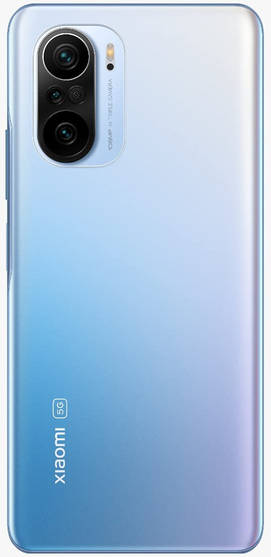
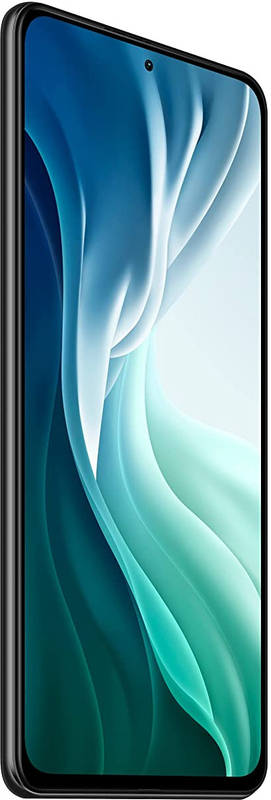
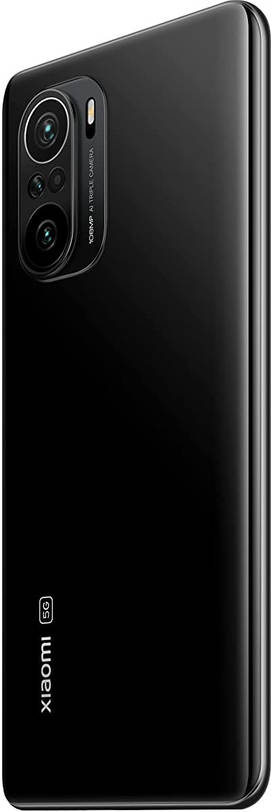
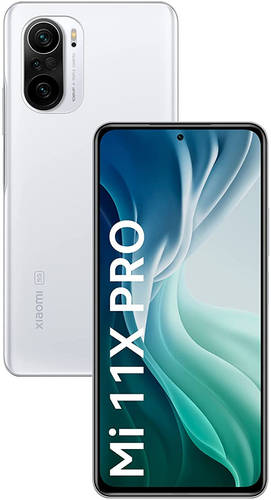
The Xiaomi Mi 11X Pro shares its design traits with its affordable sibling, the Mi 11X. The fascia is dominated by the large 6.67-inch display, with narrow bezels at the bottom. It's the rear panel however, that grabs attention. Even though the build is plastic, the gradient finish is quite attractive. The unit I received came in Celestial Silver hue, and you can also purchase the device in Cosmic Black or Lunar White options. As you can see, the device is anything but silver, and yet I loved the gradient finish as it offers different hues depending upon how light falls on its surface.While we're talking about the back panel, it's impossible to not talk about the camera module, which protrudes out significantly from the body. In the case of the Mi 11 Ultra, the entire camera module stretches across the rear which doesn't look as odd, and also ensures that the device doesn't wobble when kept on a flat surface. Sadly, that's not the case with the Mi 11X Pro. Even the bundled transparent case – which is quite solid – doesn't solve this issue as the camera section continues to jut out. Having said that, I liked the minimal branding at the back with only Xiaomi and 5G mentioned, and that too, in a silver hue that isn't in your face.There aren't any surprises in the button and port placement either. There's an IR emitter on top, hidden inside one of the grilles which maintain symmetry too. You'll find the volume rocker and slightly elongated power switch on the right. The reason the power toggle has a slightly larger-than-usual height is that it doubles up as a fingerprint authentication mechanism. We've to admit that it's among the fastest fingerprint unlocking modules we've come across. Of course, since it's a screen on / off button, it also saves you from the additional effort, though a tip would be to register various fingers or thumbs to be able to unlock the Mi 11X Pro from either hand easily. There's face unlock as well, and it works as advertised. It works fairly reliably in low light too.The smartphone keeps its thickness in check as it measures 7.8mm with its curved edges adding to the ergonomics. Although, when you consider the camera module that sticks out, the phone turns out to be quite thick. The Xiaomi Mi 11X Pro tips the scales at 196g. The bottom of the handset is home to a SIM slot (supports two nano-SIMs, but no support for external storage), a USB Type-C port, and a speaker grille. Worth noting that just like the other offerings in the Mi 11 portfolio, the 11X Pro also features stereo speakers.Xiaomi's Mi 11X Pro is a godsend for entertainment lovers, all thanks to its large Super AMOLED display with full HD resolution. The brand uses Samsung's E4 panel known for its higher brightness levels and impressive contrast ratio. Then there's support for 120Hz refresh rate which ensures smooth navigation and a smooth gaming experience. At 2.76mm, the punch-hole is really small, and doesn't take away from the immersive visuals provided by the screen. Then there's a 360Hz touch sampling rate, which would specifically be useful while gaming. The display offers support for HDR10+ as well. That's not all, Xiaomi is also offering features like True Display (colour temperature automatically adapts to the surrounding light) and MEMC technology (artificially adding frames to the video to make it smoother). No wonder, the display on the Mi 11 series has been rated as A+ by DisplayMate.With that said, while the 11X Pro's display isn't as large as Mi 11 Ultra (6.81-inches), the phone still isn't suited for single-hand usage. Unless you do some finger gymnastics, it's difficult to reach the corners of the panel. In fact, on one particular occasion, my left hand got numb because I was exchanging messages with a friend for about an hour, using the phone with both hands.My colleague pointed out the excellent haptic response of the Mi 11 Ultra, and I noticed the same on the Mi 11X Pro. In short, Xiaomi has paid attention to the tiniest of details to ensure that the smartphone catches your attention right at the outset itself. Oh, did I mention that the phone also comes with IP53 rating for splash resistance? There's also Gorilla Glass 5 protection at the front as well as back. It's clear that apart from the bulging cameras, the phone gets everything right in the design department, which begs the question of what makes them so interesting...
Read More
Cameras
+
The Mi 11X Pro features a 108-megapixel primary shooter, just like the Mi 11 Ultra. However, the sensor sizes are different. Instead of a large 1/1.12-inch sensor, it features a 1/1.52-inch sensor with an f/1.75 aperture. The main camera is accompanied by an 8MP f/2.2 wide-angle shooter and a 5MP f/2.4 telemacro camera. For selfies, the device comes equipped with a 20MP sensor.If you've used a Xiaomi smartphone before, then the camera interface will feel familiar. Even for others, the UI is quite intuitive, with all the options neatly laid out. However, I'd have liked to see the 108MP mode as well as night mode up front, rather than being hidden in the 'more' tab.Coming to the image quality, it's important to not be swayed by numbers. The Samsung HM2 108MP sensor captured 12MP images in the normal scenario (using the nine-pixel binning method), unlike the tetracell 108MP which captures images in 27MP. What that means is that you'll find images to be typical of a 12MP shooter. Daylight shots are pleasing with impressive dynamic range and good colour reproduction, though the sharpness starts deteriorating once you start zooming in. The AI mode is quite powerful, as it tries to detect the subject and shooting conditions in a scene that you're trying to capture. I loved the close-ups as they showed natural bokeh and the colours popped out as well, although the edge detection took a hit. The images captured in the 108MP resolution show a lot more details, but the colours look muted and some portions of the image look washed out when viewed in full size. Low-light photography however, was really fun with images keeping the noise levels in control and offering good details. Enabling the night mode improves the colours and sharpness further.Now I'll let the pictures do the talking... check out the Xiaomi Mi 11X Pro camera samples below.With regards to video capabilities, the Mi 11X Pro can shoot 8k videos at 30fps, showing popping colours and decent dynamic range. However, there's no digital stabilisation for 8k videos (unlike the 4k mode), which means that you can't shoot in the highest resolution while moving. Several features are there for enhancing the video recording experience, such as magic zoom, slow shutter, and audio zoom. The 20MP selfie snapper captures decent images for social media, but there's a lot of noise when viewed in the original resolution. Summing it up, the Mi 11X Pro cameras may not be totally flagship-grade, but are surely among the best in the sub-Rs 40k segment.
Read More
Hardware and software
+
Yet another hardware aspect that the Mi 11X Pro shares with the Mi 11 Ultra is the processor running under the hood. The device draws power from the top-of-the-line Snapdragon 888 chipset. The 5nm SoC from the house of Qualcomm features a tri-cluster architecture with a 2.84GHz high-performance core. Combine that with 8GB LPDDR5 RAM, and it doesn't come as a surprise that the phone is blazing fast. Over a two-week period, there wasn't even a single instance where I felt that the phone wasn't able to catch up to the tasks I was performing.Of course, the only way to gauge the Mi 11X Pro's true potential in the performance department is to run games, and that's what I did. And gaming on the phone did turn out to be a delightful affair. Titles like Call of Duty Mobile and Garena Free Fire ran at the highest possible settings without breaking a sweat. The Adreno 660 GPU also ensured that graphics were rendered smoothly. While I won't call myself a gamer, there were multiple situations where I lost track of time while playing games on the Mi 11X Pro – yes, it's that good. However, the device does heat up after about 40 mins of gaming.As mentioned above, the smartphone doesn't support microSD cards. Hence, you need to make a conscious choice between the 128GB and 256GB storage variants of the phone. Additionally, upon boot, 18GB+ memory is taken up by the OS and various system resources. Much has been said about MIUI... both good (the fact that it has a ton of features for the power users) and bad (bloatware). And you would get the same on the Mi 11X Pro. The pre-loaded bloatware comes in the form of apps like Amazon, Facebook, Netflix, Prime Video as well as Xiaomi's own apps such as Mi Pay, Mi Credit, and Zili. Thankfully, a lot of these can be uninstalled. I like the categorisation of apps in the app drawer, and the search bar is placed at the bottom which makes it easier to reach (though requires a shift in habit as most phones place it up top).The left-most screen (dubbed as -1 screen) has some useful things – calendar, shortcuts, etc., but has a ton of bloatware at the same time – recommended apps, popular games, etc. There's a Utilities section too, which strangely enough, takes you to the web version of various apps, even though some of them are installed on the device (Examples being Amazon and Mi Pay). The good thing is that you can change this screen to Google Discover by going into Settings. It goes without saying that Xiaomi's upcoming MIUI 12.5 should solve a lot of the mentioned issues, so I'd definitely suggest you wait till the device gets that update before forming your opinion about its software experience.
Read More
Battery and more
+
I've been impressed with all the facets of the Xiaomi Mi 11X Pro, and the battery is no different. While the 4,520mAh cell may not sound too beefy in the era where we're seeing 7,000mAh packs, the phone manages to offer great endurance. Even though it's difficult to put the smartphone through extreme scenarios during WFH, I still liked the feeling of not worrying about charging the phone at night. It easily managed to last till the next day. In the PCMark test however, the device lasted 12 hours and 25minutes, which is just about average.The device ships with a 33W charger. It juices up the Mi 11X Pro from 10 to 100 percent in a little over an hour. Sadly, the Rs 30k+ segment has phones that offer faster charging with some of them getting charged fully in 30 to 40 minutes.I'd also want to highlight the stereo speakers on the handset. With Dolby Atmos support, they get fairly loud and offer rich output too. However, cranking up the volume to max isn't recommended, as the sound turns shrill quite a few times. And while audio enthusiasts might be bummed about the lack of a 3.5mm headphone socket, worth noting that the phone comes bundled with a Type-C to 3.5mm dongle.
Read More
Xiaomi Mi 11X Pro competition
+
Unlike a few years back, where the Rs 30k+ category was being slugged out by Samsung and OnePlus in the world of Android smartphones, increasingly more and more brands have entered this segment.The Xiaomi Mi 11X Pro's major rival would be the OnePlus 9R (review) considering it's priced exactly the same (Rs 39,999). However, the 9R's specs make it seem like a competitor to Mi 11X, which is priced Rs 10k lower, and yet features Snapdragon 870 processor, 48MP primary camera, and more.Vivo's sub-brand iQOO also has a powerful option in the form of the iQOO 7 Legend in this price range. While the devices go toe-to-toe in most regards, and the iQOO 7 Legend is perhaps a shade better in the performance department, the Mi 11X Pro takes back the crown in the camera aspect.
Read More
Read full Review

Verdict
Here s what you need to know... the Mi 11X Pro might just seem like a pro edition of the Mi 11X, but it also brings some of the features from the Mi 11 Ultra, which is priced Rs 30k higher. Bearing a price tag of Rs 39,999, there s little to fault with the Mi 11X Pro. It checks off all the boxes of an affordable flagship, so much so that it has a solid chance of taking on the title of flagship killer from OnePlus.
- Attractive design
- Gorgeous display
- Smooth performance
- Long battery life
Pros
- Camera bump protrudes significantly
- No telephoto sensor
- Slightly unwieldy
- Could've offered faster charging
Cons
Design and display
+The Xiaomi Mi 11X Pro shares its design traits with its affordable sibling, the Mi 11X. The fascia is dominated by the large 6.67-inch display, with narrow bezels at the bottom. It's the rear panel however, that grabs attention. Even though the build is plastic, the gradient finish is quite attractive. The unit I received came in Celestial Silver hue, and you can also purchase the device in Cosmic Black or Lunar White options. As you can see, the device is anything but silver, and yet I loved the gradient finish as it offers different hues depending upon how light falls on its surface.While we're talking about the back panel, it's impossible to not talk about the camera module, which protrudes out significantly from the body. In the case of the Mi 11 Ultra, the entire camera module stretches across the rear which doesn't look as odd, and also ensures that the device doesn't wobble when kept on a flat surface. Sadly, that's not the case with the Mi 11X Pro. Even the bundled transparent case – which is quite solid – doesn't solve this issue as the camera section continues to jut out. Having said that, I liked the minimal branding at the back with only Xiaomi and 5G mentioned, and that too, in a silver hue that isn't in your face.There aren't any surprises in the button and port placement either. There's an IR emitter on top, hidden inside one of the grilles which maintain symmetry too. You'll find the volume rocker and slightly elongated power switch on the right. The reason the power toggle has a slightly larger-than-usual height is that it doubles up as a fingerprint authentication mechanism. We've to admit that it's among the fastest fingerprint unlocking modules we've come across. Of course, since it's a screen on / off button, it also saves you from the additional effort, though a tip would be to register various fingers or thumbs to be able to unlock the Mi 11X Pro from either hand easily. There's face unlock as well, and it works as advertised. It works fairly reliably in low light too.The smartphone keeps its thickness in check as it measures 7.8mm with its curved edges adding to the ergonomics. Although, when you consider the camera module that sticks out, the phone turns out to be quite thick. The Xiaomi Mi 11X Pro tips the scales at 196g. The bottom of the handset is home to a SIM slot (supports two nano-SIMs, but no support for external storage), a USB Type-C port, and a speaker grille. Worth noting that just like the other offerings in the Mi 11 portfolio, the 11X Pro also features stereo speakers.Xiaomi's Mi 11X Pro is a godsend for entertainment lovers, all thanks to its large Super AMOLED display with full HD resolution. The brand uses Samsung's E4 panel known for its higher brightness levels and impressive contrast ratio. Then there's support for 120Hz refresh rate which ensures smooth navigation and a smooth gaming experience. At 2.76mm, the punch-hole is really small, and doesn't take away from the immersive visuals provided by the screen. Then there's a 360Hz touch sampling rate, which would specifically be useful while gaming. The display offers support for HDR10+ as well. That's not all, Xiaomi is also offering features like True Display (colour temperature automatically adapts to the surrounding light) and MEMC technology (artificially adding frames to the video to make it smoother). No wonder, the display on the Mi 11 series has been rated as A+ by DisplayMate.With that said, while the 11X Pro's display isn't as large as Mi 11 Ultra (6.81-inches), the phone still isn't suited for single-hand usage. Unless you do some finger gymnastics, it's difficult to reach the corners of the panel. In fact, on one particular occasion, my left hand got numb because I was exchanging messages with a friend for about an hour, using the phone with both hands.My colleague pointed out the excellent haptic response of the Mi 11 Ultra, and I noticed the same on the Mi 11X Pro. In short, Xiaomi has paid attention to the tiniest of details to ensure that the smartphone catches your attention right at the outset itself. Oh, did I mention that the phone also comes with IP53 rating for splash resistance? There's also Gorilla Glass 5 protection at the front as well as back. It's clear that apart from the bulging cameras, the phone gets everything right in the design department, which begs the question of what makes them so interesting...
Read MoreCameras
+The Mi 11X Pro features a 108-megapixel primary shooter, just like the Mi 11 Ultra. However, the sensor sizes are different. Instead of a large 1/1.12-inch sensor, it features a 1/1.52-inch sensor with an f/1.75 aperture. The main camera is accompanied by an 8MP f/2.2 wide-angle shooter and a 5MP f/2.4 telemacro camera. For selfies, the device comes equipped with a 20MP sensor.If you've used a Xiaomi smartphone before, then the camera interface will feel familiar. Even for others, the UI is quite intuitive, with all the options neatly laid out. However, I'd have liked to see the 108MP mode as well as night mode up front, rather than being hidden in the 'more' tab.Coming to the image quality, it's important to not be swayed by numbers. The Samsung HM2 108MP sensor captured 12MP images in the normal scenario (using the nine-pixel binning method), unlike the tetracell 108MP which captures images in 27MP. What that means is that you'll find images to be typical of a 12MP shooter. Daylight shots are pleasing with impressive dynamic range and good colour reproduction, though the sharpness starts deteriorating once you start zooming in. The AI mode is quite powerful, as it tries to detect the subject and shooting conditions in a scene that you're trying to capture. I loved the close-ups as they showed natural bokeh and the colours popped out as well, although the edge detection took a hit. The images captured in the 108MP resolution show a lot more details, but the colours look muted and some portions of the image look washed out when viewed in full size. Low-light photography however, was really fun with images keeping the noise levels in control and offering good details. Enabling the night mode improves the colours and sharpness further.Now I'll let the pictures do the talking... check out the Xiaomi Mi 11X Pro camera samples below.With regards to video capabilities, the Mi 11X Pro can shoot 8k videos at 30fps, showing popping colours and decent dynamic range. However, there's no digital stabilisation for 8k videos (unlike the 4k mode), which means that you can't shoot in the highest resolution while moving. Several features are there for enhancing the video recording experience, such as magic zoom, slow shutter, and audio zoom. The 20MP selfie snapper captures decent images for social media, but there's a lot of noise when viewed in the original resolution. Summing it up, the Mi 11X Pro cameras may not be totally flagship-grade, but are surely among the best in the sub-Rs 40k segment.
Read MoreHardware and software
+Yet another hardware aspect that the Mi 11X Pro shares with the Mi 11 Ultra is the processor running under the hood. The device draws power from the top-of-the-line Snapdragon 888 chipset. The 5nm SoC from the house of Qualcomm features a tri-cluster architecture with a 2.84GHz high-performance core. Combine that with 8GB LPDDR5 RAM, and it doesn't come as a surprise that the phone is blazing fast. Over a two-week period, there wasn't even a single instance where I felt that the phone wasn't able to catch up to the tasks I was performing.Of course, the only way to gauge the Mi 11X Pro's true potential in the performance department is to run games, and that's what I did. And gaming on the phone did turn out to be a delightful affair. Titles like Call of Duty Mobile and Garena Free Fire ran at the highest possible settings without breaking a sweat. The Adreno 660 GPU also ensured that graphics were rendered smoothly. While I won't call myself a gamer, there were multiple situations where I lost track of time while playing games on the Mi 11X Pro – yes, it's that good. However, the device does heat up after about 40 mins of gaming.As mentioned above, the smartphone doesn't support microSD cards. Hence, you need to make a conscious choice between the 128GB and 256GB storage variants of the phone. Additionally, upon boot, 18GB+ memory is taken up by the OS and various system resources. Much has been said about MIUI... both good (the fact that it has a ton of features for the power users) and bad (bloatware). And you would get the same on the Mi 11X Pro. The pre-loaded bloatware comes in the form of apps like Amazon, Facebook, Netflix, Prime Video as well as Xiaomi's own apps such as Mi Pay, Mi Credit, and Zili. Thankfully, a lot of these can be uninstalled. I like the categorisation of apps in the app drawer, and the search bar is placed at the bottom which makes it easier to reach (though requires a shift in habit as most phones place it up top).The left-most screen (dubbed as -1 screen) has some useful things – calendar, shortcuts, etc., but has a ton of bloatware at the same time – recommended apps, popular games, etc. There's a Utilities section too, which strangely enough, takes you to the web version of various apps, even though some of them are installed on the device (Examples being Amazon and Mi Pay). The good thing is that you can change this screen to Google Discover by going into Settings. It goes without saying that Xiaomi's upcoming MIUI 12.5 should solve a lot of the mentioned issues, so I'd definitely suggest you wait till the device gets that update before forming your opinion about its software experience.
Read MoreBattery and more
+I've been impressed with all the facets of the Xiaomi Mi 11X Pro, and the battery is no different. While the 4,520mAh cell may not sound too beefy in the era where we're seeing 7,000mAh packs, the phone manages to offer great endurance. Even though it's difficult to put the smartphone through extreme scenarios during WFH, I still liked the feeling of not worrying about charging the phone at night. It easily managed to last till the next day. In the PCMark test however, the device lasted 12 hours and 25minutes, which is just about average.The device ships with a 33W charger. It juices up the Mi 11X Pro from 10 to 100 percent in a little over an hour. Sadly, the Rs 30k+ segment has phones that offer faster charging with some of them getting charged fully in 30 to 40 minutes.I'd also want to highlight the stereo speakers on the handset. With Dolby Atmos support, they get fairly loud and offer rich output too. However, cranking up the volume to max isn't recommended, as the sound turns shrill quite a few times. And while audio enthusiasts might be bummed about the lack of a 3.5mm headphone socket, worth noting that the phone comes bundled with a Type-C to 3.5mm dongle.
Read MoreXiaomi Mi 11X Pro competition
+Unlike a few years back, where the Rs 30k+ category was being slugged out by Samsung and OnePlus in the world of Android smartphones, increasingly more and more brands have entered this segment.The Xiaomi Mi 11X Pro's major rival would be the OnePlus 9R (review) considering it's priced exactly the same (Rs 39,999). However, the 9R's specs make it seem like a competitor to Mi 11X, which is priced Rs 10k lower, and yet features Snapdragon 870 processor, 48MP primary camera, and more.Vivo's sub-brand iQOO also has a powerful option in the form of the iQOO 7 Legend in this price range. While the devices go toe-to-toe in most regards, and the iQOO 7 Legend is perhaps a shade better in the performance department, the Mi 11X Pro takes back the crown in the camera aspect.
Read MoreCompetitors For Xiaomi Mi 11X Pro 256GB
View Alternatives









Popular Comparisons





Xiaomi Mi 11X Pro 256GB Specifications
General |
|
|---|---|
| Launch Date | April 24, 2021 (Official) |
| Operating System | Android v11 |
| OS Updates | 3 Years |
| Security Updates | 4 Years |
| Custom UI | MIUI |
Performance
(Very Good)
|
||||
|---|---|---|---|---|
| Chipset | Qualcomm Snapdragon 888 View Details | |||
| Processor | Octa core (2.84 GHz, Single core, Kryo 680 + 2.42 GHz, Tri core, Kryo 680 + 1.8 GHz, Quad core, Kryo 680) | |||
| Architecture | 64 bit | |||
| Fabrication | 5 nm | |||
| Graphics (GPU) | Adreno 660 | |||
| RAM | 8 GB | |||
| RAM Type | LPDDR5 | |||
|
Gaming Test Results

* after 30 mins of gaming
|
||||
Benchmark Screenshots
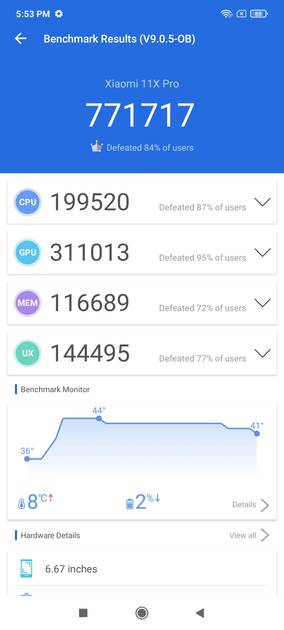
AnTuTu Benchmark
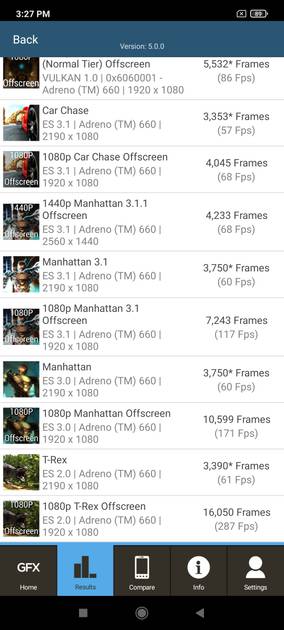
Graphics Benchmark
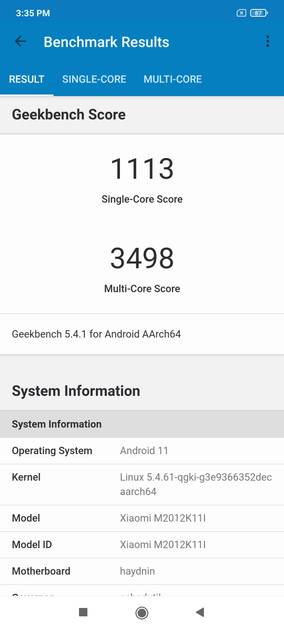
GeekBench5 Benchmark
|

Display
(Excellent)
|
|
|---|---|
| Display Type | AMOLED |
| Screen Size | 6.67 inches (16.94 cm) |
| Resolution | 1080x2400 px (FHD+) |
| Brightness | 1300 nits |
| Refresh Rate | 120 Hz |
| Touch Sampling Rate | 360 Hz |
| Aspect Ratio | 20:9 |
| Pixel Density | 395 ppi |
| Screen to Body Ratio (calculated) | 85.88 % |
| Screen Protection | Corning Gorilla |
| Bezel-less Display | Yes with punch-hole display |
| HDR 10 / HDR+ Support | Yes, HDR 10+ |
UI Screenshots

Lock Screen
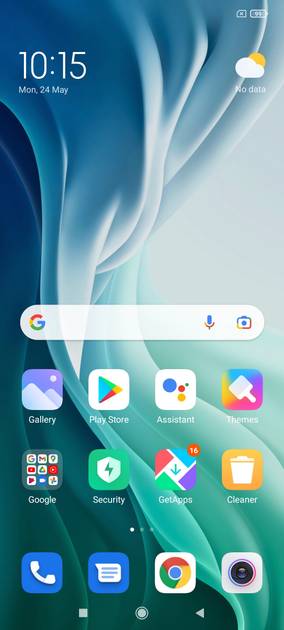
Home Screen
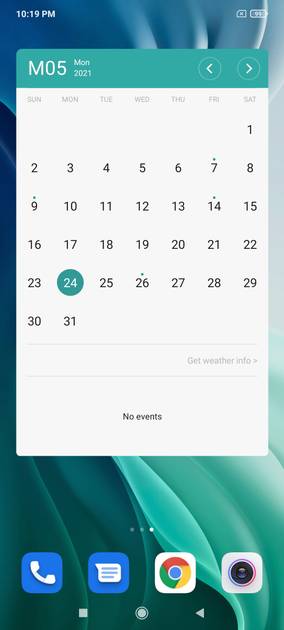
Screen With Widgets

Dialer Screen
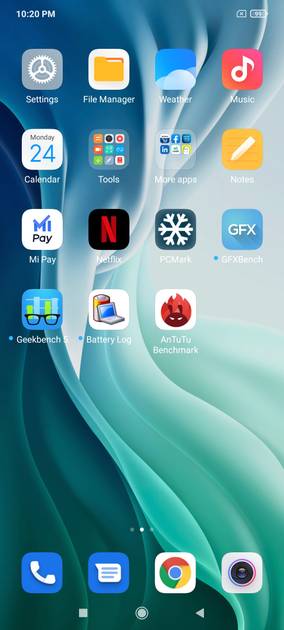
App Drawer
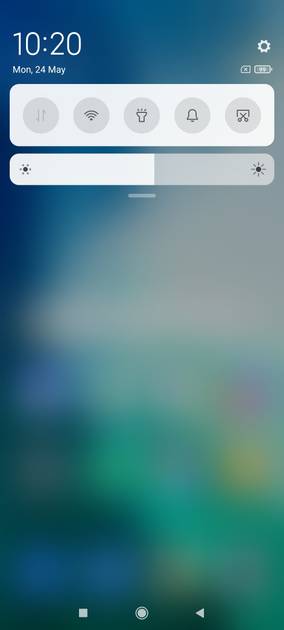
Notification Panel
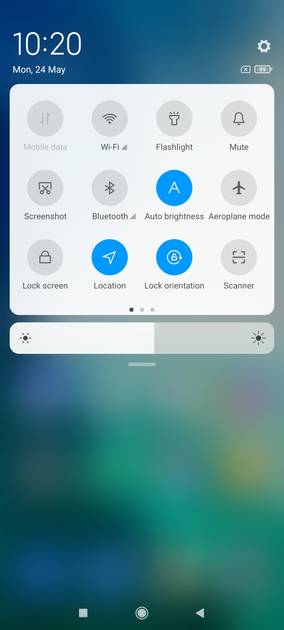
Quick Settings Panel
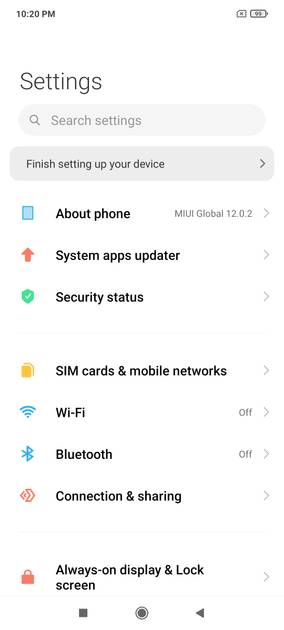
Settings Screen
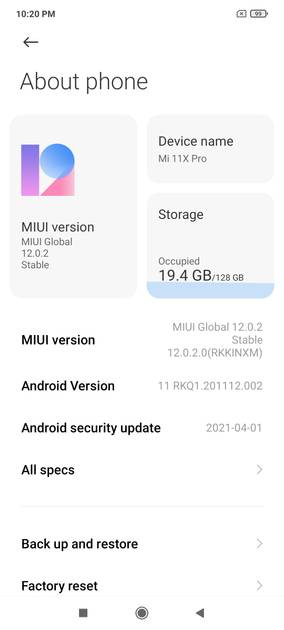
OS Version

Storage
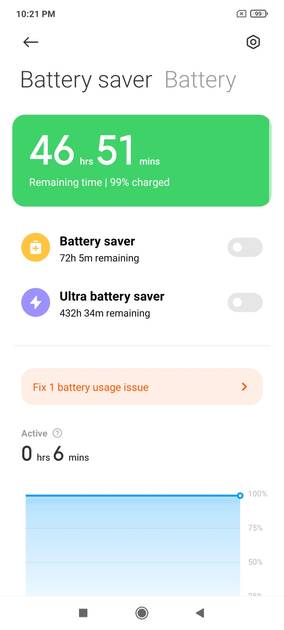
Battery

Camera On
Camera Options
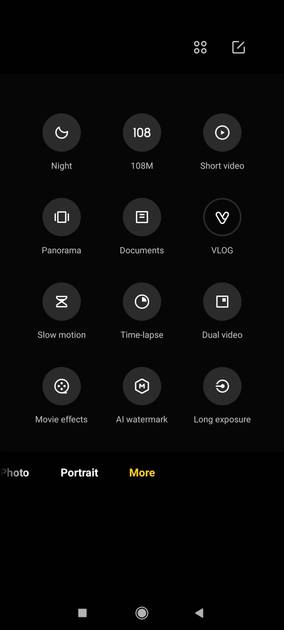
Camera Modes
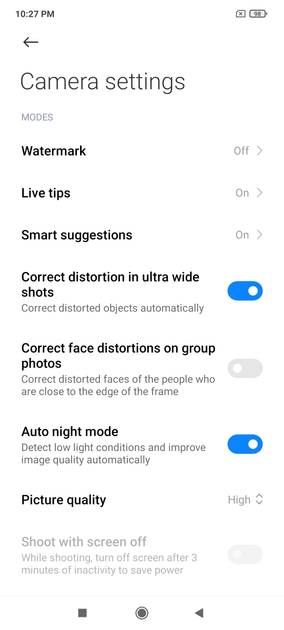
Camera Settings
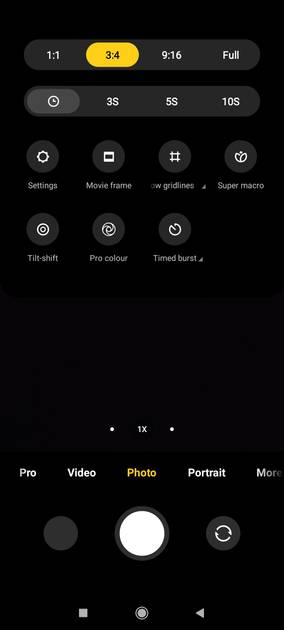
Picture Size Options
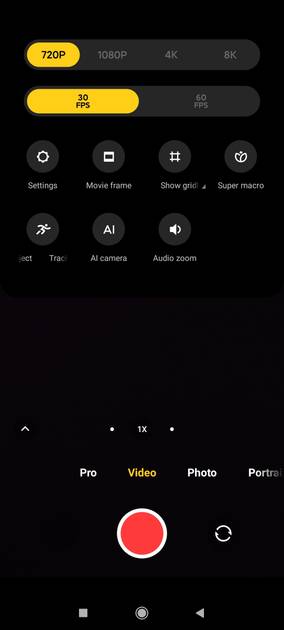
Video Size Options
|
Design |
|
|---|---|
| Height | 163.7 mm |
| Width | 76.4 mm |
| Thickness | 7.8 mm |
| Weight | 196 grams |
| Build Material | Back: Gorilla Glass |
|
Click to View

|
Rear Camera
(Very Good)
|
||||||||||||||||||||||||||||||||
|---|---|---|---|---|---|---|---|---|---|---|---|---|---|---|---|---|---|---|---|---|---|---|---|---|---|---|---|---|---|---|---|---|
| Resolution | ||||||||||||||||||||||||||||||||
|
||||||||||||||||||||||||||||||||
| Autofocus | Yes | |||||||||||||||||||||||||||||||
| Flash | Yes, LED Flash | |||||||||||||||||||||||||||||||
| Image Resolution | 12000 x 9000 Pixels | |||||||||||||||||||||||||||||||
| Settings | Exposure compensation, ISO control | |||||||||||||||||||||||||||||||
| Shooting Modes |
Continuous Shooting High Dynamic Range mode (HDR) |
|||||||||||||||||||||||||||||||
| Camera Features |
Digital Zoom Auto Flash Face detection Touch to focus |
|||||||||||||||||||||||||||||||
| Video Recording |
8K @30 fps UHD @30 fps FHD @60 fps |
|||||||||||||||||||||||||||||||
| Video Recording Features | Audio Zoom | |||||||||||||||||||||||||||||||
Rear Camera Samples

Wide Angle

Portrait Shot

Night Mode OFF

Night Mode ON

Close Up

Low Light

Low Light With Flash

Colour Variance

Daylight Auto / HDR OFF

Daylight / HDR ON

AI OFF

AI ON

Macro
|
Front Camera
(Very Good)
|
||||||||||||
|---|---|---|---|---|---|---|---|---|---|---|---|---|
| Resolution | ||||||||||||
|
||||||||||||
| Video Recording | FHD @30 fps | |||||||||||
Front Camera Samples

Selfie

Selfie Portrait

Selfie Low Light

Selfie Low Light With Flash
|
Battery
(Very Good)
|
||||
|---|---|---|---|---|
| Capacity | 4520 mAh | |||
| Battery Type | Li-Polymer | |||
| Quick Charging | Yes, 33W Fast Charging, 100% in 52 minutes | |||
|
Battery Test Results
|
Storage |
|
|---|---|
| Internal Storage | 128 GB / 256 GB |
| Storage Type | UFS 3.1 |
| Expandable Storage | No |
Network & Connectivity |
|
|---|---|
| SIM Slot(s) | Dual SIM |
| SIM Type | SIM1: Nano, SIM2: Nano |
| Network Support | 5G, 4G |
| VoLTE | Yes |
| SIM 1 |
5G bands, 4G bands
Expand
|
| SIM 2 |
4G bands
Expand
|
| SAR Value | Head: 0.853 W/kg, Body: 0.598 W/kg |
| Wi-Fi | Yes, Wi-Fi 6 (802.11 a/b/g/n/ac/ax) |
| Wi-Fi Features | Mobile Hotspot |
| Bluetooth | Yes, v5.2 |
| GPS | Yes with A-GPS, Glonass |
Multimedia |
|
|---|---|
| Audio Jack | USB Type-C |
Sensors |
|
|---|---|
| Fingerprint Sensor | Yes |
| Fingerprint Sensor Position | Side |
| Other Sensors | Light sensor, Proximity sensor, Accelerometer, Barometer, Compass, Gyroscope |
Xiaomi Mi 11X Pro 256GB User Reviews
Xiaomi Mi 11X Pro 256GB Key Highlights
| Processor | Qualcomm Snapdragon 888 |
| RAM & Storage | 8 GB RAM + 128 GB 8 GB RAM + 256 GB |
| Display | 6.67", 1080 x 2400 Resolution |
| Rear Camera | 108 MP + 8 MP + 5 MP |
| Front Camera | 20 MP |
| Battery | 4520 mAh |


























Xiaomi Mi 11X Pro Price In India
| Product Name | Store | Price |
|---|---|---|
| Xiaomi Mi 11X Pro (8 GB + 128 GB) | Flipkart | ₹26,822 |
| Xiaomi Mi 11X Pro (8 GB + 128 GB) | Amazon | ₹26,999 |
| Xiaomi Mi 11X Pro (8 GB + 256 GB) | Flipkart | ₹29,999 |
Popular Links
- All Upcoming Phones
- Upcoming Xiaomi Phones
- Xiaomi phones under 10k
- Xiaomi phones under 20k
- OPPO Find X10 Pro Max
- OPPO Find X10
- Infinix GT 50 Pro
- Nothing Phone 4a
- Karbonn Rebel Pro 4G
- Samsung Mobiles
- Motorola Mobiles
- vivo Mobiles
- OPPO Mobiles
- Tecno Mobiles
- realme Mobiles
- OnePlus Mobiles