
Xiaomi Redmi Note 3 32GB
+ Compare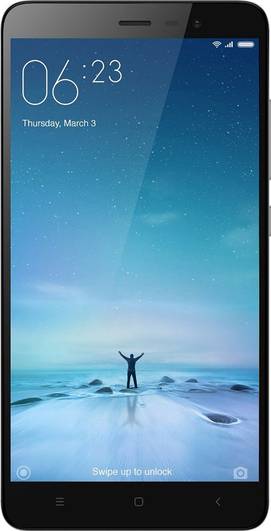

-
Design4

-
Rear Camera8

-
360° View

-
UI Screenshot16
![UI Screenshot]()
-
Benchmarks10
![Benchmarks]()
-
Videos22
![Videos]()



Key Specs
Performance
-
Qualcomm Snapdragon 650 -
Hexa Core (1.8 GHz, Dual Core + 1.2 GHz, Quad core) -
2 GB / 3 GB RAM, LPDDR3
Display
-
5.5 inches (13.97 cm); IPS LCD -
1080x1920 px (FULL HD)
Rear Camera
-
Single Camera Setup - 16 MP Primary Camera
-
Dual-color LED Flash -
Full HD @30 fps Video Recording
Front Camera
-
5 MP -
Full HD @30 fps Video Recording
Battery
-
4050 mAh, Li-Polymer
General
-
SIM1: Micro, SIM2: Nano (Hybrid) -
5G Not Supported -
16 GB / 32 GB Storage, Expandable upto 32 GB
Xiaomi Redmi Note 3 32GB Prices in India
 Flipkart
Xiaomi Redmi Note 3 32GB Compare Camera Samples









Xiaomi Redmi Note 3 32GB Expert Review Summary
Expert Rating:
![Ketaki Bhojnagarwala]()
Verdict
With the Redmi Note 3, Xiaomi has done what it does best – it`s shaken up the competition. While the smartphone offers an impressive spec to price ratio, more importantly, it delivers where it counts – offering a sharp display, smooth performance, responsive fingerprint sensor and not to forget, outstanding battery life. There are some areas where the Redmi Note 3 could use improvement, such as the boring design language, average camera results and the use of hybrid dual-SIM instead of dedicated dual-SIM, but these are forgivable flaws when you look at the bigger picture. At Rs 9,999 for t...
Read Full Verdict
Pros
- Premium metal build
- Responsive fingerprint sensor
- Great battery life
- Smooth performance
Cons
- Boring design
- Hybrid dual-SIM vs dedicated dual-SIM
- Average cameras
- Still runs Android Lollipop
Specs at a glance
+
Display
Read More
Design: new materials, familiar looks
+
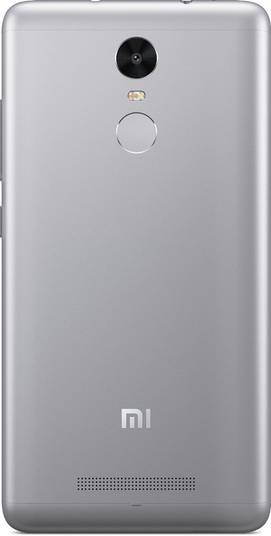
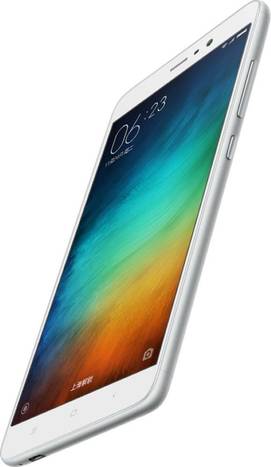
Dimensions: 150 x 76 x 8.6 mmWeight: 164 gramsThe Redmi Note 3 is a complete overhaul of the Redmi Note in terms of design. The plasticky frame and removable back panel have been swapped out for a premium metal body. The 5.5-inch phablet integrates a mammoth 4,050mAh battery, which ordinarily would translate into a bulky frame, but Xiaomi's done a great job with keeping both the weight and size to decent proportions. The Redmi Note 3 measures a respectable 8.6mm around the waist, and tips the scales at 164g. It's lightweight enough to be comfortable for long periods of use, and the matte finish of the rear keeps fingerprints at bay. The Redmi Note 3 comes in three colours – black, silver and gold, and we had the gold unit for review. While the Redmi Note 3 gives off a premium smartphone vibe, the design feels disappointingly familiar. It looks very similar to the LeEco Le 1s, Honor 5X and several other smartphones we’ve seen of late, and we wish Xiaomi had done more to distinguish the Redmi Note 3 on the design front. The front of the Redmi Note 3 features thick bezels above and below the display, and there’s a shiny gold trim around the edges that looks nice, but tends to get scuffed after a while. Above the screen you’ll find the earpiece, front camera, sensors and notification LED, while underneath there are three Android capacitive keys which are backlit. The right spine is home to the power button and volume rocker, while the left houses an ejectable tray that accepts a micro-SIM card slot and a nano-SIM card slot, with the latter doubling up as a microSD card slot if required. The bottom edge features the primary microphone and micro-USB port, while up top you’ll find the 3.5mm audio jack, secondary microphone, and as a pleasant surprise, an IR blaster. The rear panel features the primary camera, dual-LED flash and fingerprint sensor all neatly placed in a row at the top, and Mi branding and a large loudspeaker grill at the bottom. If you look closely, you’ll notice a little 1mm protrusion just below the speaker. This isn’t a design flaw though – Xiaomi put it there to prevent the loudspeaker from getting muffled when you place the device on a flat surface. It’s a really clever little implementation, and we can confirm that it works without unbalancing the smartphone in the process. Two plastic strips at the top and bottom of the rear panel take away from the otherwise cohesive design, but are in place to facilitate better antenna reception.
Read More
Display: crystal clear, buttery smooth
+
Size: 5.5 InchResolution: Full HD (1080 x 1920 pixels)Display Type: IPS LCDPixel Density: 401 ppiThe Redmi Note 3 sports a 5.5-inch display, and bumps up the resolution from HD to full HD. Xiaomi hasn’t disclosed whether the display is protected by Gorilla Glass or Dragontrail glass, but we can confirm that it features a reinforced layer to provide protection. Xiaomi has always excelled in providing exceptionally clear displays on its smartphones, and the Redmi Note 3 is no different. The pixels sit very close to the screen, thanks to the fully laminated display that allows the glass, LCD and touchscreen to sit compactly against each other, making for a thinner panel. The display is quick to respond to gestures, swipes and scrolls, and is comfortable for typing too. The colours tend to look slightly oversaturated, but make for a pleasant viewing experience. In display settings, you can adjust the colour temperature and contrast to your liking. The Redmi Note 3 is the first Redmi device to come with Sunlight Display, which Xiaomi first introduced with the Mi 4i. This allows the phone to detect the ambient light and automatically adjust screen brightness and contrast, making for better viewing under harsh lighting. Suffice to say, the screen fares well outdoors, and we could view it comfortably under bright sunlight. Apart from this, there’s also a Reading Mode, which reduces the amount of blue light in the screen to reduce eye strain. We’ve seen this feature on several Lenovo smartphones earlier, and while it isn't new, it's useful to have. The display also features a Night Mode, which lets you turn down the brightness to very low levels to make reading in the dark more comfortable.
Read More
Software: MIUI 7 and a few extras
+
Operating System: AndroidOS Version: 5.1, Lollipop The Redmi Note 3 runs MIUI 7 atop Android 5.1.1 Lollipop. While the regular MIUI platform and security patches keep the phone up to speed, we would still like to see it run Marshmallow out of the box. Not that you’d notice much though, because MIUI pretty much takes over the stock Android interface. You get a modified design which skips the app drawer and features a pull down notification tab and quick settings menu. All the usual features we’ve covered in previous Xiaomi reviews, such as the theme store, Security app, Lite Mode, One-handed mode, Child Mode, etc are present. Among the pre-loaded apps, you’ll find Facebook, WPS Office, Fleksy, SwiftKey and Mi Store. The Redmi Note 3 features a new Wallpaper Carousel feature. It’s similar to Magazine Unlock on Honor phones – offers changing lockscreen wallpapers through the day. The images span categories like General, India, Lifestyle and Scenery, and you can choose which categories you’d like to see. You can also save the images you like to your gallery. Thanks to the presence of the IR blaster, a Mi Remote app comes preloaded on the device.For a more detailed look at what MIUI 7 offers, check out our previous Xiaomi smartphone reviews, or watch our video on the Redmi Note 3 user interface.
Read More
Camera: gets the job done
+
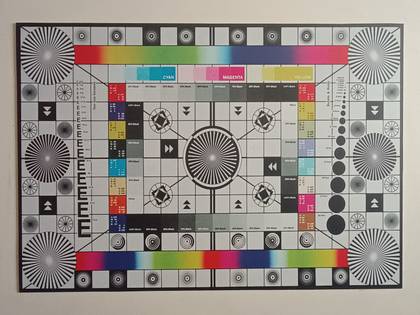
Primary camera: 16 MPFlash: Dual-color LED FlashSecondary camera: 5 MP The Redmi Note 3 features a 16MP primary camera with PDAF, f/2.0 and a 78-degree wide angle lens. The front camera is a 5MP unit with f/2.0 aperture and face detection. The camera app features a roomy viewfinder with a shutter button, gallery and video mode shortcut on the right side. There are also toggles to enable flash, switch to the front camera and turn on the HDR mode. You can swipe down on the screen to view the various real time filters, and swipe up to see the different modes, which include Manual, Fish Eye, Timer, Beautify, Tilt-shift, Panorama, Straighten, Scene mode and Handheld Twilight.The rear camera is quick to focus, and does a good job of detecting a subject even in a crowded frame. We managed some impressive depth of field and bokeh results for macro shots. Daylight images are sharp and detailed too, but there were times when images looked oversharpened. Landscape shots are evenly exposed for the most part, but Xiaomi’s HDR mode (a Hugo Barra favourite) does a good job of sprucing up over- or under-exposed shots. The camera can manage decent low light results, but even the slightest of movement will give you a blurry result. While the camera bumps up the ISO for better visibility, the resulting noise levels compromise the clarity. The front camera can take a quality selfie in bright lighting, but low light images are predictably noisy. Xiaomi’s Beautify mode is on offer if you want artificial whitening or smoothening, but we prefer to turn it off.
Read More
Performance: a smooth ride with a big tank
+
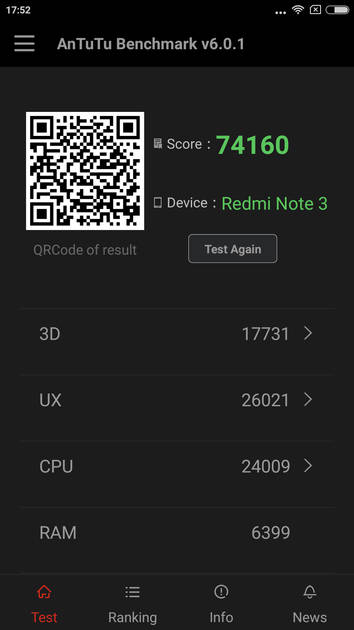
CPU: Dual core, 1.8 GHz + Quad cor...GPU: Adreno 510RAM: 3 GBMemory: 32 GB + Up to 32 GBSIM Slots: Dual SIM , GSM+GSMBattery: 4050 mAHThe Redmi Note 3 is the first device in India to utilise Qualcomm’s hexa-core Snapdragon 650 chipset. There are two variants of the Redmi Note 3 – one with 2GB of LPDDR3 RAM and 16GB of storage, and another with 3GB of RAM and 32GB of internal storage. We had the latter variant for review, which gave us 24.56GB of free space out of the box. Compared to last year’s Snapdragon 808 SoC, which featured two Cortex-A57 cores and four Cortex-A53 cores, the Snapdragon 650 uses two Cortex-A72 cores and for Cortex-A53 cores. Xiaomi is stressing heavily on the performance of the Snapdragon 650, most of which boils down to its dual A72 cores. In the AnTuTu benchmark test, we got a very impressive score of 74,160, which wasn't far off from Xiaomi's claim of 77,592. As far as day-to-day performance goes, the Redmi Note 3 is fast, smooth and reliable. Apps open quickly, and freezes and lags were rare, if not negligible. Apart from the occasional app crash, we had no cause to complain about the Redmi Note 3’s performance. We should stress again that we had the 3GB RAM variant, so there will be minor differences with the 2GB version. For gaming, the Redmi Note 3 is equipped with the Adreno 510 GPU. We tested our favourite graphics-heavy titles like Dead Trigger 2 and Riptide GP2, and encountered no frame drops or freezes. The phone tends to get warm after 15-20 minutes of gameplay, but heat dissipation is handled well overall, and the temperatures never get uncomfortably hot. One of the highlights of the Redmi Note 3 is its battery life. With a 4,050mAh battery, it’s evident even on paper that the battery life will last you through an entire day. At the end of an average day, we ended up with around 4.5 hours of SOT (screen-on time), and still had 25-30 percent to spare. Our usage involved watching videos, gaming, using social media and the camera, and an hour or so of phone calls, with Wi-Fi turned on for the most part. Most times, we didn’t need to plug in the charger until the middle of the next day. The standby time on the Redmi Note 3 is also excellent, with the battery dipping just 3 - 4 percent overnight. In our video-loop battery drain test, the Redmi Note 3 lasted 12 hours and 45 minutes, which is one of the best results we’ve seen in this price range. The battery is equipped with Qualcomm’s Quick Charge 2.0 tech, and the bundled 5V/2A charger and cable refuelled the phone from 0 to 100 percent in 2 hours 40 minutes. If you need to extend the usage, you can enable one of the battery profiles in settings. One of the highlights of the Redmi Note 3 is its fingerprint sensor, which is a first for Xiaomi. Placed at the rear, just below the camera and flash, the fingerprint sensor comes within easy reach of your index finger. You can register up to five fingerprints, and the setup process is easy, involving placing your finger multiple times on the sensor until it's recorded. Xiaomi says that the fingerprint sensor can unlock the phone in 0.3 seconds, and we’re inclined to agree. The fingerprint sensor on the Redmi Note 3 is not only really fast and accurate, it’s among the best we’ve used on any Android device till date, and that’s saying a lot for a budget smartphone. The sensor offers 360-degree recognition, which means it can detect your fingerprint from any angle, and we found this to be true as well. Apart from unlocking the device, the fingerprint sensor can also be used to access hidden folders, access locked apps and even function as a camera shutter button. We couldn’t try out the locked apps and shutter button features on our unit, since these features will be available as an OTA update that’s due to roll out in a week or so.In terms of connectivity, the Redmi Note 3 supports all the LTE bands in India on both its SIMs, along with VoLTE. The smartphone also supports hot-swapping, which means you can add or remove a SIM card without having to restart the device. Apart from this, the Redmi Note 3 offers dual-band Wi-Fi 802.11ac, Bluetooth 4.1, A-GPS, GLONASS, Wi-Fi Display, Wi-Fi Direct and USB OTG.
Read More
Read full Review

Verdict
With the Redmi Note 3, Xiaomi has done what it does best – it`s shaken up the competition. While the smartphone offers an impressive spec to price ratio, more importantly, it delivers where it counts – offering a sharp display, smooth performance, responsive fingerprint sensor and not to forget, outstanding battery life. There are some areas where the Redmi Note 3 could use improvement, such as the boring design language, average camera results and the use of hybrid dual-SIM instead of dedicated dual-SIM, but these are forgivable flaws when you look at the bigger picture. At Rs 9,999 for t... Read Full Verdict
- Premium metal build
- Responsive fingerprint sensor
- Great battery life
- Smooth performance
Pros
- Boring design
- Hybrid dual-SIM vs dedicated dual-SIM
- Average cameras
- Still runs Android Lollipop
Cons
Specs at a glance
+Display
Read MoreDesign: new materials, familiar looks
+Dimensions: 150 x 76 x 8.6 mmWeight: 164 gramsThe Redmi Note 3 is a complete overhaul of the Redmi Note in terms of design. The plasticky frame and removable back panel have been swapped out for a premium metal body. The 5.5-inch phablet integrates a mammoth 4,050mAh battery, which ordinarily would translate into a bulky frame, but Xiaomi's done a great job with keeping both the weight and size to decent proportions. The Redmi Note 3 measures a respectable 8.6mm around the waist, and tips the scales at 164g. It's lightweight enough to be comfortable for long periods of use, and the matte finish of the rear keeps fingerprints at bay. The Redmi Note 3 comes in three colours – black, silver and gold, and we had the gold unit for review. While the Redmi Note 3 gives off a premium smartphone vibe, the design feels disappointingly familiar. It looks very similar to the LeEco Le 1s, Honor 5X and several other smartphones we’ve seen of late, and we wish Xiaomi had done more to distinguish the Redmi Note 3 on the design front. The front of the Redmi Note 3 features thick bezels above and below the display, and there’s a shiny gold trim around the edges that looks nice, but tends to get scuffed after a while. Above the screen you’ll find the earpiece, front camera, sensors and notification LED, while underneath there are three Android capacitive keys which are backlit. The right spine is home to the power button and volume rocker, while the left houses an ejectable tray that accepts a micro-SIM card slot and a nano-SIM card slot, with the latter doubling up as a microSD card slot if required. The bottom edge features the primary microphone and micro-USB port, while up top you’ll find the 3.5mm audio jack, secondary microphone, and as a pleasant surprise, an IR blaster. The rear panel features the primary camera, dual-LED flash and fingerprint sensor all neatly placed in a row at the top, and Mi branding and a large loudspeaker grill at the bottom. If you look closely, you’ll notice a little 1mm protrusion just below the speaker. This isn’t a design flaw though – Xiaomi put it there to prevent the loudspeaker from getting muffled when you place the device on a flat surface. It’s a really clever little implementation, and we can confirm that it works without unbalancing the smartphone in the process. Two plastic strips at the top and bottom of the rear panel take away from the otherwise cohesive design, but are in place to facilitate better antenna reception.
Read MoreDisplay: crystal clear, buttery smooth
+Size: 5.5 InchResolution: Full HD (1080 x 1920 pixels)Display Type: IPS LCDPixel Density: 401 ppiThe Redmi Note 3 sports a 5.5-inch display, and bumps up the resolution from HD to full HD. Xiaomi hasn’t disclosed whether the display is protected by Gorilla Glass or Dragontrail glass, but we can confirm that it features a reinforced layer to provide protection. Xiaomi has always excelled in providing exceptionally clear displays on its smartphones, and the Redmi Note 3 is no different. The pixels sit very close to the screen, thanks to the fully laminated display that allows the glass, LCD and touchscreen to sit compactly against each other, making for a thinner panel. The display is quick to respond to gestures, swipes and scrolls, and is comfortable for typing too. The colours tend to look slightly oversaturated, but make for a pleasant viewing experience. In display settings, you can adjust the colour temperature and contrast to your liking. The Redmi Note 3 is the first Redmi device to come with Sunlight Display, which Xiaomi first introduced with the Mi 4i. This allows the phone to detect the ambient light and automatically adjust screen brightness and contrast, making for better viewing under harsh lighting. Suffice to say, the screen fares well outdoors, and we could view it comfortably under bright sunlight. Apart from this, there’s also a Reading Mode, which reduces the amount of blue light in the screen to reduce eye strain. We’ve seen this feature on several Lenovo smartphones earlier, and while it isn't new, it's useful to have. The display also features a Night Mode, which lets you turn down the brightness to very low levels to make reading in the dark more comfortable.
Read MoreSoftware: MIUI 7 and a few extras
+Operating System: AndroidOS Version: 5.1, Lollipop The Redmi Note 3 runs MIUI 7 atop Android 5.1.1 Lollipop. While the regular MIUI platform and security patches keep the phone up to speed, we would still like to see it run Marshmallow out of the box. Not that you’d notice much though, because MIUI pretty much takes over the stock Android interface. You get a modified design which skips the app drawer and features a pull down notification tab and quick settings menu. All the usual features we’ve covered in previous Xiaomi reviews, such as the theme store, Security app, Lite Mode, One-handed mode, Child Mode, etc are present. Among the pre-loaded apps, you’ll find Facebook, WPS Office, Fleksy, SwiftKey and Mi Store. The Redmi Note 3 features a new Wallpaper Carousel feature. It’s similar to Magazine Unlock on Honor phones – offers changing lockscreen wallpapers through the day. The images span categories like General, India, Lifestyle and Scenery, and you can choose which categories you’d like to see. You can also save the images you like to your gallery. Thanks to the presence of the IR blaster, a Mi Remote app comes preloaded on the device.For a more detailed look at what MIUI 7 offers, check out our previous Xiaomi smartphone reviews, or watch our video on the Redmi Note 3 user interface.
Read MoreCamera: gets the job done
+Primary camera: 16 MPFlash: Dual-color LED FlashSecondary camera: 5 MP The Redmi Note 3 features a 16MP primary camera with PDAF, f/2.0 and a 78-degree wide angle lens. The front camera is a 5MP unit with f/2.0 aperture and face detection. The camera app features a roomy viewfinder with a shutter button, gallery and video mode shortcut on the right side. There are also toggles to enable flash, switch to the front camera and turn on the HDR mode. You can swipe down on the screen to view the various real time filters, and swipe up to see the different modes, which include Manual, Fish Eye, Timer, Beautify, Tilt-shift, Panorama, Straighten, Scene mode and Handheld Twilight.The rear camera is quick to focus, and does a good job of detecting a subject even in a crowded frame. We managed some impressive depth of field and bokeh results for macro shots. Daylight images are sharp and detailed too, but there were times when images looked oversharpened. Landscape shots are evenly exposed for the most part, but Xiaomi’s HDR mode (a Hugo Barra favourite) does a good job of sprucing up over- or under-exposed shots. The camera can manage decent low light results, but even the slightest of movement will give you a blurry result. While the camera bumps up the ISO for better visibility, the resulting noise levels compromise the clarity. The front camera can take a quality selfie in bright lighting, but low light images are predictably noisy. Xiaomi’s Beautify mode is on offer if you want artificial whitening or smoothening, but we prefer to turn it off.
Read MorePerformance: a smooth ride with a big tank
+CPU: Dual core, 1.8 GHz + Quad cor...GPU: Adreno 510RAM: 3 GBMemory: 32 GB + Up to 32 GBSIM Slots: Dual SIM , GSM+GSMBattery: 4050 mAHThe Redmi Note 3 is the first device in India to utilise Qualcomm’s hexa-core Snapdragon 650 chipset. There are two variants of the Redmi Note 3 – one with 2GB of LPDDR3 RAM and 16GB of storage, and another with 3GB of RAM and 32GB of internal storage. We had the latter variant for review, which gave us 24.56GB of free space out of the box. Compared to last year’s Snapdragon 808 SoC, which featured two Cortex-A57 cores and four Cortex-A53 cores, the Snapdragon 650 uses two Cortex-A72 cores and for Cortex-A53 cores. Xiaomi is stressing heavily on the performance of the Snapdragon 650, most of which boils down to its dual A72 cores. In the AnTuTu benchmark test, we got a very impressive score of 74,160, which wasn't far off from Xiaomi's claim of 77,592. As far as day-to-day performance goes, the Redmi Note 3 is fast, smooth and reliable. Apps open quickly, and freezes and lags were rare, if not negligible. Apart from the occasional app crash, we had no cause to complain about the Redmi Note 3’s performance. We should stress again that we had the 3GB RAM variant, so there will be minor differences with the 2GB version. For gaming, the Redmi Note 3 is equipped with the Adreno 510 GPU. We tested our favourite graphics-heavy titles like Dead Trigger 2 and Riptide GP2, and encountered no frame drops or freezes. The phone tends to get warm after 15-20 minutes of gameplay, but heat dissipation is handled well overall, and the temperatures never get uncomfortably hot. One of the highlights of the Redmi Note 3 is its battery life. With a 4,050mAh battery, it’s evident even on paper that the battery life will last you through an entire day. At the end of an average day, we ended up with around 4.5 hours of SOT (screen-on time), and still had 25-30 percent to spare. Our usage involved watching videos, gaming, using social media and the camera, and an hour or so of phone calls, with Wi-Fi turned on for the most part. Most times, we didn’t need to plug in the charger until the middle of the next day. The standby time on the Redmi Note 3 is also excellent, with the battery dipping just 3 - 4 percent overnight. In our video-loop battery drain test, the Redmi Note 3 lasted 12 hours and 45 minutes, which is one of the best results we’ve seen in this price range. The battery is equipped with Qualcomm’s Quick Charge 2.0 tech, and the bundled 5V/2A charger and cable refuelled the phone from 0 to 100 percent in 2 hours 40 minutes. If you need to extend the usage, you can enable one of the battery profiles in settings. One of the highlights of the Redmi Note 3 is its fingerprint sensor, which is a first for Xiaomi. Placed at the rear, just below the camera and flash, the fingerprint sensor comes within easy reach of your index finger. You can register up to five fingerprints, and the setup process is easy, involving placing your finger multiple times on the sensor until it's recorded. Xiaomi says that the fingerprint sensor can unlock the phone in 0.3 seconds, and we’re inclined to agree. The fingerprint sensor on the Redmi Note 3 is not only really fast and accurate, it’s among the best we’ve used on any Android device till date, and that’s saying a lot for a budget smartphone. The sensor offers 360-degree recognition, which means it can detect your fingerprint from any angle, and we found this to be true as well. Apart from unlocking the device, the fingerprint sensor can also be used to access hidden folders, access locked apps and even function as a camera shutter button. We couldn’t try out the locked apps and shutter button features on our unit, since these features will be available as an OTA update that’s due to roll out in a week or so.In terms of connectivity, the Redmi Note 3 supports all the LTE bands in India on both its SIMs, along with VoLTE. The smartphone also supports hot-swapping, which means you can add or remove a SIM card without having to restart the device. Apart from this, the Redmi Note 3 offers dual-band Wi-Fi 802.11ac, Bluetooth 4.1, A-GPS, GLONASS, Wi-Fi Display, Wi-Fi Direct and USB OTG.
Read MoreCompetitors For Xiaomi Redmi Note 3 32GB
View Alternatives







Popular Comparisons
 Xiaomi Redmi Note 3 32GB
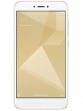 Xiaomi Redmi 4 64GB
Xiaomi Redmi Note 3 32GB
 Sony Xperia XA Dual
Xiaomi Redmi Note 3 32GB
 Lenovo K5 Note
Xiaomi Redmi Note 3 32GB
 Xiaomi Redmi Note 4
Xiaomi Redmi Note 3 32GB
 Apple iPhone 5s
Xiaomi Redmi Note 3 32GB
 Honor 5X


Xiaomi Redmi Note 3 32GB Specifications
General |
|
|---|---|
| Launch Date | March 9, 2016 (Official) |
| Operating System | Android v5.1 (Lollipop) |
| Custom UI | MIUI |
Performance
(Avg)
|
|
|---|---|
| Chipset | Qualcomm Snapdragon 650 MSM8956 |
| Processor | Hexa Core (1.8 GHz, Dual core, Cortex A72 + 1.2 GHz, Quad core, Cortex A53) |
| Architecture | 64 bit |
| Fabrication | 28 nm |
| Graphics (GPU) | Adreno 510 |
| RAM | 2 GB / 3 GB |
| RAM Type | LPDDR3 |
Benchmark Screenshots
AnTuTu Benchmark
Graphics Benchmark
Vellamo Metal Benchmark
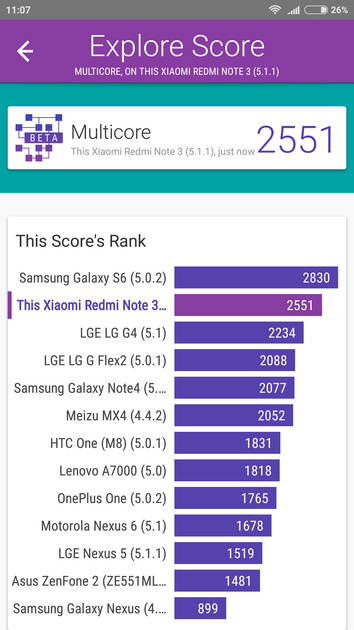
Vellamo Multicore Benchmark
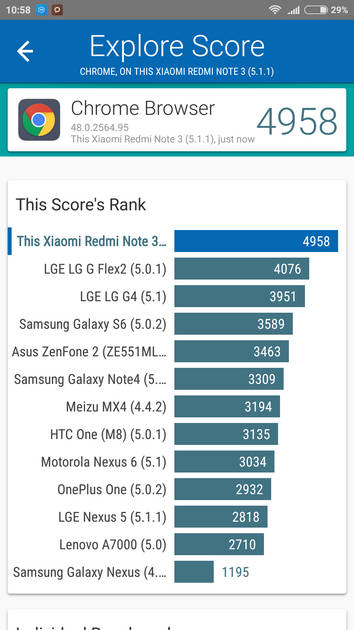
Vellamo Browser Benchmark
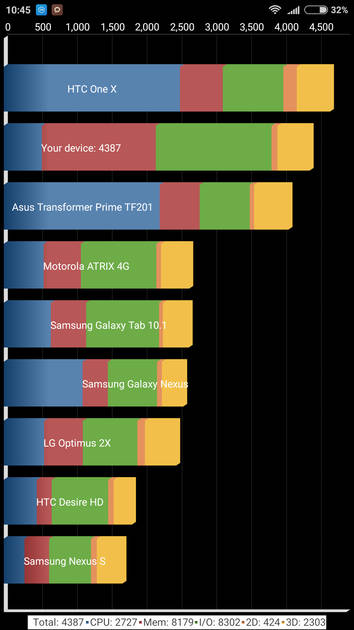
Quadrant Benchmark
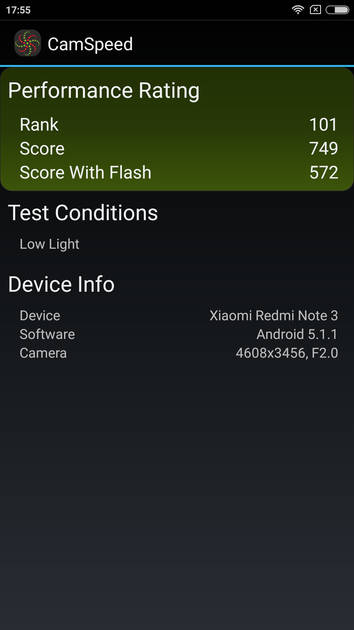
Camera Speed Benchmark
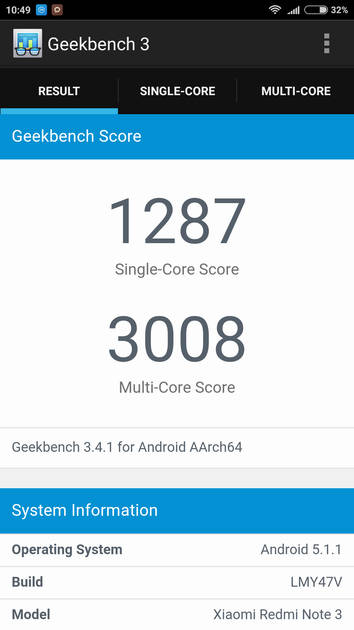
Geekbench3 Benchmark
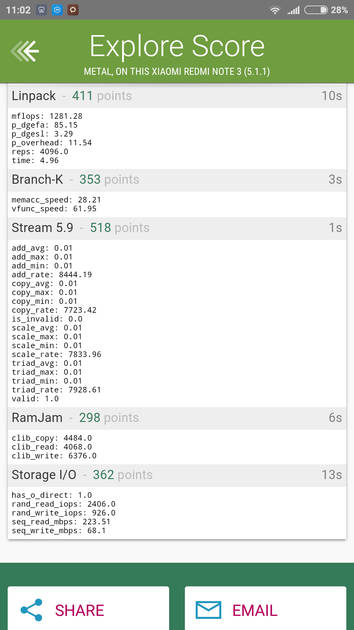
Linpack Benchmark
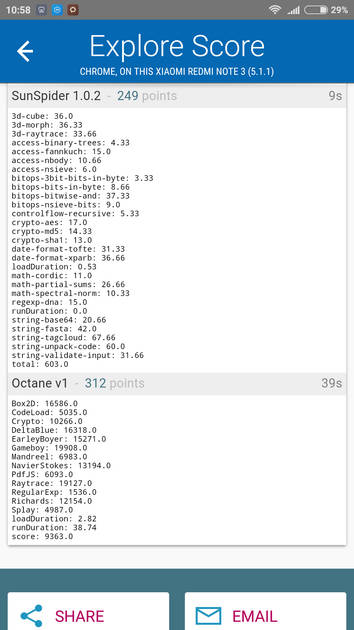
Sunspider Benchmark
|


Display
(Excellent)
|
|
|---|---|
| Display Type | IPS LCD |
| Screen Size | 5.5 inches (13.97 cm) |
| Resolution | 1080x1920 px (FULL HD) |
| Aspect Ratio | 16:9 |
| Pixel Density | 401 ppi |
| Screen to Body Ratio (calculated) | 72.98 % |
| Screen Protection | Yes |
UI Screenshots
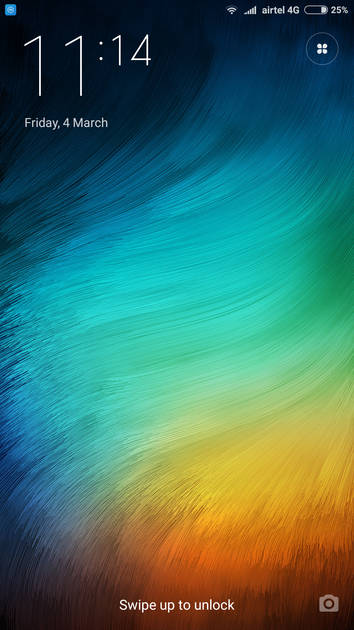
Lock Screen
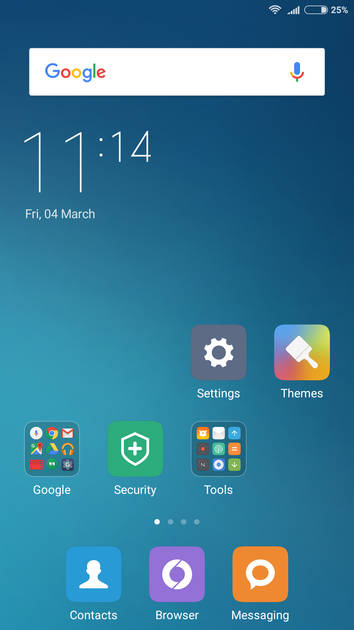
Home Screen
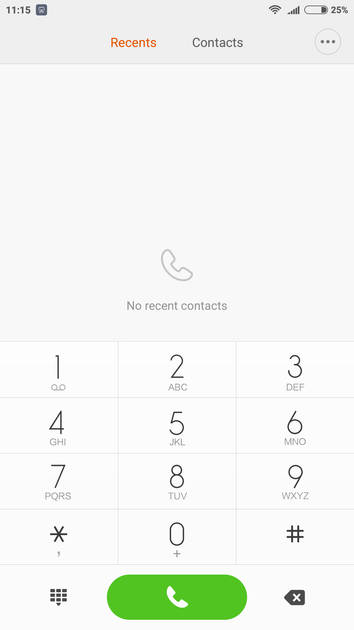
Dialer Screen
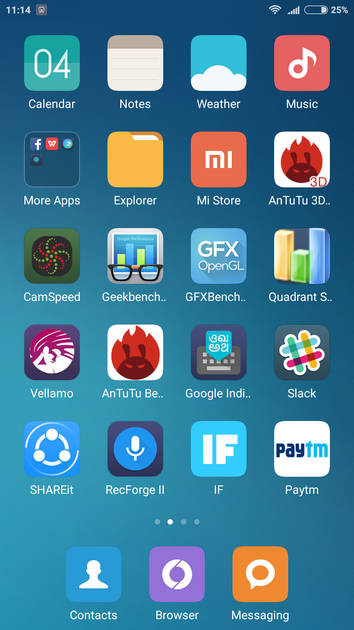
App Drawer
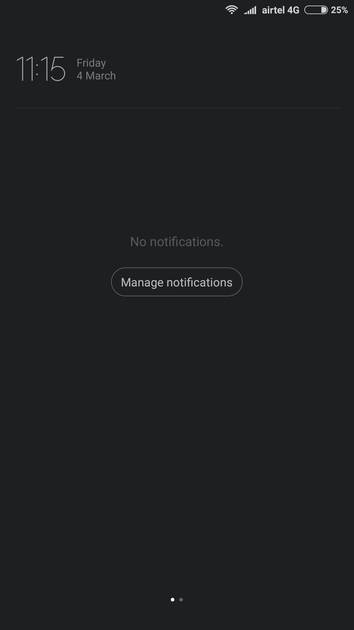
Notification Panel
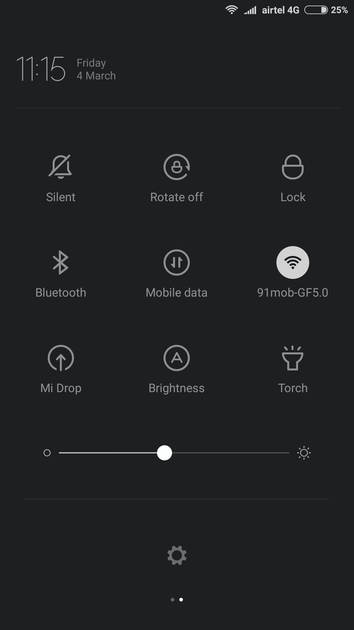
Quick Settings Panel
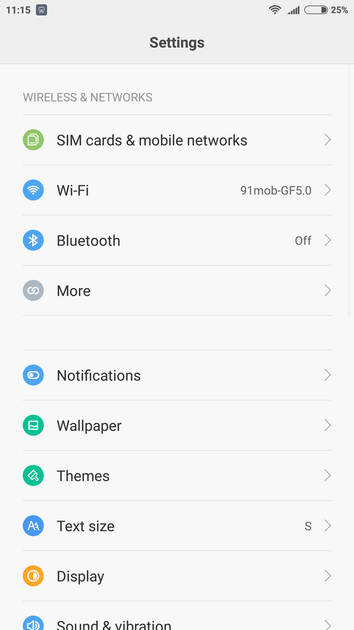
Settings Screen
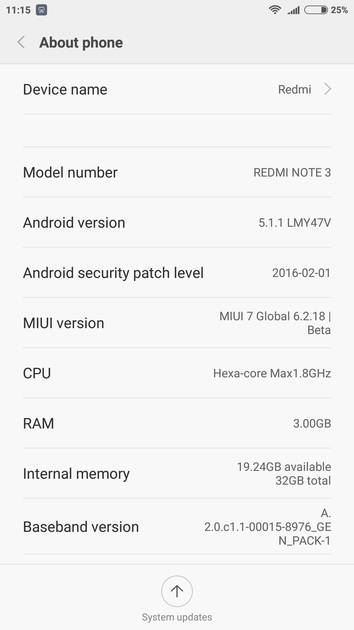
OS Version
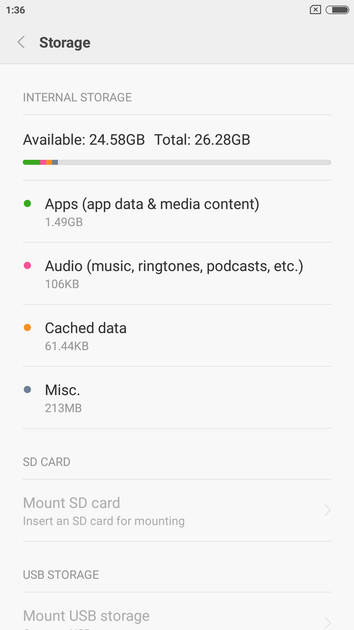
Storage
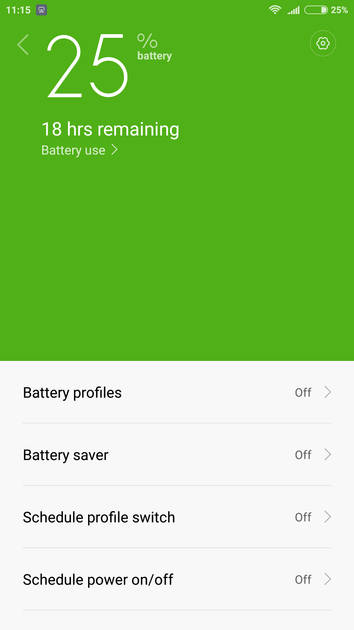
Battery

Camera On
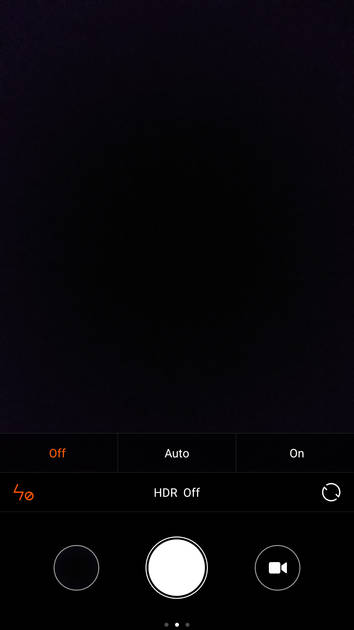
Camera Options

Camera Modes

Camera Settings
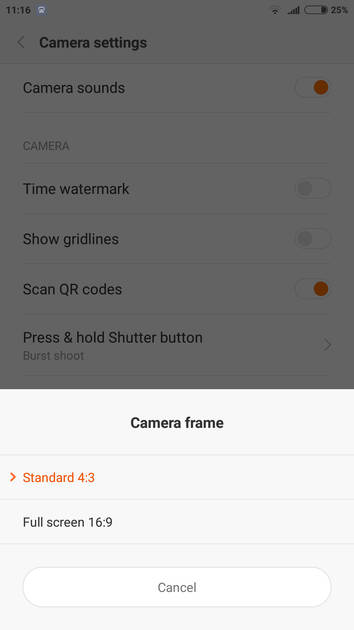
Picture Size Options
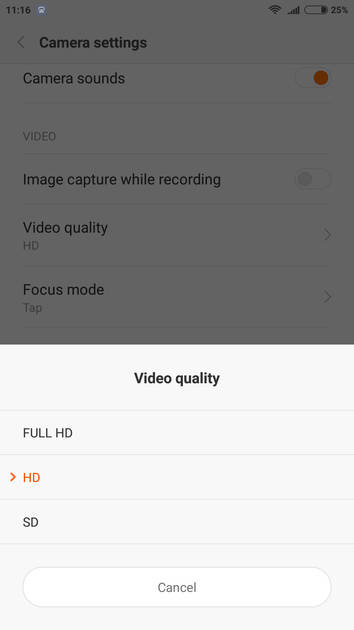
Video Size Options
|
Design |
|
|---|---|
| Height | 150 mm |
| Width | 76 mm |
| Thickness | 8.6 mm |
| Weight | 164 grams |
| Build Material | Back: Aluminium |
|
Click to View

|
Rear Camera
(Good)
|
||||||
|---|---|---|---|---|---|---|
| Resolution | ||||||
|
||||||
| Autofocus | Yes, Phase Detection Autofocus | |||||
| OIS | No | |||||
| Flash | Yes, Dual-color LED Flash | |||||
| Image Resolution | 4616 x 3464 Pixels | |||||
| Settings | Exposure compensation, ISO control | |||||
| Shooting Modes |
Continuous Shooting High Dynamic Range mode (HDR) |
|||||
| Camera Features |
Digital Zoom Auto Flash Digital image stabilization Face detection Touch to focus |
|||||
| Video Recording |
Full HD @30 fps HD @120 fps |
|||||
Rear Camera Samples

Close Up

Low Light

Low Light With Flash

Colour Variance
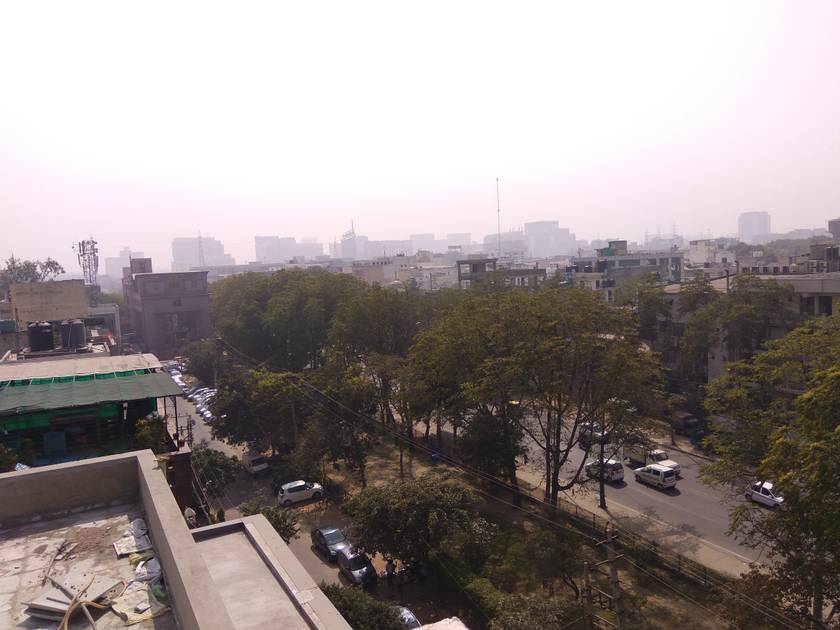
Long Shot
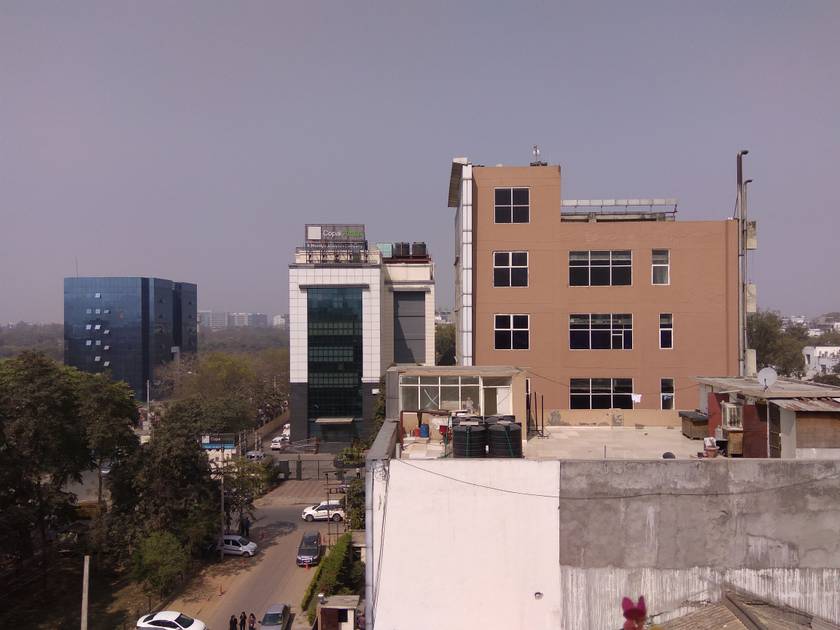
HDR Off
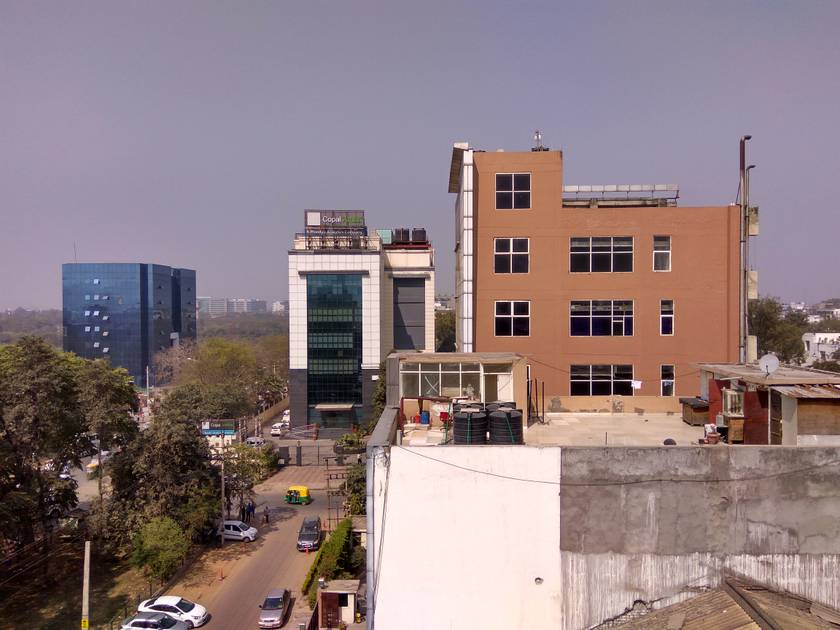
HDR On
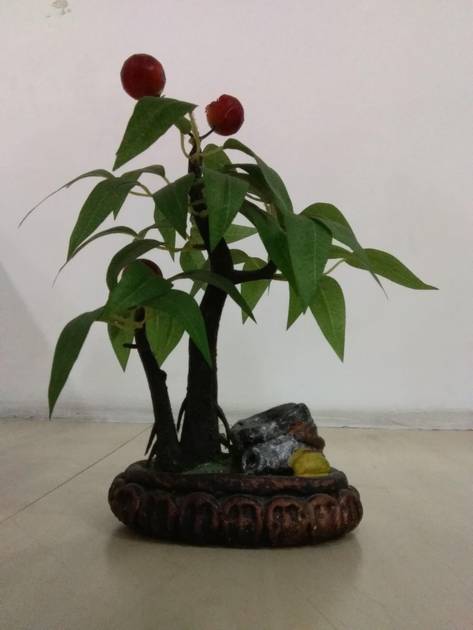
Front Shot
|
Front Camera
(Good)
|
||||||
|---|---|---|---|---|---|---|
| Resolution | ||||||
|
||||||
| Autofocus | No | |||||
| Flash | No | |||||
| Video Recording | Full HD @30 fps |
Battery
(Very Good)
|
|
|---|---|
| Capacity | 4050 mAh |
| Battery Type | Li-Polymer |
Storage |
|
|---|---|
| Internal Storage | 16 GB / 32 GB |
| Storage Type | eMMC 4.5 |
| Expandable Storage | Yes, Up to 32 GB |
Network & Connectivity |
|
|---|---|
| SIM Slot(s) | Dual SIM |
| SIM Type | SIM1: Micro, SIM2: Nano (Hybrid) |
| Network Support | 5G Not Supported, 4G |
| VoLTE | Yes |
| SIM 1 |
4G bands
Expand
|
| SIM 2 |
4G bands
Expand
|
| SAR Value | Head: 1.256 W/kg, Body: 1.102 W/kg |
| Wi-Fi | Yes, Wi-Fi 5 (802.11 a/b/g/n/ac) 5GHz |
| Wi-Fi Features | Wi-Fi Direct, Mobile Hotspot |
| Bluetooth | Yes, v4.1 |
| GPS | Yes with A-GPS, Glonass |
| NFC | No |
Multimedia |
|
|---|---|
| Audio Jack | 3.5 mm |
Sensors |
|
|---|---|
| Fingerprint Sensor | Yes |
| Fingerprint Sensor Position | Rear |
| Other Sensors | Light sensor, Proximity sensor, Accelerometer, Compass, Gyroscope |
Xiaomi Redmi Note 3 32GB User Reviews
Xiaomi Redmi Note 3 32GB Key Highlights
| Processor | Qualcomm Snapdragon 650 MSM8956 |
| RAM & Storage | 2 GB RAM + 16 GB 3 GB RAM + 32 GB |
| Display | 5.5", 1080 x 1920 Resolution |
| Rear Camera | 16 MP |
| Front Camera | 5 MP |
| Battery | 4050 mAh |




















Xiaomi Redmi Note 3 Price In India
| Product Name | Store | Price |
|---|---|---|
| Xiaomi Redmi Note 3 (3 GB + 32 GB) | Flipkart | ₹11,990 |
Popular Links
- All Upcoming Phones
- Upcoming Xiaomi Phones
- Xiaomi phones under 10k
- Xiaomi phones under 20k
- OPPO F35 Pro
- OPPO Find X10
- vivo S2 FE 5G
- Samsung Galaxy F70 5G
- OPPO Find X10 Pro Max
- Samsung Mobiles
- Motorola Mobiles
- vivo Mobiles
- OPPO Mobiles
- Tecno Mobiles
- realme Mobiles
- OnePlus Mobiles