
Asus ROG Phone 3 12GB RAM
+ Compare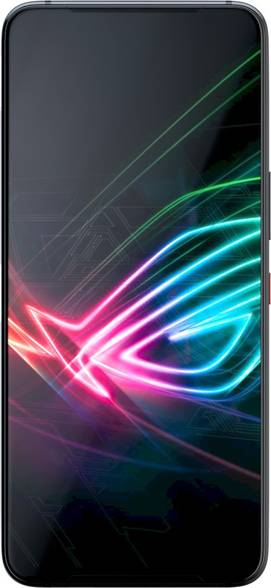
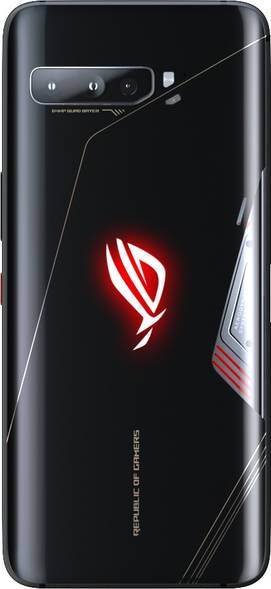




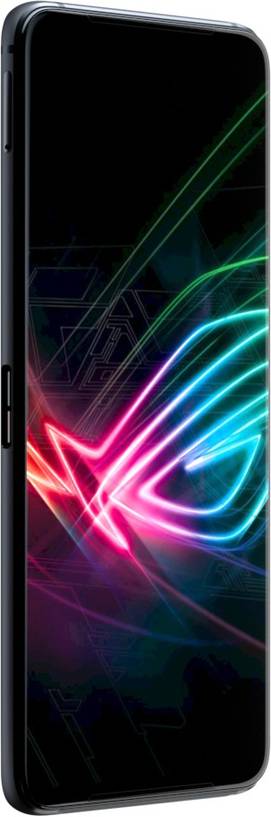
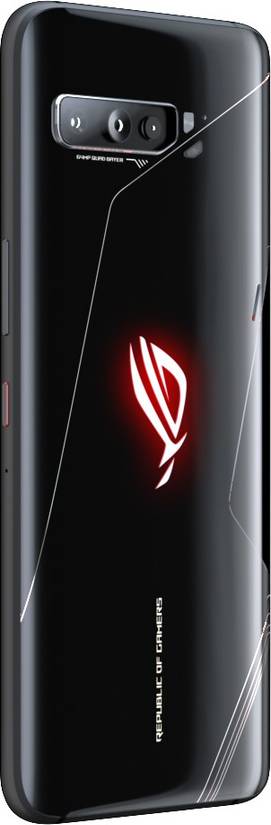
-
Design17

-
Rear Camera13

-
Front Camera4

-
360° View
![360° View]()
-
UI Screenshot17
![UI Screenshot]()
-
Videos2
![Videos]()



Key Specs
Performance
-
Qualcomm Snapdragon 865 Plus -
Octa core (3.1 GHz, Single Core + 2.42 GHz, Tri core + 1.8 GHz, Quad core) -
8 GB / 12 GB RAM, LPDDR5
Display
-
6.59 inches (16.74 cm); AMOLED -
1080x2340 px (FHD+) -
144 Hz Refresh Rate -
Gorilla Glass 6 Protection -
Bezel-less
Rear Camera
-
Triple Camera Setup - 64 MP Wide Angle Primary Camera
- 13 MP Ultra-Wide Angle Camera
- 5 MP Macro Camera
-
LED Flash -
8k @30 fps Video Recording
Front Camera
-
24 MP -
Screen flash -
Full HD @30 fps Video Recording
Battery
-
6000 mAh, Li-Polymer -
30W Hyper Charging v4.0; USB Type-C port
General
-
SIM1: Nano, SIM2: Nano -
5G Supported -
128 GB / 256 GB internal storage, Non Expandable
Asus ROG Phone 3 12GB RAM Prices in India
 Flipkart
Asus ROG Phone 3 12GB RAM Expert Review Summary
Expert Rating:
![Kshitij Pujari]()
Verdict
If it is the ultimate gaming smartphone that you are looking for, then ASUS ROG Phone 3 has delivered with what is quite likely the most powerful smartphone in the Indian market. However, if it is an everyday flagship that you want, the latest OnePlus 8 Pro (review) or the iQOO 3 (review) could be a more reasonable choice.
Pros
- Unreal speeds
- Highly colour accurate and smooth 144Hz display
- Best-in-class battery life
- Stereo speakers are amazing
Cons
- Quite heavy
- Cameras are average
- Iffy fingerprint scanner
- Design would appeal to a niche audience
Performance and software
+
If hardware specs were a kingdom then the ROG Phone 3 is the King. Whether it's the Apple iPhone 11 Pro Max (review) or the Samsung S20 Ultra (review) or the OnePlus 8 Pro, no one can top the ROG Phone 3 in terms of sheer processing prowess. Under the hood, is a Qualcomm Snapdragon 865+ chipset, a first in the world of smartphones. ASUS says that the SD865+ provides a 10 percent increase in graphical performance as compared to the Snapdragon 865. As usual, it wouldn't be a ROG Phone without a bit of CPU overclocking, and as such the 865+ on the device has a maximum frequency of 3.1GHz. This is significant because the ROG Phone 3 is the first phone to cross the 3.0GHz threshold after boosting the clock speeds last year to 2.91GHz. ASUS has worked with Qualcomm to customise the clock speeds manually for apps that are not processor intensive to conserve battery.Apart from the fastest mobile SoC, the ROG Phone 3 also packs in the fast UFS 3.1 storage with a capacity of 128GB or 265GB, although in Western markets you can get the 512GB variant as well. In the RAM department, ASUS has put the super-fast LPDDR5 but capped the limit at 12GB, while in other markets you can get an insane 16GB RAM version of the device as well. With all the flashy internals and overclocking, you can pretty much guess that the ROG Phone 3 kills it in all the benchmarks. On AnTuTu, the device registered the highest score I had ever seen on a smartphone in India at 606,769 which narrowly beats the iQOO 3 5G. On Geekbench 5, the ROG Phone 3 has single-core and multi-core scores of 948 and 2932 respectively while PCMark Work 2.0 revealed a score of 12,913. Even with all this brute force behind it, the ROG Phone 3 still manages to run cool for a very long time.I guess the real reason why anyone would by the ROG Phone 3 is to play extreme graphical games such as PUBG Mobile and Call of Duty Mobile. Now in case, it hasn't been made abundantly clear, the ROG Phone 3 is the fastest phone currently in the market which makes gaming on the device a breeze. It goes without saying that both PUBG Mobile and Call of Duty Mobile operate on the highest graphics and frame rate settings possible in the game. While neither game supports 144Hz refresh rate, there are zero frame drops at the highest frame rate settings even when I played continuously for over 2 hours. The ROG Phone 3 has a setting called the X Mode which includes perhaps the most extensive array of customisations that I have seen on a smartphone. You can change the clock speed of the processor and GPU, change the fan speed if you have the Aeroactive Cooler 3 attached and also check the current temperature of the device. Apart from that, you can also customise the sensitivity of the Air Trigger buttons and change the lighting of the RGB logo on the back. Each game can have a different profile customised to its performance needs. The ROG Phone 3 also brags of a touch latency of 25ms which ASUS claims is the lowest in the smartphone industry.The ROG Phone 3 employs an in-display fingerprint sensor which, for a phone that is centred around blazing fast speed, is surprisingly slow in terms of response. It is accurate for the most part but I had to resort to the pin code after multiple failed attempts. A special mention is definitely needed for the incredibly loud stereo speakers on the front. ASUS says that the ROG Phone 3's speakers have a seven-magnet design for a loud and crisp audio experience. They are quite possibly the loudest speakers I've heard on a smartphone and I was super impressed by the depth and bass that they produced. This time around the ASUS does not employ DTS:X for high-res audio through your earphones but has used the services of Swedish company Dirac to provide a new audio platform called GameFX. While I cannot directly compare DTS:X with GameFX, I can safely say that the sound signature is one of the best in class and extremely rich in detail.As far as software goes, the ROG Phone 3 runs a proprietary interface called the ROG UI which is based on Android 10. The aggressive gamer aesthetic from the hardware spills over into the core software of the ROG Phone 3 as has been the case for previous iterations of the device. I have already mentioned about X Mode and its various features to amplify the gaming experience. Other parts of the software are stock Android like, quite akin to ASUS' ZenUI found on the ZenFone series. The heavy-duty internals provide for the kind of fluid animations and smooth navigation that I have been seeing on previous versions of the device. BatteryThe original ROG Phone had been criticised quite heavily for its less than average battery performance and so ASUS has been making amends in that particular department. Like last year, the ROG Phone 3 packs in a 6,000mAh battery which is designed for delivering the longest gaming performance at the highest graphics settings. To that end, the ROG Phone 3 gave me about 3 hours of intensive PUBG Mobile gameplay at near full brightness before the battery drained out. It is the longest I've seen a phone last on a continuous run of PUBG Mobile. The entire test was carried out on an automatic refresh rate setting and X Mode on. Our standard battery test, which involves running a video on loop at half brightness and volume, gave a run time of 33 hours which is extremely good.For more casual usage, which involved streaming a lot of content on Netflix, YouTube, and social media browsing, there is no end to the phone's battery. At the end of the day, the ROG Phone 3 finished with 47 percent battery. It lasted nearly the entire second day as well when I finally put it to charge at around 6.00 pm. On the charging front, ASUS has a 30W charger inside the box, which is not the fastest out there when the likes of iQOO are packing in 65W chargers. However, the ROG Phone 3 manages to charge at 30W for a longer period of time which means that 50 percent of the phone's 6,000mAh cell is filled up in 30 minutes, while 75 percent can be done in 44 minutes. The speed will then trickle down to fill in the last 25 percent and the total time for a full charge will be around 1 hour 50 minutes. Given the long amount of time you get to play after a full charge, I'm quite satisfied with the charging speeds.CamerasI have kept the camera portion of the review for last as that appears to be the last priority for ASUS and rightly so. The audience for the device will not concern themselves with how good the colour reproduction on the sensor is or how detailed night photos are. Even so, when compared to the optics on the previous-gen ROG Phones, there are some sizeable improvements this time around. The ROG Phone 3 has a 64MP Sony IMX686 sensor which does not have any OIS or Laser autofocus capabilities. Apart from that, there is a 13MP ultra-wide sensor which has a 125-degree field of view. Finally, we have a 5MP macro camera with an f/2.0 aperture.The main camera is quite decent when operated in good lighting conditions. The pictures are crisp with plenty of details although there is slight oversaturation. I generally keep the auto HDR option on as it helps a lot with dynamic range and exposure calibration. AI-scene detection is an additional feature that adds more details to a shot based on the scenario but contrast levels can go slightly awry. You can manually also set the phone to click shots on 64MP mode but there is hardly a significant improvement in quality. The ultra-wide camera on the device is unimpressive in that it does have a wide field of view but its focus is very soft. As a result, quite a lot of detail in photos is smoothened out. The macro shooter doesn't fare that good as well. It has fixed focus and lower resolution which results in a less detailed photo with average colour reproduction.On the video front, the phone boasts of staggering 8K video recording capabilities but only at 30fps. 4K video can be recorded at 120fps while the standard 1080p video has 240fps slo-mo capabilities. The ROG Phone 3 also has a motion tracking feature wherein you can lock the focus on a moving object but I have seen that it works well only in very well lit environments. Low-light photography is good but not great on the ROG Phone 3. Without the dedicated night mode, the device clicks grainy photos with details dropping exponentially as the lighting dips. In that regard, the dual-LED flash helps to light up a closed space quite well. If you are not into flash photography, the night mode can help out quite a bit with pleasing colours in scenarios where there is street lighting. However, detailing is generally not its strong suit with the camera opting for oversharpening a lot.This leaves us with the front camera that has a 24MP selfie camera that also uses pixel-binning to produce fairly detailed 6MP shots. In the day you will be getting good quality selfies with less smoothening that I was expecting. In low light, there is no saving the camera. The selfies are quite terrible and lack any exposure unless you use a front flash in which only helps the sensor slightly.Final VerdictSo where do we stand on the ROG Phone 3? There is no device like it so there is really no comparing it with the competition. The market for gaming smartphones is still a tad niche and there are only a few phones that cater to that need. That being said, mobile gaming has become what it is thanks to PUBG Mobile. I have reviewed many phones cheaper than the ROG Phone 3 such as the OnePlus 8, iQOO 3, and the Realme X50 Pro, all of which pack in Qualcomm's Snapdragon 865 chipset and can run the game for a significant amount of time without any lag. What sets the ROG Phone apart are the customisation options to overclock the CPU and the wide amount of accessories that you can attach with the device.There are features that seem overkill, such as a 144Hz display which no game currently can leverage, but then the device does provide a stellar battery experience which no phone in its price range can match. I think that the ROG Phone 3, like all the previous two versions, is not a device meant for everyone. With its weighty and cumbersome design, unimpressive camera performance, and nuanced gamer aesthetics, the ROG Phone is not something that will appeal to the masses. For its price, the OnePlus 8 Pro provides a more wholesome smartphone experience in terms of general usage. However, if you are a mobile gamer who wants nothing but the best to boost their gaming experience, there is no way you can go wrong with ROG Phone 3. ASUS has done what ASUS does well with its gaming laptop lineup, which is provide the best performance money can buy.Editor's rating : 4 / 5ProsUnreal speedsHighly colour accurate and smooth 144Hz displayGreat gaming featuresBest-in-class battery lifeStereo speakers are amazingConsQuite heavyCameras are averageIffy fingerprint scannerDesign would appeal to a niche audience
Read More
Read full Review

Verdict
If it is the ultimate gaming smartphone that you are looking for, then ASUS ROG Phone 3 has delivered with what is quite likely the most powerful smartphone in the Indian market. However, if it is an everyday flagship that you want, the latest OnePlus 8 Pro (review) or the iQOO 3 (review) could be a more reasonable choice.
- Unreal speeds
- Highly colour accurate and smooth 144Hz display
- Best-in-class battery life
- Stereo speakers are amazing
Pros
- Quite heavy
- Cameras are average
- Iffy fingerprint scanner
- Design would appeal to a niche audience
Cons
Performance and software
+If hardware specs were a kingdom then the ROG Phone 3 is the King. Whether it's the Apple iPhone 11 Pro Max (review) or the Samsung S20 Ultra (review) or the OnePlus 8 Pro, no one can top the ROG Phone 3 in terms of sheer processing prowess. Under the hood, is a Qualcomm Snapdragon 865+ chipset, a first in the world of smartphones. ASUS says that the SD865+ provides a 10 percent increase in graphical performance as compared to the Snapdragon 865. As usual, it wouldn't be a ROG Phone without a bit of CPU overclocking, and as such the 865+ on the device has a maximum frequency of 3.1GHz. This is significant because the ROG Phone 3 is the first phone to cross the 3.0GHz threshold after boosting the clock speeds last year to 2.91GHz. ASUS has worked with Qualcomm to customise the clock speeds manually for apps that are not processor intensive to conserve battery.Apart from the fastest mobile SoC, the ROG Phone 3 also packs in the fast UFS 3.1 storage with a capacity of 128GB or 265GB, although in Western markets you can get the 512GB variant as well. In the RAM department, ASUS has put the super-fast LPDDR5 but capped the limit at 12GB, while in other markets you can get an insane 16GB RAM version of the device as well. With all the flashy internals and overclocking, you can pretty much guess that the ROG Phone 3 kills it in all the benchmarks. On AnTuTu, the device registered the highest score I had ever seen on a smartphone in India at 606,769 which narrowly beats the iQOO 3 5G. On Geekbench 5, the ROG Phone 3 has single-core and multi-core scores of 948 and 2932 respectively while PCMark Work 2.0 revealed a score of 12,913. Even with all this brute force behind it, the ROG Phone 3 still manages to run cool for a very long time.I guess the real reason why anyone would by the ROG Phone 3 is to play extreme graphical games such as PUBG Mobile and Call of Duty Mobile. Now in case, it hasn't been made abundantly clear, the ROG Phone 3 is the fastest phone currently in the market which makes gaming on the device a breeze. It goes without saying that both PUBG Mobile and Call of Duty Mobile operate on the highest graphics and frame rate settings possible in the game. While neither game supports 144Hz refresh rate, there are zero frame drops at the highest frame rate settings even when I played continuously for over 2 hours. The ROG Phone 3 has a setting called the X Mode which includes perhaps the most extensive array of customisations that I have seen on a smartphone. You can change the clock speed of the processor and GPU, change the fan speed if you have the Aeroactive Cooler 3 attached and also check the current temperature of the device. Apart from that, you can also customise the sensitivity of the Air Trigger buttons and change the lighting of the RGB logo on the back. Each game can have a different profile customised to its performance needs. The ROG Phone 3 also brags of a touch latency of 25ms which ASUS claims is the lowest in the smartphone industry.The ROG Phone 3 employs an in-display fingerprint sensor which, for a phone that is centred around blazing fast speed, is surprisingly slow in terms of response. It is accurate for the most part but I had to resort to the pin code after multiple failed attempts. A special mention is definitely needed for the incredibly loud stereo speakers on the front. ASUS says that the ROG Phone 3's speakers have a seven-magnet design for a loud and crisp audio experience. They are quite possibly the loudest speakers I've heard on a smartphone and I was super impressed by the depth and bass that they produced. This time around the ASUS does not employ DTS:X for high-res audio through your earphones but has used the services of Swedish company Dirac to provide a new audio platform called GameFX. While I cannot directly compare DTS:X with GameFX, I can safely say that the sound signature is one of the best in class and extremely rich in detail.As far as software goes, the ROG Phone 3 runs a proprietary interface called the ROG UI which is based on Android 10. The aggressive gamer aesthetic from the hardware spills over into the core software of the ROG Phone 3 as has been the case for previous iterations of the device. I have already mentioned about X Mode and its various features to amplify the gaming experience. Other parts of the software are stock Android like, quite akin to ASUS' ZenUI found on the ZenFone series. The heavy-duty internals provide for the kind of fluid animations and smooth navigation that I have been seeing on previous versions of the device. BatteryThe original ROG Phone had been criticised quite heavily for its less than average battery performance and so ASUS has been making amends in that particular department. Like last year, the ROG Phone 3 packs in a 6,000mAh battery which is designed for delivering the longest gaming performance at the highest graphics settings. To that end, the ROG Phone 3 gave me about 3 hours of intensive PUBG Mobile gameplay at near full brightness before the battery drained out. It is the longest I've seen a phone last on a continuous run of PUBG Mobile. The entire test was carried out on an automatic refresh rate setting and X Mode on. Our standard battery test, which involves running a video on loop at half brightness and volume, gave a run time of 33 hours which is extremely good.For more casual usage, which involved streaming a lot of content on Netflix, YouTube, and social media browsing, there is no end to the phone's battery. At the end of the day, the ROG Phone 3 finished with 47 percent battery. It lasted nearly the entire second day as well when I finally put it to charge at around 6.00 pm. On the charging front, ASUS has a 30W charger inside the box, which is not the fastest out there when the likes of iQOO are packing in 65W chargers. However, the ROG Phone 3 manages to charge at 30W for a longer period of time which means that 50 percent of the phone's 6,000mAh cell is filled up in 30 minutes, while 75 percent can be done in 44 minutes. The speed will then trickle down to fill in the last 25 percent and the total time for a full charge will be around 1 hour 50 minutes. Given the long amount of time you get to play after a full charge, I'm quite satisfied with the charging speeds.CamerasI have kept the camera portion of the review for last as that appears to be the last priority for ASUS and rightly so. The audience for the device will not concern themselves with how good the colour reproduction on the sensor is or how detailed night photos are. Even so, when compared to the optics on the previous-gen ROG Phones, there are some sizeable improvements this time around. The ROG Phone 3 has a 64MP Sony IMX686 sensor which does not have any OIS or Laser autofocus capabilities. Apart from that, there is a 13MP ultra-wide sensor which has a 125-degree field of view. Finally, we have a 5MP macro camera with an f/2.0 aperture.The main camera is quite decent when operated in good lighting conditions. The pictures are crisp with plenty of details although there is slight oversaturation. I generally keep the auto HDR option on as it helps a lot with dynamic range and exposure calibration. AI-scene detection is an additional feature that adds more details to a shot based on the scenario but contrast levels can go slightly awry. You can manually also set the phone to click shots on 64MP mode but there is hardly a significant improvement in quality. The ultra-wide camera on the device is unimpressive in that it does have a wide field of view but its focus is very soft. As a result, quite a lot of detail in photos is smoothened out. The macro shooter doesn't fare that good as well. It has fixed focus and lower resolution which results in a less detailed photo with average colour reproduction.On the video front, the phone boasts of staggering 8K video recording capabilities but only at 30fps. 4K video can be recorded at 120fps while the standard 1080p video has 240fps slo-mo capabilities. The ROG Phone 3 also has a motion tracking feature wherein you can lock the focus on a moving object but I have seen that it works well only in very well lit environments. Low-light photography is good but not great on the ROG Phone 3. Without the dedicated night mode, the device clicks grainy photos with details dropping exponentially as the lighting dips. In that regard, the dual-LED flash helps to light up a closed space quite well. If you are not into flash photography, the night mode can help out quite a bit with pleasing colours in scenarios where there is street lighting. However, detailing is generally not its strong suit with the camera opting for oversharpening a lot.This leaves us with the front camera that has a 24MP selfie camera that also uses pixel-binning to produce fairly detailed 6MP shots. In the day you will be getting good quality selfies with less smoothening that I was expecting. In low light, there is no saving the camera. The selfies are quite terrible and lack any exposure unless you use a front flash in which only helps the sensor slightly.Final VerdictSo where do we stand on the ROG Phone 3? There is no device like it so there is really no comparing it with the competition. The market for gaming smartphones is still a tad niche and there are only a few phones that cater to that need. That being said, mobile gaming has become what it is thanks to PUBG Mobile. I have reviewed many phones cheaper than the ROG Phone 3 such as the OnePlus 8, iQOO 3, and the Realme X50 Pro, all of which pack in Qualcomm's Snapdragon 865 chipset and can run the game for a significant amount of time without any lag. What sets the ROG Phone apart are the customisation options to overclock the CPU and the wide amount of accessories that you can attach with the device.There are features that seem overkill, such as a 144Hz display which no game currently can leverage, but then the device does provide a stellar battery experience which no phone in its price range can match. I think that the ROG Phone 3, like all the previous two versions, is not a device meant for everyone. With its weighty and cumbersome design, unimpressive camera performance, and nuanced gamer aesthetics, the ROG Phone is not something that will appeal to the masses. For its price, the OnePlus 8 Pro provides a more wholesome smartphone experience in terms of general usage. However, if you are a mobile gamer who wants nothing but the best to boost their gaming experience, there is no way you can go wrong with ROG Phone 3. ASUS has done what ASUS does well with its gaming laptop lineup, which is provide the best performance money can buy.Editor's rating : 4 / 5ProsUnreal speedsHighly colour accurate and smooth 144Hz displayGreat gaming featuresBest-in-class battery lifeStereo speakers are amazingConsQuite heavyCameras are averageIffy fingerprint scannerDesign would appeal to a niche audience
Read MorePopular Comparisons


Asus ROG Phone 3 12GB RAM Specifications
General |
|
|---|---|
| Launch Date | October 16, 2020 (Official) |
| Operating System | Android v10 (Q) |
| Custom UI | ROG UI |
Performance
(Very Good)
|
||||
|---|---|---|---|---|
| Chipset | Qualcomm Snapdragon 865 Plus View Details | |||
| Processor | Octa core (3.1 GHz, Single core, Kryo 585 + 2.42 GHz, Tri core, Kryo 585 + 1.8 GHz, Quad core, Kryo 585) | |||
| Architecture | 64 bit | |||
| Fabrication | 7 nm | |||
| Graphics (GPU) | Adreno 650 | |||
| RAM | 8 GB / 12 GB | |||
| RAM Type | LPDDR5 | |||
|
Gaming Test Results

* after 30 mins of gaming
|
||||
Benchmark Screenshots
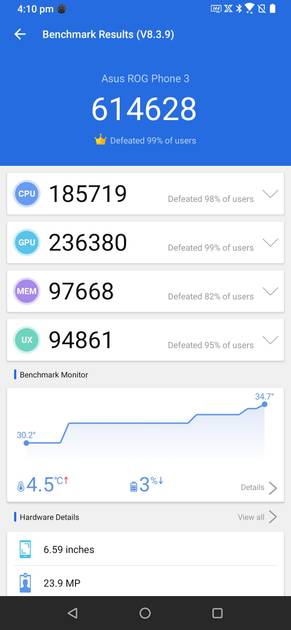
AnTuTu Benchmark
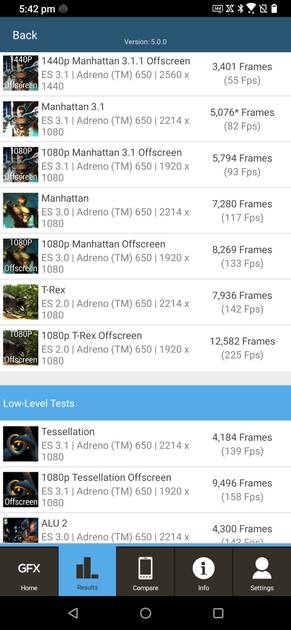
Graphics Benchmark
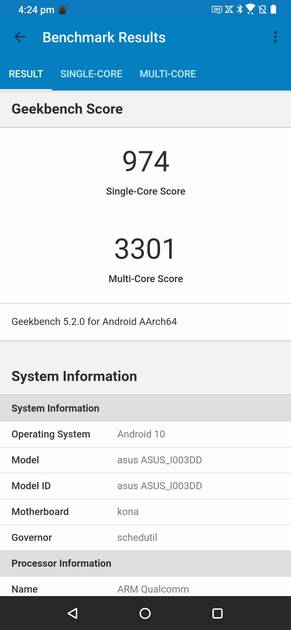
GeekBench5 Benchmark
|
Display
(Excellent)
|
|
|---|---|
| Display Type | AMOLED |
| Screen Size | 6.59 inches (16.74 cm) |
| Resolution | 1080x2340 px (FHD+) |
| Brightness | 650 nits |
| Refresh Rate | 144 Hz |
| Aspect Ratio | 19.5:9 |
| Pixel Density | 391 ppi |
| Screen to Body Ratio (calculated) | 79.75 % |
| Screen Protection | Corning Gorilla |
| Bezel-less Display | Yes |
| HDR 10 / HDR+ Support | Yes, HDR 10+ |
UI Screenshots
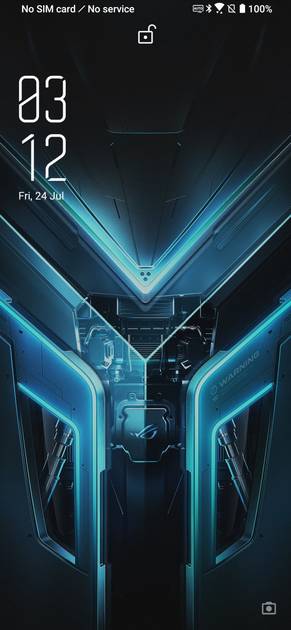
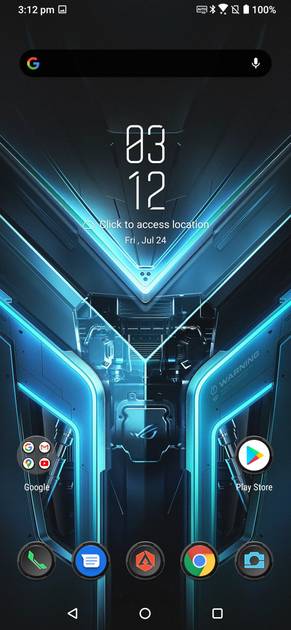
Lock Screen
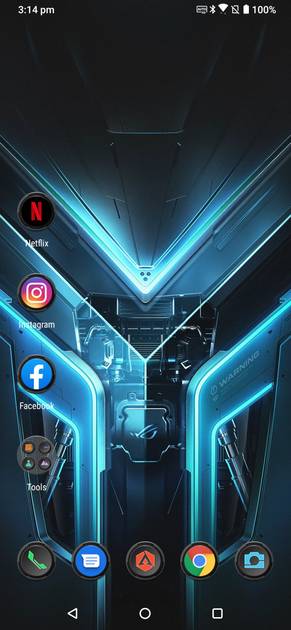
Home Screen
Screen With Widgets
Dialer Screen
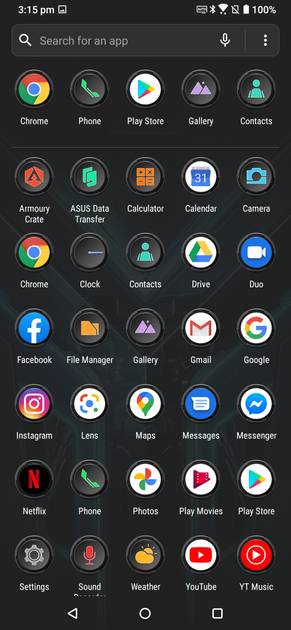
App Drawer
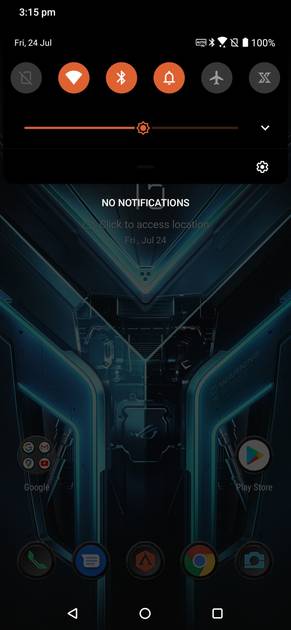
Notification Panel
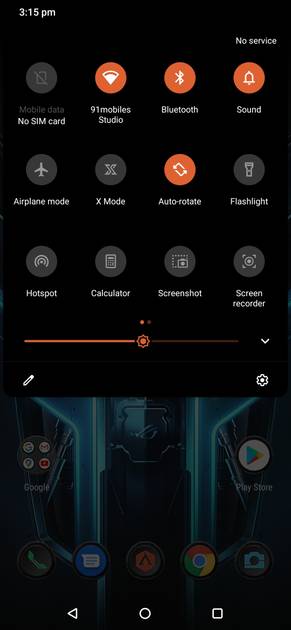
Quick Settings Panel

Settings Screen
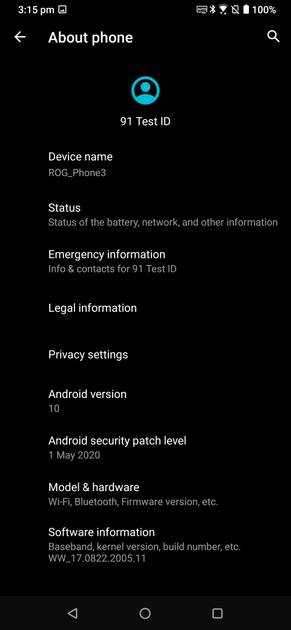
OS Version

Storage
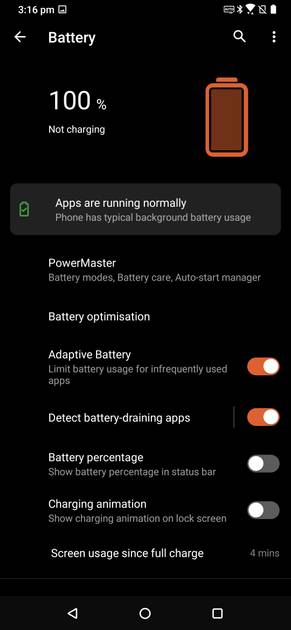
Battery
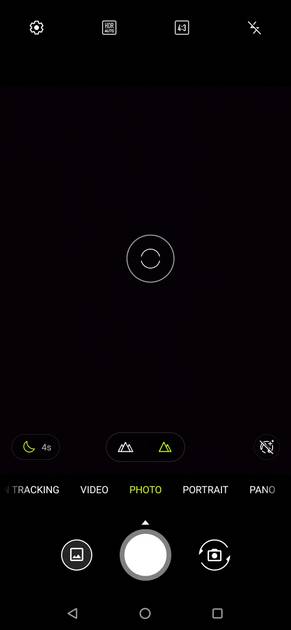
Camera On

Camera Options

Camera Modes
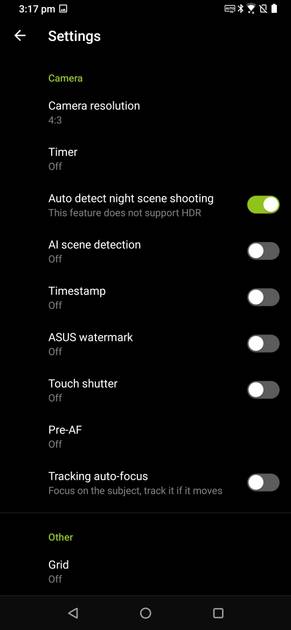
Camera Settings
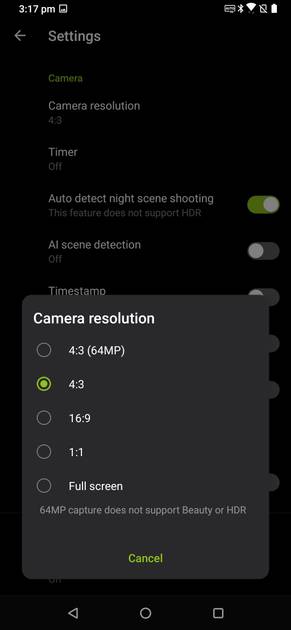
Picture Size Options
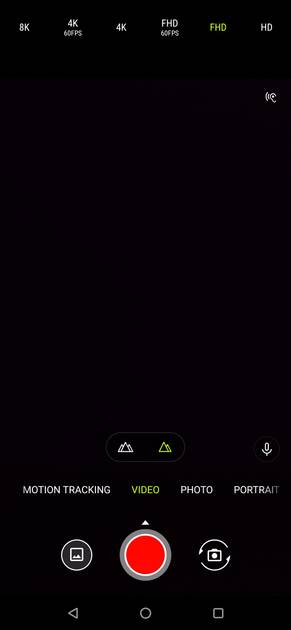
Video Size Options
|
Design |
|
|---|---|
| Height | 171 mm |
| Width | 78 mm |
| Thickness | 9.85 mm |
| Weight | 240 grams |
| Build Material | Back: Gorilla Glass |
|
Click to View

|
Rear Camera
(Very Good)
|
||||||||||||||||||||||||||||||||
|---|---|---|---|---|---|---|---|---|---|---|---|---|---|---|---|---|---|---|---|---|---|---|---|---|---|---|---|---|---|---|---|---|
| Resolution | ||||||||||||||||||||||||||||||||
|
||||||||||||||||||||||||||||||||
| Autofocus | Yes, Phase Detection Autofocus | |||||||||||||||||||||||||||||||
| Flash | Yes, LED Flash | |||||||||||||||||||||||||||||||
| Image Resolution | 9000 x 7000 Pixels | |||||||||||||||||||||||||||||||
| Settings | Exposure compensation, ISO control | |||||||||||||||||||||||||||||||
| Shooting Modes |
Continuous Shooting High Dynamic Range mode (HDR) |
|||||||||||||||||||||||||||||||
| Camera Features |
Digital Zoom Auto Flash Face detection Touch to focus |
|||||||||||||||||||||||||||||||
| Video Recording |
8k @30 fps 4k @60 fps Full HD @240 fps HD @480 fps |
|||||||||||||||||||||||||||||||
Rear Camera Samples

Wide Angle

Portrait Shot

Night Mode OFF

Night Mode ON

Close Up

Low Light

Low Light With Flash
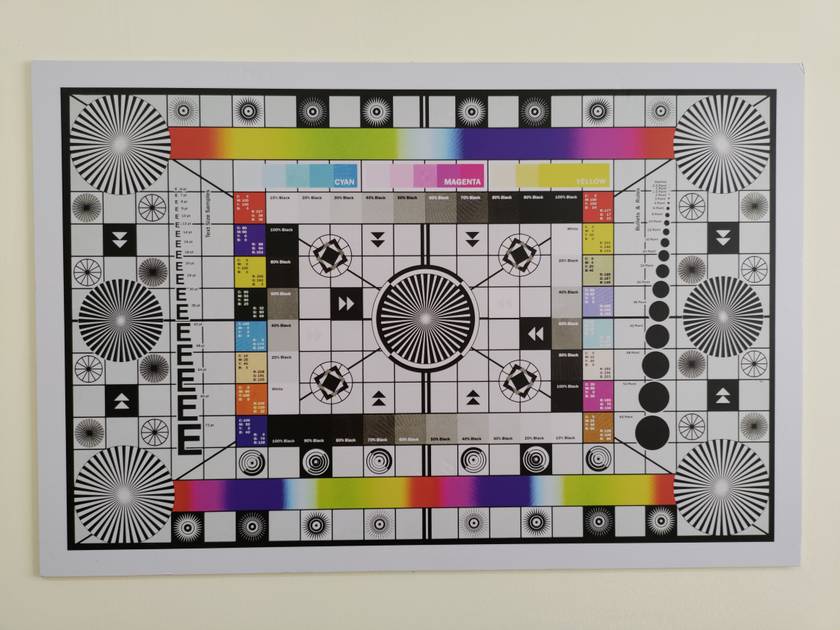
Colour Variance

Daylight Auto / HDR OFF

Daylight / HDR ON

AI OFF

AI ON

Macro
|
Front Camera
(Very Good)
|
||||||||||
|---|---|---|---|---|---|---|---|---|---|---|
| Resolution | ||||||||||
|
||||||||||
| Flash | Yes, Screen flash | |||||||||
| Video Recording |
Full HD @30 fps HD @30 fps |
|||||||||
Front Camera Samples

Selfie

Selfie Portrait

Selfie Low Light

Selfie Low Light With Flash
|
Battery
(Very Good)
|
||||
|---|---|---|---|---|
| Capacity | 6000 mAh | |||
| Battery Type | Li-Polymer | |||
| TalkTime | Up to 38.6 Hours(4G) | |||
| Quick Charging | Yes, 30W Hyper Charging v4.0 | |||
| Reverse Charging | Yes | |||
|
Battery Test Results
|
Storage |
|
|---|---|
| Internal Storage | 128 GB / 256 GB |
| Storage Type | UFS 3.1 |
| Expandable Storage | No |
Network & Connectivity |
|
|---|---|
| SIM Slot(s) | Dual SIM |
| SIM Type | SIM1: Nano, SIM2: Nano |
| Network Support | 5G, 4G |
| VoLTE | Yes |
| SIM 1 |
5G bands, 4G bands
Expand
|
| SIM 2 |
4G bands
Expand
|
| SAR Value | Head: 0.736 W/kg, Body: 1.497 W/kg |
| Wi-Fi | Yes, Wi-Fi 6 (802.11 b/g/n/ax) 5GHz |
| Wi-Fi Features | Mobile Hotspot |
| Bluetooth | Yes, v5.1 |
| GPS | Yes with A-GPS, Glonass |
| NFC | Yes |
Multimedia |
|
|---|---|
| Audio Jack | USB Type-C |
Sensors |
|
|---|---|
| Fingerprint Sensor | Yes |
| Fingerprint Sensor Position | On-screen |
| Fingerprint Sensor Type | Optical |
| Other Sensors | Light sensor, Proximity sensor, Accelerometer, Compass, Gyroscope |
Asus ROG Phone 3 12GB RAM User Reviews
Asus ROG Phone 3 12GB RAM Key Highlights
| Processor | Qualcomm Snapdragon 865 Plus |
| RAM & Storage | 8 GB RAM + 128 GB 12 GB RAM + 128 GB 12 GB RAM + 256 GB |
| Display | 6.59", 1080 x 2340 Resolution |
| Rear Camera | 64 MP + 13 MP + 5 MP |
| Front Camera | 24 MP |
| Battery | 6000 mAh |





















Asus ROG Phone 3 Price In India
| Product Name | Store | Price |
|---|---|---|
| Asus ROG Phone 3 (8 GB + 128 GB) | Flipkart | ₹55,999 |
| Asus ROG Phone 3 (12 GB + 128 GB) | Flipkart | ₹57,999 |
| Asus ROG Phone 3 (12 GB + 256 GB) | Flipkart | ₹65,999 |
Popular Links
- All Upcoming Phones
- Samsung Galaxy F70 5G
- vivo S2 FE 5G
- OPPO Find X10
- OPPO Find X10 Pro Max
- Infinix GT 50 Pro
- Samsung Mobiles
- Motorola Mobiles
- vivo Mobiles
- OPPO Mobiles
- Tecno Mobiles
- realme Mobiles
- OnePlus Mobiles