
Asus Zenfone Max Pro M1 6GB RAM
+ Compare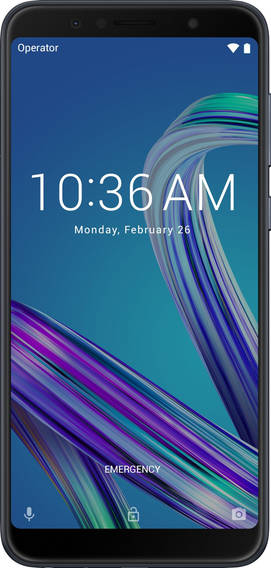


-
Design6

-
Rear Camera8

-
360° View

-
UI Screenshot17
![UI Screenshot]()
-
Benchmarks10
![Benchmarks]()


Key Specs
Performance
-
Qualcomm Snapdragon 636 -
Octa core (1.8 GHz, Quad Core + 1.6 GHz, Quad core) -
6 GB RAM, LPDDR4X
Display
-
5.99 inches (15.21 cm); IPS LCD -
1080x2160 px (FHD+) -
Bezel-less
Rear Camera
-
Dual Camera Setup - 16 MP Primary Camera
- 5 MP Depth Camera
-
LED Flash -
4k @30 fps Video Recording
Front Camera
-
16 MP -
Soft light flash
Battery
-
5000 mAh, Li-ion -
10W Fast Charging
General
-
SIM1: Nano, SIM2: Nano -
5G Not Supported -
64 GB internal storage, Expandable upto 2 TB
Asus Zenfone Max Pro M1 6GB RAM Prices in India
 Flipkart
Asus Zenfone Max Pro M1 6GB RAM Compare Camera Samples









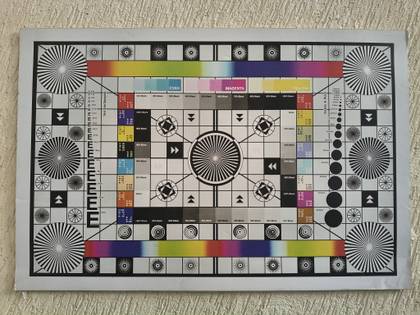
Asus Zenfone Max Pro M1 6GB RAM Expert Review Summary
Expert Rating:
![Prateek Pandey]()
Verdict
It goes without saying, if you already ownthe earlier variant of the ZenFone Max Pro M1, then you need not upgrade to the newer 6GB RAM model. However, if you are in the market for a new smartphone which can click good selfies, then you should definitely consider the newer ZenFone Max Pro M1 over the previous model.If you re confused between the Xiaomi Redmi Note 5 Pro and the newer ZenFone Max Pro M1, then we can assure you that ASUS offering is likely to impress you with its performance, no frills Android experience and battery life. However, you ll have to wait for our in-depth camera compa...
Read Full Verdict
Pros
- Solid performance
- Excellent battery life
- Good cameras
Cons
- HDR mode for the rear camera needs work
- No USB Type-C port
What's the same
+
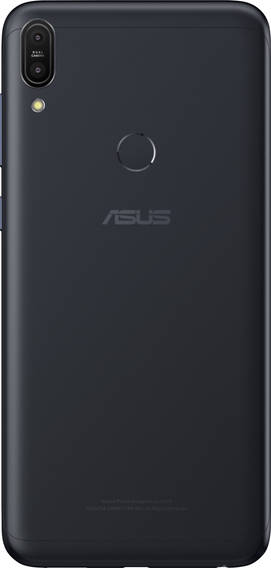
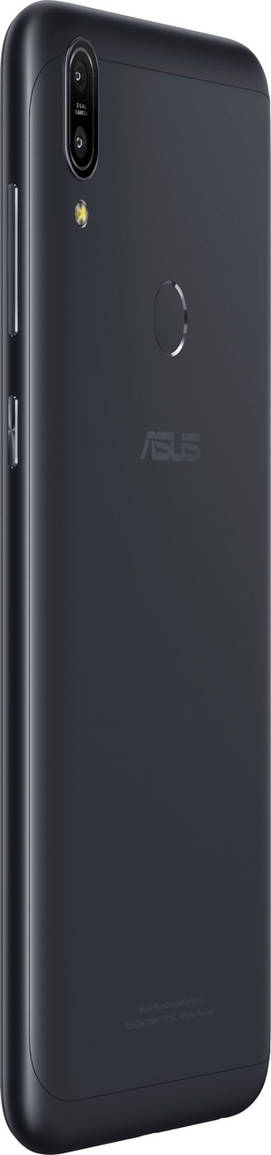
ASUS has done a OnePlus with the latest variant of the Zenfone Max Pro M1, and barring the smartphone's performance and the camera quality, the newer model is identical to its predecessor which was launched a while back. To put things into perspective, you'll get the same unibody metal design with the newer Zenfone Max Pro M1, which feels solid and well constructed.The smartphone's window to the world is a 5.99-inch FHD+ IPS panel which exhibits punchy and pleasing colours. Moreover, the display has excellent viewing angles and gets plenty bright, allowing you to use the smartphone effortlessly under direct sunlight. Much to our dismay, we did notice that the display has slight backlit bleeding, though it didn't mar the experience of consuming media on the smartphone.The ports and button placement remain the same too, which means you'll find the fingerprint sensor positioned towards the back of the device and a micro-USB port at the bottom of the unit. The fingerprint sensor worked flawlessly during our testing too.The original Zenfone Max Pro M1's primary camera clicked really good pictures and therefore, we aren't opposed to seeing the same sensors on the newer variant too. Spec-wise, the handset features 16MP and 5MP sensors at the back, which click vibrant and detailed shots in well-lit scenarios. We were impressed with the smartphone's ability to click portraits too as the handset manages to differentiate between the subject and the background quite effectively. On the flip side, the smartphone's lowlight performance is nothing to write home about.The only sore point which sticks out to us is the handset's built-in HDR mode, which for some reason was adding a greyish tint to the images, making the scene look unnatural. To get a better picture (pun unintended), feel free to browse through some of the shots we took with the newer Zenfone Max Pro M1.Lastly, the newer Zenfone Max Pro M1 also boots a near-stock version of Android Oreo from the get-go and is fuelled by a massive 5,000mAh battery. Unsurprisingly, the handset managed to see us through the end of a heavy day with ease with plenty of juice still in the tank by the time we hit the bed. On a separate day, we managed to play PUBG continuously for three hours, and the handset still had around 20 percent battery to spare.If you'd like more details on the smartphone's design, display, or battery life, make sure to read our review of the original Zenfone Max Pro M1.
Read More
What's different?
+
When we reviewed the older version of the Zenfone Max Pro M1, the smartphone's 8MP selfie camera left us wanting for more. Thankfully, ASUS has addressed the criticism by furnishing the newer model with a 16MP sensor. So, does the spec-bump translate into a noticeable difference in the quality of selfies? Well, we're happy to report that the smartphone's front camera managed to impress us this time around with its detailed, true-to-life selfies. As can be seen from the sample shots we've attached, the selfie shooter captures a ton of details in well-lit scenarios and doesn't over-expose the background of the subject either.Selfies taken in the dark don't look all that bad either, thanks in no small part to the smartphone's front-facing LED flash which does a good job of illuminating the scene. That being said, the portrait mode is still a bit iffy as it softens the edges and borders of the subject. All in all, the smartphone's selfie camera has certainly seen a lot of improvement since the last model, and it now can comfortably stand its ground against some other selfie-centric smartphones in the segment.ASUS has upped the ante in the performance department too as the newer Zenfone Max Pro M1 ships with more RAM and storage. The handset is still backed by the Snapdragon 636 processor albeit comes with 6GB of RAM and 128GB of storage this time around. Consequently, you will be able to flood the smartphone's storage with more downloads and also keep more applications in the system's memory, making multitasking that much better. That being said, we didn't see any noticeable difference in the smartphone's gaming performance and intensive games like PUBG ran on the exact same graphics settings as the older model.
Read More
Read full Review

Verdict
It goes without saying, if you already ownthe earlier variant of the ZenFone Max Pro M1, then you need not upgrade to the newer 6GB RAM model. However, if you are in the market for a new smartphone which can click good selfies, then you should definitely consider the newer ZenFone Max Pro M1 over the previous model.If you re confused between the Xiaomi Redmi Note 5 Pro and the newer ZenFone Max Pro M1, then we can assure you that ASUS offering is likely to impress you with its performance, no frills Android experience and battery life. However, you ll have to wait for our in-depth camera compa... Read Full Verdict
- Solid performance
- Excellent battery life
- Good cameras
Pros
- HDR mode for the rear camera needs work
- No USB Type-C port
Cons
What's the same
+ASUS has done a OnePlus with the latest variant of the Zenfone Max Pro M1, and barring the smartphone's performance and the camera quality, the newer model is identical to its predecessor which was launched a while back. To put things into perspective, you'll get the same unibody metal design with the newer Zenfone Max Pro M1, which feels solid and well constructed.The smartphone's window to the world is a 5.99-inch FHD+ IPS panel which exhibits punchy and pleasing colours. Moreover, the display has excellent viewing angles and gets plenty bright, allowing you to use the smartphone effortlessly under direct sunlight. Much to our dismay, we did notice that the display has slight backlit bleeding, though it didn't mar the experience of consuming media on the smartphone.The ports and button placement remain the same too, which means you'll find the fingerprint sensor positioned towards the back of the device and a micro-USB port at the bottom of the unit. The fingerprint sensor worked flawlessly during our testing too.The original Zenfone Max Pro M1's primary camera clicked really good pictures and therefore, we aren't opposed to seeing the same sensors on the newer variant too. Spec-wise, the handset features 16MP and 5MP sensors at the back, which click vibrant and detailed shots in well-lit scenarios. We were impressed with the smartphone's ability to click portraits too as the handset manages to differentiate between the subject and the background quite effectively. On the flip side, the smartphone's lowlight performance is nothing to write home about.The only sore point which sticks out to us is the handset's built-in HDR mode, which for some reason was adding a greyish tint to the images, making the scene look unnatural. To get a better picture (pun unintended), feel free to browse through some of the shots we took with the newer Zenfone Max Pro M1.Lastly, the newer Zenfone Max Pro M1 also boots a near-stock version of Android Oreo from the get-go and is fuelled by a massive 5,000mAh battery. Unsurprisingly, the handset managed to see us through the end of a heavy day with ease with plenty of juice still in the tank by the time we hit the bed. On a separate day, we managed to play PUBG continuously for three hours, and the handset still had around 20 percent battery to spare.If you'd like more details on the smartphone's design, display, or battery life, make sure to read our review of the original Zenfone Max Pro M1.
Read MoreWhat's different?
+When we reviewed the older version of the Zenfone Max Pro M1, the smartphone's 8MP selfie camera left us wanting for more. Thankfully, ASUS has addressed the criticism by furnishing the newer model with a 16MP sensor. So, does the spec-bump translate into a noticeable difference in the quality of selfies? Well, we're happy to report that the smartphone's front camera managed to impress us this time around with its detailed, true-to-life selfies. As can be seen from the sample shots we've attached, the selfie shooter captures a ton of details in well-lit scenarios and doesn't over-expose the background of the subject either.Selfies taken in the dark don't look all that bad either, thanks in no small part to the smartphone's front-facing LED flash which does a good job of illuminating the scene. That being said, the portrait mode is still a bit iffy as it softens the edges and borders of the subject. All in all, the smartphone's selfie camera has certainly seen a lot of improvement since the last model, and it now can comfortably stand its ground against some other selfie-centric smartphones in the segment.ASUS has upped the ante in the performance department too as the newer Zenfone Max Pro M1 ships with more RAM and storage. The handset is still backed by the Snapdragon 636 processor albeit comes with 6GB of RAM and 128GB of storage this time around. Consequently, you will be able to flood the smartphone's storage with more downloads and also keep more applications in the system's memory, making multitasking that much better. That being said, we didn't see any noticeable difference in the smartphone's gaming performance and intensive games like PUBG ran on the exact same graphics settings as the older model.
Read MoreCompetitors For Asus Zenfone Max Pro M1 6GB RAM
View Alternatives









Popular Comparisons
 Asus Zenfone Max Pro M1 6GB RAM
 Xiaomi Redmi Note 5 Pro
Asus Zenfone Max Pro M1 6GB RAM
 Lenovo Z5
Asus Zenfone Max Pro M1 6GB RAM
 Honor 9N
Asus Zenfone Max Pro M1 6GB RAM
 Xiaomi Mi A2 (Mi 6X)
Asus Zenfone Max Pro M1 6GB RAM
 Samsung Galaxy J8 2018
Asus Zenfone Max Pro M1 6GB RAM
 Asus Zenfone Max Pro M1




Asus Zenfone Max Pro M1 6GB RAM Specifications
General |
|
|---|---|
| Launch Date | July 26, 2018 (Official) |
| Operating System | Android v8.1 (Oreo) |
| Custom UI | Stock |
Performance
(Good)
|
|
|---|---|
| Chipset | Qualcomm Snapdragon 636 |
| Processor | Octa core (1.8 GHz, Quad core, Kryo 260 + 1.6 GHz, Quad core, Kryo 260) |
| Architecture | 64 bit |
| Fabrication | 14 nm |
| Graphics (GPU) | Adreno 509 |
| RAM | 6 GB |
| RAM Type | LPDDR4X |
Benchmark Screenshots
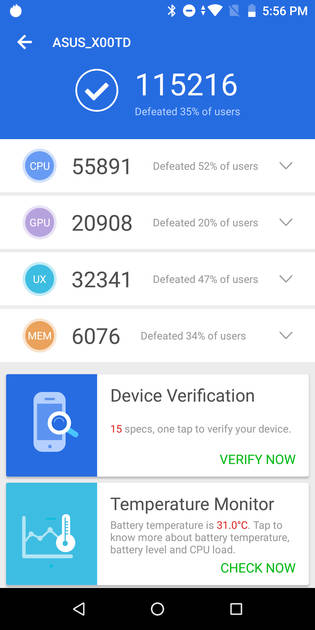
AnTuTu Benchmark
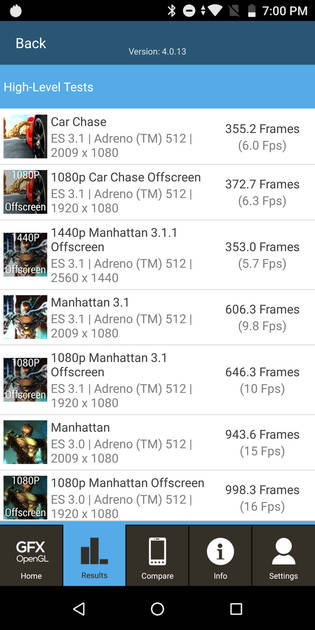
Graphics Benchmark
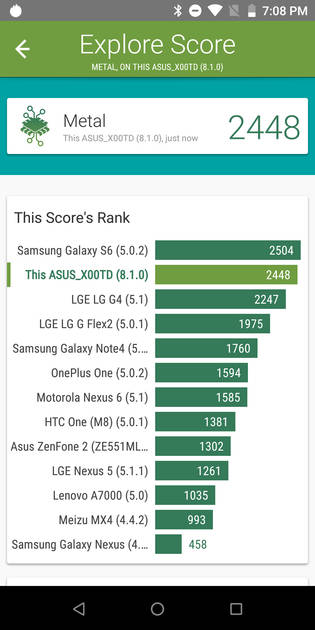
Vellamo Metal Benchmark
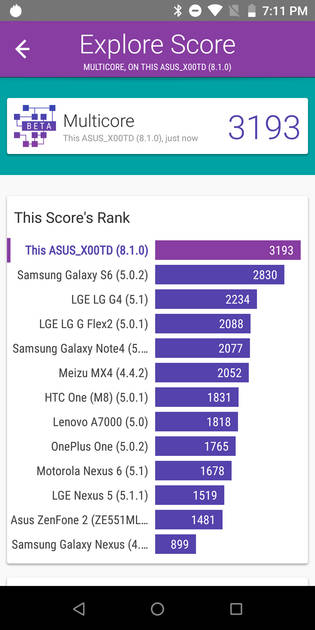
Vellamo Multicore Benchmark
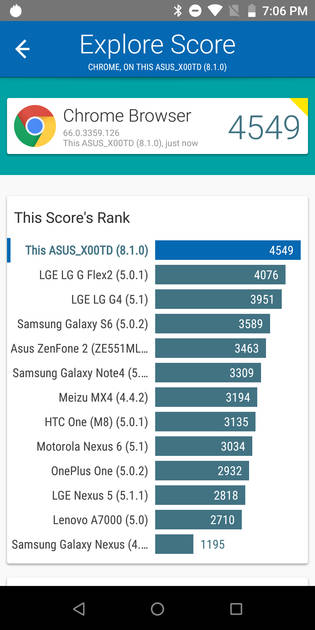
Vellamo Browser Benchmark
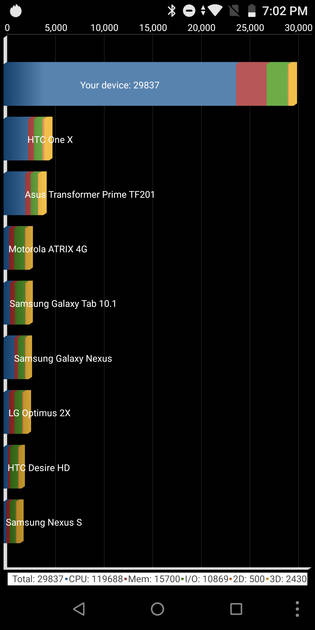
Quadrant Benchmark
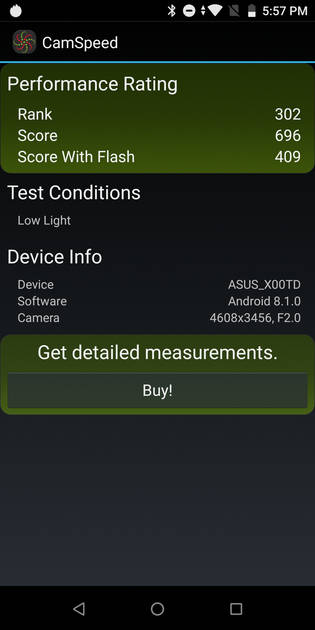
Camera Speed Benchmark
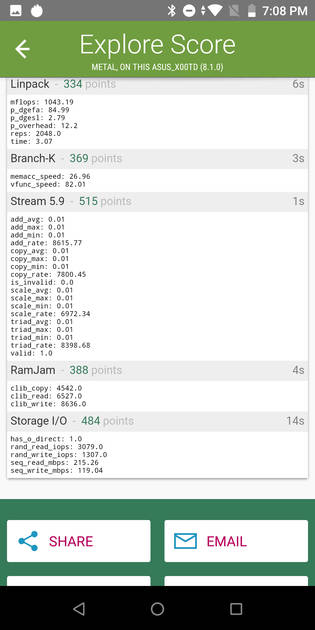
Linpack Benchmark
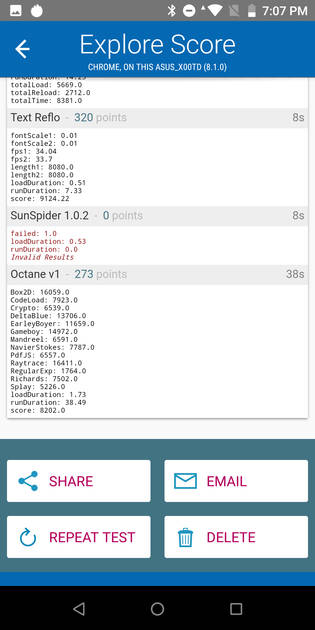
Sunspider Benchmark
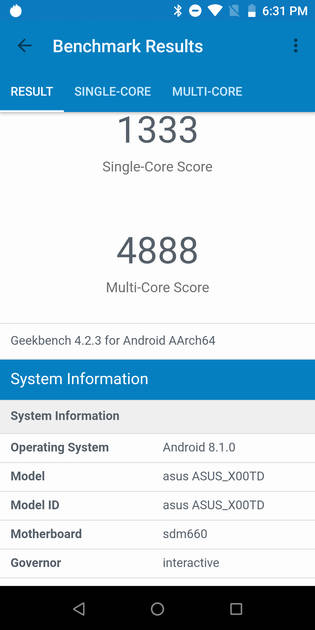
Geekbench4 Benchmark
|

Display
(Excellent)
|
|
|---|---|
| Display Type | IPS LCD |
| Screen Size | 5.99 inches (15.21 cm) |
| Resolution | 1080x2160 px (FHD+) |
| Aspect Ratio | 18:9 |
| Pixel Density | 403 ppi |
| Screen to Body Ratio (calculated) | 76.62 % |
| Bezel-less Display | Yes |
UI Screenshots
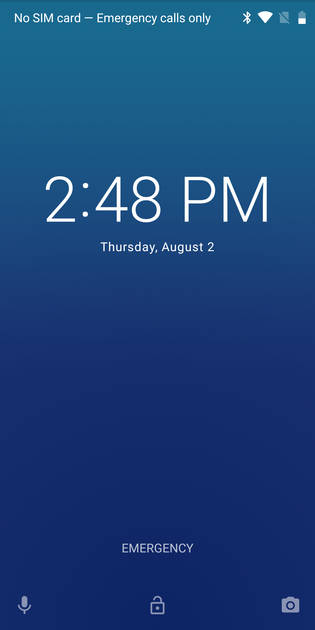
Lock Screen
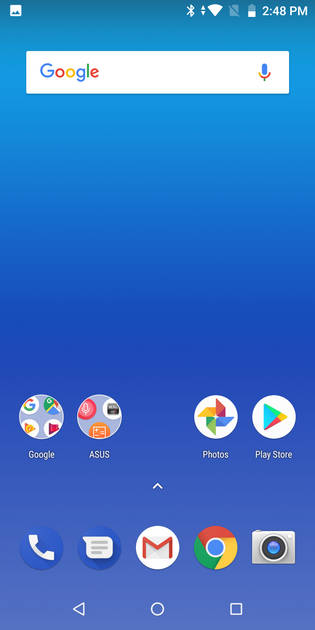
Home Screen
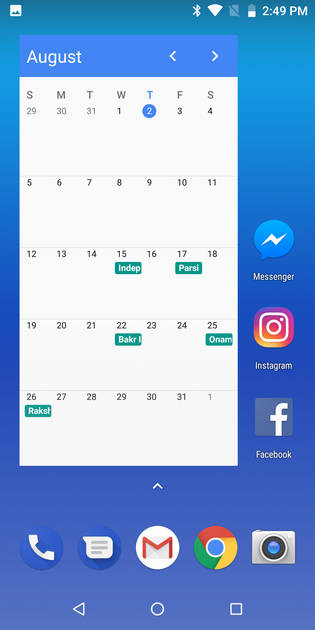
Screen With Widgets

Dialer Screen
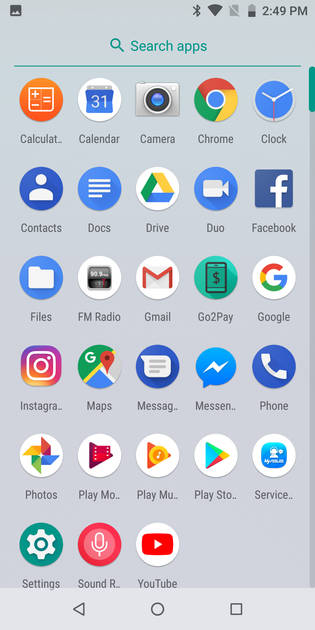
App Drawer
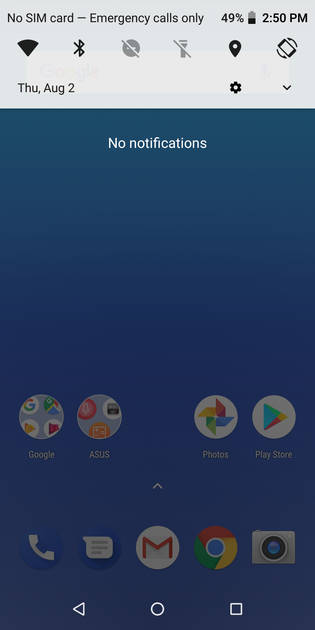
Notification Panel
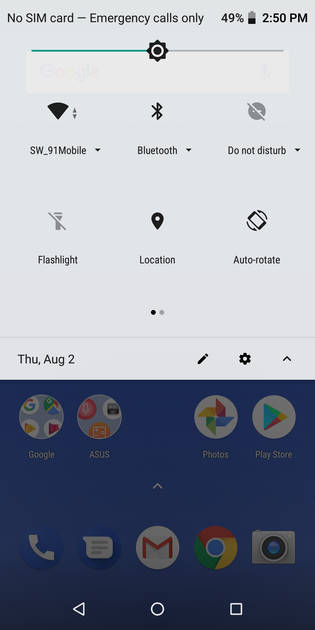
Quick Settings Panel
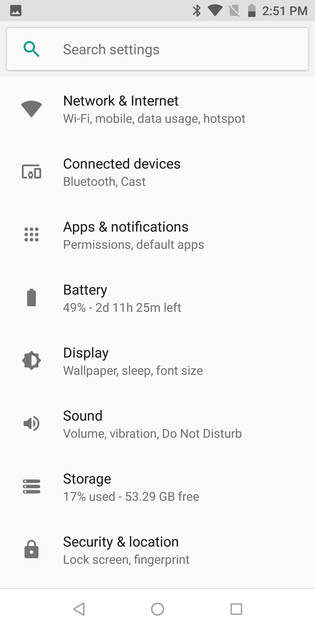
Settings Screen
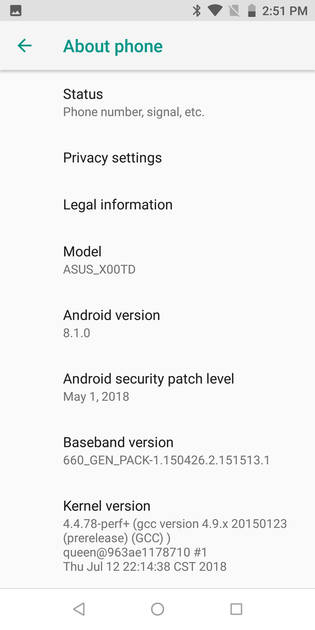
OS Version
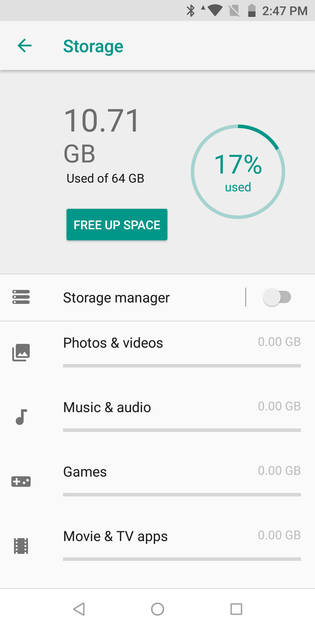
Storage
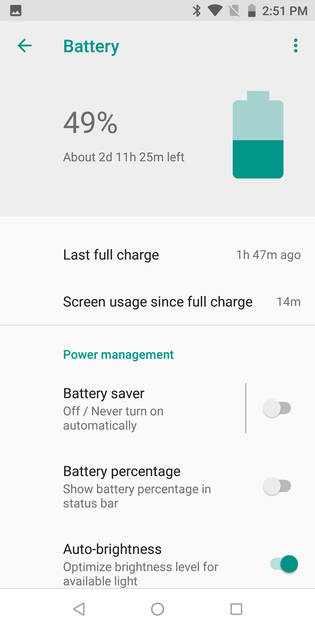
Battery
Camera On
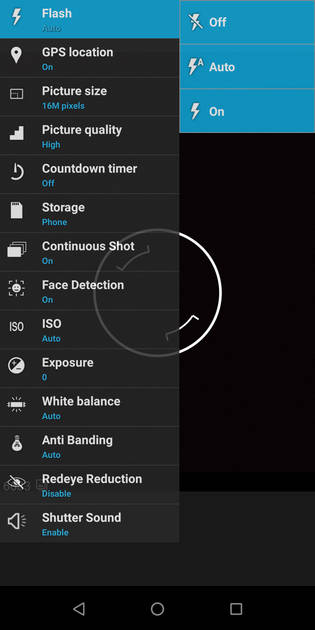
Camera Options
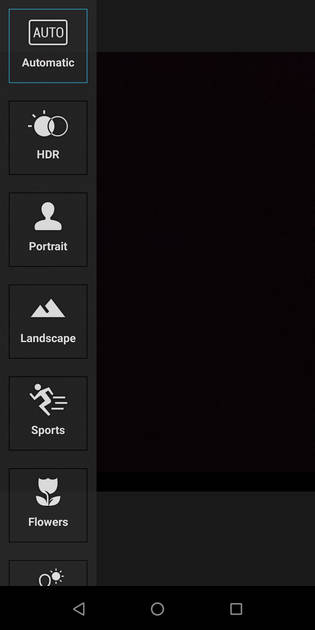
Camera Modes
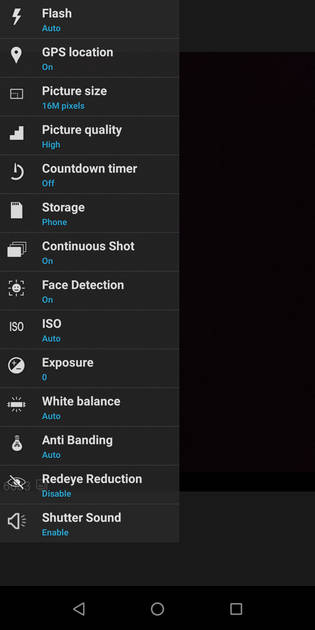
Camera Settings
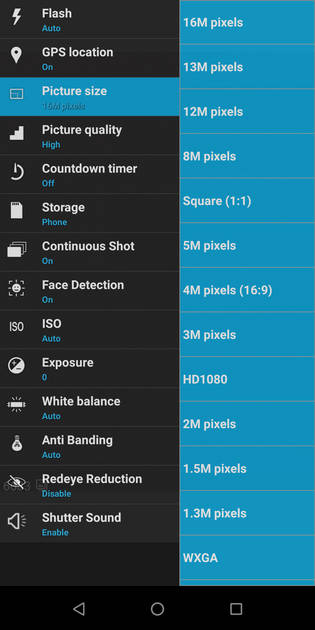
Picture Size Options
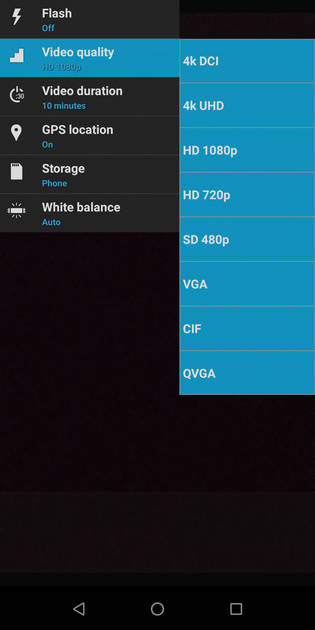
Video Size Options
|
Design |
|
|---|---|
| Height | 159 mm |
| Width | 76 mm |
| Thickness | 8.4 mm |
| Weight | 180 grams |
| Build Material | Back: Aluminium |
|
Click to View

|
Rear Camera
(Good)
|
||||||||||||||||||
|---|---|---|---|---|---|---|---|---|---|---|---|---|---|---|---|---|---|---|
| Resolution | ||||||||||||||||||
|
||||||||||||||||||
| Autofocus | Yes, Phase Detection Autofocus | |||||||||||||||||
| Flash | Yes, LED Flash | |||||||||||||||||
| Image Resolution | 4616 x 3464 Pixels | |||||||||||||||||
| Settings | Exposure compensation, ISO control | |||||||||||||||||
| Shooting Modes |
Continuous Shooting High Dynamic Range mode (HDR) |
|||||||||||||||||
| Camera Features |
Digital Zoom Auto Flash Face detection Touch to focus |
|||||||||||||||||
| Video Recording |
4k @30 fps Full HD @60 fps HD @30 fps |
|||||||||||||||||
Rear Camera Samples

Close Up

Low Light

Low Light With Flash

Colour Variance
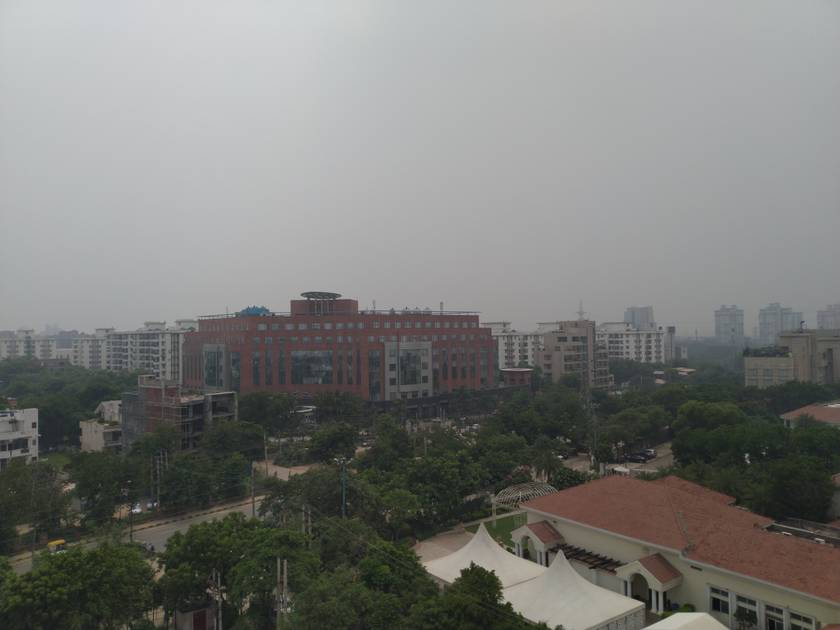
Long Shot
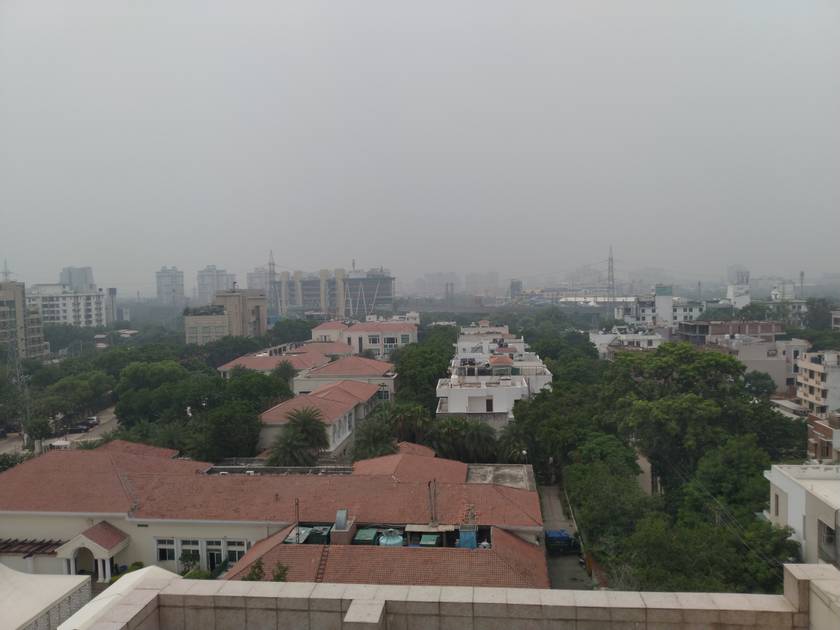
HDR Off
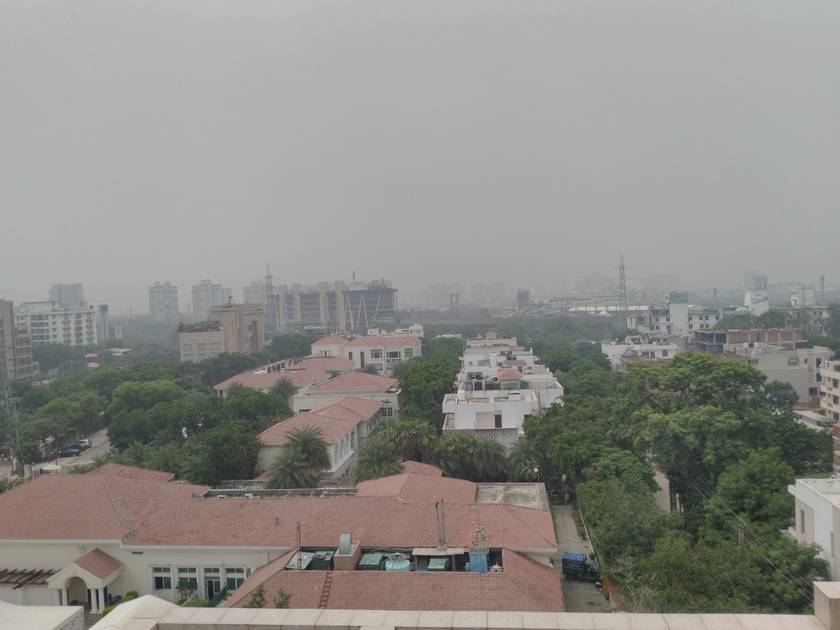
HDR On

Front Shot
|
Front Camera
(Very Good)
|
||||||
|---|---|---|---|---|---|---|
| Resolution | ||||||
|
||||||
| Flash | Yes, Soft light flash |
Battery
(Very Good)
|
|
|---|---|
| Capacity | 5000 mAh |
| Battery Type | Li-ion |
| TalkTime | Up to 42 Hours(3G) |
| Quick Charging | Yes, 10W Fast Charging |
Storage |
|
|---|---|
| Internal Storage | 64 GB |
| Storage Type | eMMC 5.1 |
| Expandable Storage | Yes, Up to 2 TB |
Network & Connectivity |
|
|---|---|
| SIM Slot(s) | Dual SIM |
| SIM Type | SIM1: Nano, SIM2: Nano |
| Network Support | 5G Not Supported, 4G |
| VoLTE | Yes |
| SIM 1 |
4G bands, 4G Speed
Expand
|
| SIM 2 |
4G bands, 4G Speed
Expand
|
| Wi-Fi | Yes, Wi-Fi 4 (802.11 b/g/n) |
| Wi-Fi Features | Wi-Fi Direct, Mobile Hotspot |
| Bluetooth | Yes, v5.0 |
| GPS | Yes with A-GPS, Glonass |
Multimedia |
|
|---|---|
| Audio Jack | 3.5 mm |
Sensors |
|
|---|---|
| Fingerprint Sensor | Yes |
| Fingerprint Sensor Position | Rear |
| Other Sensors | Light sensor, Proximity sensor, Accelerometer, Compass, Gyroscope |
Asus Zenfone Max Pro M1 6GB RAM User Reviews
Asus Zenfone Max Pro M1 6GB RAM Key Highlights
| Processor | Qualcomm Snapdragon 636 |
| RAM & Storage | 6 GB + 64 GB |
| Display | 5.99", 1080 x 2160 Resolution |
| Rear Camera | 16 MP + 5 MP |
| Front Camera | 16 MP |
| Battery | 5000 mAh |





























Asus Zenfone Max Pro M1 Price In India
| Product Name | Store | Price |
|---|---|---|
| Asus Zenfone Max Pro M1 (6 GB + 64 GB) | Flipkart | ₹17,999 |
Popular Links
- All Upcoming Phones
- Samsung Galaxy F70 5G
- vivo S2 FE 5G
- OPPO Find X10
- OPPO F35 Pro
- OPPO Find X10 Pro Max
- Samsung Mobiles
- Motorola Mobiles
- vivo Mobiles
- OPPO Mobiles
- Tecno Mobiles
- realme Mobiles
- OnePlus Mobiles