
POCO M7 Pro
+ Compare


-
Design28

-
Rear Camera14

-
Front Camera4

-
360° View
![360° View]()
-
UI Screenshot17
![UI Screenshot]()
-
Videos2
![Videos]()


Key Specs
Performance
-
MediaTek Dimensity 7025 Ultra -
Octa core (2.5 GHz, Dual Core + 2 GHz, Hexa Core) -
6 GB / 8 GB RAM, LPDDR4X
Display
-
6.67 inches (16.94 cm); AMOLED -
1080x2400 px (FHD+) -
120 Hz Refresh Rate -
Gorilla Glass 5 Protection -
Bezel-less with punch-hole display
Rear Camera
-
Dual Camera Setup - 50 MP (upto 20x Digital Zoom) Wide Angle Primary Camera
- 2 MP Macro Camera
-
LED Flash -
Full HD @30 fps Video Recording
Front Camera
-
20 MP Wide Angle Lens -
Full HD @30 fps Video Recording
Battery
-
5110 mAh, Li-Polymer -
45W Fast Charging; USB Type-C port
General
-
SIM1: Nano, SIM2: Nano (Hybrid) -
5G Supported -
128 GB / 256 GB Storage, Expandable upto 1 TB -
Dust Resistant, Water Resistant
POCO M7 Pro Prices in India
 Flipkart
POCO M7 Pro Compare Camera Samples


































POCO M7 Pro Expert Review Summary
Expert Rating:
![Shekhar Thakran]()
Verdict
POCO M7 Pro is a worthy successor to the M6 Pro and comes with improvements in all the major areas. The handset comes with a unique design, good build quality, a capable primary camera sensor, a vibrant display, a long battery backup, and a decent processor. This is an all-rounder that would be a good fit for most people but keep in mind that the phone's cameras struggle a bit in low-light scenarios.
Pros
- Vibrant 120Hz AMOLED display
- Impressive design and build quality
- Solid battery backup
- Good charging speed
Cons
- Night mode is average
- Too many pre-installed apps
Design and display
+
The M7 Pro comes with a unique design that has a desert sand pattern at the back. The camera bump, unlike some other phones, does not stick out like a sore thumb here and provides the phone with an elegant look. As I'm not a big fan of large protruding camera rings, I found the dual sensors to be a bit annoying but overall, I like the way this phone looks. With a metal frame, which is quite uncommon in this price range, the phone gives you a premium and sturdy in-hand feel.SmartphonePOCO M7 ProiQOO Z9xMoto G64Thickness7.99mm7.99mm8.89mmWeight190 grams199 grams192 gramsIP ratingIP64IP64IP52
Read More
Cameras
+
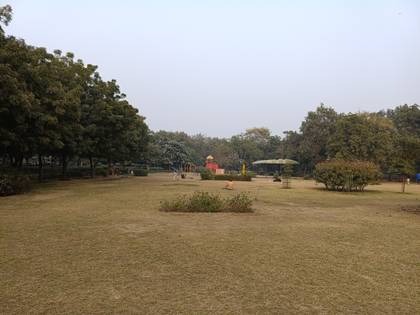
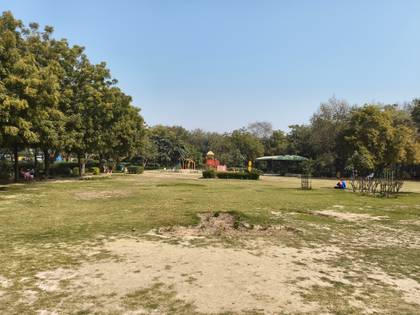
Let's first get the nitty gritty out of the way. POCO M7 Pro comes with a 50MP Sony LYT-600 primary camera sensor with OIS support and f/1.5 aperture, which is quite impressive for this price point. The primary sensor is assisted by a 2MP macro camera. At the front, you get a 20MP selfie camera, which is a massive upgrade.The primary camera sensor delivers in a big way, the phone is capable of clicking some great shots. I found that the photos clicked with the handset were colour-accurate, offered great dynamic, range, and were consistently good in terms of details. The secondary camera was average at best and could have been skipped by the brand altogether. The phone struggled to capture details a bit in low-light scenarios but still delivered better shots than some of the other handsets in its price range. Have a look at the camera samples and the phone's detailed comparison with iQOO Z9x (review) and Moto G64 (review) below to get a better idea of the phone's camera performance.DaylightIn the daylight shot, the POCO M7 Pro managed to click a colour-accurate shot and captured details better than the iQOO Z9x. The iQOO handset produced an image with a warm tone for some reason.On the other hand, the Moto G64 produced an image with a noticeable amount of noise and even colours were quite boosted in comparison to the POCO handset. It could be a matter of preference as well, though I somehow prefer POCO's natural appeal.PortraitIn the portrait shots clicked by the POCO M7 Pro and the iQOO Z9x, there was hardly any competition as the iQOO handset failed terribly at edge detection. In comparison, the M7 Pro shot captured skin tones better too.Meanwhile, the Moto G64 offered better edge detection than the M7 Pro. However, the skin tones were better reproduced by the POCO handset yet again.SelfieWhile the iQOO Z9x still struggled with edge detection and colour accuracy, the POCO M7 Pro captured skin tones and details much better. The M7 Pro also showed better edge detection too. Separately, the G64 added a red tone to the skin for some reason. While the bokeh effect applied by the Moto handset was the most impressive out of the three, overall, the POCO M7 Pro delivered the best image if we consider the aesthetics.Low-lightThis was a tricky shot to call as the POCO M7 Pro produced an overall better picture but the iQOO Z9x handled light sources much better. Although there was some noise in both images, the M7 Pro gets the edge here.On the other hand, the Moto G64 struggled with details, light sources, and even colour accuracy. In comparison, both M7 Pro and the Z9x were much better on all fronts.Night mode The Night Mode seemingly had very little impact in the case of POCO M7 Pro while the iQOO handset took a sharper image in this mode. However, there was considerable grain in the image clicked by the Z9x.Meanwhile, the Night Mode image clicked with the G64 was the most improved out of the lot but still inferior to the other two handsets.
Read More
Performance and software
+
The POCO M7 Pro is powered by MediaTek Dimensity 7025 Ultra chipset. The base variant, which I am reviewing, has 6GB RAM and 128GB storage and sells for Rs 14,999. The top variant with 8GB RAM and 256GB storage costs Rs 16,999. This puts the handset up against competitors like iQOO Z9x (powered by Snapdragon 6 Gen 1) and Moto G64 (powered by MediaTek Dimensity 7025). We compared all three handsets on various benchmark tools to gauge their performance in comparison to each other.Notably, the Moto G64 performed relatively better than the M7 Pro on the AnTuTu benchmark despite the latter using the 'Ultra' variant of the same chipset. The iQOO Z9x outscored both these handsets in the same benchmark. As you might already know, the AnTuTu benchmark evaluates the overall performance of any device by taking CPU performance, GPU performance, memory performance, and several other factors into account.
Read More
Battery and charging
+
The POCO M7 Pro packs an upgraded 5,110mAh battery with 45W wired charging support. The phone is fairly slim despite this large battery capacity. During my usage, the handset easily lasted more than a day of heavy usage. In casual use, this backup can easily be extended to two days with ease.The handset achieves a respectable score in the PCMark battery test, lasting for 17 hours and 46 minutes. With the bundled charger, it attained a full charge in 53 minutes.SmartphonesCharging speedsCharging time (20 to 100 percent)POCO M7 Pro45W53 minutesiQOO Z9x44W61 minutesMoto G6430W70 minutes
Read More
Read full Review

Verdict
POCO M7 Pro is a worthy successor to the M6 Pro and comes with improvements in all the major areas. The handset comes with a unique design, good build quality, a capable primary camera sensor, a vibrant display, a long battery backup, and a decent processor. This is an all-rounder that would be a good fit for most people but keep in mind that the phone's cameras struggle a bit in low-light scenarios.
- Vibrant 120Hz AMOLED display
- Impressive design and build quality
- Solid battery backup
- Good charging speed
Pros
- Night mode is average
- Too many pre-installed apps
Cons
Design and display
+The M7 Pro comes with a unique design that has a desert sand pattern at the back. The camera bump, unlike some other phones, does not stick out like a sore thumb here and provides the phone with an elegant look. As I'm not a big fan of large protruding camera rings, I found the dual sensors to be a bit annoying but overall, I like the way this phone looks. With a metal frame, which is quite uncommon in this price range, the phone gives you a premium and sturdy in-hand feel.SmartphonePOCO M7 ProiQOO Z9xMoto G64Thickness7.99mm7.99mm8.89mmWeight190 grams199 grams192 gramsIP ratingIP64IP64IP52
Read MoreCameras
+Let's first get the nitty gritty out of the way. POCO M7 Pro comes with a 50MP Sony LYT-600 primary camera sensor with OIS support and f/1.5 aperture, which is quite impressive for this price point. The primary sensor is assisted by a 2MP macro camera. At the front, you get a 20MP selfie camera, which is a massive upgrade.The primary camera sensor delivers in a big way, the phone is capable of clicking some great shots. I found that the photos clicked with the handset were colour-accurate, offered great dynamic, range, and were consistently good in terms of details. The secondary camera was average at best and could have been skipped by the brand altogether. The phone struggled to capture details a bit in low-light scenarios but still delivered better shots than some of the other handsets in its price range. Have a look at the camera samples and the phone's detailed comparison with iQOO Z9x (review) and Moto G64 (review) below to get a better idea of the phone's camera performance.DaylightIn the daylight shot, the POCO M7 Pro managed to click a colour-accurate shot and captured details better than the iQOO Z9x. The iQOO handset produced an image with a warm tone for some reason.On the other hand, the Moto G64 produced an image with a noticeable amount of noise and even colours were quite boosted in comparison to the POCO handset. It could be a matter of preference as well, though I somehow prefer POCO's natural appeal.PortraitIn the portrait shots clicked by the POCO M7 Pro and the iQOO Z9x, there was hardly any competition as the iQOO handset failed terribly at edge detection. In comparison, the M7 Pro shot captured skin tones better too.Meanwhile, the Moto G64 offered better edge detection than the M7 Pro. However, the skin tones were better reproduced by the POCO handset yet again.SelfieWhile the iQOO Z9x still struggled with edge detection and colour accuracy, the POCO M7 Pro captured skin tones and details much better. The M7 Pro also showed better edge detection too. Separately, the G64 added a red tone to the skin for some reason. While the bokeh effect applied by the Moto handset was the most impressive out of the three, overall, the POCO M7 Pro delivered the best image if we consider the aesthetics.Low-lightThis was a tricky shot to call as the POCO M7 Pro produced an overall better picture but the iQOO Z9x handled light sources much better. Although there was some noise in both images, the M7 Pro gets the edge here.On the other hand, the Moto G64 struggled with details, light sources, and even colour accuracy. In comparison, both M7 Pro and the Z9x were much better on all fronts.Night mode The Night Mode seemingly had very little impact in the case of POCO M7 Pro while the iQOO handset took a sharper image in this mode. However, there was considerable grain in the image clicked by the Z9x.Meanwhile, the Night Mode image clicked with the G64 was the most improved out of the lot but still inferior to the other two handsets.
Read MorePerformance and software
+The POCO M7 Pro is powered by MediaTek Dimensity 7025 Ultra chipset. The base variant, which I am reviewing, has 6GB RAM and 128GB storage and sells for Rs 14,999. The top variant with 8GB RAM and 256GB storage costs Rs 16,999. This puts the handset up against competitors like iQOO Z9x (powered by Snapdragon 6 Gen 1) and Moto G64 (powered by MediaTek Dimensity 7025). We compared all three handsets on various benchmark tools to gauge their performance in comparison to each other.Notably, the Moto G64 performed relatively better than the M7 Pro on the AnTuTu benchmark despite the latter using the 'Ultra' variant of the same chipset. The iQOO Z9x outscored both these handsets in the same benchmark. As you might already know, the AnTuTu benchmark evaluates the overall performance of any device by taking CPU performance, GPU performance, memory performance, and several other factors into account.
Read MoreBattery and charging
+The POCO M7 Pro packs an upgraded 5,110mAh battery with 45W wired charging support. The phone is fairly slim despite this large battery capacity. During my usage, the handset easily lasted more than a day of heavy usage. In casual use, this backup can easily be extended to two days with ease.The handset achieves a respectable score in the PCMark battery test, lasting for 17 hours and 46 minutes. With the bundled charger, it attained a full charge in 53 minutes.SmartphonesCharging speedsCharging time (20 to 100 percent)POCO M7 Pro45W53 minutesiQOO Z9x44W61 minutesMoto G6430W70 minutes
Read MoreCompetitors For POCO M7 Pro
View Alternatives







Popular Comparisons
 POCO M7 Pro
 Moto G64
POCO M7 Pro
 realme P3
POCO M7 Pro
 vivo T4X
POCO M7 Pro
 POCO M7 Plus
POCO M7 Pro
 Xiaomi Redmi Note 14 5G
POCO M7 Pro
 POCO X7




POCO M7 Pro Specifications
General |
|
|---|---|
| Launch Date | December 20, 2024 (Official) |
| Operating System | Android v14 |
| OS Updates | 2 Years |
| Security Updates | 4 Years |
| Custom UI | HyperOS |
Performance
(Good)
|
||||
|---|---|---|---|---|
| Chipset | MediaTek Dimensity 7025 Ultra MT6855 View Details | |||
| Processor | Octa core (2.5 GHz, Dual core, Cortex A78 + 2 GHz, Hexa Core, Cortex A55) | |||
| Architecture | 64 bit | |||
| Fabrication | 6 nm | |||
| Graphics (GPU) | IMG BXM-8-256 | |||
| RAM | 6 GB / 8 GB | |||
| RAM Type | LPDDR4X | |||
|
Gaming Test Results

* after 30 mins of gaming
|
||||
Benchmark Screenshots

AnTuTu Benchmark

Graphics Benchmark

Geekbench6 Benchmark
|

Display
(Excellent)
|
|
|---|---|
| Display Type | AMOLED |
| Screen Size | 6.67 inches (16.94 cm) |
| Resolution | 1080x2400 px (FHD+) |
| Peak Brightness | 2100 nits |
| Refresh Rate | 120 Hz |
| Touch Sampling Rate | 240 Hz |
| Aspect Ratio | 20:9 |
| Pixel Density | 395 ppi |
| Screen to Body Ratio (calculated) | 87.37 % |
| Screen Protection | Corning Gorilla |
| Bezel-less Display | Yes with punch-hole display |
| HDR 10 / HDR+ Support | Yes, HDR 10+ |
| Screen to Body Ratio (claimed by the brand) | 92.2 % |
UI Screenshots

Lock Screen

Home Screen

Screen With Widgets

Dialer Screen

App Drawer

Notification Panel

Quick Settings Panel

Settings Screen

OS Version

Storage

Battery

Camera On

Camera Options

Camera Modes

Camera Settings

Picture Size Options

Video Size Options
|
Design |
|
|---|---|
| Height | 162.4 mm |
| Width | 75.7 mm |
| Thickness | 7.99 mm |
| Weight | 190 grams |
| Water Resistance | Yes, Splash proof, IP64 |
| Ruggedness | Dust proof |
|
Click to View

|
Rear Camera
(Very Good)
|
|||||||||||||||||||||||||||
|---|---|---|---|---|---|---|---|---|---|---|---|---|---|---|---|---|---|---|---|---|---|---|---|---|---|---|---|
| Resolution | |||||||||||||||||||||||||||
|
|||||||||||||||||||||||||||
| Autofocus | Yes | ||||||||||||||||||||||||||
| OIS | Yes | ||||||||||||||||||||||||||
| Flash | Yes, LED Flash | ||||||||||||||||||||||||||
| Image Resolution | 8150 x 6150 Pixels | ||||||||||||||||||||||||||
| Settings | Exposure compensation, ISO control | ||||||||||||||||||||||||||
| Shooting Modes |
Continuous Shooting High Dynamic Range mode (HDR) |
||||||||||||||||||||||||||
| Camera Features |
20 x Digital Zoom Auto Flash Face detection Touch to focus |
||||||||||||||||||||||||||
| Video Recording |
Full HD @30 fps HD @30 fps |
||||||||||||||||||||||||||
| Video Recording Features | Dual Video Recording | ||||||||||||||||||||||||||
Rear Camera Samples

Daylight / HDR Auto

Max Zoom Supported 20x

Long Shot 10X

Long Shot 5X

Long Shot 3X

Long Shot 1X

High Res

Portrait Shot

Night Mode OFF

Night Mode ON

Close Up

Low Light

Low Light With Flash

Colour Variance
|
Front Camera
(Very Good)
|
||||||||||||
|---|---|---|---|---|---|---|---|---|---|---|---|---|
| Resolution | ||||||||||||
|
||||||||||||
| Video Recording |
Full HD @30 fps HD @30 fps |
|||||||||||
Front Camera Samples

Selfie

Selfie Portrait

Selfie Low Light

Selfie Low Light With Flash
|
Battery
(Very Good)
|
||||
|---|---|---|---|---|
| Capacity | 5110 mAh | |||
| Battery Type | Li-Polymer | |||
| Quick Charging | Yes, 45W Fast Charging | |||
| Reverse Charging | Yes | |||
|
Battery Test Results
|
Storage |
|
|---|---|
| Internal Storage | 128 GB / 256 GB |
| Storage Type | UFS 2.2 |
| Expandable Storage | Yes, Up to 1 TB |
Network & Connectivity |
|
|---|---|
| SIM Slot(s) | Dual SIM |
| SIM Type | SIM1: Nano, SIM2: Nano (Hybrid) |
| Network Support | 5G, 4G |
| VoLTE | Yes |
| SIM 1 |
5G bands, 4G bands
Expand
|
| SIM 2 |
5G bands, 4G bands
Expand
|
| SAR Value | Head: 0.858 W/kg, Body: 0.792 W/kg |
| Wi-Fi | Yes, Wi-Fi 5 (802.11 a/b/g/n/ac) 5GHz |
| Wi-Fi Features | Mobile Hotspot |
| Bluetooth | Yes, v5.3 |
| GPS | Yes with A-GPS, Glonass |
| IR Blaster | Yes |
Multimedia |
|
|---|---|
| Stereo Speakers | Yes |
| Audio Jack | 3.5 mm |
| Audio Features | Dolby Atmos |
Sensors |
|
|---|---|
| Fingerprint Sensor | Yes |
| Fingerprint Sensor Position | On-screen |
| Fingerprint Sensor Type | Optical |
| Other Sensors | Light sensor, Proximity sensor, Accelerometer, Compass, Gyroscope |
Recent Stories

POCO M7 Pro User Reviews
POCO M7 Pro Key Highlights
| Processor | MediaTek Dimensity 7025 Ultra MT6855 |
| RAM & Storage | 6 GB RAM + 128 GB 8 GB RAM + 256 GB |
| Display | 6.67", 1080 x 2400 Resolution |
| Rear Camera | 50 MP + 2 MP |
| Front Camera | 20 MP |
| Battery | 5110 mAh |














POCO M7 Pro Price In India
| Product Name | Store | Price |
|---|---|---|
| POCO M7 Pro (6 GB + 128 GB) | Flipkart | ₹14,999 |
| POCO M7 Pro (8 GB + 256 GB) | Flipkart | ₹16,999 |
Popular Links
- All Upcoming Phones
- Upcoming POCO Phones
- vivo V80 5G
- OPPO F35 Pro
- vivo S2 FE 5G
- Xiaomi Redmi Note 17 Pro Max 5G
- OPPO F35
- Samsung Mobiles
- Motorola Mobiles
- vivo Mobiles
- OPPO Mobiles
- Tecno Mobiles
- realme Mobiles
- Xiaomi Mobiles