
Movie |
Angel | England
Disclaimer: All content and media belong to original content streaming platforms/owners like Netflix, Disney+ Hotstar, Amazon Prime Videos, JioCinema, SonyLIV etc. 91mobiles entertainment does not claim any rights to the content and only aggregate the content along with the service providers links.



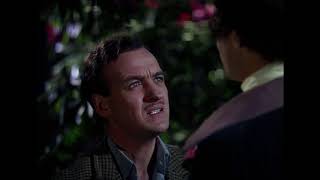

Best European Film Bedste europiske film | 1948 | Michael
Outstanding Artistic Contribution | 1946
Best Film | 1946 | Michael
Budget 450,000 USD
Box Office Collection 1,750,000 USD
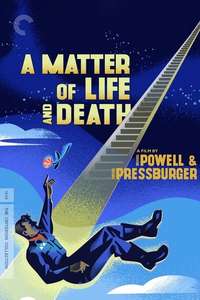
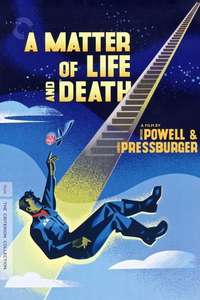
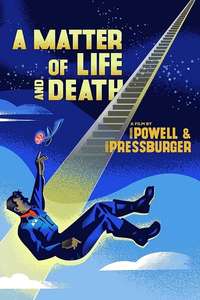
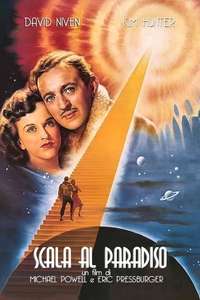
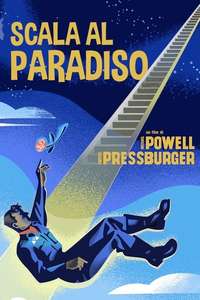
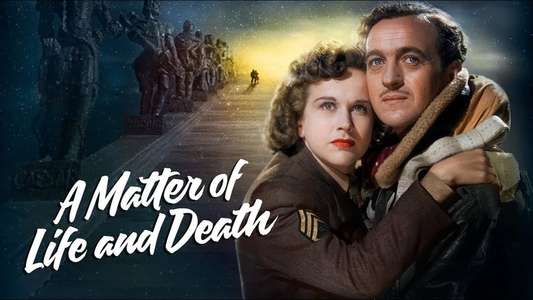
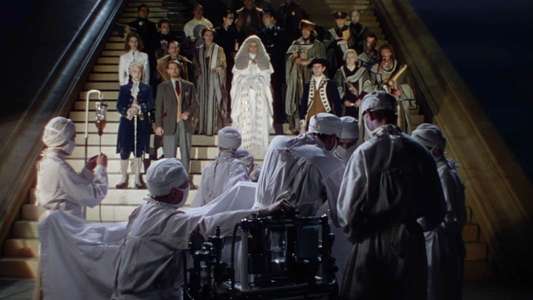
The huge escalator linking this World with the Other, called "Operation Ethel" by the firm of engineers who constructed her under the aegis of the London Passenger Transport Board, took three months to make, and cost three thousand pounds sterling (in 1946). "Ethel" had one hundred six steps, each twenty feet wide, and was driven by a twelve horsepower engine. The full shot was completed by hanging miniatures.
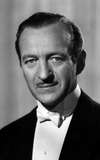
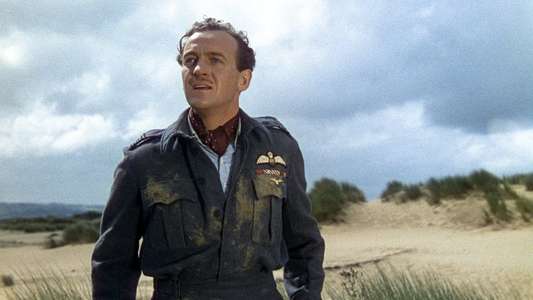
The first scene shot was David Niven washing up on the beach. Originally planned to fade in from black, Michael Powell decided on the spot that the effect would be too cheesy. When Jack Cardiff told him to look through the camera, Cardiff then deliberately breathed right onto the lens, which fogged the glass for a few seconds until it evaporated. Powell loved the idea and had him use it for the shot.
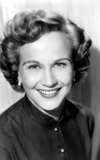
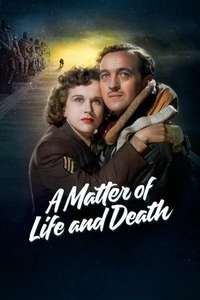
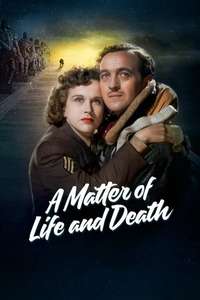
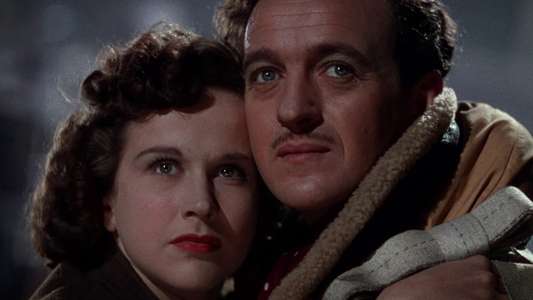
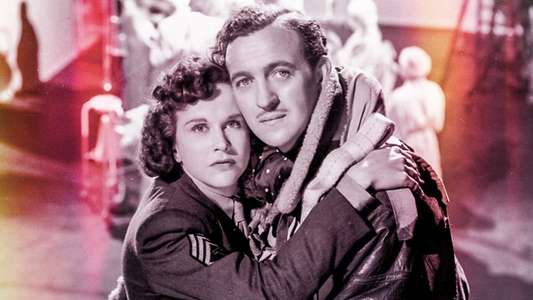
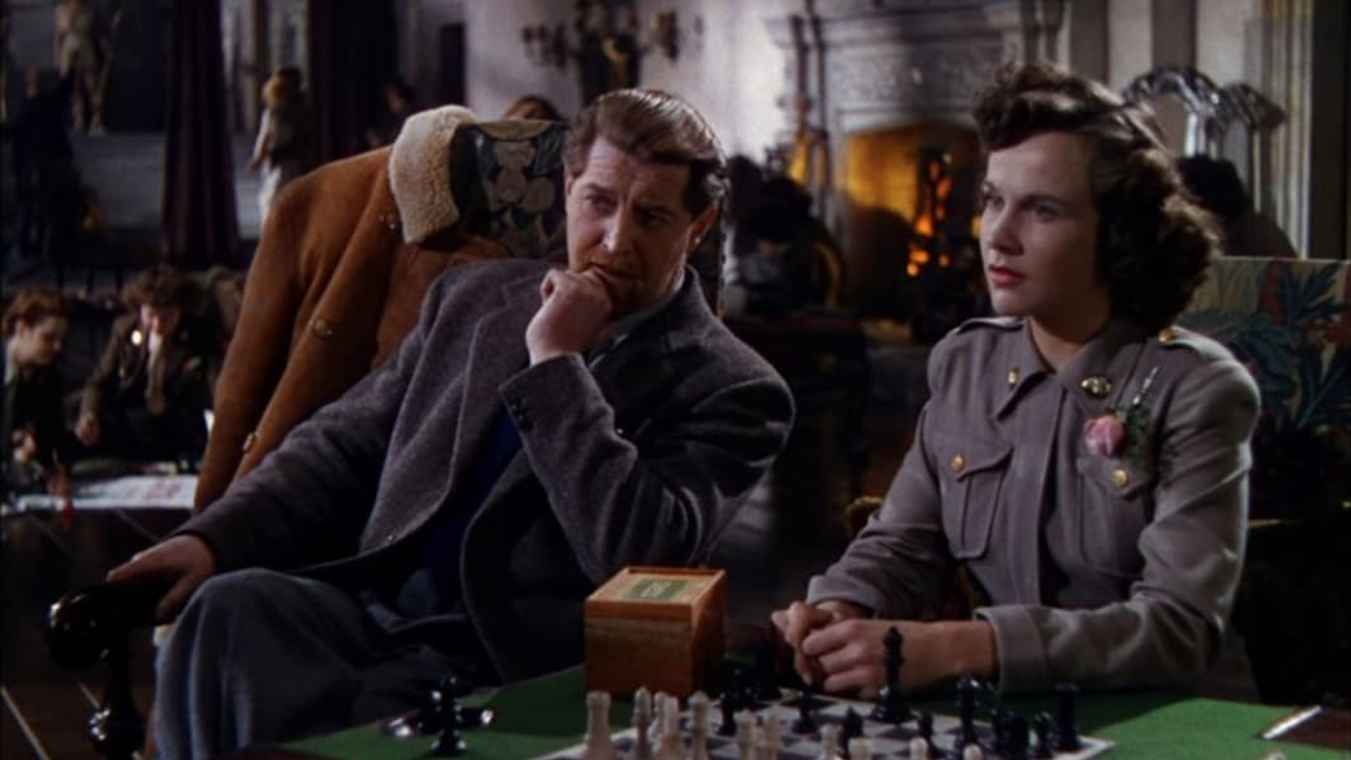
It was during a visit to Hollywood in 1945 that director Michael Powell decided to cast the then-unknown Kim Hunter as June, the American servicewoman, largely upon the recommendation of Sir Alfred Hitchcock, who had done a series of screen tests of actors and actresses auditioning for parts in his upcoming production, Notorious (1946). The trouble was that in these screen tests Hunter was not seen but, rather, was heard off-camera, feeding lines and cues to the actors Hitchcock was actually screen-testing. But Hitchcock assured Powell that he would arrange a "face-to-face" with Hunter and her agent, so that he could see for himself whether she fit the requirements of the "all-American" girl Powell had envisioned opposite David Niven. And upon first encountering Hunter, Powell agreed with Hitchcock that she, indeed, was a perfect choice for the role.
The inspiration for Peter's medical condition came from the semi-autobiographical novel "A Journey Round My Skull" by Hungarian novelist Frigyes Karinthy. More precise medical detail came from Emeric Pressburger's research in the British Library and consultations with Michael Powell's brother in law, Dr. Joe Reidy, who was a plastic surgeon in London.
According to Ben Mankiewicz of Turner Classic Movies, this movie's production was delayed nine months due to the scarcity of Technicolor film and equipment at the time. That makes Conductor 71's remark upon leaving black-and-white heaven somewhat of an inside joke.
"Doctor Frank Reeves: A weak mind isn't strong enough to hurt itself. Stupidity has saved many a man from going mad."
"Conductor 71: One is starved for Technicolor up there."