
Movie |
Live Performance | Concert Film
Disclaimer: All content and media belong to original content streaming platforms/owners like Netflix, Disney+ Hotstar, Amazon Prime Videos, JioCinema, SonyLIV etc. 91mobiles entertainment does not claim any rights to the content and only aggregate the content along with the service providers links.



Best Documentary | 2019
Documentary of the Year | 2020
Best Documentary | 2020
Best NonFiction Film | 2019
Best Documentary by or About Women | 2019
City of Donostia Audience Award | 2019 | Alan
Best Documentary | 2019
Best Music Documentary | 2019 | Alan
Best Documentary | 2019
Outstanding Documentary | 2019
Best Documentary | 2019 | Alan
Director Sydney Pollack was totally inexperienced in shooting music documentary and shot without clapper boards snapping shut at the beginning of each take to help synchronize sound and picture in post-production. As a result of this mistake, even after months of work by experts, the 20 hours of footage couldn't be synchronized with the audio tracks. The choir director from the Watts recordings was brought in to try to lip-read the reels, but after months of work, only about 150 minutes of footage had been matched with sound, none of it adding up to a complete, useable song. Deadlines passed as the "Amazing Grace" album came out in June 1972, selling millions with no synergy. In August, Warner Bros. officially wrote off and shelved the movie. Pollack never gave up on the project, but constantly had other commitments. In 2007, dying of cancer, Pollack finally handed the documentary project over to producer and music enthusiast Alan Elliott.
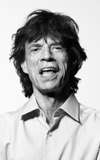
Mick Jagger and Charlie Watts can be seen rocking out in the back of the church. Perhaps not coincidentally, they were about to record "Exile on Main Street", the Rolling Stones' most overtly gospel-influenced album.
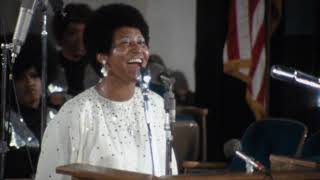
20 hours of footage were shot by five 16mm-cameras on two days.
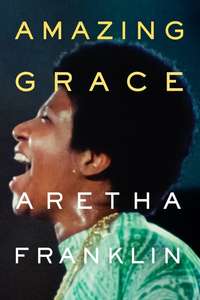
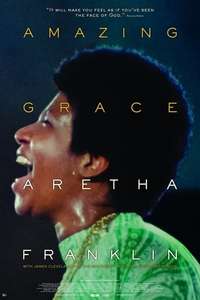
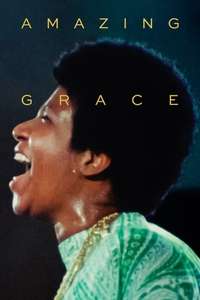
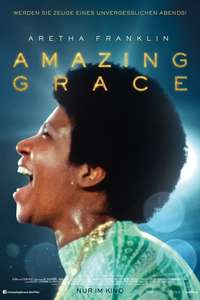
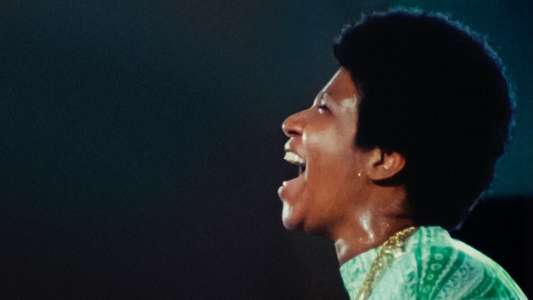
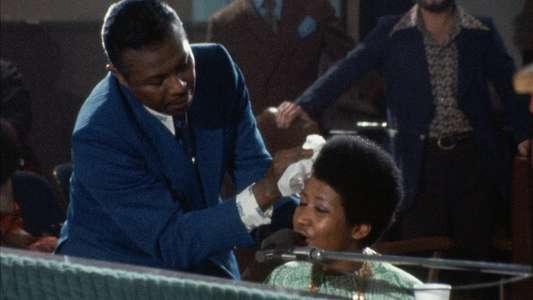
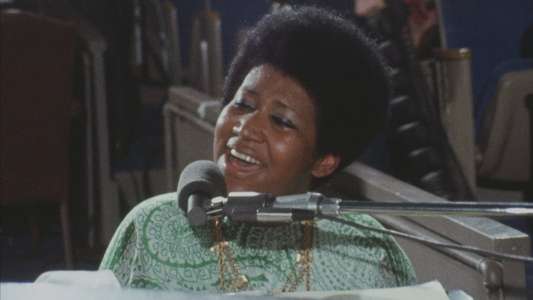
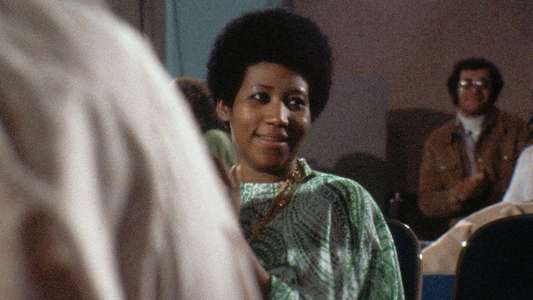
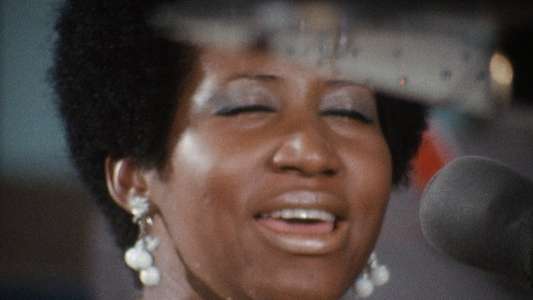
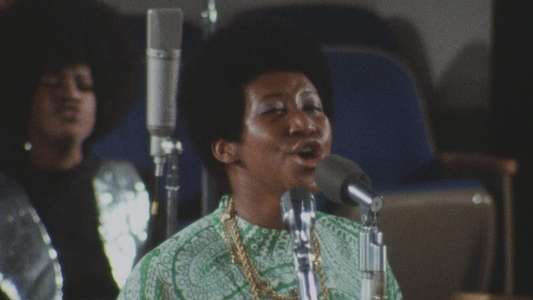
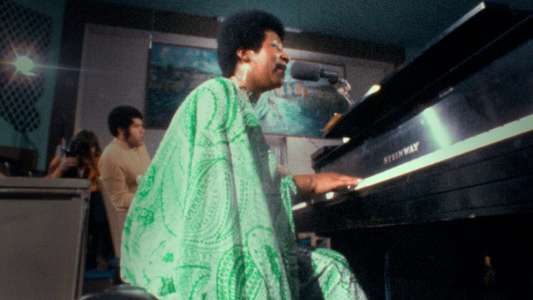
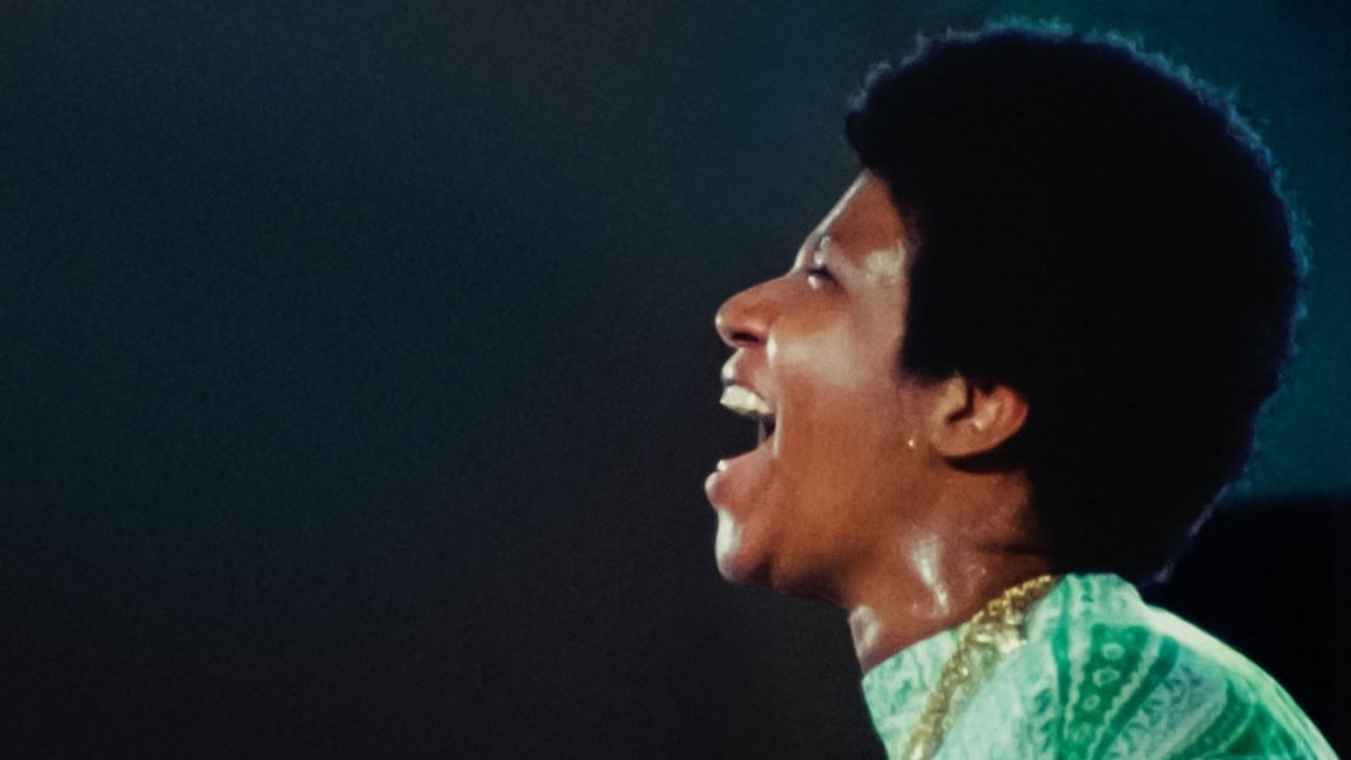
Filmed in 2 days at the New Bethel Baptist Church in Watts, Los Angeles on Jan. 13 and 14, 1972, with a crew of film and sound engineers and five 16mm cameras, all directed by Sydney Pollack.
"Rev. Franklin: I went in the cleaners one day in Detroit to pick up some clothes, and Aretha had appeared on a recent television show. And she told me, "I saw your daughter Aretha last night." I said, "Yes? How did you like it?" She said, "It was all right. But I'll be glad when she comes back to the church." I said, "Listen baby, let me tell you something. If you want to know the truth, she has never left the church.""
"Rev. Cleveland: I'd like for you to be mindful, though, that this is a church, and we're here for a religious service. And we want you to be a part of it; we want you to give vent to the Spirit. And those of you who are not hip to giving vent to the Spirit, then you do the next best thing."


![Amazing Grace [Official Trailer] - In Theaters April 5 2019](https://img.youtube.com/vi/ypHZbtqSU48/mqdefault.jpg)