
Movie |
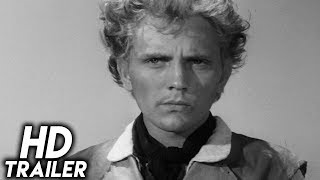
Homicide | Mutiny
Disclaimer: All content and media belong to original content streaming platforms/owners like Netflix, Disney+ Hotstar, Amazon Prime Videos, JioCinema, SonyLIV etc. 91mobiles entertainment does not claim any rights to the content and only aggregate the content along with the service providers links.
Best Actor in a Supporting Role | 1963 | Terence
Best Film from any Source | 1963
Best British Film | 1963
Best British Screenplay | 1963
Most Promising Newcomer to Leading Film Roles | 1963 | Terence
Best Foreign Actor | 1963 | Robert
Outstanding Directorial Achievement in Motion Pictures | 1963 | Peter
Best Written American Drama | 1963
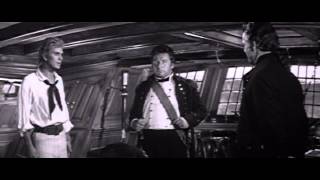
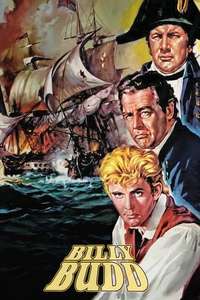
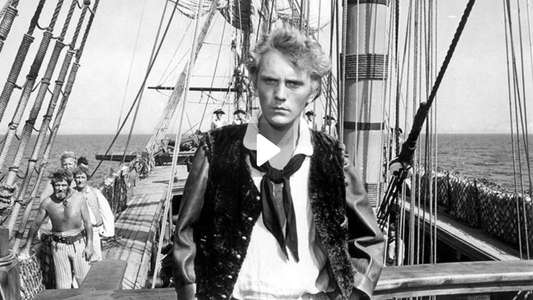
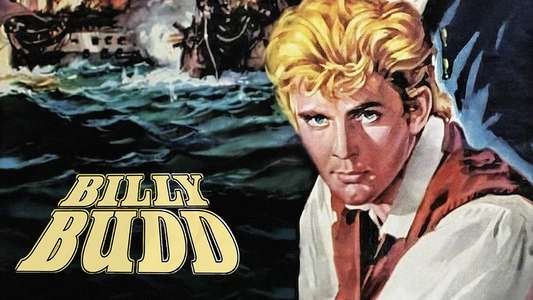
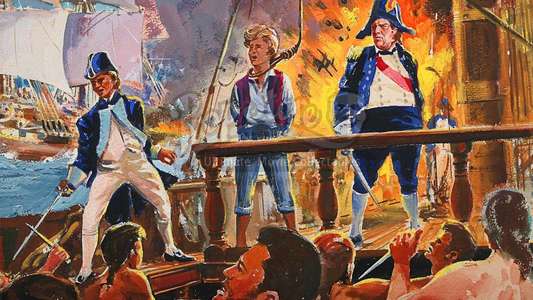
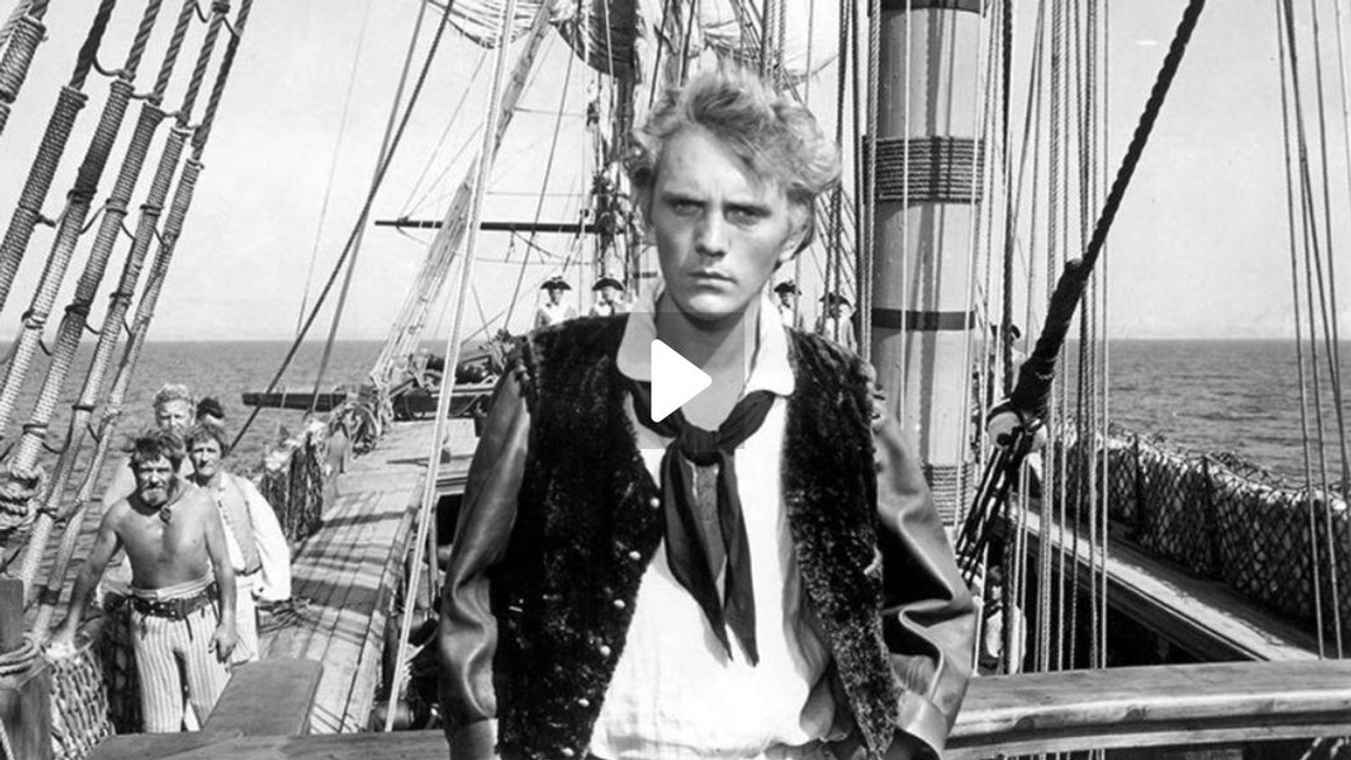
Herman Melville had been writing poetry for thirty years when he returned to fiction with "Billy Budd" in late 1888. Still unfinished when he died in 1891, it was forgotten. Melville's biographer accidentally stumbled upon it when going through a trunk of Melville's papers in his granddaughter's New Jersey house in 1919. Melville's widow worked to help complete it, and it was finally published in 1924. Over the years, other unsatisfactory versions were published, but it wasn't until Melville's original notes were found that the definitive version was ultimately published in 1962. Coincidentally, Sir Peter Ustinov's movie version was released the same year.
Writer and Director Sir Peter Ustinov reported that he was horrified by attempts by Allied Artists to make this movie more commercial. One idea was to close this movie with a montage of stock footage from pirate movies. There were also repeated attempts to impose a happy ending on the film. Ustinov sarcastically asked if they thought "Ben Hur" would have been a bigger hit had Christ been reprieved from the Crucifixion in that film. The tragic ending of Melville's story was retained.
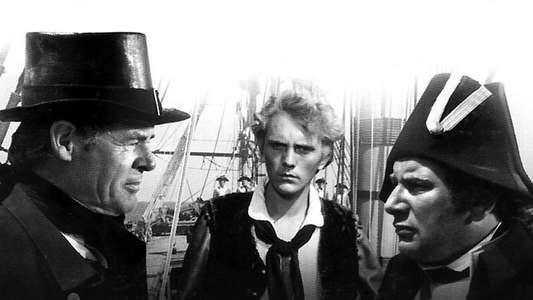
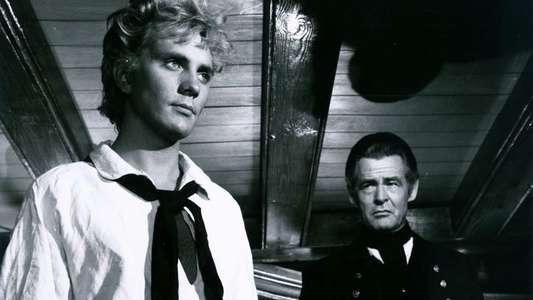
Terence Stamp stated that he was disconcerted by Robert Ryan keeping him at a distance during filming. He later realized that this had been done deliberately to create the right tension between their characters.
When this movie opened in Britain in November, 1962, there was no mention of DeWitt Bodeen in the screenplay credits or the advertising. The screenplay was credited to Sir Peter Ustinov and Robert Rossen. However, whenever this movie has been shown on British television (it has been televised on only a handful of occasions in the U.K.), the credits have instead named Bodeen as Ustinov's only collaborator, and made no mention of Rossen.
Writer and Director Sir Peter Ustinov wrote that there was friction between the British and Spanish elements of the crew, partly because of the former insisting on their union breaks for tea, and on having more sophisticated lavatory facilities.
"Billy Budd: There are many ways to lie, Mr. Claggert, but there is only one way to tell the truth."
"Billy Budd: It's wrong to flog a man. It's against his being a man."