
Movie |
Juvenile Delinquent | Teaching
Disclaimer: All content and media belong to original content streaming platforms/owners like Netflix, Disney+ Hotstar, Amazon Prime Videos, JioCinema, SonyLIV etc. 91mobiles entertainment does not claim any rights to the content and only aggregate the content along with the service providers links.

National Film Preservation Board | 2016
Best Film Editing | 1956
Best Art DirectionSet Decoration BlackandWhite | 1956
Best Cinematography BlackandWhite | 1956
Best Writing Screenplay | 1956 | Richard
Best Written American Drama | 1956 | Richard
Outstanding Directorial Achievement in Motion Pictures | 1956 | Richard
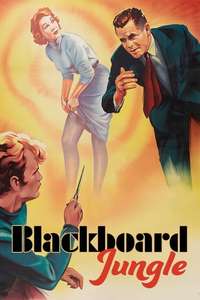
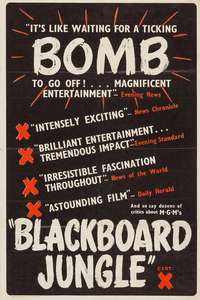
Clare Boothe Luce, then U.S. Ambassador to Italy, prevented the film from being shown at the Venice Film Festival; and a Senate committee had decided that the film would not have beneficial effects on contemporary youth. Both incidents only served to increase publicity and ticket sales for the controversial movie.
Film debut of Vic Morrow.
Film debut of Jamie Farr.
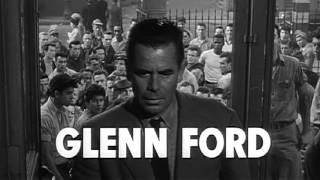
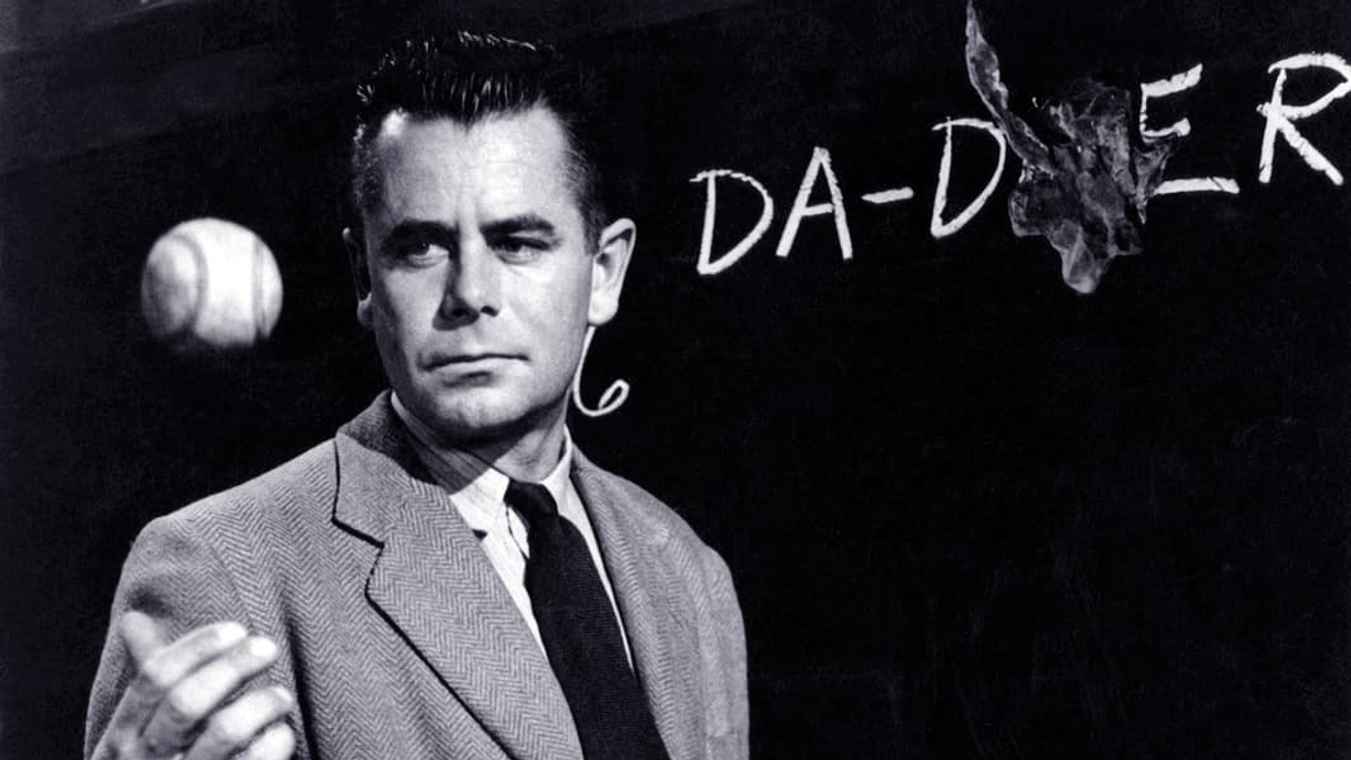
This film launched the rock'n'roll era, especially in American movies, by using "Rock Around the Clock" by Bill Haley and the Comets as its theme. The song was chosen for the theme song after it was heard among records owned by Peter Ford, son of the film's star, Glenn Ford (a story that the producer's daughter had discovered the song is not true) "Rock Around the Clock" had been largely ignored until it was heard in the movie, after which it soon shot to #1 around the world, and eventually sold an estimated 25 million copies. In an embarrassing miscalculation, MGM could have owned the complete rights to the song, but it ignored writer/director Richard Brooks' advice to buy it outright; instead, the studio went penny-wise and pound-foolish and merely purchased, for only a few dollars, the film-use rights to the mega-hit song.
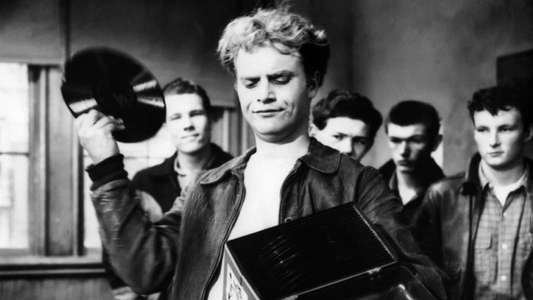
To the end of his life, Richard Kiley regularly received collections of old jazz records to make up for the ones his character lost in this picture.
"Richard Dadier: Yeah, I've been beaten up, but I'm not beaten. I'm not beaten, and I'm not quittin'."
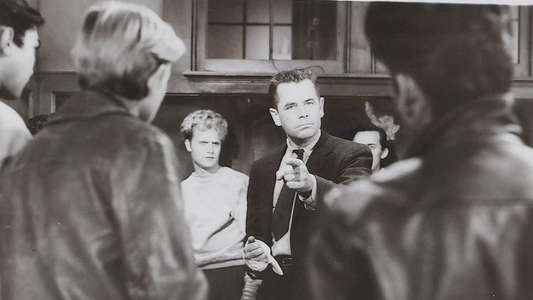
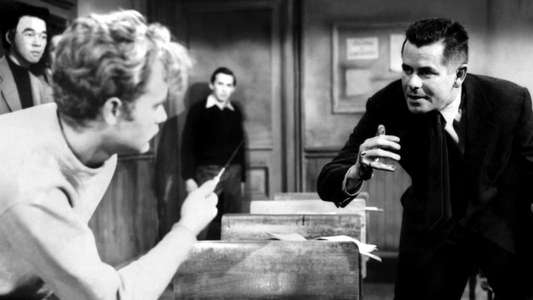
"Artie West: All you gotta do is take it. Come on take it. [Belazi sneaks behind Dadier] Richard Dadier: That's just what I'm gonna do, big shot. [Belazi tries to attack Dadier from behind but Miller intercepts him] Richard Dadier: [West strikes at Dadier and cuts him in the hand] Come on, West. Come on... come on... Where you going, boy? Come on. Artie West: [West starts backing up from Dadier and calling for help from his gang, but none get involved] Belazi!... Morales!... Stoker! Gregory W. Miller: [Miller challenges Stoker] You wanna gang fight? You wanna start a rumble? Come on, boy, just make a move. Artie West: All right, you guys. Bascillo, Rock, move, both! Richard Dadier: What's the matter, West? You need help? Come on. You're holding the handle of that knife. Come on, you're the leader. You're the tough guy. You can't cut alone, huh, West? You're not so tough without a gang, but you were tough that night in the alley, weren't you? Seven to two. That's about your odds, isn't it? Artie West: This time you get cut up! Richard Dadier: Yeah, the gang-up didn't work. You went to the principal withg as story about race prejudice. You couldn't get rid of me that way. Then you started sending those foul letters to my wife. Didn't you? Didn't you, West? End of the line boy!"