
Movie |
Paris, France | Detective
Disclaimer: All content and media belong to original content streaming platforms/owners like Netflix, Disney+ Hotstar, Amazon Prime Videos, JioCinema, SonyLIV etc. 91mobiles entertainment does not claim any rights to the content and only aggregate the content along with the service providers links.

Top Foreign Films | 1954
1954
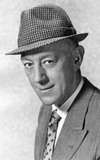
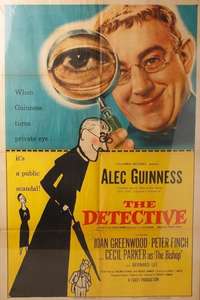
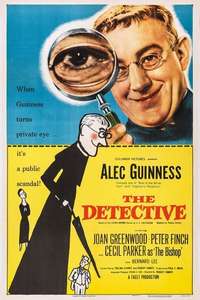
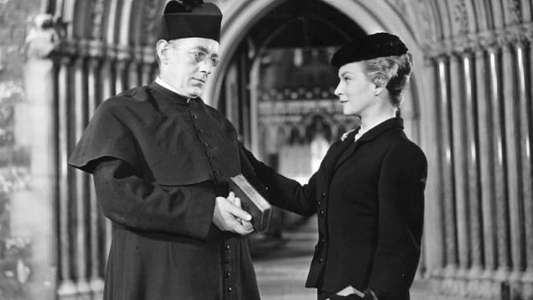
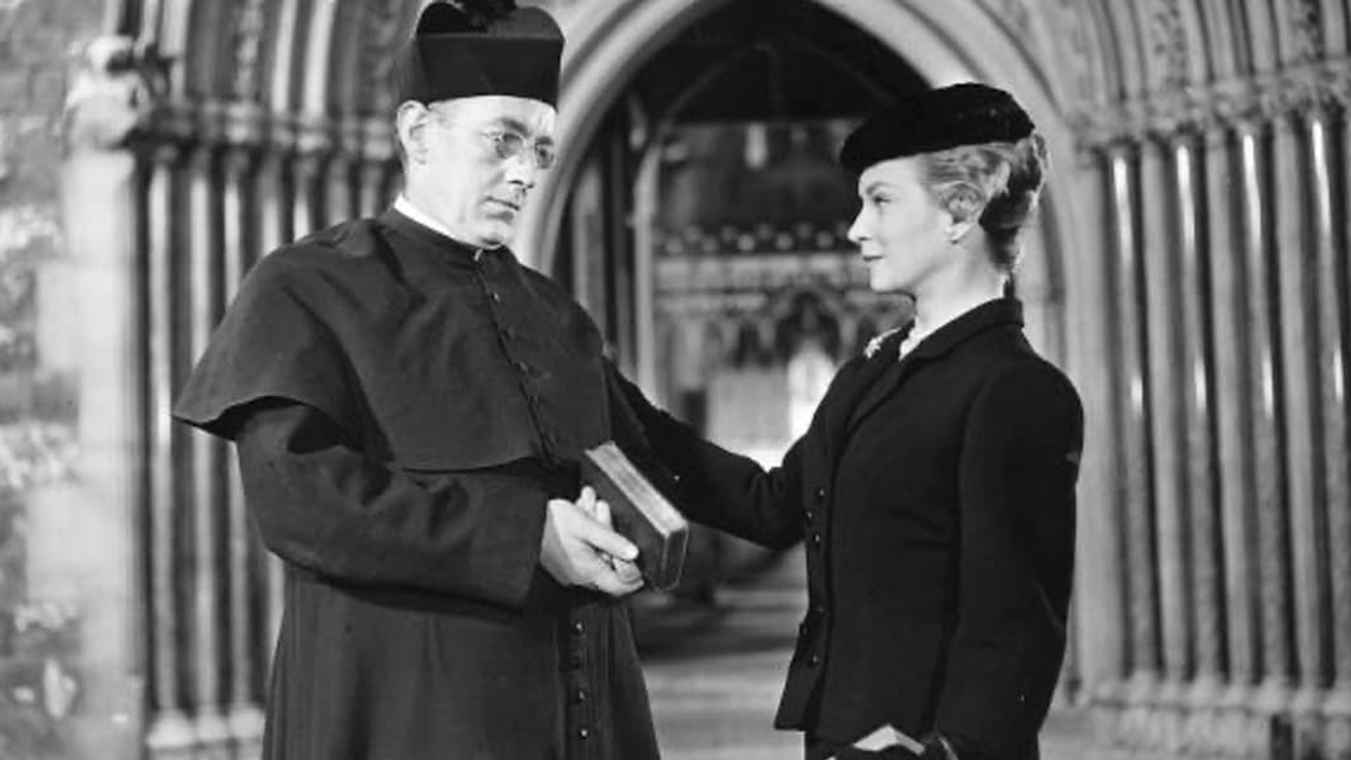
Sir Alec Guinness was spotted in costume while walking home through the French countryside. A young boy ran up to him, yelling "Mon père! Mon père!" ("My father! My father!") Guinness did not speak French, so he could not correct his mistake, but was touched that the boy apparently immediately bonded to him on the assumption that he was a priest. Soon after this movie was released, Guinness converted to Catholicism.
St. Augustine, referred to in this movie, is not the famous Saint Augustine of Hippo, a bishop and theologian who lived in 4-5 century A.D. in the Roman province of Numidia, Africa, and of whom many viewers may have heard. This movie refers to St. Augustine of Canterbury, no less famous in England, who is known as "Apostle of the English". He was an abbot in Rome, and was commissioned by Pope Gregory the Great in 596 A.D. to lead a perilous mission to England with his monks to baptize the Anglo-Saxon tribes where the Church had lost its ground many years before that followed the withdrawal of Roman legions from Britain. After the first failed attempt to reach the channel, St. Augustine returned to Rome, and on the second attempt he and his monks finally reached England in 597 A.D. St. Augustine established his mission in Canterbury, Kent and became the first Bishop there, and the head of the local church.
At the auction the Texan bids $50,000 for the chess set, which is immediately translated by the auctioneer to £17,857 two shillings and tenpence. This calculates correctly to $2.80 to the pound sterling, the standard and fixed exchange rate from 1949 until devaluation in 1967.
Loosly based on the short story "The Blue Cross" by G.K. Chesterton (1874-1936) first published in 1910.
The parable about the woman and the onion Fr. Brown relates to Flambeau is from "The Brothers Karamazov" by Fyodor Dosteovsky (1821-1881).
"Father Brown: Perhaps you think a crime horrible because you cannot imagine yourselves committing it. That isn't true, you know. What really horrifies you is the secret and shameful knowledge that you are capable of committing it. We all are, I no less than you. We were not made good people or bad people. We were made people."
"Parkinson: Father! You in trouble, Father? Father Brown: I'm disappointed in you, Bert. Parkinson: I'm sorry, Father, it was just... Father Brown: Firstly, because you did wrong. Secondly, because you did wrong in the wrong way. Frankly, you are an incompetent thief. Parkinson: Well, I wouldn't go that far. Father Brown: I would. You are clearly incapable of earning a dishonest living. Why not experiment with an honest one?"