
Movie |
Japan | World War Ii
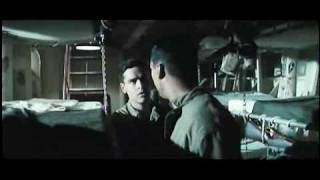
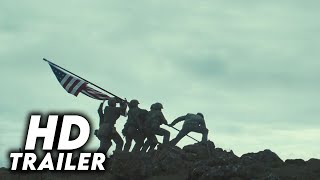
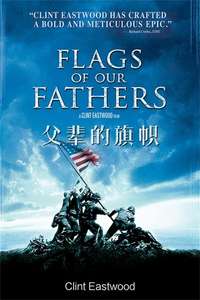
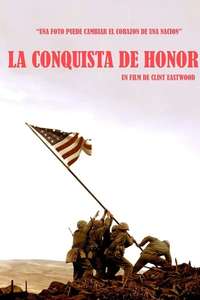
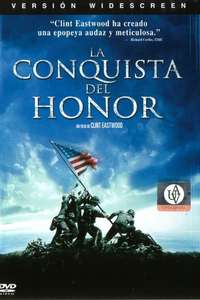
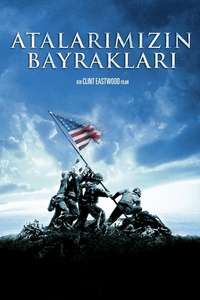
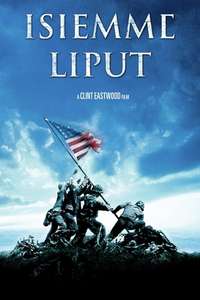
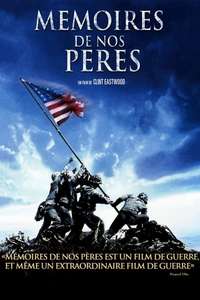
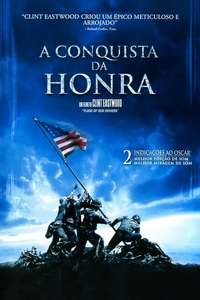
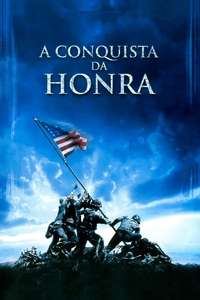
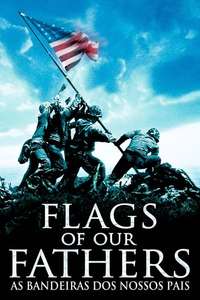
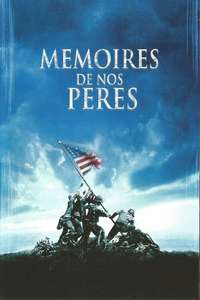
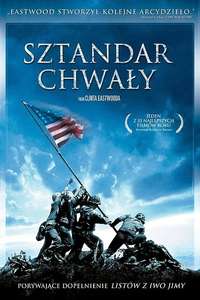
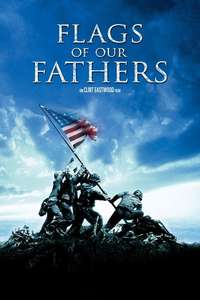
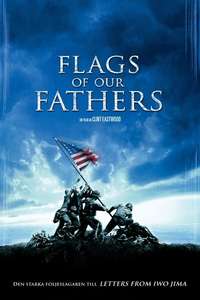
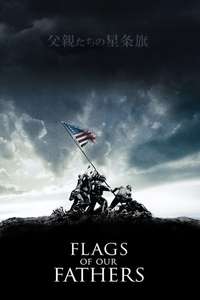
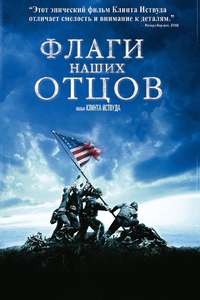
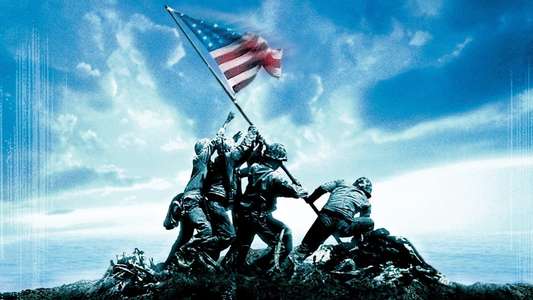
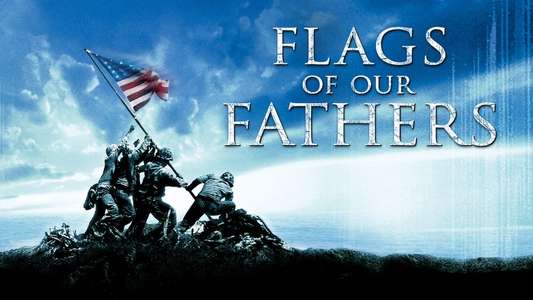
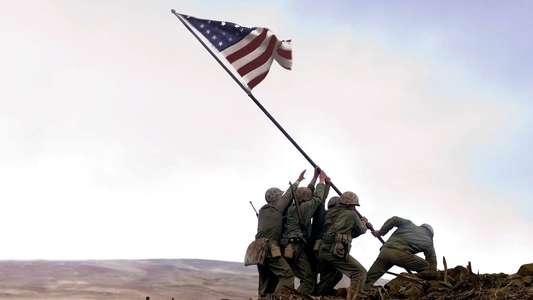
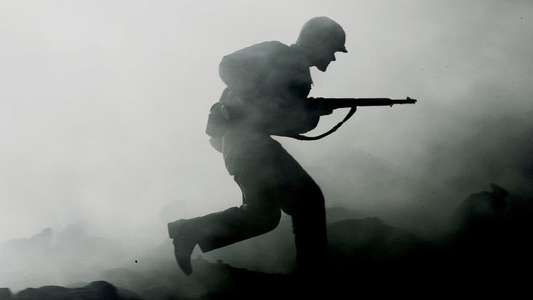
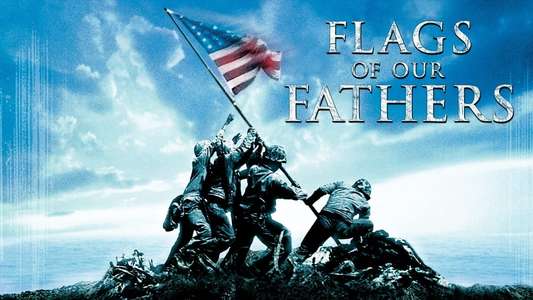
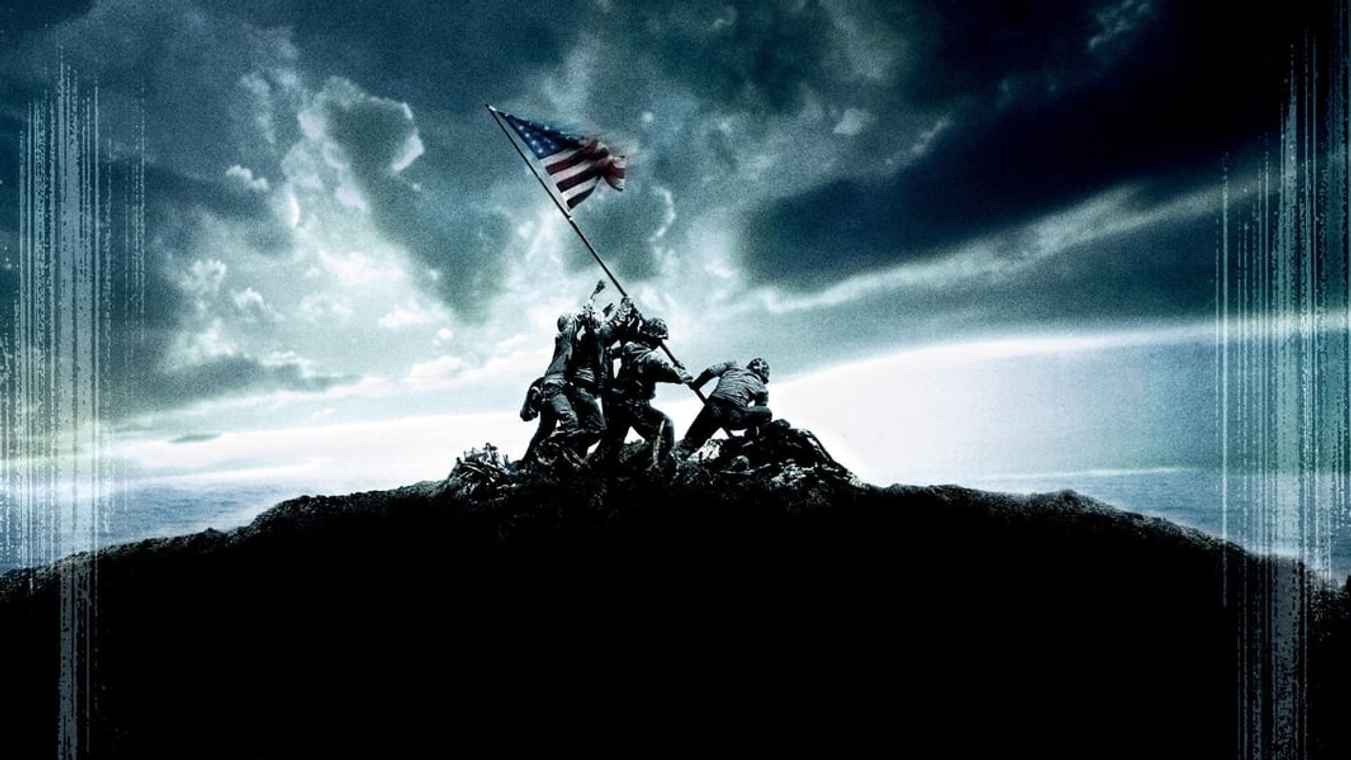
There were five Marines and one Navy Corpsman photographed raising the U.S. flag on Mt. Suribachi by Joe Rosenthal on February 23, 1945. This is the story of three of the six surviving servicemen – John 'Doc' Bradley, Pvt. Rene Gagnon and Pvt. Ira Hayes, who fought in the battle to take Iwo Jima from the Japanese.
Disclaimer: All content and media belong to original content streaming platforms/owners like Netflix, Disney+ Hotstar, Amazon Prime Videos, JioCinema, SonyLIV etc. 91mobiles entertainment does not claim any rights to the content and only aggregate the content along with the service providers links.








There were five Marines and one Navy Corpsman photographed raising the U.S. flag on Mt. Suribachi by Joe Rosenthal on February 23, 1945. This is the story of three of the six surviving servicemen – John 'Doc' Bradley, Pvt. Rene Gagnon and Pvt. Ira Hayes, who fought in the battle to take Iwo Jima from the Japanese.
Best Screenwriter | 2007 | William Broyles
Best Director For | 2007 | Clint
Best Director | 2007 | Clint
Outstanding Supporting Visual Effects in a Motion Picture | 2007 | Matthew E.
Best Foreign Language Film Director | 2007 | Clint
Best Foreign Language Film | 2007 | Clint
Top Ten Films | 2006
Best Foreign Language Film | 2006 | Clint
Best Director | 2006 | Clint
Best Art Direction Production Design | 2006 | Jack G. Taylor
Best Cinematography | 2006 | Tom
2006 | Adam
Cinema for Peace Award for The Most Valuable Film of the Year | 2007 | Clint
Best Foreign Language Film | 2007
Best Foreign Language Film | 2007
Best Achievement in Sound Editing | 2007 | Bub
Best Achievement in Sound Mixing | 2007 | Walt
Best Director Motion Picture | 2007 | Clint
Best Sound Editing in Sound Effects and Foley for a Feature Film | 2007
Best Sound Editing in a Feature Film Dialogue and Automated Dialogue Replacement | 2007 | Alan Robert
Best Foreign Film | 2007
Best Movie for Grownups | 2007
Period Film | 2007 | Jack G. Taylor
Outstanding Achievement in Sound Mixing for Motion Pictures | 2007 | Walt
Best Supporting Actor | 2007 | Adam
Best Sound Editing Mixing | 2006 | Alan Robert
Best Screenplay Adapted | 2006 | William Broyles
Best Actor in a Supporting Role | 2006 | Adam
Best Motion Picture Drama | 2006
Best Original Score | 2006 | Clint
Best Visual Effects | 2006 | Steve
Best Film Editing | 2006 | Joel
Best Film | 2006
Best Director | 2006 | Clint
Best Supporting Actor | 2006 | Adam
Best Cinematography | 2006 | Tom
Best Director For | 2006 | Clint
Best Cinematography For | 2006
Best Director | 2006 | Clint
Best Cinematography | 2006 | Tom
Best Supporting Actor | 2006 | Adam
Best Picture | 2006
Main Competition | 2006 | Tom
Best Film | 2006 | Clint
Best Picture | 2006
Budget 90,000,000 USD
Box Office Collection 65,900,249 USD
At the Cannes Film Festival, filmmaker Spike Lee criticized producer and director Clint Eastwood for not displaying African-American Marines who had fought on Iwo Jima. Eastwood's response was that the movie was about the marines who raised the flag on Mount Suribachi. He went on to explain that although African-Americans did fight on Iwo Jima (some can be seen during the briefing scene), the Marine Corps was segregated during World War II, and none of the men who raised the flag were black. Eastwood finally told Lee to "shut his face". Through the media, Lee responded that Eastwood was being an angry old man. Lee was filming Miracle at St. Anna (2008) at the time, a movie about four black soldiers fighting World War II in Italy.
The story about the flag raising being posed was true. It was started, ironically, by Joe Rosenthal. He did not know he had taken the famous photograph until he returned to the States. He did, however, take a second photograph of the five Marines and one Navy Corpsman gathered around the flag. When people asked if he had posed the photograph, he, thinking they were referring to the second photograph said "Of course". It was only after seeing the first photograph that he realized they were referring to that photograph and not the second one.
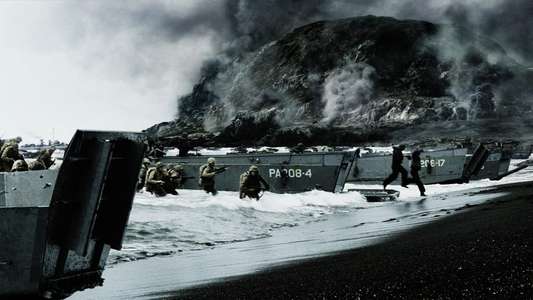
Clint Eastwood chose to film a large part of this movie in Iceland because the black sand on its beaches closely resembled Iwo Jima.
Clint Eastwood would deliberately not tell his actors where all of the special effects were rigged to explode in order to perfectly capture their looks of surprise. This was done with the actors' safety firmly in mind.
Some battle shots in the movie were made by placing Sony HVR-Z1U video cameras inside prop .50 caliber ammo cases and having extras run around with them. Clint Eastwood called these "trashcan shots".
"[last lines] James Bradley: I finally came to the conclusion that he maybe he was right. Maybe there's no such thing as heroes. Maybe there are just people like my dad. I finally came to understand why they were so uncomfortable being called heroes. Heroes are something we create, something we need. It's a way for us to understand what's almost incomprehensible, how people could sacrifice so much for us, but for my dad and these men, the risks they took, the wounds they suffered, they did that for their buddies. They may have fought for their country but they died for their friends. For the man in front, for the man beside him, and if we wish to truly honor these men we should remember them the way they really were, the way my dad remembered them."
"John Bradley: Where is he? Oh god... James Bradley: He's not here dad. He died. John Bradley: Who? Who died? James Bradley: Iggy. John Bradley: Iggy. Christ, Iggy. I hadn't thought of him for years. How do you know about Iggy? James Bradley: You were calling for him, when you collapsed. John Bradley: I wasn't looking for Iggy. I was looking for you. I wanted to... I wanted to tell you I'm sorry I wasn't a better father, talk to you more, I just... I'm sorry. James Bradley: Sorry? You were the best father a man could have. John Bradley: Did I ever tell you they took us swimming? James Bradley: No, dad. John Bradley: After we planted the flag, we came down off the mountain and went swimming. It was the funniest thing. All this fighting, and we were jumping around in the water like kids. That's the way that I remember Iggy now."