
Movie |
Gay | Suicide
Disclaimer: All content and media belong to original content streaming platforms/owners like Netflix, Disney+ Hotstar, Amazon Prime Videos, JioCinema, SonyLIV etc. 91mobiles entertainment does not claim any rights to the content and only aggregate the content along with the service providers links.



Budget 5,000,000 USD
Box Office Collection 502,758 USD
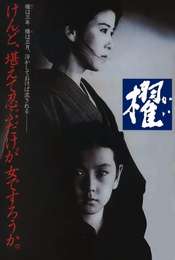
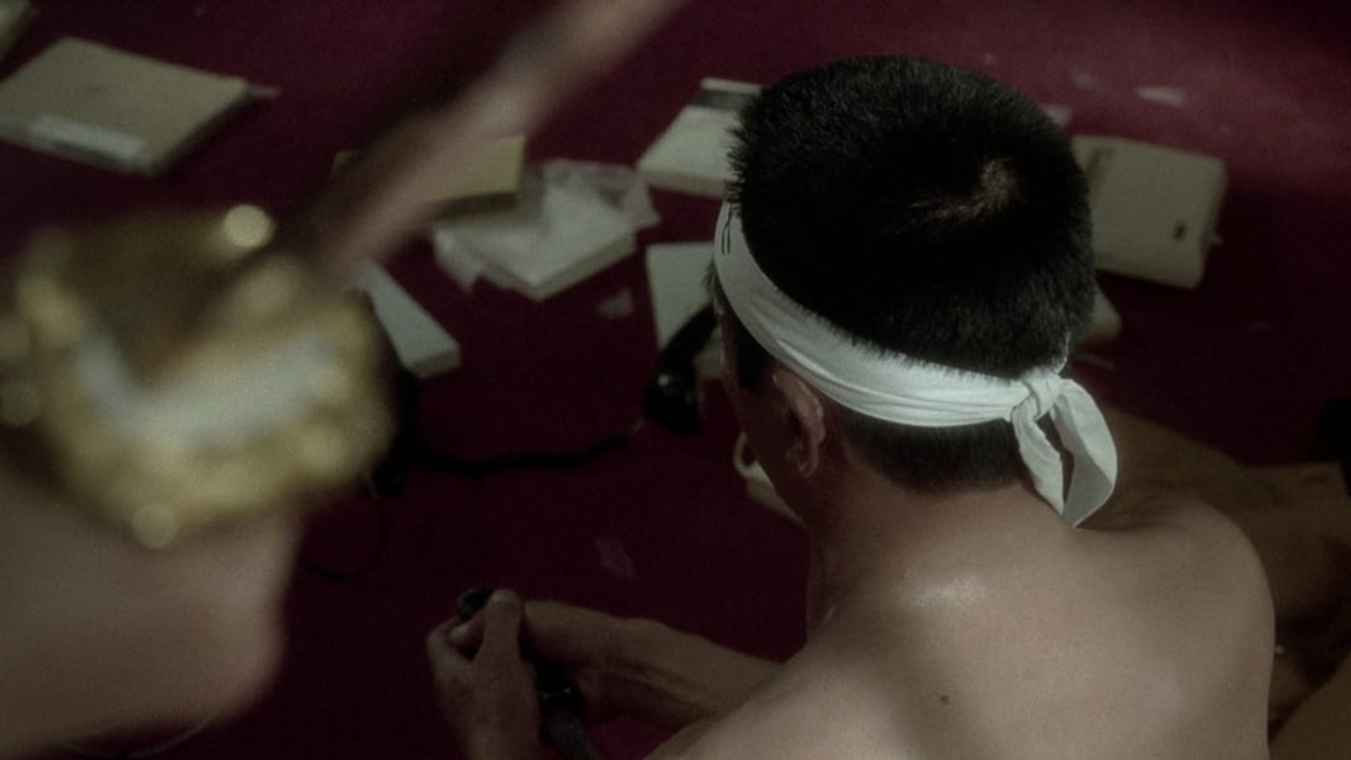
Has never been officially released theatrically or on home video in Japan even to this day (2019) because of the controversy over both Yukio Mishima's politics, and the film itself. A theatrical release was planned for Japan in 1985, but a bomb threat at a festival screening of the film there made distributors drop their plans. The film has been shown on Japanese television (albeit with the gay bar scene removed) and the U.S. DVD and Blu-Ray releases can legally be imported there.
Yukio Mishima's family originally cooperated with the making of this film but when their request that the gay bar scene be removed was denied, they withdrew their help.
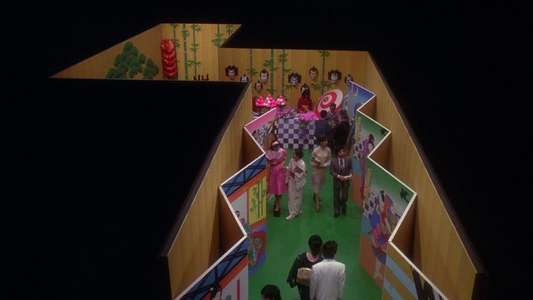
The soundtrack varies with the differing chapters of Mishima's life. the (1970) contemporary scenes has strings and percussionthe flashbacks are only stringsand the stylized scenes from his novels have a full orchestra.
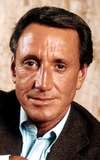
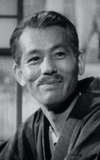
There are two versions of the film, one with English narration by Roy Scheider, the other with Japanese narration by Ken Ogata. The Ogata version also has scenes added by director Paul Schrader that were cut out from the original 1985 release. These scenes were added by Schrader to the Criterion DVD release: "We did quite a bit of work on it - [cinematographer] John Bailey and I worked a week redoing the D.I. [Digital Intermediate] and balancing the color. We did great work to the soundtrack. We added a short little scene that I had cut out featuring Chishû Ryû, the Ozu [Yasujirô Ozu] actor, that I always regretted cutting out - we found the original negative and I put that back in. I did some sky replacement at the end of [the segment] "Runaway Horses" because I wasn't really happy with the shots at the end. We were able to go back and replace the natural sky with an artificial sky. Then we went back to the original digital on Philip Glass' soundtrack and so the sound is much better on the Criterion version. We also put Ken Ogata's narration in, so now it finally has Japanese narration."
Director Paul Schrader claims that a substantial amount of the financing came from Japan, but the Toho studio and their partners have persistently denied this: "We had a Japanese producer who was able to raise half of the budget through his own money and from Fuji Television and Toho-Towa. Then, of course, the Japanese financiers tried to pull out at the last minute because of pressure from the widow. There was another drama involving that and the end result was that they gave us the money but claimed that they didn't. To this day, they claim that they did not finance the film."
"Yukio Mishima (Narrator): The average age for a man in the Bronze Age was eighteen, in the Roman era, twenty-two. Heaven must have been beautiful then. Today it must look dreadful. When a man reaches forty, he has no chance to die beautifully. No matter how he tries, he will die of decay. He must compel himself to live."
"Yukio Mishima: I come out on the stage determined to make people weep. Instead, they burst out laughing."