
Show |
Robert E Lee
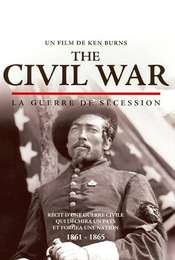
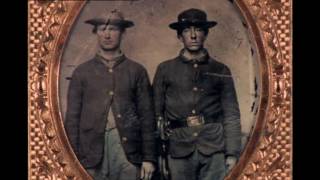
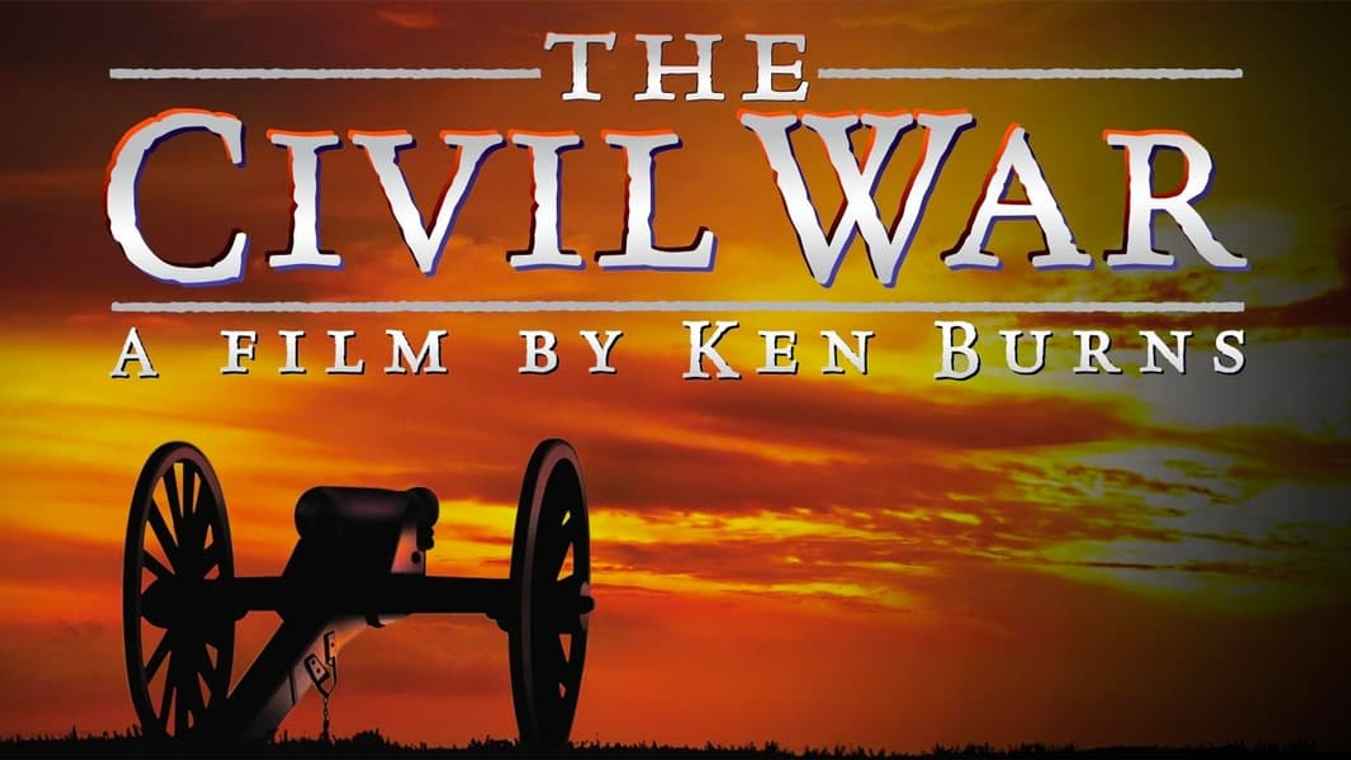
A comprehensive and definitive history of the American Civil War.
Disclaimer: All content and media belong to original content streaming platforms/owners like Netflix, Disney+ Hotstar, Amazon Prime Videos, JioCinema, SonyLIV etc. 91mobiles entertainment does not claim any rights to the content and only aggregate the content along with the service providers links.
A comprehensive and definitive history of the American Civil War.
Outstanding Informational Series | 1991 | Ken
Outstanding Individual Informational Programming | 1991 | Ric
Television Programs | 2022
1991
1991 | Ken
Documentaries Special Awards Category | 1991 | Geoffrey C.
Favorite TV MiniSeries | 1991
Documentary and Essay | 1991 | Ken
Outstanding Producer of Television | 1991 | Ric
Best Documentary | 1990 | Ken
Documentary Series | 1990 | Ken
Documentary | 1990 | Ken
Best Edited Documentary | 1991 | Paul
Outstanding Achievement in Drama | 1991
Outstanding Achievement in News and Information | 1991
Shelby Foote became a celebrity after the success of this mini-series. Foote's phone number was listed in his local phone book, and he received frequent calls from fans. He never removed his number from the phone book, and received calls whenever the mini-series aired for the rest of his life.
Took six years to make. The war itself lasted four years.
The song used as General Grant's theme is Kingdom Come (a.k.a. Year of Jubilo), a minstrel show song written in 1862 by Henry Clay Work. It has appeared in other movies, including Meet Me in St. Louis (1944) and several cartoon shorts by Tex Avery. The original lyrics are very offensive by modern standards; the first line is "Say, darkey, have you seen de massa wif de moustache on his face?"
George Plimpton, the voice of George Templeton Strong, is the great-great-grandson of General Benjamin Franklin Butler, voiced by Studs Terkel.
Sam Waterston, who voiced President Abraham Lincoln, also portrayed him in Lincoln (1988).
"Narrator: A week before the battle of Bull Run, Sullivan Ballou, a major in the 2nd Rhode Island Volunteers, wrote home to his wife in Smithfield. Sullivan Ballou: July 14, 1861. Washington, D.C. Dear Sarah, indications are very strong that we shall move in a few days-perhaps tomorrow. Lest I should not be able to write again, I feel impelled to write a few lines that may fall under your eye when I'm no more. I have no misgivings about, or lack of confidence in, the cause in which I'm engaged, and my courage does not halt or falter. I know how American Civilization now leans upon the triumph of the Government, and how great a debt we owe to those who went before us through the Revolution. And I am willing, perfectly willing, to lay down all the joys in this life, to help maintain this Government and to pay that debt. Sarah, my love for you is deathless. It seems to bind me with mighty cables that nothing but Omnipotence can break. Yet my love of Country comes over me like a strong wind, bearing me irresistibly with all these chains to the battlefield. The memories of all the blissful moments I've enjoyed with you come crowding over me. And I feel most deeply grateful to God and you that I've enjoyed them for so long. How hard it is to give them up and burn to ashes the hopes of future years, when God willing, we might still have lived and loved each other and seen our boys grown to honorable manhood around us. If I do not return, my dear Sarah, never forget how much I loved you. Nor that when my last breath escapes me on the battlefield, it will whisper your name. Forgive my many faults and the many pains I have caused you. How thoughtless, how foolish I have sometimes been. But, oh, Sarah, if the dead can come back to this earth and flit unseen around those they love, I'll always be with you; in the brightest day and the darkest night, always. Always. And when the soft breeze fans your cheek, it shall be my breath. Or the cool air at your throbbing temple, it shall be my spirit passing by. Sarah, do not mourn me dead. Think I am gone, and wait for me, for we shall meet again. Narrator: Sullivan Ballou was killed a week later at the First Battle of Bull Run."
"Abraham Lincoln: As a nation, we began by declaring that "All men are created equal." We now practically read it, "All men are created equal, except Negroes." Soon, it will read "All men are created equal, except Negroes, and Foreigners and Catholics." When it comes to this, I should prefer emigrating to some country where they make no pretense of loving liberty. To Russia, for instance, where despotism can be taken pure and without the base alloy of hypocrisy."