
Movie |
Nurse | Missionary
Disclaimer: All content and media belong to original content streaming platforms/owners like Netflix, Disney+ Hotstar, Amazon Prime Videos, JioCinema, SonyLIV etc. 91mobiles entertainment does not claim any rights to the content and only aggregate the content along with the service providers links.

Best British Actress | 1960 | Audrey
Best Actress | 1959 | Audrey
Best Foreign Actress Migliore Attrice Straniera | 1960 | Audrey
Best Director | 1960
Best Sound | 1960 | George
Best Film Editing | 1960
Best Music Scoring of a Dramatic or Comedy Picture | 1960
Best Picture | 1960
Best Writing Screenplay Based on Material from Another Medium | 1960 | Robert
Best Actress in a Leading Role | 1960 | Audrey
Best Cinematography Color | 1960
Best Motion Picture Drama | 1960
Best Director | 1960
Best Actress Drama | 1960 | Audrey
Best Supporting Actress | 1960
Best Film Promoting International Understanding | 1960
Best Film from any Source | 1960
Best British Actress | 1960 | Peggy
Best British Actor | 1960
Best Soundtrack Album Background Score Motion Picture or Television | 1959
Best Written American Drama | 1960 | Robert
1960
Outstanding Directorial Achievement in Motion Pictures | 1960
Top Drama | 1960
Top Female Dramatic Performance | 1960 | Audrey
Top Score | 1960
Best Film | 1959
Budget 3,500,000 USD
Box Office Collection 12,800,000 USD
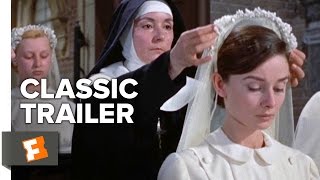
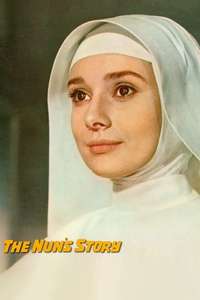
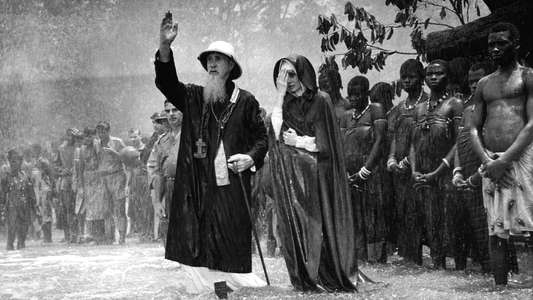
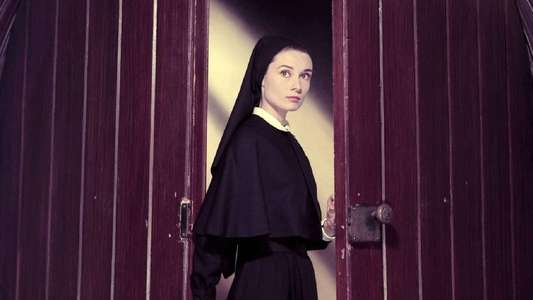
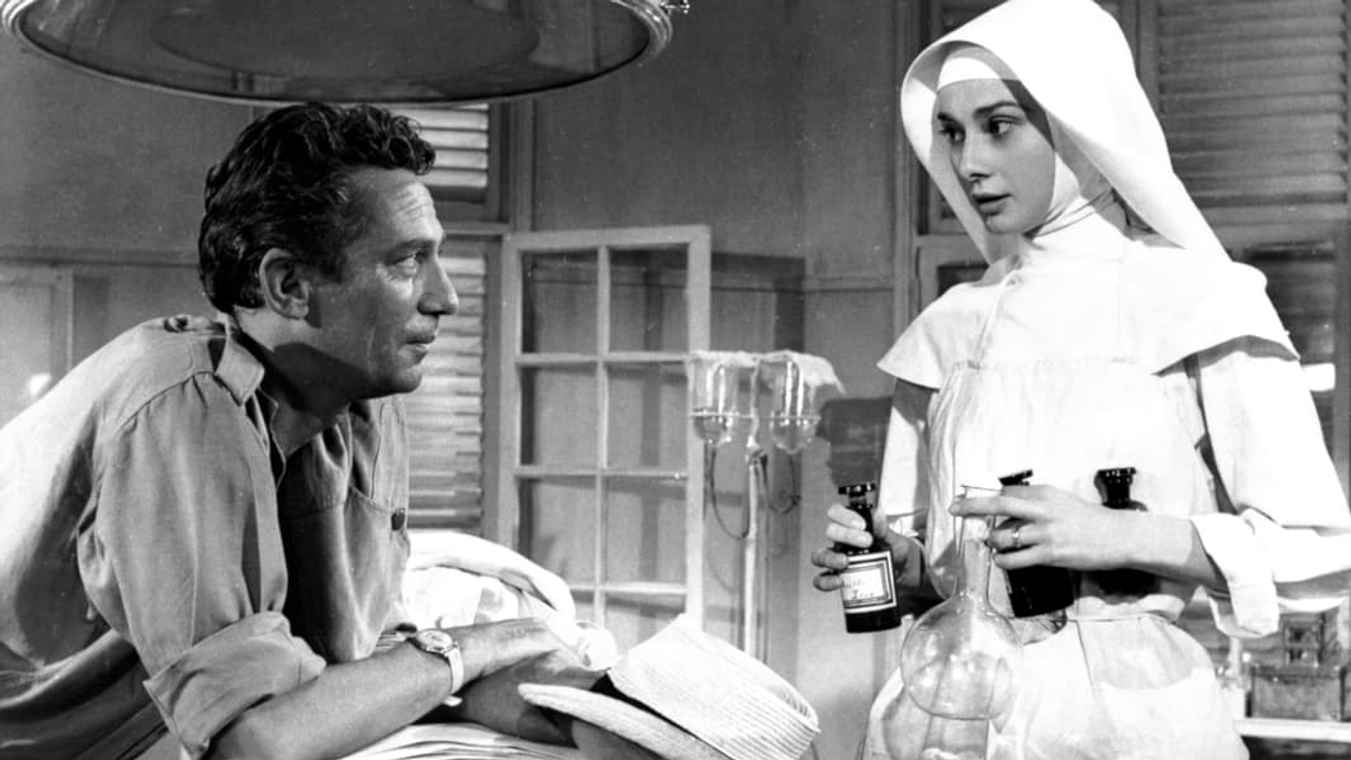
The role of Sister Luke was suggested for Ingrid Bergman but Bergman herself said she was too old for the role and instead proposed Audrey Hepburn.
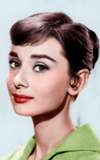
This was one of Audrey Hepburn's favorite of her films. It was also one of her most financially successful.
Audrey Hepburn met the real Marie-Louise Habets - inspiration for the novel and film - while she was preparing for the role. The two actually became great friends and Habets later nursed Hepburn back to health after her near-fatal horse-riding accident on the set of The Unforgiven (1960).
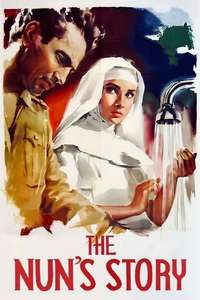
An often-reported legend surrounding this movie is the story that Audrey Hepburn demanded a bidet be provided for her on location in the Congo. Hepburn always denied this, wondering how such an extravagance could even be hooked up in the Congo.
The opening credits play out over street scenes of Bruges (or Brugge in Dutch). At over 1,500 years old (though did not receive its city charter until 1128), it is one of the oldest cities in Belgium, and was at one time the most important commercial city in the world.
"Sister Luke: You can cheat your sisters, but you cannot cheat yourself or God. Rev. Mother Emmanuel: Have you struggled long enough to say surely that you've come to the end? Sister Luke: I think I've been struggling all these years, Reverend Mother. In the beginning each struggle seemed different from the one before it. But then they began to repeat, and I saw they all had the same core: obedience. Without question, without inner murmuring. Perfect obedience as Christ practiced it. As I no longer can. Rev. Mother Emmanuel: Yes? Sister Luke: There are times when my conscience asks which has priority. It or the Holy Rule? When the bell calls me to chapel, I often have to sacrifice what might be the decisive moment in a spiritual talk with a patient. I'm late every day for chapel or refectory or both. When I have night duty I break the Grand Silence because I can no longer cut short a talk with a patient who seems to need me. Mother, why must God's helpers be struck dumb by five bells in the very hours when men in trouble want to talk about their souls?"
"[kneeling in prayer after offering to help the Belgian Underground] Sister Luke: Dear Lord, forgive me, I cannot obey anymore. What I do from now on is between You and me alone."