
Movie |
Informant | Suicide
Disclaimer: All content and media belong to original content streaming platforms/owners like Netflix, Disney+ Hotstar, Amazon Prime Videos, JioCinema, SonyLIV etc. 91mobiles entertainment does not claim any rights to the content and only aggregate the content along with the service providers links.


Best Sound Recording | 1944
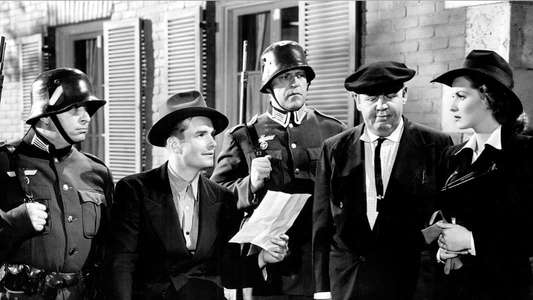
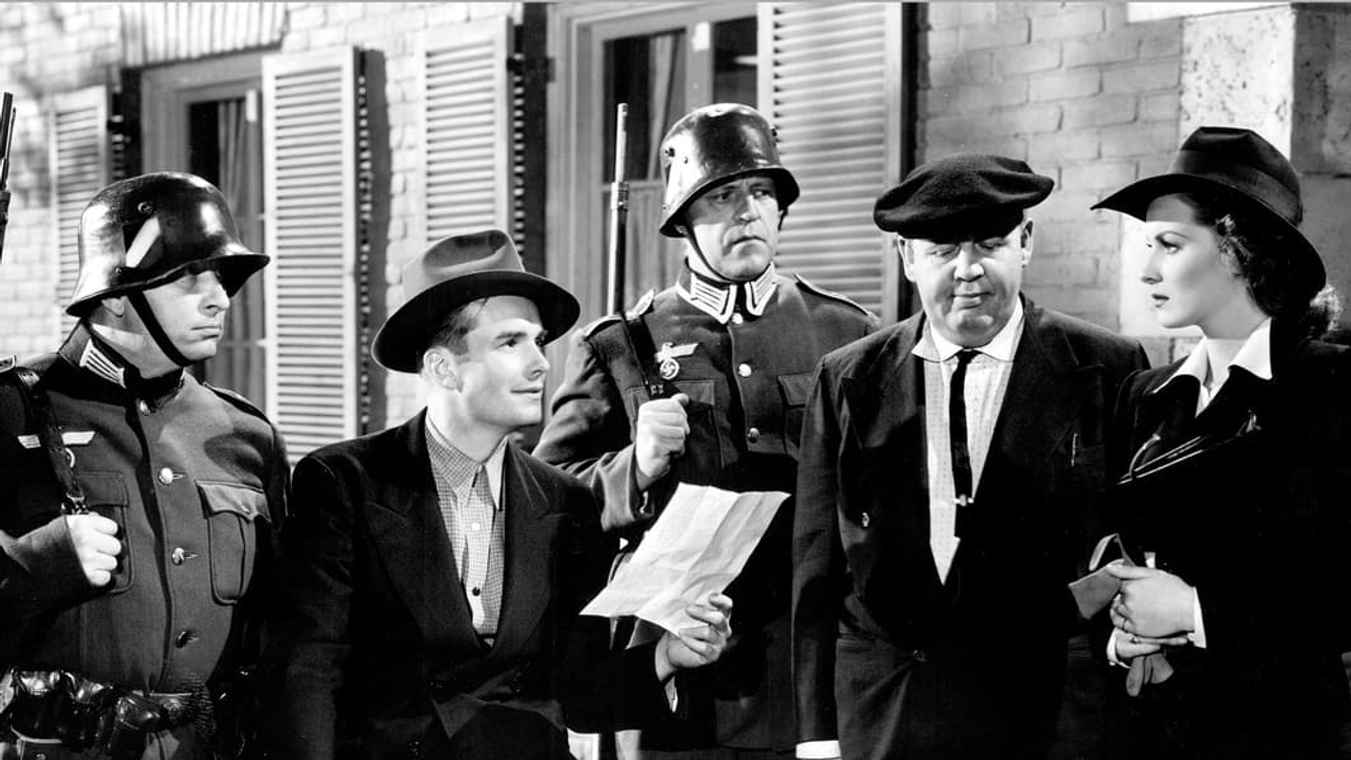
The singing of "Die Lorelei" by the German soldiers was a subtle dig at the anti-semitic regime of the Nazis, since the words were written by banned Jewish poet Heinrich Heine. Many of his books, considered "un-German," were burned in the book-burning episode at Opernplatz, Berlin, Germany, on 10 May 1933. However, his works were so popular that they were still published, but "author unknown" was the listed writer. In his 1821 play "Almansor," Heine also prophetically wrote "Dort, wo man Bücher verbrennt, verbrennt man am Ende auch Menschen" ("Where they burned books, they will in the end burn people").
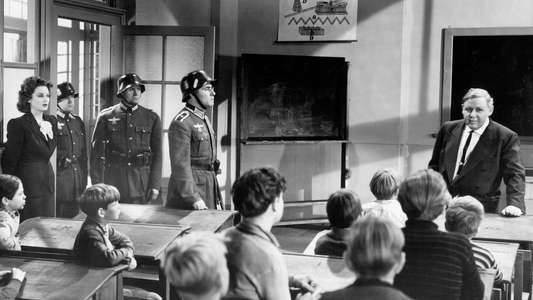
The book that Albert begins reading to his students at the end of the movie is "The Declaration of the Rights of Man and of the Citizen" (French: Déclaration des droits de l'Homme et du Citoyen), a fundamental document of the French Revolution.
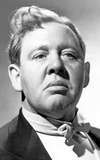
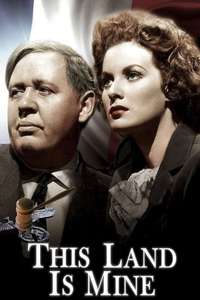
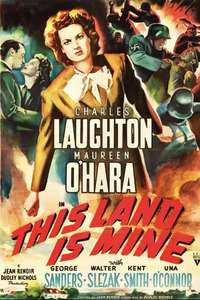
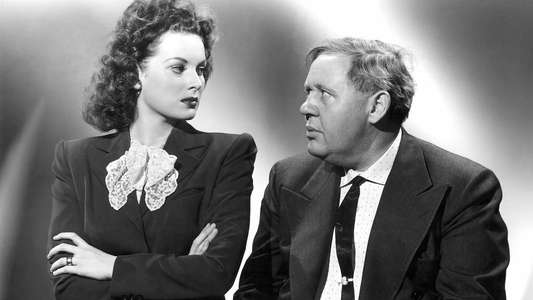
Director Jean Renoir always had Charles Laughton in mind for the lead role.
Walter Slezak ran into Charles Laughton on a train in Chicago where Slezak gave Laughton a copy of a script. Laughton stayed up all night reading it.
The film opened simultaneously at 72 theaters in 50 key cities on 7 May 1943, setting a box office record for gross receipts on an opening day. Opening-day ceremonies were broadcast on a radio station in Cincinnati, Ohio.
"Albert Lory: The truth can't be allowed to live under the occupation. It's too dangerous. The occupation lives upon lies! As the whole evil world they call the New Order does."
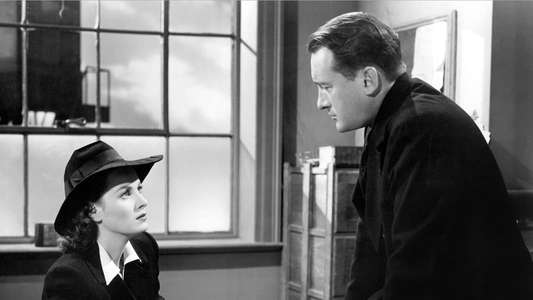
"Paul Martin: You told? George Lambert: [Quickly] Yes. Why did you do it, Paul? Paul Martin: Why did YOU do it, George? George Lambert: [after a pause] Don't look at me! Paul Martin: You're looking at yourself, George, and that's what you can't stand. You can't stand it, and that's why you're warning me. Thanks, Georg. [He leaves]"