While I have been a gamer since age four, Capcom games were not something I took a lot of notice of for a very long time. Sure, I played Marvel vs. Capcom on my original PlayStation and really, really enjoyed it, but the original Resident Evil never quite caught my attention. I watched friends play Devil May Cry and gave it a shot back then, but it simply wasn’t for me at the time.
Fast forward to the 2010s, as a much more mature gamer open to trying new experiences, 2013’s DmC: Devil May Cry (developed by Ninja Theory) caught my attention as a great action-adventure game and made me reconsider the publisher’s lineup. A few years later, Resident Evil 7: Biohazard completely hooked me, especially since I had grown to love titles like Dead Space. By the time 2019’s Resident Evil 2 Remake and Devil May Cry 5 were released, I was firmly cemented as a fan of whatever Capcom was doing in the horror and action genres. Today, games like Resident Evil Village, Resident Evil 4 Remake, Street Fighter 6, Resident Evil Requiem, and Pragmata prove that Capcom is on an incredible roll across old classics, remakes, and original IPs. This revival is made even more impressive by Capcom’s powerhouse RE Engine, making Way of the Sword, their first mainline entry in the Onimusha franchise in nearly two decades, one of my most anticipated releases.
Table of Contents
Welcome to Kyoto: A Standalone Dark Fantasy
Though I have known about the Onimusha franchise for a very long time, Way of the Sword is the first Onimusha game I have ever played. If you are a newcomer to the series, this review will help you understand whether it’s for you, because you do not need deep background knowledge to enjoy it. The story does not rely on deep, multi-game lore like Resident Evil; it is a completely standalone experience where you will feel right at home.
The game is set in a dark fantasy version of Kyoto during the Edo period. Hell is leaking onto Earth, and after completing an opening battle, you are thrust into a realm overrun by demons where you must assist an entourage of allies to push back the demonic threat and defeat the main villain. Specifically, the game opens right after Musashi’s legendary duel against his rival, Sasaki Ganryu. From there, you are drawn into a war against the Genma, an underworld demon army led by the resurrected warlord Minamoto no Yoshitsune. To fight back, Musashi relies on a cast of memorable companions, including Shizuka (the Oni spirit bound to his gauntlet), Takamura (a veteran warrior protecting the hellgate), and Okuni (a nimble kabuki dancer).
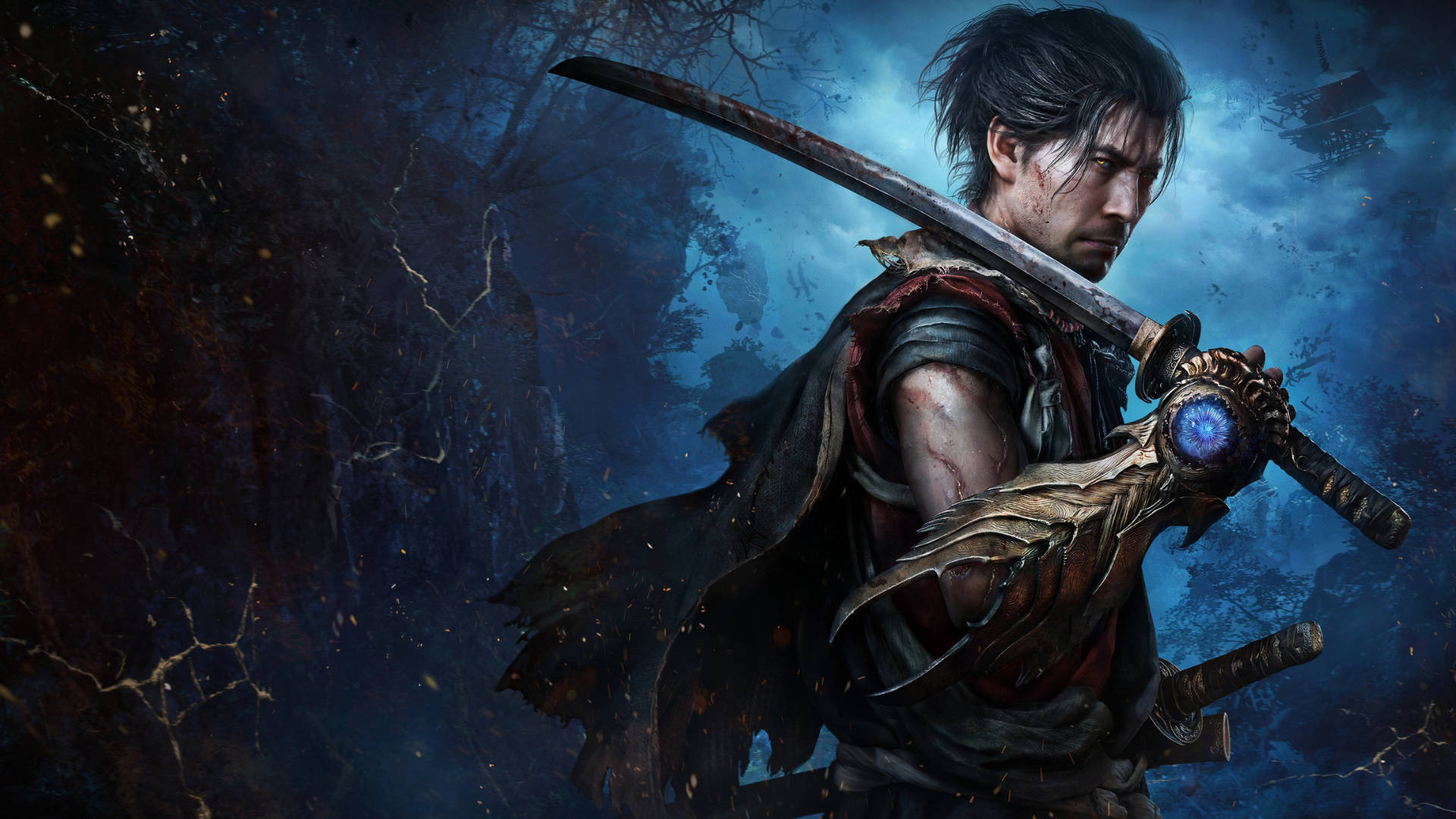
The protagonist, Miyamoto Musashi, is modelled after iconic Japanese cinema legend Toshiro Mifune, famous for his roles in classic Akira Kurosawa samurai films. Musashi is easily one of the best-written and most charismatic characters I’ve played recently. He’s quirky, immensely cool, and delivers cheeky, B-movie-style one-liners that could give Leon Kennedy from Resident Evil a run for his money, frequently making you want to pause the game just to laugh before diving back into combat. While the overarching story keeps things simple and straightforward without head-scratching twists (unlike complex games such as Control), its efficient narrative drives you seamlessly from point A to point B.
Precision-Driven Combat: Risk, Reward, and High-Stakes Bosses
To set expectations clearly: Onimusha: Way of the Sword is not a Souls-like game. Even though it features mechanics like stamina, parrying, and respawning at nearby checkpoints, it isn’t punishingly frustrating, and you do not lose your inventory or collectables upon dying. It is a true third-person action-adventure game akin to Devil May Cry or classic God of War.
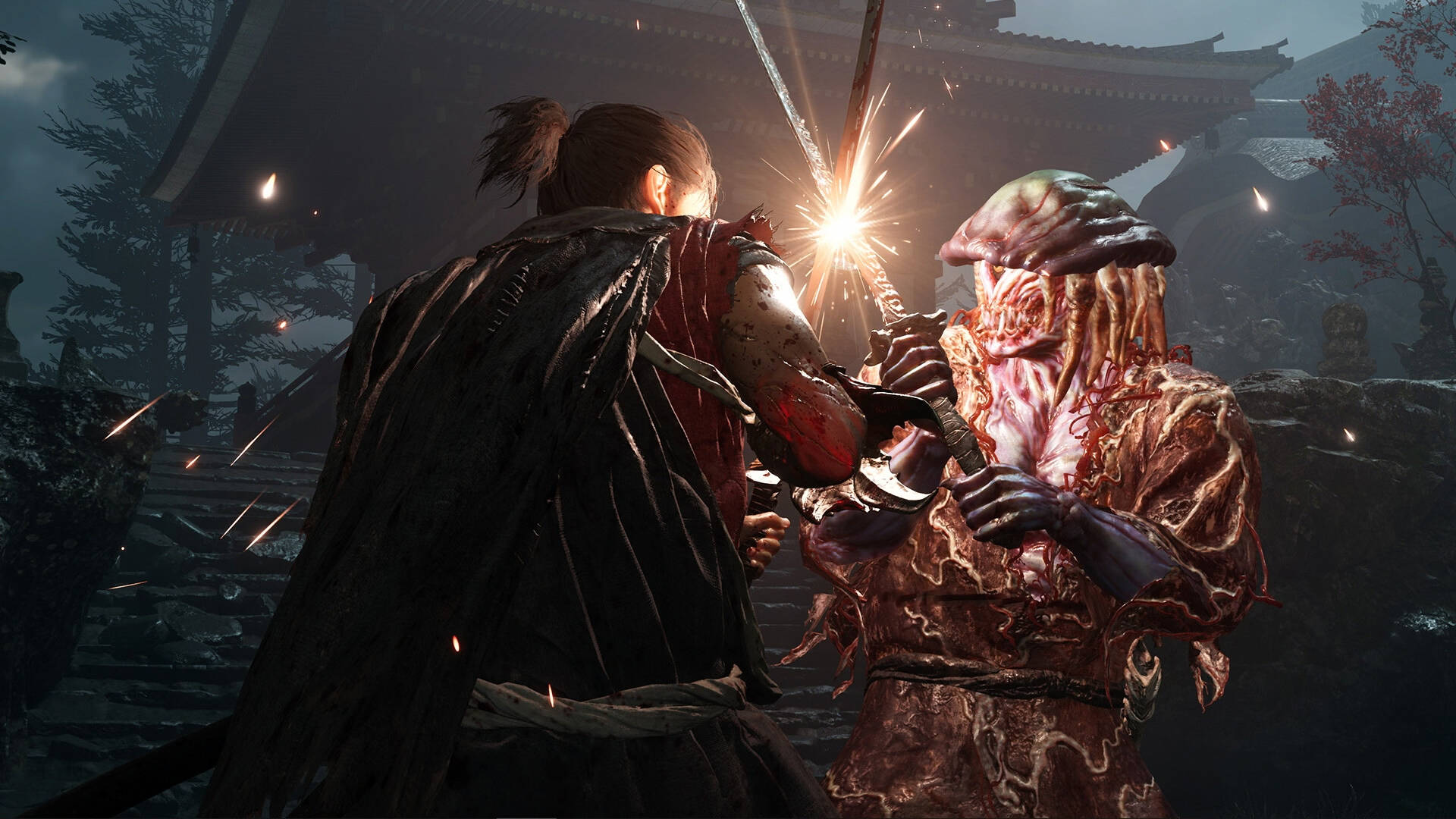
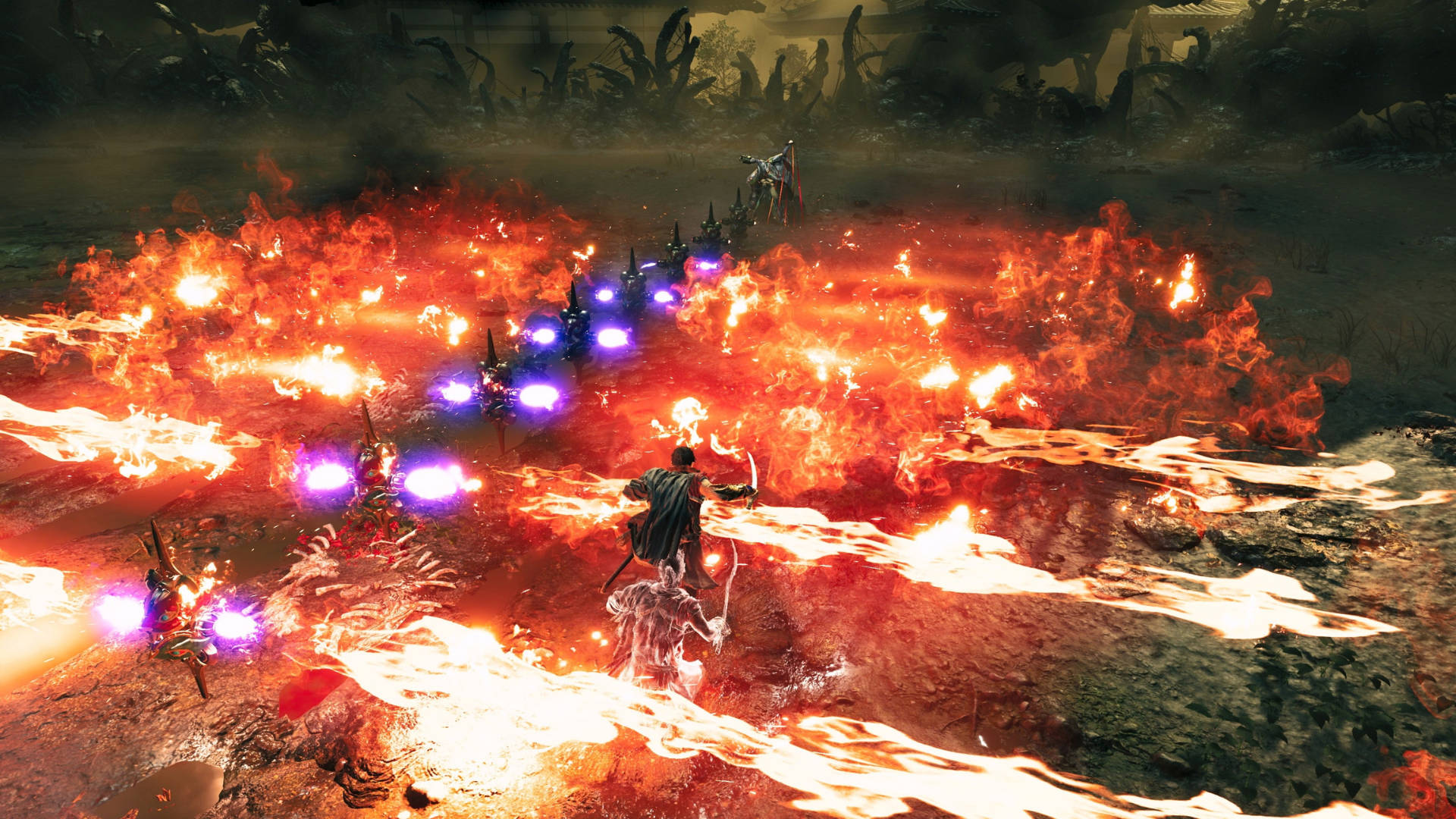
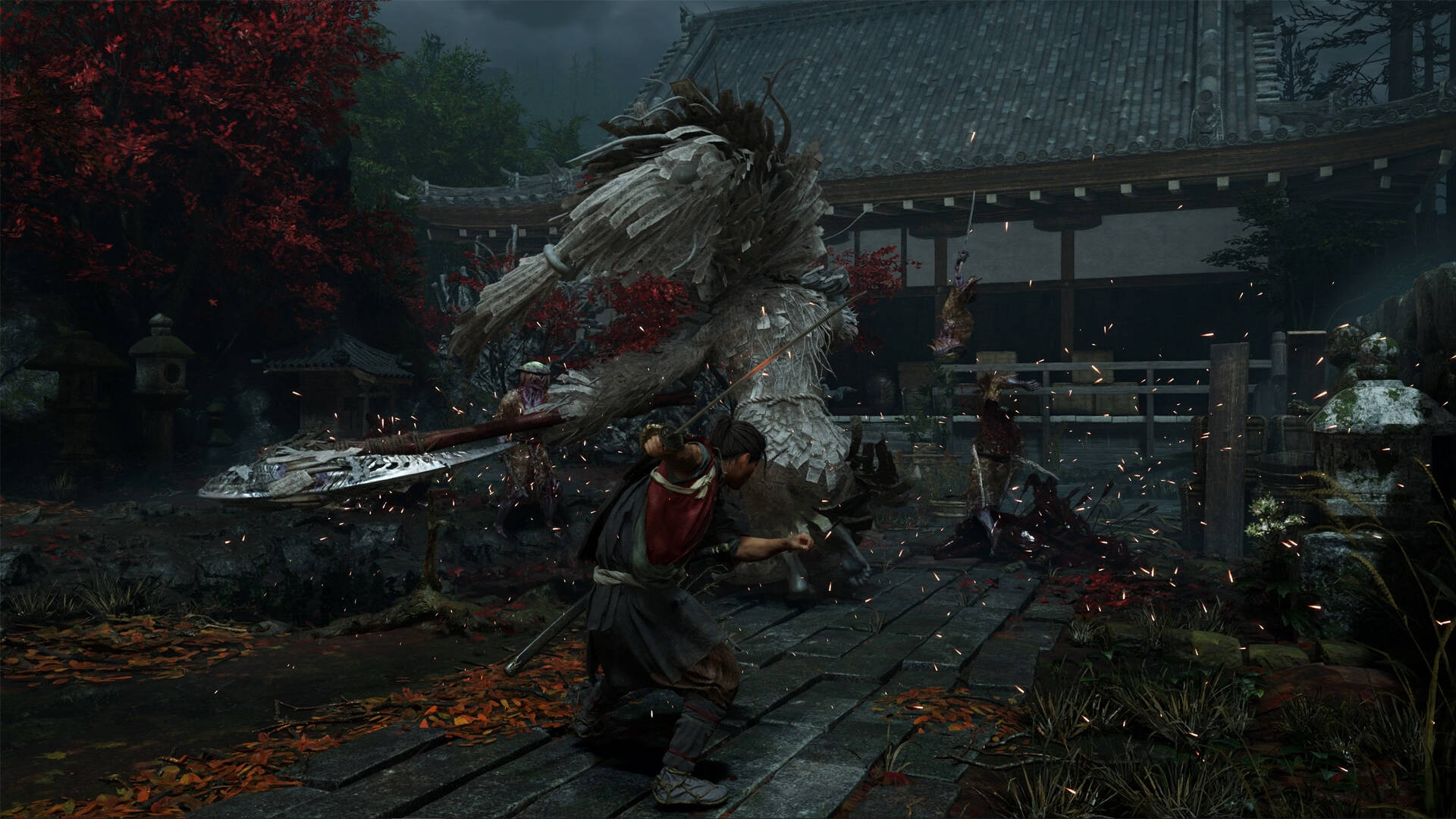
You start with a versatile toolkit: light attacks, heavy attacks, blocking, parrying, deflecting, and dodging. You can even interact with the environment during skirmishes, such as flipping tables to use as temporary shields against incoming strikes. The depth of the combat lies in its high-risk, high-reward timing mechanics. If an enemy attacks, you can block (which consumes stamina), parry to open them up, or press the attack button split-seconds before their blow lands to execute a slick countermove. This high-damage counter system is known as “Break Issen,” a precision strike that instantly dismembers standard enemies or deals massive burst damage to bosses. Missing this split-second window leaves your health bar heavily chunked, creating an addicting layer of tension.
A Quick Dad-Gamer Warning: Because I am a dad, I play a lot on my PlayStation Portal. However, I strongly advise against playing this title over remote play or high-latency connections. The split-second counter windows require strict timing, and any stream lag will severely ruin your ability to execute precision attacks.
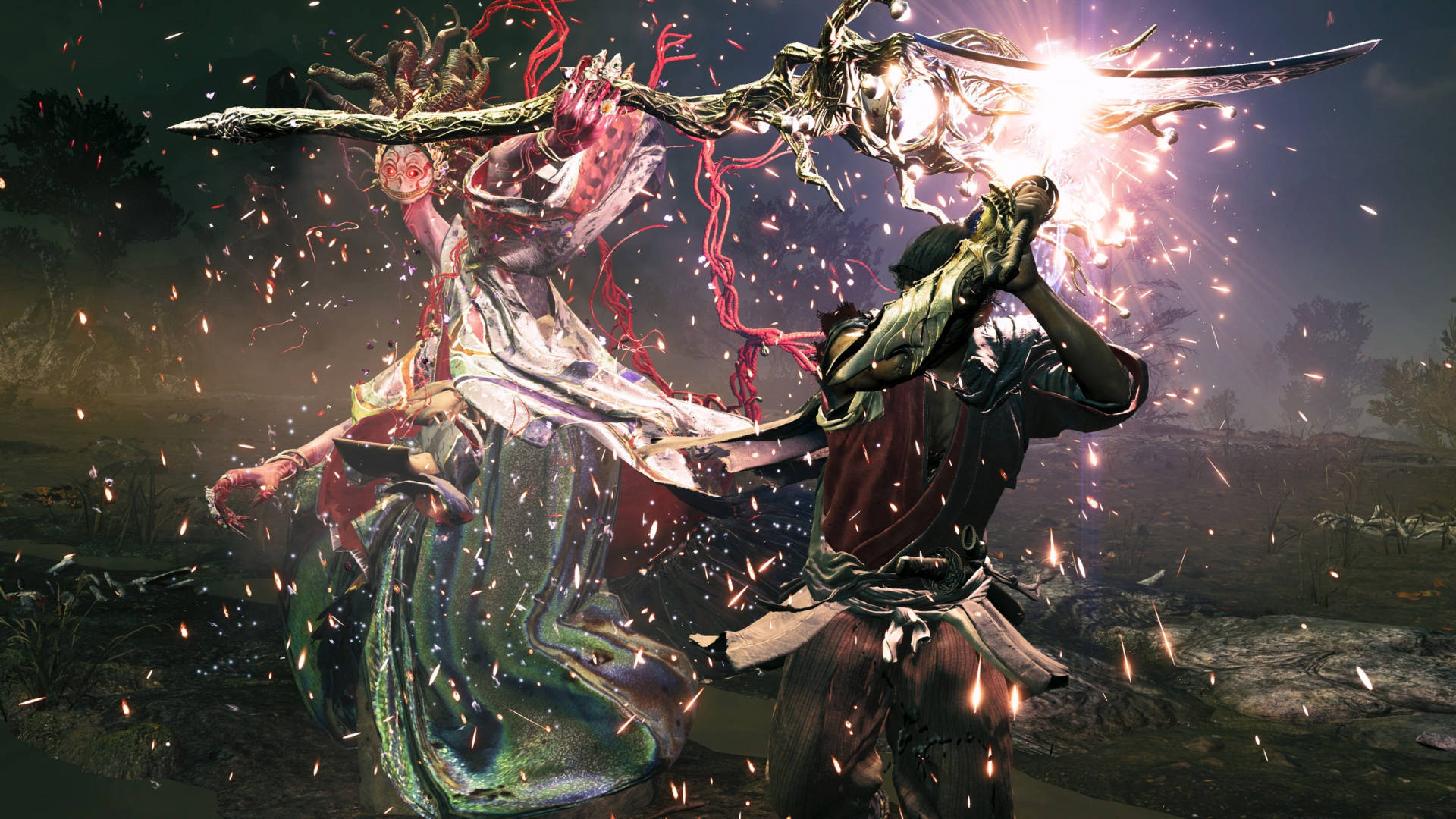
The combat system shines brightest during boss encounters, which are the absolute highlights of the game. Bosses feature both a health bar and a stamina bar. Depleting their stamina breaks their stance and opens them up to a finishing sequence. Here, you face a tactical choice: deliver a massive damage strike to deplete their health, or harvest vital orbs using your mystical gauntlet. Defeated enemies and broken boss stances release three distinct types of souls: Yellow Souls to restore your health, Red Souls to purchase gear and skill upgrades at Spirit Mirror shrines, and Blue Souls to power your heavy Oni Armaments. This mechanic forces you to think strategically mid-fight rather than mindlessly button-mash, delivering an engaging loop that kept me thinking about combat strategies long after putting the controller down.
World Exploration, Side Content, and the Weapon Wheel
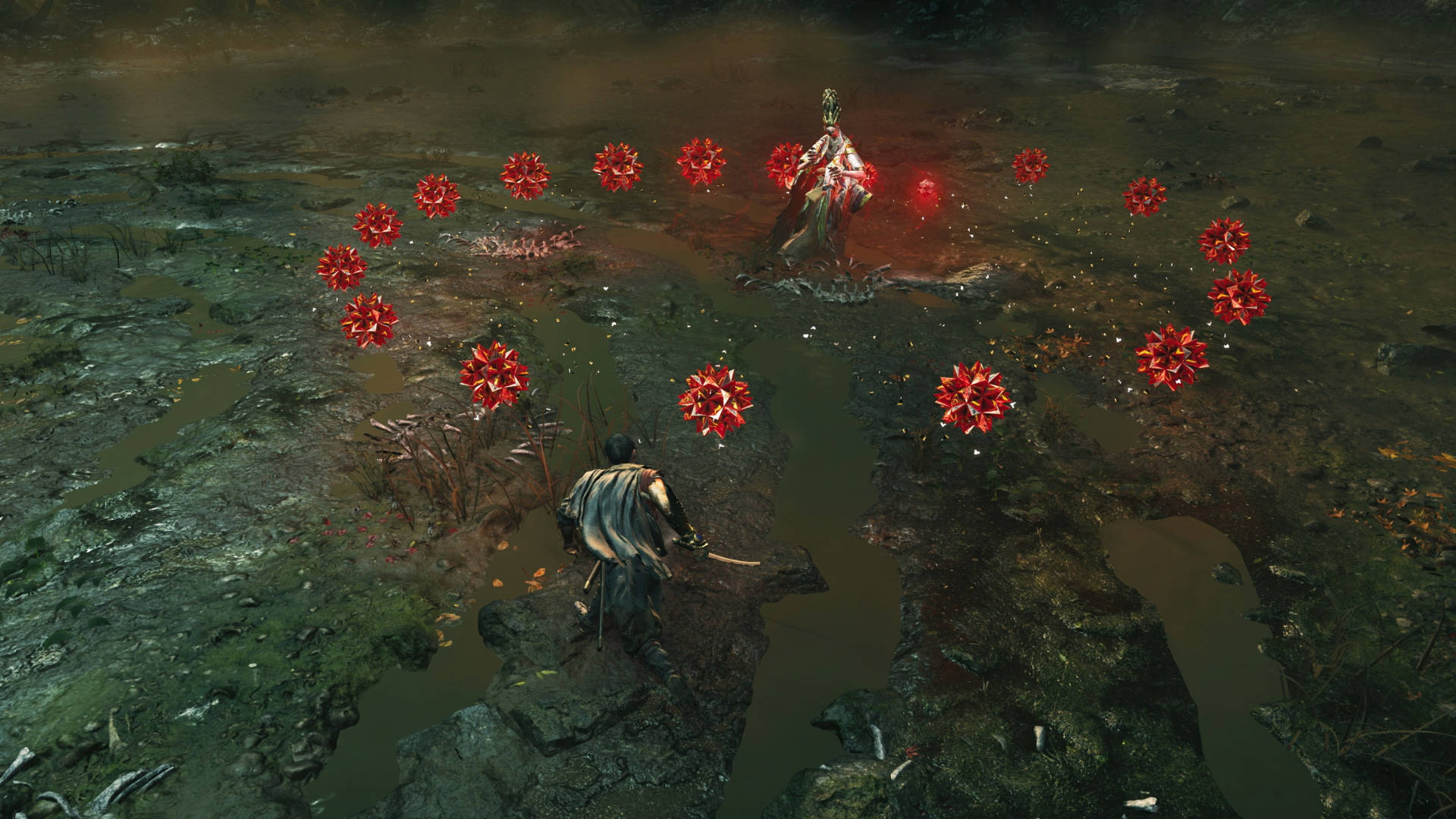
Kyoto functions as a semi-open hub covered in a mysterious red fog. This toxic fog is caused by Genma Malice, requiring you to destroy demonic rifts and malignant spirit plants to cleanse districts and open up new areas of the map. While exploration isn’t overly deep, side quests such as helping villagers clear monsters, hunting down aerial demons, rescuing scattered puppies, or completing character side stories serve as fun funnels into diverse combat encounters.
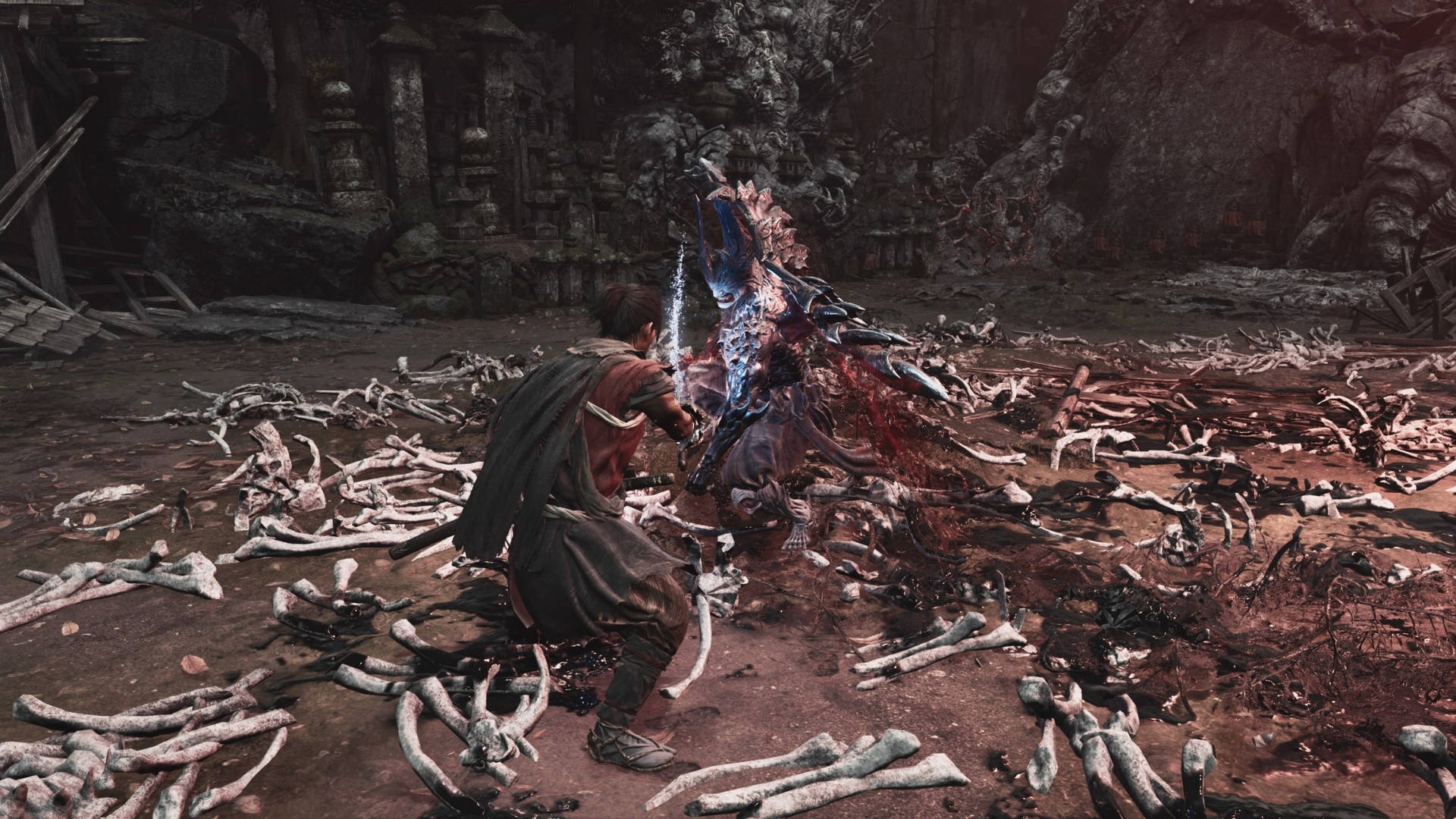
Completing side content rewards you with collectables and materials (such as Iron and Whetstones) to upgrade your stats and unlock new weapons. Holding the right shoulder button brings up a wheel of Oni Armaments specialised secondary weapons that require Blue Souls to unleash. These range from wide area-of-effect strikes and stamina-draining weapons to heavy, single-target damage dealers.
To keep navigation smooth through Kyoto’s winding, locked pathways, pressing a button summons a Dead Space-style wayfinder path that guides you directly to your objective. For hidden secrets, you can activate “Oni Vision”, a spirit-detective mode that reveals hidden chests, invisible demons, and points of interest across the map.
While early-game grunt enemies are deliberately forgiving to help you learn counter windows, the difficulty ramps up significantly in the second half. In fact, about halfway through, I opted to lower the difficulty just to maintain a smooth pace through the latter half, though hardcore players can unlock the hardest difficulty setting after completing their first playthrough.
Technical Performance and Presentation
Running on Capcom’s RE Engine, Onimusha: Way of the Sword looks stunning. While not the absolute single best-looking game on the market, it boasts striking environments, detailed boss models, and brilliant character design. Toshiro Mifune’s likeness as Miyamoto Musashi is captured with exceptional effort, showcasing expressive facial animations that shift seamlessly from goofy humour to fierce intensity.
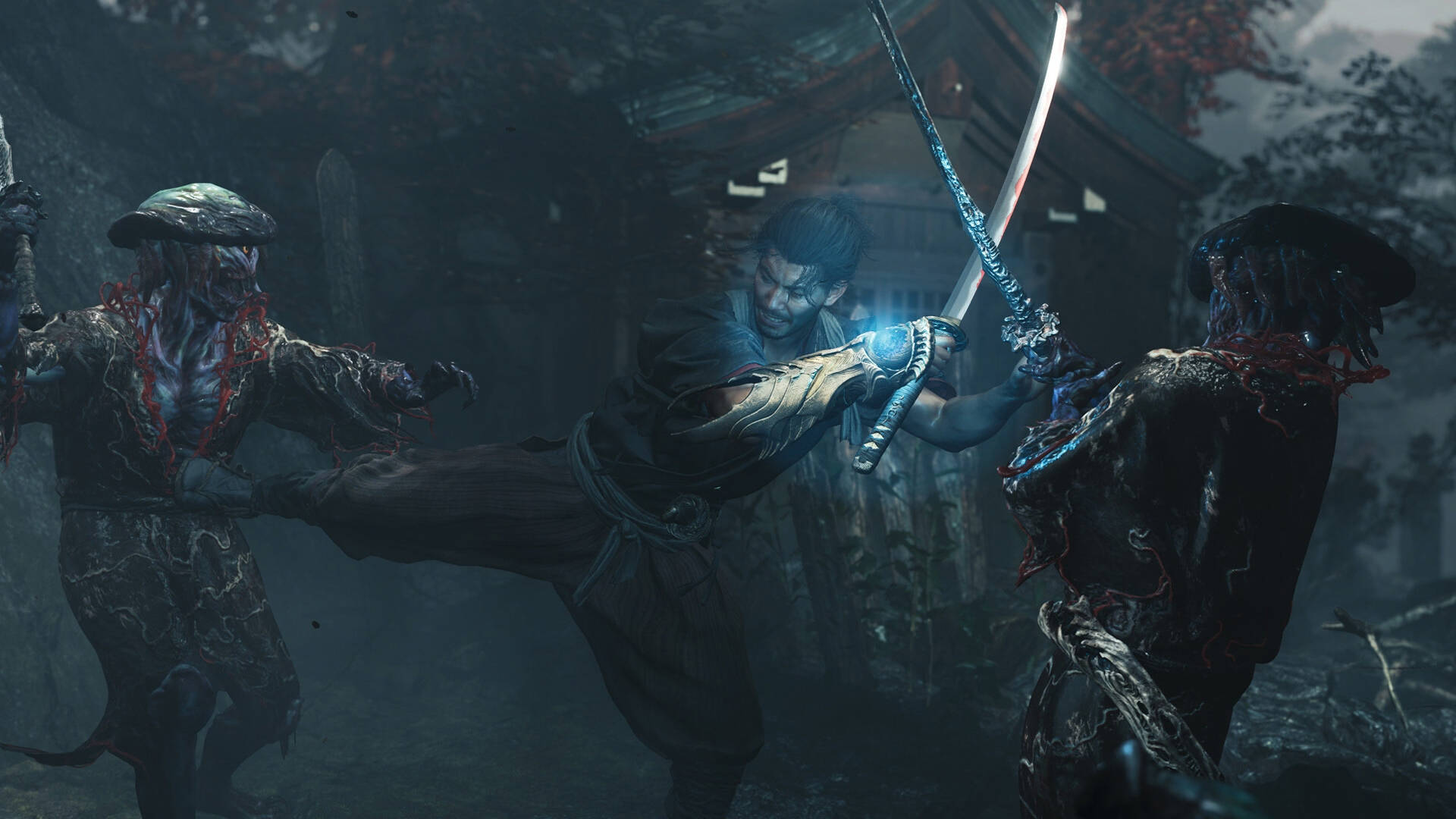
On modern displays, performance options include 30 FPS, 60 FPS, and an uncapped frame rate mode for 120Hz VRR displays. Playing at higher frame rates is strongly recommended, as the extra fluid motion directly aids the tight timing required for parries and counters.
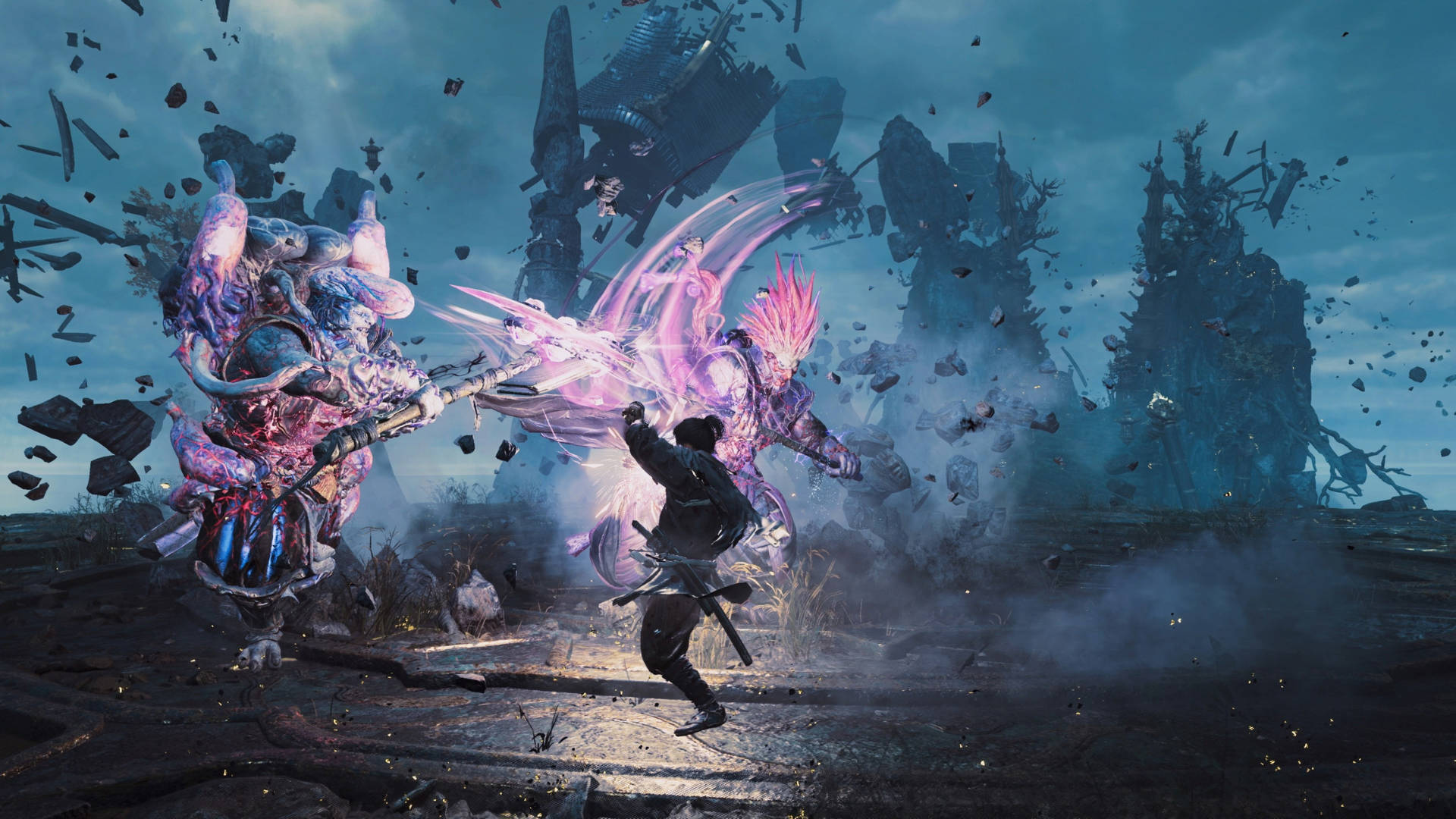
The audio design is equally stellar, featuring traditional Japanese instrumentation and crisp, satisfying sword clinks. Crucially, combat is filled with distinct audio cues such as a specific warning sound right before an enemy shoots an arrow, allowing you to dodge or reflect projectiles without even seeing them. The option to play with authentic Japanese voice acting further elevates the cinematic, samurai-cinema feel of the experience.
Verdict
Onimusha: Way of the Sword is a triumphant return for a classic franchise and easily one of my favourite games of the year. By blending precision timing, strategic orb extraction, sharp RE Engine visuals, and a charismatic protagonist inspired by cinematic legend Toshiro Mifune, Capcom has crafted a deeply addicting action title. While minor side-quest repetition and boss recycling exist, the core combat loop is so thrilling that you’ll find yourself thinking about your next fight long after turning off the console.
Editor’s Rating: 9 / 10
Pros:
- Addictive, Precision Combat
- Charismatic Lead
- Tactical Boss Battles
- Exceptional RE Engine Presentation
Cons:
- Repeated boss encounters
- Open-World Upgrades Can Feel Grindy
More:
- Developer: Capcom
- Publisher: Capcom
- Platforms: PS5, Nintendo Switch 2, Xbox Series X and Series S, and PC
- Price: Rs 4,399 on the PlayStation Store