Resonance: A Plague Tale Legacy review: A Daring Leap into the Past


During the PS4 and Xbox One era, the double-A space was reinvigorated by new IPs, and few left a mark quite like Asobo Studio’s A Plague Tale. Both Innocence and its sequel Requiem delivered breathtaking, deeply emotional stealth narratives. Now, rather than picking up right after the devastating events of Requiem, Asobo has released Resonance: A Plague Tale Legacy. By stepping away from the grim medieval French countryside and its rat swarms, the developers have crafted a prequel that changes almost everything we know about the series, delivering a fresh, action-oriented experience that still maintains the franchise’s emotional core.

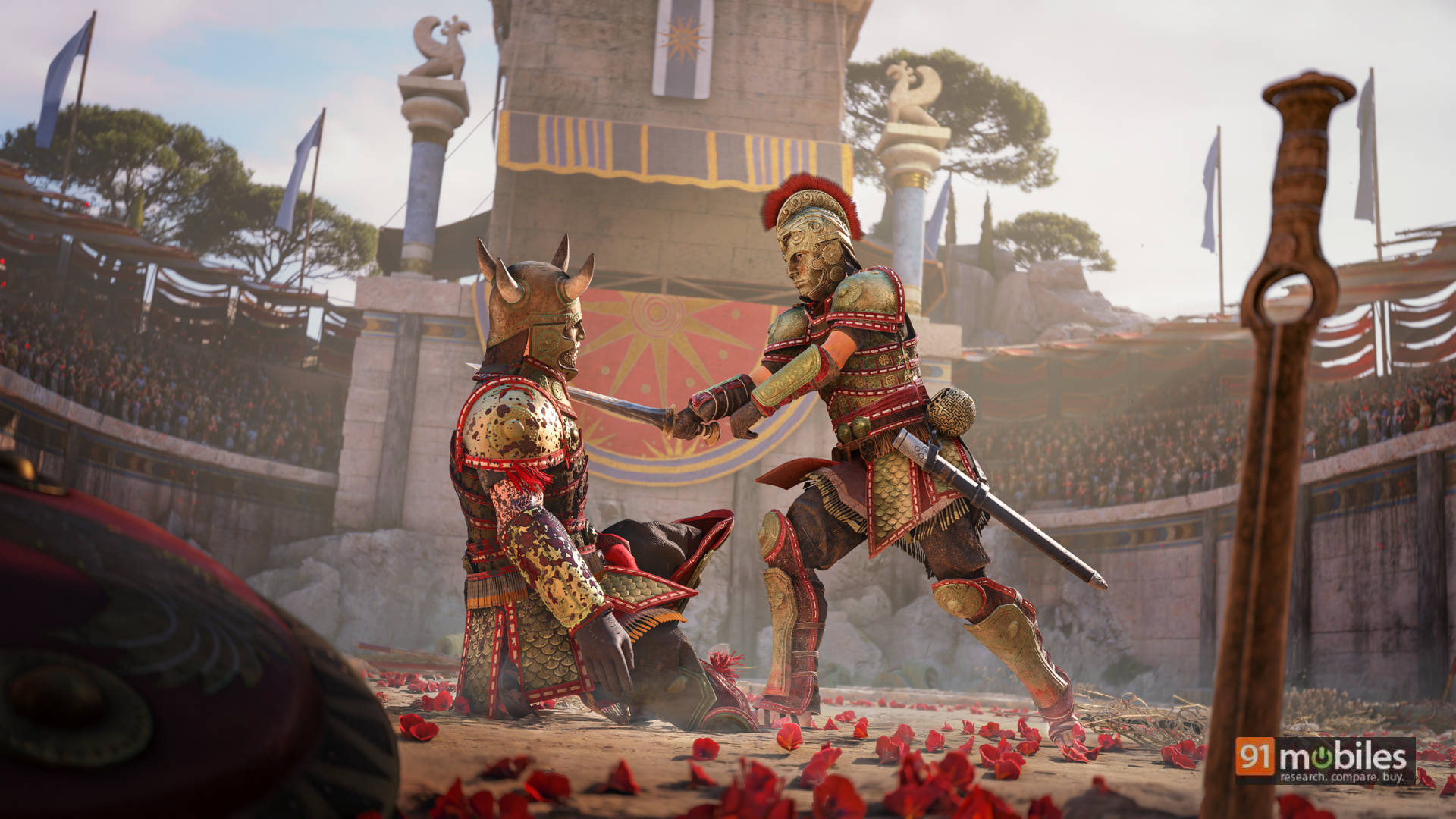
Table of Contents
Sophia’s Origins and the Dual-Timeline Narrative
Set fifteen years before the original game in 1334, Resonance tells the origin story of Sophia, a character who quickly won players over in Requiem. Voiced brilliantly by Anna Demetriou, Sophia is far from the respected sea captain we eventually meet. Abandoned in a convent as a child before joining her father’s gang of smugglers, a disastrous mission in Venice forces her to flee. She sets course for the island of Crete, specifically the Minotaur’s Island, a place that has been calling to her since youth.

The narrative introduces a fantastic dual-timeline mechanic where Sophia experiences flashbacks to the Minoan era through the eyes of Theseus. This interwoven narrative seamlessly explores the island’s depths and uncovers the Prima Macula’s ancient history. The storytelling remains a high point; early on, I was convinced I knew who the main villain was, only for the game to completely subvert my expectations. The emotional weight of the climax easily rivals the tragedy of the previous two games.
From Stealth to Strikes: A Combat Evolution
The most significant departure in Resonance is its combat. While previous games were heavily rooted in stealth and vulnerability, Sophia is a fierce, fast, and strong-willed fighter. The gameplay has pivoted to a third-person action model with a heavy focus on brutal melee encounters. Parrying, dodging, and heavy attacks replace sneaking from bush to bush.

The combat loop is governed by a brilliant risk/reward health system. You can only take a few hits before you die, but every successful enemy takedown restores a health point, encouraging you to stay on the offensive. You can block, parry, unlock passive upgrades, and eventually wield tools like the Minoan Sword. To ensure everyone can enjoy the journey, Asobo included five difficulty levels, ranging from Narrative to Nightmare, which can be adjusted on the fly without penalty.
Puzzles, Traversal, and the Labyrinth of Daedalus
Exploration is heavily expanded in this entry. You’ll spend plenty of time using a hook and ropes to traverse the beautifully detailed environments. The island is essentially a treacherous maze filled with ingenious puzzles. Armed with a stolen Minoan sphere, Sophia must manipulate light, a force woven into the island by Daedalus himself (a character you will learn more about as the story unfolds), to progress. Bouncing light from mirror to mirror feels incredibly rewarding and evokes the best moments of classic action-adventure puzzles.

But you aren’t alone. A restless, mythical creature stalks the island’s depths. Encounters with this beast break up the action with tense stealth-evasion segments and exhilarating, cinematic chase sequences that will leave your heart pounding.
Visuals and a Resonant Mediterranean Score
Running on Asobo’s proprietary Zouna engine, the game is a visual powerhouse. Character models are stunningly detailed, complete with realistic hair and cloth physics. Players can choose between a 60 FPS Performance mode and a 30 FPS Quality mode. While there are a few standard graphical bugs and clipping issues here and there, they hardly detract from the experience. Asobo has also notably expanded its accessibility features, adding a High Contrast Mode and a Colorblind Mode with a real-time preview via the Photo Mode interface.

A special mention must go to the audio design and music. Composer Olivier Derivière returns, trading the terrifying string screeches of medieval France for a deeply organic, Mediterranean sound. Featuring the Amalgamation Choir, led by Vasiliki Anastasiou singing in the Greek Cypriot dialect, the music is spellbinding. The soundtrack also makes phenomenal use of traditional instruments like the Yaylı tambur, rebab, bouzouki, and the ancient Celtic carnyx (performed by Samuel Meric).
Verdict

Resonance: A Plague Tale Legacy is a bold pivot for Asobo Studio. By trading stealth for melee combat and shifting the setting to a sun-drenched but deadly Greek island, they have breathed new life into the franchise. Sophia’s journey of self-discovery is an emotional powerhouse backed by a sublime soundtrack and thrilling action. Despite some minor graphical bugs and an initial learning curve for series veterans, it stands tall as an unforgettable adventure.
Editor’s Rating: 8.5 / 10
Pros
- Emotional dual-timeline story with twist
- Clever light-based puzzle design
- Tense monster chase/stealth sequences
- Standout Mediterranean-themed soundtrack
Cons
- Minor graphical bugs, clipping issues
More
- Developer: Asobo Studio
- Publisher: Focus Entertainment
- Platforms: PS5, PC, Xbox Series X/S
- Price: Rs 3,499 (PS Store India)
We played a review copy of Resonance: A Plague Tale Legacy provided by the developer