
Google Pixel 8 Pro 256GB
+ Compare


-
Design16

-
Rear Camera12

-
Front Camera4

-
360° View
![360° View]()
-
UI Screenshot17
![UI Screenshot]()
-
Videos1
![Videos]()



Key Specs
Performance
-
Google Tensor G3 -
Nona Core (3 GHz, Single Core + 2.45 GHz, Quad core + 2.15 GHz, Quad core) -
12 GB RAM, LPDDR5X
Display
-
6.7 inches (17.02 cm); OLED -
1344x2992 px (FHD+) -
120 Hz Refresh Rate -
Gorilla Glass Protection -
Bezel-less with punch-hole display
Rear Camera
-
Triple Camera Setup - 50 MP Wide Angle Primary Camera
- 48 MP Ultra-Wide Angle Camera
- 48 MP Telephoto (upto 30x Digital Zoom, upto 5x Optical Zoom) Camera
-
Dual LED Flash -
4k @24 fps Video Recording
Front Camera
-
10.5 MP Ultra-Wide Angle Lens -
4k @24 fps Video Recording
Battery
-
5050 mAh, Li-ion -
30W Fast Charging; USB Type-C port
General
-
SIM1: Nano, SIM2: eSIM -
5G Supported -
128 GB / 256 GB internal storage, Non Expandable -
Dust Resistant, Water Resistant
Google Pixel 8 Pro 256GB Prices in India
 Flipkart
Google Pixel 8 Pro 256GB Expert Review Summary
Expert Rating:
![Sanket Vijayasarathy]() by
Sanket Vijayasarathy
, 11 Oct 2023
Senior Associate Editor with 10+ years in tech, reviewed 500+ gadgets.
by
Sanket Vijayasarathy
, 11 Oct 2023
Senior Associate Editor with 10+ years in tech, reviewed 500+ gadgets.
Verdict
The Google Pixel 8 Pro looks more polished than its predecessor, brings a bright and rich display, and tons of AI camera features that are yet to drop. But beyond everything else, Google promises a whopping 7 years of software updates. This essentially means the phone will stay relevant until 2030, but its performance might not hold up well until then due to an underwhelming Tensor G3 chipset.
Pros
- 7 years of OS updates
- AI camera features
- Polished design
Cons
- Performance throttling issues
- Slow charging
- Expensive
Design and display
+
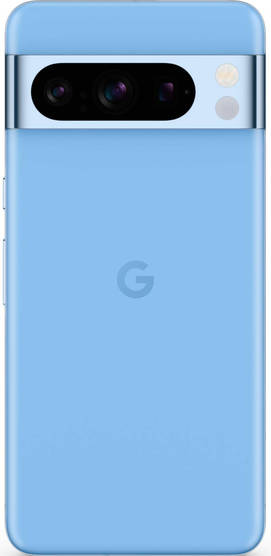
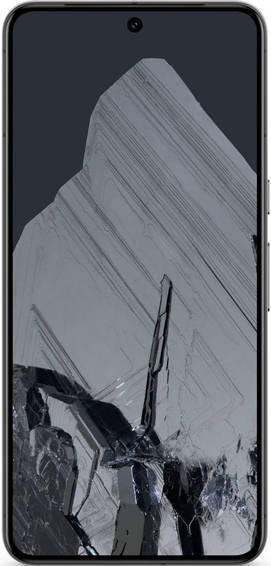
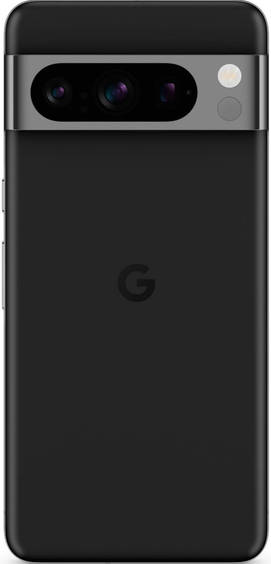
The Google Pixel 8 Pro looks like the Pixel 7 Pro from a distance, especially looking at the back. But Google has improved the finishing in a few areas to make the Pixel 8 Pro look and feel more premium and comfortable to hold. Firstly, the glossy rear panel has changed to a soft-touch matte finish that feels nice to touch and won't attract smudges. Next, the corners are rounded so it doesn't look as boxy and share as its predecessor. The rear camera visor now has a single oval-shaped cutout to house all three camera sensors, which makes it look cleaner.Also, that extra sensor you see under the LED flash is a temperature sensor. It can be used to check the temperature of objects (not humans) using the Google Thermometer app. You have to place the sensor close to the object and hit the Tap to Measure button on the screen. It works but it's really not something you'll be using often.Google isn't offering a variety of exciting colour options with the Pixel 8 series this year. The Pixel 8 Pro comes in either Obsidian or Bay colour options in India. The latter is what we received for review and it's clearly the one to choose if you want something fresh. The light Blue 'Bay' colour has a nice calming look and feels great to touch thanks to the matte finish.The display on the Pixel 8 Pro has been improved with thinner, more even bezels all around and bumped-up brightness levels. While its predecessor maxed out at 1,500 nits, the Pixel 8 Pro can go as high as 2,400 under direct sunlight. This is higher than the iPhone 15's 2,000 nits peak brightness. Suffice it to say that the Pixel 8 Pro's display can get plenty bright under the harshest of sunlight. Google has also opted for a flat display instead of the curved screen we saw on the Pixel 7 Pro.With the Pixel 8 Pro, you get a 6.7-inch WQHD+ OLED display that's protected by Corning Gorilla Glass Victus 2 on top. It's an LTPO display, which Google calls 'Super Actua', offering variable refresh rates between 1Hz and 120Hz. Quality-wise, the display is excellent with attractive colours and deep blacks, good sharpness and viewing angles, and terrific brightness levels.
Read More
Cameras
+
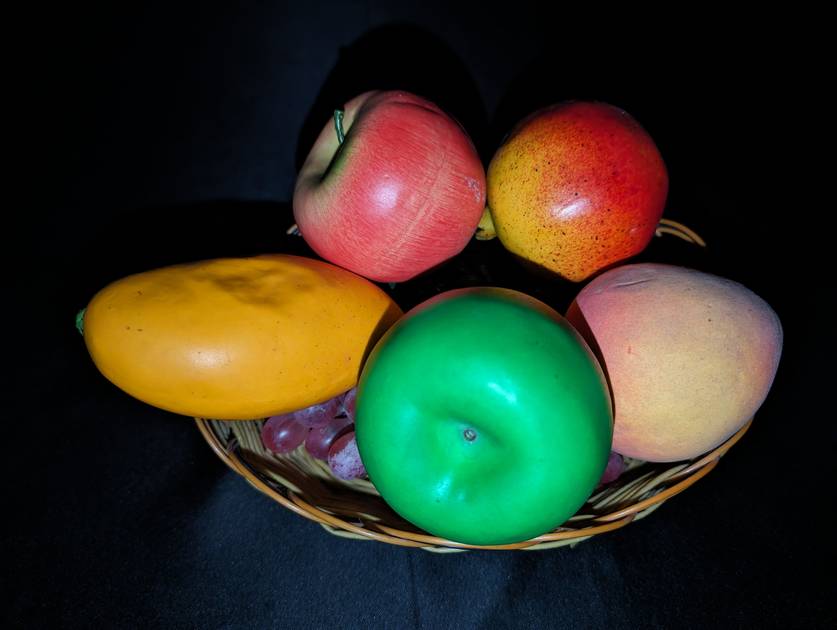
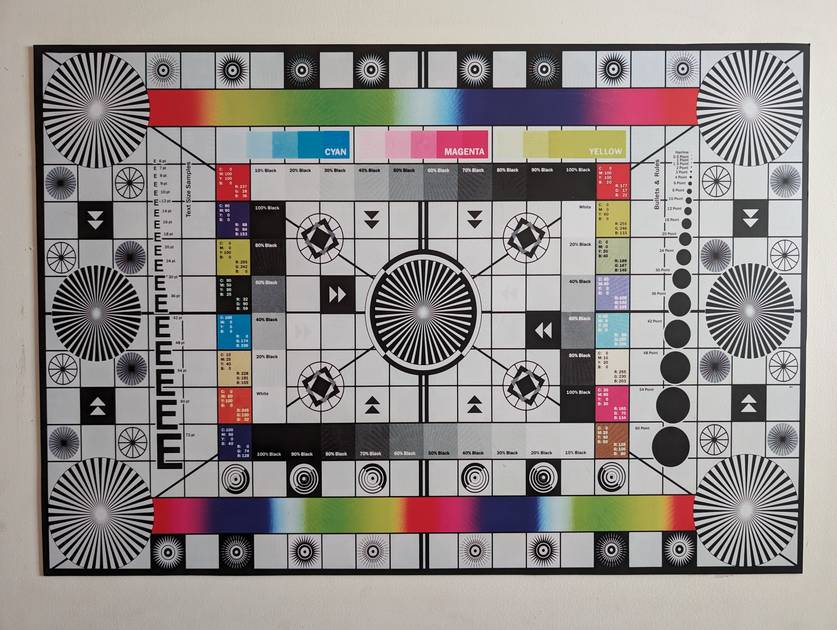
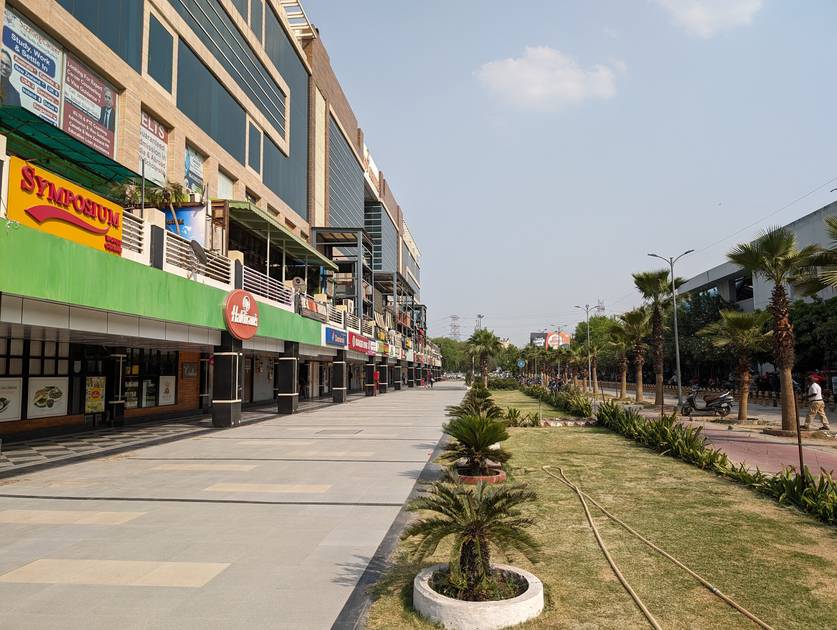
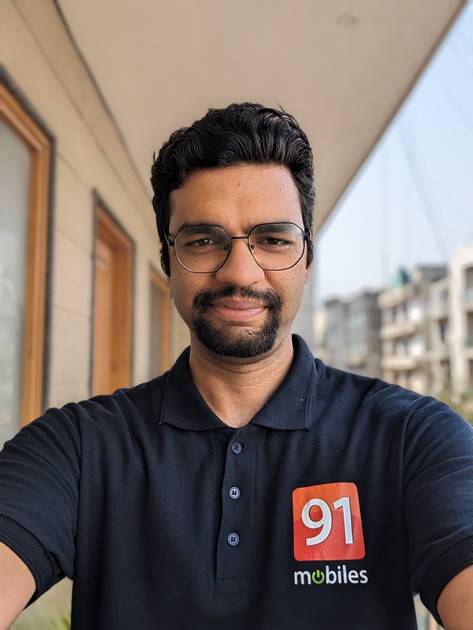
The Google Pixel 8 Pro comes with a new set of camera sensors housed in the visor on the back. There's a 50MP primary camera with an f/1.68 aperture, a 48MP telephoto camera that's capable of 5x optical zoom, and a 48MP ultrawide camera with autofocus. The primary and telephoto cameras support OIS and EIS. At the front, you get a 10.5MP camera to take of selfies and video calls.In addition to the upgraded camera hardware, there is a whole bunch of AI-powered editing tools that Google announced during the keynote, some of them capable of changing a photo completely. Firstly, there's the upgraded Magic Eraser tool that previously allowed you to remove certain objects from an image. Now, Magic Eraser uses on-device generative AI to remove larger objects and people from a photo by generating new pixels to fill the spaces.Best Take is a new on-device editing tool that lets you fix group photos in which one or more people have their eyes closed or are looking elsewhere instead of at the camera. It analyses data from a series of similar group shots to suggest the perfect photo where everyone is looking at the camera and smiling with their eyes open. The feature is still in its early stages and didn't work evenly during the review, only managing to correct one face in the sample below, but the result was impressive nonetheless.Magic Editor is the biggest new AI-based photo editing feature on the Pixel 8 series. This tool doesn't just make subtle changes to a picture the way Magic Eraser and Best Take do, but it can completely manipulate a photo by allowing you to resize and reposition objects or people in a photo, change the colour of the sky, and more. I use the word 'manipulate' here because that's what Google is allowing you to do: use generative AI to change a photo to the point that one won't be able to tell what's real and what's fake. It's still in the early stages so it's not extremely accurate with cropping and shadows, so it's still easy to tell that a photo has been edited. It also takes a pretty long time to process multiple previews (which is likely happening in the cloud rather than on the device as it requires internet access).Let's talk about the picture quality now. The primary 50MP sensor captures excellent photos in daylight, with good colour-accuracy and sharpness. That said, photos will look a bit on the duller and warmer side of the spectrum compared to brighter, punchier colours, and cooler-looking images captured by the iPhone 15 Pro Max. An example of this can be seen below. We will be doing a more in-depth camera comparison between the Pixel 8 Pro and iPhone 15 Pro Max, so stay tuned for that.Low-light shots look equally good through the 50MP primary sensor. Even without Night Sight mode, photos taken in dimly lit conditions offer good clarity and brightness without overexposing certain areas. Even lens flare has been largely reduced, although it is still present at times. The new Pro mode feature gives you basic manual controls like switching between 12MP and 50MP, shooting in RAW, and choosing between manual or auto lens selection.
Read More
Performance and software
+
A brand new Tensor G3 chipset powers the Pixel 8 and Pixel 8 Pro. If you were thinking Google's latest processor is a significant improvement over the Tensor G2 and can finally take on Qualcomm's Snapdragon 8 Gen 2 SoC, you'd be mistaken. The Pixel 8 Pro's benchmark scores are quite average. The device scored 1727 in single-core and 3433 in multi-core on Geekbench and around 845,000 on AnTuTu. In comparison, the Galaxy Z Fold5 with the Snapdragon 8 Gen 2 processor scored 1968 and 5137, respectively, on Geekbench and 1,492,136 on AnTuTu. Even last year's iPhone 14 Plus with the A15 Bionic chipset scored higher, scoring 4689 in multi-core on Geekbench and 854,000 on AnTuTu.The Tensor G3 chipset also seems to throttles the performance of the device too, more so than the Tensor G2 last year. After a 20-minute CoD: Mobile gaming session, the CPU Throttle test showed a performance throttling of around 52 per cent. However, I didn't see any severe lag or frame rate issues during gameplay. In our 3DMark Extreme Stress Test, the device delivered around 70 per cent stability, similar to what the Snapdragon 8 Gen 2-powered iQOO 11 managed. That said, the Tensor G3 chipset paired with 12GB of RAM is capable of running day-to-day tasks without getting overwhelmed. You only get the 128GB storage option in India, which is disappointing considering the price tag.It's clear that the Tensor G3 chipset has performance throttling issues, which one hopes Google can fix to a large extent through a software update. When it comes to thermals, however, the Pixel 8 Pro performed better than its predecessor. The device does noticeably warm when playing games for long durations, but it's never too hot to cause any concern. It also gets slightly warm while running the camera app, but otherwise, the phone manages to stay largely cool throughout.Let's talk about the software because this is the part where Google left most people wide-eyed during the keynote. The Pixel 8 and Pixel 8 Pro are set to receive a staggering 7 years of software support! Yes, you read that correctly. These phones will receive 7 major OS upgrades, along with 7 years of security updates, Feature Drops, and AI innovations. This is a significant achievement, as no other Android OEM currently matches this level of support. It even surpasses Apple, which typically provides around 6 years of updates for iPhones. Google is essentially ensuring that these Pixel phones stay relevant even in 2030.The Pixel 8 and Pixel 8 Pro ship with Android 14 out of the box, so they could get upgraded all the way to Android 21! But coming back to Andriod 14, you get a clean and stock interface that's dominated by Google's own apps. There are some new Google Assistant features like Summarize which uses AI to overview a web page in Chrome. Read aloud, which is an accessibility feature that generates an audio version of the content and reads it out loud in a bunch of languages of your choice, including Hindi. Summarize, however, is only available in the US.
Read More
Battery
+
The Pixel 8 Pro ships with a 5,050mAh battery which is about the same that you get in its predecessor. The battery is good to last you through a full day on moderate usage. Despite an LTPO display and a power-efficient chipset, the Pixel 8 Pro will still ask you to reach for a charger by the end of the day or, at best, in the morning before you head out to work. in our PCMark battery test, the Pixel 8 Pro lasted around 13.5 hours, which isn't bad but it's not great either.Google has (marginally) upgraded the phone's fast charging support. It now supports up to 30W speeds through wired charging instead of 23W, which is still quite slow for a phone in 2023, and a flagship one at that. The Pixel 8 Pro takes around 1 hour 30 minutes to charge from 20 to 100 per cent, and close to two hours if you're waking it from the dead.
Read More
Read full Review

Verdict
The Google Pixel 8 Pro looks more polished than its predecessor, brings a bright and rich display, and tons of AI camera features that are yet to drop. But beyond everything else, Google promises a whopping 7 years of software updates. This essentially means the phone will stay relevant until 2030, but its performance might not hold up well until then due to an underwhelming Tensor G3 chipset.
- 7 years of OS updates
- AI camera features
- Polished design
Pros
- Performance throttling issues
- Slow charging
- Expensive
Cons
Design and display
+The Google Pixel 8 Pro looks like the Pixel 7 Pro from a distance, especially looking at the back. But Google has improved the finishing in a few areas to make the Pixel 8 Pro look and feel more premium and comfortable to hold. Firstly, the glossy rear panel has changed to a soft-touch matte finish that feels nice to touch and won't attract smudges. Next, the corners are rounded so it doesn't look as boxy and share as its predecessor. The rear camera visor now has a single oval-shaped cutout to house all three camera sensors, which makes it look cleaner.Also, that extra sensor you see under the LED flash is a temperature sensor. It can be used to check the temperature of objects (not humans) using the Google Thermometer app. You have to place the sensor close to the object and hit the Tap to Measure button on the screen. It works but it's really not something you'll be using often.Google isn't offering a variety of exciting colour options with the Pixel 8 series this year. The Pixel 8 Pro comes in either Obsidian or Bay colour options in India. The latter is what we received for review and it's clearly the one to choose if you want something fresh. The light Blue 'Bay' colour has a nice calming look and feels great to touch thanks to the matte finish.The display on the Pixel 8 Pro has been improved with thinner, more even bezels all around and bumped-up brightness levels. While its predecessor maxed out at 1,500 nits, the Pixel 8 Pro can go as high as 2,400 under direct sunlight. This is higher than the iPhone 15's 2,000 nits peak brightness. Suffice it to say that the Pixel 8 Pro's display can get plenty bright under the harshest of sunlight. Google has also opted for a flat display instead of the curved screen we saw on the Pixel 7 Pro.With the Pixel 8 Pro, you get a 6.7-inch WQHD+ OLED display that's protected by Corning Gorilla Glass Victus 2 on top. It's an LTPO display, which Google calls 'Super Actua', offering variable refresh rates between 1Hz and 120Hz. Quality-wise, the display is excellent with attractive colours and deep blacks, good sharpness and viewing angles, and terrific brightness levels.
Read MoreCameras
+The Google Pixel 8 Pro comes with a new set of camera sensors housed in the visor on the back. There's a 50MP primary camera with an f/1.68 aperture, a 48MP telephoto camera that's capable of 5x optical zoom, and a 48MP ultrawide camera with autofocus. The primary and telephoto cameras support OIS and EIS. At the front, you get a 10.5MP camera to take of selfies and video calls.In addition to the upgraded camera hardware, there is a whole bunch of AI-powered editing tools that Google announced during the keynote, some of them capable of changing a photo completely. Firstly, there's the upgraded Magic Eraser tool that previously allowed you to remove certain objects from an image. Now, Magic Eraser uses on-device generative AI to remove larger objects and people from a photo by generating new pixels to fill the spaces.Best Take is a new on-device editing tool that lets you fix group photos in which one or more people have their eyes closed or are looking elsewhere instead of at the camera. It analyses data from a series of similar group shots to suggest the perfect photo where everyone is looking at the camera and smiling with their eyes open. The feature is still in its early stages and didn't work evenly during the review, only managing to correct one face in the sample below, but the result was impressive nonetheless.Magic Editor is the biggest new AI-based photo editing feature on the Pixel 8 series. This tool doesn't just make subtle changes to a picture the way Magic Eraser and Best Take do, but it can completely manipulate a photo by allowing you to resize and reposition objects or people in a photo, change the colour of the sky, and more. I use the word 'manipulate' here because that's what Google is allowing you to do: use generative AI to change a photo to the point that one won't be able to tell what's real and what's fake. It's still in the early stages so it's not extremely accurate with cropping and shadows, so it's still easy to tell that a photo has been edited. It also takes a pretty long time to process multiple previews (which is likely happening in the cloud rather than on the device as it requires internet access).Let's talk about the picture quality now. The primary 50MP sensor captures excellent photos in daylight, with good colour-accuracy and sharpness. That said, photos will look a bit on the duller and warmer side of the spectrum compared to brighter, punchier colours, and cooler-looking images captured by the iPhone 15 Pro Max. An example of this can be seen below. We will be doing a more in-depth camera comparison between the Pixel 8 Pro and iPhone 15 Pro Max, so stay tuned for that.Low-light shots look equally good through the 50MP primary sensor. Even without Night Sight mode, photos taken in dimly lit conditions offer good clarity and brightness without overexposing certain areas. Even lens flare has been largely reduced, although it is still present at times. The new Pro mode feature gives you basic manual controls like switching between 12MP and 50MP, shooting in RAW, and choosing between manual or auto lens selection.
Read MorePerformance and software
+A brand new Tensor G3 chipset powers the Pixel 8 and Pixel 8 Pro. If you were thinking Google's latest processor is a significant improvement over the Tensor G2 and can finally take on Qualcomm's Snapdragon 8 Gen 2 SoC, you'd be mistaken. The Pixel 8 Pro's benchmark scores are quite average. The device scored 1727 in single-core and 3433 in multi-core on Geekbench and around 845,000 on AnTuTu. In comparison, the Galaxy Z Fold5 with the Snapdragon 8 Gen 2 processor scored 1968 and 5137, respectively, on Geekbench and 1,492,136 on AnTuTu. Even last year's iPhone 14 Plus with the A15 Bionic chipset scored higher, scoring 4689 in multi-core on Geekbench and 854,000 on AnTuTu.The Tensor G3 chipset also seems to throttles the performance of the device too, more so than the Tensor G2 last year. After a 20-minute CoD: Mobile gaming session, the CPU Throttle test showed a performance throttling of around 52 per cent. However, I didn't see any severe lag or frame rate issues during gameplay. In our 3DMark Extreme Stress Test, the device delivered around 70 per cent stability, similar to what the Snapdragon 8 Gen 2-powered iQOO 11 managed. That said, the Tensor G3 chipset paired with 12GB of RAM is capable of running day-to-day tasks without getting overwhelmed. You only get the 128GB storage option in India, which is disappointing considering the price tag.It's clear that the Tensor G3 chipset has performance throttling issues, which one hopes Google can fix to a large extent through a software update. When it comes to thermals, however, the Pixel 8 Pro performed better than its predecessor. The device does noticeably warm when playing games for long durations, but it's never too hot to cause any concern. It also gets slightly warm while running the camera app, but otherwise, the phone manages to stay largely cool throughout.Let's talk about the software because this is the part where Google left most people wide-eyed during the keynote. The Pixel 8 and Pixel 8 Pro are set to receive a staggering 7 years of software support! Yes, you read that correctly. These phones will receive 7 major OS upgrades, along with 7 years of security updates, Feature Drops, and AI innovations. This is a significant achievement, as no other Android OEM currently matches this level of support. It even surpasses Apple, which typically provides around 6 years of updates for iPhones. Google is essentially ensuring that these Pixel phones stay relevant even in 2030.The Pixel 8 and Pixel 8 Pro ship with Android 14 out of the box, so they could get upgraded all the way to Android 21! But coming back to Andriod 14, you get a clean and stock interface that's dominated by Google's own apps. There are some new Google Assistant features like Summarize which uses AI to overview a web page in Chrome. Read aloud, which is an accessibility feature that generates an audio version of the content and reads it out loud in a bunch of languages of your choice, including Hindi. Summarize, however, is only available in the US.
Read MoreBattery
+The Pixel 8 Pro ships with a 5,050mAh battery which is about the same that you get in its predecessor. The battery is good to last you through a full day on moderate usage. Despite an LTPO display and a power-efficient chipset, the Pixel 8 Pro will still ask you to reach for a charger by the end of the day or, at best, in the morning before you head out to work. in our PCMark battery test, the Pixel 8 Pro lasted around 13.5 hours, which isn't bad but it's not great either.Google has (marginally) upgraded the phone's fast charging support. It now supports up to 30W speeds through wired charging instead of 23W, which is still quite slow for a phone in 2023, and a flagship one at that. The Pixel 8 Pro takes around 1 hour 30 minutes to charge from 20 to 100 per cent, and close to two hours if you're waking it from the dead.
Read MoreCompetitors For Google Pixel 8 Pro 256GB
View Alternatives






Popular Comparisons



Google Pixel 8 Pro 256GB Specifications
General |
|
|---|---|
| Launch Date | November 4, 2023 (Official) |
| Operating System | Android v14 |
| OS Updates | 7 Years |
| Security Updates | 7 Years |
Performance
(Very Good)
|
|
|---|---|
| Chipset | Google Tensor G3 View Details |
| Processor | Nona Core (3 GHz, Single core, Cortex X3 + 2.45 GHz, Quad core, Cortex A715 + 2.15 GHz, Quad core, Cortex A510) |
| Co-Processor | Titan M2 |
| Architecture | 64 bit |
| Fabrication | 4 nm |
| Graphics (GPU) | Immortalis-G715 MC10 |
| RAM | 12 GB |
| RAM Type | LPDDR5X |
Benchmark Screenshots
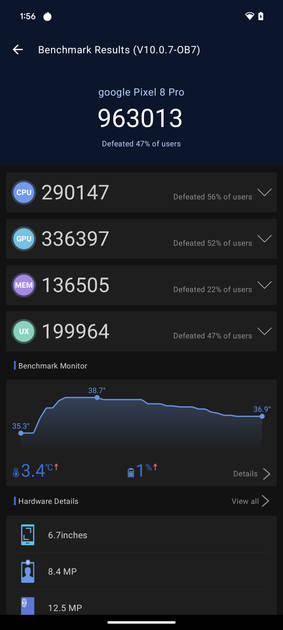
AnTuTu Benchmark
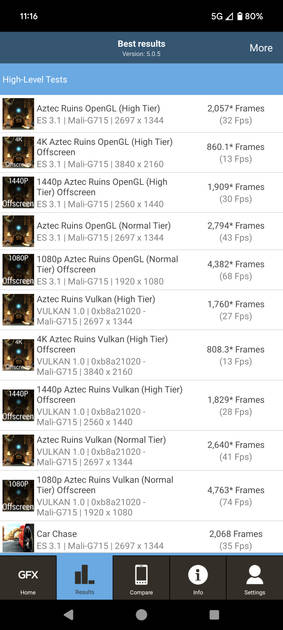
Graphics Benchmark
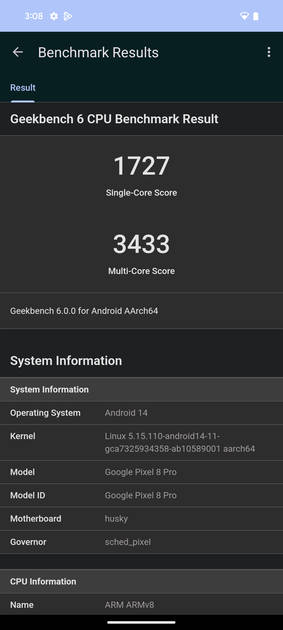
Geekbench6 Benchmark
|


Display
(Excellent)
|
|
|---|---|
| Display Type | OLED |
| Screen Size | 6.7 inches (17.02 cm) |
| Resolution | 1344x2992 px (FHD+) |
| Peak Brightness | 2400 nits |
| HBM Brightness | 1600 nits |
| Refresh Rate | 120 Hz |
| Aspect Ratio | 20:9 |
| Pixel Density | 490 ppi |
| Screen to Body Ratio (calculated) | 87.13 % |
| Screen Protection | Corning Gorilla Glass Victus 2, Scratch-resistant glass |
| Bezel-less Display | Yes with punch-hole display |
| HDR 10 / HDR+ Support | Yes, HDR 10+ |
UI Screenshots
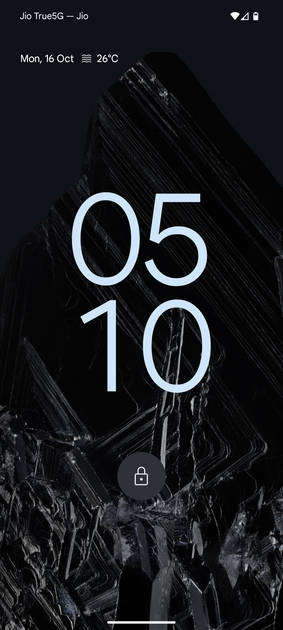
Lock Screen
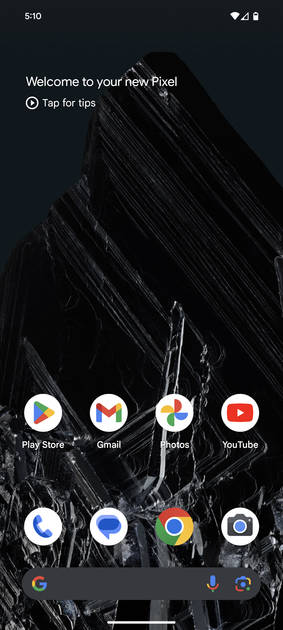
Home Screen

Screen With Widgets
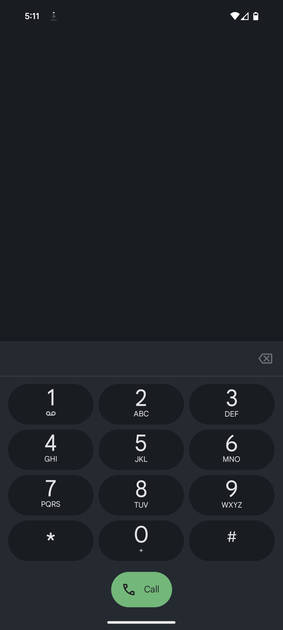
Dialer Screen
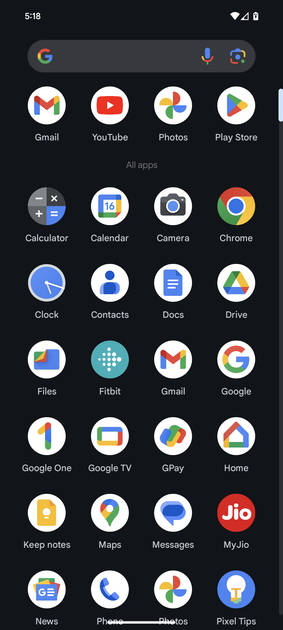
App Drawer
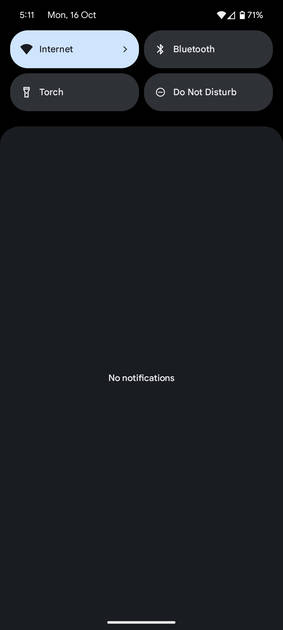
Notification Panel

Quick Settings Panel
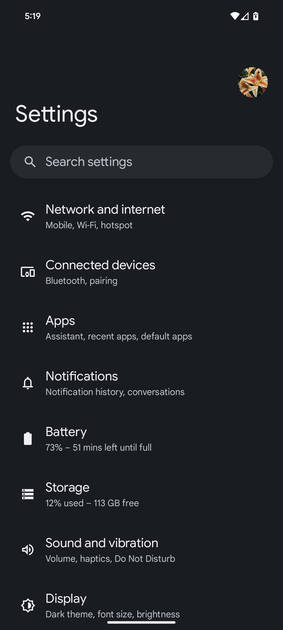
Settings Screen
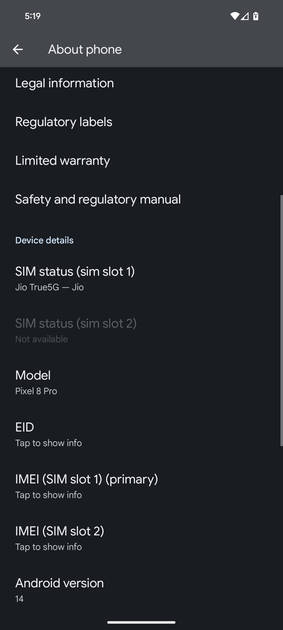
OS Version
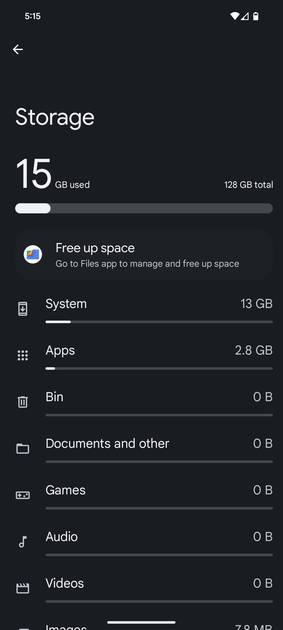
Storage
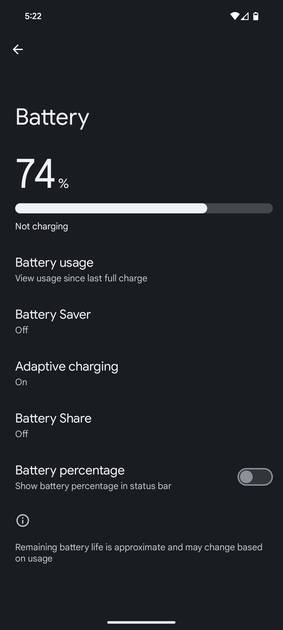
Battery
Camera On
Camera Options
Camera Modes
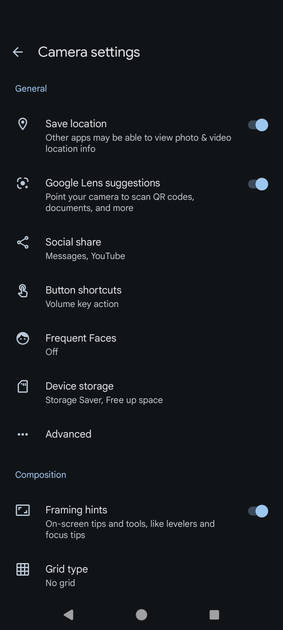
Camera Settings

Picture Size Options
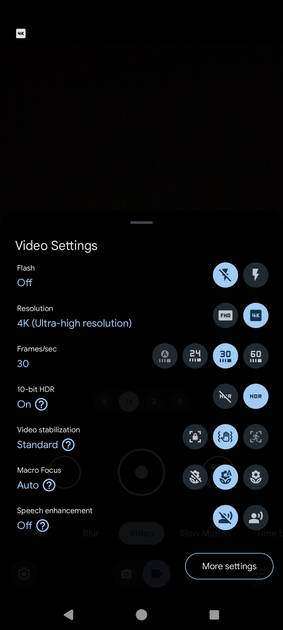
Video Size Options
|
Design |
|
|---|---|
| Height | 162.6 mm |
| Width | 76.5 mm |
| Thickness | 8.8 mm |
| Weight | 213 grams |
| Build Material | Back: Gorilla Glass Victus 2 |
| Water Resistance | Yes, Water resistant, IP68, (up to 30 minutes in a depth of 1.5 meter) |
| Ruggedness | Dust proof |
|
Click to View

|
Rear Camera
(Very Good)
|
||||||||||||||||||||||||||||||||||||
|---|---|---|---|---|---|---|---|---|---|---|---|---|---|---|---|---|---|---|---|---|---|---|---|---|---|---|---|---|---|---|---|---|---|---|---|---|
| Resolution | ||||||||||||||||||||||||||||||||||||
|
||||||||||||||||||||||||||||||||||||
| Autofocus | Yes, Phase Detection Autofocus, Laser Autofocus, Motion Autofocus | |||||||||||||||||||||||||||||||||||
| OIS | Yes | |||||||||||||||||||||||||||||||||||
| Flash | Yes, Dual LED Flash | |||||||||||||||||||||||||||||||||||
| Image Resolution | 8150 x 6150 Pixels | |||||||||||||||||||||||||||||||||||
| Settings | Exposure compensation, ISO control | |||||||||||||||||||||||||||||||||||
| Shooting Modes |
Continuous Shooting High Dynamic Range mode (HDR) Macro Mode |
|||||||||||||||||||||||||||||||||||
| Camera Features |
Digital Zoom Auto Flash Face detection Touch to focus |
|||||||||||||||||||||||||||||||||||
| Video Recording |
4k @24 fps Full HD @30 fps |
|||||||||||||||||||||||||||||||||||
| Video Recording Features |
Slow Motion Video HDR Macro Video Audio Zoom Stereo recording |
|||||||||||||||||||||||||||||||||||
Rear Camera Samples

Wide Angle
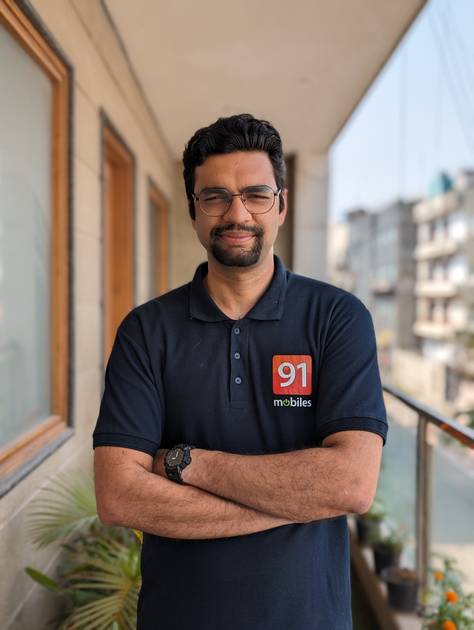
Portrait Shot

Night Mode OFF

Night Mode ON

Close Up
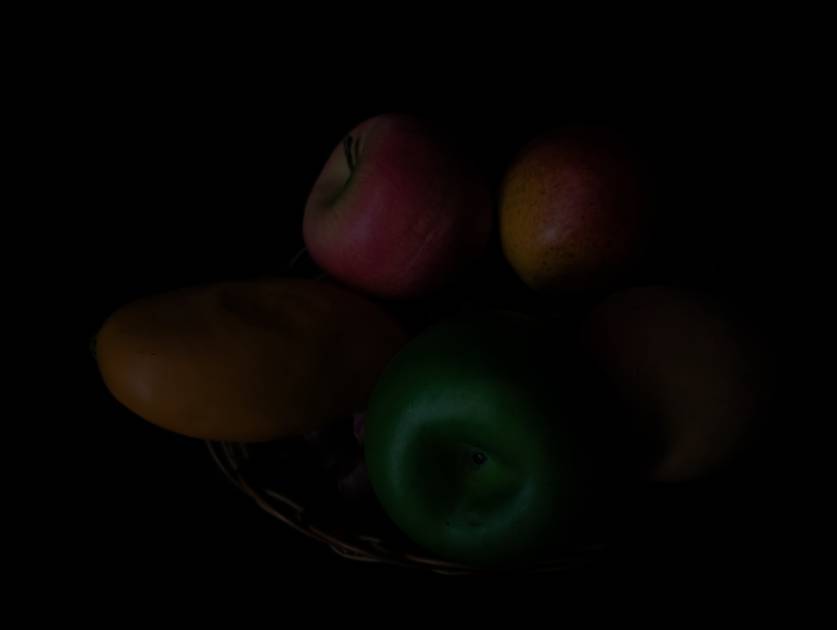
Low Light
Low Light With Flash
Colour Variance

Daylight Auto / HDR OFF

Daylight / HDR ON
AI ON

Macro
|
Front Camera
(Very Good)
|
||||||||||||||||
|---|---|---|---|---|---|---|---|---|---|---|---|---|---|---|---|---|
| Resolution | ||||||||||||||||
|
||||||||||||||||
| Autofocus | Yes, Phase Detection Autofocus | |||||||||||||||
| Video Recording |
4k @24 fps Full HD @30 fps |
|||||||||||||||
Front Camera Samples

Selfie
Selfie Portrait

Selfie Low Light

Selfie Low Light With Flash
|
Battery
(Very Good)
|
|
|---|---|
| Capacity | 5050 mAh |
| Battery Type | Li-ion |
| Quick Charging | Yes, 30W Fast Charging, 50% in 30 minutes |
| Wireless Charging | Yes, 23W Wireless Charging |
| Wireless Reverse Charging | Yes |
Storage |
|
|---|---|
| Internal Storage | 128 GB / 256 GB |
| Storage Type | UFS 3.1 |
| Expandable Storage | No |
Network & Connectivity |
|
|---|---|
| SIM Slot(s) | Dual SIM |
| SIM Type | SIM1: Nano, SIM2: eSIM |
| Network Support | 5G, 4G |
| VoLTE | Yes |
| SIM 1 |
5G bands, 4G bands
Expand
|
| SIM 2 |
5G bands, 4G bands
Expand
|
| Wi-Fi | Yes, Wi-Fi 7 (802.11 a/b/g/n/ac/be/ax) 5GHz 6GHz, MIMO |
| Wi-Fi Features | Mobile Hotspot |
| Bluetooth | Yes, v5.3 |
| GPS | Yes with A-GPS, Glonass |
| NFC | Yes |
Multimedia |
|
|---|---|
| Stereo Speakers | Yes |
| Audio Jack | USB Type-C |
Sensors |
|
|---|---|
| Fingerprint Sensor | Yes |
| Fingerprint Sensor Position | On-screen |
| Fingerprint Sensor Type | Optical |
| Other Sensors | Light sensor, Proximity sensor, Accelerometer, Barometer, Compass, Gyroscope |
Google Pixel 8 Pro 256GB User Reviews
Google Pixel 8 Pro 256GB Key Highlights
| Processor | Google Tensor G3 |
| RAM & Storage | 12 GB RAM + 128 GB 12 GB RAM + 256 GB |
| Display | 6.7", 1344 x 2992 Resolution |
| Rear Camera | 50 MP + 48 MP + 48 MP |
| Front Camera | 10.5 MP |
| Battery | 5050 mAh |

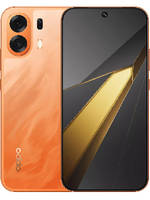




























Google Pixel 8 Pro Price In India
| Product Name | Store | Price |
|---|---|---|
| Google Pixel 8 Pro (12 GB + 128 GB) | Flipkart | ₹79,999 |
| Google Pixel 8 Pro (12 GB + 256 GB) | Flipkart | ₹113,999 |
Popular Links
- All Upcoming Phones
- vivo V80 5G
- OPPO K14 Plus 5G
- Xiaomi Redmi Note 17 Pro 5G
- Lava Virat Curve 5G
- OPPO F35 Pro
- Samsung Mobiles
- Motorola Mobiles
- vivo Mobiles
- OPPO Mobiles
- Tecno Mobiles
- realme Mobiles
- Xiaomi Mobiles