
Google Pixel 9
+ Compare


-
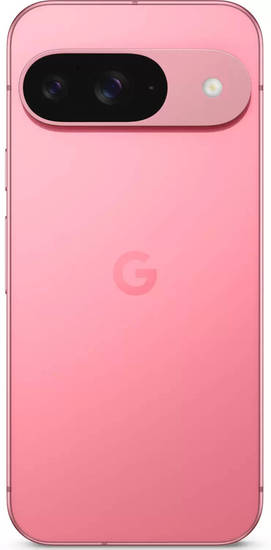
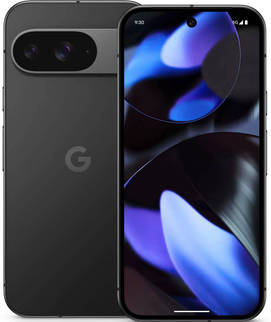
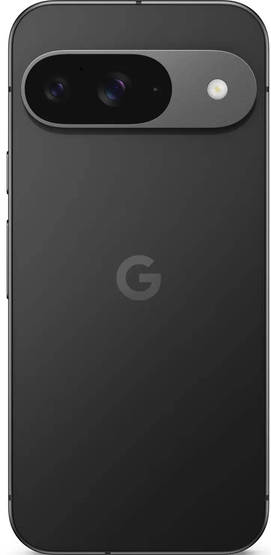
Design21

-
Rear Camera14

-
Front Camera4

-
360° View
![360° View]()
-
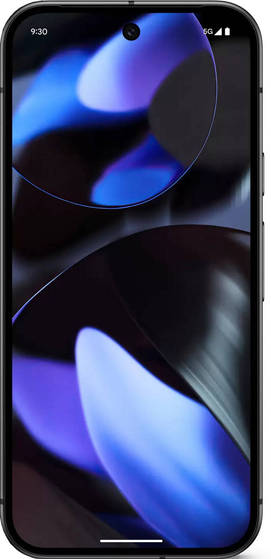
UI Screenshot16
![UI Screenshot]()
-
Benchmarks3
![Benchmarks]()


Key Specs
Performance
-
Google Tensor G4 -
Octa core (3.1 GHz, Single Core + 2.6 GHz, Tri core + 1.92 GHz, Quad core) -
12 GB RAM, LPDDR5X
Display
-
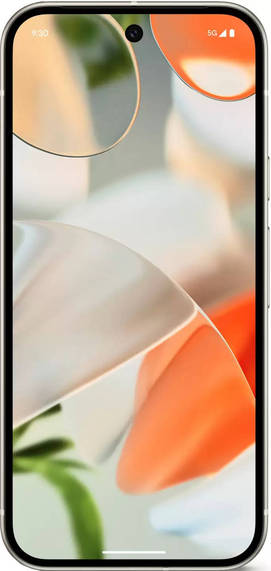
6.3 inches (16 cm); OLED -
1080x2424 px (FHD+) -
120 Hz Refresh Rate -
Gorilla Glass Protection -
Bezel-less with punch-hole display
Rear Camera
-
Dual Camera Setup - 50 MP (upto 8x Digital Zoom, upto 2x Optical Zoom) Wide Angle Primary Camera
- 48 MP Ultra-Wide Angle Camera
-
Dual LED Flash -
4k @60 fps Video Recording
Front Camera
-
10.5 MP Ultra-Wide Angle Lens -
4k @60 fps Video Recording
Battery
-
4700 mAh, Li-ion -
27W Fast Charging; USB Type-C port
General
-
SIM1: Nano, SIM2: eSIM -
5G Supported -
256 GB internal storage, Non Expandable -
Dust Resistant, Water Resistant
Google Pixel 9 Prices in India
 Flipkart
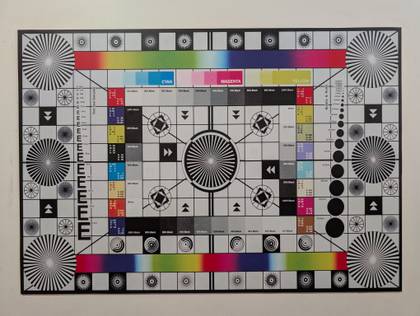
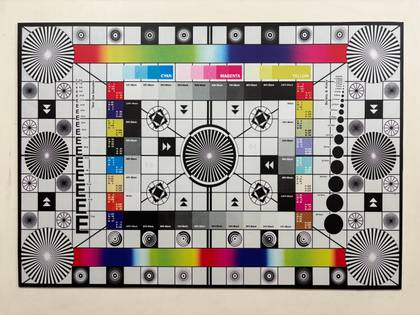
Google Pixel 9 Compare Camera Samples
































Google Pixel 9 Expert Review Summary
Expert Rating:
![Ashish Kumar]()
Verdict
The Pixel 9 is undoubtedly an intriguing device, with its design, compact form factor, and AI features making a strong impression. However, it falls short in key areas like portraits, battery, charging speeds, and the price-to-performance ratio. The handset is also lagging in the software, which should have been its standout feature.
Pros
- Premium and compact design
- Gemini integration & AI features
- Strong camera performance
- Clean software, 7 years of OS updates
Cons
- Underwhelming portrait photography
- Slow charging speeds
- Ships with Android 14
- Display could have been better
Design and display
+
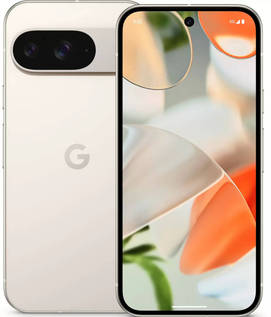
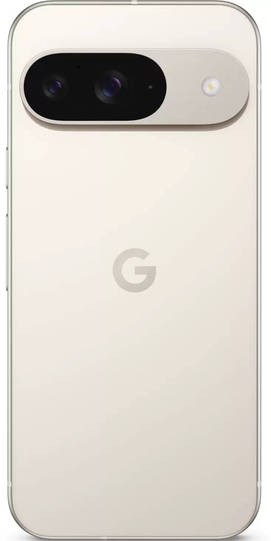
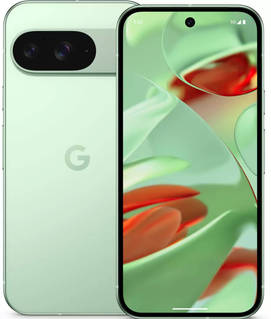
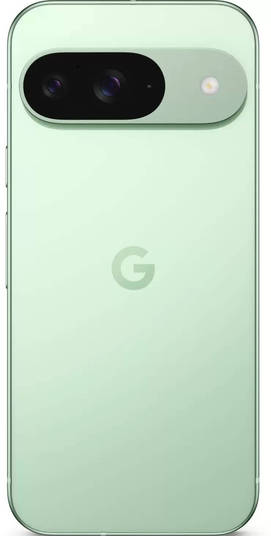
The Pixel 9's design is a departure from Google's signature camera visor and curved edges, which have been consistent on the Pixel smartphones since 2021. Instead, the Pixel 9 adopts flat edges, reminiscent of iPhones and Samsung's latest flagships, along with an elongated oval-shaped camera module. This module features a dual-tone finish, combining matte grey and black on the obsidian colour variant we received for review. Although the module protrudes noticeably, its flat, elongated design with curved corners prevents it from digging into your fingers or causing the device to wobble when placed on a flat surface.Pixel 9Samsung Galaxy S24Vivo X100 ProThickness8.5mm7.6mm9.5mmWeight198 grams168 grams221 gramsIP ratingIP68IP68IP68
Read More
Cameras
+
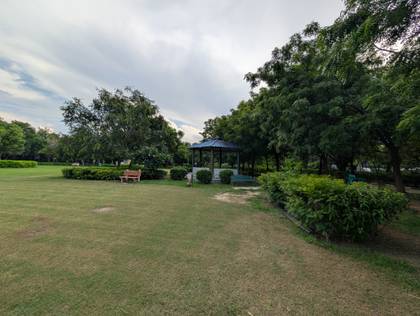
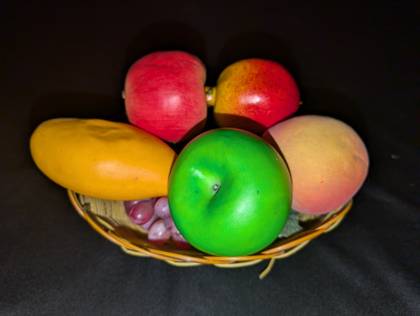
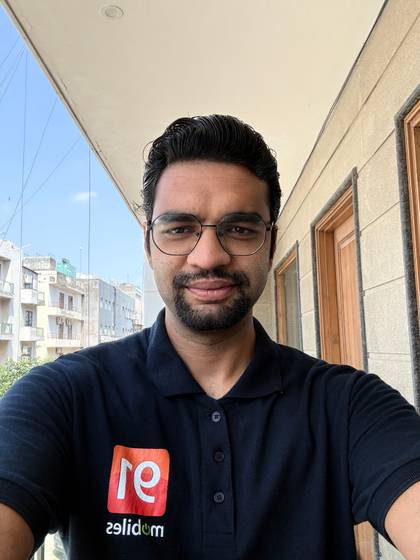
The Google Pixel 9's camera setup includes a 50MP Octa PD primary sensor with f/1.68 aperture and 82-degree field of view (FoV). This is paired with a 48MP Quad PD ultrawide lens that supports auto-focus, 123-degree FoV, and f/1.7 aperture lens. The telephoto lens is still reserved for the more expensive Pro models, but the primary sensor can provide up to 8x Super Res Zoom. The front camera is a 10.5MP snapper with f/2.2 aperture and 95-degree FoV for selfies and video calling.The Pixel 9's camera quality is a clear upgrade over its predecessor, the Pixel 8, delivering more vibrant and contrast-rich images. This improvement could be attributed to the 'revamped' High-Dynamic Range (HDR), which Google claims optimises exposure, tone mapping, sharpening, and contrast settings to deliver better image quality in various scenes. However, it is not true for every bit, which we will get to in a while. For now, it is worth mentioning that the company has introduced new camera modes and the one that's hyped the most is 'Add Me'.The Add Me mode is designed for group photos, eliminating the need to hand your phone to a stranger. It creates a 3D map of the scene and uses AI to generate and stitch together two photos taken sequentially, each with different subjects. This way, even the photographer can be included in the group shot. While the mode works as intended, it's still in its early stages, so it may not always be accurate with shadows and subject placement, as convenient as simply handing your phone to someone else, or suitable for every setting. For optimal results, it's recommended to use the mode in a bright and colourful environment.Unfortunately, we didn't have the Samsung Galaxy S24 and Vivo X100 Pro to compare with the Pixel 9's cameras. So we did it with the handset's predecessor Pixel 8 (review) and competitor OnePlus 12 (review):DaylightIn daylight, both the Pixel 9 and Pixel 8 produce images with cooler tones and nearly accurate colours. However, the Pixel 9 excels at handling light, resulting in sharper and more striking images compared to its predecessor. The level of detail and dynamic range between the two is nearly identical. In contrast, the OnePlus 12 captures images with warmer tones, resulting in overexposed areas and subpar detailing.UltrawideUltrawide shots on the Pixel 9 are noticeably sharper and more vibrant compared to those on the Pixel 8. While there is a natural drop in quality from the primary camera, the Pixel 9 avoids the colour boosting seen in the Pixel 8, maintaining a consistent colour profile across both lenses.PortraitsThe Pixel 9 falls behind the Pixel 8 and the OnePlus 12 in portraits. While the handset captures images with superior facial details and near-accurate skin tones, its edge detection is all over the place. There is considerable warping around the edges of the subject, and this one time, the smartphone had trouble focusing and blurring the subject in the foreground. This is surprising since Pixels have a history of capturing great portraits. The issue is fixable with a software update, but until then, the Pixel 8 and OnePlus 12 offer better edge detections.SelfiesWhether it is a regular selfie or portrait, the Pixel 9 does a better job than its counterparts with skin tones and facial detailing. Although there's a slight adjustment in skin tones when switched to selfie portrait mode, it's far less noticeable compared to the OnePlus 12, which also overexposes the details.8x zoomThe Pixel 9 may not have a telephoto lens, but it boasts 8x digital zoom. However, it is not as promising as the OnePlus 12, which has a dedicated telephoto camera and offers visually striking and shaper images although the colours may not always be accurate.Lowlight (night mode)In low light, the Pixel 9 consistently outperforms both the OnePlus 12 and the Pixel 8, whether using night mode or not. The images (above) show results from night mode on the Pixel 9 and the OnePlus 12. The Pixel 9 delivers brighter images with respectable details and minimal light flare, offering a superior performance compared to its competitor.
Read More
Performance and software
+
At the core of the Pixel 9 lies Google's new Tensor G4. While it is not drastically different from the previous Tensor G3 SoC, it is faster and the most capable Tensor chipset yet. Furthermore, the chipset is the first of its class that is designed to run Gemini Nano AI with multimodality to understand text, images, and audio. The AI aspect of the device has been discussed at length below. Stick around as we take you there after looking at the performance of the smartphone in real-world and synthetic benchmark apps.The Pixel 9's 12,84,962 AnTuTu score is the lowest for a 2024 flagship smartphone, as are Geekbench's 1,711 and 4,545 single-core and multi-core test scores respectively. The handset's performance also throttles significantly to 40.8 percent on our Burnout CPU throttle test. While it may not be ideal for demanding/intense activities, the handset can handle regular workload with ease. However, since it doesn't have a vapour chamber cooling system like its Pro models, there is a noticeable spike in the thermals - nothing significant though. We tested the device with gaming, and during our lab tests, the device's temperature increased by about 17 degrees—standard for a non-gaming smartphone—after playing BGMI, Call of Duty, and Real Racing 3 for 30 minutes each. Furthermore, the Pixel 9 ran these games on high graphics settings and showed no noticeable drop in frame rates.The new Pixel flagship is usually where we first experience the latest Android versions out of the box. However, this year is different. The Pixel 9 comes pre-loaded with last year's Android 14 OS, while Android 15 is reserved as an OTA update, counting as one of the seven major OS updates promised over the handset's lifespan. This gives the Pixel 9 the same software support cycle as its predecessor, the Pixel 8, keeping both devices relevant until at least 2030.Not just that, the Pixel 9 software experience is also pretty much the same as last year. While it's a bit buggy, the software remains clean, with only 37 pre-installed apps—all of which are Google's own. That said, the company has introduced new features, apps, and an array of AI capabilities. Guided Frame, which assists people with low vision by providing audio and haptic feedback for selfies, and Audio Emoji, which offers six preset emojis for reacting to callers with audio cues are some examples. As entertaining as it may sound, the Audio Emoji feature feels somewhat redundant. On the other hand, the Call Notes feature, which is intended to provide a 'completely private' summary after a call, seems like a more useful one, but it wasn't available in my unit at the time of writing this review.Pre-installed appsOS updatesPixel 9377 years major, 7 years securitySamsung Galaxy S24NA7 years major, 7 years securityOnePlus 12414 years major, 5 years security
Read More
AI features
+
Update August 22nd: Google has introduced the Pixel Studio app, which allows users to convert text prompts into AI-generated images in a variety of styles, which generally works well. While it currently can't generate human images, you can get creative by dressing animals like humans, illustrating fictional characters, or designing vehicles with unique shapes, among other possibilities. You can create your own comic book if you are into it. The generative images can be copied/ downloaded and shared on social media/ messaging apps.AI is the key selling point of the Pixel 9, and Google has not only enhanced the capabilities introduced with the previous-gen Pixel 8 but has also added several new ones. It starts with Gemini. While not exclusive to the smartphone, Google uses the Pixel 9 to showcase Gemini's full potential. Integrated into the power button and activated with a long press, Gemini is seamlessly layered atop Google apps and Android, offering assistance in every possible way.The company is providing a one-month free subscription of Gemini Advanced with the Pixel 9 (apparently, it is for a year for Pixel 9 Pro users) that offers features like Gemini Live to have a free-flowing conversation with the AI that can be interrupted or personalised with 10 preset voices. While this feature is handy, works seamlessly, and provides a natural experience, I wish it also transcribed conversations as they happened, rather than just providing a summary later. Moreover, the feature comes with a recurring cost of Rs 1,950 per month, which could be a steep price for some.Another useful feature of Gemini is its cross-platform support. It can work with the new Google Screenshots app, which stores all your screenshots (in addition to the Google Photos app), and lets you pull them up as and when required with a simple search. It can also summarise the screenshot and is said to be on-device, and since this process is on-device, your data remains secure without requiring an internet connection. Similarly, in the new Weather app, Gemini can generate a summary report of the weather and what to expect. The app is also more useful than ever, showcasing weather details in the form of widgets that can be arranged per your priority.Gemini can generate summary reports of important emails and even communicate with you through images. Simply upload an image and ask the AI to generate ideas, such as a solution to a mathematical equation. Google has promised to release new extensions of the AI assistant in the coming weeks, expanding its features to additional apps like Calendar, Keep, Tasks, YouTube Music, and more.Similar to Samsung's Galaxy flagships, the Pixel 9 also boasts a circle-to-search feature, which looks into the internet about the subject you circled in the frame to offer relevant results. You also get generative AI features to help tweak an existing image. Google has also upgraded its AI photo editing tool, Magic Editor. It now offers the capability to completely transform an image's appearance—not merely removing objects or repositioning subjects—to the extent that you might wonder, 'What is a photo?' Check it out yourself in the image below.
Read More
Battery and charging
+
The Pixel 9 features a 4,700mAh battery, the largest ever in Google's entry flagship. This allowed the handset to achieve a score of 11 hours and 48 minutes on the PCMark battery test—a decent result, though not as impressive as the Samsung Galaxy S24, which lasted longer with a smaller 4,000mAh battery. In our tests, the Pixel 9's battery optimisation proved to be fairly standard, consuming 25 percent of battery life during a 30-minute YouTube streaming session and a 90-minute gaming session combined. However, better management could be expected. The Pixel 9's standout features such as AI photo editing tools and cameras significantly drain the battery, making it necessary to recharge the device at least once to get through the day, even with just a few hours of use.
Read More
Read full Review

Verdict
The Pixel 9 is undoubtedly an intriguing device, with its design, compact form factor, and AI features making a strong impression. However, it falls short in key areas like portraits, battery, charging speeds, and the price-to-performance ratio. The handset is also lagging in the software, which should have been its standout feature.
- Premium and compact design
- Gemini integration & AI features
- Strong camera performance
- Clean software, 7 years of OS updates
Pros
- Underwhelming portrait photography
- Slow charging speeds
- Ships with Android 14
- Display could have been better
Cons
Design and display
+The Pixel 9's design is a departure from Google's signature camera visor and curved edges, which have been consistent on the Pixel smartphones since 2021. Instead, the Pixel 9 adopts flat edges, reminiscent of iPhones and Samsung's latest flagships, along with an elongated oval-shaped camera module. This module features a dual-tone finish, combining matte grey and black on the obsidian colour variant we received for review. Although the module protrudes noticeably, its flat, elongated design with curved corners prevents it from digging into your fingers or causing the device to wobble when placed on a flat surface.Pixel 9Samsung Galaxy S24Vivo X100 ProThickness8.5mm7.6mm9.5mmWeight198 grams168 grams221 gramsIP ratingIP68IP68IP68
Read MoreCameras
+The Google Pixel 9's camera setup includes a 50MP Octa PD primary sensor with f/1.68 aperture and 82-degree field of view (FoV). This is paired with a 48MP Quad PD ultrawide lens that supports auto-focus, 123-degree FoV, and f/1.7 aperture lens. The telephoto lens is still reserved for the more expensive Pro models, but the primary sensor can provide up to 8x Super Res Zoom. The front camera is a 10.5MP snapper with f/2.2 aperture and 95-degree FoV for selfies and video calling.The Pixel 9's camera quality is a clear upgrade over its predecessor, the Pixel 8, delivering more vibrant and contrast-rich images. This improvement could be attributed to the 'revamped' High-Dynamic Range (HDR), which Google claims optimises exposure, tone mapping, sharpening, and contrast settings to deliver better image quality in various scenes. However, it is not true for every bit, which we will get to in a while. For now, it is worth mentioning that the company has introduced new camera modes and the one that's hyped the most is 'Add Me'.The Add Me mode is designed for group photos, eliminating the need to hand your phone to a stranger. It creates a 3D map of the scene and uses AI to generate and stitch together two photos taken sequentially, each with different subjects. This way, even the photographer can be included in the group shot. While the mode works as intended, it's still in its early stages, so it may not always be accurate with shadows and subject placement, as convenient as simply handing your phone to someone else, or suitable for every setting. For optimal results, it's recommended to use the mode in a bright and colourful environment.Unfortunately, we didn't have the Samsung Galaxy S24 and Vivo X100 Pro to compare with the Pixel 9's cameras. So we did it with the handset's predecessor Pixel 8 (review) and competitor OnePlus 12 (review):DaylightIn daylight, both the Pixel 9 and Pixel 8 produce images with cooler tones and nearly accurate colours. However, the Pixel 9 excels at handling light, resulting in sharper and more striking images compared to its predecessor. The level of detail and dynamic range between the two is nearly identical. In contrast, the OnePlus 12 captures images with warmer tones, resulting in overexposed areas and subpar detailing.UltrawideUltrawide shots on the Pixel 9 are noticeably sharper and more vibrant compared to those on the Pixel 8. While there is a natural drop in quality from the primary camera, the Pixel 9 avoids the colour boosting seen in the Pixel 8, maintaining a consistent colour profile across both lenses.PortraitsThe Pixel 9 falls behind the Pixel 8 and the OnePlus 12 in portraits. While the handset captures images with superior facial details and near-accurate skin tones, its edge detection is all over the place. There is considerable warping around the edges of the subject, and this one time, the smartphone had trouble focusing and blurring the subject in the foreground. This is surprising since Pixels have a history of capturing great portraits. The issue is fixable with a software update, but until then, the Pixel 8 and OnePlus 12 offer better edge detections.SelfiesWhether it is a regular selfie or portrait, the Pixel 9 does a better job than its counterparts with skin tones and facial detailing. Although there's a slight adjustment in skin tones when switched to selfie portrait mode, it's far less noticeable compared to the OnePlus 12, which also overexposes the details.8x zoomThe Pixel 9 may not have a telephoto lens, but it boasts 8x digital zoom. However, it is not as promising as the OnePlus 12, which has a dedicated telephoto camera and offers visually striking and shaper images although the colours may not always be accurate.Lowlight (night mode)In low light, the Pixel 9 consistently outperforms both the OnePlus 12 and the Pixel 8, whether using night mode or not. The images (above) show results from night mode on the Pixel 9 and the OnePlus 12. The Pixel 9 delivers brighter images with respectable details and minimal light flare, offering a superior performance compared to its competitor.
Read MorePerformance and software
+At the core of the Pixel 9 lies Google's new Tensor G4. While it is not drastically different from the previous Tensor G3 SoC, it is faster and the most capable Tensor chipset yet. Furthermore, the chipset is the first of its class that is designed to run Gemini Nano AI with multimodality to understand text, images, and audio. The AI aspect of the device has been discussed at length below. Stick around as we take you there after looking at the performance of the smartphone in real-world and synthetic benchmark apps.The Pixel 9's 12,84,962 AnTuTu score is the lowest for a 2024 flagship smartphone, as are Geekbench's 1,711 and 4,545 single-core and multi-core test scores respectively. The handset's performance also throttles significantly to 40.8 percent on our Burnout CPU throttle test. While it may not be ideal for demanding/intense activities, the handset can handle regular workload with ease. However, since it doesn't have a vapour chamber cooling system like its Pro models, there is a noticeable spike in the thermals - nothing significant though. We tested the device with gaming, and during our lab tests, the device's temperature increased by about 17 degrees—standard for a non-gaming smartphone—after playing BGMI, Call of Duty, and Real Racing 3 for 30 minutes each. Furthermore, the Pixel 9 ran these games on high graphics settings and showed no noticeable drop in frame rates.The new Pixel flagship is usually where we first experience the latest Android versions out of the box. However, this year is different. The Pixel 9 comes pre-loaded with last year's Android 14 OS, while Android 15 is reserved as an OTA update, counting as one of the seven major OS updates promised over the handset's lifespan. This gives the Pixel 9 the same software support cycle as its predecessor, the Pixel 8, keeping both devices relevant until at least 2030.Not just that, the Pixel 9 software experience is also pretty much the same as last year. While it's a bit buggy, the software remains clean, with only 37 pre-installed apps—all of which are Google's own. That said, the company has introduced new features, apps, and an array of AI capabilities. Guided Frame, which assists people with low vision by providing audio and haptic feedback for selfies, and Audio Emoji, which offers six preset emojis for reacting to callers with audio cues are some examples. As entertaining as it may sound, the Audio Emoji feature feels somewhat redundant. On the other hand, the Call Notes feature, which is intended to provide a 'completely private' summary after a call, seems like a more useful one, but it wasn't available in my unit at the time of writing this review.Pre-installed appsOS updatesPixel 9377 years major, 7 years securitySamsung Galaxy S24NA7 years major, 7 years securityOnePlus 12414 years major, 5 years security
Read MoreAI features
+Update August 22nd: Google has introduced the Pixel Studio app, which allows users to convert text prompts into AI-generated images in a variety of styles, which generally works well. While it currently can't generate human images, you can get creative by dressing animals like humans, illustrating fictional characters, or designing vehicles with unique shapes, among other possibilities. You can create your own comic book if you are into it. The generative images can be copied/ downloaded and shared on social media/ messaging apps.AI is the key selling point of the Pixel 9, and Google has not only enhanced the capabilities introduced with the previous-gen Pixel 8 but has also added several new ones. It starts with Gemini. While not exclusive to the smartphone, Google uses the Pixel 9 to showcase Gemini's full potential. Integrated into the power button and activated with a long press, Gemini is seamlessly layered atop Google apps and Android, offering assistance in every possible way.The company is providing a one-month free subscription of Gemini Advanced with the Pixel 9 (apparently, it is for a year for Pixel 9 Pro users) that offers features like Gemini Live to have a free-flowing conversation with the AI that can be interrupted or personalised with 10 preset voices. While this feature is handy, works seamlessly, and provides a natural experience, I wish it also transcribed conversations as they happened, rather than just providing a summary later. Moreover, the feature comes with a recurring cost of Rs 1,950 per month, which could be a steep price for some.Another useful feature of Gemini is its cross-platform support. It can work with the new Google Screenshots app, which stores all your screenshots (in addition to the Google Photos app), and lets you pull them up as and when required with a simple search. It can also summarise the screenshot and is said to be on-device, and since this process is on-device, your data remains secure without requiring an internet connection. Similarly, in the new Weather app, Gemini can generate a summary report of the weather and what to expect. The app is also more useful than ever, showcasing weather details in the form of widgets that can be arranged per your priority.Gemini can generate summary reports of important emails and even communicate with you through images. Simply upload an image and ask the AI to generate ideas, such as a solution to a mathematical equation. Google has promised to release new extensions of the AI assistant in the coming weeks, expanding its features to additional apps like Calendar, Keep, Tasks, YouTube Music, and more.Similar to Samsung's Galaxy flagships, the Pixel 9 also boasts a circle-to-search feature, which looks into the internet about the subject you circled in the frame to offer relevant results. You also get generative AI features to help tweak an existing image. Google has also upgraded its AI photo editing tool, Magic Editor. It now offers the capability to completely transform an image's appearance—not merely removing objects or repositioning subjects—to the extent that you might wonder, 'What is a photo?' Check it out yourself in the image below.
Read MoreBattery and charging
+The Pixel 9 features a 4,700mAh battery, the largest ever in Google's entry flagship. This allowed the handset to achieve a score of 11 hours and 48 minutes on the PCMark battery test—a decent result, though not as impressive as the Samsung Galaxy S24, which lasted longer with a smaller 4,000mAh battery. In our tests, the Pixel 9's battery optimisation proved to be fairly standard, consuming 25 percent of battery life during a 30-minute YouTube streaming session and a 90-minute gaming session combined. However, better management could be expected. The Pixel 9's standout features such as AI photo editing tools and cameras significantly drain the battery, making it necessary to recharge the device at least once to get through the day, even with just a few hours of use.
Read MoreCompetitors For Google Pixel 9
View Alternatives







Popular Comparisons
 Google Pixel 9
 Google Pixel 10A
Google Pixel 9
 Google Pixel 11
Google Pixel 9
 Google Pixel 10
Google Pixel 9
 Google Pixel 9A
Google Pixel 9
 Apple iPhone 16
Google Pixel 9
 Samsung Galaxy S26 FE




Google Pixel 9 Specifications
General |
|
|---|---|
| Launch Date | August 14, 2024 (Official) |
| Operating System | Android v14 |
| OS Updates | 7 Years |
| Security Updates | 7 Years |
Performance
(Very Good)
|
||||
|---|---|---|---|---|
| Chipset | Google Tensor G4 View Details | |||
| Processor | Octa core (3.1 GHz, Single core, Cortex X4 + 2.6 GHz, Tri core, Cortex A720 + 1.92 GHz, Quad core, Cortex A520) | |||
| Co-Processor | Titan M2 | |||
| Architecture | 64 bit | |||
| Fabrication | 4 nm | |||
| Graphics (GPU) | Mali-G715 MP7 | |||
| RAM | 12 GB | |||
| RAM Type | LPDDR5X | |||
|
Gaming Test Results

* after 30 mins of gaming
|
||||
Benchmark Screenshots
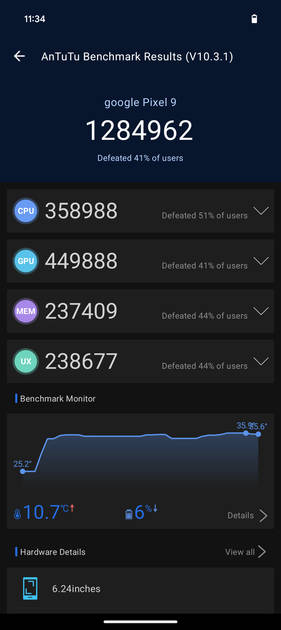
AnTuTu Benchmark
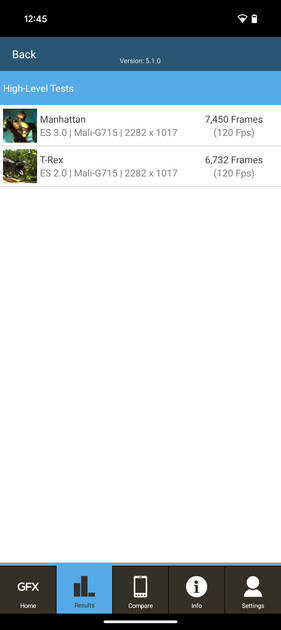
Graphics Benchmark
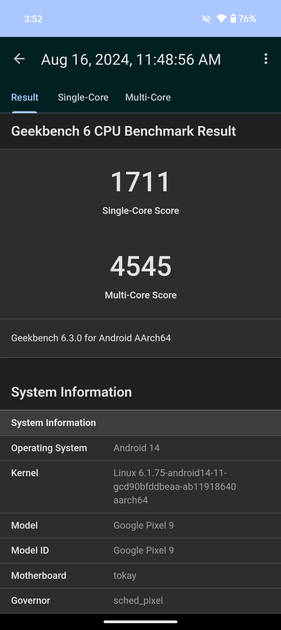
Geekbench6 Benchmark
|


Display
(Excellent)
|
|
|---|---|
| Display Type | OLED |
| Screen Size | 6.3 inches (16 cm) |
| Resolution | 1080x2424 px (FHD+) |
| Peak Brightness | 2700 nits |
| HBM Brightness | 1800 nits |
| Refresh Rate | 120 Hz |
| Aspect Ratio | 20:9 |
| Pixel Density | 421 ppi |
| Screen to Body Ratio (calculated) | 87.1 % |
| Screen Protection | Corning Gorilla Glass Victus 2 |
| Bezel-less Display | Yes with punch-hole display |
| HDR 10 / HDR+ Support | Yes, HDR 10+ |
UI Screenshots
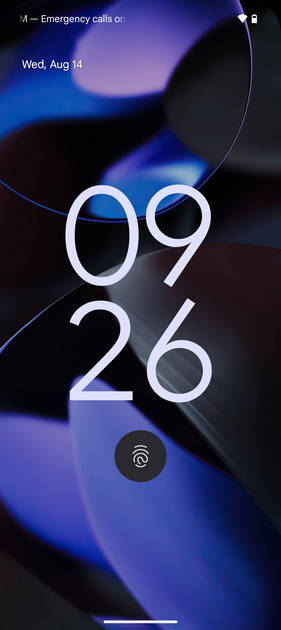
Lock Screen
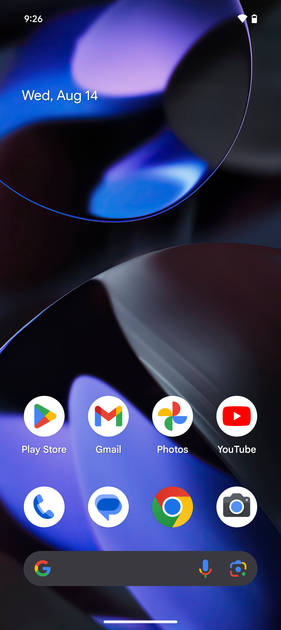
Home Screen
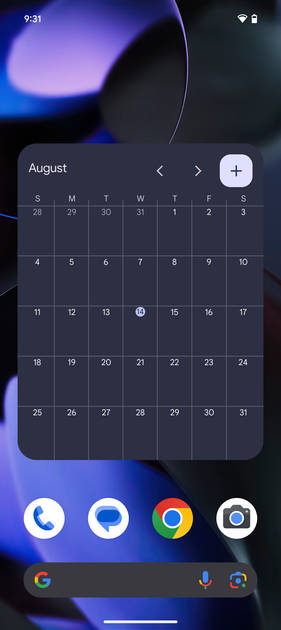
Screen With Widgets

Dialer Screen
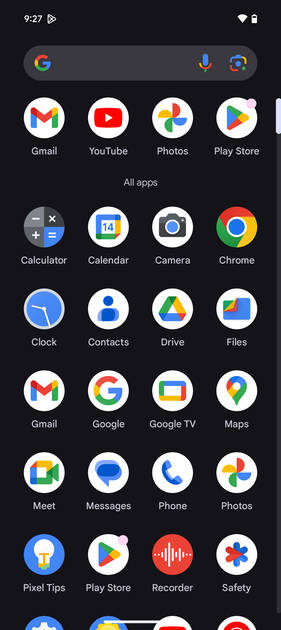
App Drawer
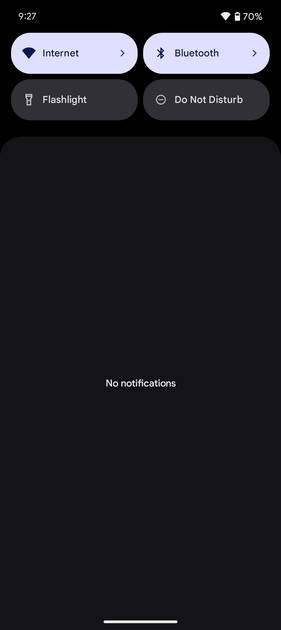
Notification Panel
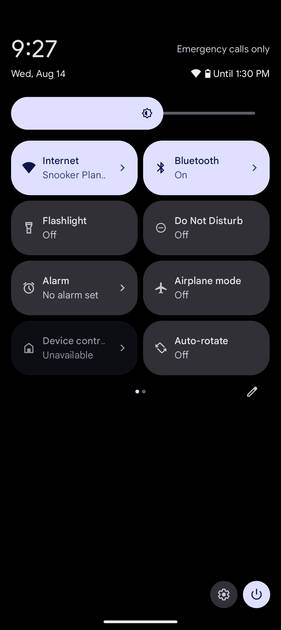
Quick Settings Panel
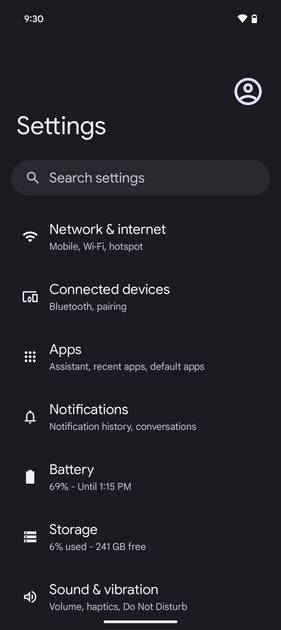
Settings Screen
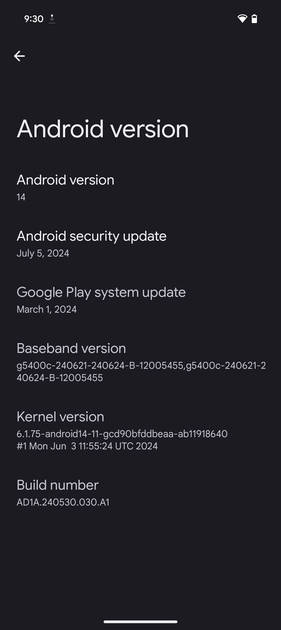
OS Version
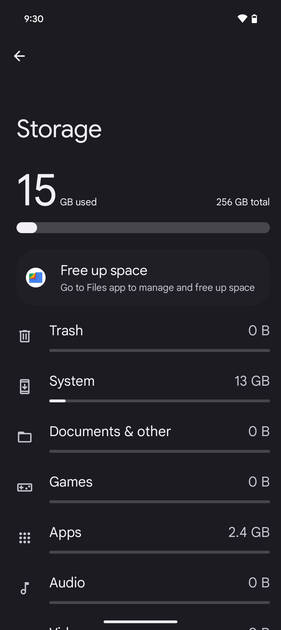
Storage
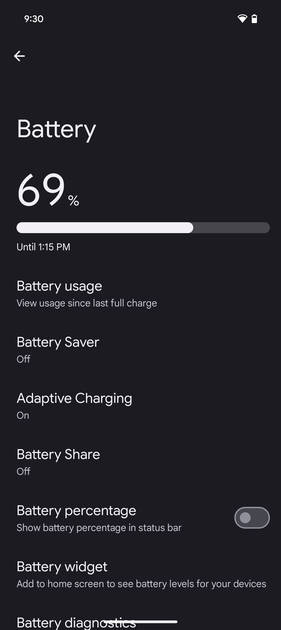
Battery
Camera On
Camera Options
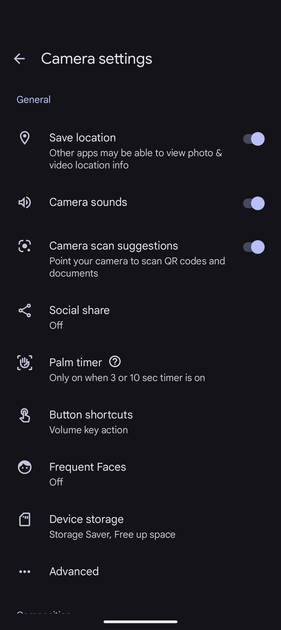
Camera Settings
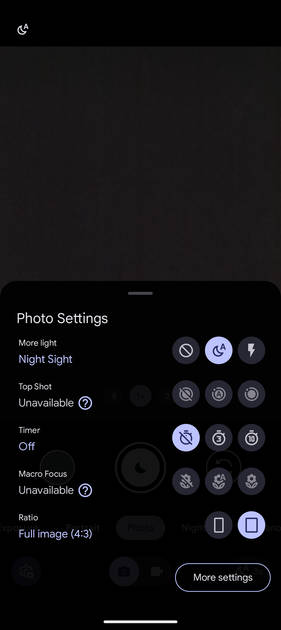
Picture Size Options
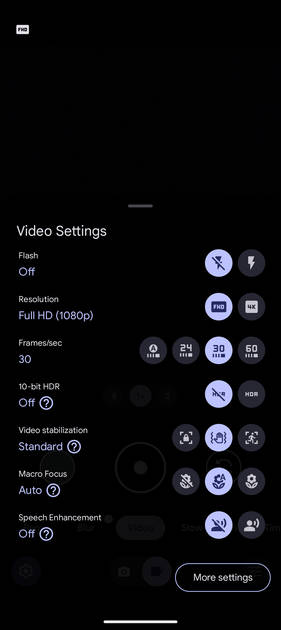
Video Size Options
|
Design |
|
|---|---|
| Height | 152.8 mm |
| Width | 72 mm |
| Thickness | 8.5 mm |
| Weight | 198 grams |
| Build Material | Back: Gorilla Glass Victus 2 |
| Water Resistance | Yes, Water resistant, IP68, (up to 30 minutes in a depth of 1.5 meter) |
| Ruggedness | Dust proof |
|
Click to View

|
Rear Camera
(Very Good)
|
|||||||||||||||||||||||||||
|---|---|---|---|---|---|---|---|---|---|---|---|---|---|---|---|---|---|---|---|---|---|---|---|---|---|---|---|
| Resolution | |||||||||||||||||||||||||||
|
|||||||||||||||||||||||||||
| Autofocus | Yes, Phase Detection Autofocus, Laser Detection Autofocus | ||||||||||||||||||||||||||
| OIS | Yes | ||||||||||||||||||||||||||
| Flash | Yes, Dual LED Flash | ||||||||||||||||||||||||||
| Image Resolution | 8150 x 6150 Pixels | ||||||||||||||||||||||||||
| Settings | Exposure compensation, ISO control | ||||||||||||||||||||||||||
| Shooting Modes |
Continuous Shooting High Dynamic Range mode (HDR) Macro Mode |
||||||||||||||||||||||||||
| Camera Features |
8 x Digital Zoom 2 x Optical Zoom Auto Flash Face detection Touch to focus |
||||||||||||||||||||||||||
| Video Recording |
4k @60 fps Full HD @60 fps |
||||||||||||||||||||||||||
| Video Recording Features | |||||||||||||||||||||||||||
Rear Camera Samples

Daylight / HDR Auto
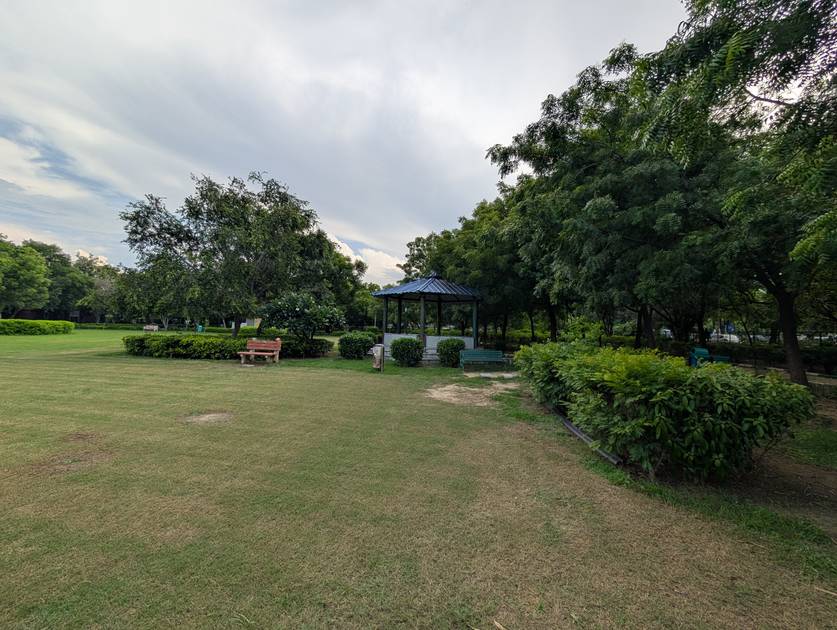
Wide Angle

Max Zoom Supported 8x

Long Shot 5X

Long Shot 3X

Long Shot 1X

High Res

Portrait Shot

Night Mode OFF

Night Mode ON

Close Up

Low Light
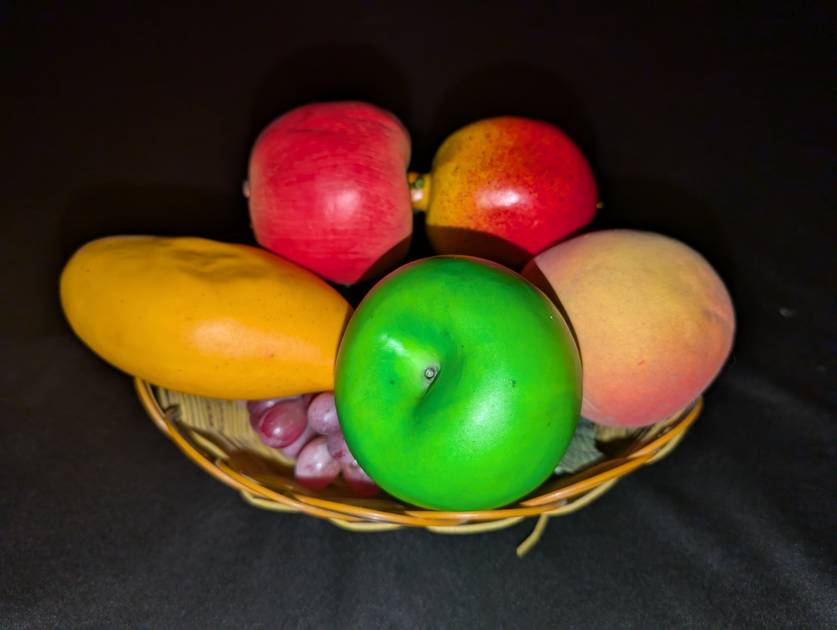
Low Light With Flash
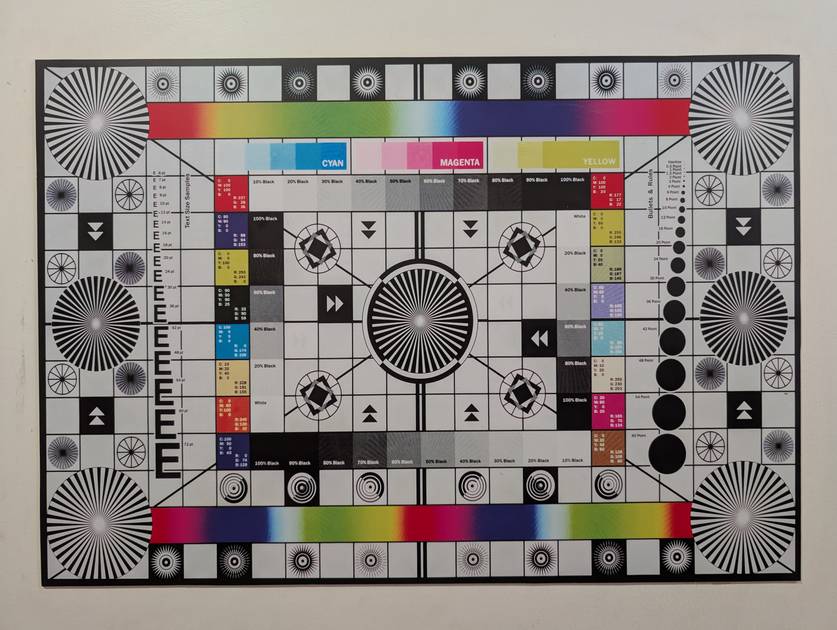
Colour Variance
|
Front Camera
(Excellent)
|
||||||||||||||||
|---|---|---|---|---|---|---|---|---|---|---|---|---|---|---|---|---|
| Resolution | ||||||||||||||||
|
||||||||||||||||
| Autofocus | Yes, Dual Pixel Phase Detection Autofocus | |||||||||||||||
| Video Recording |
4k @60 fps Full HD @60 fps |
|||||||||||||||
Front Camera Samples

Selfie

Selfie Portrait

Selfie Low Light

Selfie Low Light With Flash
|
Battery
(Very Good)
|
||||
|---|---|---|---|---|
| Capacity | 4700 mAh | |||
| Battery Type | Li-ion | |||
| Quick Charging | Yes, 27W Fast Charging, 55% in 30 minutes | |||
| Wireless Charging | Yes, 15W Wireless Charging | |||
| Wireless Reverse Charging | Yes | |||
|
Battery Test Results
|
Storage |
|
|---|---|
| Internal Storage | 256 GB |
| Storage Type | UFS 3.1 |
| Expandable Storage | No |
Network & Connectivity |
|
|---|---|
| SIM Slot(s) | Dual SIM |
| SIM Type | SIM1: Nano, SIM2: eSIM |
| Network Support | 5G, 4G |
| VoLTE | Yes |
| SIM 1 |
5G bands, 4G bands
Expand
|
| SIM 2 |
5G bands, 4G bands
Expand
|
| Wi-Fi | Yes, Wi-Fi 7 (802.11 a/b/g/n/ac/be/ax) 5GHz 6GHz, MIMO |
| Wi-Fi Features | Mobile Hotspot |
| Bluetooth | Yes, v5.3 |
| GPS | Yes with A-GPS, Glonass |
| NFC | Yes |
Multimedia |
|
|---|---|
| Stereo Speakers | Yes |
| Audio Jack | USB Type-C |
Sensors |
|
|---|---|
| Fingerprint Sensor | Yes |
| Fingerprint Sensor Position | On-screen |
| Fingerprint Sensor Type | Ultrasonic |
| Other Sensors | Light sensor, Proximity sensor, Accelerometer, Barometer, Compass, Gyroscope |
Recent Stories

Google Pixel 9 User Reviews
Google Pixel 9 Key Highlights
| Processor | Google Tensor G4 |
| RAM & Storage | 12 GB RAM + 256 GB |
| Display | 6.3", 1080 x 2424 Resolution |
| Rear Camera | 50 MP + 48 MP |
| Front Camera | 10.5 MP |
| Battery | 4700 mAh |





















Google Pixel 9 Price In India
| Product Name | Store | Price |
|---|---|---|
| Google Pixel 9 (12 GB + 256 GB) | Flipkart | ₹79,999 |
Popular Links
- All Upcoming Phones
- vivo V80 5G
- OPPO F35 Pro
- vivo S2 FE 5G
- OPPO F35
- Samsung Galaxy F70 5G
- Samsung Mobiles
- Motorola Mobiles
- vivo Mobiles
- OPPO Mobiles
- Tecno Mobiles
- realme Mobiles
- Xiaomi Mobiles