
HMD Fusion
+ Compare


-
Design12

-
Rear Camera14

-
Front Camera4

-
360° View
![360° View]()
-
UI Screenshot17
![UI Screenshot]()
-
Benchmarks3
![Benchmarks]()


Key Specs
Performance
-
Qualcomm Snapdragon 4 Gen 2 -
Octa core (2.2 GHz, Dual Core + 2 GHz, Hexa Core) -
8 GB RAM, LPDDR4X
Display
-
6.56 inches (16.66 cm); IPS LCD -
720x1612 px (HD+) -
90 Hz Refresh Rate -
Bezel-less with punch-hole display
Rear Camera
-
Dual Camera Setup - 108 MP (upto 10x Digital Zoom) Wide Angle Primary Camera
- 2 MP Depth Camera
-
LED Flash -
Full HD @30 fps Video Recording
Front Camera
-
50 MP
Battery
-
5000 mAh, Li-ion -
33W Fast Charging; USB Type-C port
General
-
SIM1: Nano, SIM2: Nano (Hybrid) -
5G Supported -
256 GB Storage, Expandable upto 1 TB -
Dust Resistant, Water Resistant
HMD Fusion Compare Camera Samples


HMD Fusion Expert Review Summary
Expert Rating:
![Dhruv Joshi]()
Verdict
While the HMD Fusion introduces distinct concepts like better repairability and modular accessories at aggressive pricing, it offers an average multimedia experience due to a subpar display. It is ideal for users who enjoy customising their devices. For anyone looking for an affordable and dependable device, it provides passable performance.
Pros
- Unique modular design
- Good battery life
- Repairability
- Clean OS
Cons
- Poor multimedia experience
- Only one OS update
Repairability
+
The big claim HMD Fusion puts forward is its Gen 2 repairability, and to be fair the device can walk the talk. From what I saw on iFixit's repair tutorials, minor fixes seem pretty straightforward if you're comfortable with electronics. I, thankfully, have some level of experience tinkering around with electronics like old phones, gaming laptops, PCs, and appliances, so the task didn't seem too daunting except for sourcing some precision screwheads.That said, replacing the display is where it gets tricky, even for someone comfortable with it, and the chances of making mistakes are pretty high if you're not entirely confident. For something like that, I'd definitely recommend leaving it to the pros. Still, I think it's a great initiative from HMD to encourage users to handle minor repairs themselves. It's a useful skill to have, especially when repair bills can easily stack up for something that's rather easy to repair once you let go of the apprehension and become comfortable dismantling your devices.
Read More
Outfits (accessories)
+
The HMD Fusion supports various modular attachments, referred to as "outfits" by the brand. My review unit included two: the Flashy outfit and the gaming outfit, and you get both when you purchase the phone, at no additional cost. The Flashy outfit is essentially an LED light attachment that fits onto the back of the case and serves as a secondary light source for selfies or regular shots. It performs well, and you can customise the LED colours and intensity to suit your needs.An important thing to note about the outfit is that it is an extremely close fit. I was quite concerned I might just damage the device with the amount of pressure required to get it off. A few friends were unable to remove it entirely, and I was seriously concerned at times that I might just snap something. The gaming outfit was more to my taste. It's a controller attachment that connects to the Pogo pin cut-out on the phone's rear panel and provides gamepad functionality for supported games. The controller is well-constructed despite being plastic, and the trigger buttons work fine, although I feel the tactile feedback could have been better. The buttons feel slightly mushy, and if you've used console controllers before, you'll notice a gap in quality.While there aren't many free PlayStore titles that support gamepad functionality, I tested it with Asphalt Extreme and enjoyed the experience. You can also use the device as a remote streaming station for consoles, which is an interesting potential use case. I couldn't test this feature, though, as I don't own a console. With more gamepad-supported titles on the Play Store, the gaming outfit could become significantly more useful in the future.
Read More
Design and display
+
Thickness Weight IP rating HMD Fusion8.3 mm 202 gramsIP54Redmi Note 147.99 mm190 gramsIP64Realme Narzo 70 Turbo 7.6 mm185 gramsIP65
Read More
Cameras
+
For cameras, HMD Fusion uses a rather simple setup: a high-resolution 108MP primary camera with a 2MP depth sensor and a 50MP front camera for selfies and video calls. The phone's primary camera is quite impressive and captures detailed images in daylight conditions, though the colours have a slight warm/sepia tint to them.For portrait shots, the device does a decent job with edge detection, though there's some observable noise around the darker areas. The low-light performance is average for its price, and the phone does take a couple of seconds to take a long exposure shot despite its large sensor. The video support is slightly disappointing since the device can capture videos only up to 1080p. Rivals like the Realme Narzo 70 Turbo and other devices in this price range do offer 4K support, so it feels slightly lacking in comparison. I compared the phone's cameras with a couple of its key rivals, and here's how it went: DaylightFor daylight shots, the HMD Fusion's primary camera does a good job in capturing details, but its colours appear slightly washed out when compared to the Redmi Note 14. When compared against the Realme Narzo 70 Turbo, the HMD Fusion does a better job both in terms of details and maintaining colour accuracy, as the latter boosts the colours significantly. PortraitFor portrait shots, the HMD Fusion maintains a slight lead compared to the Redmi Note since it captures better details and has more appealing colours. Both phones struggle with edge detection as well. The Realme Narzo 70 Turbo's portrait shot is vibrant, and the colours are balanced well, compared to the HMD Fusion, where the image appears duller. In terms of details, however, the latter still maintains the lead since Realme's offering softens the face. SelfieHMD Fusion's selfies have better clarity compared to the Redmi Note 14 thanks to the high-resolution camera, and its skin-colour reproduction looks closer to reality. Compared to the Realme Narzo 70 Turbo, HMD still maintains a lead in selfies due to similar factors. The former adds a red tint to the subject's skin, and its details aren't as good. Low lightIn low-light scenarios, the HMD Fusion does a slightly better job than the Redmi Note 14 in terms of details and light flares and has comparatively less grain.The Realme Narzo 70 Turbo outperforms the HMD Fusion in low-light photography, delivering better results in terms of detail, colour accuracy, and sharpness.
Read More
Performance and software
+
The HMD Fusion uses a modest Snapdragon 4 Gen 2 chipset for all its performance needs, paired with 8GB of RAM and 256GB of storage. While the performance output is satisfactory for day-to-day usage, the device could do with a bit more power since the chipset struggles with anything too heavy. There's occasional performance dips in general usage too, though they didn't bother me too much. My expectations were pretty muted for the phone's gaming performance backed by this experience, but the numbers did bring a smile to my face. The device is capable of gaming and performs better than its peers in demanding titles like COD: Mobile and BGMI, where it offers a performance output that's on par with Realme Narzo 70 Turbo at similar graphical settings and exceeds the Redmi Note 14. If you like to play FPS titles, the HMD Fusion can definitely deliver a good experience, though I'd suggest using low-graphical presets for the best experience. For software, the phone comes with Android 14 out of the box, and the OS is pretty clean, barring a few pre-installed games. You can easily uninstall them if you wish to, so there are no qualms with the software. Being a basic Android-based OS, there are not many unique features, and people who prefer stock Android will definitely enjoy the software.The brand has promised two OS upgrades and three years of security patches, which is average for the price. However, do keep in mind, with Android 15 already available, you're essentially getting just one OS update, which does detract from the longevity of the device that HMD's gunning for. Pre-installed appsSoftware updates HMD Fusion402 OS upgrades + 3 years security Redmi Note 14662 OS upgrades + 4 years security Realme Narzo 70 Turbo 672 OS upgrades + 3 years security
Read More
Battery and charging
+
The device packs a pretty standard 5,000mAh battery and comes with 33W fast charging support, with the charging brick included. The phone's battery life is quite decent, partly due to the low-resolution display, which demands less power. The battery will easily last an entire day of use with moderate usage and scores decent in our battery benchmark test.The charging speed is slightly behind its peers, as it takes 76 minutes to recharge from 20 to 100 percent, but it's something that can be managed well if you charge at the end of the day. Battery size Charging time HMD Fusion5,000mAh 76 minutes (33W)Redmi Note 145,110mAh 32 minutes (45W)Realme Narzo 70 Turbo 5,000mAh 64 minutes (45W)
Read More
Read full Review

Verdict
While the HMD Fusion introduces distinct concepts like better repairability and modular accessories at aggressive pricing, it offers an average multimedia experience due to a subpar display. It is ideal for users who enjoy customising their devices. For anyone looking for an affordable and dependable device, it provides passable performance.
- Unique modular design
- Good battery life
- Repairability
- Clean OS
Pros
- Poor multimedia experience
- Only one OS update
Cons
Repairability
+The big claim HMD Fusion puts forward is its Gen 2 repairability, and to be fair the device can walk the talk. From what I saw on iFixit's repair tutorials, minor fixes seem pretty straightforward if you're comfortable with electronics. I, thankfully, have some level of experience tinkering around with electronics like old phones, gaming laptops, PCs, and appliances, so the task didn't seem too daunting except for sourcing some precision screwheads.That said, replacing the display is where it gets tricky, even for someone comfortable with it, and the chances of making mistakes are pretty high if you're not entirely confident. For something like that, I'd definitely recommend leaving it to the pros. Still, I think it's a great initiative from HMD to encourage users to handle minor repairs themselves. It's a useful skill to have, especially when repair bills can easily stack up for something that's rather easy to repair once you let go of the apprehension and become comfortable dismantling your devices.
Read MoreOutfits (accessories)
+The HMD Fusion supports various modular attachments, referred to as "outfits" by the brand. My review unit included two: the Flashy outfit and the gaming outfit, and you get both when you purchase the phone, at no additional cost. The Flashy outfit is essentially an LED light attachment that fits onto the back of the case and serves as a secondary light source for selfies or regular shots. It performs well, and you can customise the LED colours and intensity to suit your needs.An important thing to note about the outfit is that it is an extremely close fit. I was quite concerned I might just damage the device with the amount of pressure required to get it off. A few friends were unable to remove it entirely, and I was seriously concerned at times that I might just snap something. The gaming outfit was more to my taste. It's a controller attachment that connects to the Pogo pin cut-out on the phone's rear panel and provides gamepad functionality for supported games. The controller is well-constructed despite being plastic, and the trigger buttons work fine, although I feel the tactile feedback could have been better. The buttons feel slightly mushy, and if you've used console controllers before, you'll notice a gap in quality.While there aren't many free PlayStore titles that support gamepad functionality, I tested it with Asphalt Extreme and enjoyed the experience. You can also use the device as a remote streaming station for consoles, which is an interesting potential use case. I couldn't test this feature, though, as I don't own a console. With more gamepad-supported titles on the Play Store, the gaming outfit could become significantly more useful in the future.
Read MoreDesign and display
+Thickness Weight IP rating HMD Fusion8.3 mm 202 gramsIP54Redmi Note 147.99 mm190 gramsIP64Realme Narzo 70 Turbo 7.6 mm185 gramsIP65
Read MoreCameras
+For cameras, HMD Fusion uses a rather simple setup: a high-resolution 108MP primary camera with a 2MP depth sensor and a 50MP front camera for selfies and video calls. The phone's primary camera is quite impressive and captures detailed images in daylight conditions, though the colours have a slight warm/sepia tint to them.For portrait shots, the device does a decent job with edge detection, though there's some observable noise around the darker areas. The low-light performance is average for its price, and the phone does take a couple of seconds to take a long exposure shot despite its large sensor. The video support is slightly disappointing since the device can capture videos only up to 1080p. Rivals like the Realme Narzo 70 Turbo and other devices in this price range do offer 4K support, so it feels slightly lacking in comparison. I compared the phone's cameras with a couple of its key rivals, and here's how it went: DaylightFor daylight shots, the HMD Fusion's primary camera does a good job in capturing details, but its colours appear slightly washed out when compared to the Redmi Note 14. When compared against the Realme Narzo 70 Turbo, the HMD Fusion does a better job both in terms of details and maintaining colour accuracy, as the latter boosts the colours significantly. PortraitFor portrait shots, the HMD Fusion maintains a slight lead compared to the Redmi Note since it captures better details and has more appealing colours. Both phones struggle with edge detection as well. The Realme Narzo 70 Turbo's portrait shot is vibrant, and the colours are balanced well, compared to the HMD Fusion, where the image appears duller. In terms of details, however, the latter still maintains the lead since Realme's offering softens the face. SelfieHMD Fusion's selfies have better clarity compared to the Redmi Note 14 thanks to the high-resolution camera, and its skin-colour reproduction looks closer to reality. Compared to the Realme Narzo 70 Turbo, HMD still maintains a lead in selfies due to similar factors. The former adds a red tint to the subject's skin, and its details aren't as good. Low lightIn low-light scenarios, the HMD Fusion does a slightly better job than the Redmi Note 14 in terms of details and light flares and has comparatively less grain.The Realme Narzo 70 Turbo outperforms the HMD Fusion in low-light photography, delivering better results in terms of detail, colour accuracy, and sharpness.
Read MorePerformance and software
+The HMD Fusion uses a modest Snapdragon 4 Gen 2 chipset for all its performance needs, paired with 8GB of RAM and 256GB of storage. While the performance output is satisfactory for day-to-day usage, the device could do with a bit more power since the chipset struggles with anything too heavy. There's occasional performance dips in general usage too, though they didn't bother me too much. My expectations were pretty muted for the phone's gaming performance backed by this experience, but the numbers did bring a smile to my face. The device is capable of gaming and performs better than its peers in demanding titles like COD: Mobile and BGMI, where it offers a performance output that's on par with Realme Narzo 70 Turbo at similar graphical settings and exceeds the Redmi Note 14. If you like to play FPS titles, the HMD Fusion can definitely deliver a good experience, though I'd suggest using low-graphical presets for the best experience. For software, the phone comes with Android 14 out of the box, and the OS is pretty clean, barring a few pre-installed games. You can easily uninstall them if you wish to, so there are no qualms with the software. Being a basic Android-based OS, there are not many unique features, and people who prefer stock Android will definitely enjoy the software.The brand has promised two OS upgrades and three years of security patches, which is average for the price. However, do keep in mind, with Android 15 already available, you're essentially getting just one OS update, which does detract from the longevity of the device that HMD's gunning for. Pre-installed appsSoftware updates HMD Fusion402 OS upgrades + 3 years security Redmi Note 14662 OS upgrades + 4 years security Realme Narzo 70 Turbo 672 OS upgrades + 3 years security
Read MoreBattery and charging
+The device packs a pretty standard 5,000mAh battery and comes with 33W fast charging support, with the charging brick included. The phone's battery life is quite decent, partly due to the low-resolution display, which demands less power. The battery will easily last an entire day of use with moderate usage and scores decent in our battery benchmark test.The charging speed is slightly behind its peers, as it takes 76 minutes to recharge from 20 to 100 percent, but it's something that can be managed well if you charge at the end of the day. Battery size Charging time HMD Fusion5,000mAh 76 minutes (33W)Redmi Note 145,110mAh 32 minutes (45W)Realme Narzo 70 Turbo 5,000mAh 64 minutes (45W)
Read MoreCompetitors For HMD Fusion
View Alternatives






Popular Comparisons


HMD Fusion Specifications
General |
|
|---|---|
| Launch Date | November 29, 2024 (Official) |
| Operating System | Android v14 |
| OS Updates | 2 Years |
| Security Updates | 3 Years |
Performance
(Good)
|
||||||
|---|---|---|---|---|---|---|
| Chipset | Qualcomm Snapdragon 4 Gen 2 View Details | |||||
| Processor | Octa core (2.2 GHz, Dual core, Cortex A78 + 2 GHz, Hexa Core, Cortex A55) | |||||
| Architecture | 64 bit | |||||
| Fabrication | 4 nm | |||||
| Graphics (GPU) | Adreno 613 | |||||
| RAM | 8 GB | |||||
| RAM Type | LPDDR4X | |||||
|
Gaming Test Results

* after 30 mins of gaming
|
||||||
Benchmark Screenshots

AnTuTu Benchmark

Graphics Benchmark

Geekbench6 Benchmark
|

Display
(Very Good)
|
|
|---|---|
| Display Type | IPS LCD |
| Screen Size | 6.56 inches (16.66 cm) |
| Resolution | 720x1612 px (HD+) |
| Peak Brightness | 600 nits |
| Refresh Rate | 90 Hz |
| Aspect Ratio | 20:9 |
| Pixel Density | 269 ppi |
| Screen to Body Ratio (calculated) | 83.83 % |
| Bezel-less Display | Yes with punch-hole display |
UI Screenshots

Lock Screen

Home Screen

Screen With Widgets

Dialer Screen

App Drawer

Notification Panel

Quick Settings Panel

Settings Screen

OS Version

Storage

Battery

Camera On

Camera Options

Camera Modes

Camera Settings

Picture Size Options

Video Size Options
|
Design |
|
|---|---|
| Height | 164.15 mm |
| Width | 75.5 mm |
| Thickness | 8.32 mm |
| Weight | 202.5 grams |
| Build Material | Back: Plastic |
| Water Resistance | Yes, Splash proof, IP54 |
| Ruggedness | Dust proof |
|
Click to View

|
Rear Camera
(Very Good)
|
||||||||||||||||||
|---|---|---|---|---|---|---|---|---|---|---|---|---|---|---|---|---|---|---|
| Resolution | ||||||||||||||||||
|
||||||||||||||||||
| Autofocus | Yes | |||||||||||||||||
| Flash | Yes, LED Flash | |||||||||||||||||
| Image Resolution | 12000 x 9000 Pixels | |||||||||||||||||
| Settings | Exposure compensation, ISO control | |||||||||||||||||
| Shooting Modes |
Continuous Shooting High Dynamic Range mode (HDR) |
|||||||||||||||||
| Camera Features |
10 x Digital Zoom Auto Flash Face detection Touch to focus |
|||||||||||||||||
| Video Recording | Full HD @30 fps | |||||||||||||||||
Rear Camera Samples

Daylight / HDR Auto

Max Zoom Supported 10x

Long Shot 10X

Long Shot 5X

Long Shot 3X

Long Shot 1X

High Res

Portrait Shot

Night Mode OFF

Night Mode ON

Close Up

Low Light

Low Light With Flash

Colour Variance
|
Front Camera
(Very Good)
|
||||
|---|---|---|---|---|
| Resolution | ||||
|
||||
| Camera Features | Fixed Focus | |||
Front Camera Samples

Selfie

Selfie Portrait

Selfie Low Light

Selfie Low Light With Flash
|
Battery
(Very Good)
|
||||
|---|---|---|---|---|
| Capacity | 5000 mAh | |||
| Battery Type | Li-ion | |||
| Quick Charging | Yes, 33W Fast Charging, 50% in 30 minutes | |||
|
Battery Test Results
|
Storage |
|
|---|---|
| Internal Storage | 256 GB |
| Storage Type | UFS 2.2 |
| Expandable Storage | Yes, Up to 1 TB |
Network & Connectivity |
|
|---|---|
| SIM Slot(s) | Dual SIM |
| SIM Type | SIM1: Nano, SIM2: Nano (Hybrid) |
| Network Support | 5G, 4G |
| VoLTE | Yes |
| SIM 1 |
5G bands, 4G bands
Expand
|
| SIM 2 |
5G bands, 4G bands
Expand
|
| Wi-Fi | Yes, Wi-Fi 5 (802.11 a/b/g/n/ac) 5GHz |
| Wi-Fi Features | Mobile Hotspot |
| Bluetooth | Yes, v5.1 |
| GPS | Yes with A-GPS, Glonass |
Multimedia |
|
|---|---|
| Audio Jack | 3.5 mm |
Sensors |
|
|---|---|
| Fingerprint Sensor | Yes |
| Fingerprint Sensor Position | Side |
| Other Sensors | Light sensor, Proximity sensor, Accelerometer, Compass, Gyroscope |
HMD Fusion User Reviews
HMD Fusion Key Highlights
| Processor | Qualcomm Snapdragon 4 Gen 2 |
| RAM & Storage | 8 GB RAM + 256 GB |
| Display | 6.56", 720 x 1612 Resolution |
| Rear Camera | 108 MP + 2 MP |
| Front Camera | 50 MP |
| Battery | 5000 mAh |






Popular Links
- All Upcoming Phones
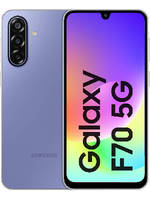
- Samsung Galaxy F70 5G
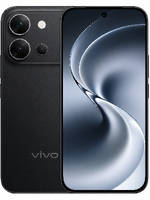
- vivo S2 FE 5G
- OPPO Find X10
- OPPO Find X10 Pro Max
- Infinix GT 50 Pro
- Samsung Mobiles
- Motorola Mobiles
- vivo Mobiles
- OPPO Mobiles
- Tecno Mobiles
- realme Mobiles
- OnePlus Mobiles