Amazon’s Alexa Tablet: What makes it different to an iPad and Samsung Galaxy Tab?


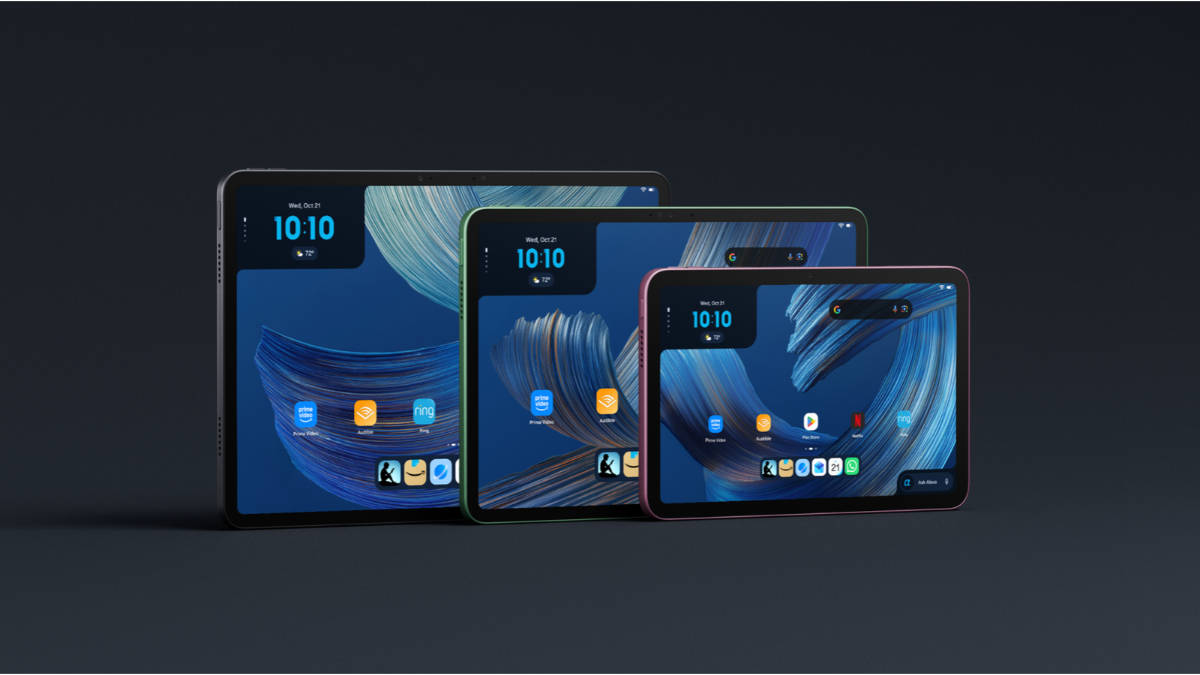
Believe it or not, there’s still plenty of life and innovation left in the tablet category, and Amazon’s new Alexa Tablet wants to be more than just another Android tablet. With Alexa+, a dedicated Kindle mode and a focus on smart-home integration, it takes a different approach to what a tablet should do. Just on cue, Apple is readying its rumoured HomePod smart-home device for release later this month, along with a refreshed iPad Mini. Are the tablet wars heating up all over again?
Over the years, the tablet market has established a fairly predictable hierarchy. Apple’s iPad is the default choice for users who want a polished ecosystem, creative tools and a versatile everyday device. Samsung’s Galaxy Tab range caters to Android users who want powerful hardware, multitasking, an AMOLED display and S Pen support.
Amazon’s new Alexa Tablet, announced yesterday, takes a different route. Instead of competing purely on performance, productivity or display quality, it wants to become an AI-powered assistant, an entertainment device and an e-reader rolled into one.
Here are five things that could set it apart from an iPad or Samsung Galaxy Tab.
Table of Contents
1. Kindle mode is its biggest differentiator
While all tablets can run the Kindle app, the Alexa Tablet’s dedicated Kindle mode attempts to make reading a more focused experience by silencing notifications, reducing blue-light output and offering different display treatments, including warmer tones and even monochrome. Amazon also claims battery life can extend to 20 hours in this mode, depending on the model.


This is an interesting proposition for anyone who switches between reading a book, gaming, browsing the web and watching videos on the same device. An iPad or Galaxy Tab can do all three, but Amazon is putting a greater emphasis on making the transition between these activities feel intentional.
Think of it as an e-reader when you want to concentrate and a conventional tablet when you want to switch off your brain and stream something. We’ve all been there.
2. Alexa+ brings AI into the everyday tablet experience
The new tablet range integrates Alexa+, Amazon’s next-gen generative AI-powered assistant. Beyond answering questions and controlling compatible smart-home devices, Alexa+ is designed to offer more conversational assistance and help users complete tasks without constantly switching between applications.

So while rivals continue investing and experimenting with AI, Amazon has already built a strong foundation in voice assistants and connected-home devices over the past decade. The potential advantage is integration if you already use Alexa-compatible IoT products like lights, cameras, thermostats and speakers, the tablet could become a central interface for managing your home.
If any of the Amazon Echo devices seemed too “static” for your lifestyle, the Alexa Tablet could bridge that final device between you and the powers of Alexa.
3. The hardware takes a premium turn
The flagship Alexa Tablet 12 Pro features a 12-inch display with a 120Hz refresh rate, an aluminium unibody measuring 6.5mm thick and quad speakers supporting Dolby Atmos. It also offers an optional Nanomatte display, which uses precision-etched glass designed to reduce reflections while retaining colour accuracy and detail. This could be particularly useful for reading, browsing and working in brightly lit environments.

The optional Pro Pen adds another layer of functionality, allowing users to annotate documents, take handwritten notes and interact more precisely with on-screen content. However, Amazon’s bigger play is its on-screen intelligence, which lets Alexa+ understand what you’re viewing and offer contextual assistance, rather than simply responding to generic voice commands. Screen-aware features are opt-in, so don’t get your socks in a twist just yet.
4. It wants to be your smart-home command centre
An iPad or Galaxy Tab can control a smart home through compatible applications. Amazon, however, has an established Alexa ecosystem that gives its new tablet a potentially more natural role as a household control hub.

Users can interact with Alexa, manage compatible devices and access entertainment from a single interface. For households already invested in Amazon’s ecosystem, this could be a more compelling reason to buy the tablet than its processor or display specifications. But its appeal will depend on how well it integrates with the devices you already own. People using a mixture of Google Home, Apple Home and other platforms may not find the same advantages.
5. Performance that is optimised
The Amazon Alexa Tablet 12 Pro is powered by a 4nm, octa-core MediaTek processor, paired with up to 16GB of RAM and an Arm Mali-G720 GPU. Amazon claims nearly three times faster processing and nine times faster graphics than its previous tablets, which should help with its AI, gaming and multitasking conquests.
Compared to Apple’s comparable A16 and Samsung, which gambles with its own Exynos or MediaTek, it’s impossible to say how the Alexa tablet will hold its own, but Amazon has always equipped its devices with just enough horsepower to make everything work smoothly.
So ultimately, choose an iPad if you want a mature app ecosystem, strong creative tools and close integration with Apple’s devices. The choice comes down to what you want from your tablet. A Samsung Galaxy Tab if you want S Pen support and the flexibility of Android, and the Amazon Alexa tablet if you love reading eBooks as much as mindless binging on a long-haul flight. Indian prices, if Amazon decides to launch the Alexa tablet, are yet to be announced.