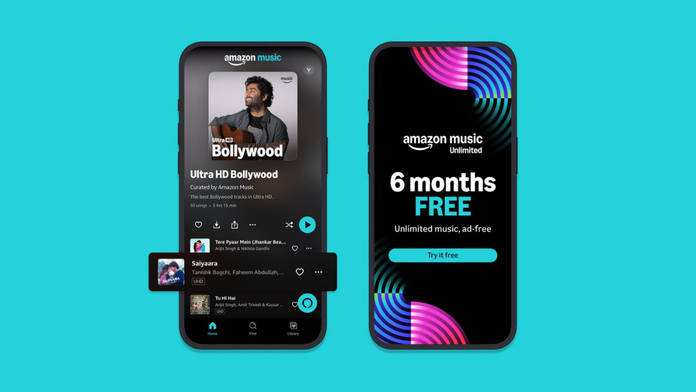
Ask any serious audiophile about their preferred music streaming service, and chances are the last one to figure in their list (if at all) would be Amazon Prime Music. But the shopping and delivery giant isn’t calling it quits with the rising heat from competition and, in fact, doubling down with new “HD and Spatial Audio” options. For years, Amazon Prime Music was one of tech’s best-kept secrets with Spatial Audio (outside of India) and hi-res audio support that simply was bundled with your Prime membership.
A new norm
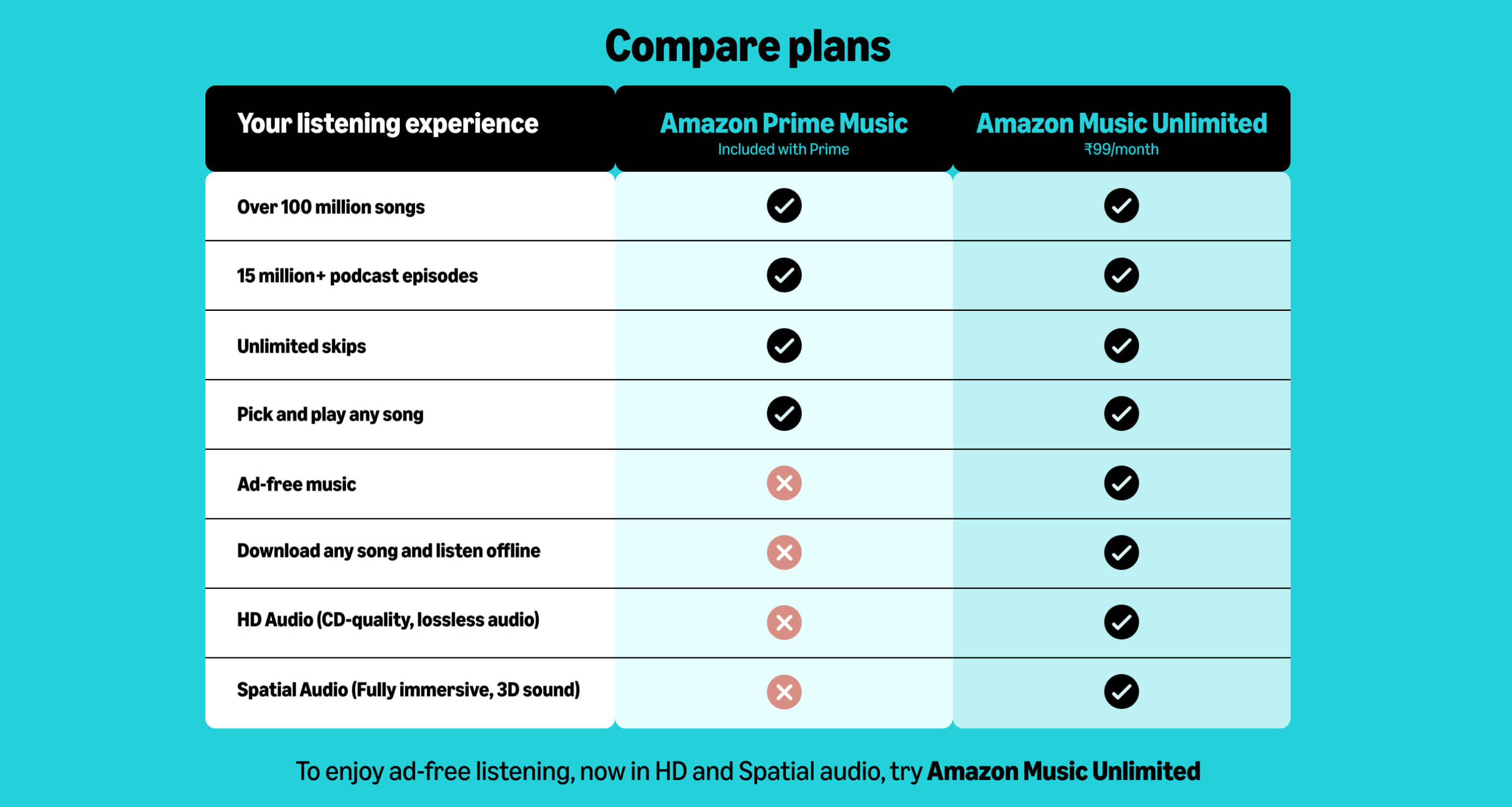
But starting July 2, 2026, Amazon is separating the Prime Music bundled tier from a new paid tier named Amazon Music Unlimited that will include offline listening, CD-quality (and higher) lossless audio and Spatial Audio for an additional Rs. 99/month. Sitting at the top of the three-tier plan for Amazon Music, it’s a clear sign that Amazon is monitoring buying patterns of DACs and wired accessories on their shopping portal. The interest in hi-res audio and Dolby Atmos music is certainly on the rise, fuelled by the recent launch of Spotify lossless and the existing monopoly of Apple Music when it comes to a sizable selection of Spatial Audio catalogue.

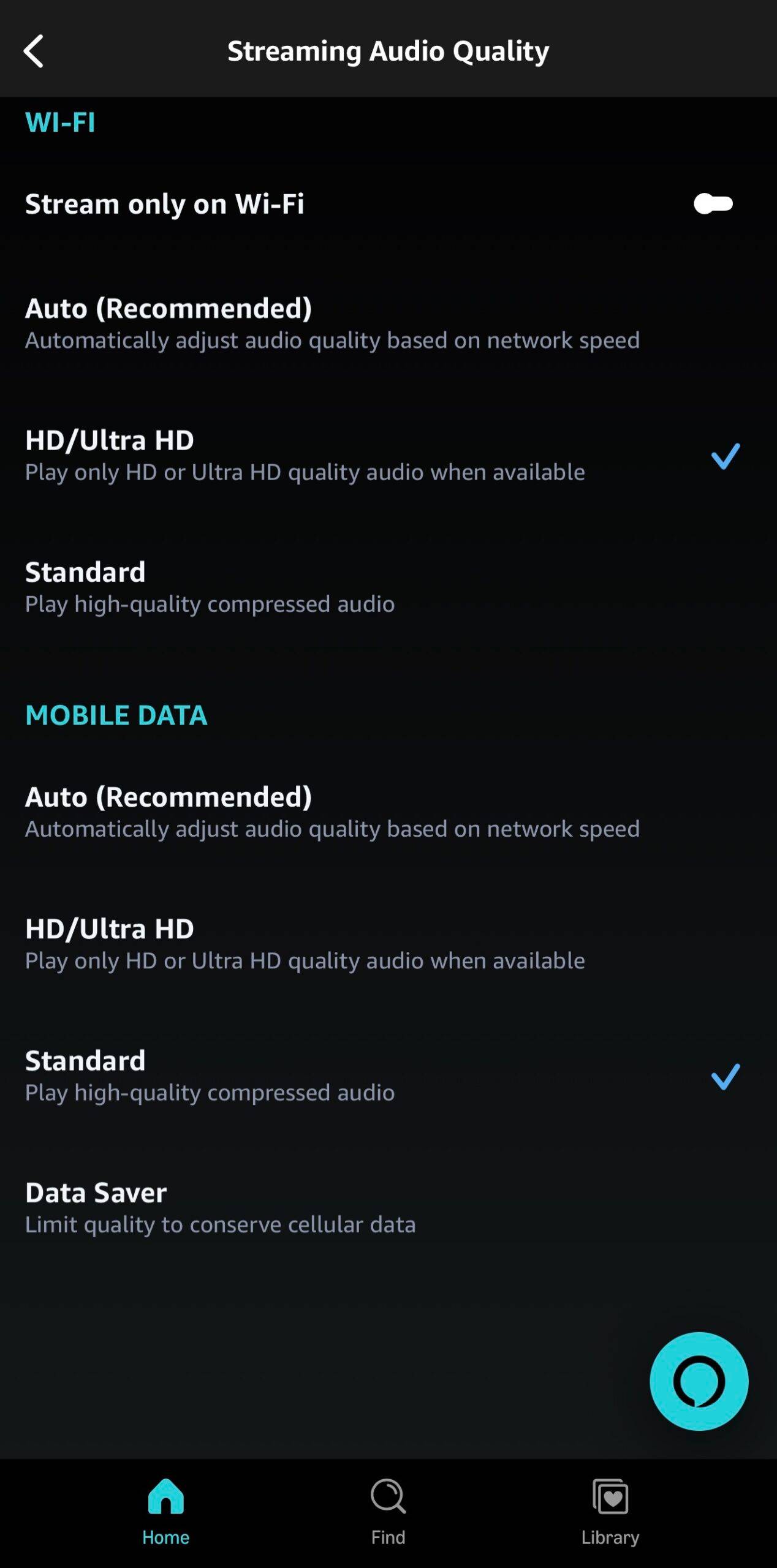
The option of trying it free for the first six months after signing up is the safest, no-obligation option if you’re down the audiophilia rabbit-hole and don’t want to jump through hoops to access Tidal and Qobuz for their hi-res offerings. Amazon hasn’t revealed the size of their catalogue for either hi-res or Spatial Audio, so you will still have to put music before sound quality in your searches and await the resulting delivery method.
Under the hood
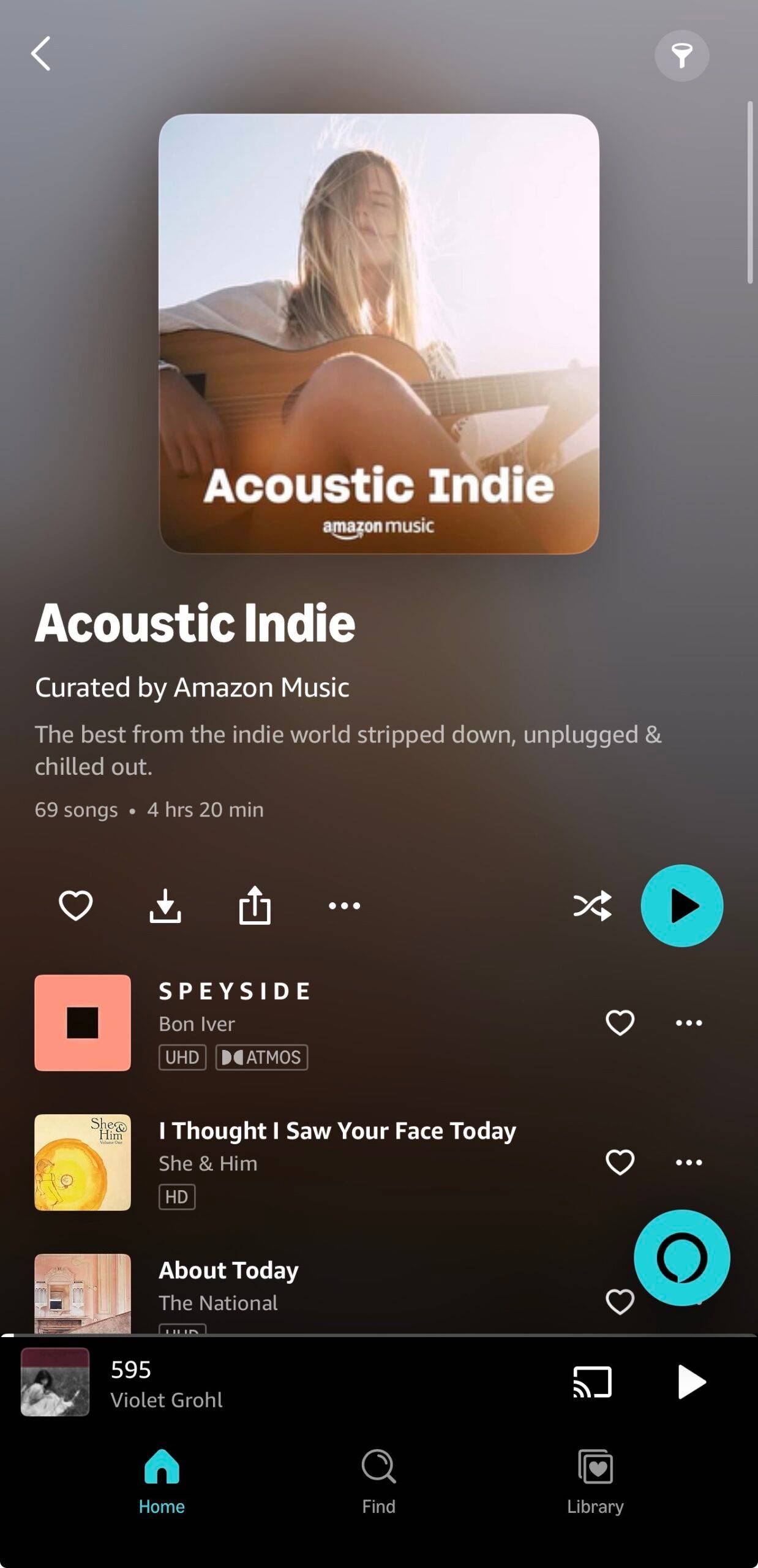
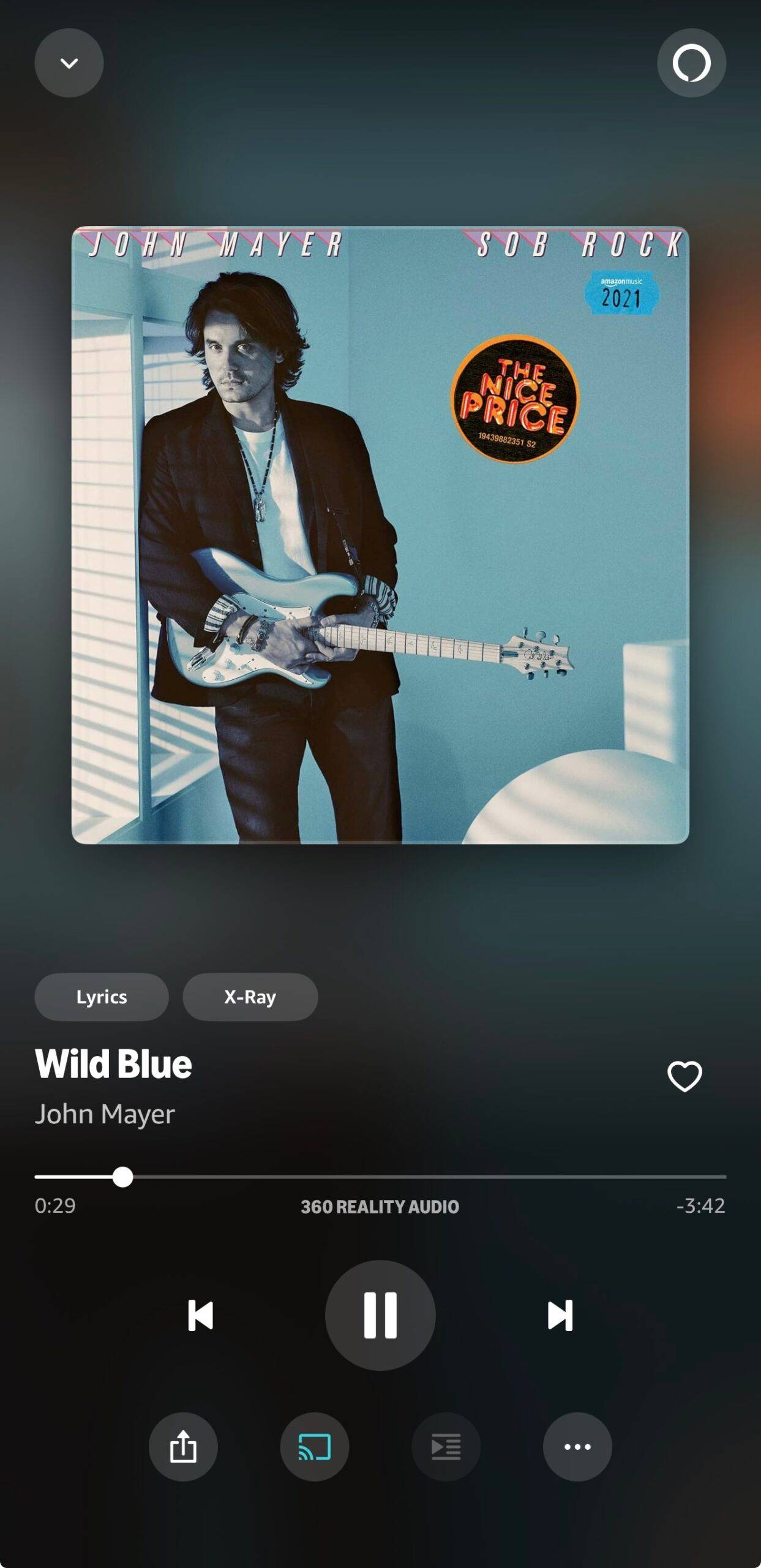
No details have been revealed on the tech stack behind this new tier, but suffice to say that existing Prime members may feel a bit shortchanged being demoted to a lesser-tier for audio by default. The age of subsidised subscriptions in India may be going through a transformation, and Amazon is betting on the existing 65 million subscribers it has amassed since its entry in 2016. Indian Prime enthusiasts, though, will have access to UHD (up to 24-bit / 192kHz) or CD-quality lossless at 16-bit/44kHz equivalent bitrates. Interestingly, Amazon Music Unlimited lets the user select between the Dolby Atmos or Hi-Res stereo version of the same track during active playback in a very user-friendly manner. Just tap on the audio quality badge under the album artwork, and it opens up different cards for Dolby Atmos or Stereo or even 360 Reality Audio in some cases.
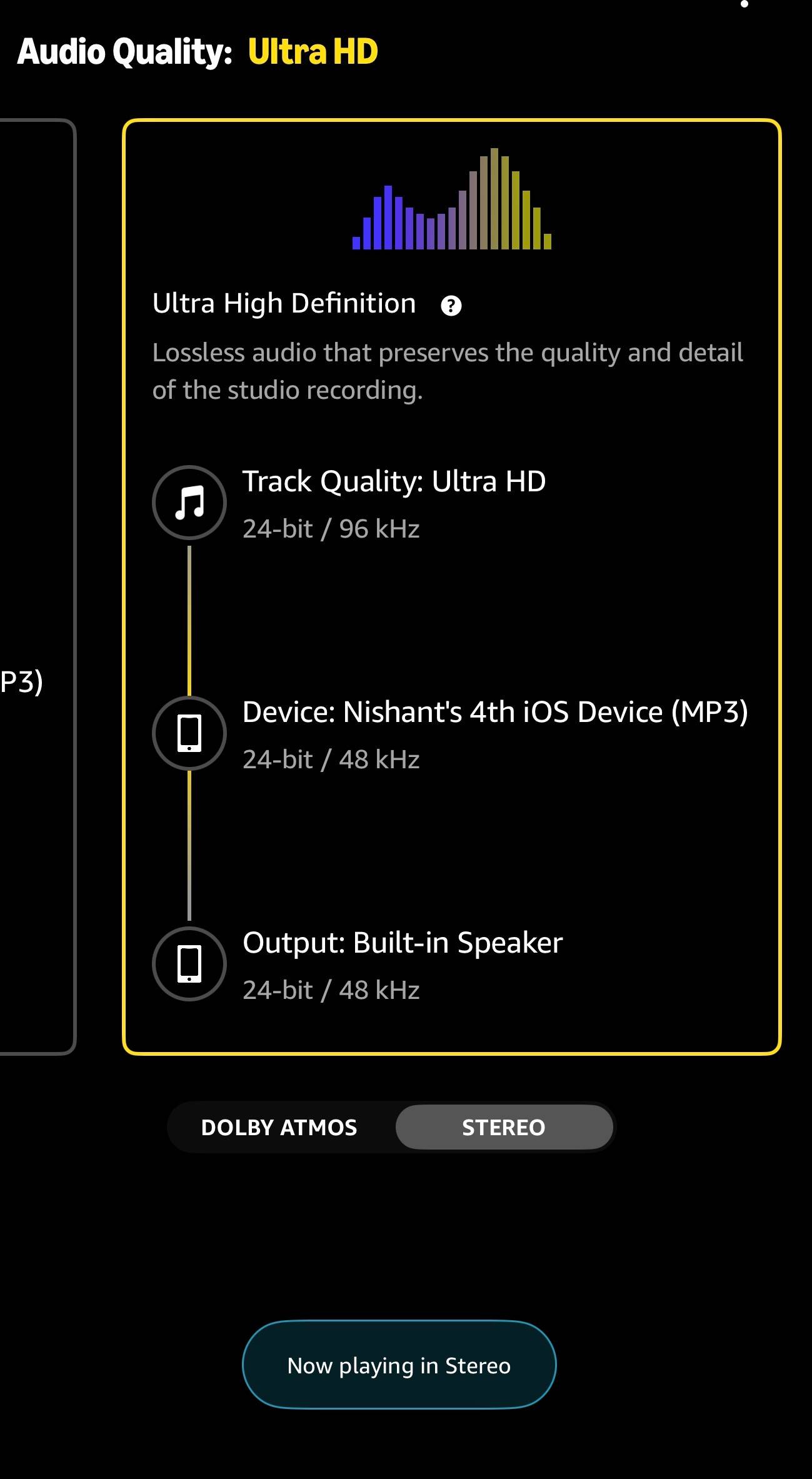
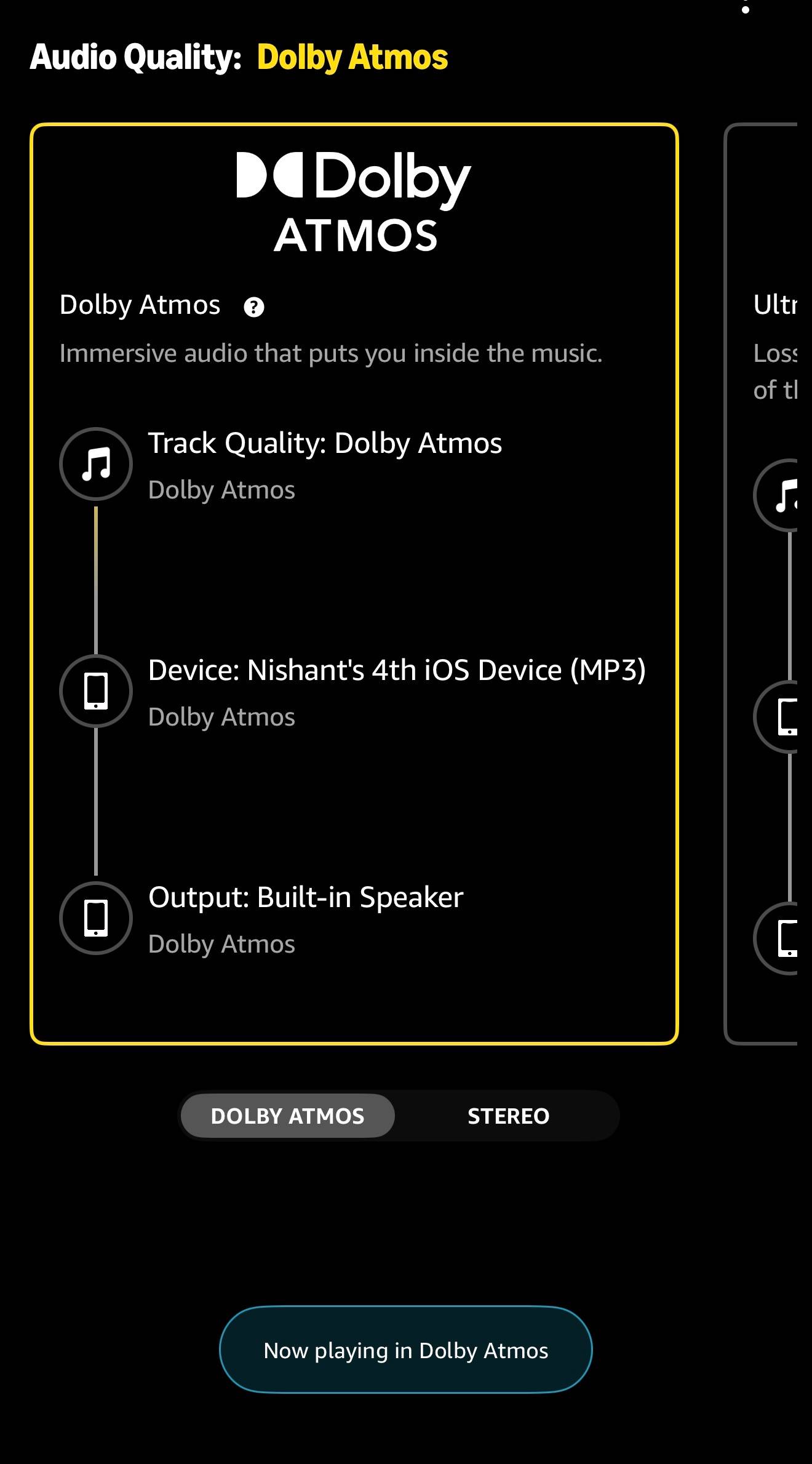
If you’ve reached peak audiophilia and dipped your toes into the Roon music library management system, you’ll be ecstatic to see the entire signal chain depicted graphically for the mixes. It tells you exactly what format and bit-rate/sampling frequency the actual audio file is being delivered in, what your source player is processing and the final output signal supported by your headphones or speakers. In one glance, you know exactly how much quality you’re extracting out of the original file and that shows intent of seriousness on Amazon’s part.
Does it sound better, or different?
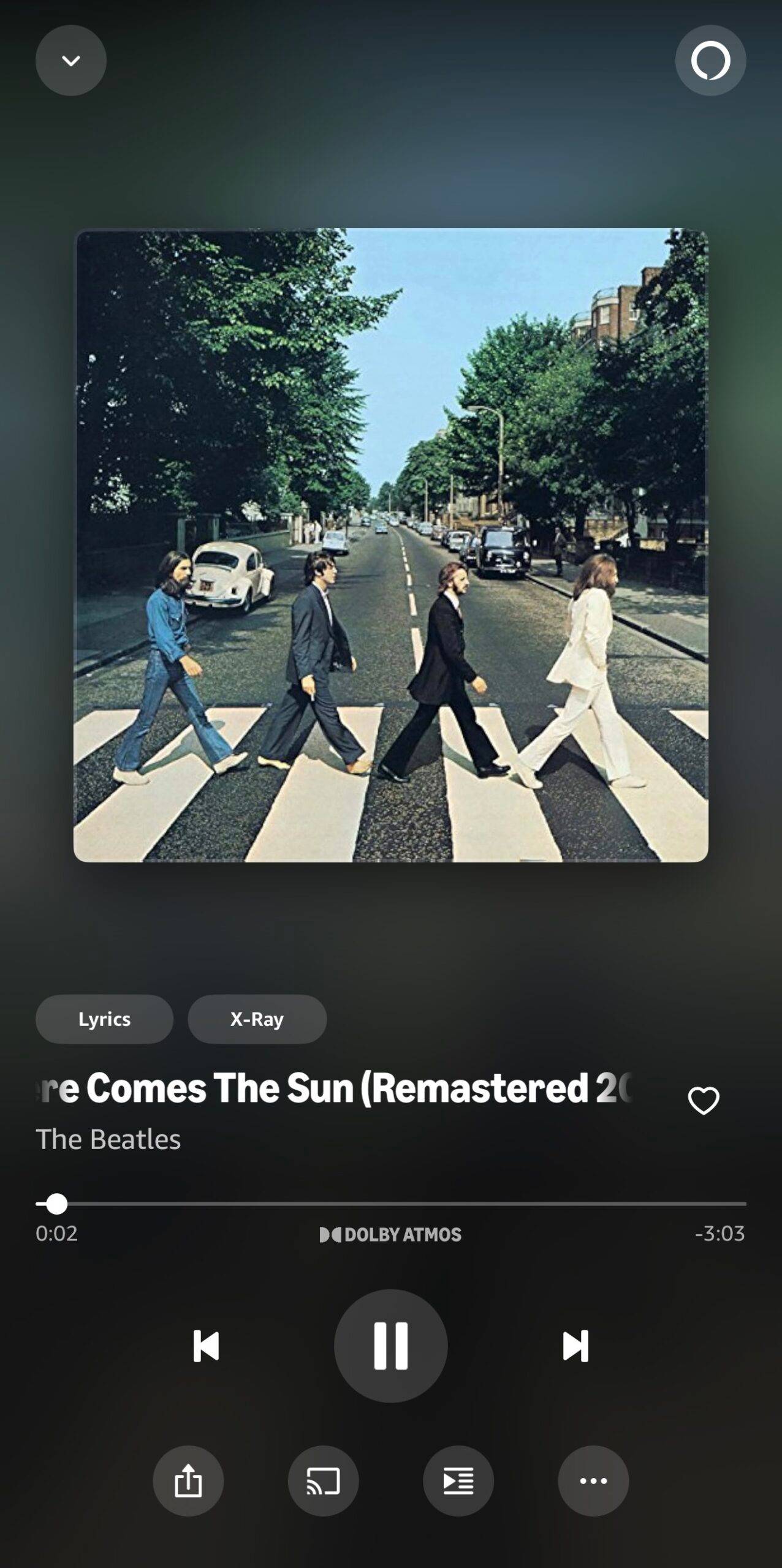
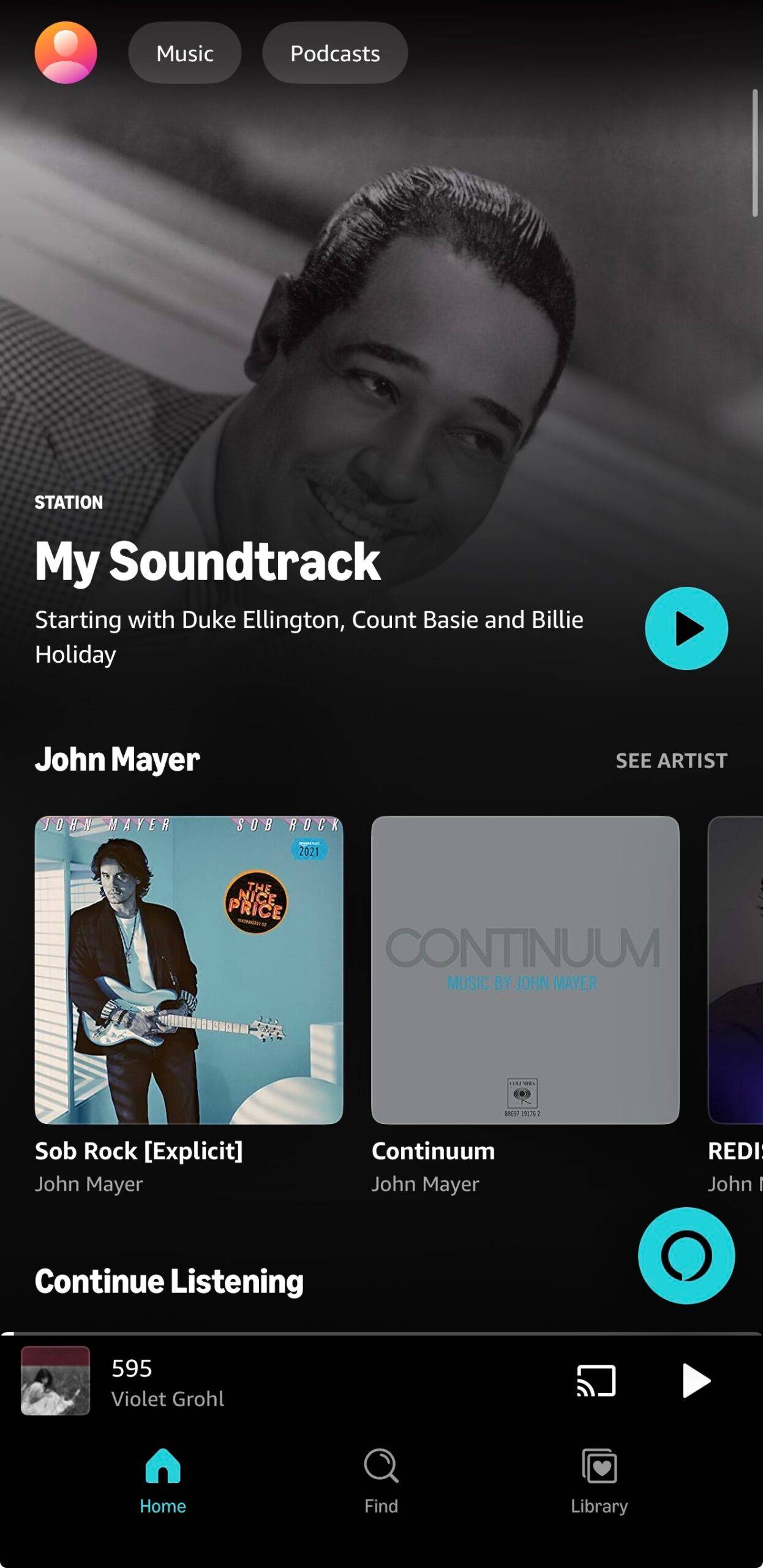
As far as the actual sound quality differences go, I compared Dire Straits, John Mayer and Violet Grohl on both Apple Music and Amazon Music Unlimited, and it was instantly evident that Amazon is going for a more popular “V-shape” EQ curve that adds mid-bass bloom and top-end sizzle while the midrange and vocals sound a slight bit recessed. Apple Music, on the other hand, sounds more neutral or “flatter” with a more forward-sounding vocal presentation. On certain tracks, I preferred Amazon for its airiness and better instrument separation, but on others I valued Apple’s more accurate presentation of the recording.
Ultimately, it’s subject to personal preference, but where it inches ahead of Apple Music is in its ability to instantly switch between spatial audio and stereo versions of the same track. On Apple Music, if your hardware has Dolby Atmos selected in general settings and the track is in Dolby Atmos, there’s no way you can quickly listen to the stereo mix. This is crucial because not every Atmos mix sounds better than its Stereo counterpart, and the ability to make that decision yourself isn’t as intuitive or encouraged on Apple Music.
The Echo chamber
Amazon Music Unlimited may have been more of a dangling carrot if the Echo device ecosystem would’ve included quality-centric speakers instead of being functional Alexa relay boxes. Sure, the larger Echo Show models do support Spatial Audio, but you wouldn’t be paying a premium for sound quality and then listen via a mediocre wireless speaker, essentially. Amazon Music Integration in third-party audiophile streamers is thin too, relegating the prime benefits of Prime Music Unlimited to users phones and tablets primarily. No puns intended.
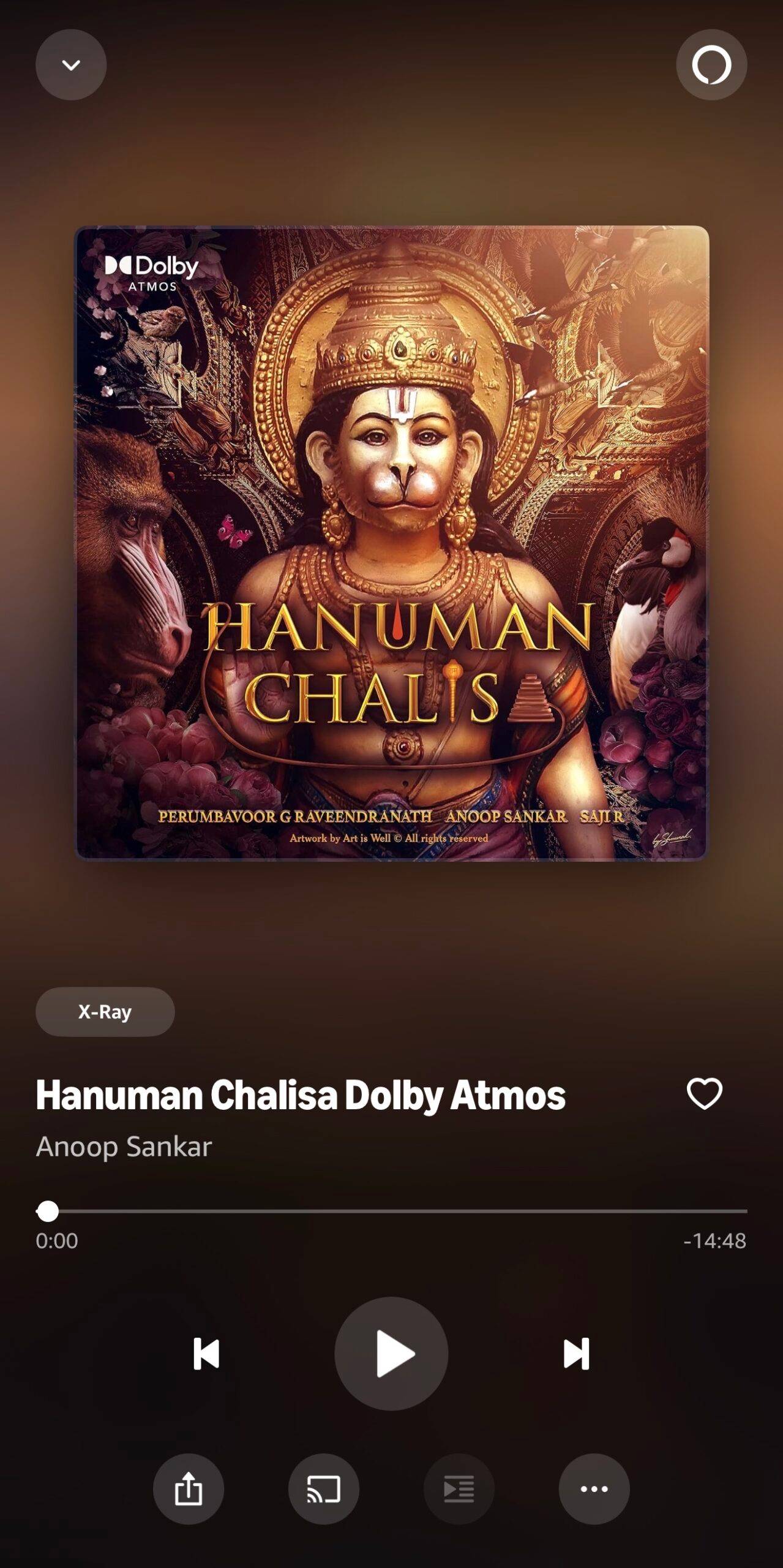
The bigger issue is that Amazon Music has just not been a part of the cultural zeitgeist when it comes to conversations on streaming, and after years of curating playlists and algorithm training on your preferred streaming service, jumping ship isn’t really an option that strikes as tempting. Of course, if your musical tastes span across devotional, spiritual and Indian, Amazon Music does seem to have an edge. If you’re an audiophile who simply must keep searching for the last word in resolution, it’s definitely worth signing up for the 6-month free trial and judging for yourself, based on your own home hi-fi or head-fi set-up.
All said and done, it’s a welcome addition to the Indian streaming landscape, nevertheless, and perhaps Amazon uses the learnings from the response to this exercise and gives us a higher fidelity Echo speaker ecosystem? Here’s hoping…