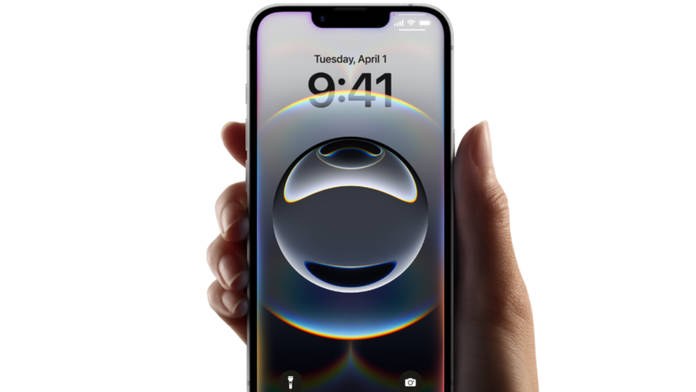
Apple’s push into the ‘affordable’ smartphone segment could take a noticeable step forward in 2026. Fresh leaks from China indicate that the iPhone 17e, successor to last year’s iPhone 16e (review), is expected to begin mass production shortly after CES 2026, suggesting that its official debut may not be far off. The timeline makes sense as the iPhone 16e debuted in February last year, so its successor is also expected to arrive around the same time.
According to tipster Smart Pikachu on Weibo, the iPhone 17e is being positioned to compete with “lower-priced flagship” smartphones, a segment that has become increasingly competitive in recent years. This strategy may not apply to India, as the iPhone 16e would still be considered in the flagship category with a starting price of Rs 59,900. It’s still more affordable than the iPhone 17, which is priced at Rs 82,900, so the iPhone 17e would still be considered a flagship-alternative from Apple.
What to expect from the iPhone 17e
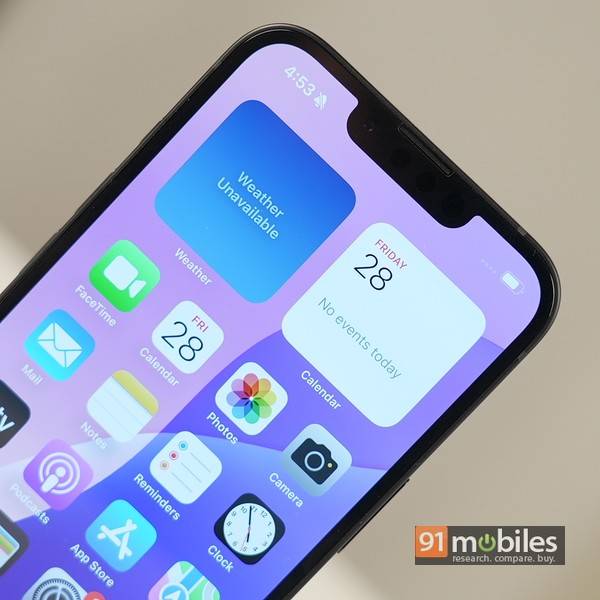
One of the biggest changes tipped for the iPhone 17e is the shift to a slimmer Dynamic Island design. This would replace the traditional notch used on the iPhone 16e and bring the budget iPhone visually closer to Apple’s mainline models. The display size is expected to remain unchanged at 6.1 inches, with the panel likely sticking to a 60Hz refresh rate. It still won’t be very different from most of the base iPhone models, as only the iPhone 17 offers a 120Hz refresh rate.
Performance is also expected to see a generational bump. The iPhone 17e is said to run on the new A19 chipset, the same platform that powers the iPhone 17, albeit in a slightly underclocked form. If true, this would be a clear upgrade over the A18 chip found inside the iPhone 16e and should translate into better long-term performance and software support.
Camera hardware is expected to remain modest, with rumours pointing to a single 48MP rear camera paired with a 12MP selfie shooter. This mirrors Apple’s strategy with the iPhone 16e, which also focused on a minimal camera setup to maintain a price gap from the more expensive models in the lineup. However, it would be an underwhelming camera setup among rivals since a dual-camera setup is the minimum offered in this price segment.
To put things into perspective, the iPhone 16e launched in India in February last year at Rs 59,900 for the base 128GB variant. It came with a 6.1-inch OLED screen, a 60Hz refresh rate, the A18 processor, Apple’s custom C1 modem, IP68 water and dust resistance, along with 18W wired and 7.5W wireless charging support. While it offered a dependable iPhone experience, the dated notch, lone rear camera, and basic 60Hz display made it feel overpriced for what it brought to the table.
The iPhone 17e is expected to offer better upgrades that would make it a worthwhile successor, and also justify its price among rivals. With a Dynamic Island, newer silicon and a more cohesive design language, the iPhone 17e would look like a much better deal than the iPhone 16e. However, key specifications like the single camera and 60Hz display might deter some buyers.
Upgrading from an iPhone 16e to an iPhone 17e doesn’t seem very tempting considering the leaked specifications. A justifiable upgrade would depend on better cameras and a bigger battery. However, users on older iPhones or those who want a more refreshed design may want to upgrade, as the iPhone 17e could offer a more future-ready experience without venturing into full-flagship pricing territory.
If Apple sticks to a similar launch window, the iPhone 17e could arrive between February and March this year, potentially at a price close to its predecessor.