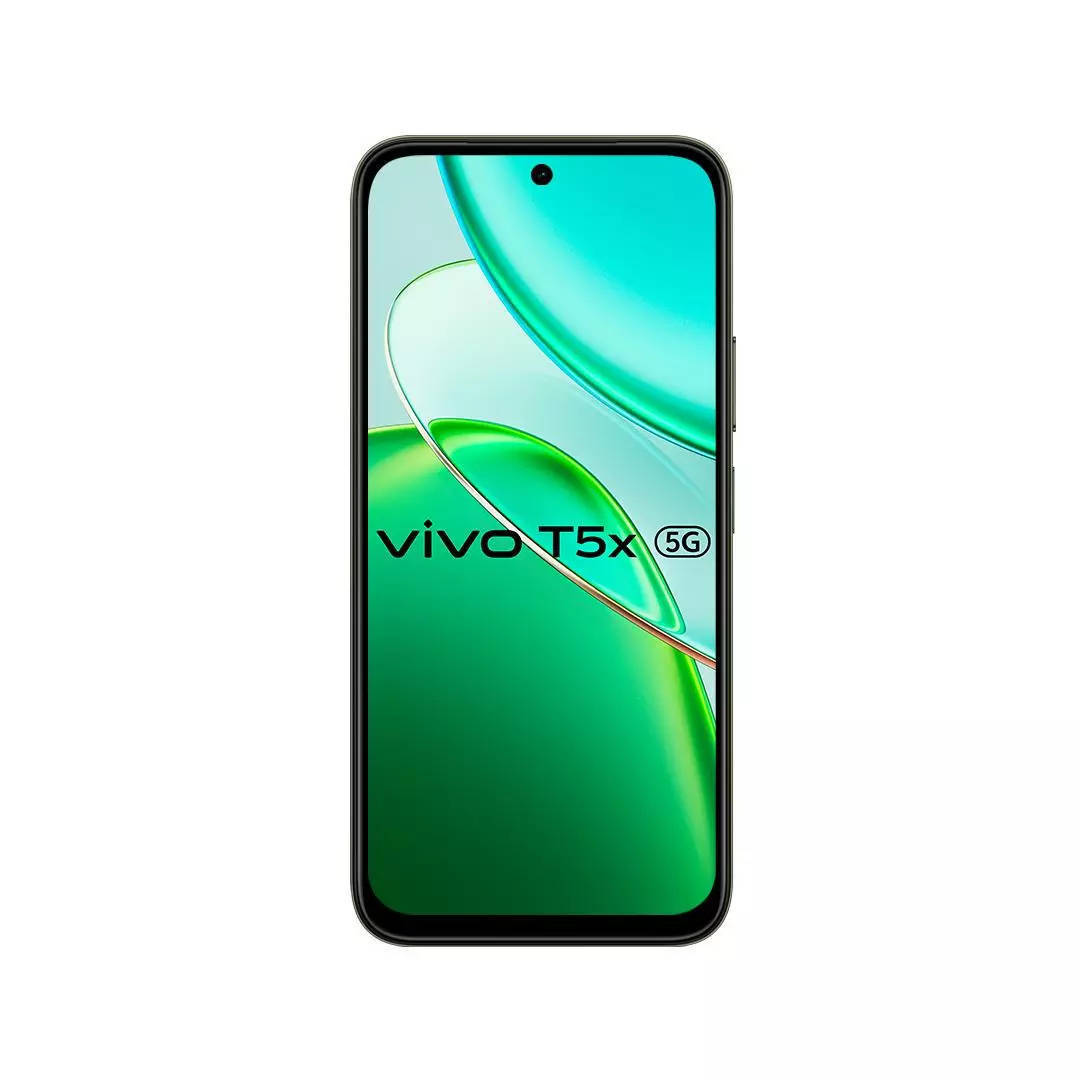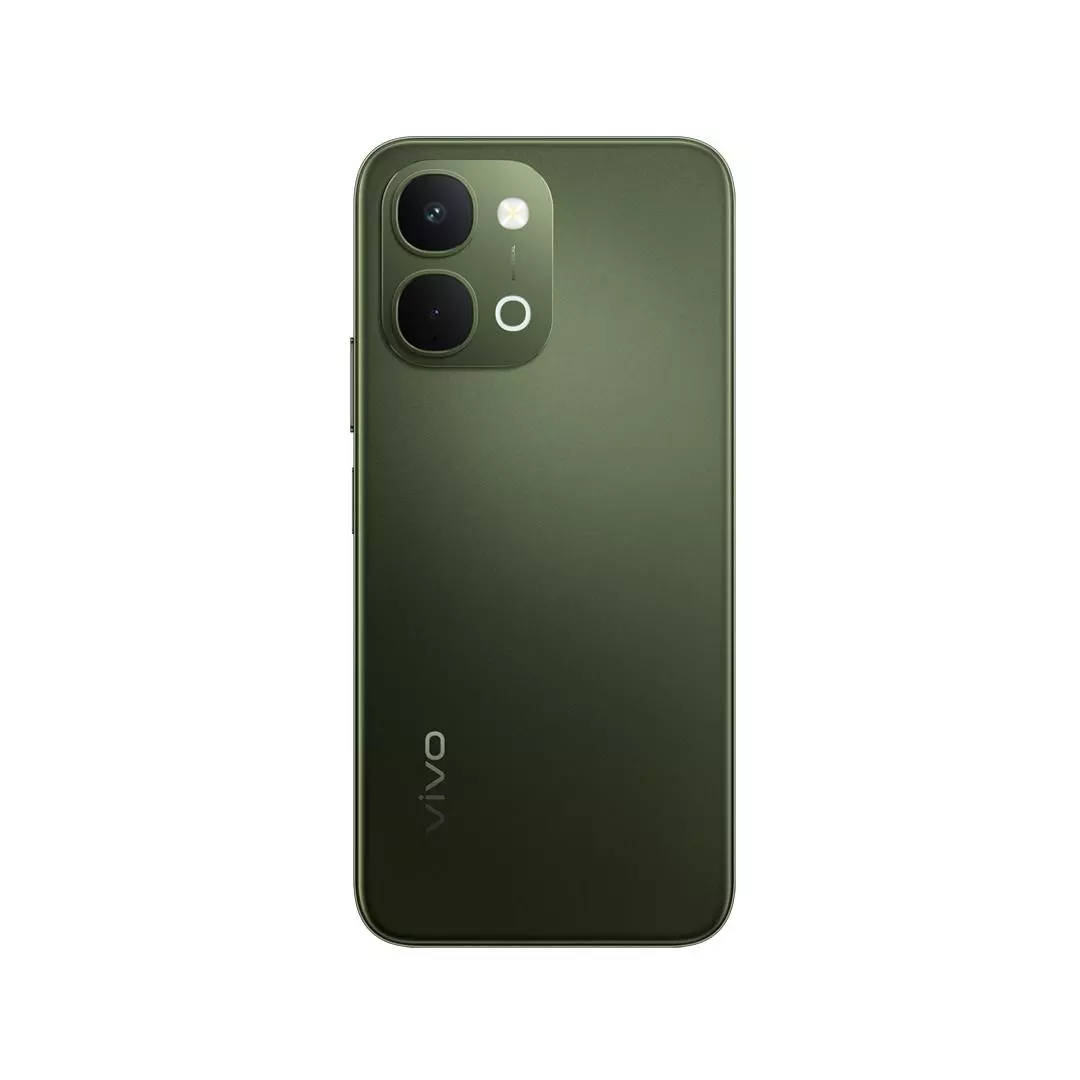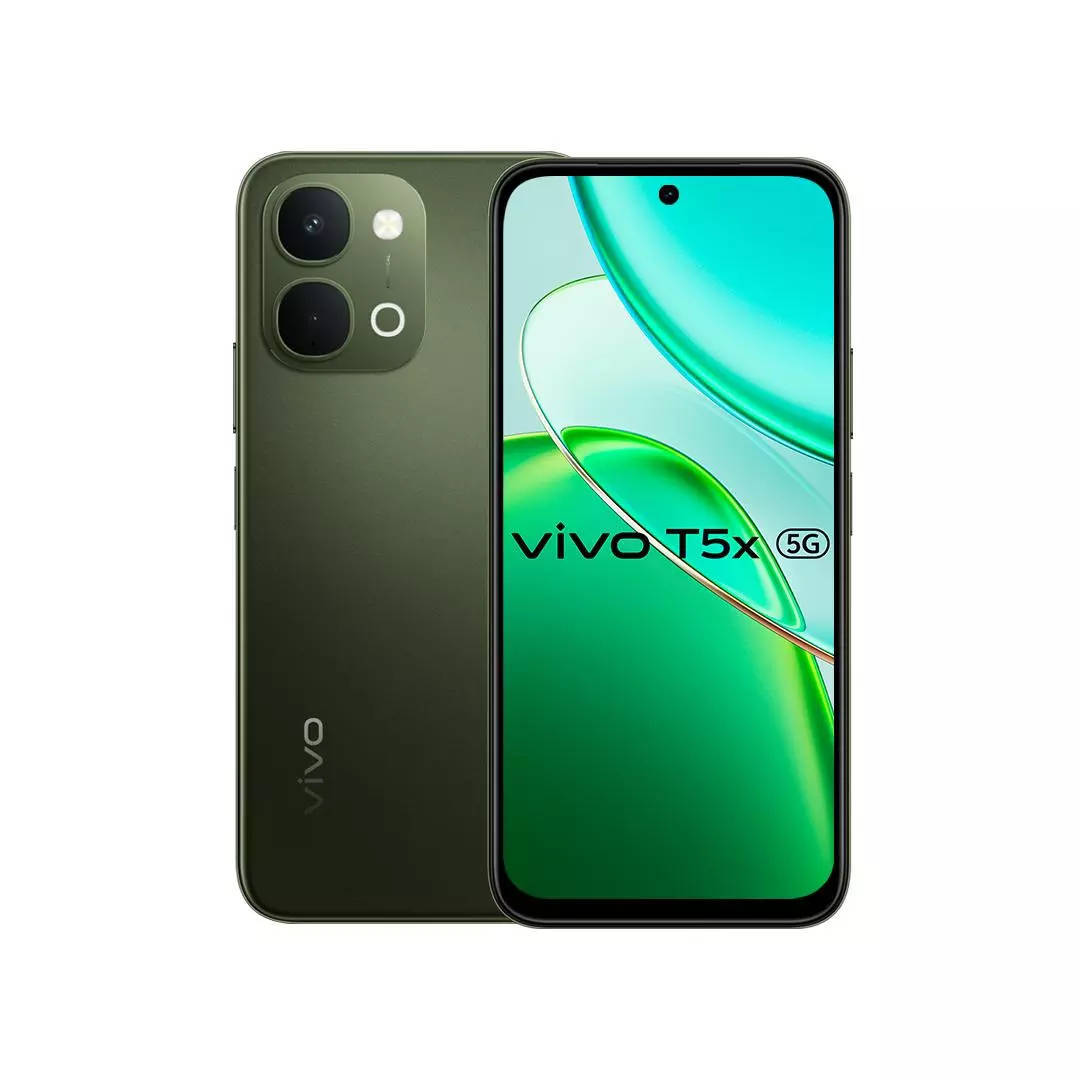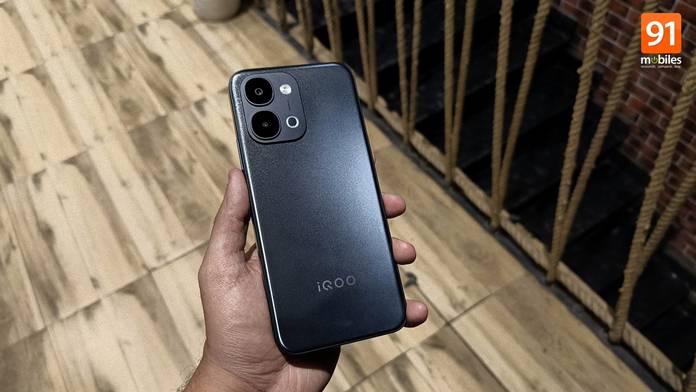
Vivo has announced a price hike on its T5x and sub-brand iQOO Z11x (review) smartphones. Both handsets come with identical specifications and design, and they have received a price hike of Rs 3,000 on their base and mid-range variants, while the top-end 8GB + 256GB variant is now costlier by Rs 4,000. While the circular shared by Vivo with its retail outlets states that the price hike is effective from September 1, 2026, in Andhra Pradesh and Telangana, the revised pricing of the T5x has also been updated on the company’s official website. The iQOO Z11x is currently listed with its old price on the official website.
Table of Contents
iQOO Z11x and Vivo T5x new and old prices
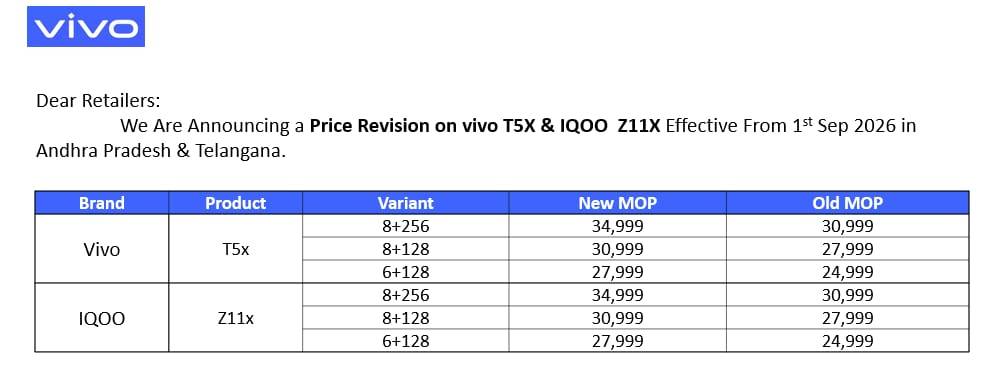
The base 6GB RAM + 128GB storage variant of the iQOO Z11x and Vivo T5x now costs Rs 27,999, up from its previous MOP of Rs 24,999. Meanwhile, the 8GB RAM + 128GB storage variant is now priced at Rs 30,999, up from Rs 27,999, while the 8GB RAM + 256GB storage option has seen a Rs 4,000 hike, rising from Rs 30,999 to Rs 34,999.
| Vivo T5x/ iQOO Z11x variants | New price | Old price |
| 6GB+128GB | Rs 27,999 | Rs 24,999 |
| 8GB+128GB | Rs 30,999 | Rs 27,999 |
| 8GB+256GB | Rs 34,999 | Rs 30,999 |
The latest iQOO Z11x and Vivo T5x price revisions are applicable to the states. The same has also been updated on the Vivo T5x’s official product listing, whereas the iQOO Z11x is still listed with its old pricing. Interestingly, both smartphones are currently out of stock officially online.
While Vivo hasn’t stated in its circular, the price hike could be attributed to RAM and storage shortages, which have affected the entire industry.
Should you buy iQOO Z11x/ Vivo T5x?
Both smartphones deliver identical value, thanks to their MediaTek Dimensity 7400 Turbo chipset, 7,200mAh battery, 50MP dual rear cameras, FHD+ 120Hz refresh rate display, and IP69+ rated design.
The handsets could be a good choice for anyone seeking smooth everyday performance and gaming, impressive battery life, and a polished, feature-rich software experience. Their main shortcomings are the lack of versatility in the camera setup and a vibrant display. The Redmi Note 17 (review) should be a better fit if you are looking for an AMOLED display on a sub-Rs 30,000 smartphone, while the Moto G Max (review) features a dedicated ultrawide lens for capturing wider-angle shots.
vivo T5x Images