iPhone 18, 18e tipped to get upgraded RAM but that may not necessarily be good news


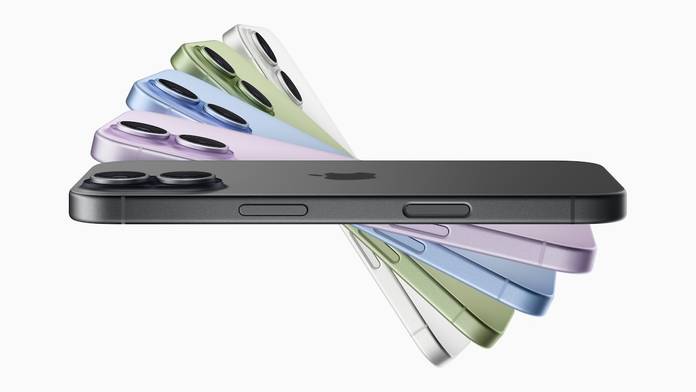
Apple may be planning a small memory upgrade for its next-generation standard iPhones, which have been stuck at 8GB RAM for the longest time, but that doesn’t necessarily mean it’s good news. The phones are unlikely to get the full Apple Intelligence experience as the upgraded RAM may not still be sufficient.
According to supply chain analyst Ming-Chi Kuo, the iPhone 18 and iPhone 18e will feature 9GB of RAM, up from the 8GB found on the iPhone 17 and iPhone 17e. The extra memory is said to help Apple Intelligence run more smoothly, but it still falls short of the 12GB requirement for some of Apple’s latest on-device AI features announced at WWDC 2026.
Show Full Article
The latest claim also contradicts an earlier DigiTimes report, which suggested Apple was considering equipping the standard iPhone 18 with 12GB of RAM. If Kuo’s prediction is accurate, Apple appears set to continue reserving its most advanced AI capabilities for higher-end models, which could also help differentiate them better and preserve the sales of the iPhone 18 Pro models.
Leaked specifications and features
Kuo claims the iPhone 18 and iPhone 18e will ship with 9GB of RAM, while the iPhone 18 Pro, iPhone 18 Pro Max, the rumoured foldable iPhone Ultra and the second-generation iPhone Air are expected to retain 12GB.
That distinction is important because Apple has already confirmed that two headline iOS 27 features require at least 12GB of unified memory. These include the ability to adjust Siri’s voice with different levels of expressiveness and speaking pace, along with a significant improvement in system-wide speech-to-text dictation. Even with 9GB of RAM, the standard iPhone 18 models are expected to miss out on both features.
Another leak from tipster Digital Chat Station has shed light on the displays expected across Apple’s early 2027 lineup. The standard iPhone 18 is tipped to feature a 6.3-inch LTPO OLED display with a 120Hz refresh rate and 1.5K resolution, matching the size of the current iPhone 17. The second-generation iPhone Air could get a slightly larger 6.55-inch LTPO OLED panel, while the iPhone 18e is expected to offer a 6.12-inch LTPS OLED display with a 60Hz refresh rate and the same 1.5K resolution. If true, the iPhone 18e would once again miss out on a high refresh rate display despite a slightly larger screen. That could make it a tougher sell, especially as several Android phones in similar price brackets already offer 120Hz OLED panels.
Apple’s hardware strategy stands out against the broader smartphone market. Premium Android phones from Samsung, OnePlus, Xiaomi, OPPO, Vivo and Realme already ship with 12GB or even 16GB of RAM, with many of them using the additional memory to power increasingly capable on-device AI features. Apple appears to focus on using AI as another differentiator between its standard and Pro models.
Expected pricing and release timeline
Apple is expected to unveil the iPhone 18 Pro, iPhone 18 Pro Max and the foldable iPhone Ultra in September this year. The standard iPhone 18, iPhone 18e and the second-generation iPhone Air are rumoured to follow around March or April 2027 as part of the company’s staggered release strategy.
Pricing remains unclear. While earlier reports suggested Apple could absorb the cost of higher memory without increasing prices, that now looks less likely. NAND storage and RAM prices have risen due to supply shortages, and Apple recently increased prices across several products. Outgoing Apple CEO Tim Cook has also indicated that price hikes are becoming difficult to avoid and the company has already raised prices of most of its products except iPhones.
For buyers, the standard iPhone 18 could still deliver a solid Apple Intelligence experience for everyday tasks. However, if Apple’s latest AI features are a priority, the Pro models or the next-generation iPhone Air may be the better options.