iQOO Z11S teased with 2K 144Hz display; Neo 11 Ultra Geekbench listing reveals customised Dimensity 9500 chip


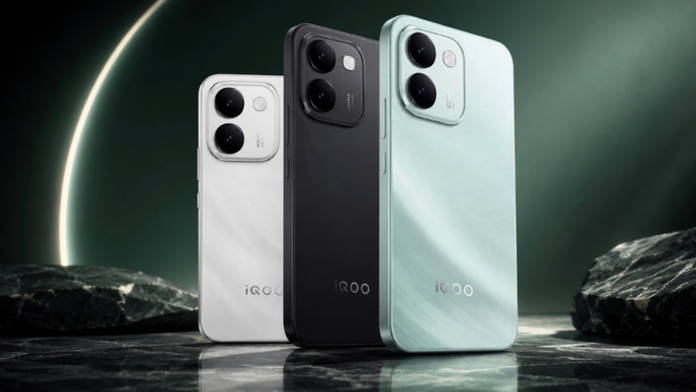
iQOO is taking a two-pronged approach to its upcoming China launch with the iQOO Z11S and the iQOO Neo 11 Ultra. The Z11S focuses on battery endurance and display quality while the Neo 11 Ultra is shaping up as a performance-focused flagship. Both phones are set to launch on August 18th, with the Z11S now confirmed to feature a 2K 144Hz display besides the massive 10,000mAh battery.
iQOO Z11S display confirmed
The iQOO Z11S will feature (via) a 2K-resolution panel with a 144Hz refresh rate and 2,000-nit full-screen brightness, as per new teasers. It also supports 2160Hz high-frequency PWM dimming and full-brightness DC dimming, with SGS eye-comfort certification for low blue light and low flicker. iQOO says its touch optimisations are designed to reduce motion blur and improve responsiveness during gaming.
Show Full Article
The 2,000-nit full-screen brightness could be particularly useful outdoors, where many phones advertise high peak brightness figures that are only achievable in limited areas of the display. The combination of a high-resolution panel and 144Hz refresh rate also puts the Z11S ahead of many mainstream mid-range phones, although the price will determine how compelling that advantage is.
Battery life is the bigger differentiator. The Z11S packs a 10,000mAh single-cell battery developed with CATL, making it iQOO’s largest phone battery yet. The company claims around 17 hours of navigation, 29 hours of short-video playback and 14.6 hours of gaming. A simulated 16-hour student-use test reportedly left 57 percent battery remaining. Charging is expected to be rated at 44W, although iQOO hasn’t yet officially confirmed the complete charging specifications.
iQOO Neo 11 Ultra Geekbench listing
The iQOO Neo 11 Ultra, meanwhile, appears to be aimed at users who care more about sustained performance and gaming. A Geekbench 7 listing shows the phone with the MediaTek Dimensity 9500, 16GB of RAM and Android 16. It scored 2,923 points in single-core and 9,700 points in multi-core testing. Interestingly, the listed chip uses a Mali-G1 Ultra MC11 GPU rather than the MC12 configuration found in the standard Dimensity 9500. That could mean slightly lower graphics performance, although the difference may not be significant in everyday use. The regular Dimensity 9500 has been found in flagships like the Vivo X300 and X300 Pro, and the OPPO Find X9 series.
The Neo 11 Ultra is also expected to feature a 6.83-inch flat 2K OLED display, a 9,000mAh-class battery with 100W charging, an ultrasonic fingerprint sensor and a 50MP dual-camera system with OIS. It’s expected to compete with performance-focused phones such as the Redmi K100 Pro series.
The iQOO Z11S appears better suited to buyers who want a long-lasting phone with a high-quality display, while the Neo 11 Ultra is targeting gamers and performance enthusiasts who want flagship silicon without giving up battery capacity. Neither phone has confirmed pricing or global availability yet. For buyers, the Z11S will need competitive pricing to justify its display and enormous battery, while the Neo 11 Ultra’s value will depend on how aggressively iQOO prices it against other Dimensity 9500-powered rivals. The simpler dual-camera setup could also make the Neo 11 Ultra less attractive to photography-focused users.