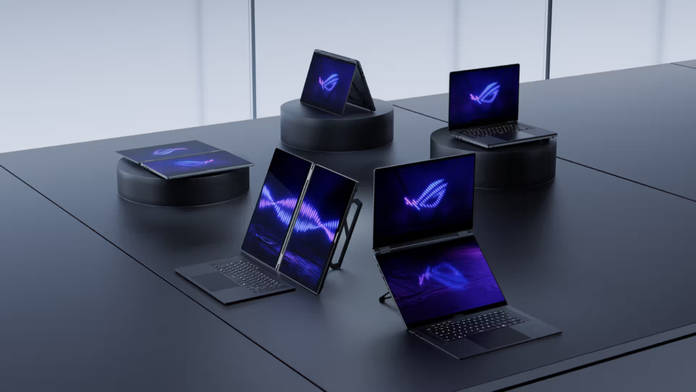
If you have been putting off buying a laptop or desktop, this might be a good time to reconsider. Prices are already on the way up, and market experts predict they could rise by as much as 35 percent over the course of this year based on a report by Moneycontrol, making upgrades significantly harder for students, home users, and first-time buyers.
Table of Contents
Why are the prices going up?
The price surge is because of two main factors: skyrocketing DDR RAM prices and a shortage of entry-level Intel processors. RAM prices have already jumped 2.5 to 3 times, pushing laptop and desktop prices up by around 10 to 12 percent so far. Another 8 to 10 percent increase is expected this month, with a further 10 percent rise likely over the next few months as component costs continue to climb, according to Bharath Shenoy, senior market analyst at IDC India.
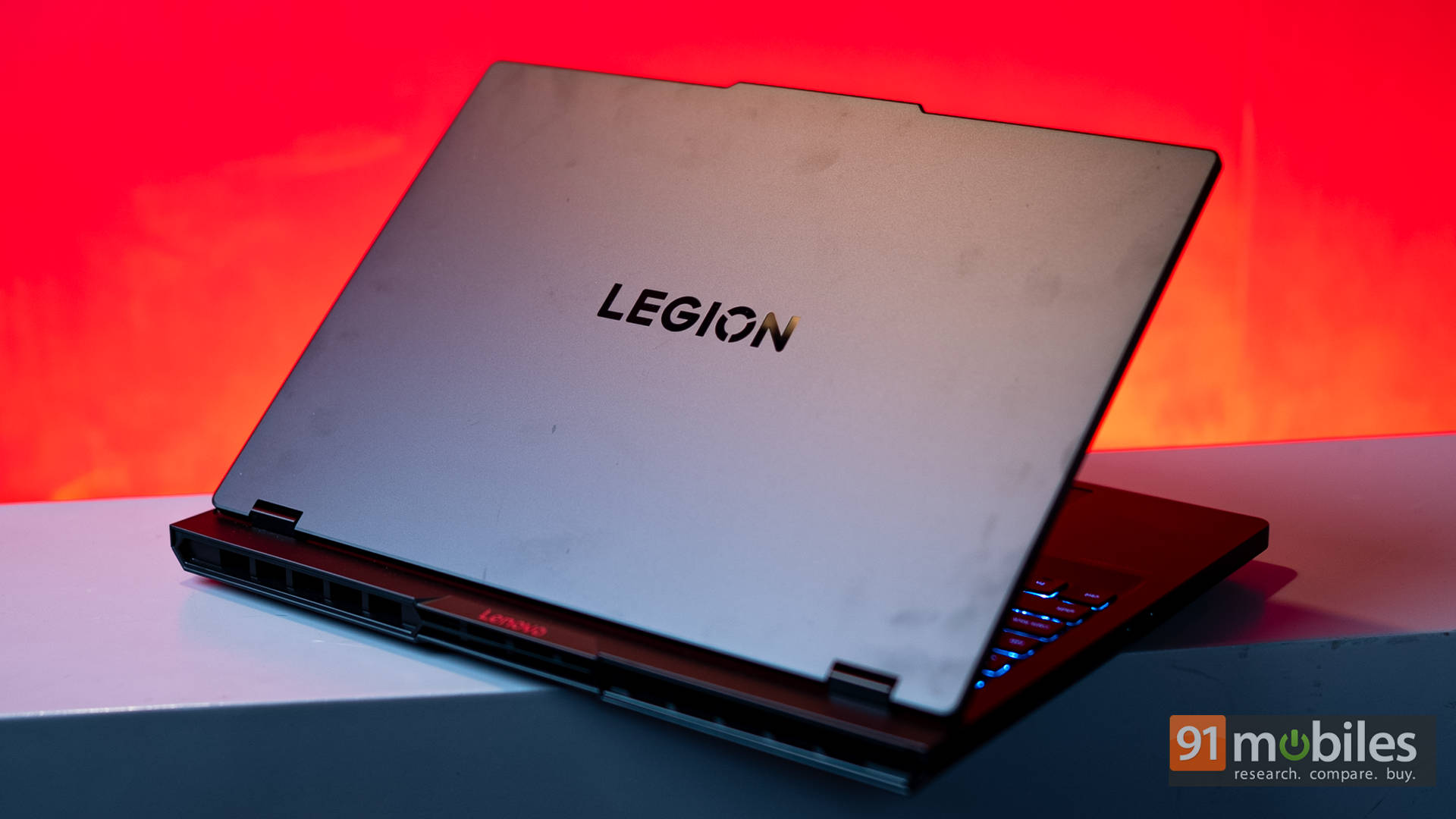
The root cause goes deeper than a simple supply-demand mismatch. Major memory manufacturers, including Samsung, SK Hynix, and Micron, have been steadily shifting their production capacity away from conventional DRAM (the fast temporary memory your laptop uses to run apps and multitask) and NAND (flash-based storage memory used in SSDs and drives) toward high-bandwidth memory for AI data centres.
Companies like Microsoft, Google, Meta, and Amazon need enormous amounts of memory to power AI infrastructure, and they are willing to pay a premium for it. That leaves significantly less supply for consumer products like laptops, smartphones, and SSDs.
In simple terms, every unit of memory that goes into an AI server is one less unit available for a laptop or PC. IDC expects DRAM and NAND supply growth in 2026 to come in well below historical norms, at 16 percent and 17 percent year-on-year, respectively. Prices could continue rising for the next six to seven quarters and may not ease until the second half of 2027.
Which segments will be hit the hardest?
Entry-level devices will take the biggest hit. Laptops that previously sold in the Rs 30,000 to Rs 35,000 range are already moving closer to Rs 45,000, pricing out a large chunk of budget-conscious buyers. Students, home users, and first-time buyers are the most vulnerable here, and many may end up delaying purchases or opting for lower-spec models.
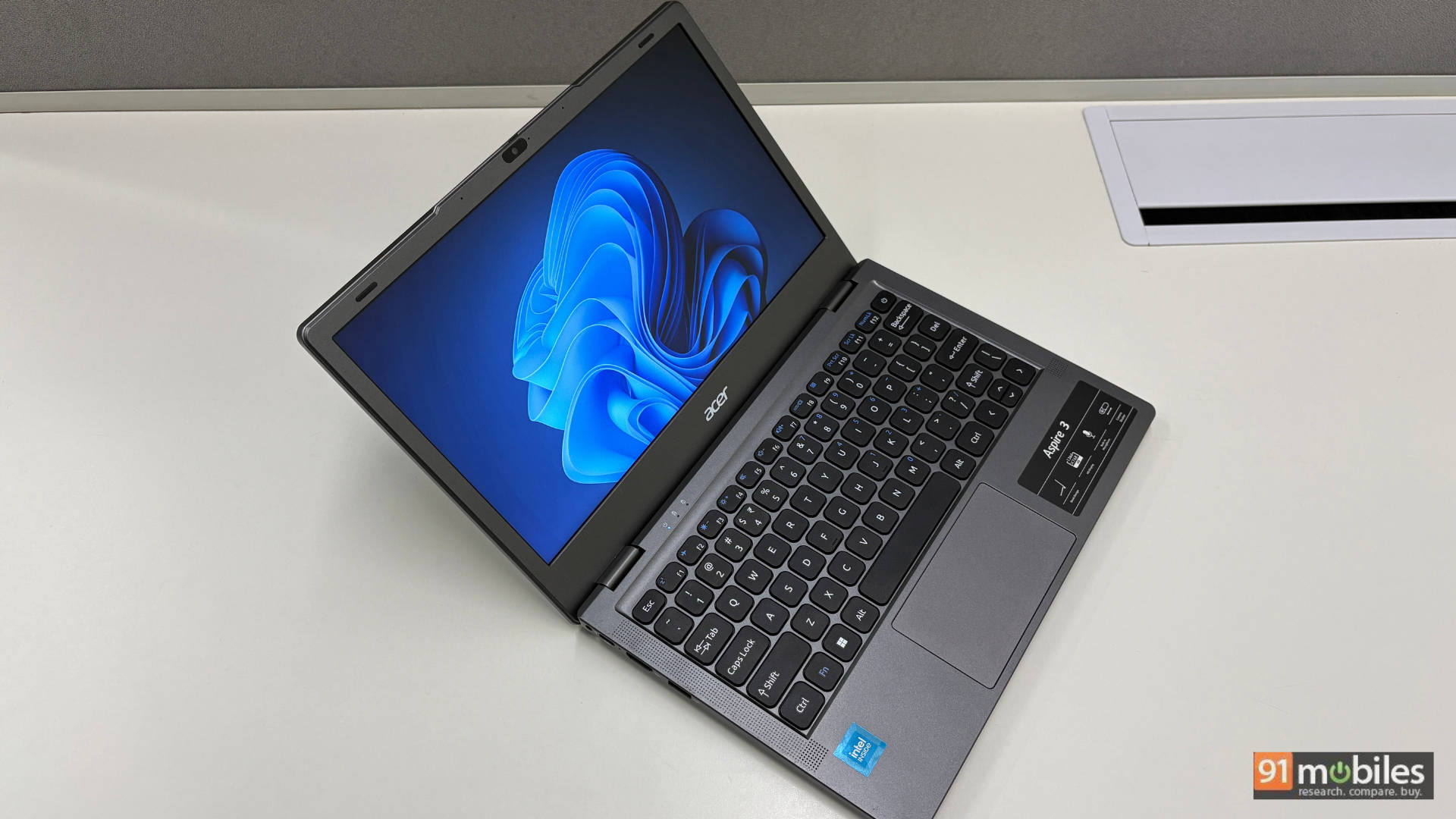
White-box assemblers (smaller, often local vendors who build PCs) and smaller regional brands will bear the greatest burden of the shortage. Larger OEMs like HP, Lenovo, Dell, Acer, and Asus will likely manage supply constraints better, thanks to their scale and supplier leverage. This could gradually shift market share away from smaller assemblers, particularly in the gaming PC space where DIY builds are mainstream.
AI PCs are in a tricky spot, as these devices typically require more RAM, with Microsoft’s Copilot+ PCs needing a minimum of 16GB and many higher-end models moving toward 32GB. Just as the industry needs to add more memory to support on-device AI, that memory has become both expensive and hard to source. This could result in either higher prices, thinner margins for brands, or a downgrade in RAM configurations at exactly the wrong time.
Premium and professional segments, including gaming laptops, creator machines, and enterprise devices, are less likely to feel the pinch as sharply since buyers in those categories tend to be less price-sensitive. All that being said, no particular segment will remain completely insulated from this shift.
Other factors making things worse
Beyond the memory shortage, a few other variables are also contributing factors. The high dollar-to-rupee conversion rate and inflation are contributing to rising costs, and the ongoing conflict in West Asia adds another layer of uncertainty. A disruption in the Strait of Hormuz, a critical route for energy and petrochemical supplies used in semiconductor manufacturing, could further push up input costs for chip production.
Assembled desktop prices have also increased exponentially, with extreme memory pricing and grey market activity (like scalpers and hoarders) pushing costs even higher.
Should you buy now or wait?
If you need a laptop soon, buying sooner rather than later makes more sense right now. Prices are only expected to climb further, and the window to get a device at current prices is narrowing fast.
If your budget is tight and you can hold off, waiting for promotional campaigns from brands may help soften the impact. Brands are already exploring configuration adjustments and EMI options to keep devices accessible. But if you are in the market for an AI PC or a higher-spec machine, it it best to get them now, since these devices are directly affected by the memory crunch.
The India PC market had its strongest year ever in 2025, shipping 15.9 million units, up 10.2 percent year-on-year. IDC now expects overall shipments to decline by 7 to 8 percent in 2026 as higher prices weigh on demand, with the consumer segment bearing the brunt of it.