OnePlus 15 display specs includes BOE’s third-gen 165Hz Oriental Screen


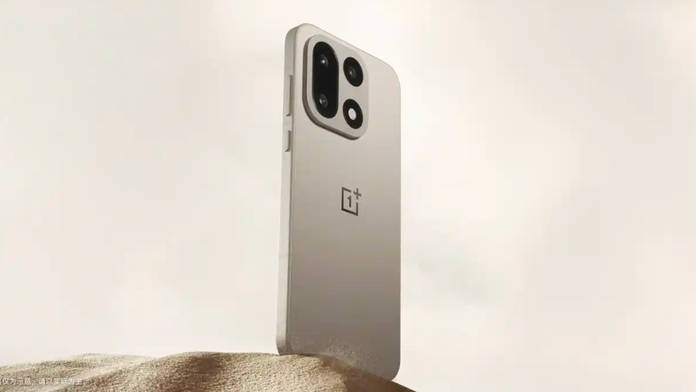
Ahead of the official unveiling of the OnePlus 15 in China later this month, the company has been actively teasing the device on social media. The latest details emerging are about the OnePlus 15’s display, and the upgrades are pretty impressive. OnePlus China President Louis Lee has revealed on Weibo that the device will be the first in the world to come with BOE’s next-gen Oriental Screen.
So what makes it special? The BOE third-gen Oriental Screen is expected to be a 6.78-inch BOE X3 OLED panel with 1.5K resolution and a 165Hz refresh rate. This would be the Beijing-based display manufacturer’s latest OLED tech, designed to compete with Samsung’s AMOLED panels, claiming better durability, brightness and power efficiency. The 1.5K resolution and 165Hz refresh rate combination is a world’s first – until now, no brand has paired both together. The ASUS ROG Phone 8 Pro offered a 165Hz refresh rate, but used a lower FHD resolution. Other premium flagships have also offered higher resolutions, but their refresh rates were capped at 120Hz.
Show Full Article
For context, the OnePlus 13 came with BOE’s second-generation Oriental Screen, which was a 6.82-inch LTPO 4.1 AMOLED ProXDR display with a (QHD+) resolution and a 1-120Hz dynamic refresh rate. The OnePlus 15 aims to combine gaming-grade smoothness (165Hz) with sharpness (1.5K), potentially hitting the sweet spot. The screen size, which has seemingly been reduced, is yet to be confirmed, but the other details are official.
The company claims that the new display will achieve eight major technological breakthroughs and set nine world records in screen performance, details of which will be revealed when the display is officially unveiled in Shenzhen, China, on October 14th.
The BOE third-gen display is also touted to be the first Android screen to achieve true hardware-level 1-nit brightness for dark environments. Most phone displays can achieve dimming down to approximately 2-5 nits, provided there is software support. The OnePlus 15 is claimed to reach one nit brightness through native hardware, which will help read in pitch-dark rooms without hurting your eyes.
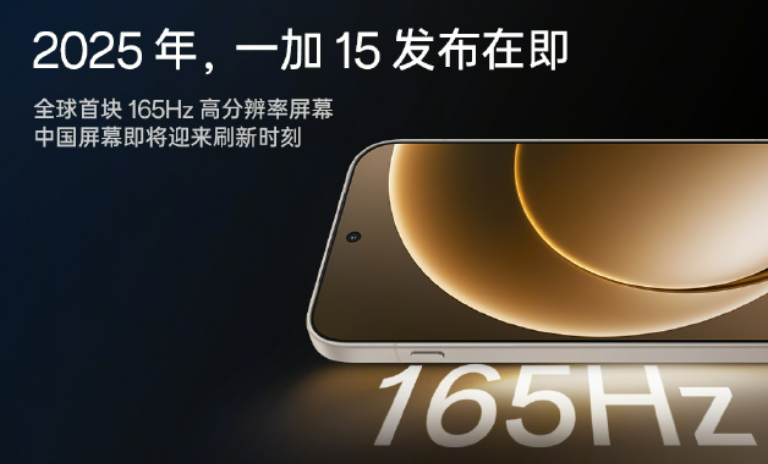

Additionally, the new BOE display on the OnePlus 15 is set to achieve an A++ rating from DisplayMate, much like its predecessor, the OnePlus 13. The screen is also said to receive TÜV Rheinland Intelligent Eye Care 5.0 certification with a top-tier “gold standard” rating. This essentially means that the phone has features that reduce eye strain, such as lower blue light emission, flicker-free brightness adjustment and adaptive brightness for reading in dark and bright environments.
The OnePlus 15 appears to be well-positioned to compete with the iPhone 17 Pro and Samsung Galaxy S25 Ultra, thanks to its combination of 165Hz gaming smoothness and 4K+ sharpness. Versus the S25 Ultra, the OnePlus 15 is more fluid (165Hz vs 120Hz), but has a lower resolution (1.5K vs QHD+). When we compare it to the iPhone 17 Pro, Apple still leads in calibration, Dolby Vision, and colour accuracy. However, based on what we know so far about the OnePlus 15 display, the screen is being positioned as a “gamer’s flagship panel.” Apple and Samsung still lead the way in brightness and calibration, but OnePlus could surpass them in refresh rate, efficiency, and eye comfort.
With this display, OnePlus is positioning itself as a strong contender in the gaming and high-performance segment, differentiating from Apple and Samsung by combining smooth refresh rates, efficiency, and eye protection in a single panel. For users, the OnePlus 15’s display should offer smoother gaming and scrolling experiences compared to its predecessor and many competitors. Those who frequently watch videos or play high-frame-rate games could benefit the most. At the same time, casual users who prioritise colour accuracy, Dolby Vision, or peak brightness may find devices like the iPhone 17 Pro or Galaxy S25 Ultra more suitable. Our detailed review of the OnePlus 15, whenever it arrives in India, will shed more light on this.