OnePlus 15 wishlist: 5 upgrades we want to see on the next flagship


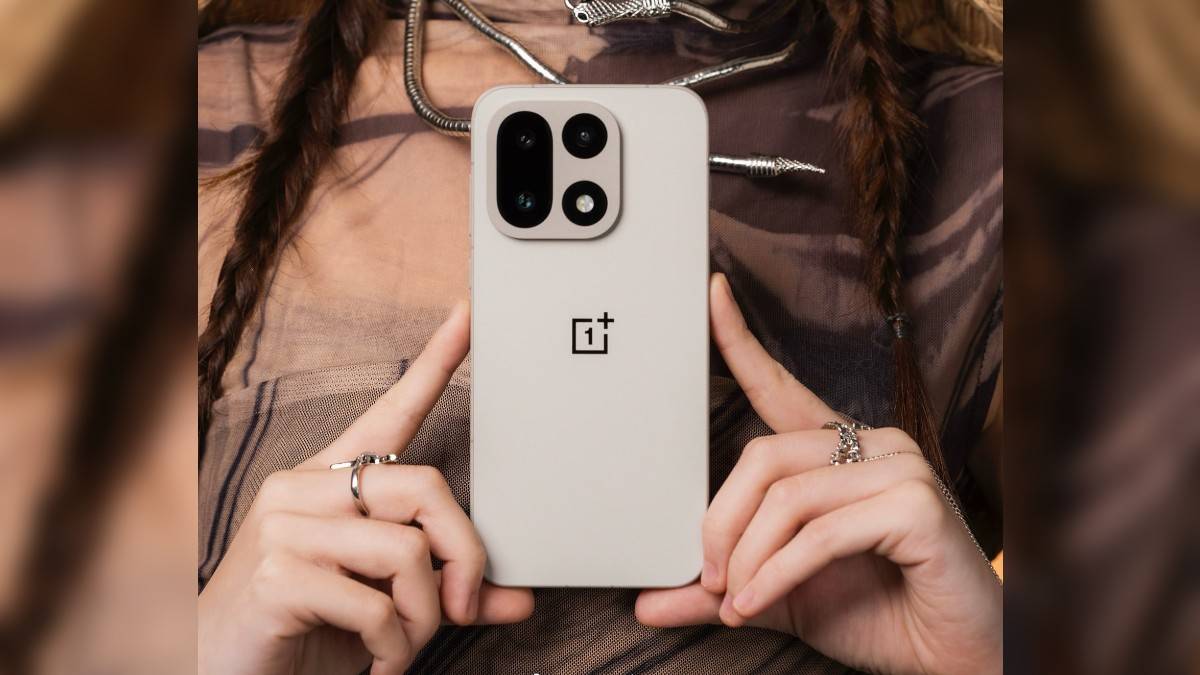
OnePlus has officially confirmed the launch of its upcoming flagship, the OnePlus 15, in India. The smartphone is set to debut with a refreshed design, moving away from the familiar circular camera module. Powering the device will be Qualcomm’s latest Snapdragon 8 Elite Gen 5 chipset, which promises a significant leap in performance and efficiency. While OnePlus has yet to reveal the launch date or full specifications, here are a few things we want OnePlus 15 to improve upon its predecessor, the OnePlus 13 (review).
The OnePlus 13 was a commendable device, but not without its shortcomings. There were a few areas where it fell short, which is what we will be highlighting in this article, and hoping that OnePlus will take note and address them in its upcoming flagship, along with other upgrades.
Table of Contents
Refined cameras
The OnePlus 13’s cameras were good, but not particularly inspiring. Rivals such as the Vivo X200 and OPPO Find X8 delivered noticeably sharper, more vibrant images with richer saturation and a wider variety of shooting modes, leaving OnePlus slightly behind in the camera race.


Now, OnePlus is transitioning from its Hasselblad-tuned system to its in-house image processing engine, DetailMax. This shift is expected to help the OnePlus 15 deliver more natural-looking images with true-to-life colours and reduced artificial processing, addressing one of our key complaints with the OnePlus 13, especially for videos. Moreover, the previous model often produced shots that leaned towards warmer tones, which, while aesthetically pleasing, tended to stray slightly from the actual scene.
Show Full Article
The OnePlus 15 could also benefit from upgraded camera hardware, particularly improved lenses that capture finer details and better texture. This enhancement would help the device compete more effectively with Apple, Samsung, and other camera-focused flagships from OPPO and Vivo.
Bigger battery, improved efficiency
The OnePlus 13 came equipped with a 6,000mAh battery, which was impressive on paper but suffered slightly from subpar optimisation, resulting in lower efficiency compared to its rivals. With the OnePlus 15, we hope to see this issue addressed. While official details remain unconfirmed, the upcoming flagship could feature a larger battery, which is generally the case, and if paired with better software optimisation, it could significantly enhance endurance and help position the device as a true battery powerhouse in its segment.


Hopefully, these enhancements will also help the OnePlus 15 perform better in synthetic battery benchmarks such as PCMark, an area where its predecessor, the OnePlus 13, notably underperformed.
Moving on, it would be nice to see an increase in fast charging speeds, though the 100W wired charging of the OnePlus 13 was already impressive. As long as OnePlus continues with its practice of providing a charger in the box, we wouldn’t mind sticking with this setup.
Qi2 Charging & MagSafe Support
In addition to its 100W wired charging, the OnePlus 13 offered an impressive 50W wireless charging solution. However, this speed was limited to the AirVOOC magnetic charger, sold separately. While the phone also supports standard Qi chargers, charging is capped at just 15W, which means powering the 6,000mAh battery from 0 to 100 percent on a regular Qi charger could take a while.


The OnePlus 15 could fix this with an upgraded Qi2 wireless charging solution. Google has done this with its Pixel 10 series in India, and Samsung may follow suit with its upcoming Galaxy S-series lineup. The Qi2 wireless charging technology now supports up to 25W speeds and is more efficient than its predecessor, with magnets providing better alignment and improved overheating protection.
Adopting Qi2 wireless charging for the OnePlus 15 would also make it compatible with MagSafe accessories, such as wallets, cases, and phone stands, offering the convenience of effortless attachment and removal that iPhone users have come to appreciate.
Cleaner UI
OxygenOS 16, which will debut in the upcoming OnePlus 15, is scheduled to be announced on October 16th. The latest iteration of OnePlus’s custom Android skin promises fast, fluid performance, effortlessly handling everything from app navigation to hours of reel-scrolling, while offering seamless connectivity across devices and platforms.
All that sounds promising, but we also expect OxygenOS 16 on the OnePlus 15 to be cleaner and more refined than what we experienced on the OnePlus 13 running OxygenOS 15. For starters, OnePlus could remove some ColorOS-specific apps, such as App Picks (app store) and Internet (browser).


It can also redesign the media player and browser menu to a more modern look, add additional shortcuts on the lock screen, and include an option to hide notifications while in DND mode, among other things, as reported on OnePlus’ community page as some of the pain points of OxygenOS 15. We will know more about what OxygenOS 15 offers in just a couple of days.
OnePlus’ suite of AI features
The OnePlus 13 offered a fairly standard set of AI tools that enhanced productivity and usability, but they didn’t quite match the depth or innovation of Samsung’s Galaxy AI or Google’s Pixel AI. Even OPPO currently boasts a more extensive suite of AI-driven features than OnePlus.
With the OnePlus 15, however, we expect the brand to step up its AI game, introducing a new set of tools designed to boost both productivity and creativity. These could include smarter text suggestions, more intuitive photo and video editing, and context-aware assistant features that make daily tasks smoother. Its Snapdragon 8 Elite Gen 5 SoC, which itself enables several on-device AI features, is more than capable of handling all the processing.
To conclude…
The OnePlus 15 is expected to be no slouch in performance, based on early benchmark scores of the Qualcomm Snapdragon 8 Elite Gen 5 SoC. Moreover, OnePlus phones have consistently offered stellar displays and excelled in terms of thermal efficiency. We didn’t encounter any heating issues with the OnePlus 13, and we expect its successor to continue improving in this regard rather than deteriorating.
If the OnePlus 15 could nail the above expectations, it could represent a meaningful step forward rather than just another incremental upgrade.