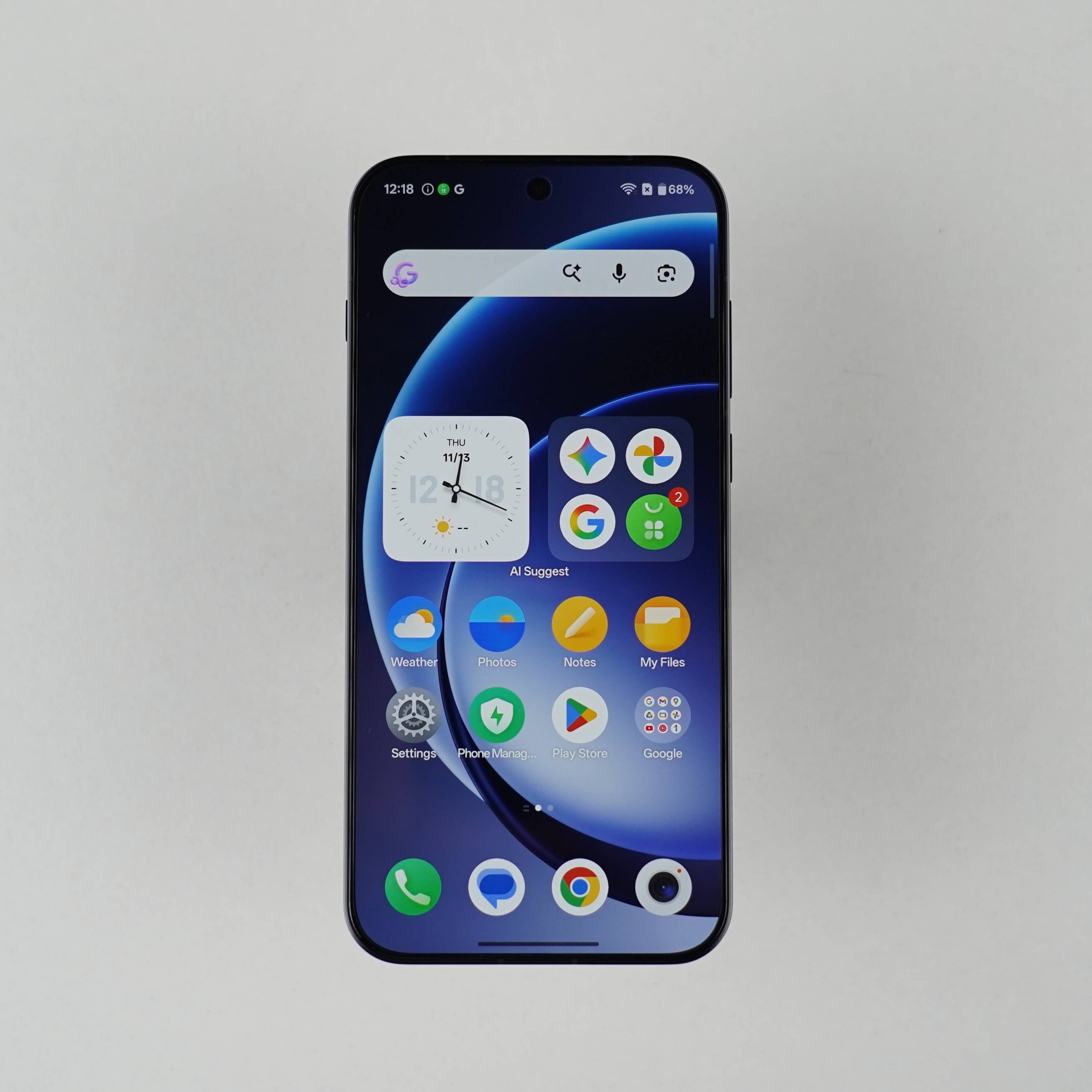
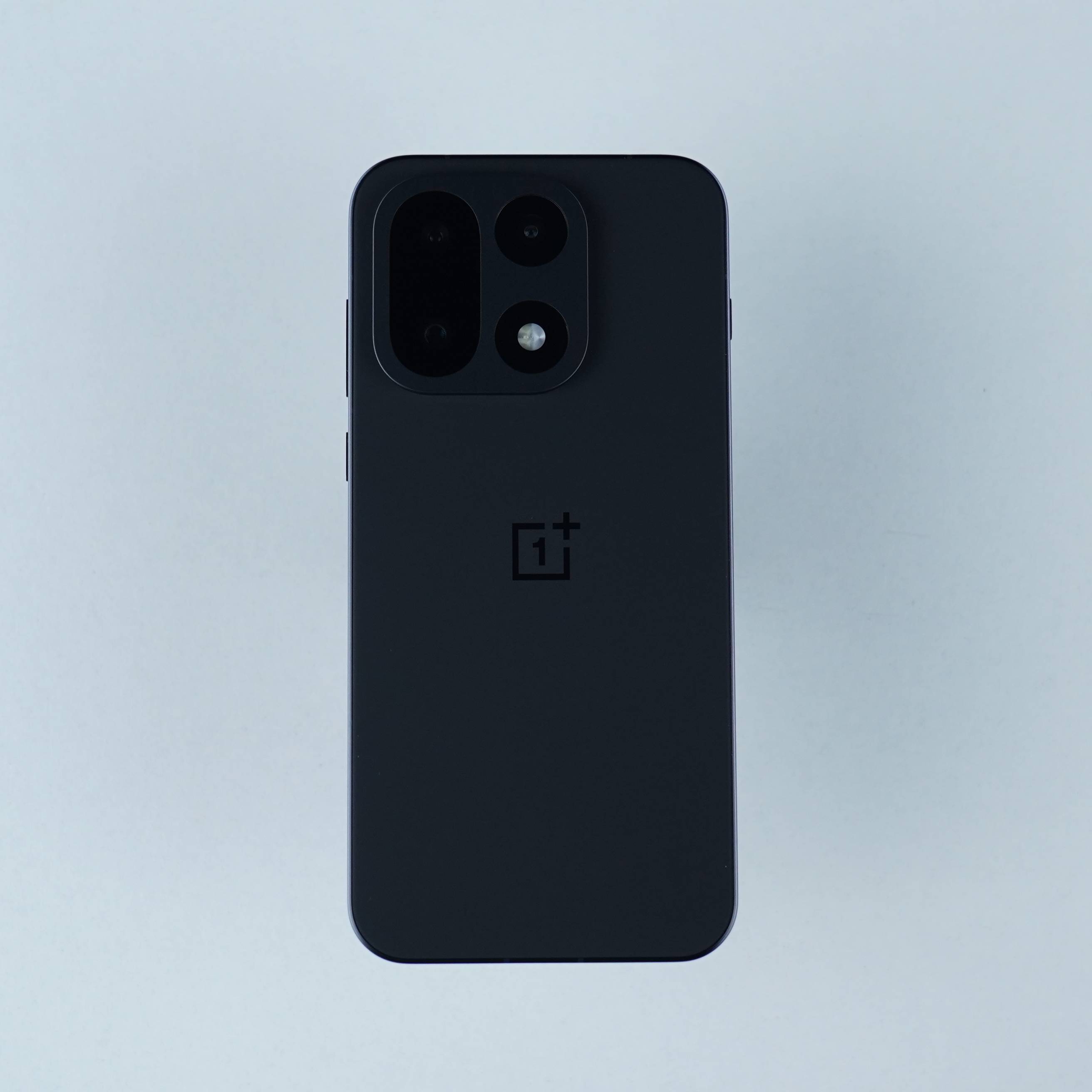
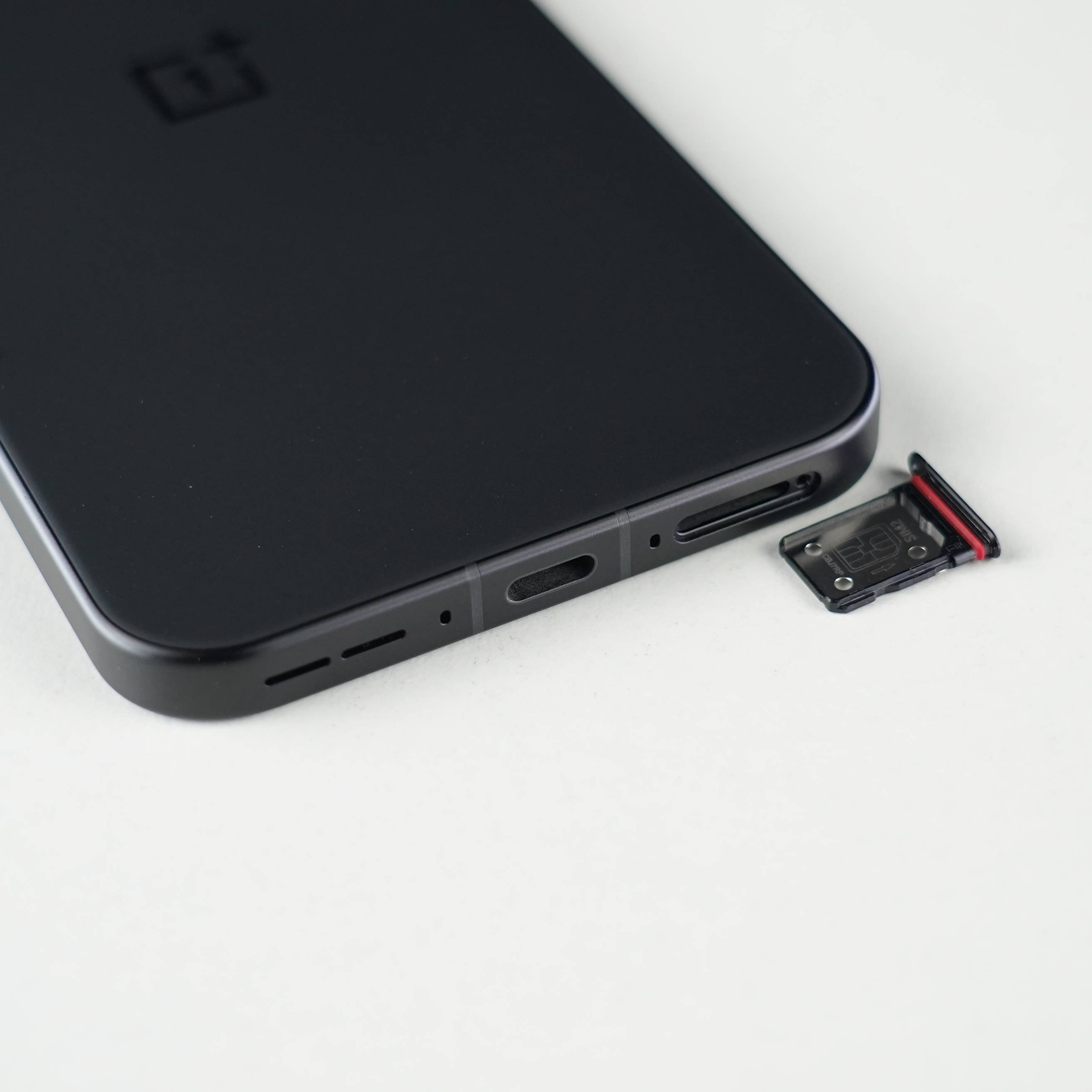
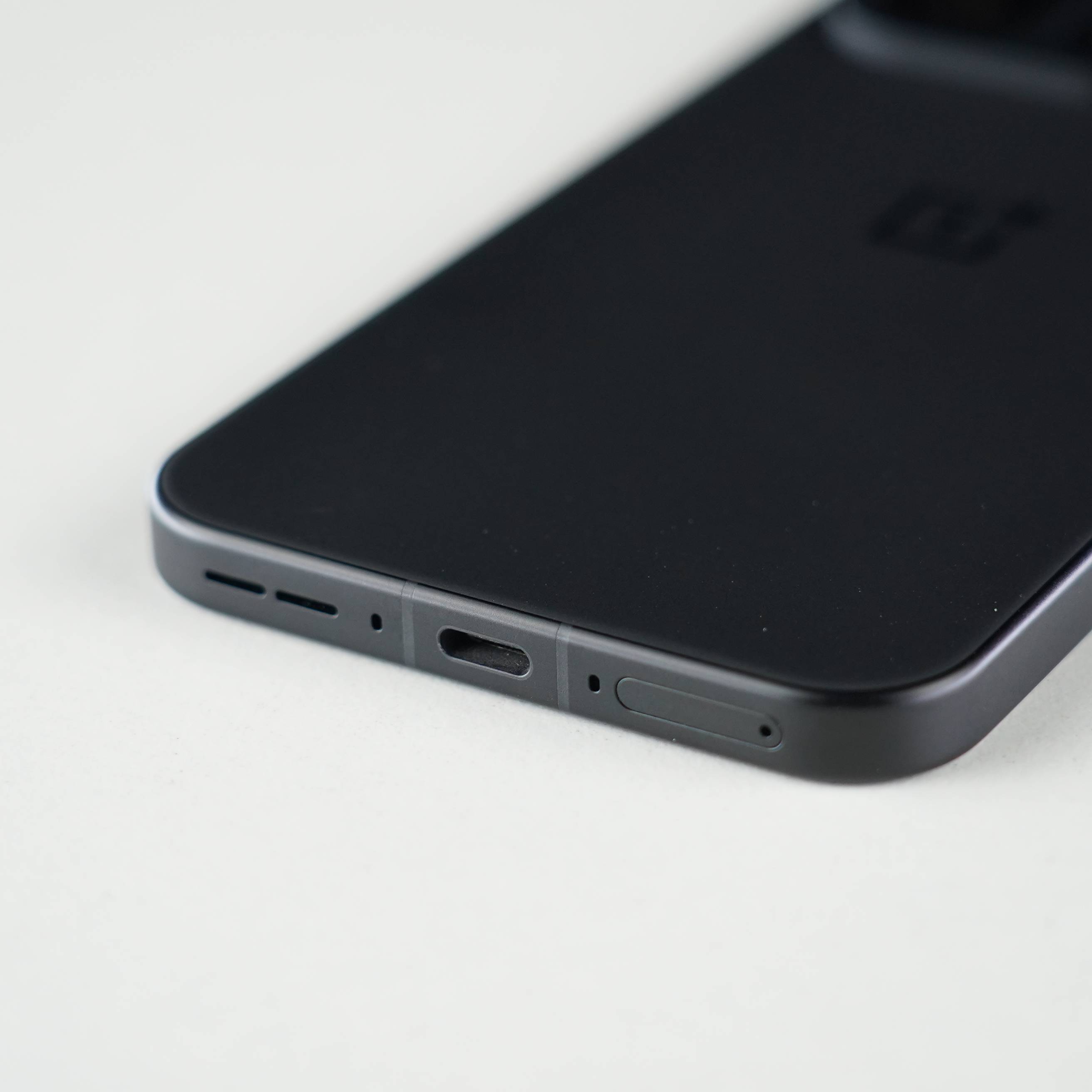
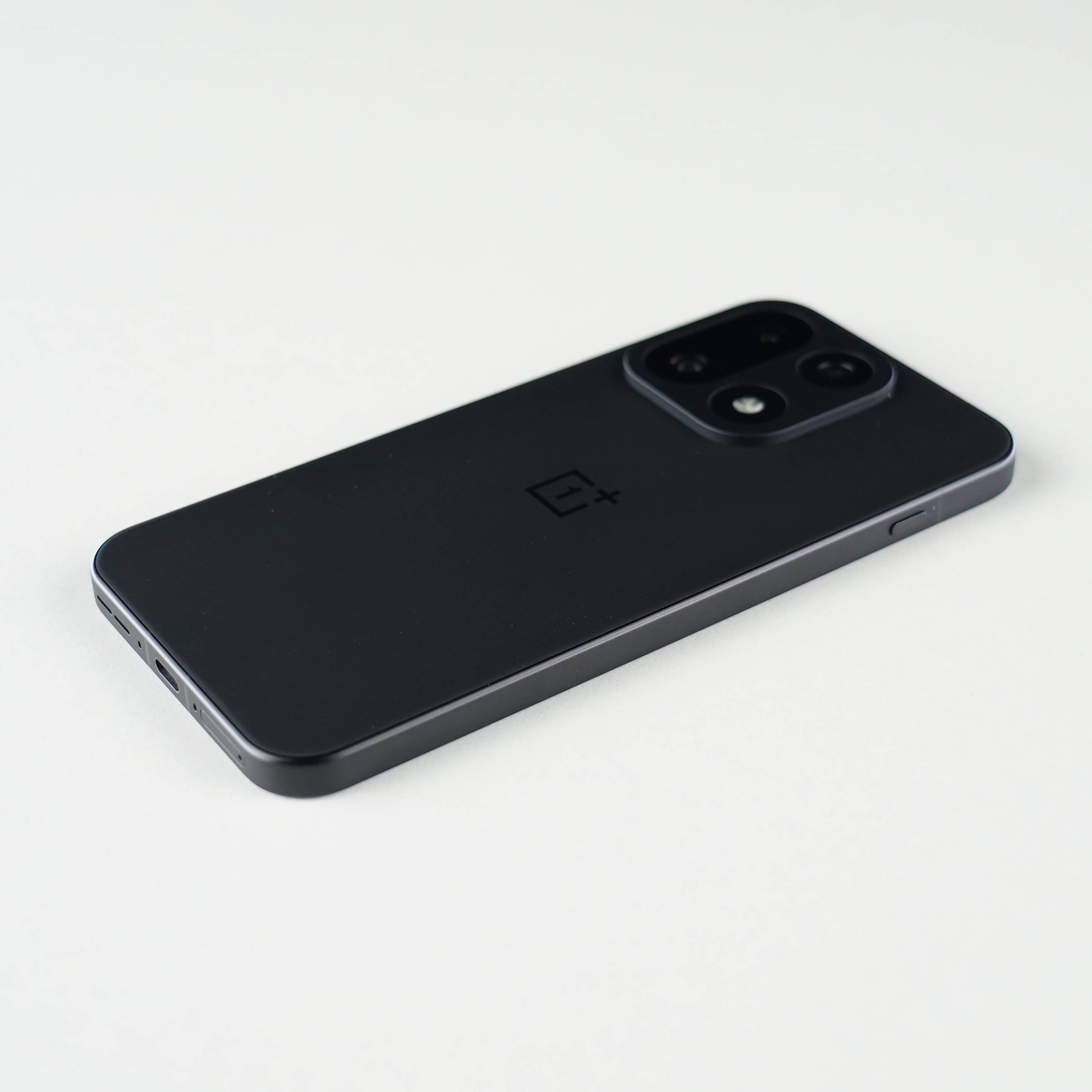
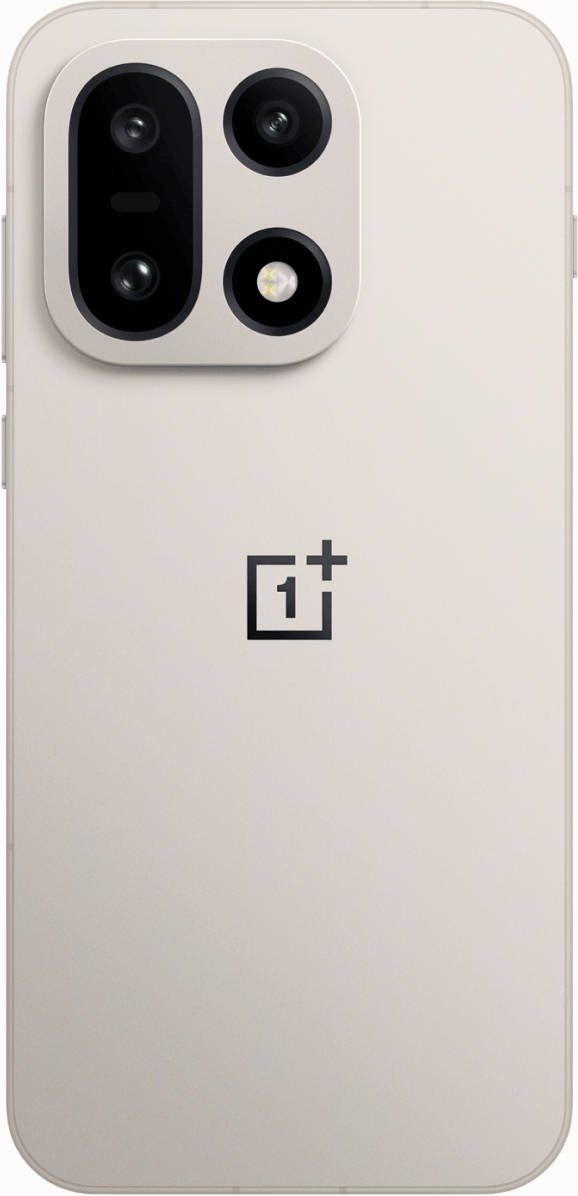
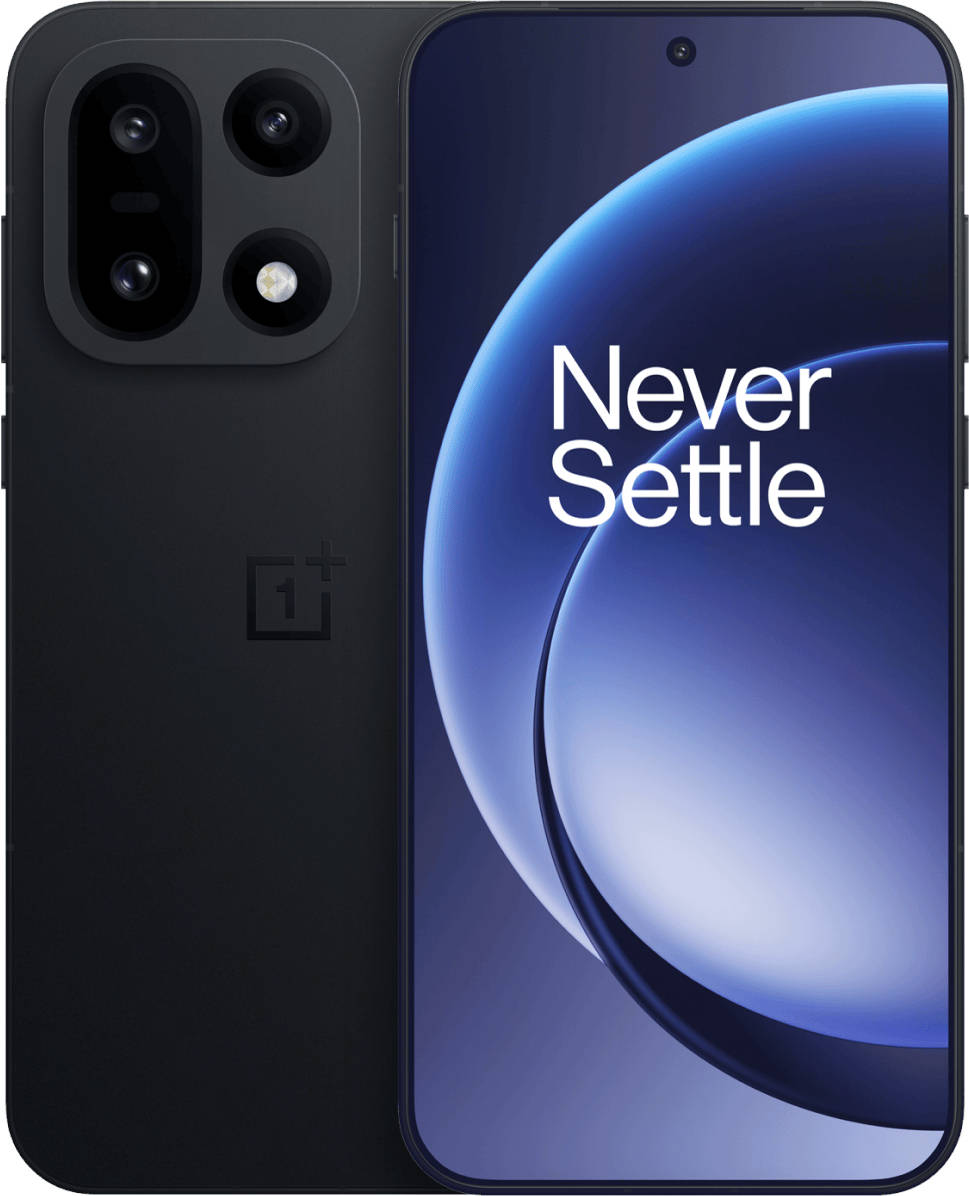
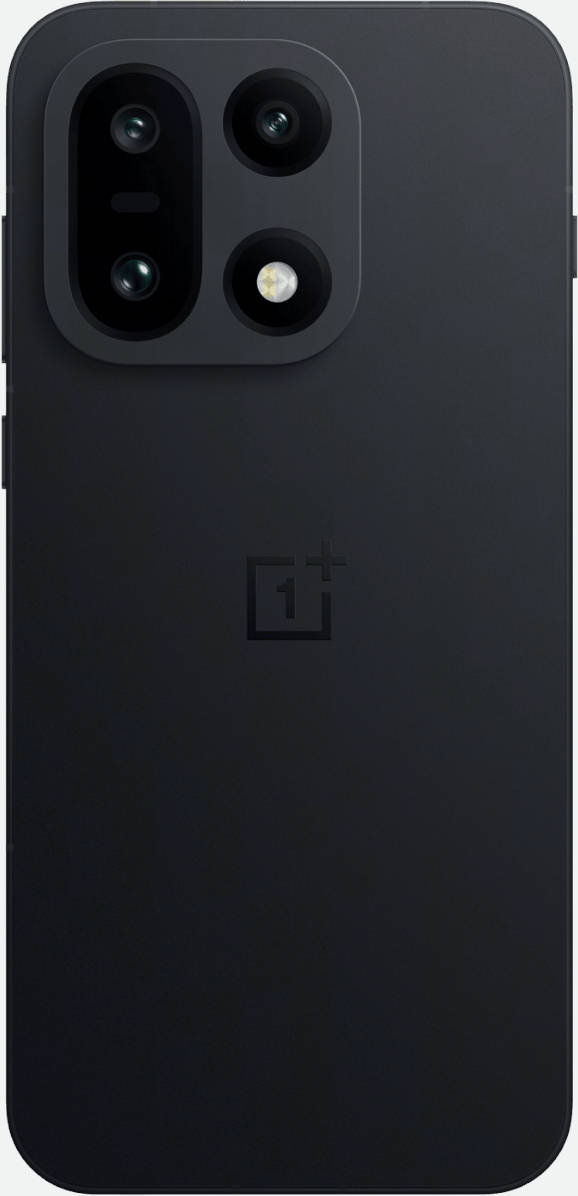
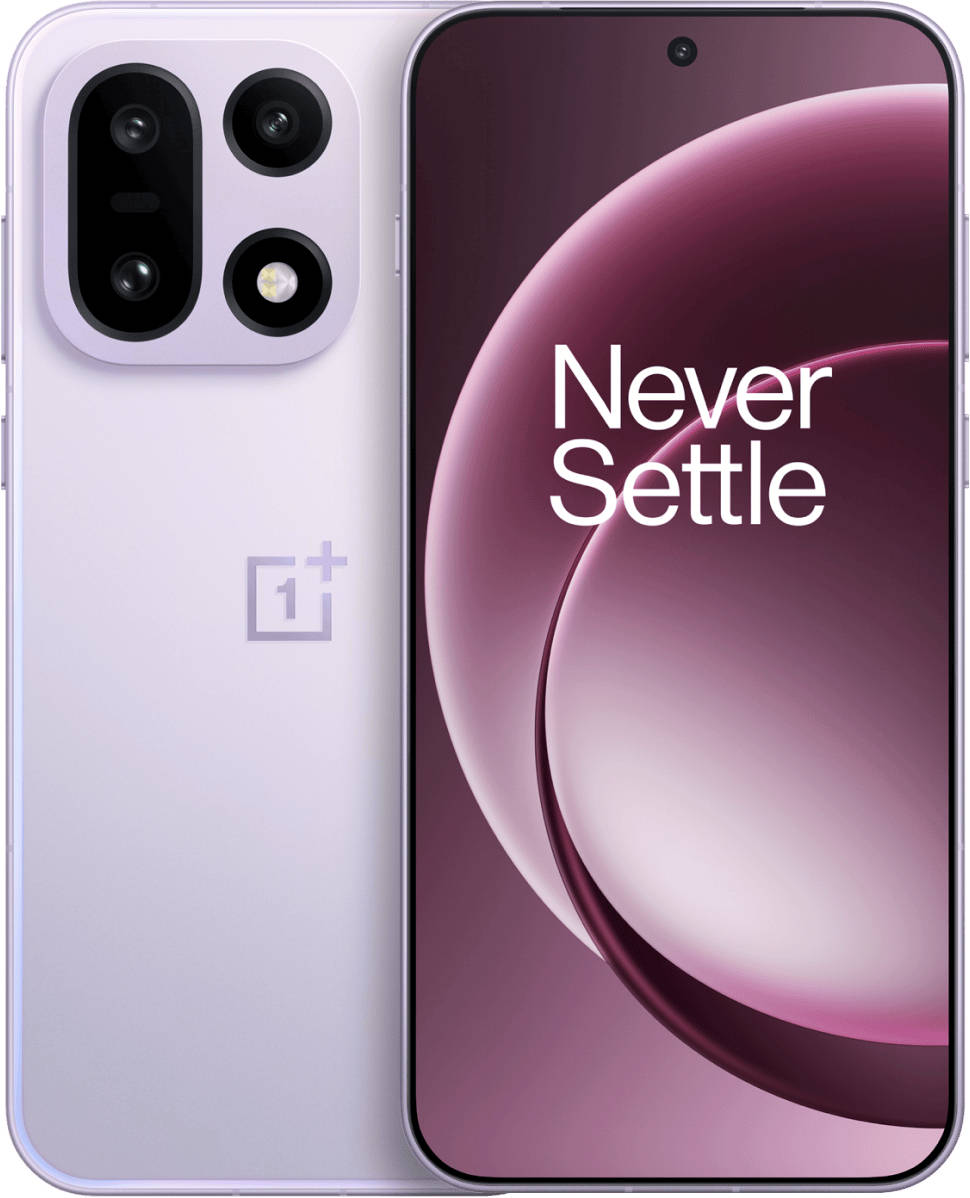
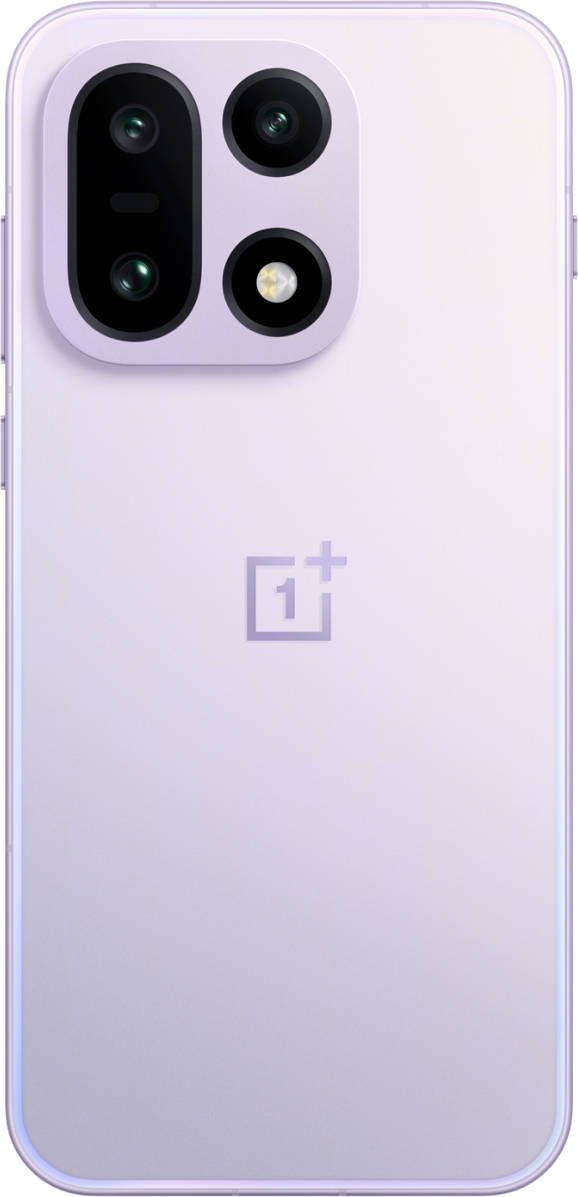
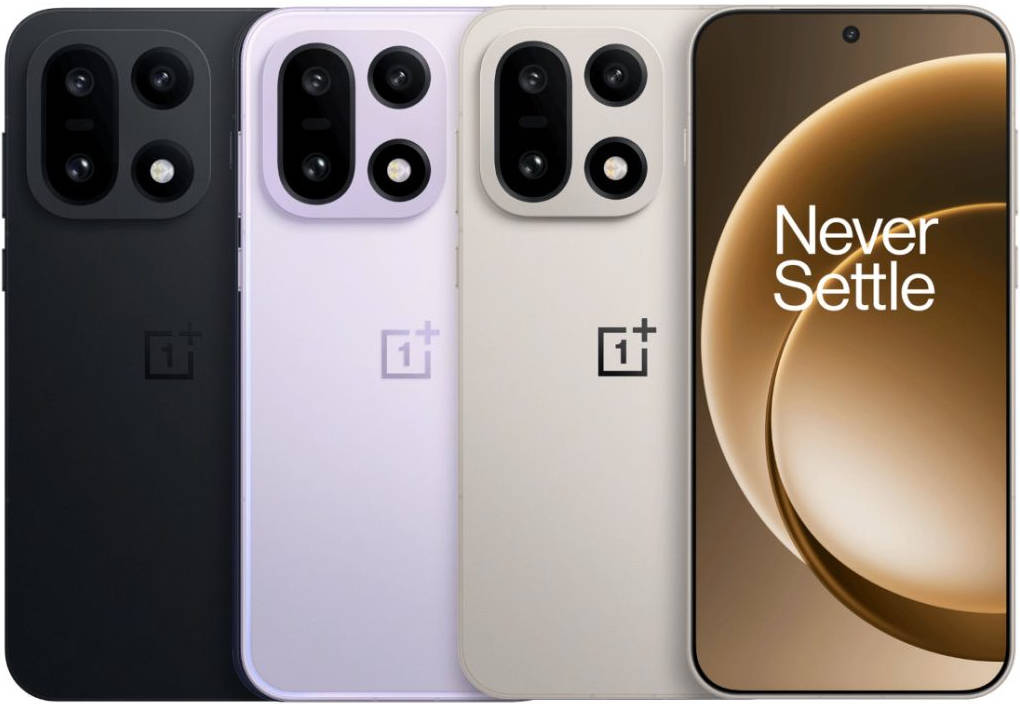
The OnePlus 15 is set to launch globally soon (leaks suggest November 15th) with several new features this time around. When the company revealed the flagship’s design last month, it turned quite a few heads by completely overhauling its camera module, rather than changing minor elements. As per the company, the model’s design theme is inspired by “dune aesthetics”, with the phone being teased in Sand Dune and Original Dune colour options.
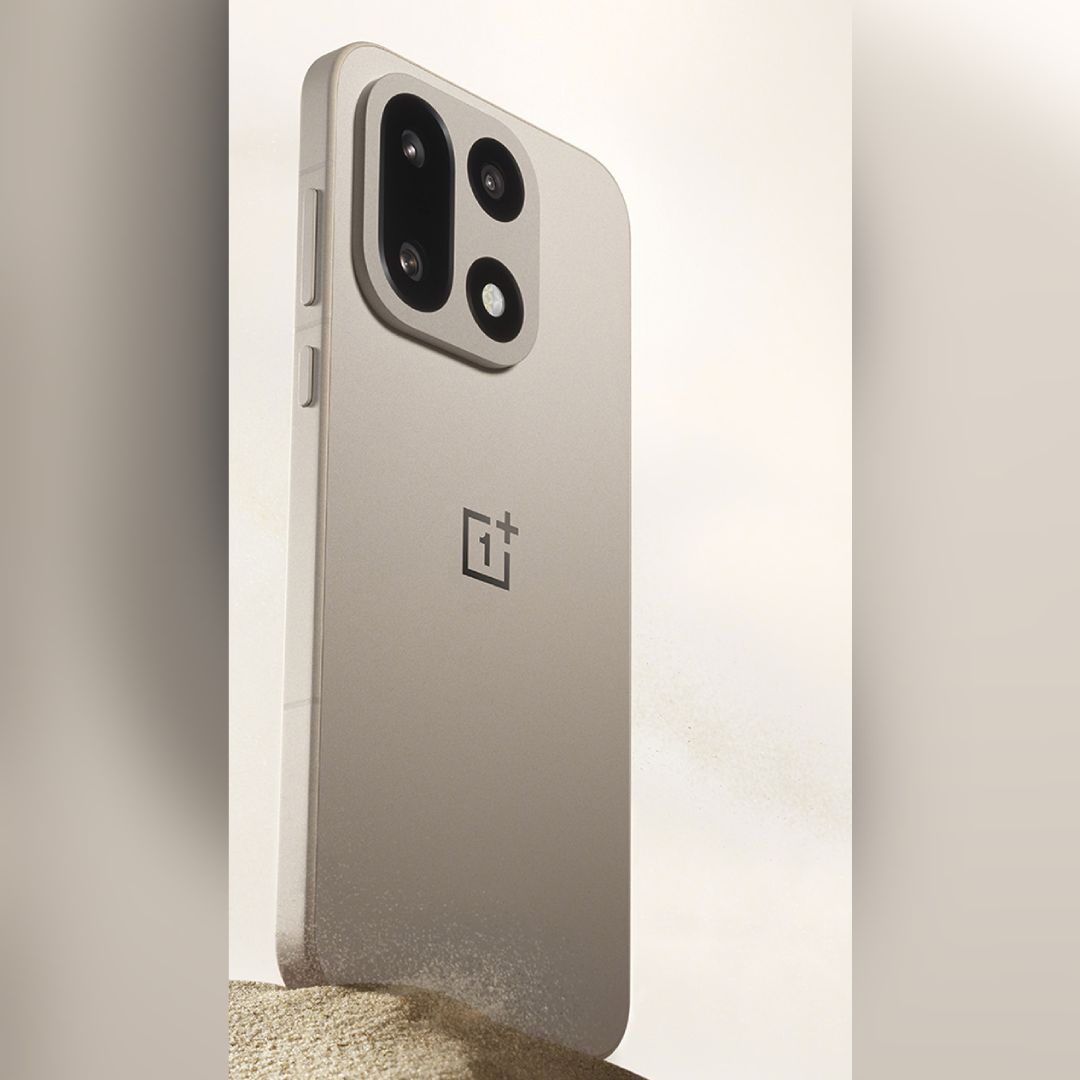
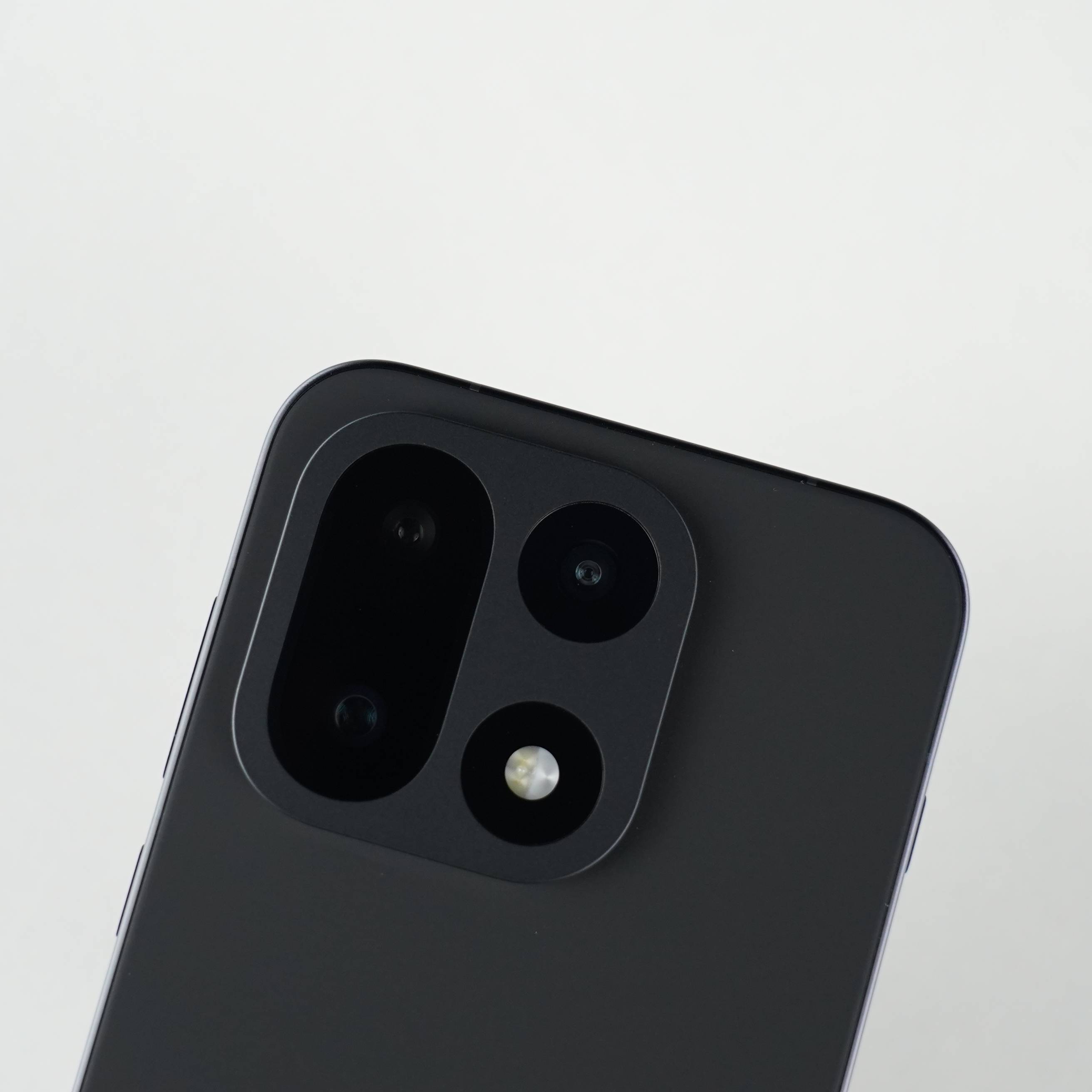
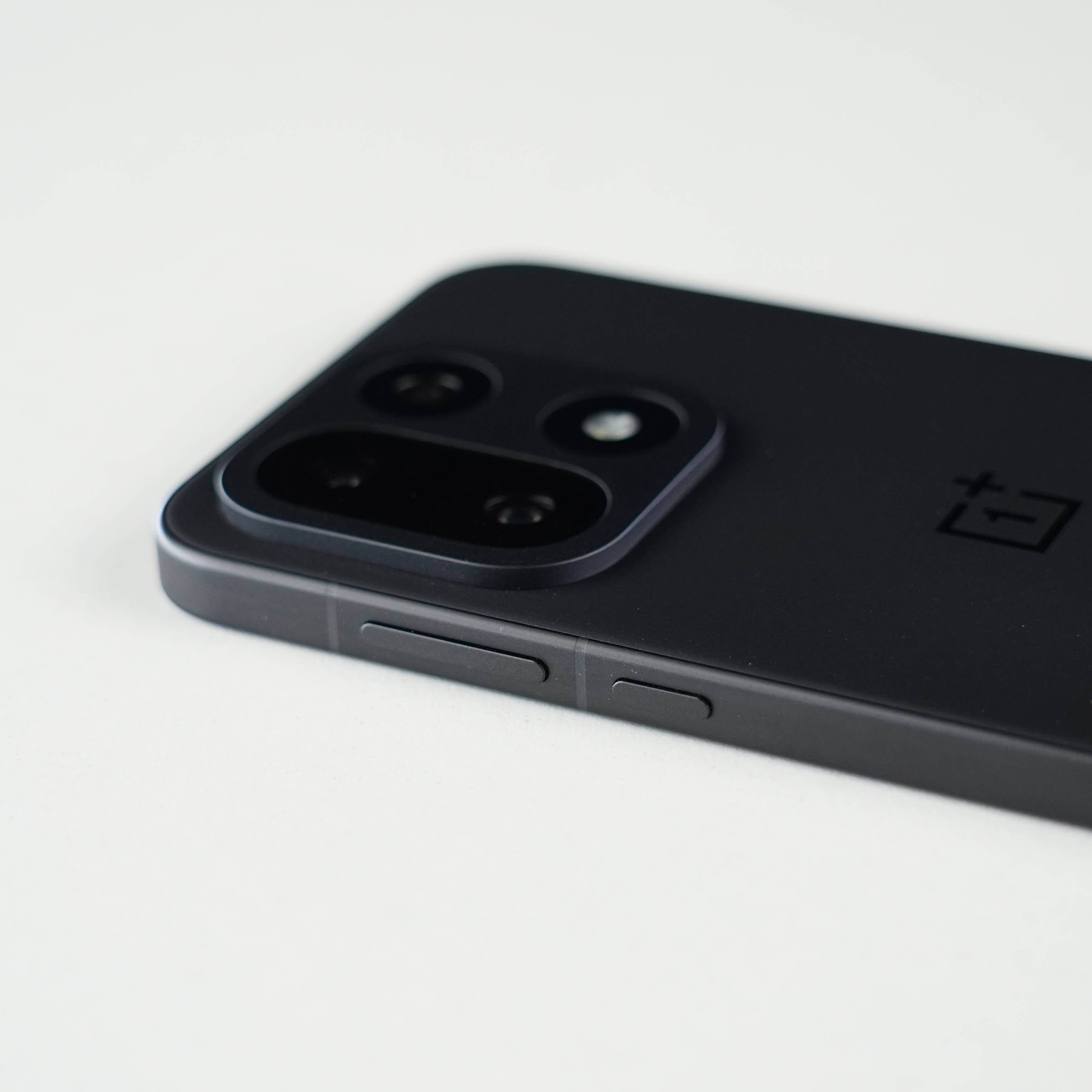
When we compare the OnePlus 15 to its predecessor, the OnePlus 13, the transformation is quite apparent. The circular camera module, a mainstay of OnePlus for several generations, has been replaced by a sharply squared-off camera island reminiscent of the recent compact flagship, the OnePlus 13s. Apple’s iPhone Pro models, prior to the current 17 series, also featured similar-looking left-aligned islands. The new camera design could offer the OnePlus 15 several practical advantages, like better allocation of internal space and improved heat dissipation. To us, the camera feels both logically placed and visually balanced without breaking the phone’s silhouette.
OnePlus has officially ended its five-year partnership with Hasselblad, a collaboration credited with bringing colour accuracy and a more refined aesthetic to its imaging. With the 15, OnePlus introduces the proprietary DetailMax Engine – an in-house imaging system fully designed to deliver clarity, dynamic range, and natural detail. The move provides OnePlus with more control over both hardware and software, which could explain the shift to a minimalist camera design.
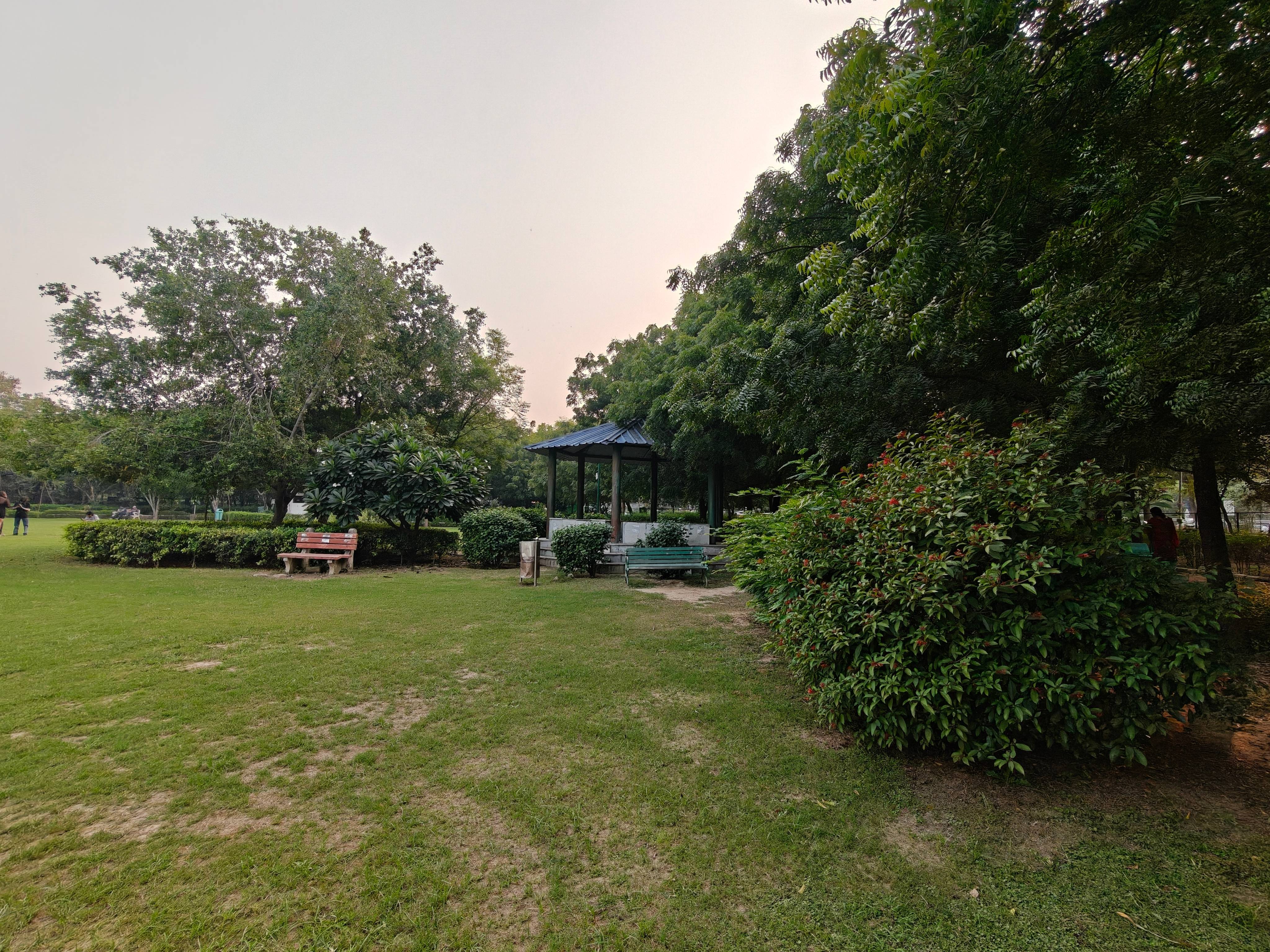
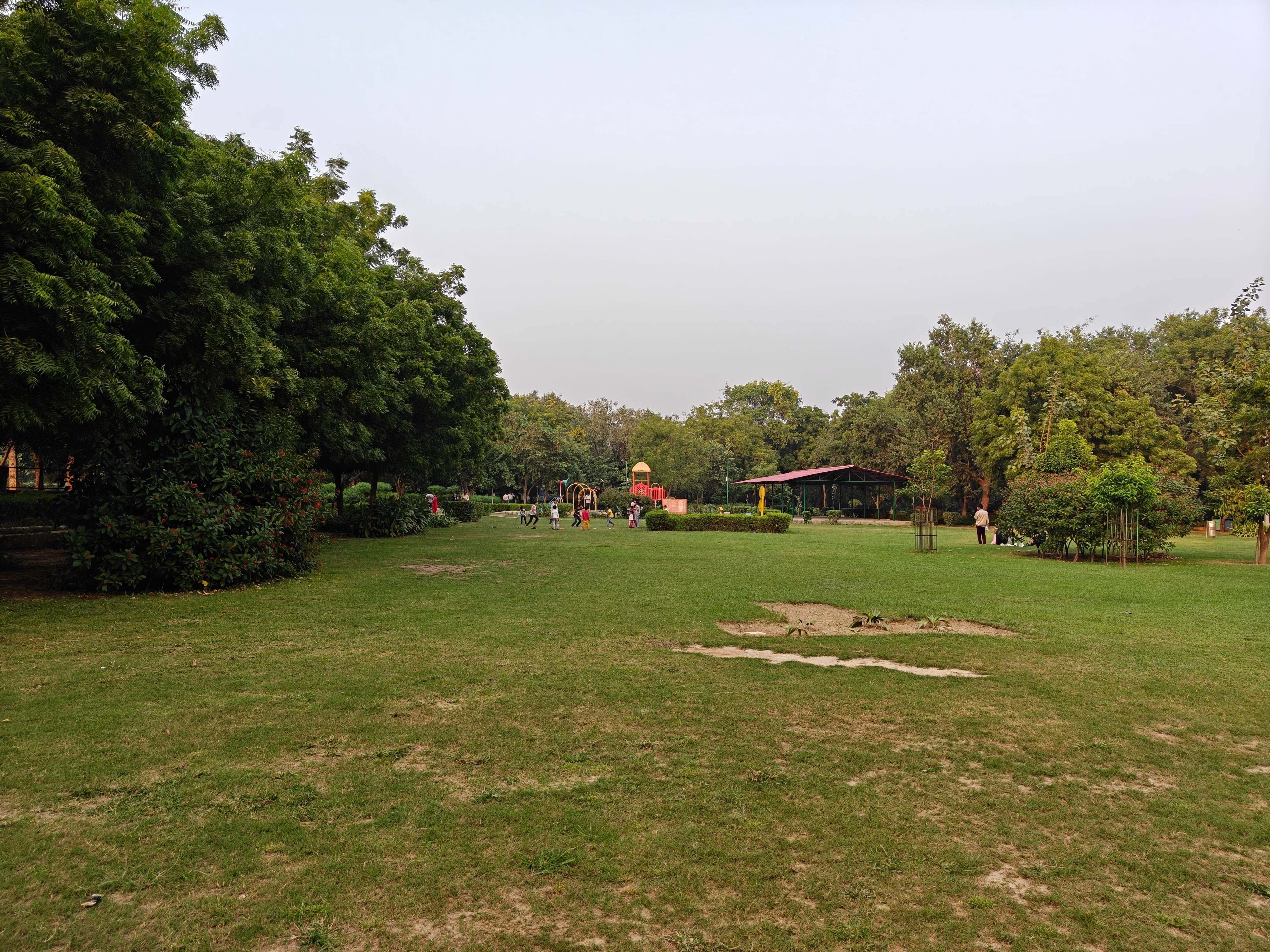
No longer limited by Hasselblad’s branding or requirements, OnePlus has reimagined what its camera island could look and feel like, resulting in a design that is tighter, more functional, and more stylish. The official camera samples look fresh and vibrant, but how far OnePlus has stretched itself, we’ll find out in our official review once the phone launches.




The chassis has shifted from the curved, polished aluminum of the OnePlus 13 to an advanced aerospace-grade “nano-ceramic metal” frame. This material is supposed to be 26 percent lighter than titanium and, according to OnePlus, provides 134 percent more wear resistance and vastly improved heat management. The OnePlus 15 is debuting a new design finish called “Quenching Texture” which offers both a visual and tactile upgrade. The “Ice Skin” finish brings a cool, pleasant surface to the touch.
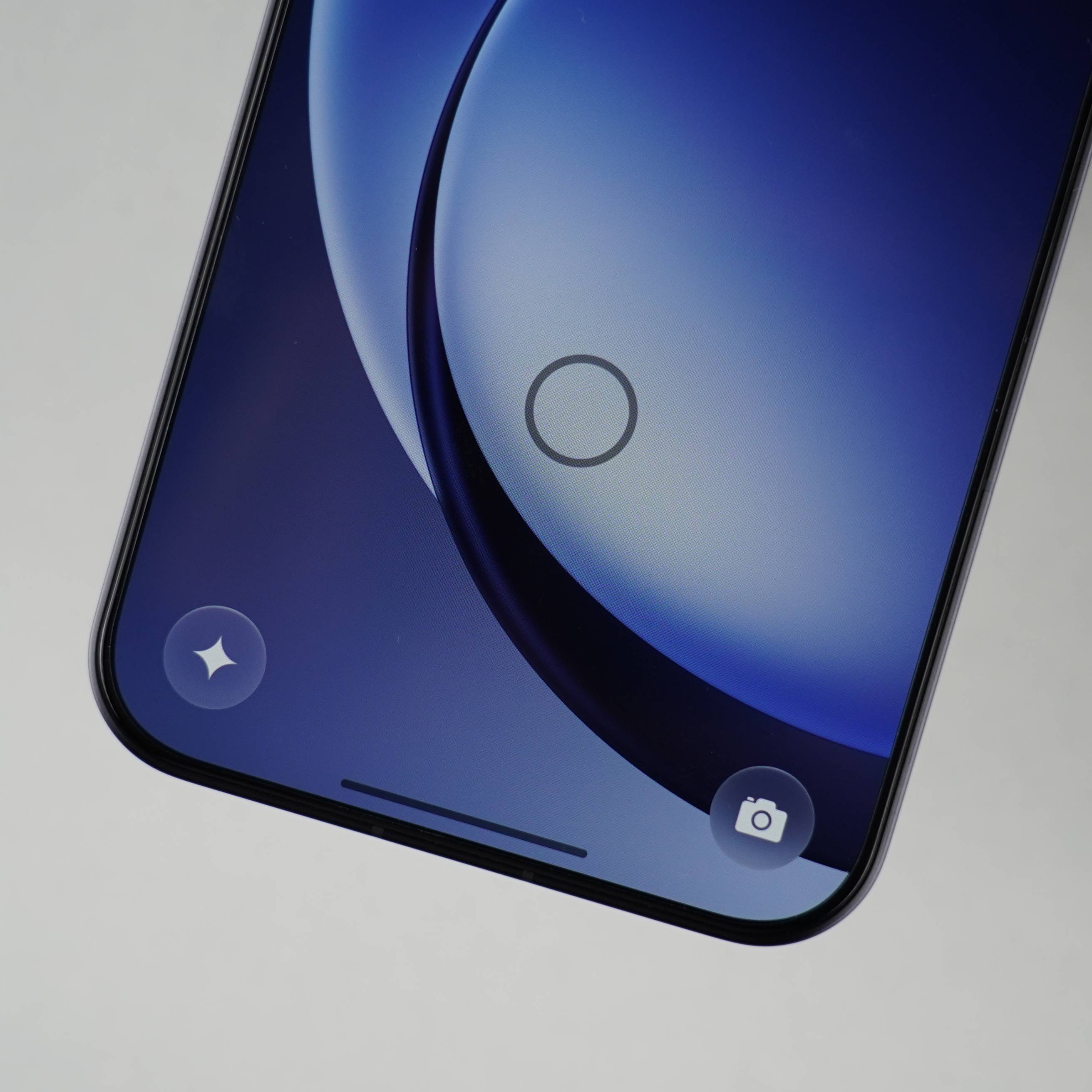
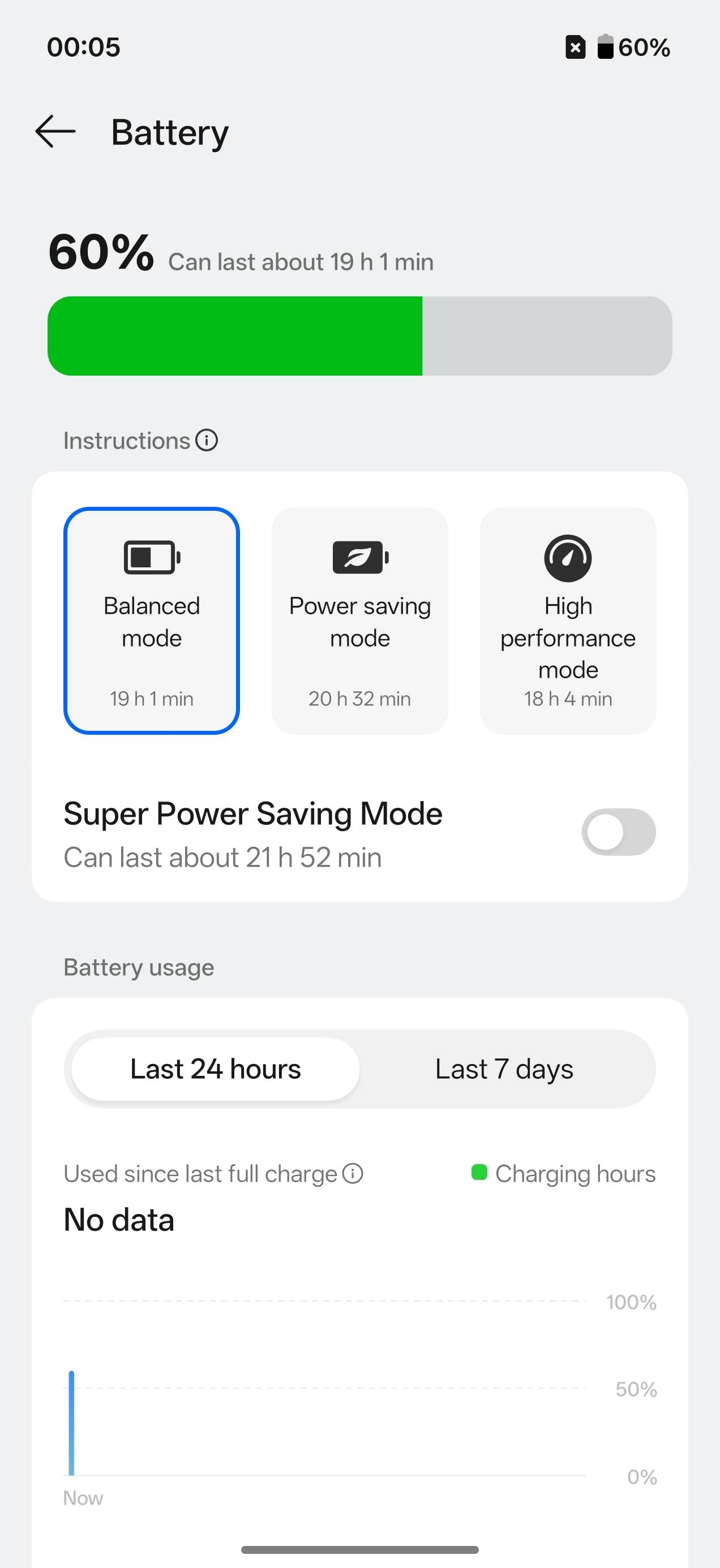
The OnePlus 15 adopts ultra-narrow bezels (1.15mm on all sides) and a flat display, maximising screen real estate and modernising the aesthetic. The company claims military-grade micro-arc oxidation has made the OnePlus 15’s frame significantly harder than titanium or steel, with a finish designed to resist corrosion and stay vibrant. The phone’s battery is larger and paired with improved cooling, supporting power users and mobile photographers alike.
The OnePlus 15 feels like a confident redefinition of the brand’s flagship identity. By moving away from Hasselblad and developing its own DetailMax Engine, OnePlus is signalling a shift toward greater creative control and technical independence, much like what Apple and Google have done with their camera systems. For buyers, the phone’s sharper, flatter design and new materials make it look and feel distinctly premium, while still staying true to the brand’s performance-first ethos. If you liked the design of the OnePlus 13s, you might be drawn to the upcoming OnePlus 15. However, fans of the older circular camera design might not welcome the change as much. If you value design precision and long-term refinement over flashy experimentation, the OnePlus 15 could be the most balanced flagship OnePlus has built in years.
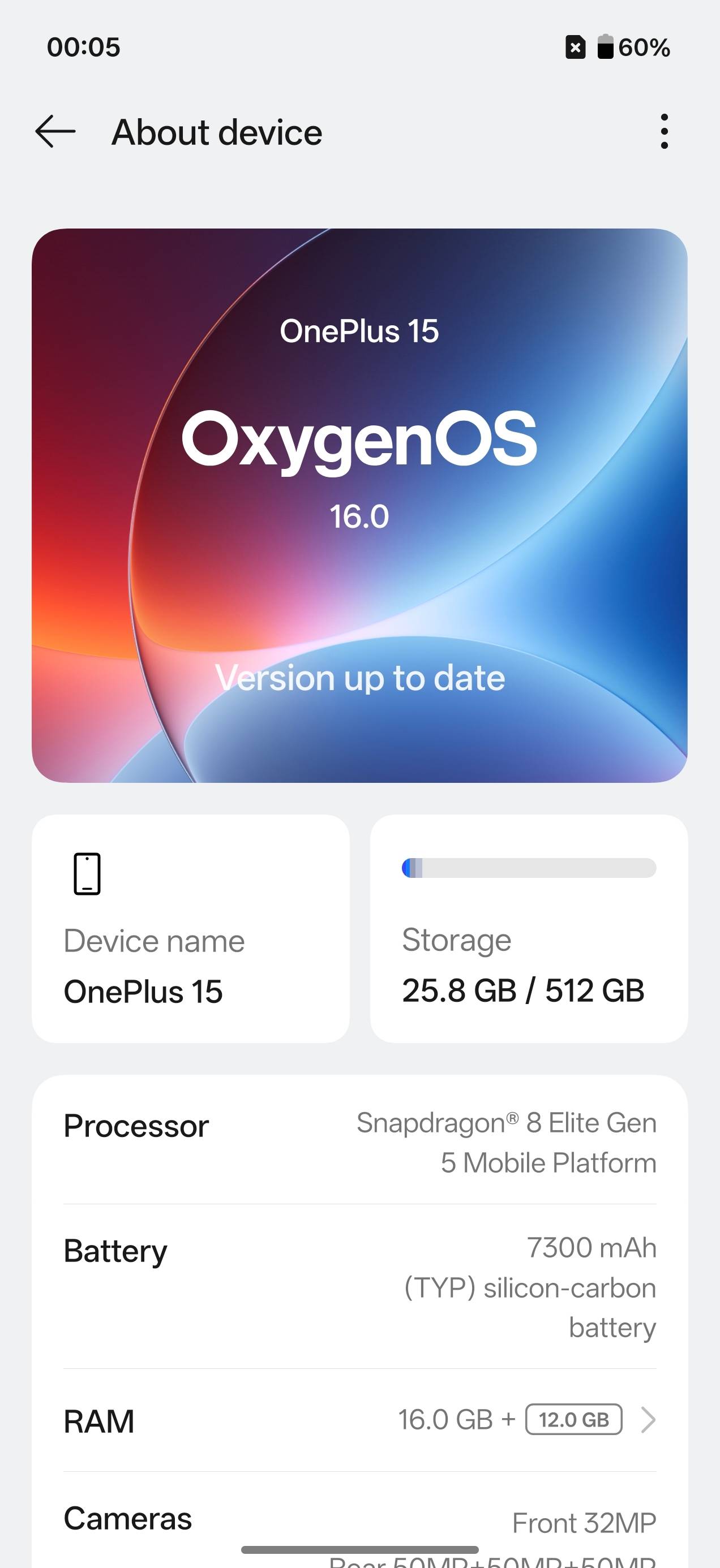
According to previous leaks, the OnePlus 15 is expected to launch in China on October 27th. The handset could be the first to ship with the Android 16-based OxygenOS 16, and will pack the new Snapdragon 8 Elite Gen 5 chipset.
OnePlus 15 Images