OPPO K15 Pro and K15 Pro+ officially launched in China with built-in cooling fan, MediaTek Dimensity SoCs, up to 8,000mAh battery, and more


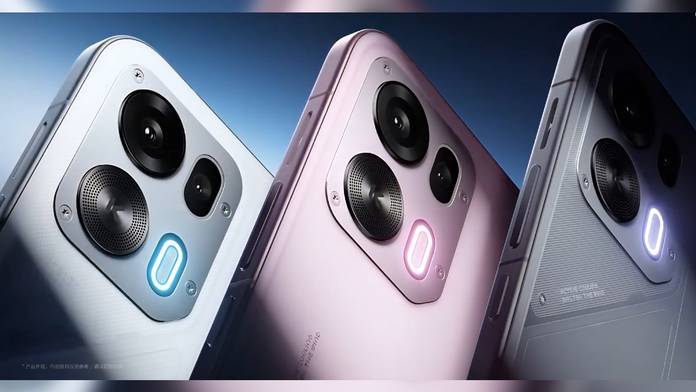
The OPPO K15 Pro and K15 Pro+ have officially debuted in China as successors to last year’s K13 Turbo lineup. Both smartphones are built along the same lines as their predecessors, prioritising performance and offering a built-in fan to keep the thermals in check. However, there are some notable upgrades to be seen. This time around, OPPO has shifted entirely to MediaTek chipsets for the K15 Pro series. The K15 Pro+ is powered by the sub-flagship Dimensity 9500s chipset, recently seen on the POCO X8 Pro Max, while the standard K15 Pro is equipped with the Dimensity 8500 Super SoC.
Table of Contents
OPPO K15 Pro and K15 Pro+ price in China
The OPPO K15 Pro is priced in China starting at CNY 2,999 (~Rs 41,000). The OPPO K15 Pro+, on the other hand, comes with a sticker price of CNY 3,499 (~Rs 47,000) for the base variant. The handsets are available in Cyber Wings, Origin Grey, and Photodust shades, while the Golden Legend is exclusive to the K15 Pro smartphone.
OPPO K15 Pro and K15 Pro+ specifications
The OPPO K15 Pro and K15 Pro+ both debut with a near-identical design, offering a square rear camera deco, “LanYing breathing LED lights”, which can react to calls and notifications, and a Cyberpunk-inspired design. The smartphones also feature a built-in active cooling fan for heat dissipation and are IP69-certified for dust and water resistance – an upgrade from its predecessors’ IPX9 rating.
Show Full Article


The OPPO K15 Pro+ features a 6.78-inch AMOLED display with a centred punch-hole cutout for the selfie camera, a 165Hz refresh rate, and an ultrasonic in-display fingerprint scanner. The standard OPPO K15 Pro, meanwhile, opts for a slightly smaller 6.59-inch AMOLED panel with a 144Hz refresh rate. Both panels mark a step up from last year’s 120Hz displays.
That said, much like the iQOO 15 and OnePlus 15 line-ups, the headline refresh rates are unlikely to be widely utilised in everyday use. Only a handful of supported games, such as BGMI and COD: Mobile, are expected to take advantage of the higher refresh rates, while system UI and most apps will likely remain capped at 120Hz. For security, the standard OPPO K15 Pro boasts an optical in-display fingerprint scanner.
At the core of the OPPO K15 Pro+ sits the MediaTek Dimensity 9500s SoC—a capable chipset that should handle everything from day-to-day tasks to sustained gaming without breaking a sweat. To keep thermals in check, OPPO has equipped the device with a large vapour chamber cooling system, complemented by a built-in fan for active heat dissipation.
The same cooling approach extends to the OPPO K15 Pro, which is powered by the slightly less powerful MediaTek Dimensity 8500 Super chipset. Notably, this marks the global debut of the Dimensity 8500 with the ‘Super’ branding. Both devices are offered with 12GB of LPDDR5X RAM and either 256GB or 512GB of storage. The K15 Pro supports UFS 3.1 storage, while the K15 Pro+ offers UFS 4.1.


Battery capacity is another standout. The K15 Pro packs a sizeable 7,500mAh unit, while the K15 Pro+ pushes things further with an 8,000mAh battery. These large cells make sense given the gaming-focused positioning and the inclusion of an active cooling fan. While such capacities are becoming more common, they’re still impressive at this scale. Furthermore, OPPO has backed the devices with fast charging, with 80W fast wired charging support.
On the imaging front, both smartphones feature a dual rear camera setup, headlined by a 50MP primary sensor paired with an 8MP ultra-wide lens. It’s a more practical combination compared to the 2MP monochrome sensor seen on the K13 Turbo series, though versatility remains limited. Still, it should suffice for casual photography, ideal for users who occasionally snap photos between gaming sessions. On the front, the K15 Pro series houses a 16MP camera for selfies and video calls.
Both smartphones run Android 16-based ColorOS 16 out of the box, and in terms of connectivity, you get a USB Type-C port, 5G, dual 4G VoLTE, Wi-Fi 6, Bluetooth 5.4, NFC, and GPS.
While these smartphones look promising on paper, there’s still no confirmation of an India launch for the OPPO K15 Pro series – so the wait may be longer than expected. In the meantime, if you’re after a mid-range phone with a strong gaming focus, options like the POCO X8 Pro Max, iQOO 15R, and even last year’s OPPO K13 Turbo series continue to be dependable alternatives worth considering.