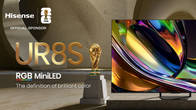
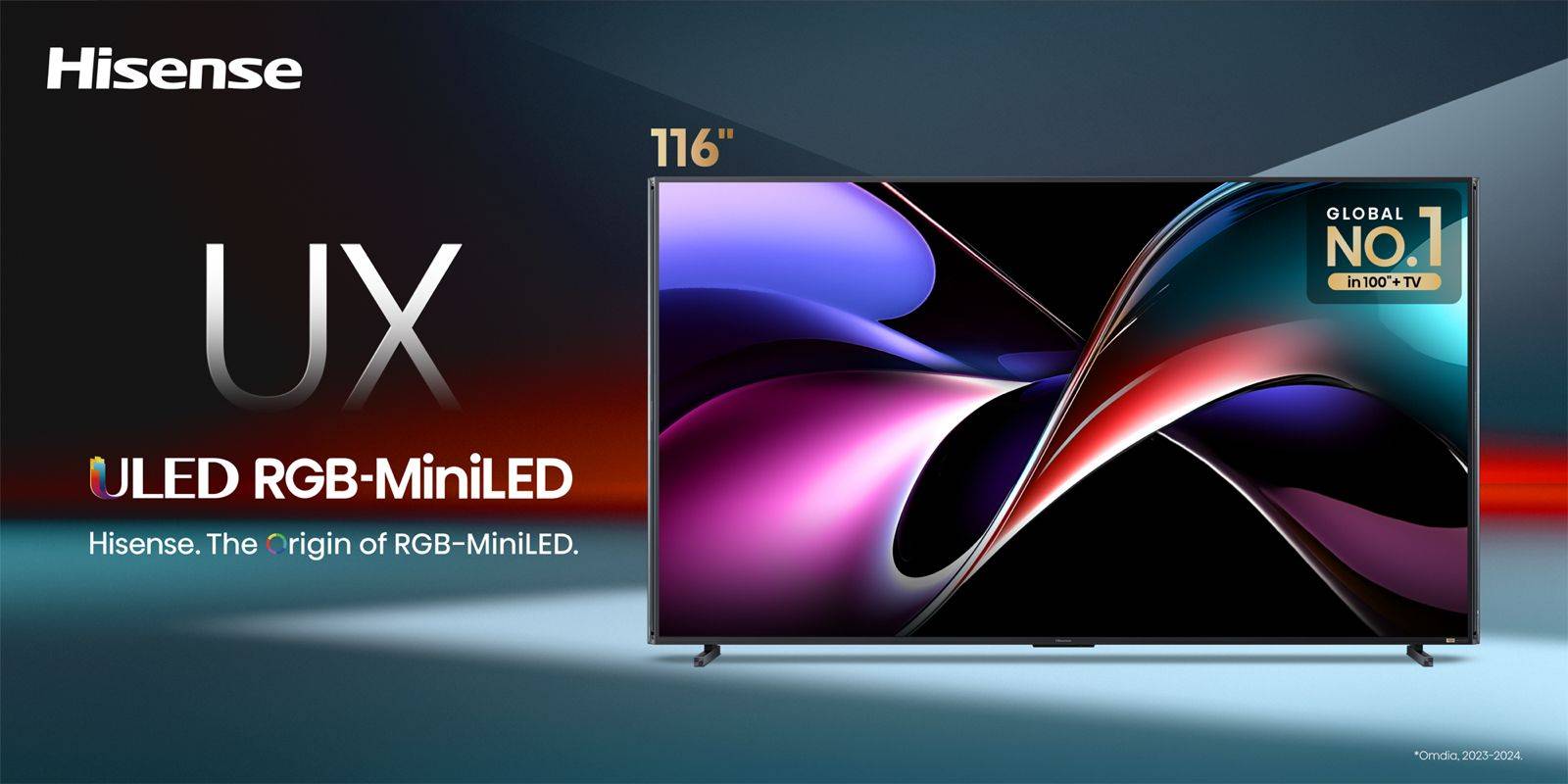
RGB mini-LED could well be the next big thing in TV technology. This tech uses RGB LEDs instead of the blue ones used by regular mini LED TVs. It promises richer, more accurate colours, improved brightness and better contrast levels, among other benefits. Hisense seems to be charting the way with the 116UX, a 116-inch model. It also showcased a smaller 85-inch model that uses RGB mini-LED at the recent IFA 2025. In India, the Hisense Group has the Hisense and Toshiba brands under its umbrella for smart TVs, and is attempting to make a mark in appliances with air-conditioners. We had an engaging conversation with Pankaj Rana, CEO of Hisense Group India, to understand his plans for the Indian market.
Deepak:
While Hisense is a globally recognised brand, in Indian we have established players like LG and Samsung, which are well-known in the TV segment. How does Hisense differentiate itself and create a name for itself in the Indian market?
Pankaj:
That’s a great question. Hisense is a global brand and a large multinational company, and in the TV business, we have become quite prominent over the years in major markets, including North America and Africa.
In India, the TV sector is dominated by three or four major brands, which together control about 75 to 80 percent of the market. However, we believe there is a significant opportunity for a new brand with a global legacy, product line, and advanced technology to establish itself in India.
There are three pillars to our India expansion:
Global Supply Chain Management and Technology: As a global brand, supply chain management is critical. Managing volume worldwide enables better negotiation for components and cost efficiency. In technology, we have launched the world’s first RGB Mini-LED TV. Our global scale and supply chain bring efficiency to the Indian market, much like Chinese mobile phone brands did when they entered India.
Brand Creation through Sports Marketing: Hisense has built its brand worldwide by being an official sponsor of major soccer events, including the 2026 World Cup and the previous editions in Russia and Qatar, as well as Euro Cups and various soccer leagues. Soccer, being the world’s most popular sport, has given us great success globally, and we aim to replicate this in India through aggressive sports marketing, starting with soccer. We also recognise cricket’s importance in India and plan to enter other popular sports marketing avenues gradually.
Focus on the Large-Screen TV Segment: We see considerable scope in the Indian market for large-screen TVs (75, 85, 100 inches). Currently, our lineup of large-screen SKUs is the highest, operating both Hisense and Toshiba brands. Between these two brands, we have over 20 SKUs in the large-screen category. Our technologies include 4KTV, LED TV, Mini-LED TV, and, for entry segments and distribution channels, 2K options. We cover all technologies and price varieties, and this broad offering is helping us gain traction both online and offline.
Deepak:
Building trust with Indian consumers, especially in a category like TVs, is critical. How do you build that trust for Hisense in India?
Pankaj:
Building consumer trust is crucial in India, as in any market. After-sales service plays a critical role. We are investing in our after-sales network and working to connect with customers through service teams and marketing campaigns.
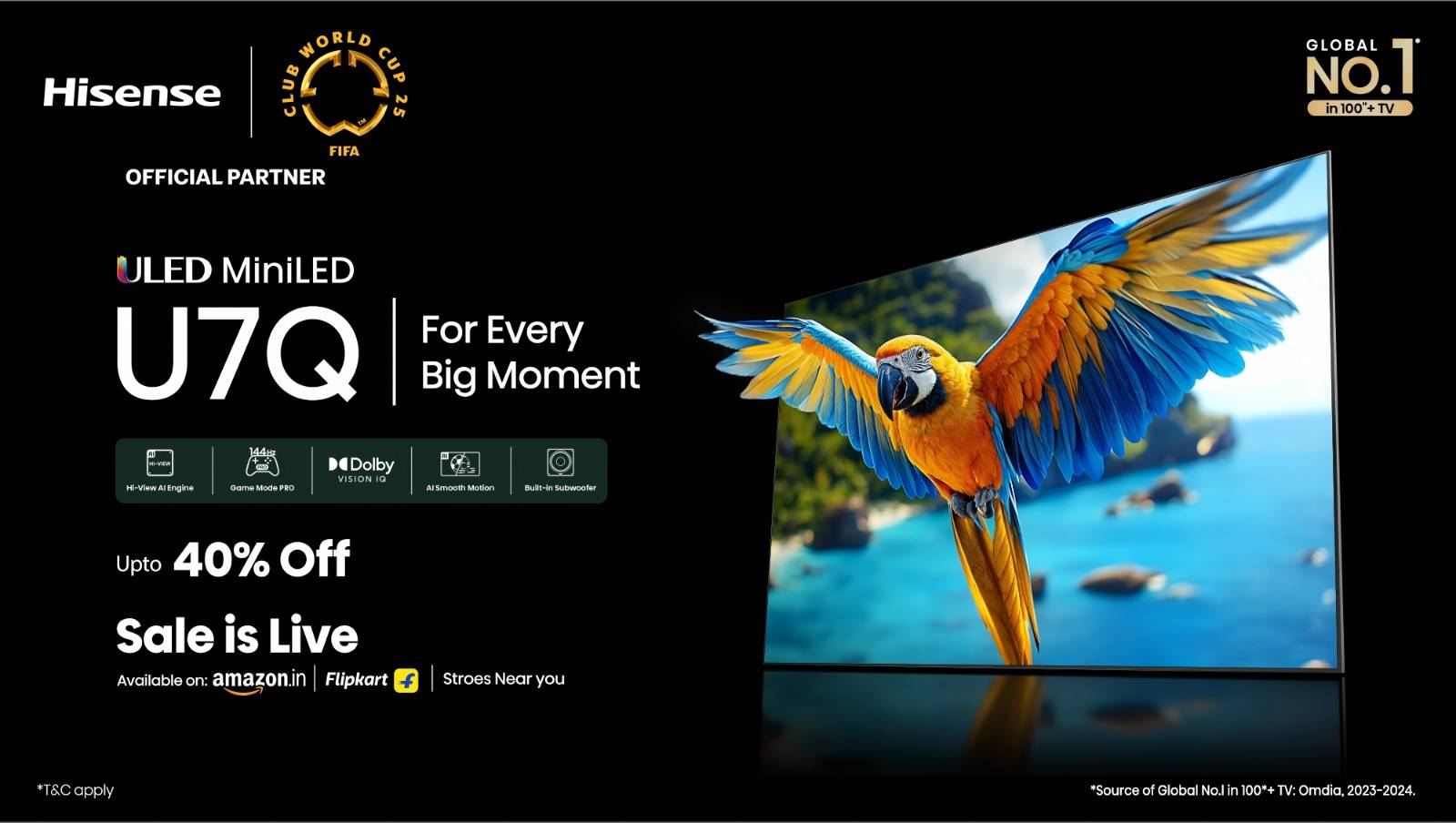
We market ourselves as the global number one in 100-inch TVs and as the first to launch RGB Mini-LED TVs, which helps earn customer confidence. In both online and offline channels, we hire experts from leading companies to provide credibility and authentication for our dealer networks and channel partners. In India, offline business still relies heavily on relationship management. By employing people with strong industry experience and connections, we can build long-term trust with partners and ultimately with end customers.
We conduct brand tracking each year to measure awareness and affinity. Currently, our awareness level is at 35 percent, but brand affinity is at 95 percent, meaning consumers who know Hisense believe it’s a quality, innovative brand. So, our major focus now should be to build broader brand awareness in India; trust will follow in time.
Deepak:
You also mentioned Toshiba. How does your dual-brand strategy work in India?
Pankaj:
In India, customers still appreciate Japanese brands, so there is space for promoting Toshiba as a Japanese TV brand. Toshiba is the number one TV brand in Japan, holding about 25 percent market share there. It is fully managed from its headquarters in Tokyo, with over 150–200 engineers working on audio, picture quality, and product development. We own both brands globally, but for Toshiba, research and development is exclusively done in Japan, not just white-labeled.
With Hisense, we target mid to premium customers, and with Toshiba, we target a more premium segment within India.
Deepak:
You’ve mentioned a focus on large screens in a value-driven Indian market, but traditionally, 32-inch TVs have been most popular. And now, 55-inch screens are becoming popular, but your lineup includes even larger options. How does your study reflect actual demand in India?
Pankaj:
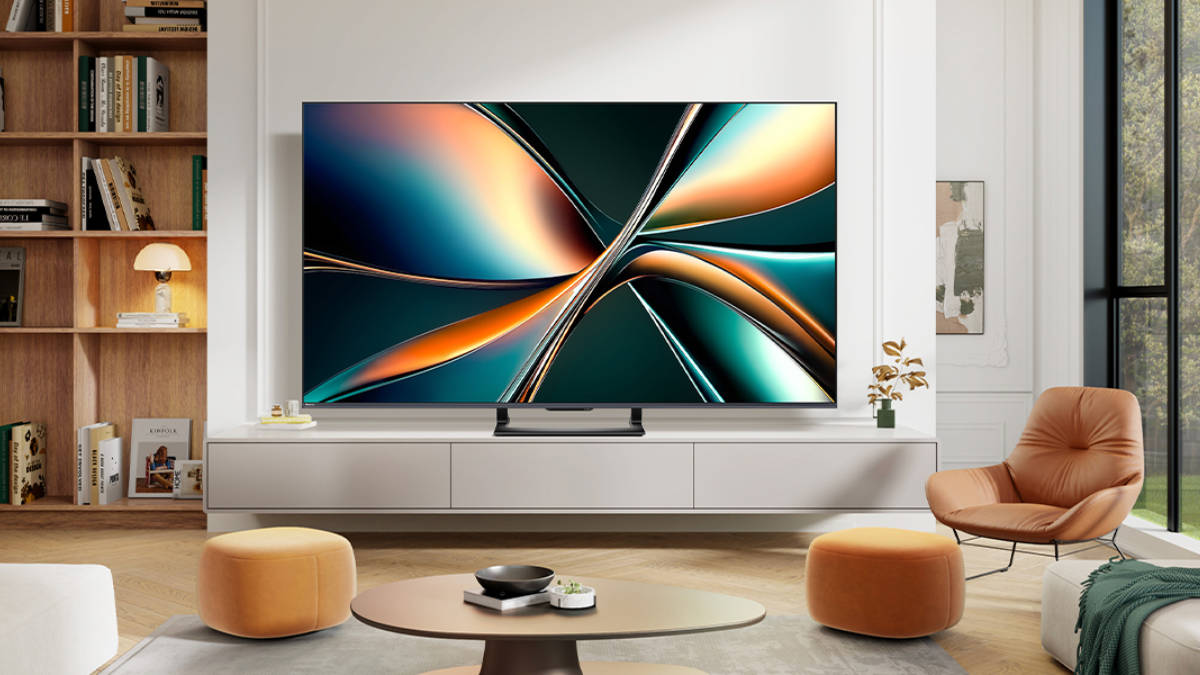
While we offer a complete range starting from 32 inches up to 116 inches (RGB Mini-LED), our focus is to establish Hisense as a large-screen brand (75, 85, 100 inches). However, we also continue to market and promote the 43, 55, and 65-inch segments as these are considered large screens in India.
A recent regulatory change (GST reduction by 10 percent on screens above 32 inches) has made larger screens more affordable, encouraging customers to upgrade. In India, screens larger than 55 or 65 inches are still seen as big, and this perception will continue for the foreseeable future.
Deepak:
Is Hisense doing anything from a “Make in India” perspective?
Pankaj:
Currently, our TVs are manufactured by Dixon and Bhagwati (BPL) in India. For air conditioners, we are partnering with EPack Group and plan to open an AC factory by the end of this year. In future, we may look at manufacturing TVs in India, but for now, all our India policy requirements are met.
Deepak:
Are there specific AI features in Hisense TVs that you are promoting?
Pankaj:
Customers and brands are now genuinely recognising the value of AI features. For us, AI integration is already present in sound tuning, picture tuning, and user interface—everything is powered by chipsets and microprocessors. In both Hisense and Toshiba TVs, AI enhances sound and picture quality.
Deepak:
Let’s discuss gaming. The gaming community is growing, and you have some gaming-oriented devices. What are you doing in this area?
Pankaj:
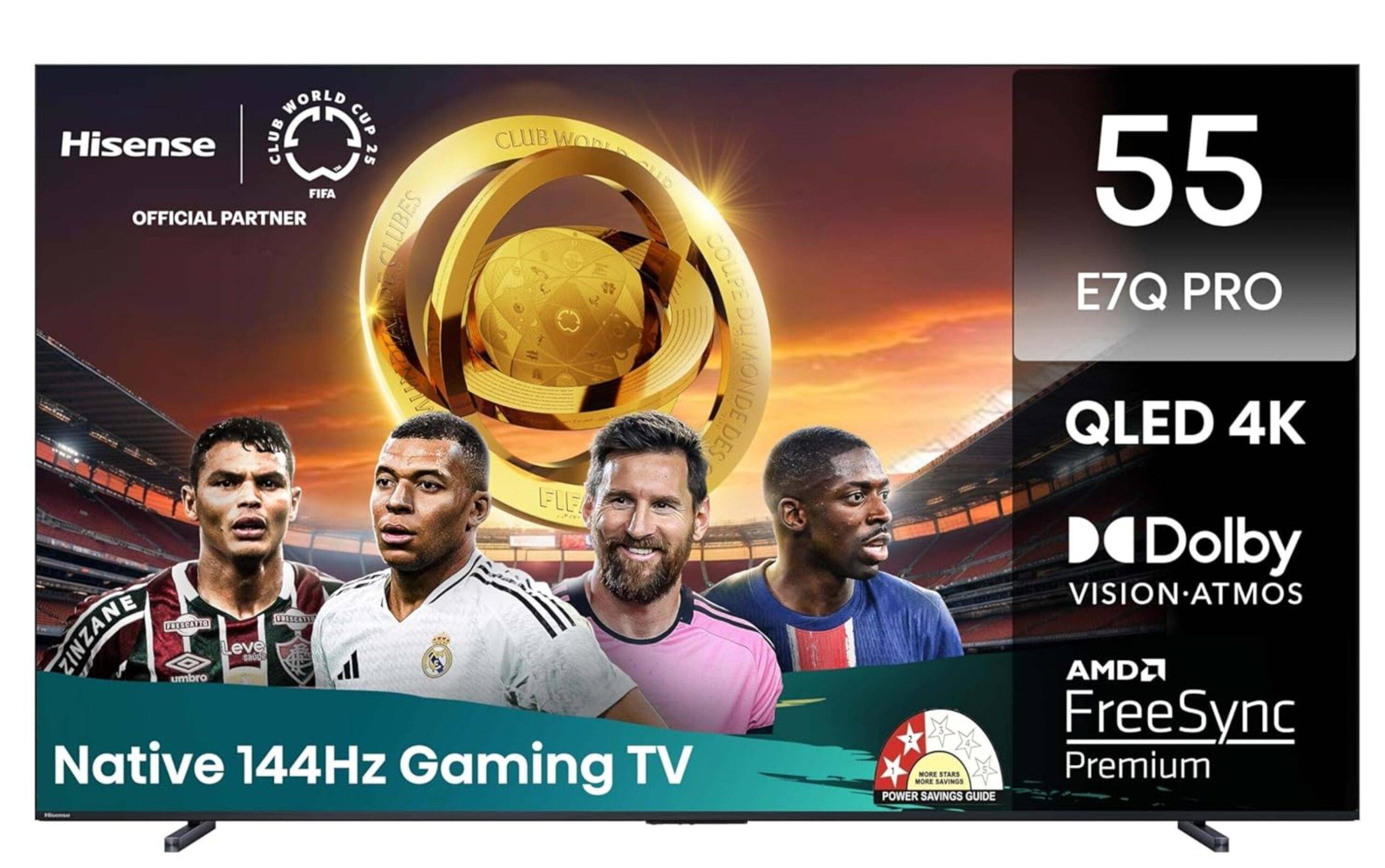
Gaming TVs need better refresh rates, such as 144Hz or 165Hz. Our TV range includes 60Hz, 144Hz, and 165Hz models, with AMD Sync processors for optimal gaming performance. Features like high refresh rates and AMD chipsets are what make our TVs suitable for gaming. Our products have also been recognised with awards for best gaming TVs.
Deepak:
In smartphones, the “gaming” tag is often perceived as a sign of better performance, even by non-gamers. Does this perception apply to TVs as well?
Pankaj:
Absolutely, it applies to TVs. Gaming features are essential not only for playing games on devices like PSP or Xbox but also for watching sports. When watching cricket, soccer, or tennis, gaming-certified TVs offer better speed and clarity, resulting in a smoother viewing experience, even if it’s difficult to see with the naked eye.
Deepak:
You also mentioned technologies like Mini-LED and Laser TV. These are premium technologies. From an Indian perspective, how are you promoting their benefits to increase awareness and adoption?
Pankaj:
To explain simply, Laser TVs are ideal for binge-watching or extended sports viewing because they cause minimal eye strain. They offer larger, lightweight screens and can be installed flexibly for varying screen sizes (from 75 to 100 inches). Our Laser TVs maintain picture quality despite ambient light and allow for screen size adjustment. Though the market is small now, demand is growing, especially among resorts, experience centres, and home theatre enthusiasts.
Deepak:
Could you elaborate on the RGB Mini-LED TV and Dolby Vision partnership?
Pankaj:
We are the first brand to integrate Dolby Vision into our RGB Mini-LED HD range, although I don’t have all the details at the moment.
Deepak:
As for other categories like air conditioners and appliances, what is the strategy and roadmap for Hisense in India?
Pankaj:
Air conditioners will be a major category for us. We are setting up a factory with EPack in Hyderabad and launching a full range by year-end. We will cover all technologies and capacities, and we aim for strong support from the market. The AC market is tough due to seasonal demand and weather, but we believe growth will be strong in the coming year.
Deepak:
What are the plans for the festive season?
Pankaj:
India is a country of festivals, so we begin our campaigns with Onam in South India, then move to Durga Puja, Dussehra, and Diwali. We are planning region-specific campaigns in local languages to connect better with customers, using radio and cinema. As a new brand, we target markets where we’re strongest (especially in South India) and focus on regional and digital language campaigns.