With the launch of the PS5, Sony introduced a bunch of new interesting technologies. The biggest highlights for me were the haptic feedback, the adaptive triggers in the DualSense controller, and the 3D audio when wearing headphones. I used my HyperX Cloud II wired headphones (wired) with the DualSense controller for the longest time for immersive 3D audio. When it was time to upgrade my gaming headphones, I went with the Sony Pulse 3D as they worked well with all my consoles at hand. Today, I have the PlayStation Pulse Elite headphones for review. The unique thing about the Pulse Elite is that they come with Planar Magnetic drivers. We can go on and on about how and why Planar Magnetic drivers are awesome, but we will save that for another article. Today we will aim to answer 1 simple question. How much of an upgrade is the Pulse Elite (priced at Rs 12,490) over the Pulse 3D which is available at about Rs 8,000? Let’s find out.
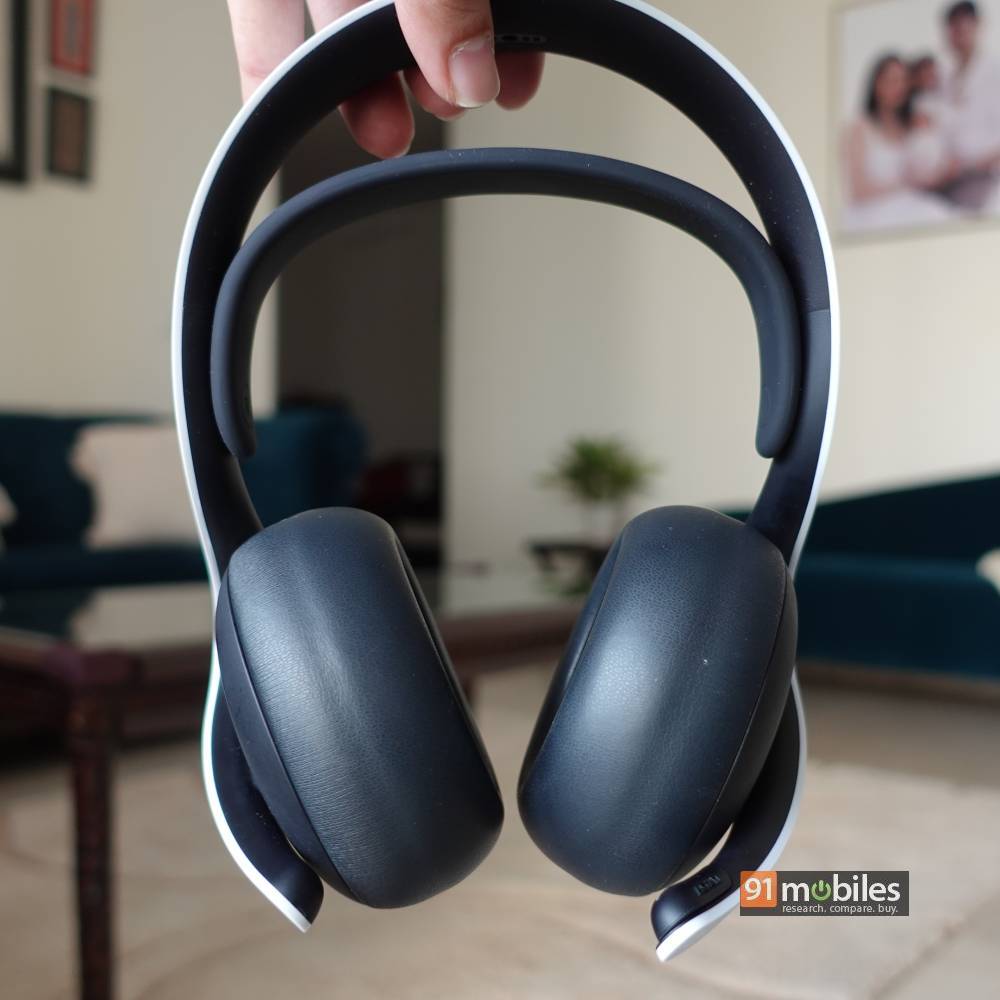
Table of Contents
Design
The Pulse Elite have black earcups and a white headband keeping in line with the design of the PS5 and also the Pulse 3D headphones. The difference is that the headband that integrates seamlessly into the earcups has an angular and edgy design. One complaint I have with the Pulse 3D is that for the longest time, I didnt know which was the left earcup because it did not have a distinct design element and you had to hunt for the L and R on the earcup. You won’t be making that mistake with the Pulse Elite. I wouldn’t call the headphones bulky, but rather “full” as they have a commanding presence when worn.
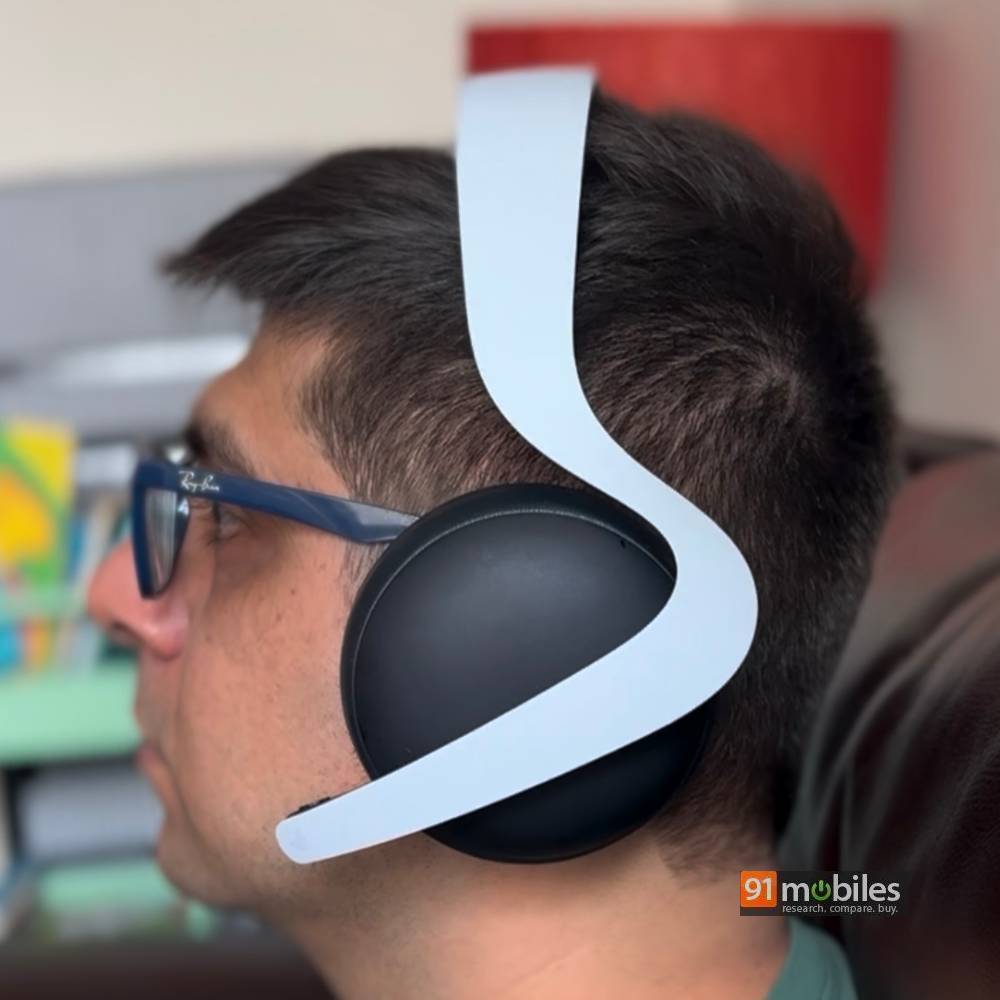
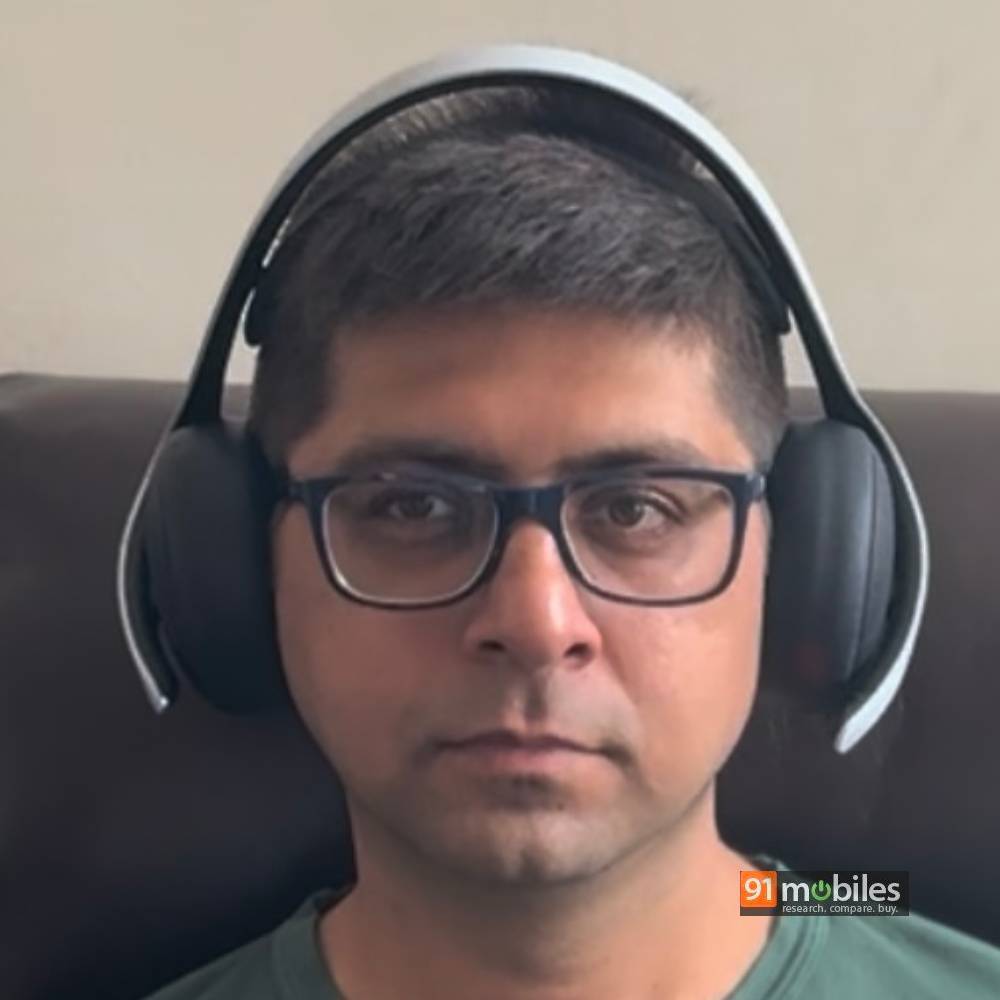
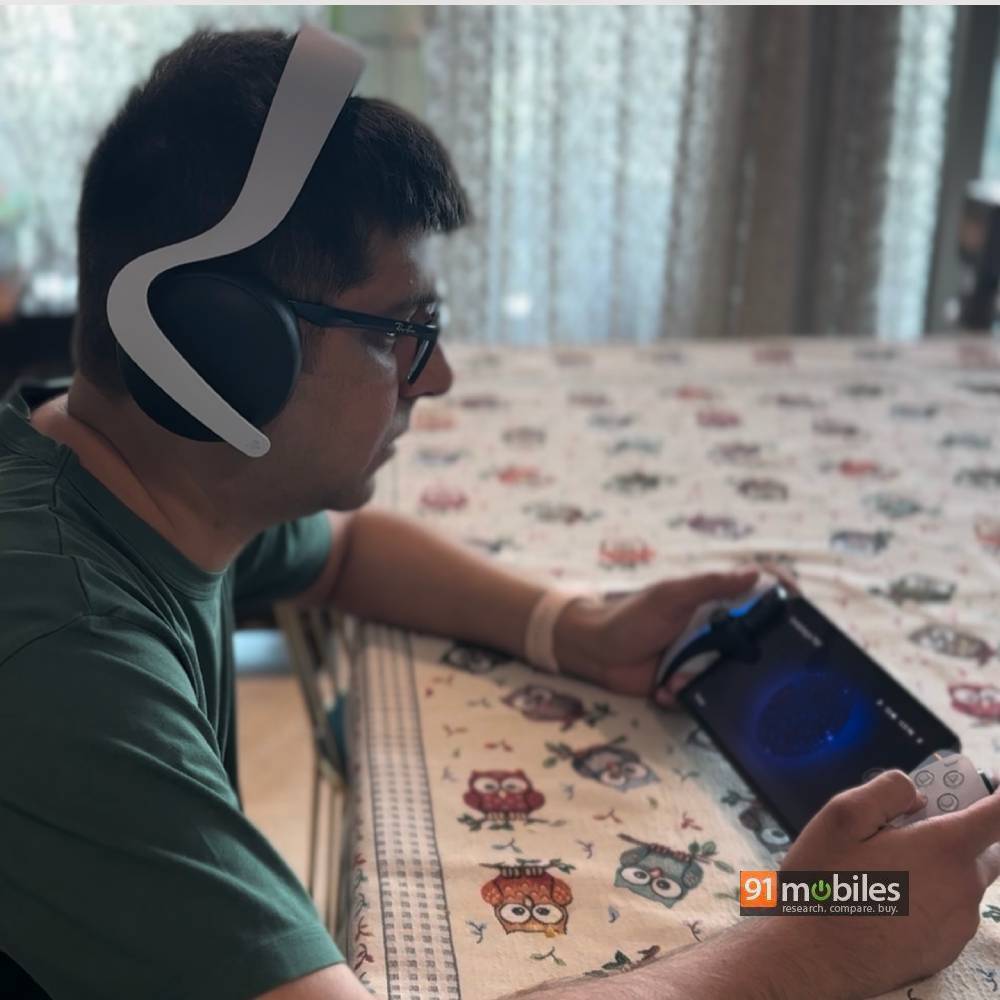
One thing that surprised me was how light and comfortable they felt for long hours of gaming. They don’t feel heavy, feel well-balanced and comfortable. The biggest striking difference for me when compared to the Pulse 3D is that while the Pulse 3D feels more “on-ear” (sitting on my ears), the Pulse Explorer are “over-ear” thanks to their larger earcups which makes them that much more comfortable and immersive for longer use. I am one with large ears, so finding “over-ear” comfortable earcups is quite challenging. This also helps with better passive noise isolation (more on that in the performance section).
The headset also has an integrated mic that you can simply pull out from its housing when you want to use it. It is flexible, so you can adjust its position close to or away from your mouth based on comfort.
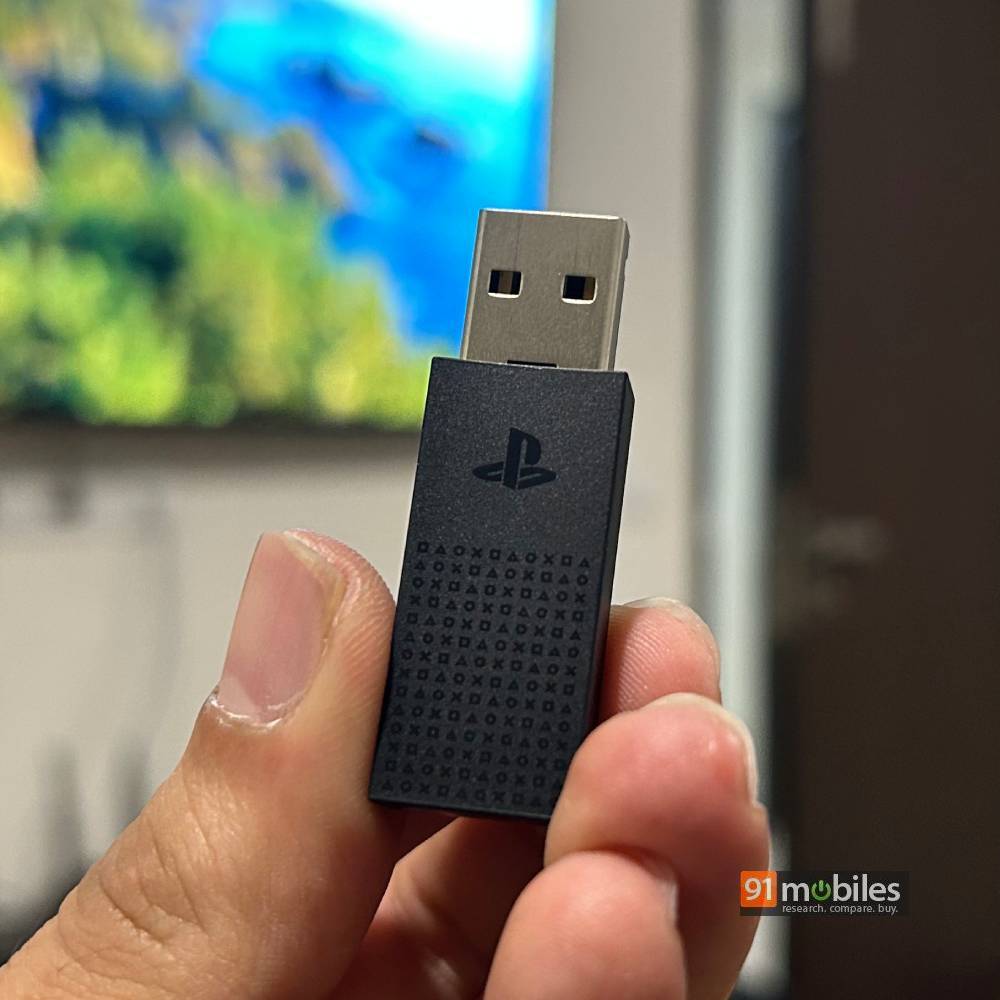
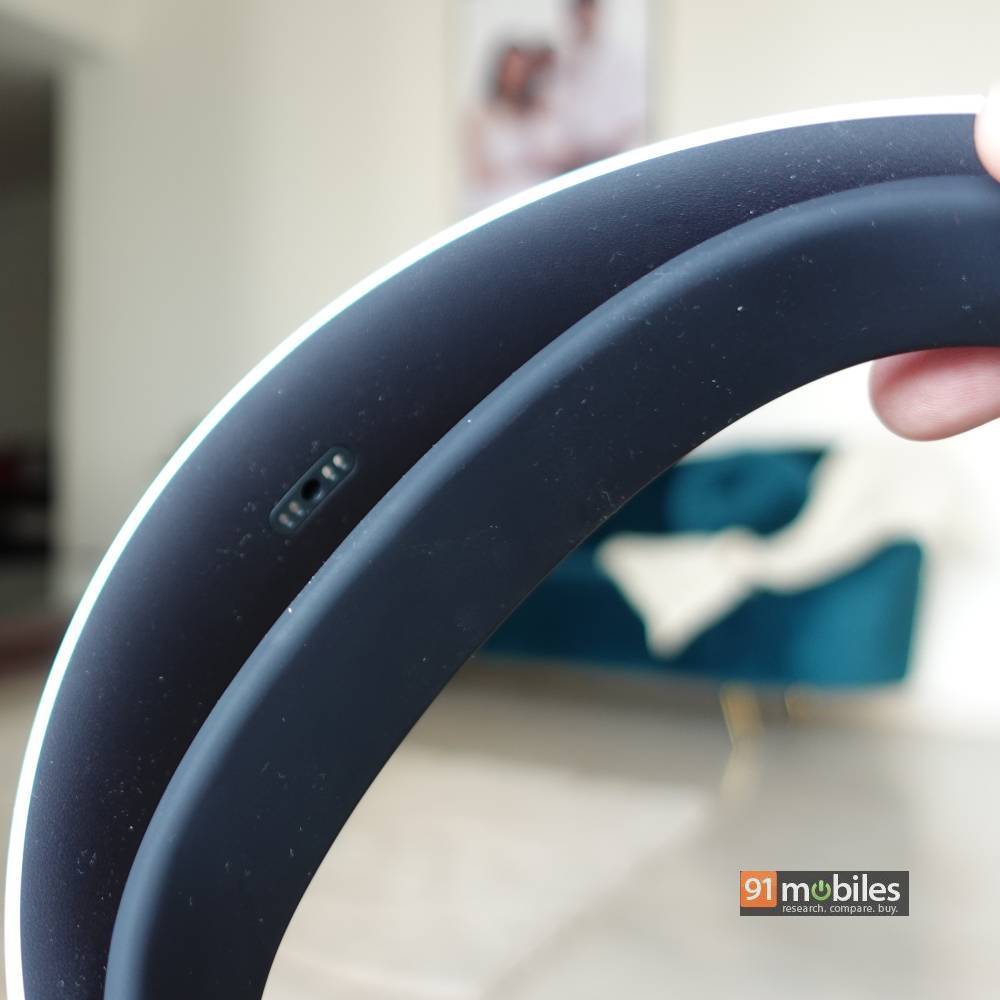
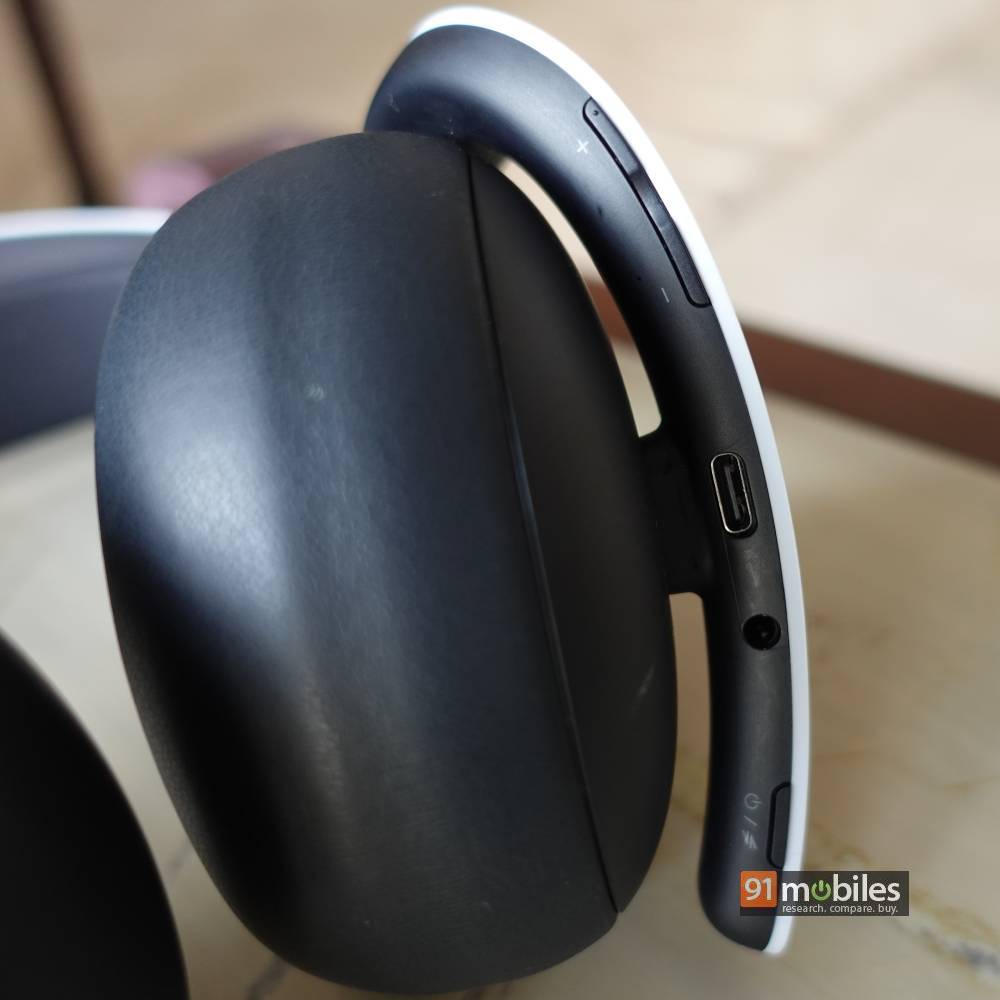
A very unique thing about the headset is that in addition to USB-C charging, the headband also has “connectors” and you get a charging dock in the box. Simply hang your Pulse Explorer on the stand and they charge when not in use. This is a great accessory to have in the box and considering the long battery life of the headset, you are setting yourself up to never run out of charge. Speaking of in the box, you also get a USB dongle to connect the headset to your PC and PS5. While the headset has a 3.5mm port, it sadly does not come with a 3.5mm cable in the box which for me is a big disappointment as I’d use the 3.5mm cable to connect the headset to my Switch and Xbox Series X.
Overall, the design is a big upgrade from the Pulse 3D in terms of both, form and function.
Setup
Setting up the Pulse Elite is identical to setting up the Pulse Explorer – you simply plug in the dongle in the USB port of the console, put on the headset and download the software update and you are good to go.
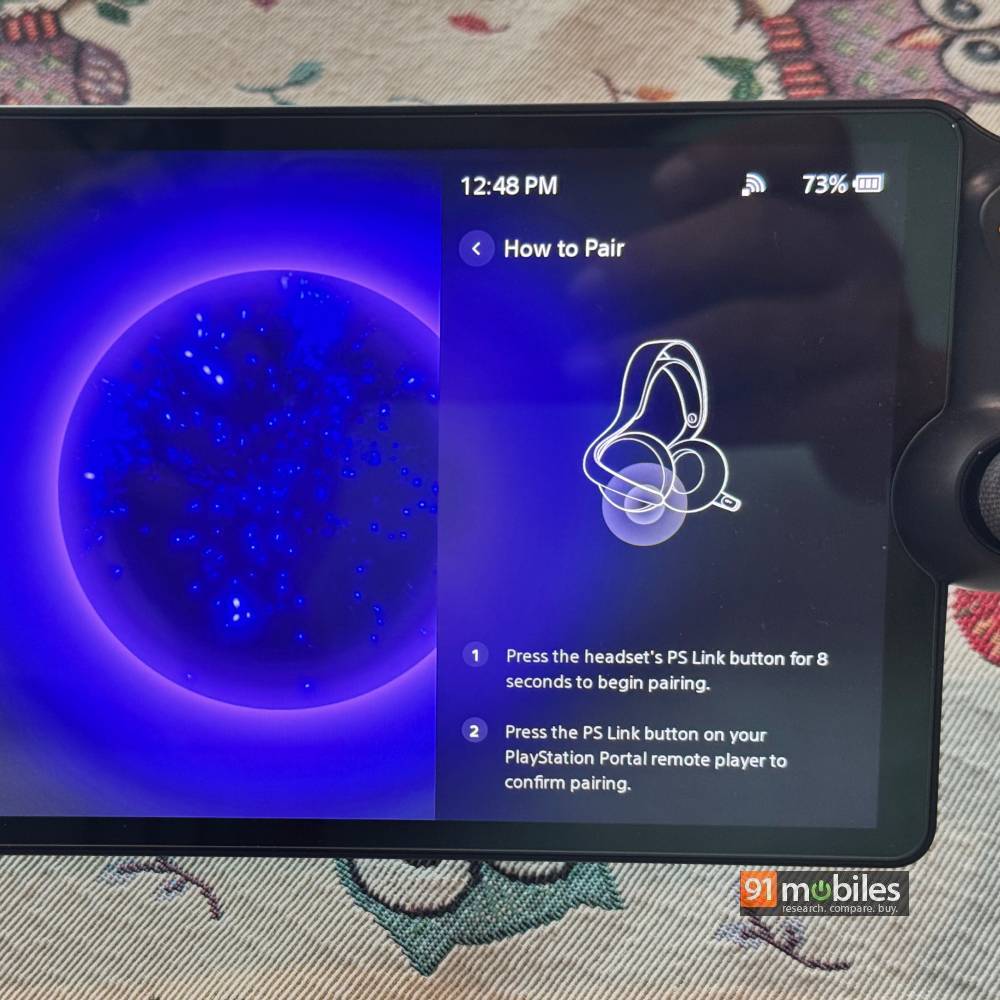
The same is true for the PS Portal. Press the link button on the portal, the same on the headset and you are good to go! The same PS link button is used to connect the headset to your smartphone.
Sound quality
Here’s the funny thing—both the Pulse Elite and Pulse Explorer have planar magnetic drivers, but I found the thump of the bass to be better in the Pulse Explorer (review) simply because the TWS had a snug fit with good isolation, leading to better bass. This is an out-of-the-box experience. Once you go into the equaliser settings on the console, I cranked up the bass a bit, and I was pretty happy with the results of the Elite too.
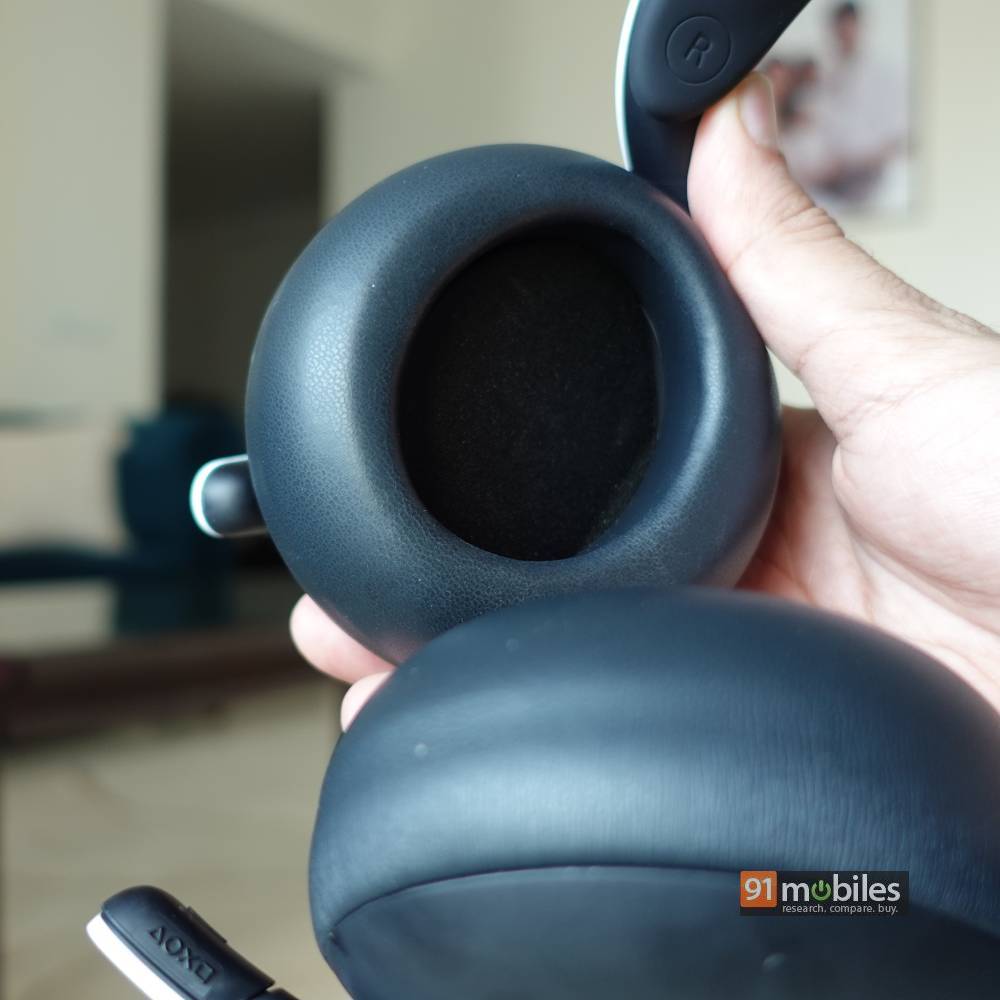
The Pulse Elite does not support ANC and I am glad as with ANC I cannot use headphones for a long duration. The passive noise isolation is very good to the point that during a heavy firefight in Call of Duty Black Ops 6, I could barely make out the cooker going off in the kitchen and the doorbell ringing, both of which are pretty loud.
Speaking of the audio quality, it is fantastic for both gaming and regular content consumption. The swish of the wind and the web shooters in Spider-Man 2 are very clear and there is very good separation between the vocals and action during gameplay. The opening Sandman battel is truly immersive and the 3D audio effects are great too. Even in GT7, the music rally race – the separation of tiers scratching and the background score is distinct.
2 games where the headphones were truly great were Stellar Blade and Astro Bot. In Stellar Blade, you have a pop-band-like background score and the clashing of your sword against the enemies was very satisfying. Astro Bot has a peppy background score with a lot of elemental sounds and they all sound engulfing and immersive.
When it comes to movies there is very good channel separation, especially in the race at the 11-minute mark in Ready Player One. As I said above, the bass felt a little lacking. Since I watched the movie using the Apple TV app on the PS5, I could tweak the bass, but I’m not sure you can do the same if you consume content on your phone or laptop using these headphones.
Battery life
“Holy smokes, it’s long!” is the only thing that’ll come to mind when you think of the battery life. The headset boasts 30 hours of life on a single charge and a 10-minute charge can give you up to 2 hours of battery life. The headset takes 2.5 hours to fully charge. Considering the charging dock you get in the box, I don’t think you’ll ever run out of charge when gaming with these headphones.
Verdict
If the Pulse 3D were good headphones for PS5 gaming, then the Pulse Elite are great! They offer way more battery life (30 hours when compared to the 12 hours on the Pulse 3D), come with planar magnetic drivers offering superior sound quality, have a better and more comfortable build and also connect wirelessly to the PlayStation Portal. The only downside is that they lack a bit of bass for movies and music and don’t come with a 3.5mm cable in the box. Whether you should upgrade from a Pulse 3D (or any other budget gaming headset) to these is subjective to your requirements. But if you are in the market to pick up a pair of mid-range headphones, especially if you are also rocking a PlayStation Portal, then the Pulse Elite are a no-brainer. For the same price, you can also check out the InZone H5 which is also a great option for gamers.
Editor’s rating: 8 / 10
Pros:
- Great sound output for gaming
- Good sound for music and movies
- Comfortable over-the-ear design
- Long battery life
- Charging dock in the box
- Works well with the PlayStation Portal
Cons:
- No 3.5mm cable in the box
- Low bass when consuming content on a smartphone/laptop
- White can get dirty easily