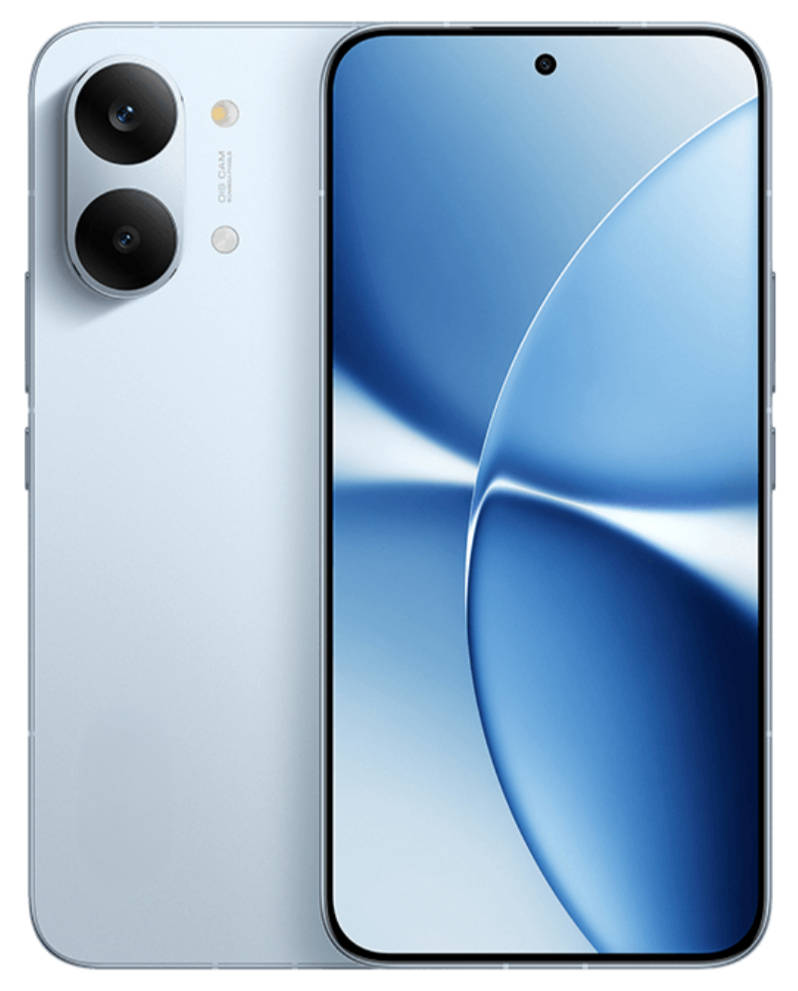
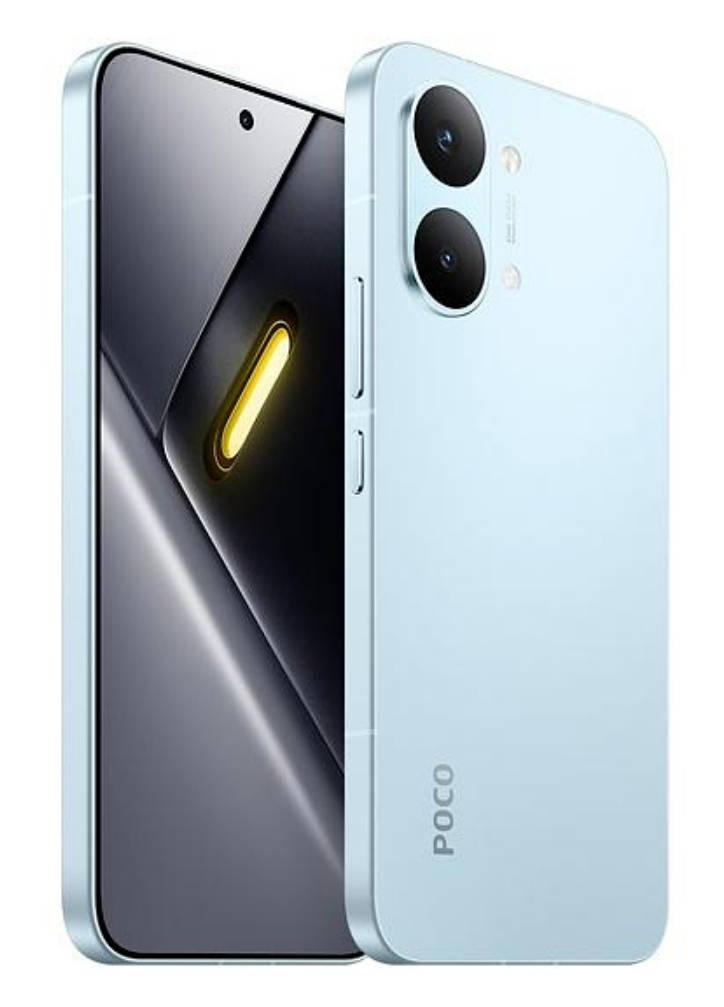
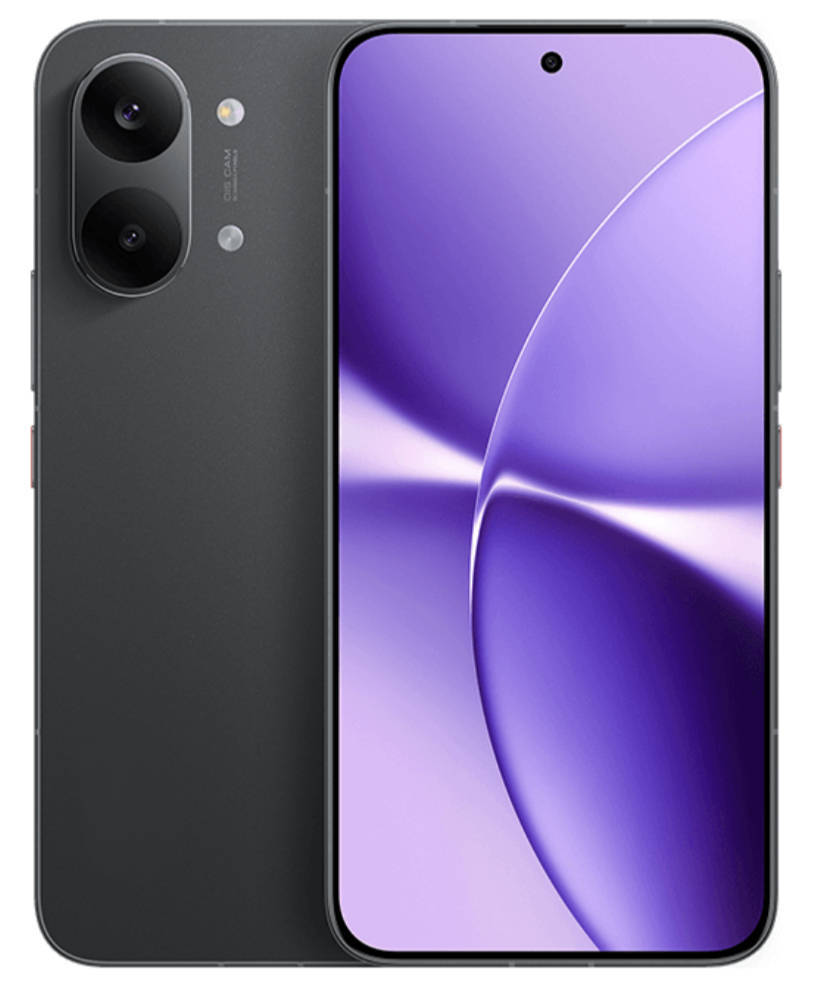
At around Rs 30,000, POCO offers two phones that appear quite similar on paper but follow different paths when examined more closely. The POCO X8 Pro, the more recent model, emphasises updated hardware, faster charging, and a focus on durability. The POCO F7, launched earlier, prioritises performance, a larger battery, and a build that feels somewhat more premium in the hand.
Both target the same kind of buyer seeking speed, substantial battery life, and a modern display, all without entering flagship territory. So if you’re confused whether you should go for POCO’s “flagship” F-series or the newer X8 Pro at around the same price point, we help you sort out your dilemma, though only based on specifications.
Table of Contents
Pricing: which one offers what under Rs 35,000?
The POCO X8 Pro begins at Rs 32,999 for the 8GB + 256GB variant, currently reducing to an effective Rs 29,999 with bank offers. The 12GB + 256GB version costs Rs 35,999, or Rs 32,999 effectively. An Iron Man Edition is available at Rs 37,999, dropping to Rs 34,999 with offers. Sales start on March 23rd via Flipkart.
The POCO F7 sits a step higher. It is priced at Rs 35,999 for the 12GB + 256GB variant and Rs 37,999 for the 12GB + 512GB version. Since the phone has been around since June 2025, there are no launch offers to enjoy, but the prices could come down during sale periods.
Currently, the X8 Pro gives you more room to play with offers and a lower entry point, while the F7 gives you more RAM by default without relying on discounts.
Design and durability: built to handle more or built to feel better?
The POCO X8 Pro comes across as the kind of phone you don’t have to think twice about. It carries IP66, IP68, IP69, and IP69K ratings, along with Gorilla Glass 7i, so it is clearly built to handle dust, water, and the usual wear and tear without much fuss. The regular versions stick to safe colours like black, white, and blue, nothing flashy, just easy to live with. Then there is the Iron Man Edition, which flips that completely with a black-and-gold finish and Arc Reactor-inspired detailing. It’s not subtle, but that’s the point.
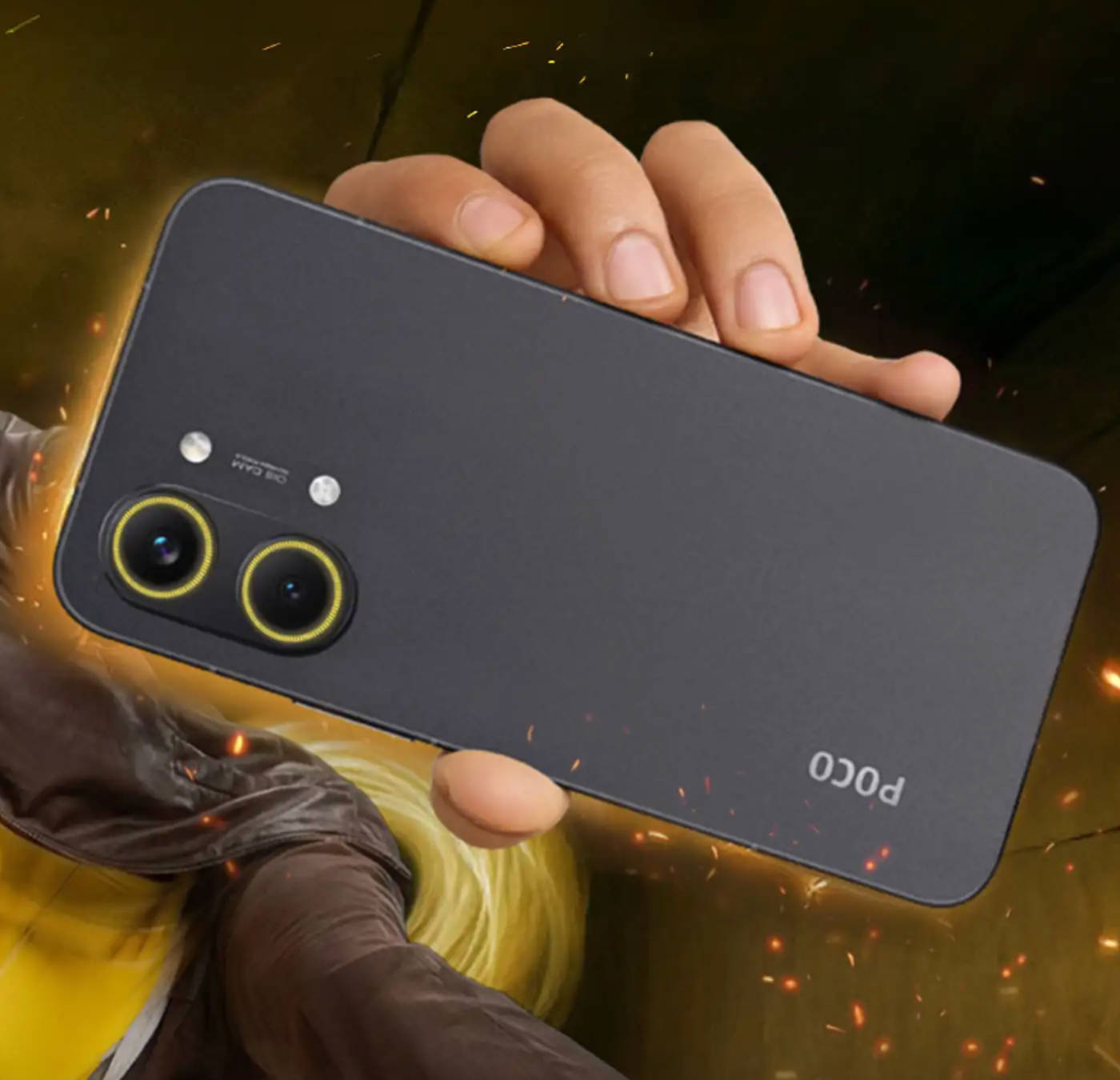
The F7 will feel different the moment you pick it up. The aluminium frame gives it a more premium touch, and while it is on the heavier side at 222 grams, it feels solid rather than bulky. The colour options, Phantom Black, Frost White, and Cyber Silver Edition, are more about finish than flair, with the silver variant adding a bit of character without going over the top.
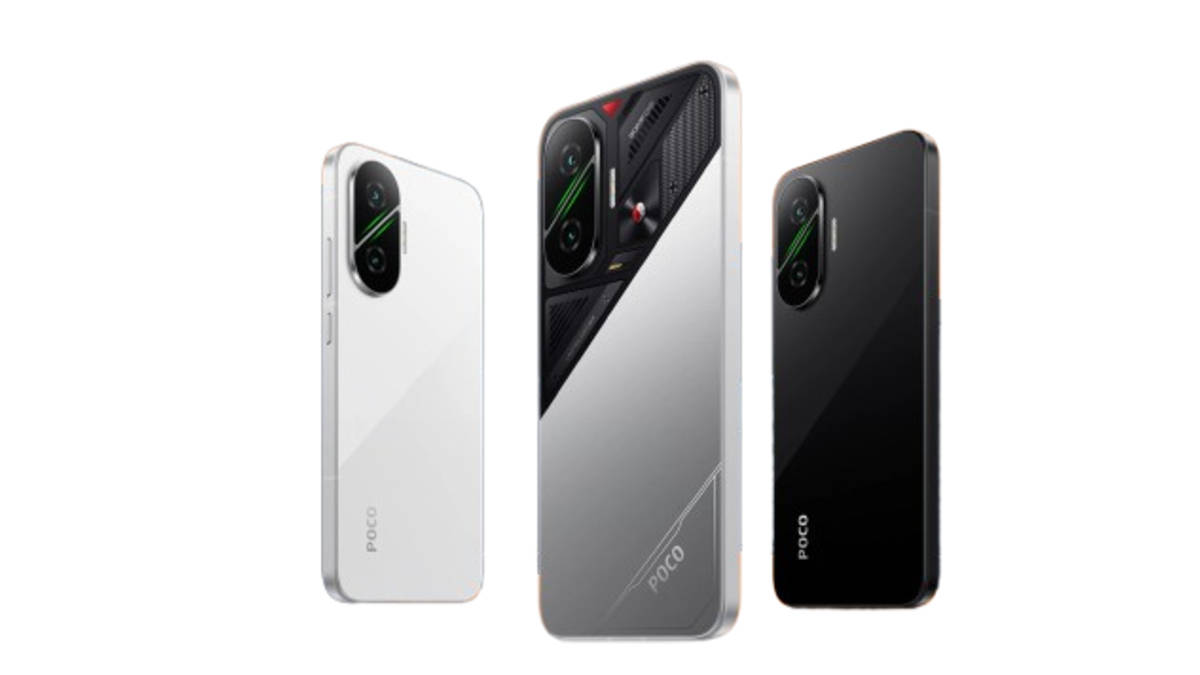
It really comes down to what you prefer in hand. The X8 Pro should feel sturdy with the option to go bold if you want. The F7 is the kind of phone that feels a bit more polished in everyday use.
Displays and Audio: larger screen or brighter display?
The POCO X8 Pro features a 6.59-inch 1.5K AMOLED display with a 120Hz refresh rate and 3,500 nits peak brightness. This brightness level becomes noticeable during frequent outdoor use.
The F7 provides a 6.83-inch AMOLED display, also at 1.5K resolution and 120Hz, with 3,200 nits peak brightness. The difference in brightness is there on paper, but in most real situations, both should be comfortable to use. What you will notice more is the size. The F7 simply gives you more room, whether you are watching videos, gaming, or just reading.
Both include stereo speakers with Dolby Atmos support, without significant differences in audio performance. If you prefer a slightly smaller phone that stays readable in harsh light, the X8 Pro fits. If you want a larger screen that feels more immersive, the F7 is easier.
Performance: newer platform vs established power
Both the POCO X8 Pro and F7 should deliver capable performance through distinct approaches. The X8 Pro packs the MediaTek Dimensity 8500-Ultra, a 4nm chipset with Mali-G720 GPU, tailored for gaming and multitasking, and as a newer platform, it brings updated architecture into the mix. The F7 uses the Snapdragon 8s Gen 4, paired with LPDDR5X RAM and UFS 4.1 storage. This combination is already known to deliver strong, consistent performance, especially in demanding tasks and longer sessions.

Both phones should feel fast in everyday use, but the F7 has a clear advantage on paper when it comes to sustained performance and overall headroom. We will have a better sense of how the X8 Pro holds up once our full review is out.
Cameras: similar setup, computation will matter
Both phones take a similar approach with a 50MP main camera, an 8MP ultrawide lens and a 20MP front camera. The X8 Pro uses an OmniVision sensor, while the F7 uses Sony’s LYT-600 sensor. On paper, there’s not much separating them, and both should handle everyday photography without issues. The difference could show up in consistency. Sony sensors tend to deliver more predictable results across lighting conditions, which gives the F7 a slight edge on paper. The X8 Pro should still perform well, especially in good lighting, but this is something that needs real-world testing.
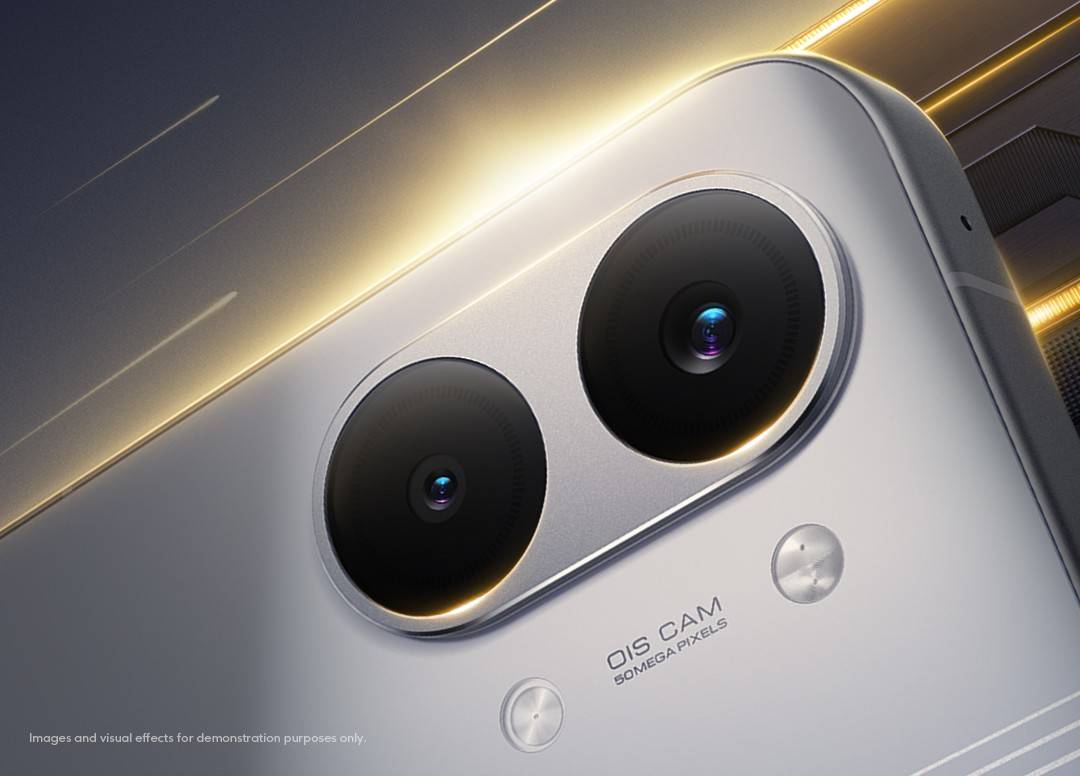
For now, this remains a spec-based comparison. Neither phone is built around cameras, and the real difference will only become clear once the X8 Pro is tested more thoroughly.
Battery and charging: last longer or charge quicker?
The F7 packs a 7,550mAh battery, which is among the largest in this segment. It’s built to last longer on a single charge, especially for heavier users. It supports 90W fast charging and 22.5W reverse charging. The X8 Pro uses a 6,500mAh battery, which is still large but focuses more on speed. With 100W fast charging and 27W reverse charging, it should get back to full quicker.
The F7 is likely to offer better endurance, while the X8 Pro should be more convenient when it comes to charging. We’ll have a clearer picture of battery life once the X8 Pro goes through our full testing.
Software and long-term support
The X8 Pro runs HyperOS 3 based on Android 16 out of the box, which gives it an immediate advantage in terms of software freshness. It also comes with a promise of four years of OS updates. The F7 runs HyperOS 2 based on Android 15 but matches that with four OS updates and extends support with up to six years of security patches. It starts one version behind but stays supported for longer overall.
So the choice here is between having the latest version immediately or a slightly longer support window over time.
Which one makes more sense for you?
POCO’s approach with these two phones is pretty clear. The F-series continues to carry the brand’s performance-first strategy, pushing stronger chipsets and long-term usability for users who care about speed and headroom. The X-series, with the X8 Pro, is evolving into something broader, balancing performance with features like faster charging, higher durability ratings, and more aggressive pricing through offers. Instead of one phone trying to do everything, POCO is splitting priorities across two lines.
The POCO X8 Pro fits if you want something newer, with faster charging, stronger durability, and a display that holds up well in bright conditions. It also makes sense if you are looking to bring the price down with offers. The POCO F7 makes more sense if performance is your priority. It offers a stronger chipset, faster memory, a larger display, and a bigger battery that should last longer through the day.
If you want a phone that feels fast and stays that way over time, the F7 is the safer pick. If you prefer faster charging, newer software out of the box, and a more rugged build, the X8 Pro is a solid alternative.
POCO X8 Pro Images