The Redmi Turbo 5 launched in India recently as the company’s first Turbo-series smartphone in the country. Primarily made for gamers or those who prefer a performance-heavy phone, it packs the MediaTek Dimensity 8500-Ultra chipset, a large 7,540mAh battery, flagship-grade durability, and several premium features. One of its closest rivals is the OnePlus Nord CE 6, which came in May and looks to strike a balance between battery life, display quality, and all-round performance with the Snapdragon 7s Gen 4 chipset, a 144Hz AMOLED display, and an 8,000mAh battery.
Both phones cater to buyers shopping under Rs 40,000, but they prioritise different strengths. Here’s a detailed comparison to help you decide which one fits your needs better.
Table of Contents
Redmi Turbo 5 vs OnePlus Nord CE 6: specs at a glance
| Specs | Redmi Turbo 5 | OnePlus Nord CE 6 |
| Display | 6.59-inch 1.5K AMOLED display, 120Hz refresh rate, 3,500 nits peak brightness | 6.78-inch 1.5K AMOLED, 144Hz refresh rate, 3,600 nits peak brightness |
| Processor | MediaTek Dimensity 8500-Ultra | Snapdragon 7s Gen 4 |
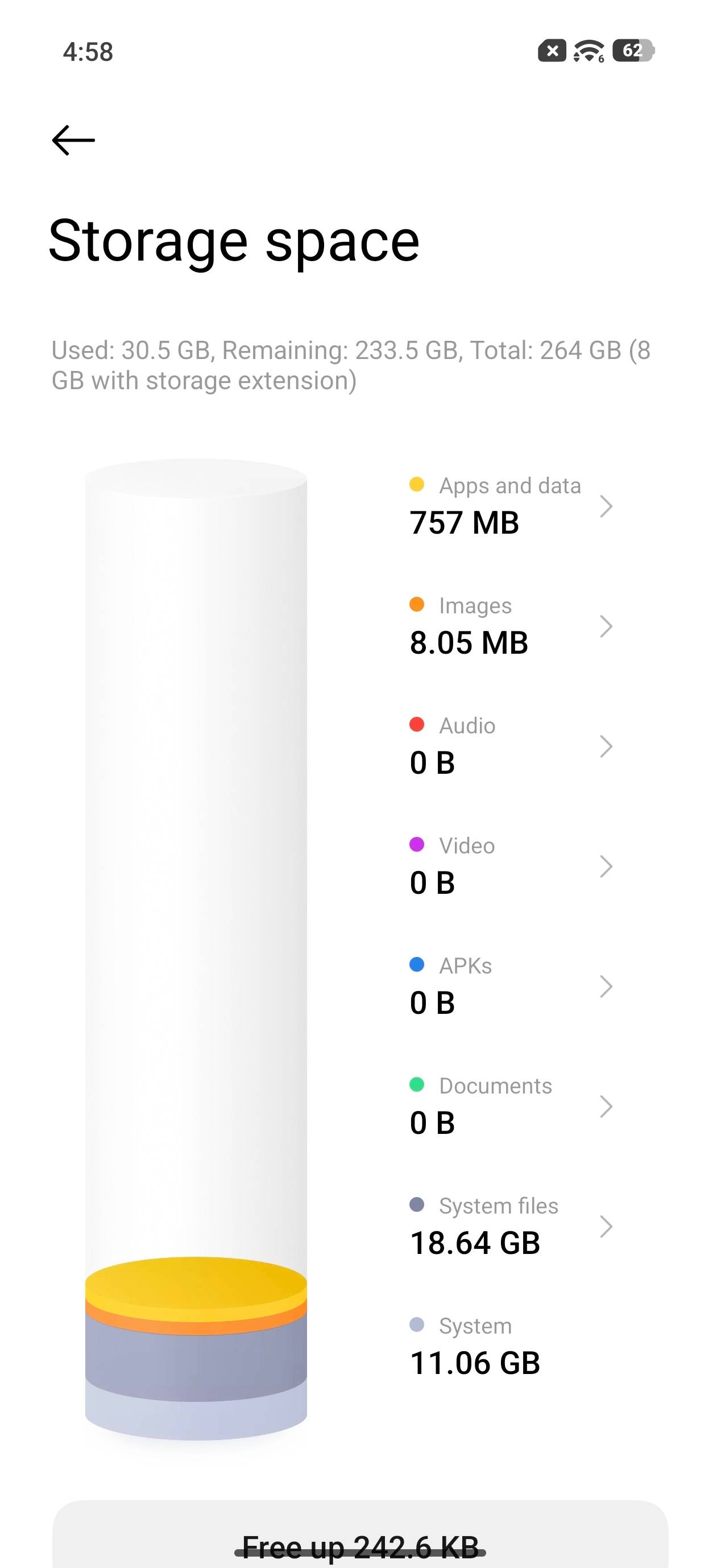
| RAM and storage | Up to 12GB LPDDR5X RAM, 256GB UFS 4.1 storage | Up to 12GB LPDDR4X RAM, 256GB UFS 3.1 storage |
| Rear cameras | 50MP + 8MP ultrawide | 50MP + 2MP |
| Front camera | 20MP | 32MP |
| Battery, charging | 7,540mAh, 100W HyperCharge | 8,000mAh, 80W charging |
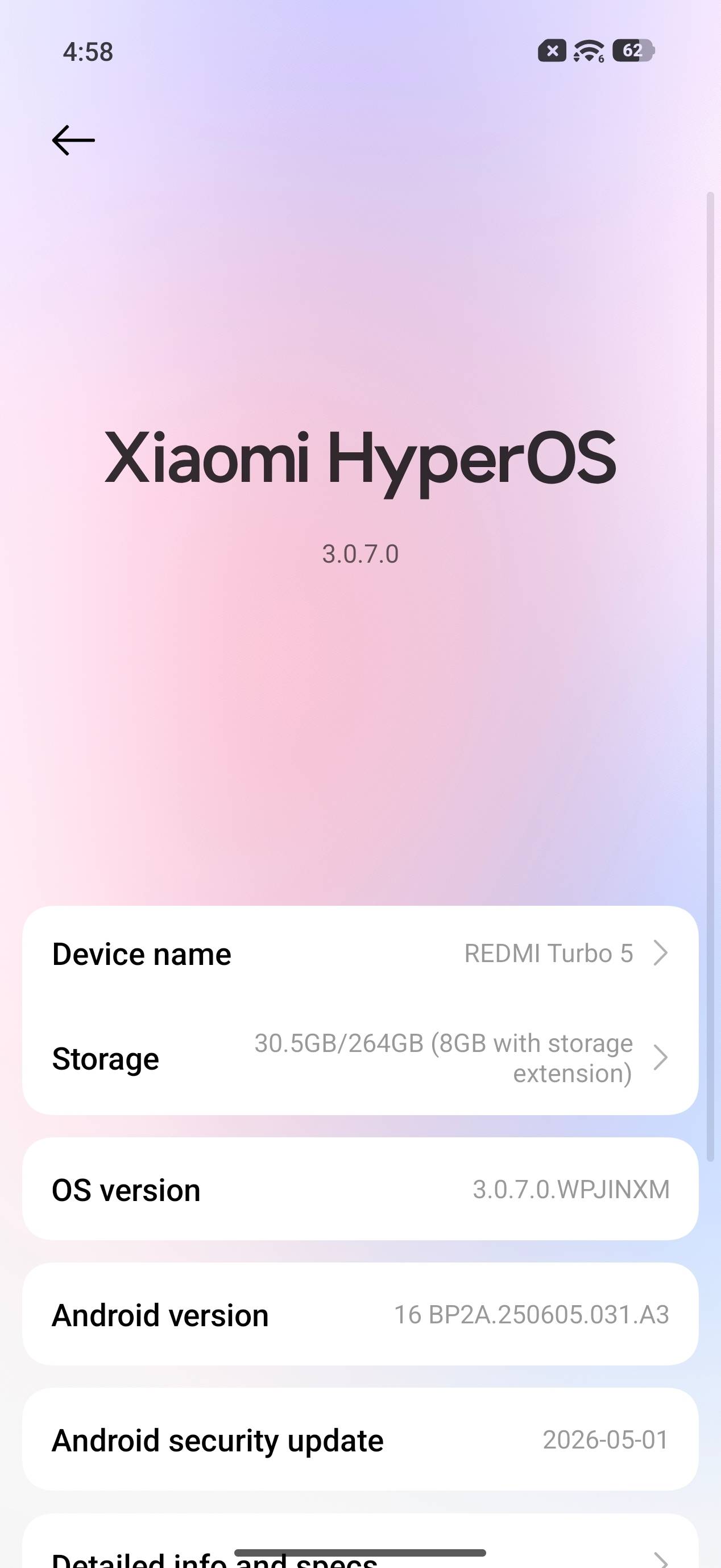
| Software | Android 16-based Hyper OS 3, 4+6 years | Android 16-based OxygenOS 16, 2 OS + 4 years security |
| Durability | IP66, IP68, IP69, IP69K | IP66, IP68, IP69, IP69K, MIL-STD-810H |
Redmi Turbo 5 vs OnePlus Nord CE 6: price
The Redmi Turbo 5 starts at Rs 37,999 for the 8GB + 256GB variant, while the higher-end 12GB + 256GB model costs Rs 40,999.
The OnePlus Nord CE 6 launched at Rs 29,999 for the 8GB + 128GB variant and Rs 32,999 for the 8GB + 256GB model. However, after two price hikes, the phone now costs Rs 33,999 and Rs 36,999, respectively.
| Variant | Redmi Turbo 5 | OnePlus Nord CE 6 |
| 8GB + 128GB | NA | Rs 33,999 |
| 8GB + 256GB | Rs 37,999 | Rs 36,999 |
| 12GB + 256GB | Rs 40,999 | NA |
The OnePlus Nord CE 6 seems to have a small price advantage, but that’s because it’s also a lower storage variant. For the 8GB + 256GB, there is only a Rs 1,000 price difference between the two, with the Nord CE 6 being cheaper. Those chasing more RAM may lean towards the Turbo 5 as the Nord CE 6 only offers configurations in 8GB.
Redmi Turbo 5 vs OnePlus Nord CE 6: design
The Redmi Turbo 5 and OnePlus Nord CE 6 both offer premium durability, but they differ in their feel. Redmi uses an aluminium frame with a glass back, giving the phone a more premium in-hand feel, while the OnePlus relies on a polycarbonate body with a cleaner, understated design.

Despite packing a big battery, the Redmi Turbo 5 remains relatively compact and comfortable to hold, as per our review. The matte finish resists fingerprints well, while the Pixel Matrix lighting around the rear cameras adds a bit of personality while doubling as a notification and alert system.
The OnePlus Nord CE 6, meanwhile, also feels solid despite its plastic construction. Our review found the matte rear panel effective at hiding smudges, while the addition of MIL-STD-810H certification alongside IP66, IP68, IP69, and IP69K ratings gives it an edge in terms of ruggedness. At 215 gms, however, it’s a bit heavier than the Turbo 5, which weighs 204 gms.

Redmi Turbo 5 vs OnePlus Nord CE 6: display
Display quality is a strength for both phones. Our review found the Redmi Turbo 5’s AMOLED panel offering punchy colours, excellent viewing angles, HDR support and strong outdoor visibility, making it enjoyable display for gaming and streaming despite its smaller size.
The OnePlus Nord CE 6, however, has the better multimedia package overall. Its larger 6.78-inch AMOLED display delivers vibrant colours, sharp details and a fluid experience, helped by OxygenOS 16’s smooth animations. The stereo speakers also sound louder and crisper, making movies, OTT content and games slightly more immersive.
Redmi Turbo 5 vs OnePlus Nord CE 6: performance and battery
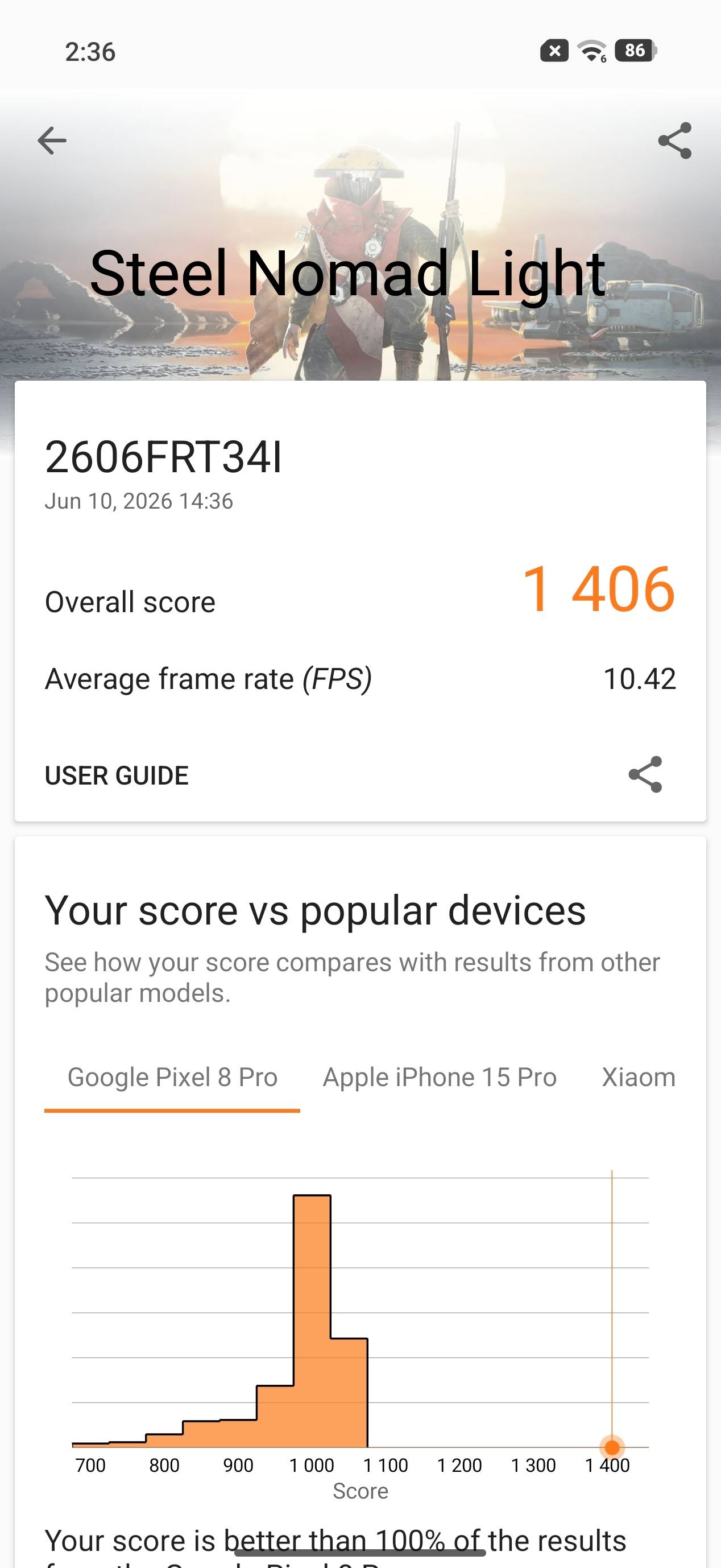
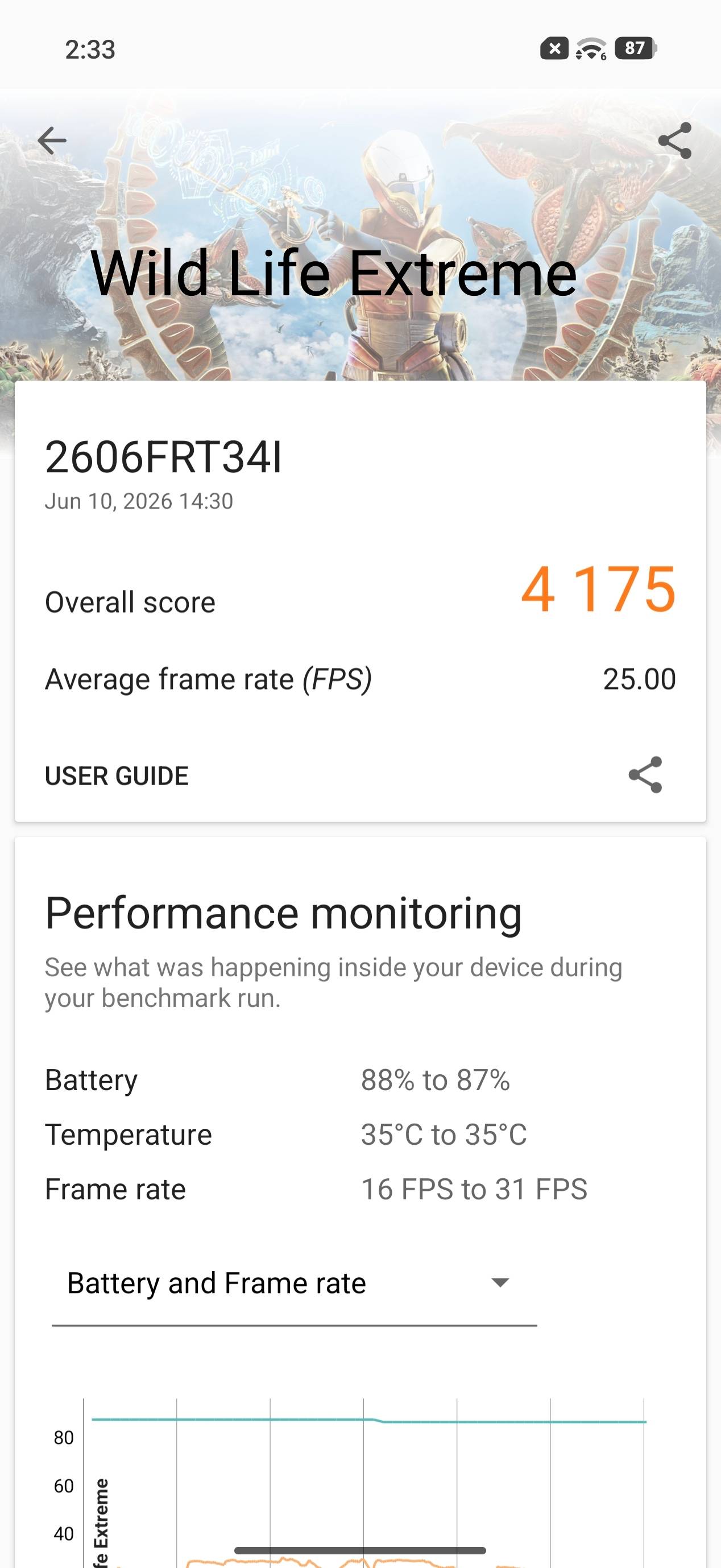
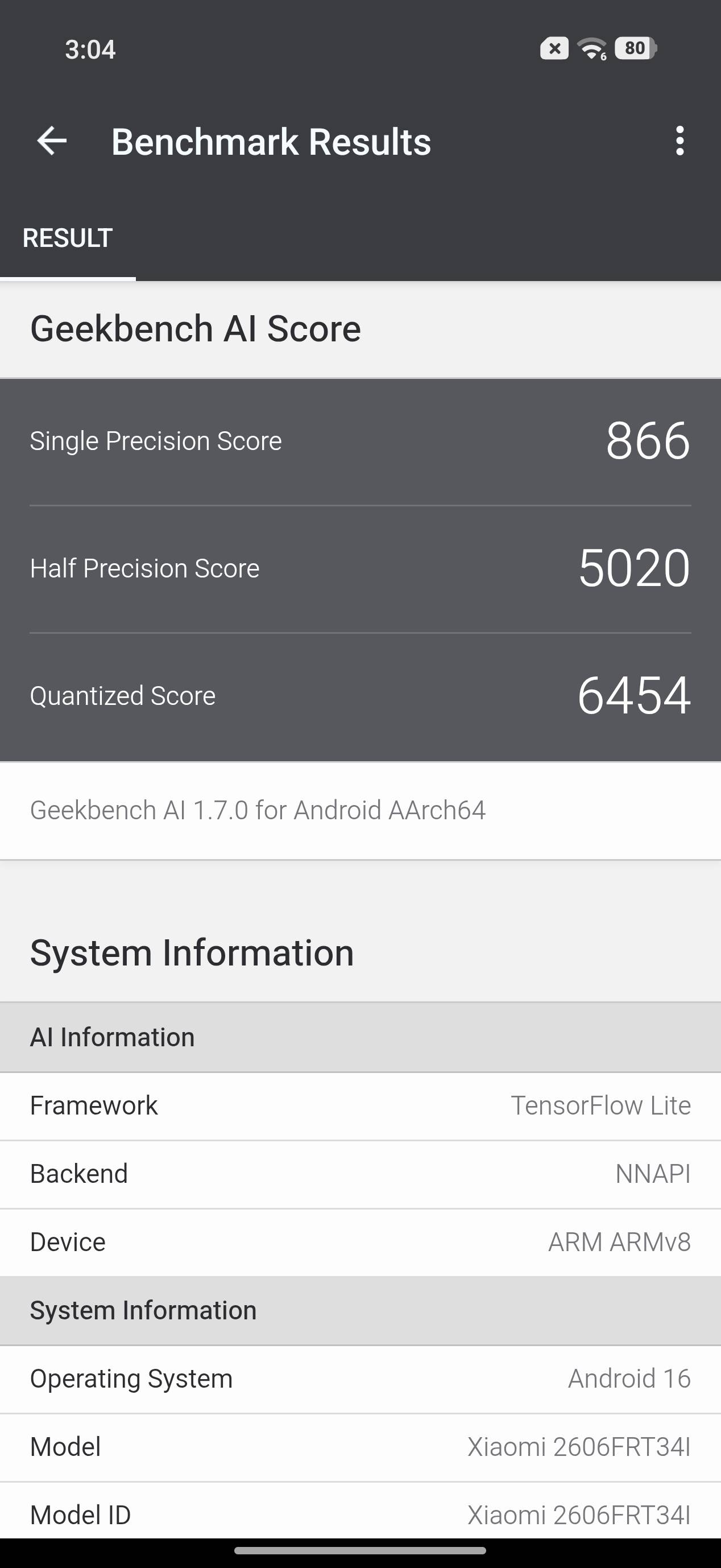
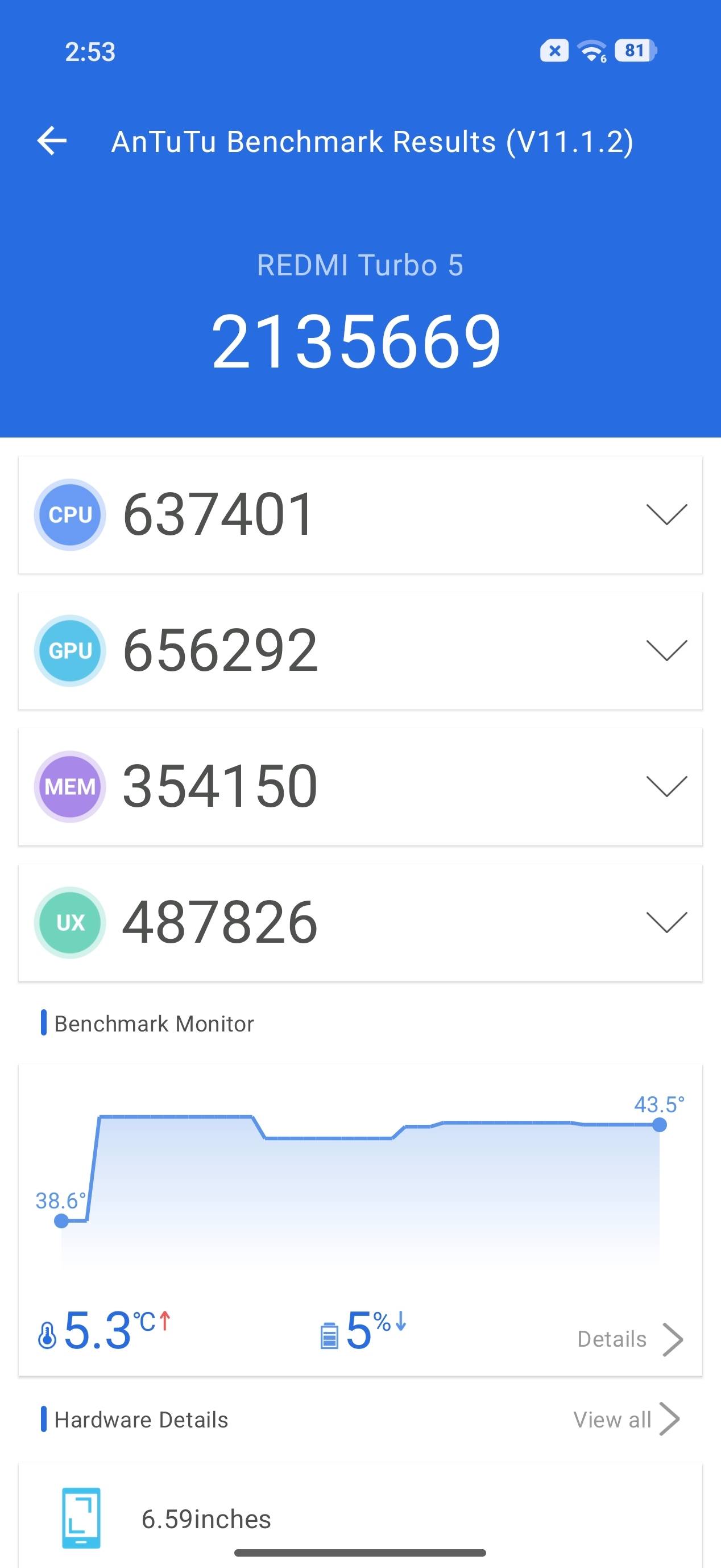
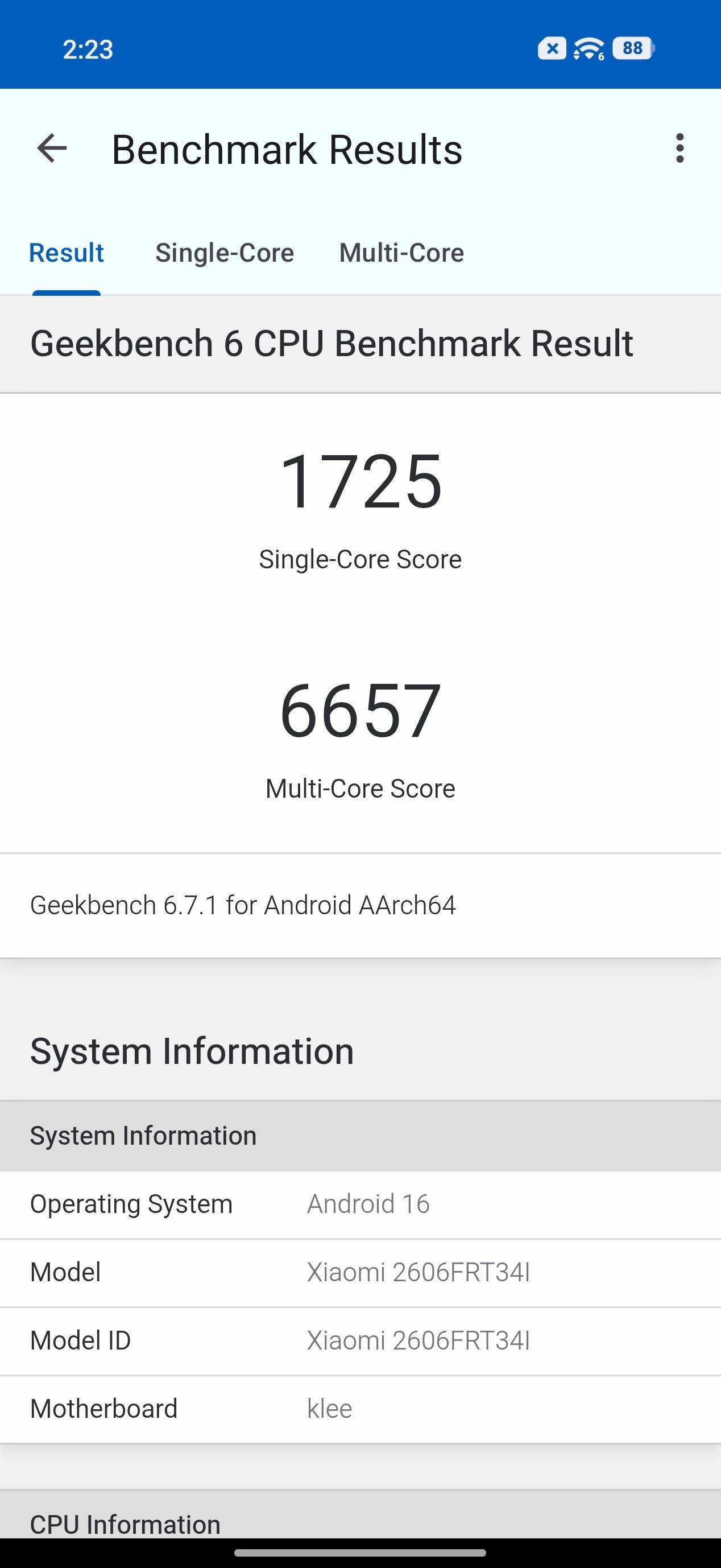
Performance is where the Redmi Turbo 5 pulls ahead. Powered by the MediaTek Dimensity 8500-Ultra, it offers a clear advantage over the Snapdragon 7s Gen 4 inside the OnePlus. The Redmi Turbo 5 consistently maintained 120fps gameplay in BGMI and Call of Duty: Mobile, while also delivering some of the strongest benchmark scores in its segment. The LPDDR5X RAM, UFS 4.1 storage and 3D Ice Loop cooling system help sustain performance during longer gaming sessions, although the phone does get slightly warm around the camera module under extended load.


The OnePlus Nord CE 6 delivers a dependable everyday experience. Our review found the Snapdragon 7s Gen 4 to handle multitasking and daily use with ease, while BGMI runs at up to 90fps. Supported casual games can utilise the display’s full 144Hz refresh rate, and the dedicated Touch Reflex chip noticeably improves touch responsiveness. For most users, the Nord CE 6 offers enough performance, but serious gamers will appreciate the Redmi’s extra headroom.
Battery life tells a slightly different story. While Redmi’s 7,540mAh battery comfortably lasts a full day of heavy use, our review noted that higher-than-expected standby drain prevents the phone from making the most of its large capacity. On the upside, the bundled 100W charger takes the battery from 20 to 100 percent in just 51 minutes.
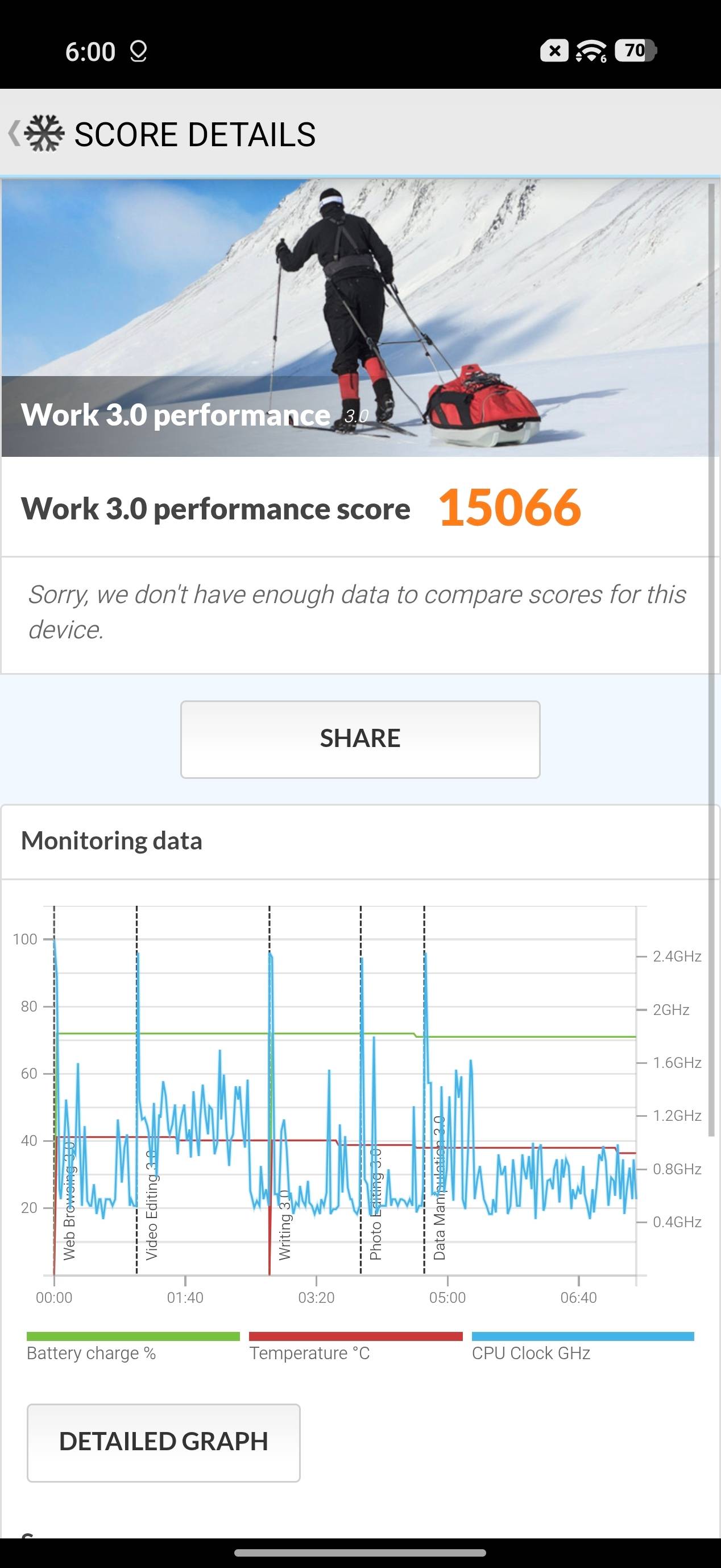
Meanwhile, the OnePlus Nord CE 6 delivers stronger endurance in practice with its larger 8,000mAh cell. According to our review, it comfortably lasted up to 1.5 days with moderate usage and achieved 18 hours and 34 minutes in the PCMark battery benchmark, compared to the Redmi’s 16 hours and 5 minutes. Charging is slower at 80W, taking around 68 minutes from 20 to 100 percent.
If gaming performance is your priority, the Redmi Turbo 5 is the better choice. If you value battery life, the OnePlus Nord CE 6 comes out ahead.
Redmi Turbo 5 vs OnePlus Nord CE 6: cameras
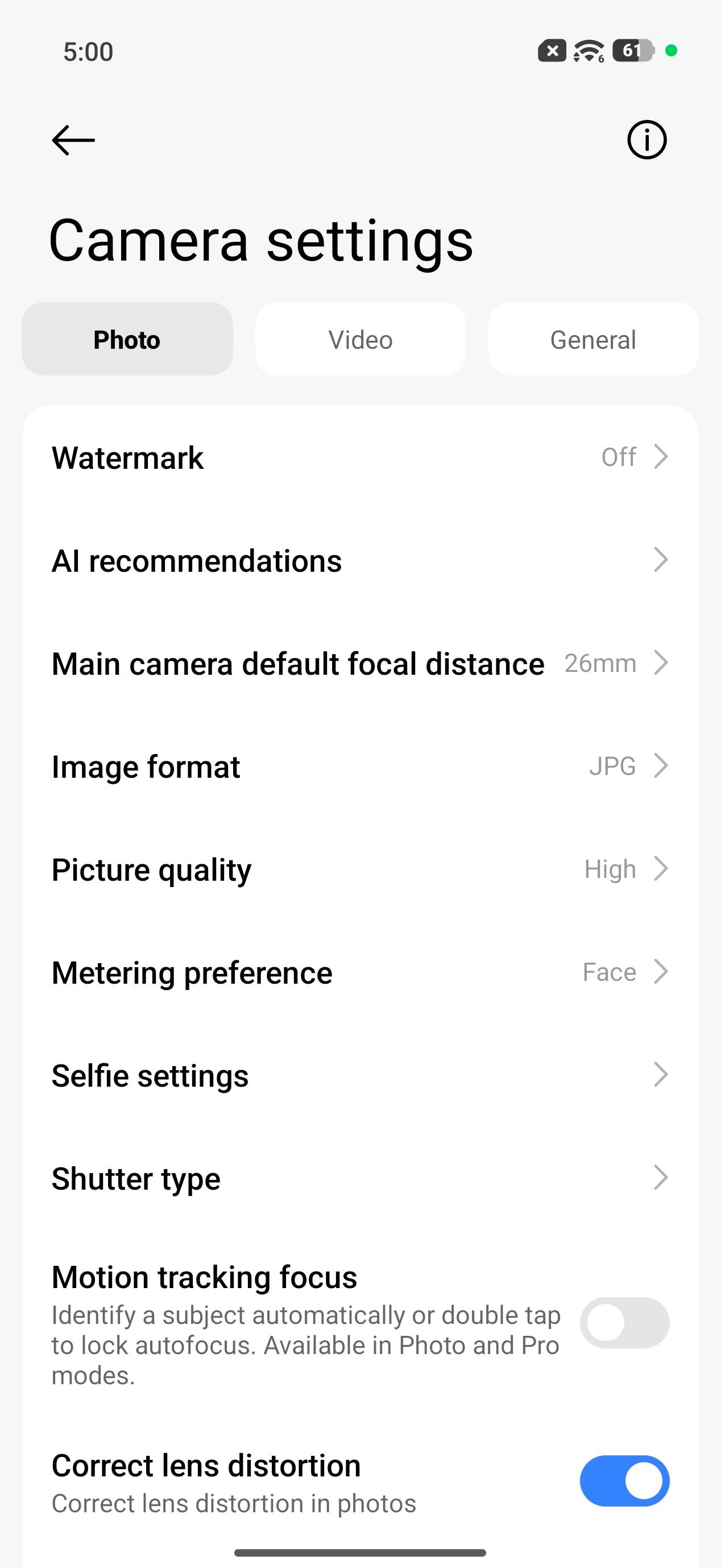
At the outset, it’s important to note that neither smartphone is aimed at photography enthusiasts. Based on our review, the Redmi Turbo 5’s 50MP primary camera captures sharp daylight shots with vibrant colours. The inclusion of an 8MP ultrawide camera also makes it more versatile than the Nord CE 6. However, the ultrawide and 20MP selfie cameras are average performers, making the primary sensor the highlight of the setup.
Redmi Turbo 5 camera samples:














The OnePlus Nord CE 6 drops the ultrawide camera altogether in favour of a basic 2MP secondary sensor. Its primary camera produces natural-looking colours and handles dynamic range well, but image detail and low-light performance could be better. On the flip side, the 32MP front camera captures sharper selfies than the Redmi and also supports 4K video recording, making it a better choice for video calls and content creation.
OnePlus Nord CE 6 camera samples:



















Overall, the Redmi offers the more versatile rear camera system, while the OnePlus delivers a stronger front camera experience.
Redmi Turbo 5 vs OnePlus Nord CE 6: software
The Redmi Turbo 5 ships with HyperOS 3, while the Nord CE 6 runs OxygenOS 16. HyperOS 3 is smooth and feature-rich, offering useful additions such as Hyper Island, HyperAI tools and good connectivity with Xiaomi devices as well as Windows PCs, Macs and iPads. However, the experience is weighed down by a large number of pre-installed apps. Redmi also promises four Android OS upgrades and six years of security updates, giving it a significant long-term advantage.
However, OxygenOS 16 remains one of the cleanest Android interfaces. Our review notes that it offers fluid animations, useful AI-powered editing and productivity features, and plenty of customisation options. But OnePlus only promises two Android OS upgrades and four years of security updates, which falls behind most rivals in this price segment.
Summing up
The Redmi Turbo 5 and OnePlus Nord CE 6 are made for different user profiles. The Redmi Turbo 5 stands out with its class-leading gaming performance, premium build, faster charging, longer software support and stronger sustained performance. While its cameras aren’t its strongest suit and standby battery optimisation could be better, it remains the better choice for gamers.
The OnePlus Nord CE 6, meanwhile, impressed us with its excellent battery endurance, vibrant AMOLED display, polished OxygenOS experience and strong build quality. Its shorter software support policy and average rear cameras are its biggest drawbacks, but it remains a good recommendation for users who prioritise multimedia consumption, battery life and a smooth everyday experience.
If performance and long-term value matter most, the Redmi Turbo 5 is the stronger buy. But if you want a larger display, longer battery life and a cleaner software experience at a slightly lower price, the OnePlus Nord CE 6 remains an excellent alternative.
Xiaomi Redmi Turbo 5 Images