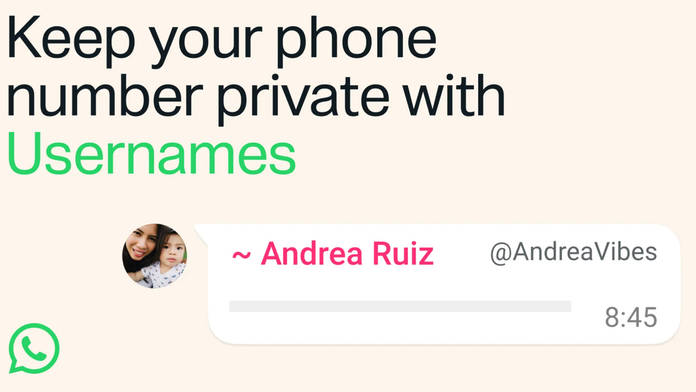
WhatsApp has reportedly started rolling out its long-awaited usernames feature to a limited number of Android and iPhone users, as it starts to move beyond phone number-based messaging. The feature allows users to start conversations without sharing their mobile number, although phone numbers will continue to remain mandatory for account creation and existing chats.
The rollout is currently limited to select users on both the stable and beta versions of WhatsApp and is expected to expand gradually over the coming weeks.
How to create or reserve your username
According to WABetaInfo, users whose usernames are now active will see a banner at the top of the Chats tab confirming that the feature is ready to use. Once enabled, they can share their username with new contacts and businesses instead of their phone number.
WhatsApp first introduced username reservations last month, allowing users to claim their preferred handle ahead of the wider rollout. Those who linked their Meta Accounts Center could also reserve the same username they use on Facebook or Instagram, although this isn’t mandatory. You can check whether your username is active by opening Settings > Profile in WhatsApp. From there, users can create, edit or delete their username at any time. Deleting a username restores phone numbers as the primary identifier for new conversations.
The company is also notifying existing contacts when someone creates or changes their username by displaying an in-chat system message, helping reduce confusion or impersonation.
Format rules and restrictions
WhatsApp usernames do not replace phone numbers. Users will still need a mobile number to register and use the app, while existing chats will continue to display phone numbers as before. For new conversations, however, people who don’t already have your number can contact you using your username instead. WhatsApp requires users to know the exact username, as there is no public directory or partial search feature.
Some accounts may also be offered an optional “username key”, which adds another layer of privacy. In such cases, new users must know both the username and the key before they can start a conversation. The key isn’t required if you’ve already chatted with someone, share a group, have their phone number saved or they message you first.
Enhanced privacy settings
The feature brings WhatsApp closer to rivals such as Telegram, Signal and Discord, all of which already allow users to connect without revealing their phone numbers. For users, this could make sharing contact details with businesses, online sellers or new acquaintances more comfortable while reducing unnecessary exposure of personal numbers.
However, WhatsApp’s rollout comes amid increased scrutiny in India. Earlier reports suggested the Indian government had asked Meta not to introduce usernames in the country until consultations over potential impersonation and safety concerns are complete. Meta has said the feature includes multiple safeguards, including reserved usernames for public figures and verified accounts, limits on unsolicited messages, protection against username guessing and contextual information about first-time senders to help users identify suspicious accounts.
The feature is a meaningful privacy upgrade rather than a replacement for WhatsApp’s existing system. If it rolls out widely with the promised safeguards intact, usernames could make it much easier to connect with new people without giving away a personal phone number, while still retaining the familiarity of WhatsApp’s existing experience.